Planning a Ladakh trip in August 2026 is a great choice for travellers who want to experience high mountain passes, blue lakes, dramatic valleys, Buddhist monasteries and one of India’s most memorable road journeys. August is part of Ladakh’s main travel season, when Leh, Nubra Valley, Pangong Lake, Tso Moriri and other popular regions are generally accessible for visitors.
However, Ladakh in August requires sensible planning. The weather in Leh can feel pleasantly warm during the day but cold after sunset. Mountain roads can be affected by rain, landslides, traffic restrictions or temporary closures, especially on approaches through Jammu and Kashmir and Himachal Pradesh. The altitude is also serious. A rushed itinerary may turn an exciting holiday into an uncomfortable one.
This Ladakh travel guide for August 2026 explains the expected weather, the best routes, ideal trip duration, places to visit, permits, packing tips and practical advice for a safe and rewarding journey.
Is August a Good Time to Visit Ladakh?
Yes, August is one of the better months to visit Ladakh, particularly for travellers who want to explore the region by road. The main sightseeing areas around Leh are active, hotels and camps are open, and the landscapes look exceptionally clear after the short summer season.
The main advantage of visiting Ladakh in August is that most popular destinations can be included in one trip. Leh, Sham Valley, Nubra Valley, Pangong Lake, Tso Moriri and Hanle are usually part of the regular tourism circuit, depending on road conditions and permits.
August also brings a lively atmosphere to Leh. Cafes, restaurants, local markets, bike rentals and tour operators are fully active. It is a good month for couples, families with older children, photographers, bikers and first-time visitors who want comfortable access to the major attractions.
That said, August is not completely predictable. Ladakh lies in a cold desert region, so Leh itself usually receives far less rain than many Himalayan destinations. Still, weather systems can affect travel routes, and heavy rainfall in Kashmir or Himachal Pradesh can lead to landslides, roadblocks or delayed movement on the Srinagar-Leh and Manali-Leh highways. The India Meteorological Department has documented unusual heavy-rain and cloudburst events in Ladakh, so travellers should never assume that clear weather in Leh guarantees smooth road conditions across the whole region.
For August 2026, check the latest road and weather updates shortly before departure rather than relying only on old travel blogs.
Ladakh Weather in August 2026
August weather in Ladakh is generally pleasant during the day and noticeably cold at night. Leh sits at a high altitude, so sunlight can feel strong even when the air is cool. Travellers often make the mistake of packing only summer clothes because they see daytime photographs of people in T-shirts.
A better approach is to pack for changing conditions.
During the day in Leh, temperatures often feel comfortable for sightseeing, especially in direct sunshine. Early mornings, evenings and nights can be cold, while high-altitude locations such as Pangong Lake, Tso Moriri, Khardung La, Chang La and Hanle can feel much colder throughout the day.
The weather pattern usually looks like this:
- Daytime in Leh: Pleasant, sunny and dry for much of the day
- Morning and evening: Cool, sometimes windy
- Night temperature: Cold enough for a fleece or insulated jacket
- High passes: Very cold, windy and unpredictable
- Nubra Valley: Warmer than Leh during the day
- Pangong and Tso Moriri: Cold, especially after sunset
- Road routes through Himachal and Kashmir: Can face rain-related disruption even if Leh remains dry
IMD’s official climatological portal includes Leh among its station records, but travellers should treat long-term averages only as a guide. Exact weather for August 2026 cannot be predicted months in advance, so the most useful forecast will be the one checked a few days before travel.
What to Expect from Rain in Ladakh in August
Leh and much of central Ladakh remain comparatively dry because the region lies beyond the main monsoon barrier of the Himalayas. But this does not mean there is zero rain risk.
The bigger concern is often not rainfall inside Leh town. The concern is the journey to Ladakh through mountain roads. The Srinagar-Leh route can be affected by rain and landslides in parts of Jammu and Kashmir, while the Manali-Leh route can face weather-related delays in Lahaul, around high passes or near water crossings.
Keep one buffer day in your Ladakh itinerary if you are travelling by road. It is especially important for travellers who have a fixed return flight or onward train from Delhi, Chandigarh, Jammu or Srinagar.
Best Ways to Reach Ladakh in August 2026:
There are three main ways to reach Ladakh in August:
- By flight to Leh
- By road from Srinagar
- By road from Manali
Each option offers a different experience.
Fly to Leh: Best for Comfort and Limited Time
Flying to Leh is the fastest and easiest way to reach Ladakh. This is the best option for travellers with limited holidays, families, senior travellers and those who prefer to avoid long road journeys.
Leh airport is the main air gateway to Ladakh. The administration has described Leh Airfield as an important year-round connection for the region, especially when road routes are closed during winter.
A flight saves time, but it comes with one important rule: do not start sightseeing immediately after landing.
Because Leh is at high altitude, you should spend the first day resting at your hotel. Avoid climbing stairs repeatedly, walking long distances, drinking alcohol or taking a heavy meal. Hydrate well and let your body adjust.
Best for:
- First-time Ladakh visitors
- Families
- Senior travellers
- Couples
- Travellers with 6 to 8 days
- Anyone worried about long mountain drives
Suggested plan:
Fly into Leh, spend two nights in Leh for acclimatisation, then travel to Nubra Valley, Pangong Lake, Tso Moriri or Sham Valley.
Srinagar to Leh Route: Best for Gradual Acclimatisation
The Srinagar-Leh highway is often preferred by travellers who want a gradual altitude gain. Instead of flying directly into Leh, you travel through Srinagar, Sonamarg, Zoji La, Drass, Kargil, Lamayuru and Alchi before reaching Leh.
This route is scenic, historically rich and generally better for acclimatisation than flying into Leh. The changing landscape is part of the experience. You move from Kashmir’s green valleys to the rugged, dry mountain terrain of Ladakh.
The journey usually takes two days with an overnight stay in Kargil.
Typical Srinagar to Leh route
Srinagar – Sonamarg – Zoji La – Drass – Kargil – Mulbekh – Lamayuru – Alchi – Leh
The road gives you a chance to visit places such as Kargil, Lamayuru Monastery, Magnetic Hill, Gurudwara Pathar Sahib and the confluence of the Indus and Zanskar rivers.
The Ladakh government identifies the Srinagar-Leh route as one of the principal road approaches to the region.
Why choose the Srinagar-Leh route in August?
- Gradual gain in altitude
- Beautiful Kashmir and Ladakh landscapes in one journey
- Better option for travellers worried about altitude sickness
- Opportunity to visit Kargil and Lamayuru
- Good for a one-way road trip combined with a Leh flight
Important August advice
Monsoon rainfall can affect sections of this route. Start early, avoid driving after dark, and confirm road status before leaving Srinagar. The Ladakh Police advises travellers to assess road and weather conditions, inspect vehicles and carry essential documents before highway travel.
Featured Ladakh Holiday Packages:
- 6-Day Leh Ladakh Sightseeing Tour Package
- 8-Day Manali to Leh Ladakh Road Trip via Jispa
- 10-Day Manali to Leh Ladakh Road Trip Package
- 5-Day Leh Ladakh Tour Package
- 10-Day Kashmir and Leh Ladakh Tour Package
- 9-Day Leh, Kargil, Nubra Valley and Pangong Lake Tour
- 7-Day Leh Ladakh Holiday Tour Package
- 10-Day Kashmir Ladakh Tour Itinerary with Leh and Kargil
Manali to Leh Route: Best for Adventure and High-Altitude Landscapes
The Manali-Leh highway is one of India’s most iconic road trips. It crosses a dramatic high-altitude landscape with wide valleys, barren mountains, high passes, remote campsites and endless open roads.
The route generally passes through Manali, Atal Tunnel, Keylong, Jispa, Darcha, Sarchu, Pang, More Plains, Tanglang La and Leh.
The Border Roads Organisation maintains major road networks in Ladakh, including the Leh-Manali and Zoji La corridors through Project Himank.
Typical Manali to Leh route
Manali – Atal Tunnel – Keylong – Jispa – Darcha – Sarchu – Pang – More Plains – Tanglang La – Leh
Most travellers complete the journey in two days, with an overnight stay at Jispa or Sarchu. Jispa is usually more comfortable for many travellers because its altitude is lower than Sarchu.
Why choose the Manali-Leh route in August?
- Spectacular landscapes
- Famous high mountain passes
- Ideal for bikers and adventure travellers
- Excellent for photography
- Good choice for a Leh-to-Manali or Manali-to-Leh circuit
- Opportunity to combine Himachal Pradesh and Ladakh in one holiday
Important August advice
August is usually an active travel period on the Manali-Leh route, but the road should never be considered guaranteed. Rain in Himachal Pradesh, water crossings, road repairs, traffic controls and weather around mountain passes can cause delays.
Do not attempt this route overnight. Start early, keep fuel topped up, carry snacks and water, and choose a reliable vehicle with an experienced mountain driver.
Which Route Is Better: Srinagar to Leh or Manali to Leh?
For most first-time travellers, the best combination is:
Arrive through Srinagar and depart through Leh by flight or Manali road.
The Srinagar route is usually easier for acclimatisation because elevation rises more gradually. The Manali-Leh route is more dramatic and adventurous but includes longer stretches at very high altitude.
A popular route plan is:
Srinagar – Kargil – Leh – Nubra Valley – Pangong Lake – Leh – Tso Moriri – Manali
This circuit gives you varied landscapes and avoids repeating the same route.
For a shorter trip, fly to Leh and focus on Leh, Nubra Valley and Pangong Lake.
Best 6 Places to Visit in Ladakh in August:
1. Leh
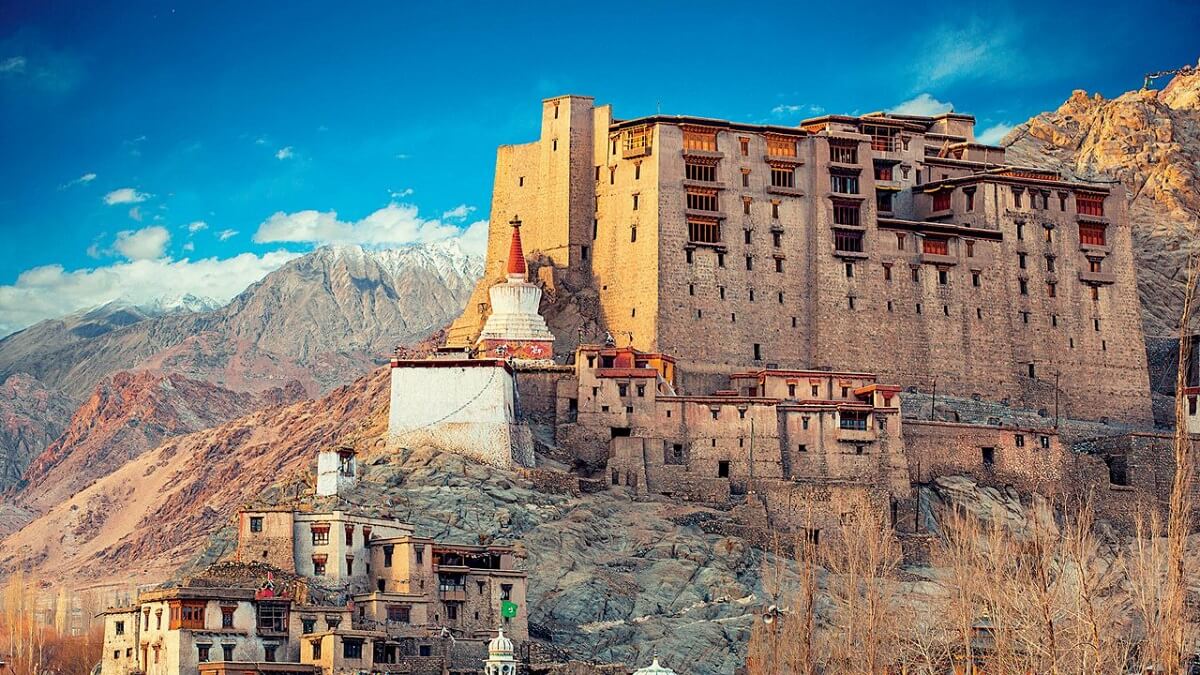
Leh is the base for most Ladakh holidays. It is where you rest, acclimatise, arrange permits, explore local markets and begin trips to nearby valleys.
Top places to visit in Leh include:
- Leh Palace
- Shanti Stupa
- Leh Market
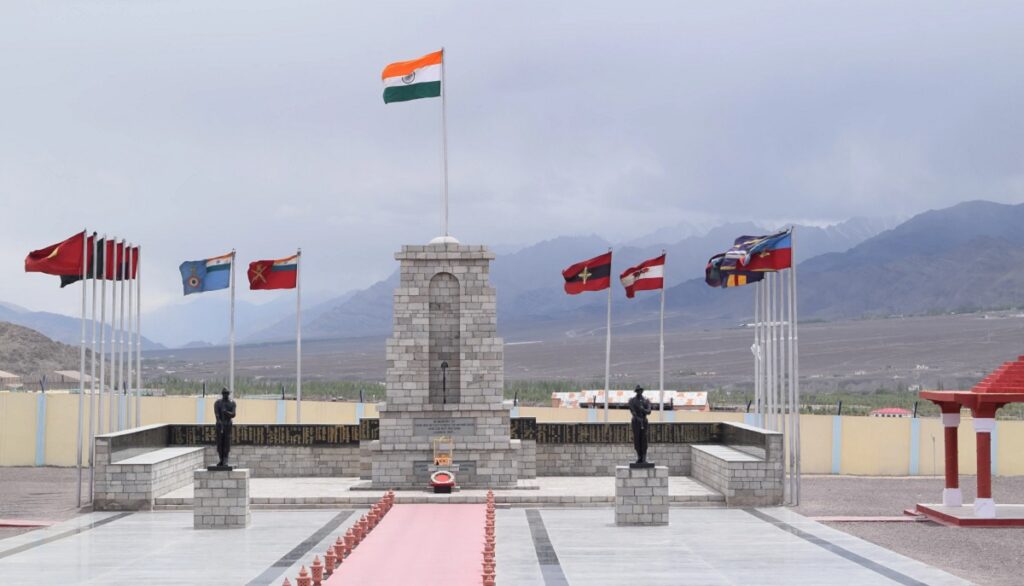
- Hall of Fame
- Sangam Point
- Magnetic Hill
- Gurudwara Pathar Sahib
- Spituk Monastery
Spend at least two nights in Leh at the beginning of your trip.
2. Nubra Valley
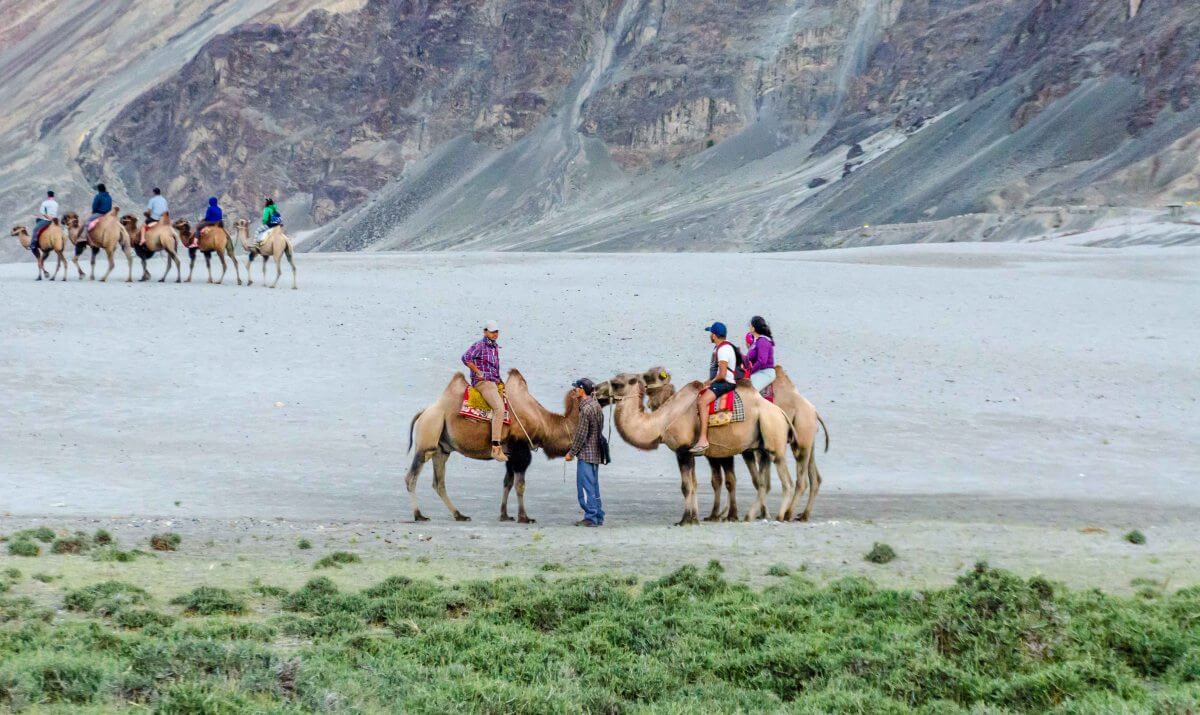
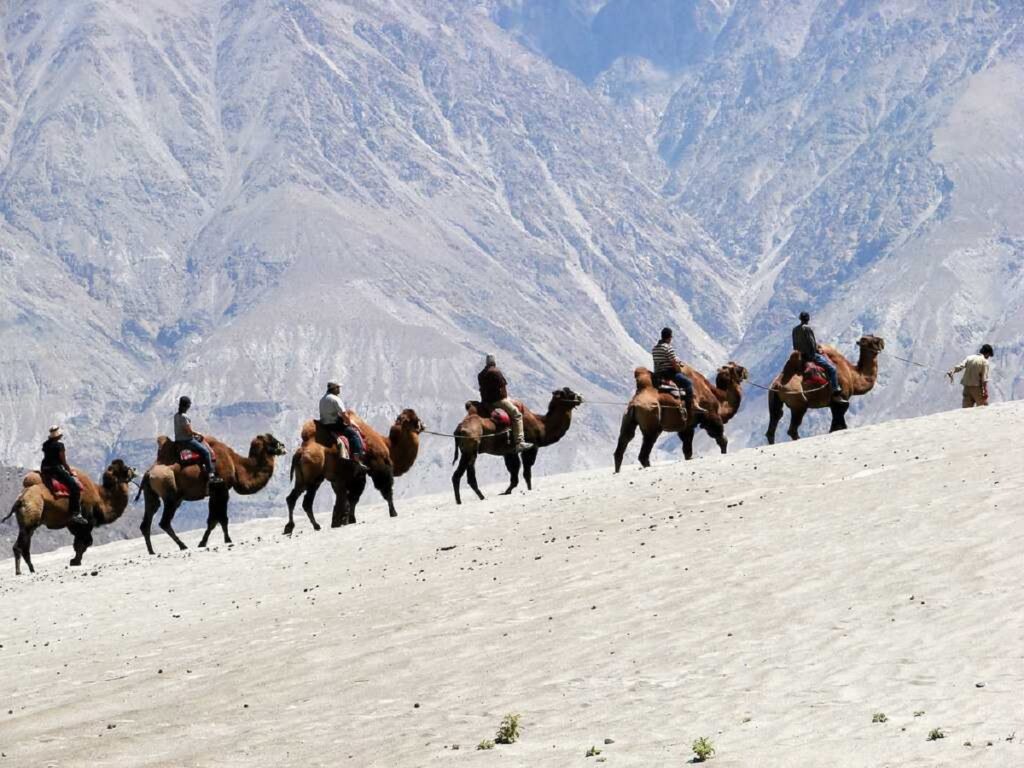
Nubra Valley is one of the most popular places in Ladakh, known for sand dunes, Bactrian camels, green villages and dramatic mountain views.
The usual route from Leh crosses Khardung La, one of the highest motorable passes in the region. In Nubra, Hunder is famous for its sand dunes and camel rides, while Turtuk offers a different cultural experience close to the border region.
Places to include in Nubra Valley:
- Hunder sand dunes
- Diskit Monastery
- Turtuk village
- Panamik
- Sumur
- Samstanling Monastery
Nubra Valley is warmer than Leh during the daytime, but nights can still be cold.
3. Pangong Lake
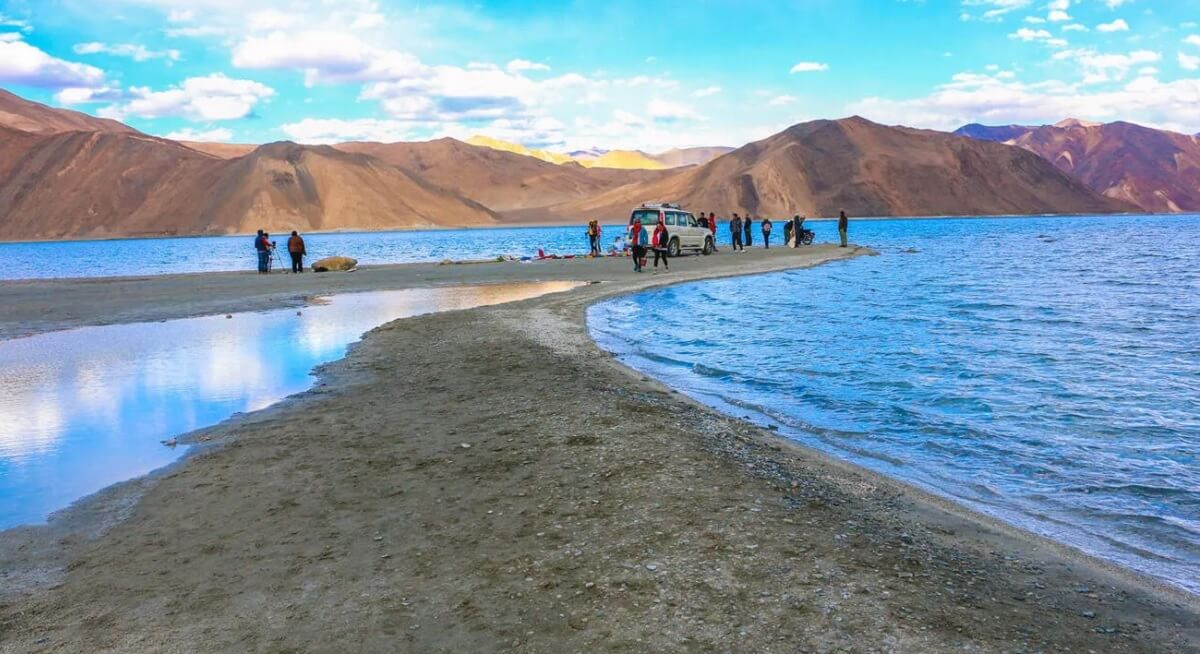
Pangong Lake is one of Ladakh’s most photographed attractions. Its changing shades of blue, wide open setting and surrounding mountains make it a highlight of nearly every Ladakh itinerary.
The drive from Leh usually goes via Chang La. The lake is beautiful in August, but the weather can change quickly. Evenings can be extremely cold, so travellers staying overnight should carry warm layers.
Pangong Lake is listed by the Ladakh administration as a major tourist destination accessible through Leh.
4. Tso Moriri
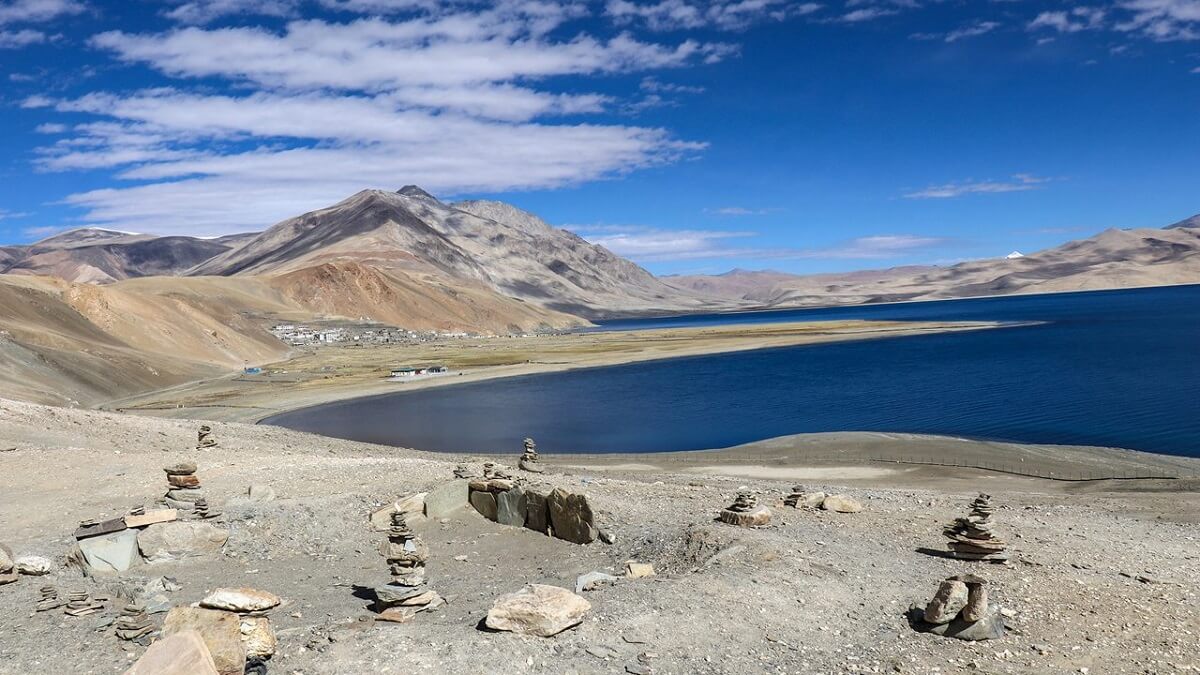
Tso Moriri is quieter and more remote than Pangong Lake. It is ideal for travellers who want a peaceful, less commercial Ladakh experience.
Located in the Changthang region, Tso Moriri offers wide lake views, open plains, birdlife and a strong sense of remoteness. It is best suited to travellers with at least seven or eight days in Ladakh.
Because of the altitude and distance, plan this carefully. Do not schedule Tso Moriri immediately after arriving in Leh.
5. Hanle
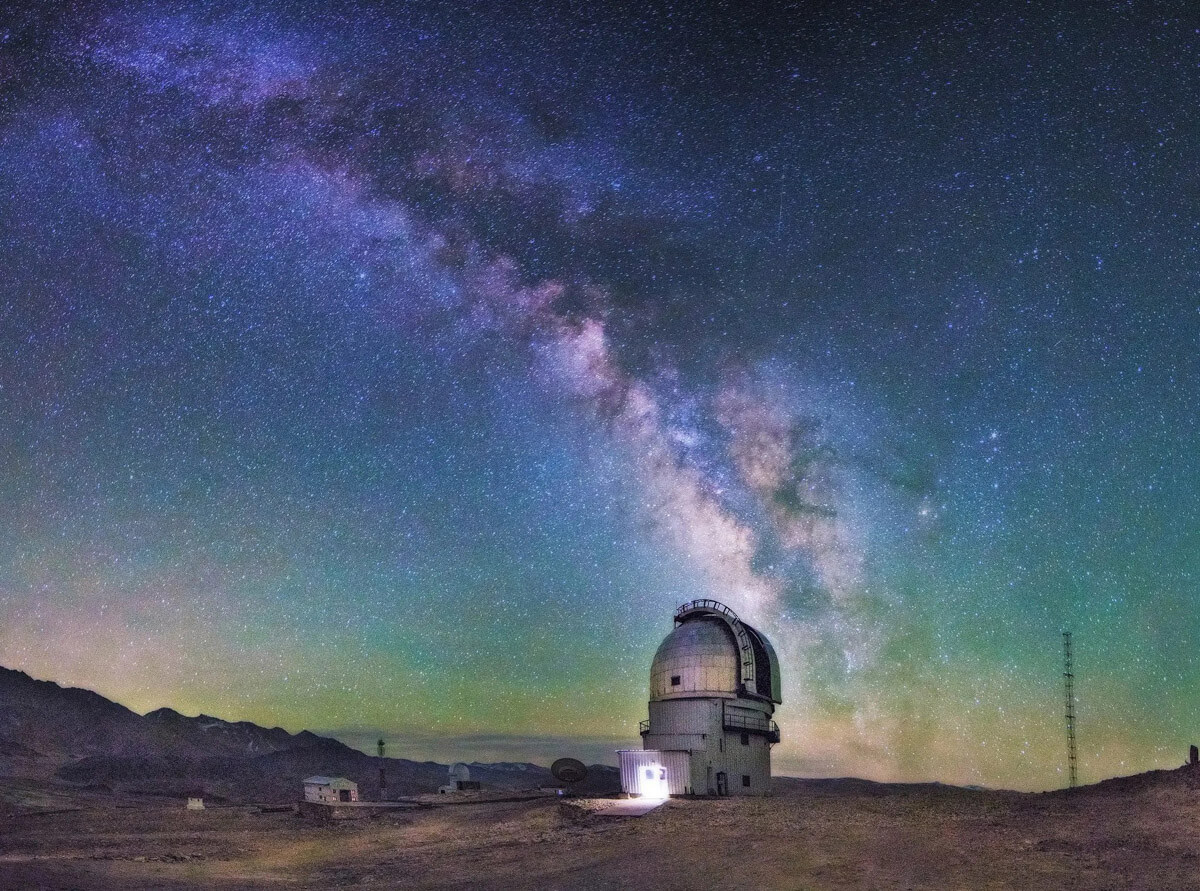
Hanle is a remote high-altitude village known for its vast open landscapes, starry skies and peaceful atmosphere. It is a dream destination for photographers and travellers looking for a quieter side of Ladakh.
Hanle requires proper planning, sufficient travel days and current permit confirmation. It is not ideal for a rushed first-time itinerary.
6. Sham Valley
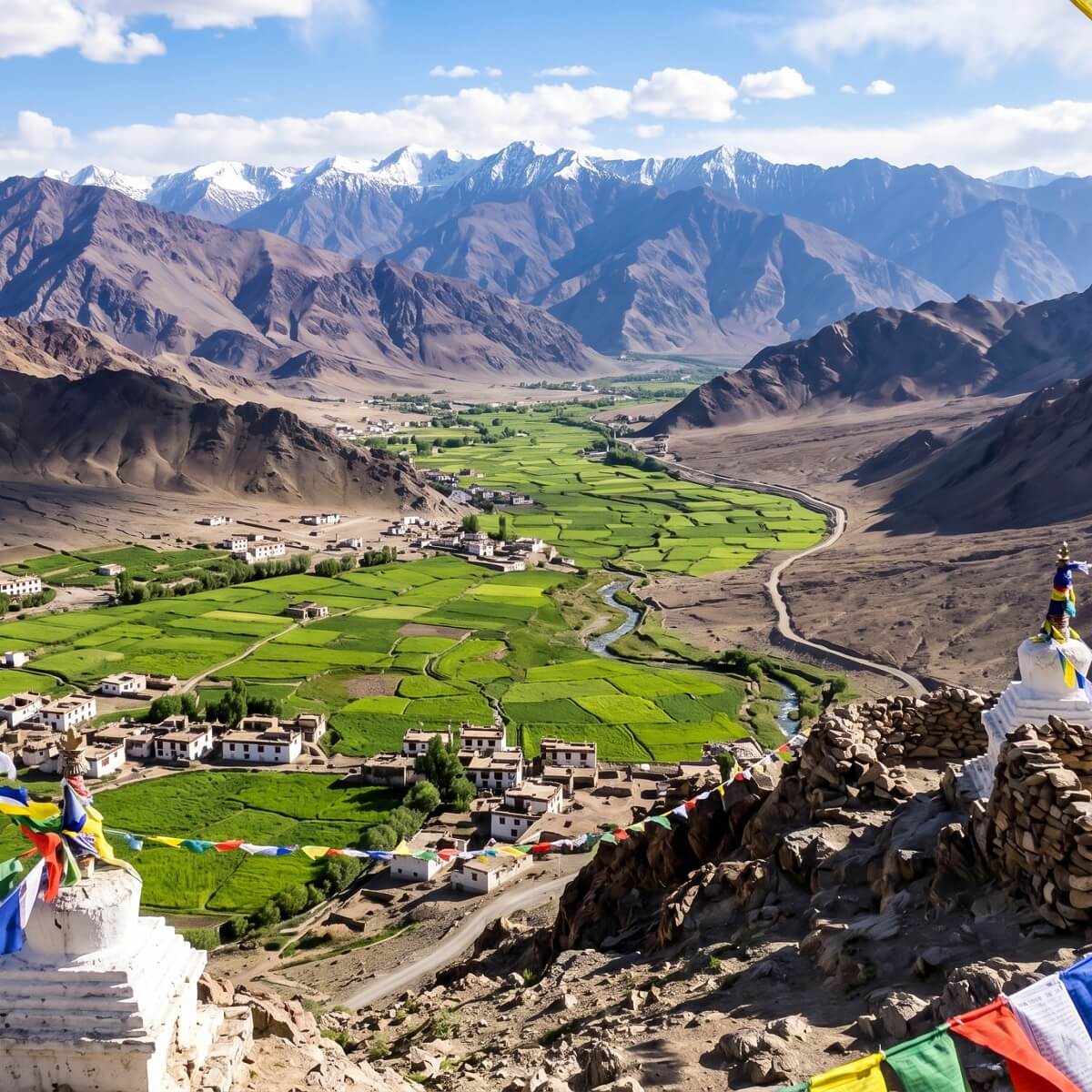
Sham Valley is a good option for the first sightseeing day after acclimatisation in Leh. It is lower in altitude than many other Ladakh circuits and offers interesting cultural and natural stops.
A Sham Valley day trip can include:
- Alchi Monastery
- Likir Monastery
- Basgo Monastery
- Magnetic Hill
- Gurudwara Pathar Sahib
- Sangam Point
Ladakh Permits for August 2026
Many key tourist areas in Ladakh require permits, particularly border-sensitive and protected areas.
Leh district provides online access to Protected Area Permit and Inner Line Permit-related services through its official online services portal.
Places commonly associated with permit requirements include:
- Nubra Valley
- Khardung La
- Pangong Lake
- Tso Moriri
- Hanle
- Changthang region
Rules can change, so confirm the latest requirement before travel. The district administration specifically identifies Pangong, Nubra, Khardung La and Tso Moriri among protected or restricted areas for which certain foreign passport holders require Protected Area Permits.
Carry printed copies of your permit, photo ID and passport where applicable. Checkpoints may ask for documents during road travel.
How Many Days Are Needed for Ladakh in August?
A minimum of six days is needed for a basic Ladakh trip. Eight to ten days is much better if you want to travel comfortably and include multiple destinations.
6 Days Ladakh Itinerary
Day 1: Arrive in Leh and rest
Day 2: Leh local sightseeing and Sham Valley
Day 3: Leh to Nubra Valley
Day 4: Nubra Valley to Pangong Lake
Day 5: Pangong Lake to Leh
Day 6: Departure from Leh
8 Days Ladakh Itinerary
Day 1: Arrive in Leh and rest
Day 2: Leh local sightseeing and acclimatisation
Day 3: Leh to Nubra Valley
Day 4: Nubra Valley sightseeing
Day 5: Nubra Valley to Pangong Lake
Day 6: Pangong Lake to Leh
Day 7: Sham Valley or monastery tour
Day 8: Departure
10 Days Ladakh Itinerary
Day 1: Arrive in Leh
Day 2: Leh acclimatisation and local sightseeing
Day 3: Sham Valley tour
Day 4: Leh to Nubra Valley
Day 5: Nubra Valley sightseeing
Day 6: Nubra to Pangong Lake
Day 7: Pangong Lake to Leh
Day 8: Leh to Tso Moriri
Day 9: Tso Moriri to Leh
Day 10: Departure
Acclimatisation Tips for Ladakh
The biggest mistake travellers make is trying to cover too much too soon.
Leh’s altitude can affect anyone, regardless of age or fitness. You may experience headache, fatigue, loss of appetite, breathlessness or trouble sleeping during the first day.
Follow these simple rules:
- Rest for the first 24 hours after reaching Leh
- Drink water regularly
- Avoid alcohol and smoking during the first two days
- Avoid strenuous walking or hiking on arrival day
- Eat light meals
- Do not sleep at Pangong Lake or Tso Moriri immediately after landing in Leh
- Inform your hotel or guide if symptoms become severe
- Speak with a doctor before travel if you have heart, lung or serious health conditions
A slow itinerary is not wasted time in Ladakh. It is the difference between enjoying the journey and struggling through it.
What to Pack for Ladakh in August:
Pack layers rather than relying on one thick jacket.
Essential clothing
- Warm fleece or sweatshirt
- Light insulated jacket
- Windproof outer layer
- Full-sleeve T-shirts
- Thermal innerwear for lake stays
- Comfortable jeans or trekking trousers
- Woollen socks
- Gloves and a warm cap
- Sunglasses
- Sun cap
- Comfortable walking shoes
Essential travel items
- Sunscreen with high SPF
- Lip balm
- Reusable water bottle
- Basic medicines
- Motion sickness medicine if needed
- Personal ID and permit copies
- Power bank
- Small torch
- Snacks for long drives
- Cash for remote areas
Sun protection is very important in Ladakh. High altitude, dry air and strong sunlight can cause sunburn quickly.
Ladakh Travel Tips for August 2026
- Book hotels and camps early, especially if travelling around Independence Day or long weekends. August is a popular travel month, and good accommodation in Leh, Nubra and Pangong can sell out.
- Choose experienced local drivers for road journeys. Ladakh roads involve high passes, sharp bends, changing weather and occasional rough stretches. A local driver understands the route, permit checks, fuel stops and weather patterns better than someone unfamiliar with the region.
- Avoid overpacking your itinerary. Ladakh is not a place to travel in a rush. Keep enough rest time between long drives.
- Do not depend entirely on mobile internet. Connectivity can be limited in parts of Nubra, Pangong, Tso Moriri and Hanle. Download offline maps and share your itinerary with family before leaving Leh.
- Carry enough cash. Digital payment options are available in Leh, but remote areas may have weak connectivity or limited payment facilities.
- Respect local culture and the environment. Ladakh is ecologically fragile. Avoid littering, do not disturb wildlife, and use refillable water bottles wherever possible.
Final Thoughts
A Ladakh trip in August 2026 offers everything that makes Himalayan travel special: powerful landscapes, open roads, ancient monasteries, high-altitude lakes and a sense of adventure that stays with you long after the holiday ends.
For the best experience, do not simply chase photos of Pangong Lake or Khardung La. Give yourself time to acclimatise in Leh, choose the right route, leave room for weather changes and travel slowly through the mountains.
Fly to Leh if comfort and time matter most. Choose Srinagar to Leh for a more gradual and scenic road approach. Take the Manali-Leh route if you want an adventurous high-altitude journey. Whichever route you select, August remains one of the most rewarding times to discover Ladakh with clear planning, warm clothing and a flexible mindset.
More Ladakh Travel Guides to Explore
- Lamayuru Monastery, Ladakh: History, Attractions & Visitor Guide
- Ladakh in June 2027: Weather, Open Routes & Best Places to Visit
- Thiksey Monastery, Leh Ladakh: History, Highlights & Travel Guide
- Zanskar Valley, Ladakh: Best Places to Visit & Travel Tips
- Nubra Valley, Ladakh: Top Attractions, Routes & Travel Guide
- Ladakh Trip Cost: Budget, Hotels, Transport & Travel Tips
- Ladakh Inner Line Permit Guide: Rules, Documents & Restricted Areas
- Ladakh in May 2027: Weather, Road Conditions & Travel Advice
- Apricot Blossom Festival in Ladakh: Dates, Villages & Travel Tips
- Ladakh Silk Route: History, Scenic Villages & Travel Guide
- Ladakh in April 2027: Weather, Temperature & Travel Tips
- Magnetic Hill, Ladakh: Location, Mystery & Complete Guide
- First-Time Ladakh Travel Guide: Best Routes, Itinerary & Tips
- Leh Ladakh in January 2027: Weather, Snowfall & Travel Guide
- Karakoram Wildlife Sanctuary: Nubra Valley, Shyok & Wildlife Guide
- Pangong Lake, Ladakh: How to Reach, Best Time & Travel Tips
- Magnetic Hill, Ladakh: Science, Myths & Interesting Facts
- Shanti Stupa, Leh: History, Timings & Visitor Information
- How to Reach Ladakh: Best Routes by Flight, Road and Bike
- AMS in Ladakh: Symptoms, Prevention & Acclimatisation Tips
- Stok Kangri Trek: Route, Altitude, Difficulty & Travel Tips
- Zoji La Pass: Route, Weather, Road Status & Travel Guide
- Ladakh in July 2026: Weather, Road Trips & Places to Explore
- Best Photography Spots in Ladakh for Stunning Mountain Views
- Hemis Festival 2026: Dates, Celebrations & Travel Guide
- New Year in Leh Ladakh 2026: Weather, Snowfall & Travel Tips
- Ladakh Helicopter Service: Routes, Booking & Travel Updates