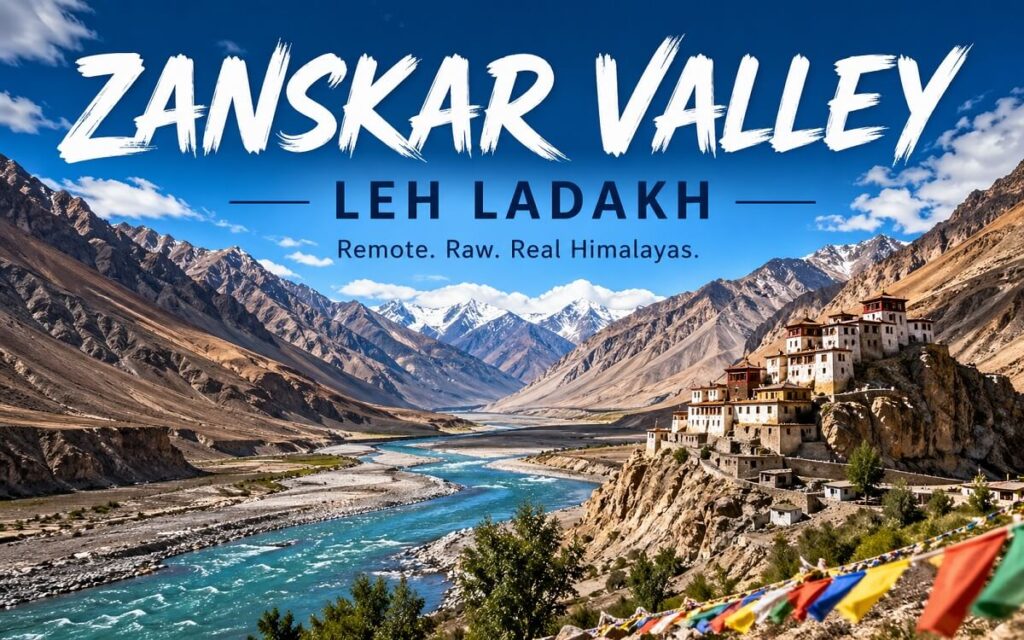
Hidden deep within the rugged mountains of the Indian Himalayas, Zanskar Valley is one of the most remote and untouched destinations in Leh Ladakh. Known for its dramatic landscapes, ancient monasteries, frozen rivers, and thrilling treks, Zanskar offers a raw, authentic Himalayan experience far away from mass tourism.
This detailed travel guide covers everything you need to know — from facts, geography, and culture to routes, itineraries, best time to visit, and expert travel tips.
Where is Zanskar Valley Located?
Zanskar Valley lies in the Kargil district of Ladakh, about 460 km from Leh and is centered around the town of Padum.
Geographically, it sits between two major mountain systems:
- The Great Himalayan Range (southwest)
- The Zanskar Range (northeast)
This isolation makes it one of the most inaccessible regions in the Himalayas.
Key Facts About Zanskar Valley
Here are some quick facts that define this unique destination:
- Altitude: 3,500 to 7,000 meters above sea level
- Main Town: Padum (approx. 3,669 meters)
- Region Size: Around 7,000 sq km
- River System: Zanskar River (joins the Indus River)
- Climate: Cold desert with extreme winters
- Best Known For: Chadar Trek, monasteries, remote landscapes
Zanskar is often described as one of the coldest inhabited regions in the world, with winters dropping well below freezing.
Why Visit Zanskar Valley?
Zanskar is not a typical tourist destination — it’s an experience.
1. Raw Himalayan Beauty
Towering peaks, deep gorges, glaciers, and wide valleys define the landscape.
2. Extreme Adventure
From the famous Chadar Trek to high-altitude trekking routes, Zanskar is a paradise for adventure seekers.
3. Authentic Buddhist Culture
Ancient monasteries, traditional villages, and Tibetan-influenced culture offer a spiritual dimension to your journey.
4. Offbeat Travel Experience
Unlike popular places like Nubra Valley or Pangong Lake, Zanskar remains largely untouched.
Geography and Landscape
Zanskar Valley is a high-altitude cold desert, similar to Ladakh but more rugged and isolated.
Key Features:
- Deep gorges carved by the Zanskar River
- Snow-covered peaks exceeding 6,000 meters
- Glaciers like Drang Drung Glacier near Pensi La
- Fertile pockets like Suru Valley
The valley is formed by two main river systems:
- Doda River
- Tsarap/Lungnak River
These merge to form the Zanskar River, which eventually joins the Indus.
Climate and Weather:
Zanskar experiences extreme climatic conditions.
Summer (June to September)
- Temperature: 10°C to 25°C
- Best time to visit
- Roads accessible
Winter (November to March)
- Temperature: -20°C to -30°C
- Heavy snowfall blocks roads
- Only access is via frozen river (Chadar Trek)
Shoulder Seasons
- April–May and October: limited access
Due to the Himalayan barrier, Zanskar receives very little rainfall, making it a dry region.
Best Time to Visit Zanskar Valley
The ideal time depends on your travel goals:
- June to September: Best for road trips and sightseeing
- January to February: Best for Chadar Trek
- July–August: Ideal for rafting and trekking
Custom Leh Ladakh Tour Packages:
- Ladakh Getaway – 5 Days / 4 Nights Tour
- Explore Ladakh – 6 Days Travel Package
- Leh Ladakh Discovery – 7 Days / 6 Nights Journey
- Manali to Leh Road Adventure via Jispa – 8 Days
- Manali to Ladakh Overland Tour – 10 Days
- Ladakh with Kashmir Highlights – 10 Days Tour
- Leh, Kargil, Pangong & Nubra Explorer – 9 Days
- Kashmir & Ladakh Grand Journey – 10 Days
Top Places to Visit in Zanskar Valley:
1. Padum
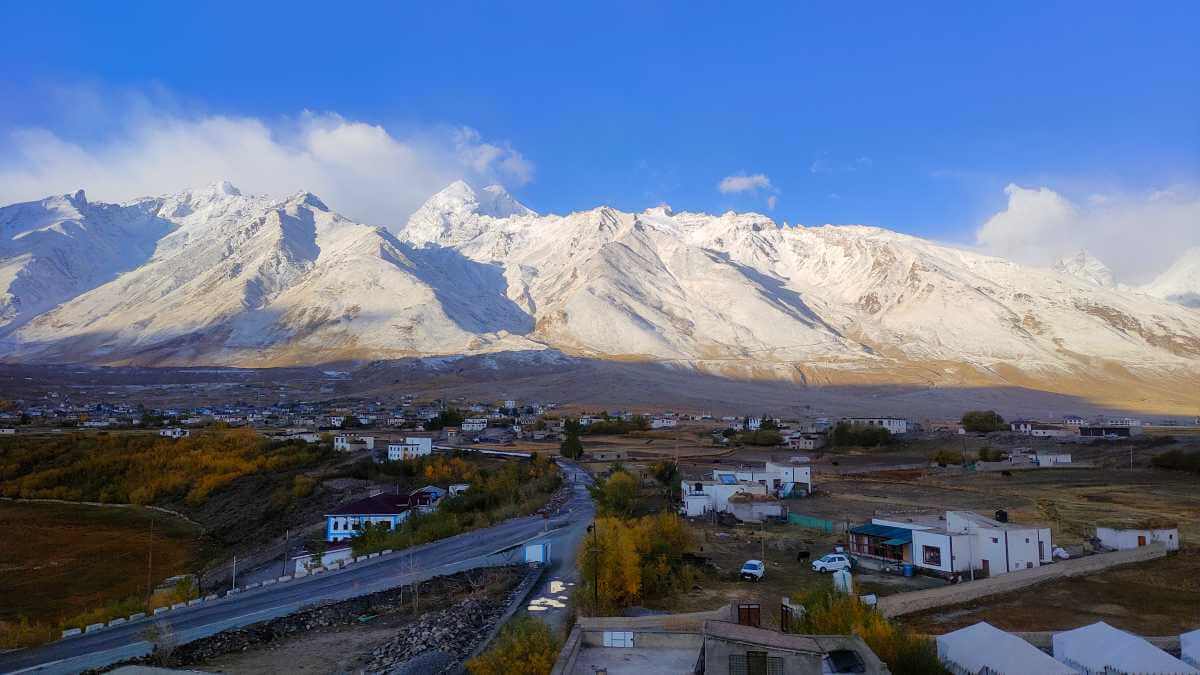
Padum is the heart of Zanskar Valley and serves as the main base for travelers exploring this remote Himalayan region. Located at an altitude of around 3,669 meters, it is the only major town in Zanskar and acts as a hub for transportation, accommodation, and trekking routes.
What makes Padum special is its blend of simplicity and cultural richness. The town offers a glimpse into traditional Zanskari life, where mud houses, prayer flags, and monasteries define the landscape.
Highlights of Padum:
- A small but vibrant local market where you can interact with locals and buy basic essentials
- Several nearby monasteries like Karsha and Stongdey that reflect Buddhist heritage
- Starting point for many famous trekking routes across Zanskar
Padum is also the best place to acclimatize before heading deeper into the valley or attempting high-altitude treks.
2. Phugtal Monastery
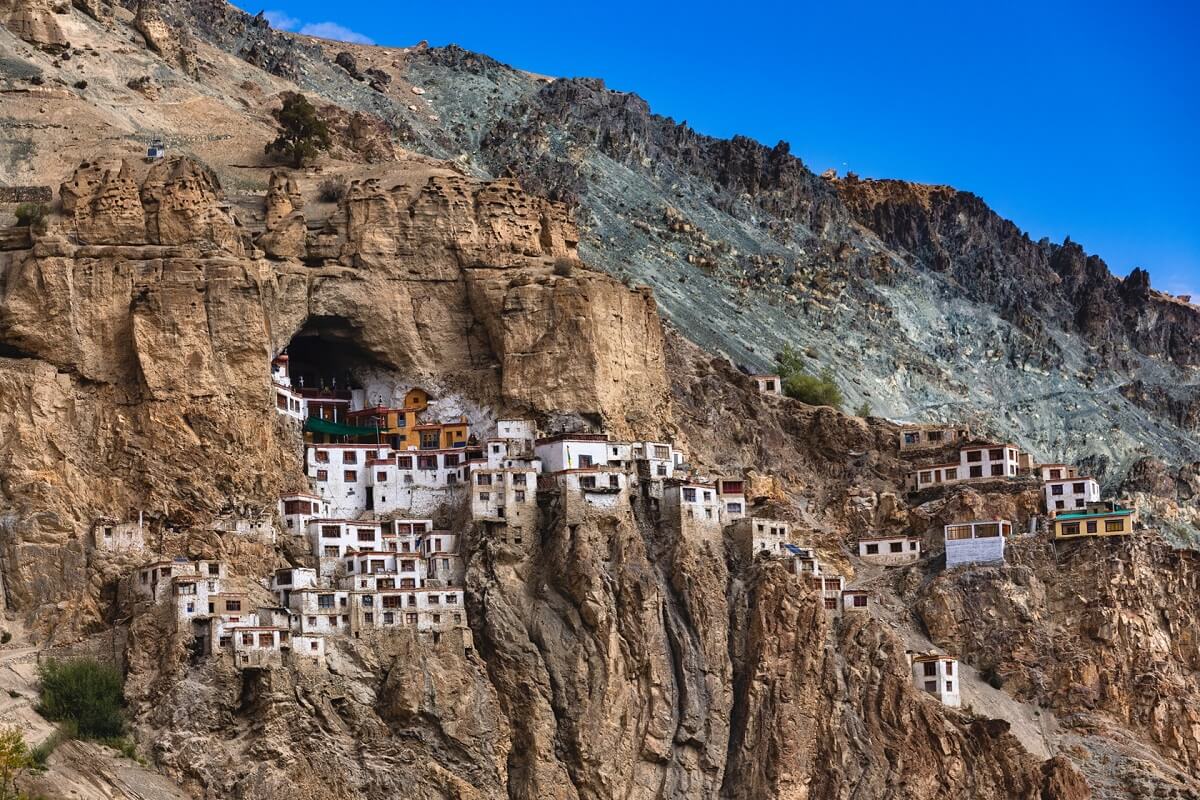
Phugtal Monastery (Phuktal Gompa) is one of the most extraordinary monasteries in the Himalayas. Built into a natural cave on a steep cliff, it looks like a honeycomb structure overlooking the Lungnak River.
Reaching Phugtal is an adventure in itself, as there is no motorable road. Visitors must trek through remote villages and rugged terrain, making the journey as memorable as the destination.
Why visit Phugtal Monastery:
- Unique cliffside cave architecture unlike any other monastery in India
- Deep spiritual atmosphere, perfect for meditation and reflection
- Home to monks who follow centuries-old traditions
The monastery is believed to be over 2,500 years old, making it not just a visual marvel but also a place of historical and spiritual significance.
3. Zanskar River
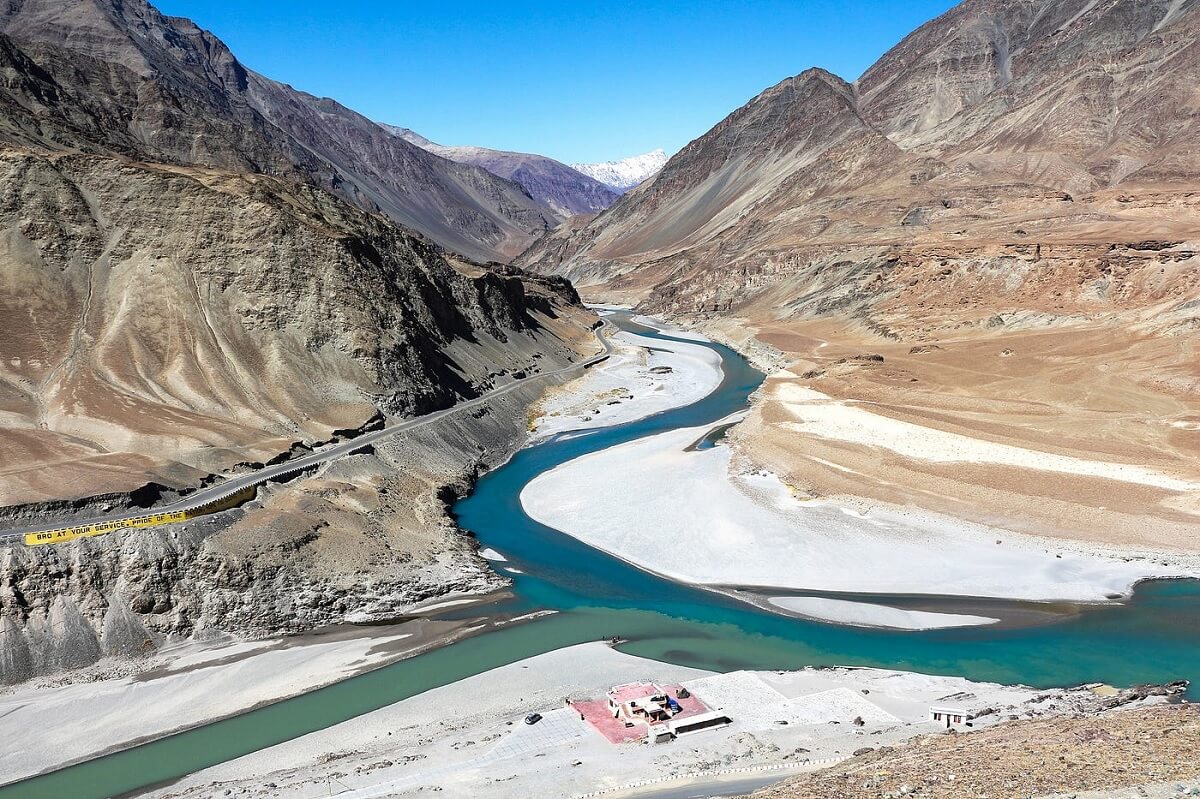
The Zanskar River is the lifeline of the valley, carving deep gorges through the mountains and shaping the dramatic landscape of the region.
What makes this river unique is how it transforms across seasons, offering completely different experiences in summer and winter.
Activities on Zanskar River:
- River rafting (summer): One of the most thrilling high-altitude rafting experiences in India, with challenging rapids and stunning canyon views
- Chadar Trek (winter): When the river freezes, it becomes a trekking route where travelers walk over ice sheets
The river eventually merges with the Indus River near Nimmu, creating a spectacular confluence point.
4. Pensi La Pass
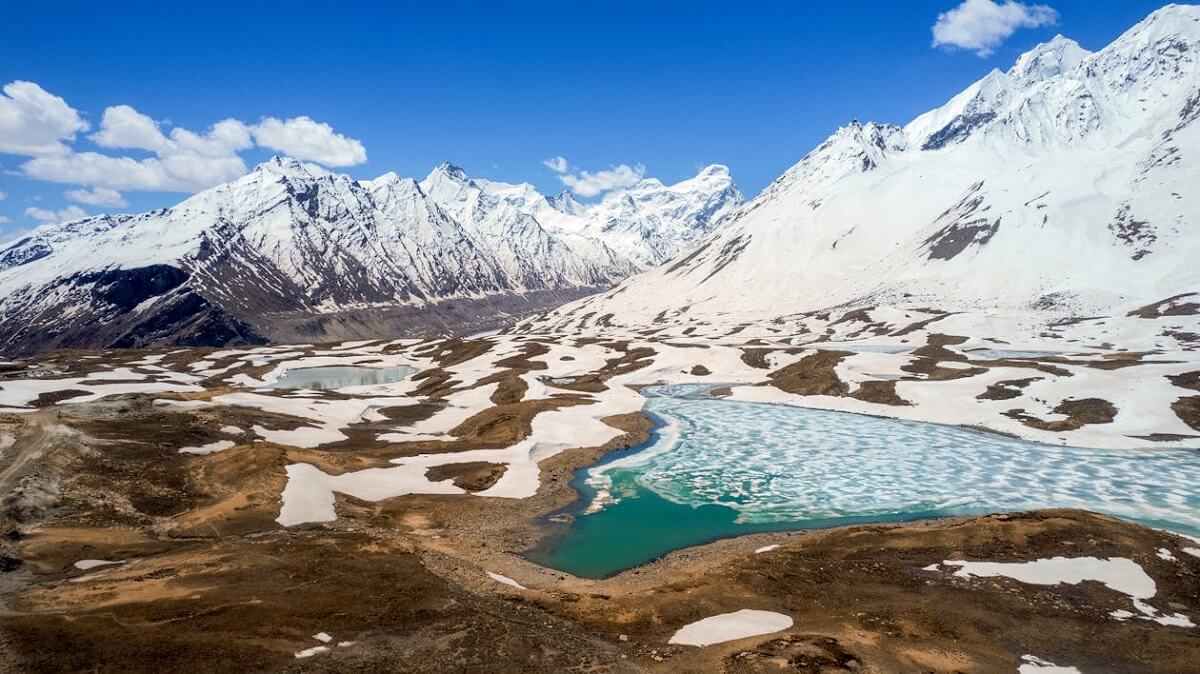
Pensi La Pass is the main gateway to Zanskar Valley when traveling from Kargil. Situated at an altitude of around 4,400 meters, it marks the transition from the greener Suru Valley to the rugged Zanskar region.
This high mountain pass is one of the most scenic points on the route and offers breathtaking views of the surrounding peaks.
Key highlights of Pensi La:
- Panoramic views of the Drang Drung Glacier, one of Ladakh’s largest glaciers
- Snow-covered landscapes even during early summer
- A dramatic introduction to Zanskar’s terrain
Stopping here for photography is a must, as the views are among the most striking in Ladakh.
5. Suru Valley
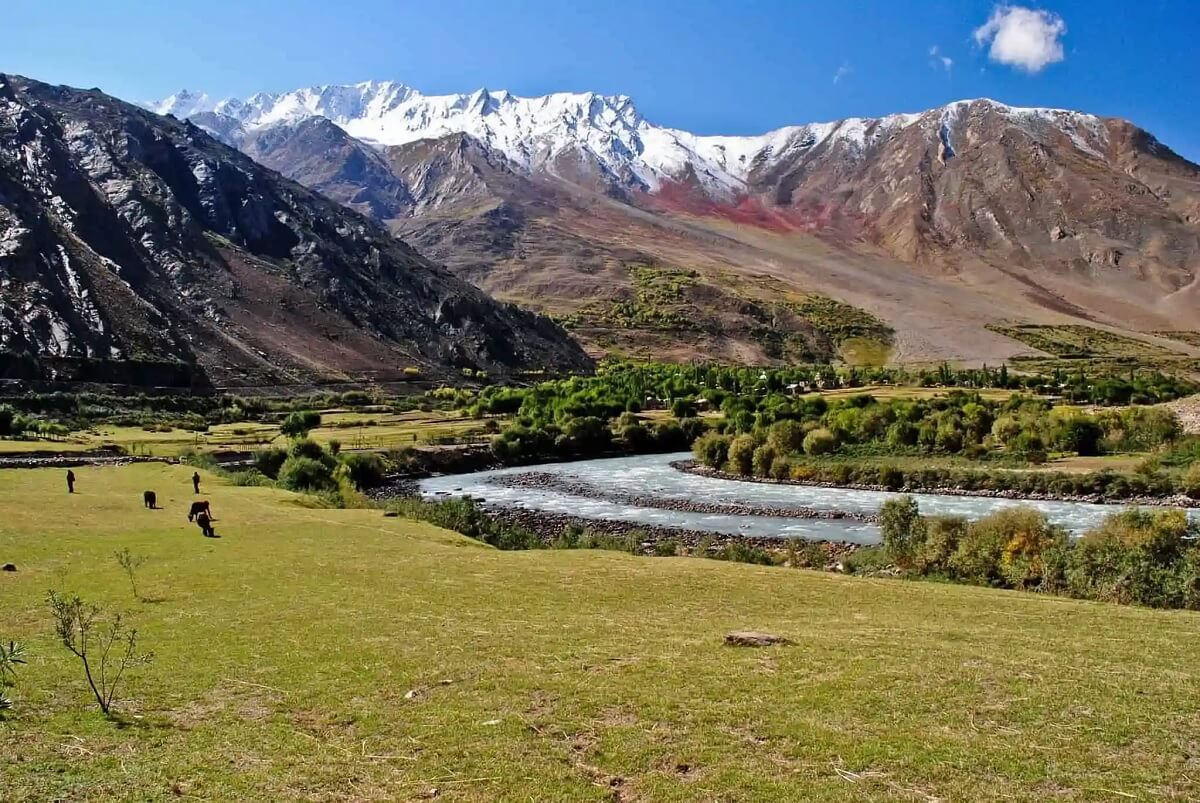
Suru Valley is a refreshing contrast to the stark, barren landscapes typically associated with Ladakh. Located on the way to Zanskar, this valley is lush, green, and dotted with picturesque villages.
Fed by the Suru River, the valley supports agriculture and offers some of the most scenic views in the region.
Why Suru Valley is worth visiting:
- Rich green landscapes with fields and villages
- Stunning views of Nun and Kun peaks
- Perfect for photography and short stops
It serves as a beautiful gateway before entering the more rugged and isolated terrain of Zanskar Valley.
Things to Do in Zanskar Valley:
1. Chadar Trek
The Chadar Trek is one of the most iconic and challenging treks in the world. During winter, the Zanskar River freezes, forming a sheet of ice (called “Chadar”), which becomes a pathway for trekkers.
This trek is not just about adventure but also about survival in extreme conditions, where temperatures can drop below -25°C.
2. Trekking Adventures
Zanskar Valley is a paradise for trekking enthusiasts, offering some of the most remote and scenic trails in the Himalayas.
Popular trekking routes:
- Lamayuru to Padum Trek: A classic route connecting monasteries and villages
- Darcha to Padum Trek: A more challenging trail crossing high mountain passes
These treks take you through untouched landscapes, remote villages, and high-altitude passes.
3. River Rafting
River rafting in Zanskar is among the most thrilling experiences in India. The narrow gorges, fast-flowing currents, and remote surroundings make it a unique adventure.
Best time: July to August
Difficulty level: Moderate to challenging
This activity combines adrenaline with breathtaking Himalayan scenery.
4. Monastery Tours
Zanskar is deeply rooted in Tibetan Buddhist culture, and visiting monasteries is one of the most enriching experiences here.
What to explore:
- Ancient gompas like Karsha and Stongdey
- Prayer halls, murals, and Buddhist scriptures
- Local festivals with masked dances and rituals
These monasteries offer insight into the spiritual life of the region.
5. Camping & Photography
Zanskar Valley is a dream destination for nature lovers and photographers. The untouched landscapes and minimal light pollution create perfect conditions for outdoor experiences.
Why it’s special:
- Ideal for stargazing and Milky Way photography
- Endless opportunities for landscape photography
- Peaceful camping experience in remote Himalayan settings
Spending a night under the stars in Zanskar is truly unforgettable.
How to Reach Zanskar Valley:
Reaching Zanskar Valley is part of the adventure. Due to its remote location and extreme terrain, access is limited and seasonal. However, the journey itself offers some of the most scenic landscapes in the Himalayas.
By Road (Best Option)
The most popular and practical way to reach Zanskar Valley is by road via Srinagar → Kargil → Padum.
This route is preferred because:
- It offers better road conditions compared to other routes
- Gradual altitude gain helps with acclimatization
- Scenic views of valleys, rivers, and mountain passes
Route Details:
- Srinagar to Kargil: Approx. 200 km (6–8 hours)
- Kargil to Padum: Approx. 230 km (8–10 hours)
The stretch from Kargil to Padum is particularly dramatic, passing through Pensi La, which acts as the gateway to Zanskar.
Travel Experience:
Expect narrow mountain roads, river crossings, and breathtaking views at every turn. Hiring a local driver or joining an organized tour is recommended due to challenging terrain.
Alternative Route (Manali Side)
A more adventurous and less crowded route is via Manali → Shinku La → Padum.
This route has gained popularity recently due to improving road connectivity.
Why choose this route:
- Shorter access to Zanskar from Himachal side
- Ideal for travelers combining Lahaul-Spiti and Ladakh
- Less traffic and more raw landscapes
Things to know:
- Roads are still under development in parts
- Requires a 4×4 vehicle or experienced driver
- Limited facilities en route
This route is best suited for experienced travelers looking for an offbeat road trip.
Nearest Airport
The nearest airport to Zanskar Valley is Kushok Bakula Rimpochee Airport in Leh.
Flight Connectivity:
- Regular flights from Delhi, Mumbai, and other major Indian cities
- Operated by multiple domestic airlines
From Leh, you can continue your journey to Zanskar via:
- Leh → Kargil → Padum (road route)
- Or combine with a Ladakh road trip
Important Tip:
Spend at least 1–2 days in Leh for acclimatization before heading towards Zanskar.
Travel Tip
- Roads to Zanskar Valley are open only between June and September
- During winter, heavy snowfall blocks all motorable routes
- In winter, access is only possible via the famous Chadar Trek
Planning your trip within the accessible months is essential for a smooth journey.
Suggested 7-Day Zanskar Itinerary:
This itinerary is designed to give you a balanced experience of Zanskar, covering scenic drives, cultural exploration, and light trekking.
Day 1: Arrival in Leh – Acclimatization
Arrive in Leh and take it easy for the day. The high altitude requires proper acclimatization.
What to do:
- Rest and hydrate
- Take a short walk around Leh Market
- Visit nearby attractions like Shanti Stupa (optional)
Day 2: Leh → Kargil
Start your journey towards Kargil via one of Ladakh’s most scenic highways.
En route highlights:
- Magnetic Hill
- Lamayuru Monastery (Moonland landscape)
- Indus River views
Overnight stay in Kargil.
Day 3: Kargil → Padum via Pensi La
This is the most exciting day as you enter Zanskar Valley.
Highlights:
- Cross Pensi La Pass
- Witness the stunning Drang Drung Glacier
- Experience the shift from green Suru Valley to barren Zanskar
Reach Padum by evening.
Day 4: Explore Padum & Monasteries
Spend the day exploring Padum and its surrounding monasteries.
Places to visit:
- Karsha Monastery (largest in Zanskar)
- Stongdey Monastery
- Local villages and markets
This day gives you insight into Zanskari culture and lifestyle.
Day 5: Trek to Phugtal Monastery
Begin your trek towards the iconic Phugtal Monastery.
Experience:
- Walk through remote villages
- Cross hanging bridges and rugged trails
- Reach the monastery built into a cliff
This is one of the most memorable experiences in Zanskar.
Day 6: Return to Padum
Trek back to Padum and spend the rest of the day relaxing.
Optional:
- Interact with locals
- Explore nearby villages
- Enjoy the peaceful surroundings
Day 7: Return to Leh
Drive back to Leh via Kargil, completing your Zanskar journey.
Culture and Lifestyle
Zanskar has a deeply rooted Tibetan Buddhist culture.
Highlights:
- Monasteries as cultural centers
- Traditional mud houses
- Festivals with masked dances
- Agriculture-based lifestyle
Historically, Zanskar was part of the Tibetan Guge kingdom.
Accommodation in Zanskar
Options are basic but authentic:
- Guesthouses in Padum
- Homestays in villages
- Campsites
Luxury stays are rare due to remoteness.
Travel Tips for Zanskar Valley
- Acclimatize properly (high altitude risk)
- Carry cash (no ATMs in remote areas)
- Pack essentials (medicine, food, warm clothes)
- Limited network connectivity
- Travel with experienced drivers or guides
Challenges and Responsible Travel
Zanskar is fragile.
- Climate change is impacting glaciers and water supply
- Remote communities depend on sustainable tourism
Respect local culture and environment.
Why Zanskar Valley is Unique
Zanskar is not just a destination — it’s a journey into one of the last untouched Himalayan regions.
- Remote and isolated
- Deep spiritual heritage
- Extreme adventure opportunities
- Raw natural beauty
Unlike commercial tourist spots, Zanskar offers true Himalayan wilderness.
Final Thoughts
If you are looking for a destination that combines adventure, culture, and untouched beauty, Zanskar Valley is one of the best places to visit in India.
It’s challenging, remote, and unpredictable — but that’s exactly what makes it unforgettable.
Whether you trek across frozen rivers, explore ancient monasteries, or simply soak in the silence of the mountains, Zanskar will stay with you long after your journey ends.
Also Reads:
- Nubra Valley Ladakh: Travel Guide, Facts & Tips
- Ladakh Trip Budget: Cost Guide & Planning Tips
- Ladakh Permits Guide: Restricted Areas & Process
- Visiting Ladakh in May 2026: Weather & Travel Tips
- Apricot Blossom Festival Ladakh: What to Expect
- Ladakh Silk Route: History & Places to Explore
- Ladakh in April: Weather & Travel Guide
- Magnetic Hill Ladakh: Mystery & Travel Info
- First-Time Ladakh Trip: Easy Planning Guide
- Leh Ladakh in January 2027: Weather & Tips
- Karakoram Sanctuary Guide: Nubra & Shyok Region
- Pangong Lake: Complete Ladakh Travel Guide
- Is Magnetic Hill Real? Science Explained
- Shanti Stupa Leh: History & Visitor Guide
- How to Reach Ladakh: Routes & Travel Options
- Avoid AMS in Ladakh: Safety Tips for Travelers
- Stok Kangri Trek: High-Altitude Adventure Guide
- Zojila Pass Guide: Road Conditions & Tips
- Ladakh in July 2026: Weather & Road Trip Ideas
- Top Instagram Spots in Ladakh You Must Visit
- Hemis Festival 2026: Dates & Highlights
- New Year in Leh Ladakh 2026: Travel Guide
- Ladakh Updates: Expanded Helicopter Services