Thrissur is not the kind of destination that reveals itself in a hurry. It is a city of temple drums, old palaces, leafy avenues, elephant processions, sacred rituals, beaches, waterfalls, and deep-rooted art traditions. Often called the cultural capital of Kerala, Thrissur gives travellers a more traditional and soulful view of the state than the usual backwater and hill-station circuit.
For many visitors, Thrissur is best known for the spectacular Thrissur Pooram festival. However, there is much more to explore beyond the famous elephant processions and colourful umbrellas. You can walk through the historic heart of the city, visit centuries-old temples, admire Kerala-Dutch architecture, explore forest waterfalls near Athirappilly, relax at quiet beaches, and experience the classical art heritage of Kerala.
Whether you are planning a short stop between Kochi and Palakkad, a cultural holiday in Kerala, or a family trip that combines nature and heritage, this guide covers the top things to do in Thrissur along with travel tips, the best time to visit, how to reach, and frequently asked questions.
Why Visit Thrissur?
Thrissur is one of the best destinations in Kerala for travellers who want to understand the state beyond its postcard-perfect scenery. It is a place where religious traditions, performing arts, local food, history, and natural landscapes come together.
The city is built around Thekkinkadu Maidan, a large open ground that surrounds the ancient Vadakkunnathan Temple. From this central point, you can explore markets, churches, museums, temples, cafes, and heritage streets. A little farther away, Thrissur district opens into waterfalls, beaches, forests, wildlife zones, and pilgrimage towns such as Guruvayur.
The best part about visiting Thrissur is its variety. You can spend the morning learning about Kerala’s royal past, enjoy a traditional vegetarian lunch, watch a Kathakali performance, and then drive through lush forest roads toward Athirappilly Waterfalls.
Here are the top 13 things to do in Thrissur for a memorable Kerala holiday:
1. Visit Vadakkunnathan Temple
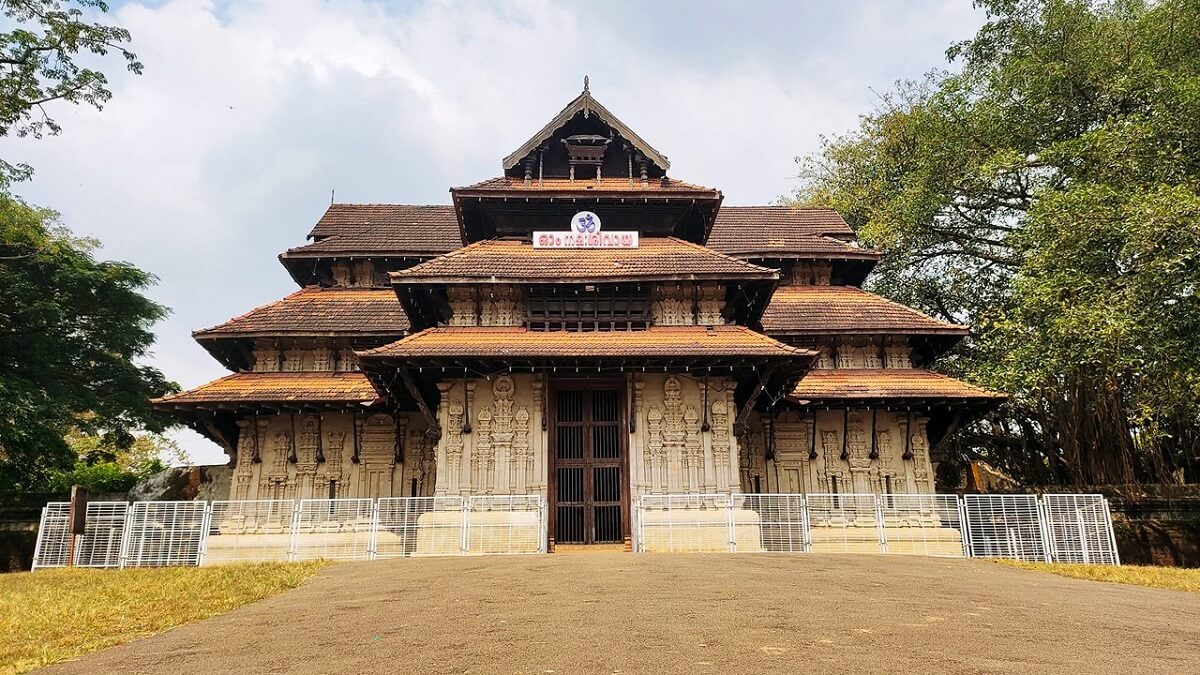
Vadakkunnathan Temple is the spiritual and historical heart of Thrissur. Dedicated to Lord Shiva, this ancient temple sits within a large walled complex surrounded by Thekkinkadu Maidan. Its traditional Kerala-style architecture, sloping tiled roofs, wooden structures, mural paintings, and peaceful courtyards make it one of the most important places to visit in Thrissur.
Unlike the towering stone temples seen in Tamil Nadu, Vadakkunnathan Temple has a quieter and more understated beauty. The complex is built mainly with wood and stone, and its design reflects the distinctive temple architecture of Kerala.
The temple is also the main centre of Thrissur Pooram, the city’s biggest annual festival. During normal days, the atmosphere is calm and devotional. Early morning and evening are ideal times to visit, especially for travellers who want to experience the temple without large crowds.
Visitors should dress modestly and follow temple rules carefully. Entry to certain temple areas may be restricted, and photography may not be allowed inside the complex.
Best for: Spiritual travellers, architecture lovers, photographers, history enthusiasts
Suggested time: 1 to 2 hours
Travel tip: Combine your visit with a walk around Thekkinkadu Maidan and the nearby city centre.
2. Experience the Energy of Thrissur Pooram
No list of things to do in Thrissur is complete without mentioning Thrissur Pooram. It is one of Kerala’s grandest temple festivals and a major cultural event in India. Held annually around April or May, the festival transforms the city into a spectacular celebration of music, devotion, elephants, percussion, fireworks, and colour.
The festival takes place around Vadakkunnathan Temple and Thekkinkadu Maidan. The main highlight is the gathering of beautifully decorated elephants representing different temples. The famous kudamattam ceremony, where colourful ceremonial umbrellas are exchanged and displayed above elephants, is one of the most photographed moments of the festival.
Another unforgettable experience is the powerful sound of traditional percussion ensembles, including Panchavadyam and Pandimelam. The rhythm builds slowly and then rises into an intense, almost hypnotic musical experience.
Thrissur Pooram attracts huge crowds, so it is important to plan early. Hotel rooms in Thrissur, Kochi, and nearby towns can fill up quickly. If you are visiting during the festival, book accommodation and transport well in advance.
Best for: Festival lovers, photographers, culture enthusiasts
Suggested time: Full day or overnight stay
Travel tip: Carry drinking water, wear comfortable footwear, and expect heavy crowds around the main festival grounds.
3. Walk Around Thekkinkadu Maidan
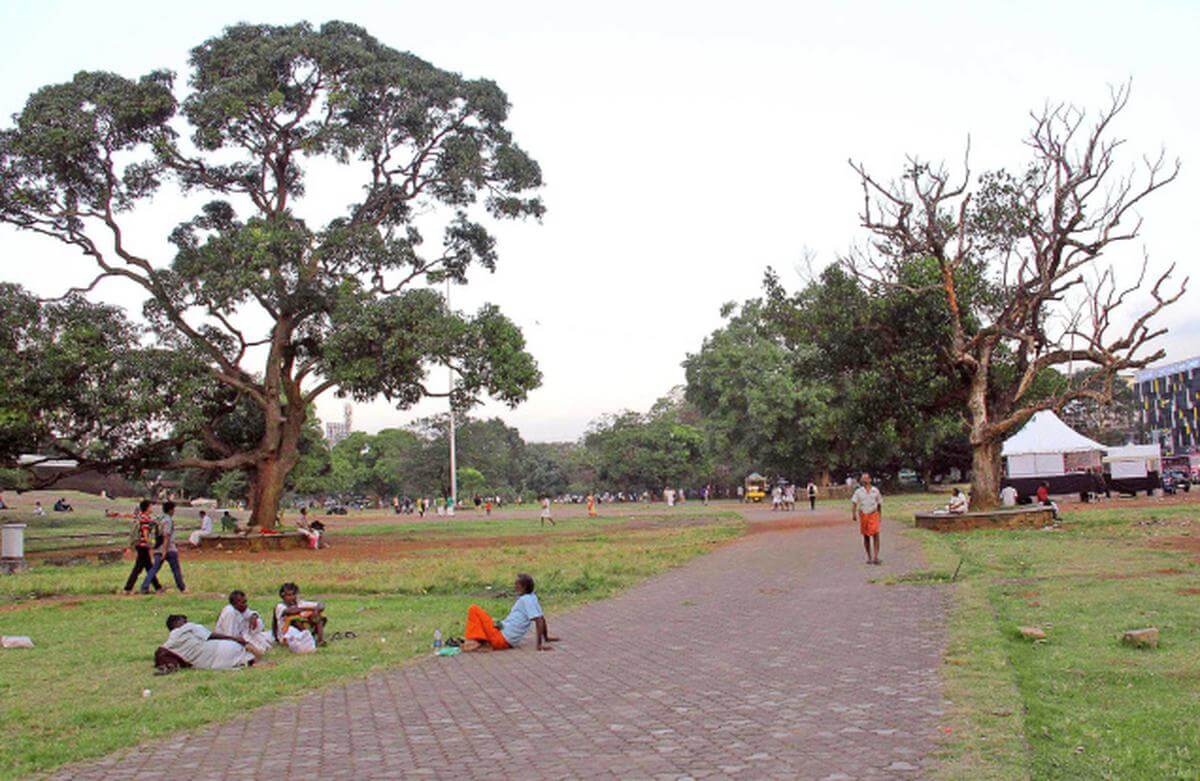
Thekkinkadu Maidan is more than just an open ground. It is the social and cultural centre of Thrissur. The large circular space surrounds Vadakkunnathan Temple and acts as a meeting point for locals, visitors, students, families, and festival crowds.
A walk around Thekkinkadu Maidan gives you a real sense of the city. In the early morning, you will see joggers, temple visitors, tea stalls, and people starting their day. In the evening, the area feels lively but relaxed, with families and friends gathering around the open spaces.
During Thrissur Pooram, Thekkinkadu Maidan becomes the stage for major processions, percussion performances, and religious celebrations. At other times of the year, it remains one of the best places in Thrissur to take a slow walk, enjoy the breeze, and observe local life.
The roads around the maidan also lead to shops, bakeries, restaurants, and important city landmarks.
Best for: Evening walks, local experiences, photography
Suggested time: 30 minutes to 1 hour
Travel tip: Visit around sunset, then stop at a local restaurant for Kerala-style snacks and tea.
4. Explore Shakthan Thampuran Palace
Shakthan Thampuran Palace is one of the best heritage attractions in Thrissur. Located near the city centre, the palace offers a glimpse into the history of the former Kingdom of Cochin and its influential ruler, Shakthan Thampuran.
The palace is known for its Kerala-Dutch architectural style. It has high roofs, wide halls, wooden details, traditional courtyards, and a museum that displays historical artefacts. Inside, visitors can see coins, sculptures, weapons, household objects, inscriptions, and exhibits linked to the royal era.
The palace grounds are pleasant for a relaxed visit, especially if you are interested in architecture and local history. It is not a very large attraction, but it gives useful context to Thrissur’s role in Kerala’s political and cultural past.
This is a good place to visit during the afternoon, particularly if you want a break from the heat or rain.
Best for: Heritage lovers, families, students, history enthusiasts
Suggested time: 1 to 1.5 hours
Travel tip: Pair this visit with nearby temples and local shopping streets.
5. Visit Our Lady of Dolours Basilica and Bible Tower
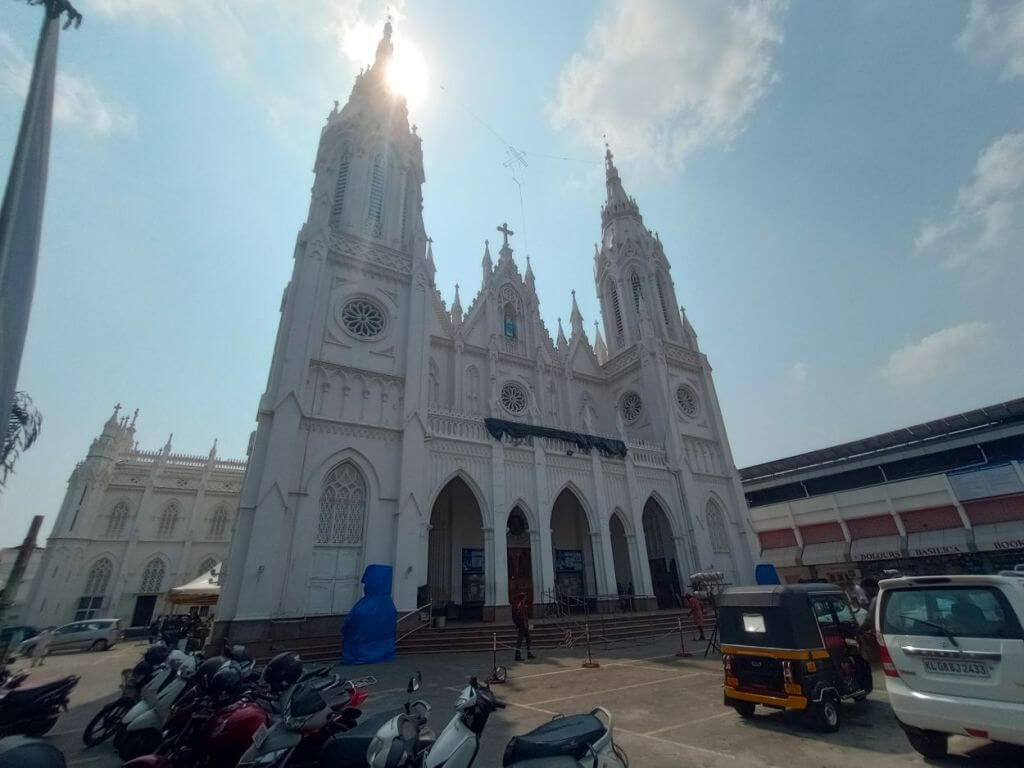
Our Lady of Dolours Basilica is one of the most striking landmarks in Thrissur. Often called Puthenpally Church, it is known for its grand Indo-Gothic architecture, tall white façade, detailed interiors, and peaceful atmosphere.
The church is an important place of worship for the Christian community in the region, but it is also worth visiting for its architecture. Its towers and domes stand out against the city skyline, making it one of the most recognisable buildings in Thrissur.
Nearby, Bible Tower offers panoramic views over the city. From the top, visitors can see the spread of Thrissur town, temple roofs, residential areas, and green patches around the city. It is especially pleasant during clear mornings or late afternoons.
The basilica is a welcome contrast to the temple-focused heritage of Thrissur. It also reflects the city’s religious diversity and long-standing cultural harmony.
Best for: Architecture, city views, peaceful visits
Suggested time: 1 hour
Travel tip: Dress respectfully, especially during prayer services and religious events.
Popular Kerala Tour Packages:
- 5 Days Kerala Tour Package
- 6 Days Kerala Holiday Tour
- 6 Days Best of Kerala Travel Package
- 7 Days Kerala Sightseeing Tour
- 7 Days Kerala Houseboat and Backwaters Tour
- 8 Days Kerala Vacation Package
6. Watch Kerala’s Classical Art Heritage at Kerala Kalamandalam
Kerala Kalamandalam is one of the most respected institutions for traditional performing arts in India. Located near Cheruthuruthy, it is a rewarding excursion for travellers interested in Kathakali, Mohiniyattam, Koodiyattam, Bharatanatyam, percussion, and traditional music.
The institution has played a major role in preserving Kerala’s classical art forms. Students train for years in demanding disciplines that require control, expression, rhythm, discipline, and deep cultural knowledge.
A visit to Kerala Kalamandalam offers a chance to understand the work behind the colourful costumes and dramatic performances often seen in Kerala. Depending on schedules and permissions, visitors may be able to observe training sessions, workshops, or cultural programmes.
This experience is especially valuable for international travellers who want something beyond sightseeing. It gives a deeper understanding of Kerala’s artistic identity.
Best for: Art lovers, culture-focused travellers, students
Suggested time: Half day
Travel tip: Contact the institution in advance to check visitor timings, performance schedules, and entry arrangements.
7. Take a Day Trip to Athirappilly Waterfalls
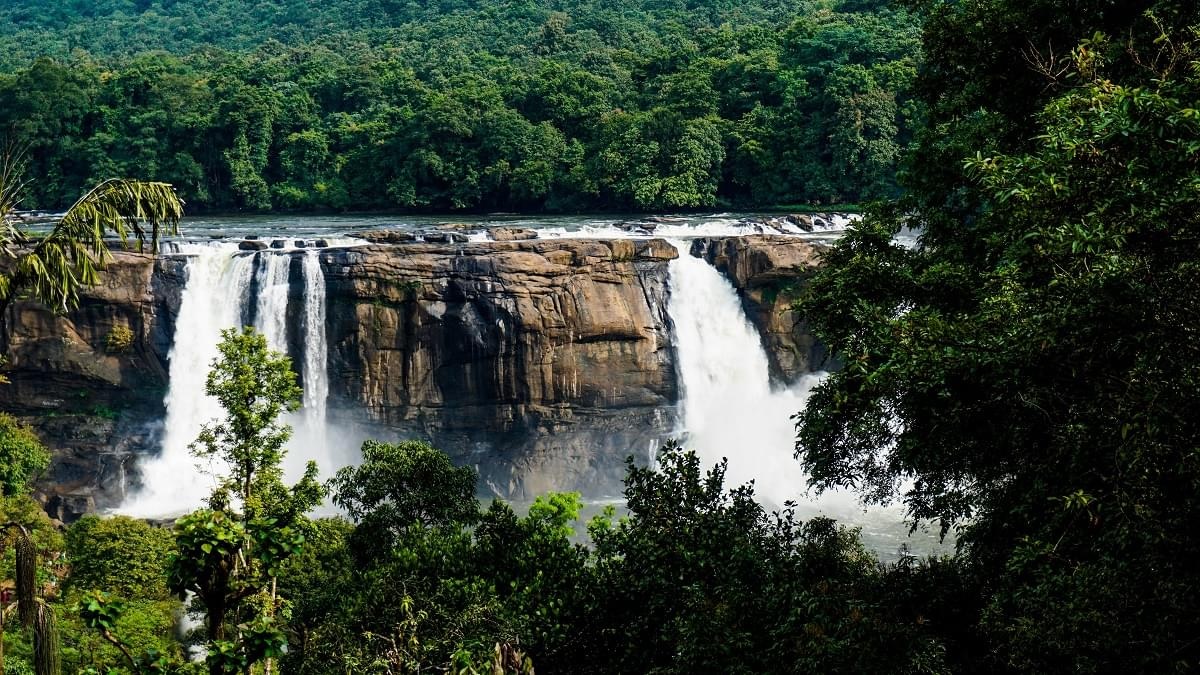
Athirappilly Waterfalls is one of the most famous natural attractions near Thrissur. Located amid dense greenery near the Sholayar forest region, the waterfall is known for its broad cascade, powerful monsoon flow, and scenic rainforest setting.
The drive to Athirappilly is part of the experience. You pass through coconut groves, village roads, forested stretches, and viewpoints that gradually reveal the changing landscape of central Kerala. Once you arrive, a short walk leads to viewpoints where you can watch the Chalakudy River plunge over rocky cliffs.
Athirappilly is particularly beautiful during and just after the monsoon, when the water volume is high and the surrounding forest looks intensely green. However, the rocks and trails can become slippery, so visitors should be cautious.
The waterfall has been featured in several Indian films, but its real charm comes from the scale of the landscape. It feels wild, lush, and dramatic, especially in the early morning.
Best for: Nature lovers, couples, photographers, families
Suggested time: Half day to full day
Travel tip: Wear shoes with good grip and avoid standing near slippery or restricted areas.
8. Enjoy the Forest Landscape at Vazhachal Waterfalls
Vazhachal Waterfalls is located close to Athirappilly and is usually visited on the same day. While Athirappilly is known for its large and dramatic waterfall, Vazhachal offers a calmer and more forest-focused experience.
The waterfall flows through a rocky, tree-covered area surrounded by thick vegetation. The main attraction here is not just the cascade but also the drive, the rainforest atmosphere, and the opportunity to enjoy Kerala’s Western Ghats landscape.
The area is rich in biodiversity, and birdwatchers may spot different species depending on the season. The forest roads around Vazhachal are also scenic, making this a good stop for photography and relaxed sightseeing.
Vazhachal is ideal for travellers who enjoy quiet nature rather than crowded attractions. Visit in the morning for better light, fewer visitors, and a more peaceful setting.
Best for: Nature walks, forest drives, birdwatching
Suggested time: 1 to 2 hours
Travel tip: Carry insect repellent, drinking water, and a light rain jacket during the monsoon months.
9. Seek Blessings at Guruvayur Sri Krishna Temple
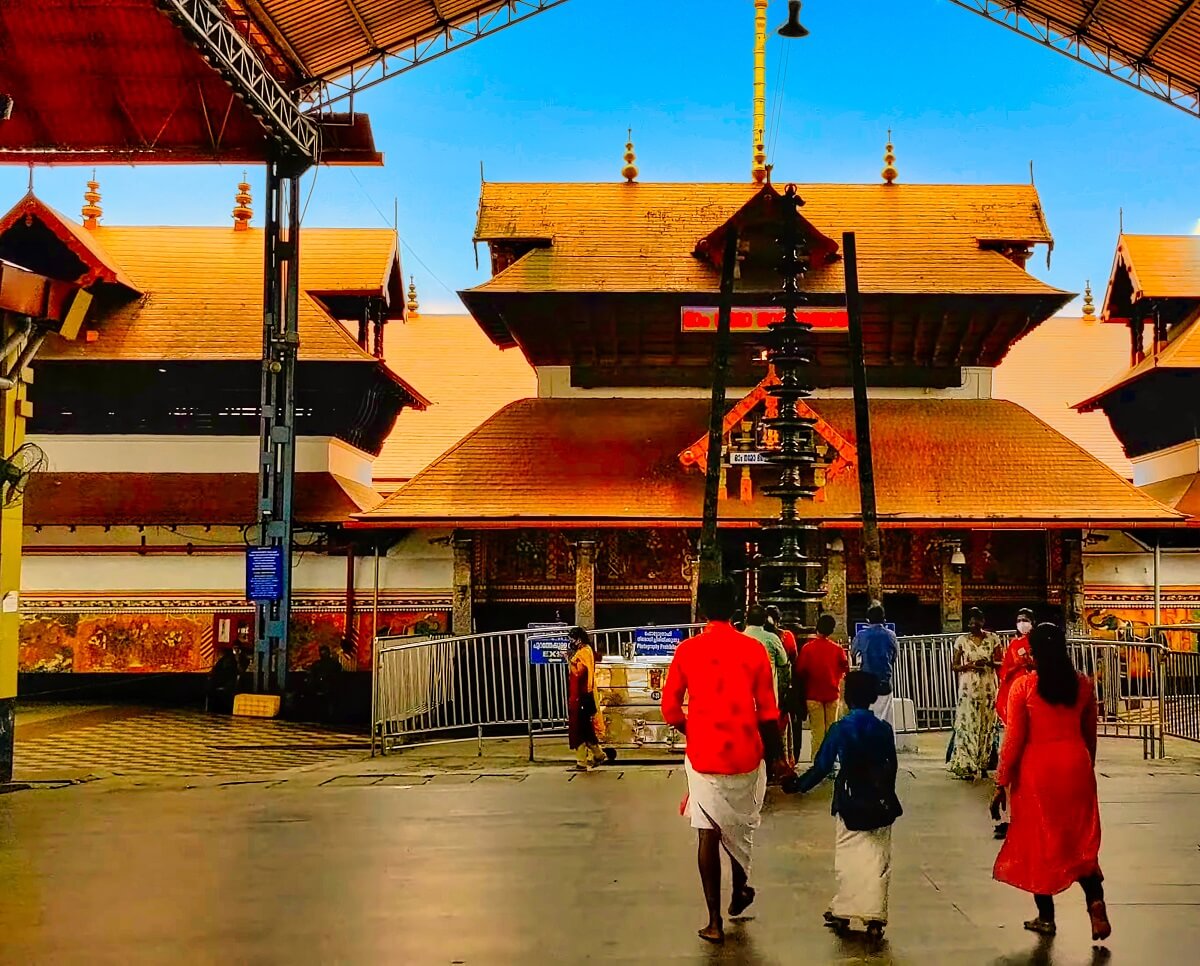
Guruvayur Sri Krishna Temple is one of the most important pilgrimage centres in Kerala. Located around 30 kilometres from Thrissur city, the temple attracts devotees from across India throughout the year.
The temple is dedicated to Lord Krishna, worshipped here as Guruvayurappan. It is known for its deep spiritual atmosphere, traditional rituals, devotional music, and busy temple surroundings.
The temple area becomes especially lively during festivals and special religious occasions. Devotees often arrive early in the morning for darshan, and queues can be long during weekends, holidays, and festival periods.
Visitors should be aware that entry rules may apply, including dress codes and restrictions for non-Hindu visitors. Even if you cannot enter the inner temple area, Guruvayur is worth visiting for its spiritual environment, local markets, vegetarian restaurants, and cultural importance.
Best for: Pilgrimage, spiritual travel, cultural experiences
Suggested time: 2 to 3 hours
Travel tip: Visit early in the morning to avoid crowds and check current temple entry rules before planning your visit.
10. Visit Punnathur Kotta Elephant Camp
Punnathur Kotta, also known as Anakkotta or Elephant Fort, is located close to Guruvayur Temple. It was once a palace complex and is now associated with temple elephants belonging to the Guruvayur temple administration.
The site gives visitors a chance to see elephants in a traditional Kerala temple setting. The animals are cared for within a large compound, and the experience helps travellers understand the cultural connection between elephants, temples, festivals, and rituals in Kerala.
However, visitors should approach the site responsibly. Elephants are powerful, intelligent animals, and it is important to maintain distance, avoid disturbing them, and follow all instructions given by staff. Do not encourage activities that cause stress or discomfort to the animals.
Punnathur Kotta is best visited as part of a Guruvayur trip. It adds cultural context to the temple visit and is particularly interesting for travellers curious about Kerala’s festival traditions.
Best for: Families, cultural travellers, animal lovers
Suggested time: 1 hour
Travel tip: Follow responsible wildlife and animal tourism practices. Keep a safe distance and avoid loud behaviour.
11. Relax at Snehatheeram Beach
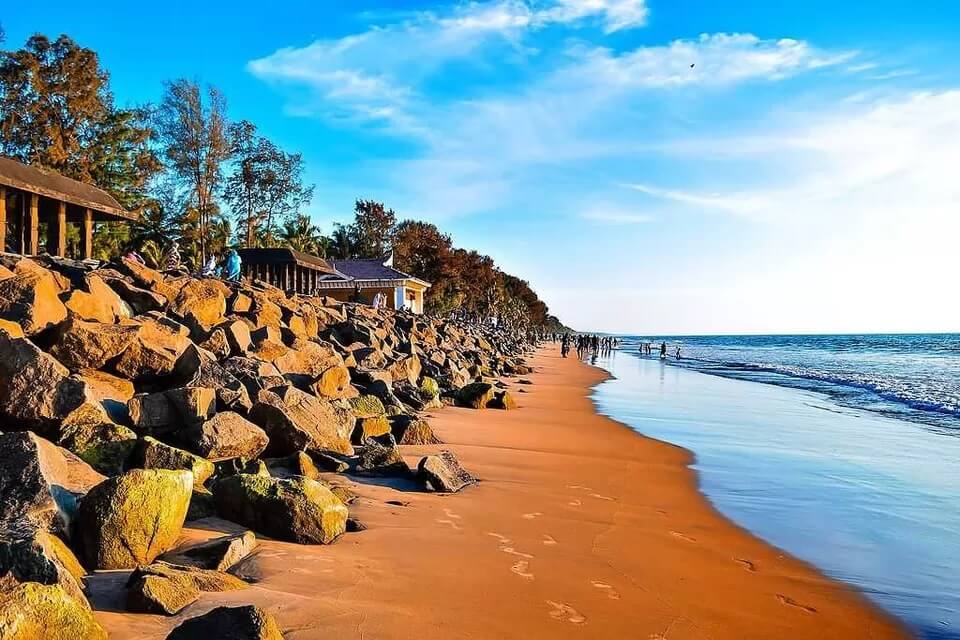
Snehatheeram Beach is one of the most pleasant beaches in Thrissur district. Located near Thalikulam, it is a quieter alternative to the more crowded beaches around Kochi and northern Kerala.
The beach has a broad shoreline, soft sand, coconut trees, and a relaxed coastal atmosphere. It is a good place to spend a slow evening, watch the sunset, enjoy local snacks, and take a break from city sightseeing.
Families often enjoy Snehatheeram because there is space to walk around and relax. The beach is also suitable for travellers who want a peaceful Kerala coast experience without the commercial feel of some major beach destinations.
Swimming conditions can change depending on tides and weather, so always follow local warnings. During the monsoon, sea conditions may be rough.
Best for: Sunset views, families, couples, relaxed evenings
Suggested time: 1 to 2 hours
Travel tip: Visit before sunset and try local tea, banana fritters, or seafood snacks from nearby stalls.
12. Explore Peechi Dam and Wildlife Area
Peechi Dam is a scenic getaway located a short drive from Thrissur city. Surrounded by hills, trees, and reservoir views, it is a good choice for travellers who want to spend time in a greener and quieter part of the district.
The dam area is connected with the Peechi-Vazhani Wildlife Sanctuary region, which has forests, small trails, and birdlife. While this is not a major safari destination like Periyar or Wayanad, it offers a peaceful nature experience close to the city.
The reservoir views are especially attractive during the post-monsoon season, when the surroundings are fresh and green. It is a nice option for couples, families, and photographers looking for a relaxed half-day outing.
Peechi Dam is also a good choice for visitors who may not have time for the longer Athirappilly excursion.
Best for: Nature lovers, family outings, scenic drives
Suggested time: Half day
Travel tip: Carry snacks and water, as food options near the dam may be limited.
13. Enjoy City Views from Vilangan Hills
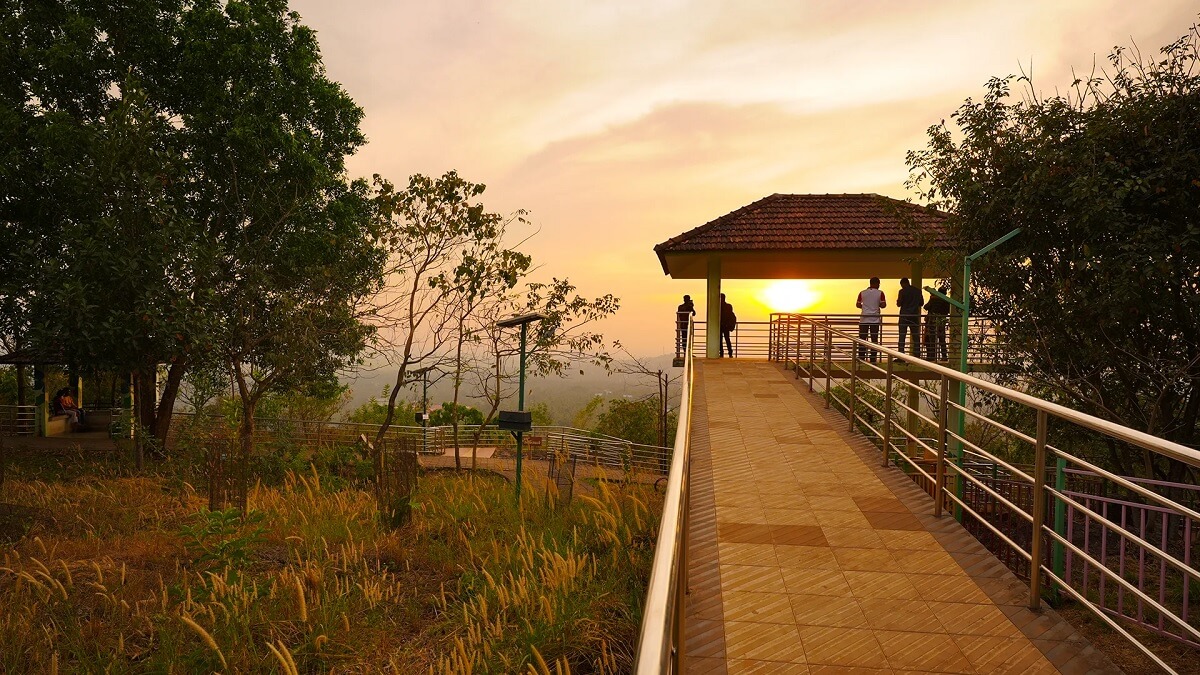
Vilangan Hills is a small but enjoyable viewpoint near Thrissur city. It is often called the oxygen jar of Thrissur because of its green surroundings and open space. The hill is not very high, but it offers a refreshing break from the busy city.
The area is popular with local families, walkers, joggers, and visitors looking for sunset views. From the top, you can see parts of Thrissur city and the surrounding landscape. It is particularly pleasant during the cooler months and after the monsoon.
Vilangan Hills is not a major tourist attraction in the traditional sense, but that is exactly why it is worth visiting. It gives you a glimpse of local life and offers a simple, peaceful experience without requiring a long journey.
Best for: Sunset views, local experiences, short outings
Suggested time: 1 hour
Travel tip: Visit in the late afternoon and carry a camera for city and sunset photographs.
Best Time to Visit Thrissur:
The best time to visit Thrissur is from October to March. During these months, the weather is more comfortable for temple visits, city walks, beaches, and day trips to Athirappilly or Guruvayur.
October to February
This is the most pleasant season for sightseeing. Days are generally warm but manageable, while mornings and evenings are more comfortable. It is ideal for travellers planning a cultural tour of Thrissur.
March to May
Summer can be hot and humid, but this is also when Thrissur Pooram usually takes place. Visit during this period if the festival is your main priority, but be prepared for heat, crowds, and busy accommodation.
June to September
The monsoon season makes Thrissur incredibly green. Athirappilly and Vazhachal Waterfalls look their best during this time, but rain can affect travel plans. Roads may be wet, and outdoor sightseeing can be limited on heavy-rain days.
How to Reach Thrissur:
Thrissur is well connected by road and rail, making it easy to include in a Kerala itinerary.
By Air
The nearest airport is Cochin International Airport in Kochi, located around 50 to 60 kilometres from Thrissur depending on your final destination. From the airport, you can hire a taxi or take a bus toward Thrissur.
By Train
Thrissur Railway Station is one of the important railway stations in Kerala. It is well connected with Kochi, Bengaluru, Chennai, Mumbai, Delhi, Mangaluru, and other major Indian cities.
By Road
Thrissur has good road connectivity with Kochi, Palakkad, Kozhikode, Munnar, Guruvayur, and other major destinations in Kerala. Private taxis, buses, rental cars, and self-drive vehicles are available.
Where to Stay in Thrissur
Thrissur offers accommodation for different budgets, including business hotels, boutique stays, homestays, guesthouses, and luxury properties.
For first-time visitors, staying near the city centre is convenient because you will be close to Vadakkunnathan Temple, Thekkinkadu Maidan, restaurants, shopping areas, and transport options.
If you are visiting Guruvayur, consider staying near the temple town. For Athirappilly, there are resorts and nature stays near the waterfall and forest areas, which are better suited for travellers looking for a peaceful escape.
What to Eat in Thrissur
Thrissur is a good place to enjoy authentic Kerala food. Start your day with appam and vegetable stew, puttu and kadala curry, idiyappam, dosa, or Kerala-style tea and snacks.
For lunch, try a traditional Kerala sadya served on a banana leaf. It often includes rice, sambar, avial, thoran, olan, pickles, papadam, payasam, and other seasonal dishes.
Seafood lovers can try Kerala-style fish curry, fried fish, prawns, and crab dishes in coastal areas. Vegetarians will find plenty of options around temples and local restaurants, especially near Guruvayur.
Do not leave without trying banana chips, pazham pori, unnakkaya, achappam, and local bakery snacks.
Travel Tips for Thrissur
- Plan at least two to three days if you want to cover Thrissur city, Guruvayur, and Athirappilly comfortably.
- Wear modest clothing for temple visits and check entry rules before arriving.
- Carry an umbrella or raincoat during the monsoon season.
- Use comfortable walking shoes for temple complexes, waterfalls, and city exploration.
- Book hotels early if travelling during Thrissur Pooram or major temple festivals.
- Start waterfall trips early in the morning to avoid crowds and return before dark.
- Respect local customs, especially at religious places.
- Avoid feeding animals or disturbing elephants at temple camps and wildlife areas.
- Keep cash for small shops, local transport, and snack stalls, though digital payments are widely accepted in the city.
Suggested 3-Day Thrissur Itinerary:
Day 1: Explore Thrissur City
Visit Vadakkunnathan Temple in the morning, walk around Thekkinkadu Maidan, explore Shakthan Thampuran Palace, and visit Our Lady of Dolours Basilica. End the day with local food and an evening walk around the city.
Day 2: Guruvayur and Beaches
Travel to Guruvayur Sri Krishna Temple early in the morning. Visit Punnathur Kotta, explore the local market, and later relax at Snehatheeram Beach or Chavakkad Beach.
Day 3: Athirappilly and Vazhachal
Leave early for Athirappilly Waterfalls. Spend time at the viewpoints, continue to Vazhachal Waterfalls, enjoy the forest drive, and return to Thrissur in the evening.
Final Thoughts
Thrissur is one of Kerala’s most rewarding destinations for travellers who enjoy culture, history, spirituality, and nature in equal measure. It is a city where ancient temples stand beside churches, traditional art forms remain alive, and festival drums still bring entire communities together.
From the grandeur of Thrissur Pooram and the calm of Vadakkunnathan Temple to the powerful beauty of Athirappilly Waterfalls and the spiritual atmosphere of Guruvayur, there are many meaningful experiences waiting here.
Plan your Thrissur trip slowly. Give yourself time to listen to the temple music, taste local food, walk through old streets, watch the sunset by the beach, and explore the green landscapes beyond the city. That is when Thrissur truly begins to feel special.
More Kerala Travel Guides & Inspiration:
- 12 Best Beaches in Kerala for Sun, Sand and Relaxation
- Kerala in March 2027: Weather, Places to Visit and Travel Tips
- Top Places to Visit in Kerala in September 2026
- Best Time to Experience Kerala Houseboat Cruises
- Kerala in August 2026: Best Destinations and Travel Guide
- Where to Travel in Kerala in June 2026
- Kerala in November 2026: Top Attractions and Travel Tips
- Kerala Backwaters in October 2026: Best Places and Experiences
- 10 Best Tourist Places to Visit in Kerala in December 2026
- Kerala Weather in October 2026: Climate, Travel Tips and What to Pack
- Kerala and Rajasthan Tour: Exploring India’s Cultural Diversity
- Best Ayurveda Retreats in Kerala for a Monsoon Wellness Escape
Frequently Asked Questions About Things to Do in Thrissur:
What is Thrissur famous for?
Thrissur is famous for Thrissur Pooram, Vadakkunnathan Temple, Kerala’s cultural traditions, classical performing arts, Guruvayur Temple, Athirappilly Waterfalls, and heritage landmarks such as Shakthan Thampuran Palace.
How many days are enough for Thrissur?
Two to three days are ideal for exploring Thrissur city, Guruvayur, Punnathur Kotta, Athirappilly Waterfalls, Vazhachal Waterfalls, and nearby beaches.
Is Thrissur worth visiting for tourists?
Yes, Thrissur is worth visiting for travellers interested in Kerala culture, temples, festivals, heritage, local food, and natural attractions. It is especially rewarding for those who want a less commercial Kerala experience.
What is the best time to see Thrissur Pooram?
Thrissur Pooram is generally held around April or May. The exact date changes each year according to the Malayalam calendar, so travellers should confirm festival dates before booking flights and hotels.
Can non-Hindus enter Guruvayur Temple?
Entry policies can apply at Guruvayur Temple, and non-Hindu visitors may not be permitted inside the main temple complex. Check the latest guidelines before visiting.
How far is Athirappilly Waterfalls from Thrissur?
Athirappilly Waterfalls is around 60 to 65 kilometres from Thrissur city. Travel time can vary depending on traffic, weather, and road conditions.
Is Thrissur good for a family holiday?
Yes, Thrissur is suitable for families. It has temples, museums, beaches, waterfalls, viewpoints, cultural attractions, and easy road and rail connectivity.