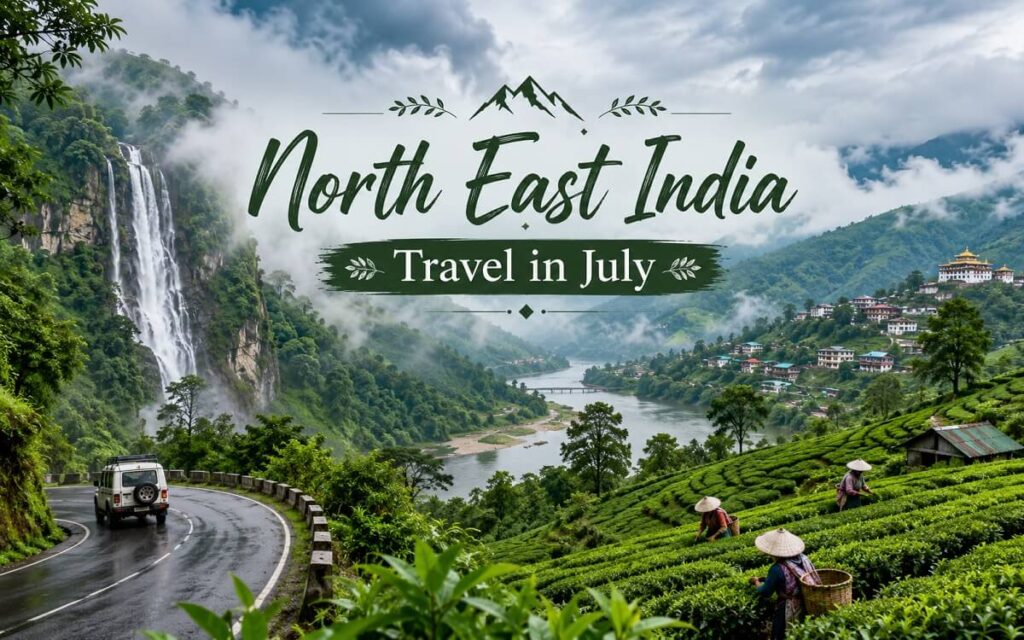
North East India in July is not a typical dry-season holiday. It is greener, mistier, quieter, and far more dramatic. The monsoon arrives in full force, turning hillsides into deep shades of emerald, filling waterfalls, waking up forests, and wrapping mountain roads in clouds. For travellers who enjoy rain-washed landscapes, local culture, scenic drives, tea gardens, and slow travel, July can be a memorable time to explore this beautiful part of India.
At the same time, travelling to North East India in July needs thoughtful planning. Heavy rain, occasional landslides, changing road conditions, and delayed transport can affect a fixed itinerary. The key is to choose the right destinations, keep buffer days, avoid overpacking your schedule, and travel with a flexible mindset.
This detailed guide covers the weather in North East India in July, the best tourist places to visit, how to reach the region, what to pack, where to go carefully, and practical tips for a comfortable monsoon journey.
Is July a Good Time to Visit North East India?
July is a good time to visit North East India for travellers who love monsoon scenery and do not mind regular rainfall. It may not be the best month for a fast-paced sightseeing plan, long mountain road trips, or wildlife safaris, but it is excellent for nature lovers, photographers, couples, and travellers looking for a quieter experience.
The region looks spectacular during July. Tea estates in Assam appear fresher than ever, Meghalaya’s waterfalls are at their most powerful, cloud-covered valleys create unforgettable views, and the forests of Arunachal Pradesh, Nagaland, Mizoram, and Tripura become beautifully lush.
However, July also comes with practical challenges. Some destinations may experience roadblocks due to landslides, certain trekking routes can become unsafe, and travel time between towns may increase. The weather changes quickly, especially in hilly areas, so a flexible itinerary is essential.
Why Visit North East India in July?
There are several reasons why July can be rewarding:
- The landscapes are at their greenest and most photogenic.
- Waterfalls, rivers, and forests look spectacular.
- Tourist crowds are lower than during peak winter and spring months.
- Hotels and local transport may offer better availability in some destinations.
- Tea gardens in Assam look especially beautiful during the rainy season.
- Meghalaya becomes a dream destination for travellers who enjoy rain and mist.
- The cool weather in several hill stations feels refreshing compared to the heat in other parts of India.
The best approach is to focus on destinations that remain accessible during rain and avoid trying to cover too many states in one trip.
North East India Weather in July
July is one of the wettest months across much of North East India. The southwest monsoon brings regular rain to Assam, Meghalaya, Arunachal Pradesh, Sikkim, Nagaland, Manipur, Mizoram, and Tripura. Temperatures vary by altitude, but most places remain pleasantly cool compared with the northern plains.
In lower-altitude cities such as Guwahati, Silchar, Agartala, and Dibrugarh, the weather can feel warm and humid. In hill destinations like Shillong, Cherrapunji, Tawang, Gangtok, Aizawl, and Kohima, the climate is cooler, misty, and often rainy.
Average July Conditions in North East India:
| Destination | Temperature Range | Weather in July |
| Guwahati | 25°C to 33°C | Warm, humid, frequent rain |
| Shillong | 18°C to 25°C | Cool, cloudy, heavy showers |
| Cherrapunji | 17°C to 23°C | Very heavy rainfall, misty |
| Gangtok | 17°C to 23°C | Cool, wet, cloudy |
| Tawang | 12°C to 20°C | Cold, rainy, possible road disruptions |
| Kaziranga | 25°C to 32°C | Rainy, humid, possible flooding |
| Imphal | 20°C to 28°C | Pleasant but wet |
| Aizawl | 18°C to 26°C | Cool, lush, rainy |
| Kohima | 18°C to 25°C | Mild, cloudy, rainy |
| Agartala | 25°C to 32°C | Warm, humid, rain showers |
These temperatures can vary depending on altitude and rainfall. It may rain heavily for a few hours and then clear up, giving you a brief window of sunshine and beautiful views.
Best 11 Places to Visit in North East India in July:
Not every destination is equally suitable during the monsoon. The best places are those where the rain itself becomes part of the experience. Here are the top tourist places to visit in North East India in July.
1. Shillong, Meghalaya

Shillong is one of the best places to visit in North East India in July. Known as the “Scotland of the East,” the city becomes incredibly green during the monsoon. The rolling hills, pine forests, colonial-era buildings, lakes, and viewpoints look even more attractive under cloudy skies.
July brings regular rain, but Shillong is still suitable for relaxed sightseeing. You can explore attractions such as Ward’s Lake, Lady Hydari Park, Don Bosco Museum, Cathedral of Mary Help of Christians, Shillong Peak, and Elephant Falls. Road conditions may slow your journey, but the scenery makes the experience worthwhile.
Spend time in local cafés, enjoy Khasi food, and keep one extra day in your itinerary in case rain changes your plans.
Best things to do in Shillong in July
- Visit Elephant Falls after rainfall.
- Explore Ward’s Lake and nearby markets.
- Enjoy local food at Police Bazar.
- Drive to Shillong Peak when the weather is clear.
- Visit museums and cafés during rainy afternoons.
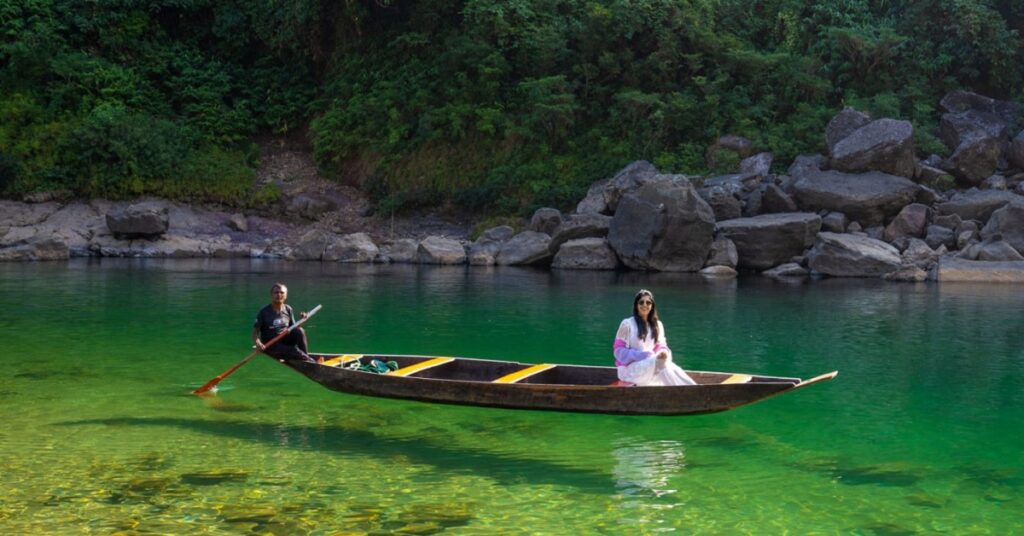
- Take a relaxed day trip towards Mawlynnong or Dawki only after checking road conditions.
2. Cherrapunji and Sohra, Meghalaya
Cherrapunji, also known as Sohra, is one of the most iconic monsoon destinations in India. July is the month when this region truly comes alive. The rain is intense, the clouds are low, and waterfalls roar through the green cliffs.
Cherrapunji is ideal for travellers who want to see Meghalaya at its wildest and most dramatic. The landscape is breathtaking, but you should not expect a sunny holiday. You may experience rain for long periods, foggy viewpoints, and slippery trails.
Top places to visit include Nohkalikai Falls, Seven Sisters Falls, Mawsmai Cave, Arwah Cave, Eco Park, Dainthlen Falls, and the nearby living root bridge region. Plan outdoor walks only with proper footwear and local advice.
Travel tip for Cherrapunji in July
Avoid planning an extremely tight schedule. Visibility at viewpoints can change quickly because of fog and rain. Stay at least two nights so you have enough time to enjoy the destination without rushing.
3. Guwahati, Assam
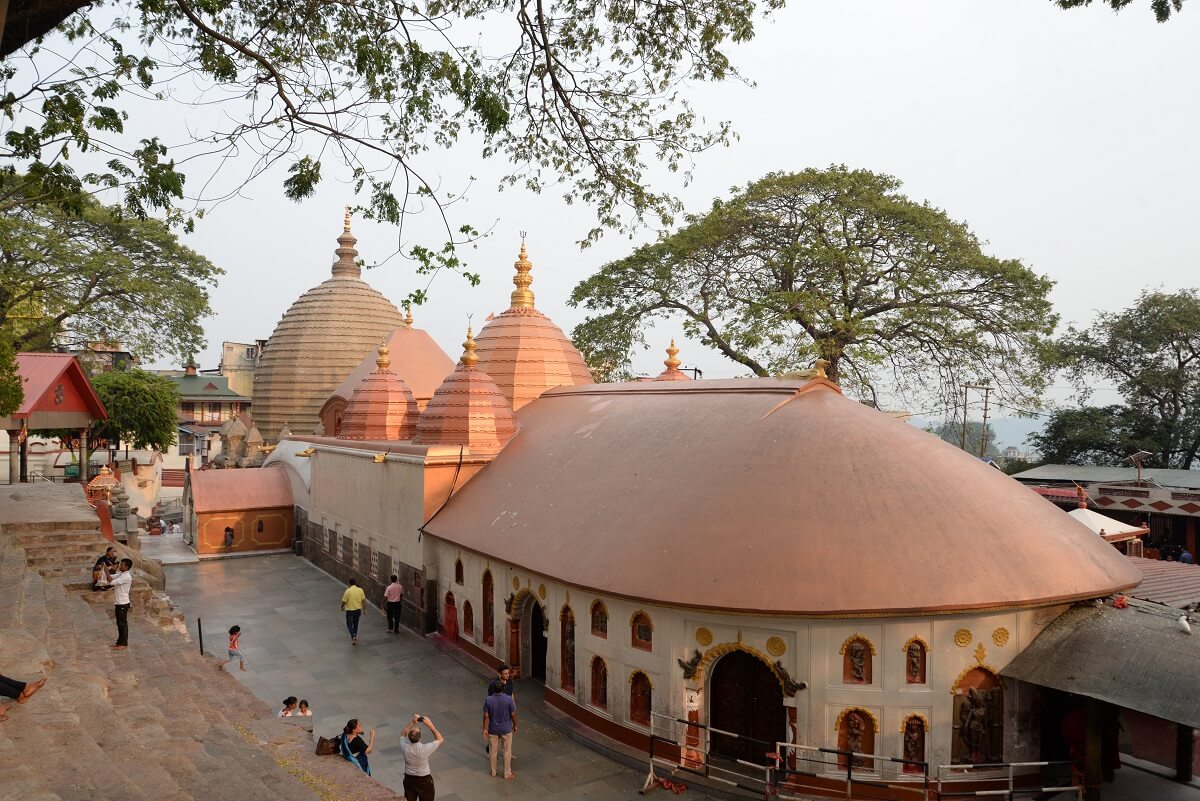
Guwahati is the main gateway to North East India and one of the easiest places to visit in July. Located on the banks of the Brahmaputra River, the city offers a mix of spirituality, culture, food, and urban convenience.
The weather can be warm and humid, with frequent rain showers. However, Guwahati remains practical for travellers because it has good hotels, restaurants, transport connections, and access to nearby destinations.
Visit the famous Kamakhya Temple, Umananda Temple, Assam State Museum, Srimanta Sankardev Kalakshetra, Basistha Ashram, and the Brahmaputra riverfront. A sunset river cruise can be enjoyable when weather conditions allow.
Guwahati works especially well as a one- or two-night stop before travelling to Shillong, Kaziranga, Tezpur, or Arunachal Pradesh.
4. Majuli, Assam
Majuli, one of the world’s largest river islands, offers a quieter and more cultural side of Assam. It is known for its Vaishnavite monasteries, traditional art, pottery, mask-making, rural scenery, and peaceful village life.
July gives Majuli a lush green appearance, but visitors must be cautious because ferry schedules and river conditions can change during heavy rain. It is best for travellers who are comfortable with flexible travel and can keep a buffer day in their plan.
If you visit, explore the satras, meet local artisans, watch traditional mask-making, cycle through villages, and enjoy Assamese home-style food. Majuli is not about ticking off attractions quickly. It is about slowing down and experiencing the rhythm of the island.
5. Tezpur, Assam
Tezpur is a beautiful riverside town in Assam, known for its ancient legends, gardens, temples, and easy access to other destinations. It is a good stop for travellers heading towards Kaziranga, Nameri, Dirang, Bomdila, or Tawang.
July makes Tezpur green and peaceful. You can visit Agnigarh Hill, Chitralekha Udyan, Mahabhairav Temple, Cole Park, and the Brahmaputra riverfront. The town is also a useful base for breaking up long road journeys in the region.
Tezpur is a smart addition to a monsoon itinerary because it has better facilities than many remote hill destinations and gives you a comfortable pause between drives.
Popular North East India Tour Packages:
- Gangtok, Ravangla, Namchi & Guwahati Tour Package – 5 Days
- 5 Days Gangtok and Pelling Tour Package
- 7 Days Meghalaya Explorer Tour Package
- 4 Days Meghalaya Adventure Tour Package
- Shillong, Cherrapunji, Dawki & Guwahati Tour – 5 Days
- 5 Days Offbeat Meghalaya Tour Package
- 8 Days Grand Meghalaya Holiday Package
6. Ziro Valley, Arunachal Pradesh
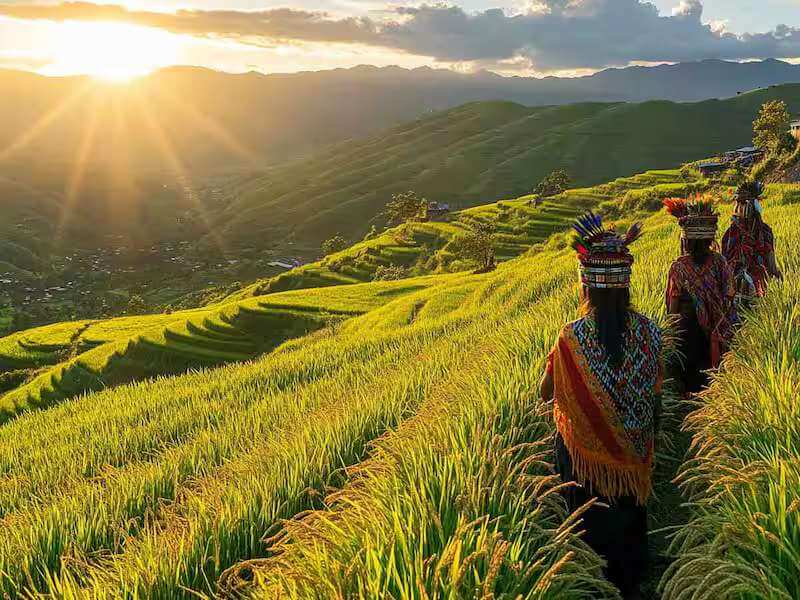
Ziro Valley is among the most scenic places to visit in North East India in July. The valley is known for its paddy fields, rolling green hills, Apatani tribal culture, bamboo houses, and peaceful rural surroundings.
July gives Ziro a fresh, green look. The fields begin to look vibrant, and the region feels calm and atmospheric. However, road conditions can be slow due to rain, so travellers should plan enough time for the journey.
Ziro is perfect for those who enjoy village walks, local food, photography, cultural experiences, and nature. Do not expect luxury travel everywhere. The beauty of Ziro lies in its simplicity and authenticity.
Before visiting Arunachal Pradesh, make sure you understand the permit requirements that apply to domestic and international travellers.
7. Gangtok, Sikkim
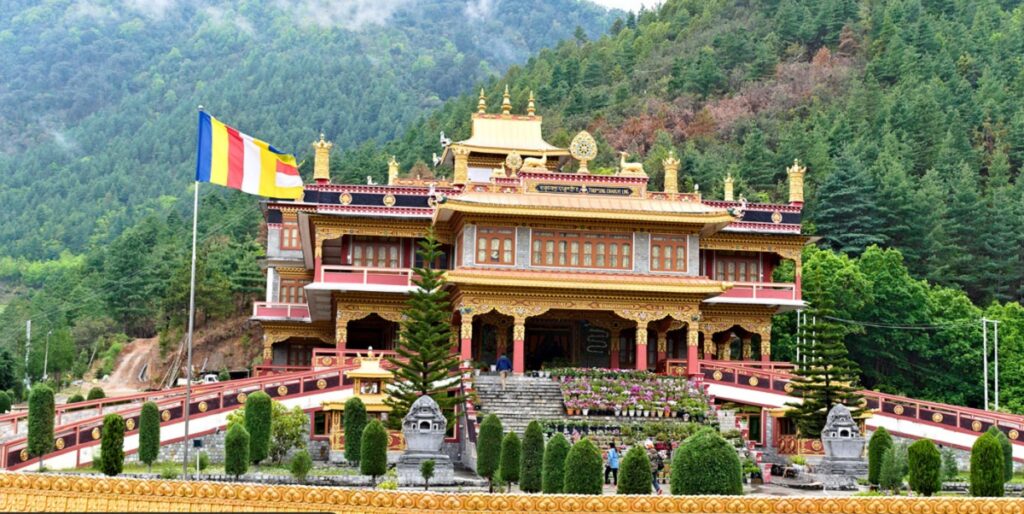
Gangtok remains one of the better hill destinations to visit in North East India in July if you prefer a balance of nature, local culture, and comfortable hotels. The city has scenic roads, monasteries, viewpoints, cafés, markets, and a relaxed mountain-town feel.
July brings frequent rain and cloud cover, which may hide Kanchenjunga views. Still, Gangtok is enjoyable for a laid-back holiday. You can visit MG Marg, Rumtek Monastery, Namgyal Institute of Tibetology, Do Drul Chorten, Hanuman Tok, and local markets.
Avoid relying completely on sightseeing routes to high-altitude areas such as Nathula Pass, Tsomgo Lake, North Sikkim, or remote valleys, as weather and permits may affect access. Keep Gangtok as your main base and treat high-altitude excursions as optional.
8. Aizawl, Mizoram
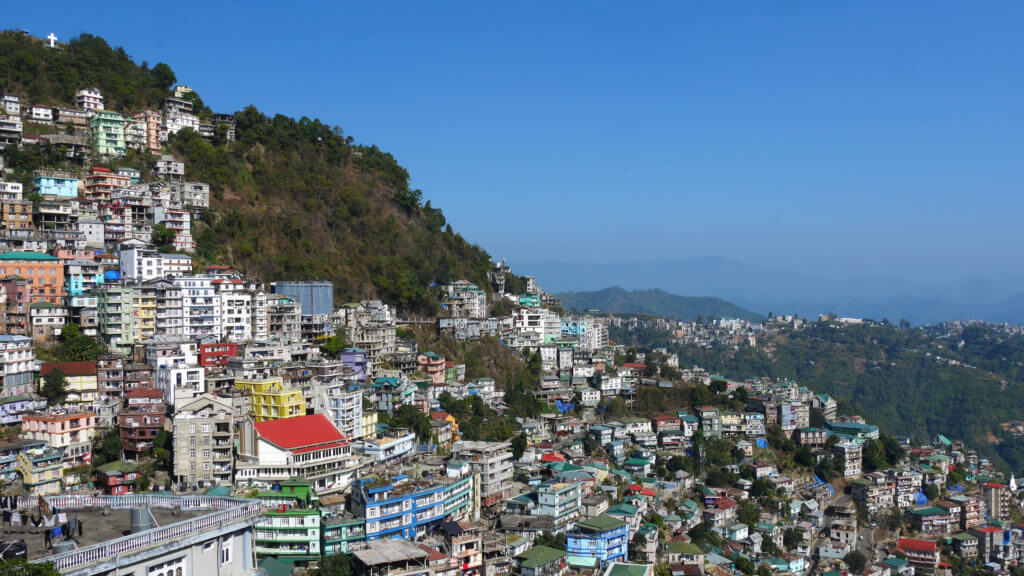
Aizawl is an underrated destination for a July trip to North East India. The city sits across green hills and offers peaceful views, clean surroundings, local markets, churches, and a relaxed urban atmosphere.
The monsoon makes Aizawl look exceptionally beautiful. The hills become brighter, clouds drift across the roads, and the city feels calm compared to crowded tourist destinations.
Visit Solomon’s Temple, Mizoram State Museum, Bara Bazar, Durtlang Hills, and viewpoints around the city. Aizawl is ideal for travellers seeking a quieter cultural trip rather than a packed adventure holiday.
9. Imphal, Manipur
Imphal is a culturally rich destination with lakes, temples, museums, markets, and historic landmarks. July brings greenery and pleasant temperatures, though rain may affect road travel outside the city.
Top places to visit include Kangla Fort, Ima Keithel, also known as the women’s market, Shree Govindajee Temple, Manipur State Museum, and Loktak Lake. Loktak Lake is especially scenic during the rainy season, although travellers should stay updated on weather conditions before planning day trips.
Imphal is an excellent choice for travellers interested in local traditions, handloom, history, food, and lesser-explored destinations.
10. Kohima, Nagaland
Kohima is a beautiful hill town surrounded by forested slopes, tribal culture, and peaceful countryside. July is rainy but green, making it ideal for travellers who enjoy quiet mountain settings.
You can visit the Kohima War Cemetery, local markets, Kisama Heritage Village, and nearby villages. The area around Kohima has beautiful views, but monsoon travel requires patience because roads can become slow in bad weather.
Nagaland is especially rewarding for travellers who prefer cultural experiences, local food, village stays, and offbeat travel rather than crowded attractions.
11. Agartala, Tripura
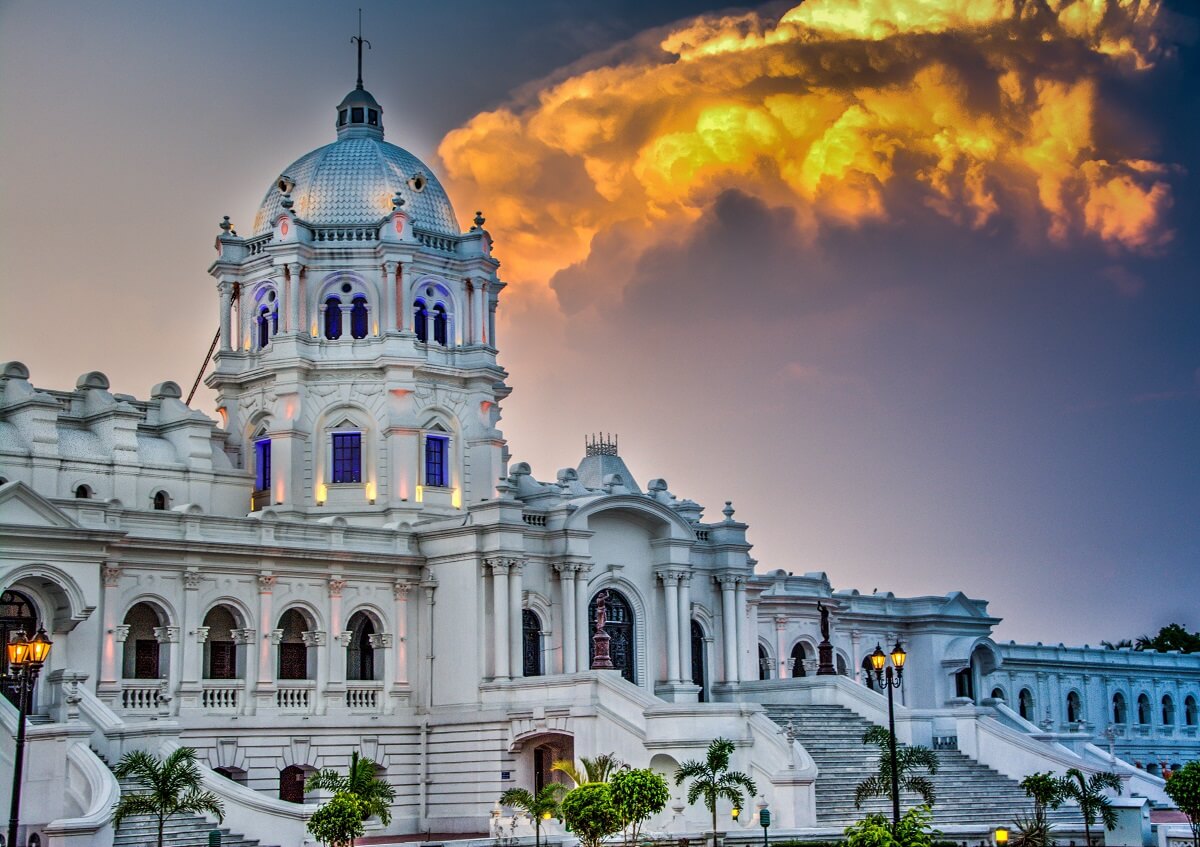
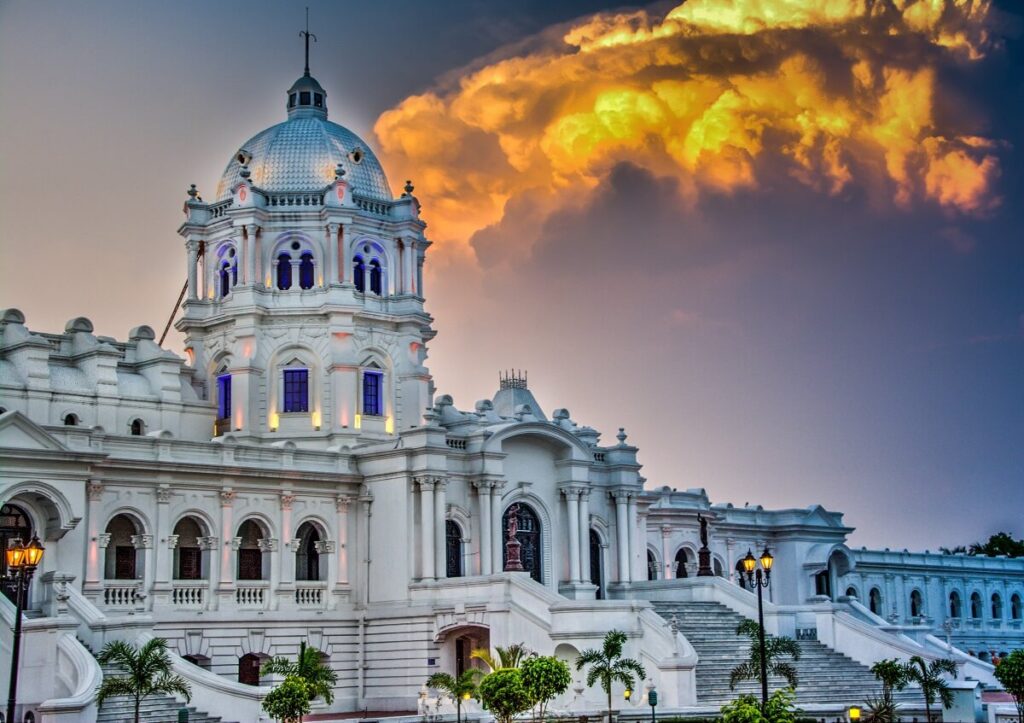
Agartala is a comfortable and culturally interesting destination in North East India. It has palaces, temples, lakes, museums, and a slower pace of life than many major Indian cities.
July is rainy and humid, but the city remains accessible. Visit Ujjayanta Palace, Neermahal, Tripura Sundari Temple, Heritage Park, and local markets. Agartala can be combined with a longer Tripura itinerary for travellers interested in history, architecture, and regional culture.
Places to Avoid or Visit Carefully in July
Some places can still be visited in July, but they require extra caution and flexibility.
Tawang, Arunachal Pradesh
Tawang is stunning in every season, but July is not the easiest time to visit. The journey involves long mountain roads, high passes, fog, rain, and potential landslide-prone stretches. If you are planning Tawang in July, keep at least two buffer days and do not book tightly timed onward flights.
Kaziranga National Park, Assam
Kaziranga is famous for the one-horned rhinoceros, but July falls in the monsoon season, when flooding and heavy rain can affect access and safari operations. Do not assume wildlife safaris will run as usual. Check official park updates before finalising your plan.
North Sikkim
Lachung, Lachen, Yumthang Valley, and Gurudongmar Lake are spectacular, but monsoon road conditions can be unpredictable. Landslides and permit restrictions may affect travel. Gangtok is a safer July base than a rushed North Sikkim itinerary.
Meghalaya Treks
The Double Decker Living Root Bridge trek and other trails can be rewarding, but rain makes steps and paths slippery. Travel only with proper shoes, rain protection, and enough time. Never attempt difficult trails during very heavy rainfall.
How to Reach North East India:
The easiest way to reach North East India is by air or train, depending on your starting city and preferred destination.
By Air
Guwahati is the main air gateway for most North East India trips. Lokpriya Gopinath Bordoloi International Airport connects Guwahati with major Indian cities and is useful for Meghalaya, Assam, Arunachal Pradesh, and parts of Nagaland.
Other airports in the region include Dibrugarh, Jorhat, Tezpur, Silchar, Imphal, Agartala, Dimapur, Aizawl, Shillong, Itanagar, and Pakyong near Gangtok. Flight schedules can vary, especially during the monsoon, so book earlier flights when possible and avoid extremely tight same-day connections.
For Meghalaya, most travellers fly to Guwahati and then continue by road to Shillong. For Sikkim, Bagdogra Airport in West Bengal is commonly used, followed by a road journey to Gangtok.
By Train
Guwahati Railway Station is the main railhead for North East India. It is connected with Delhi, Kolkata, Mumbai, Bengaluru, Chennai, and several other Indian cities. From Guwahati, you can continue by road to Shillong, Kaziranga, Tezpur, and many other destinations.
Other useful railway stations include New Jalpaiguri for Sikkim, Dimapur for Nagaland, Dibrugarh for Upper Assam, and Agartala for Tripura.
Train travel can be affordable and scenic, but monsoon delays are possible. Keep a buffer day if you have an onward flight or a strict hotel check-in schedule.
By Road
Road trips are popular in North East India, but July requires careful route planning. Self-driving is possible for experienced mountain drivers, although hiring a local car with a driver is often more practical during the rainy season.
Road conditions can change quickly. Avoid night driving in remote hilly areas, especially during heavy rain. Start early in the morning, carry snacks and drinking water, and keep offline maps ready.
Suggested North East India Itineraries for July:
Instead of trying to cover the entire region, choose one or two nearby states. This makes your journey smoother and more enjoyable.
5 Days: Guwahati and Meghalaya
Day 1: Arrive in Guwahati
Day 2: Guwahati to Shillong
Day 3: Shillong sightseeing
Day 4: Cherrapunji or Sohra excursion
Day 5: Return to Guwahati and depart
This is one of the best July itineraries because Meghalaya’s rain, waterfalls, and green hills are the main highlights.
6 Days: Assam and Meghalaya
Day 1: Arrive in Guwahati
Day 2: Guwahati sightseeing
Day 3: Guwahati to Shillong
Day 4: Shillong to Cherrapunji
Day 5: Cherrapunji to Shillong
Day 6: Shillong to Guwahati departure
This itinerary gives you more time and avoids rushing through the rain.
7 Days: Gangtok and East Sikkim
Day 1: Arrive at Bagdogra or New Jalpaiguri
Day 2: Drive to Gangtok
Day 3: Gangtok sightseeing
Day 4: Local monastery and market visits
Day 5: Optional Tsomgo Lake excursion, subject to weather and permits
Day 6: Leisure day in Gangtok
Day 7: Return to Bagdogra or New Jalpaiguri
Keep your plan flexible and do not depend entirely on high-altitude sightseeing.
7 Days: Guwahati, Ziro and Arunachal Pradesh
Day 1: Arrive in Guwahati
Day 2: Travel towards Arunachal Pradesh
Day 3: Reach Ziro
Day 4: Explore Ziro Valley
Day 5: Village and cultural experience
Day 6: Return journey towards Assam
Day 7: Depart from Guwahati
This route is best for travellers who enjoy slow, cultural, offbeat travel.
Essential Travel Tips for North East India in July:
1. Keep buffer days
This is the most important tip for a July trip. Rain may delay road travel, affect visibility, or change your sightseeing plan. Add at least one buffer day to a week-long itinerary.
2. Do not over-plan
Avoid trying to visit Assam, Meghalaya, Arunachal Pradesh, Sikkim, and Nagaland in one holiday. Focus on one region and enjoy it properly.
3. Carry proper rain gear
A compact umbrella is useful, but a waterproof rain jacket is better for sightseeing and walking. Pack a rain cover for your backpack, waterproof phone pouch, and extra zip-lock bags for documents.
4. Wear suitable footwear
Carry shoes with strong grip. Slippery roads, wet steps, muddy paths, and waterfall trails are common during July. Avoid smooth-soled sandals for outdoor sightseeing.
5. Start road journeys early
During the monsoon, daytime travel is safer. Start early, reach your hotel before dark, and avoid driving through unfamiliar mountain roads at night.
6. Book flexible flights and hotels
Choose accommodation with flexible cancellation policies where possible. Weather disruptions can occasionally affect your route or arrival time.
7. Keep cash with you
Digital payments are widely used, but remote areas may have inconsistent mobile networks. Carry enough cash for local transport, small shops, food stalls, and village stays.
8. Download offline maps
Mobile signals may weaken in mountain regions. Download maps, hotel details, tickets, and important travel documents before leaving major towns.
9. Check permits in advance
Some parts of Arunachal Pradesh, Sikkim, Nagaland, Mizoram, and border areas require permits or have entry rules. Confirm requirements before booking transport and accommodation.
10. Respect local culture
North East India is culturally diverse, with many tribes, languages, traditions, and customs. Dress respectfully in villages and religious places, ask before photographing people, and avoid treating cultural spaces like photo props.
What to Pack for North East India in July
Your packing list should be practical rather than fashionable.
- Waterproof rain jacket or poncho
- Umbrella
- Quick-dry T-shirts and trousers
- Light sweater or jacket for hill stations
- Comfortable walking shoes with grip
- Extra socks
- Backpack rain cover
- Waterproof mobile pouch
- Power bank
- Basic medicines
- Mosquito repellent
- Reusable water bottle
- Torch or small flashlight
- Identity proof and permit documents
- Cash for remote destinations
- Travel insurance details
Avoid carrying heavy luggage if your trip includes several road transfers. A medium backpack or soft suitcase is easier to manage in wet conditions.
Food to Try During Your July Trip
A North East India trip is incomplete without trying local food. Every state has its own flavours, ingredients, and cooking styles.
In Assam, try Assamese thali, khar, tenga fish curry, pitha, and tea. In Meghalaya, taste jadoh, tungrymbai, dohneiiong, and local rice-based dishes. In Nagaland, try smoked meat dishes, bamboo shoot preparations, and local chutneys. In Manipur, look for eromba, singju, chamthong, and black rice desserts.
In Sikkim, try momos, thukpa, gundruk, phagshapa, and local teas. In Mizoram, explore simple rice-based meals, bamboo shoot dishes, and local meat preparations.
Always choose clean, busy local eateries and drink safe bottled or filtered water, especially during the rainy season.
Final Thoughts
North East India in July is a journey for travellers who enjoy the romance of rain. It is not about perfect blue skies or rushing from one attraction to another. It is about mist drifting across hills, waterfalls in full flow, tea gardens shining after rainfall, warm cups of tea, quiet village roads, and unforgettable landscapes.
Choose your destination carefully, travel slowly, keep your itinerary flexible, and respect the changing weather. Meghalaya, Guwahati, Shillong, Cherrapunji, Gangtok, Ziro, Aizawl, Imphal, Kohima, and Agartala can all offer memorable monsoon experiences when planned well.
For the best July trip to North East India, focus on comfort, patience, and local experiences. The rain may change your route, but it may also give you the most beautiful moments of your journey.
North East India Travel Guides
- 13 Best Places to Visit in North East India in June 2026
- North East India in August 2026: Top Destinations to Explore
- How to Plan a North East India Trip in 2026: Complete Guide
- 12 Best Tourist Places in North East India to Visit in May 2027
- Best Time for Trekking in North East India: Seasonal Guide
- North East India in December 2026: Best Places and Travel Tips
- Top Tourist Attractions in North East India You Must Visit
- Assam Culture and Traditions: A Traveler’s Complete Guide
- Best Hill Stations in North East India for a Summer Vacation
- Interesting Facts About Tripura: The Hidden Gem of North East India
- Shillong in May 2027: Best Places to Visit and Travel Tips
Frequently Asked Questions
Is July a good time to visit North East India?
Yes, July is good for travellers who enjoy monsoon landscapes, waterfalls, greenery, and fewer crowds. However, it is important to prepare for rain, delays, and changing road conditions.
Which is the best place to visit in North East India in July?
Shillong and Cherrapunji in Meghalaya are among the best choices in July because the monsoon enhances their waterfalls, forests, hills, and dramatic scenery.
Can I visit Kaziranga National Park in July?
July is part of the monsoon season in Assam, and heavy rain or flooding can affect park access and safari operations. Check official updates before planning a Kaziranga visit.
Is it safe to travel to Meghalaya in July?
Meghalaya can be visited in July, but travellers should be prepared for heavy rain, slippery paths, reduced visibility, and slower road travel. Avoid risky treks during severe rainfall.
What should I wear in North East India in July?
Carry quick-dry clothes, a rain jacket, comfortable shoes with grip, a light sweater for hill stations, and waterproof protection for electronics and documents.
Can I visit Tawang in July?
Tawang can be visited, but July is not the easiest month due to rain, fog, long mountain roads, and possible landslides. Travel only with buffer days and flexible plans.
How many days are enough for a North East India trip?
A minimum of five to seven days is enough for one or two nearby states, such as Assam and Meghalaya or Gangtok and East Sikkim. For a wider North East India tour, plan at least 12 to 15 days.