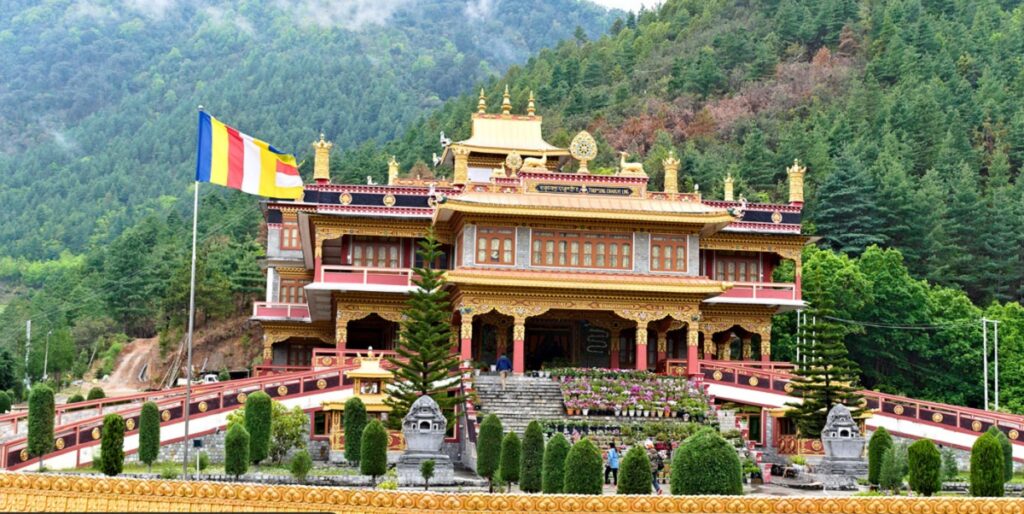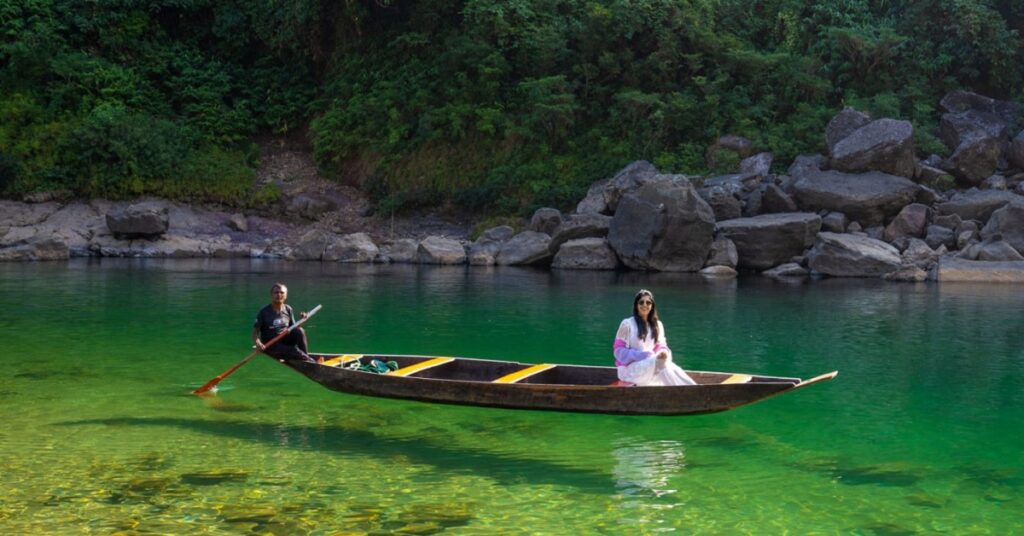
North East India is one of the most diverse and rewarding regions to explore in the country. Snow-covered mountains, subtropical forests, tea gardens, wildlife reserves, living root bridges, monasteries, tribal villages and some of India’s cleanest towns can all be found within this relatively compact corner of the country.
However, choosing the best time to visit North East India requires a little planning. Weather conditions vary dramatically between Assam’s plains, Meghalaya’s rain-soaked hills, Sikkim’s high-altitude valleys and the mountains of Arunachal Pradesh. A month that is perfect for a wildlife safari in Kaziranga may not necessarily be ideal for visiting the higher reaches of Sikkim or Arunachal Pradesh.
For most travellers, October to April is generally the best season to visit North East India. These months offer comfortable temperatures, relatively dry weather, clearer mountain views and good road conditions across many destinations.
That does not mean the rest of the year should automatically be avoided. Spring brings flowers and pleasant temperatures, the monsoon transforms Meghalaya into an extraordinary green landscape, and winter is excellent for wildlife, festivals and Himalayan scenery.
If you are planning a longer journey, explore the available North East India tour packages to understand how destinations such as Assam, Meghalaya, Sikkim and Arunachal Pradesh can be combined.
This month-by-month guide explains the weather, advantages, limitations and best places to visit throughout the year.
Quick Guide: Best Time to Visit North East India
The ideal travel period depends on the experience you want.
October to November is excellent for clear skies, green landscapes and comfortable sightseeing.
December to February is ideal for wildlife safaris, festivals and crisp mountain scenery, although high-altitude areas can become extremely cold.
March to April offers pleasant temperatures, blooming flowers and good conditions for exploring hill destinations.
May can still be suitable, particularly in the mountains, but pre-monsoon rainfall begins increasing.
June to September is the monsoon season across much of the region. Heavy rain can disrupt roads and outdoor activities, although Meghalaya becomes spectacular during this period.
For first-time visitors hoping to combine several states, October, November, March and April are among the safest choices.
North East India Weather by Season:
Understanding the broader seasons makes it easier to plan your itinerary.
Spring: March to April
Spring is one of the most attractive seasons in North East India. Temperatures become comfortable after winter, flowers bloom across the mountains and road conditions are usually manageable.
Sikkim becomes particularly beautiful during spring, with rhododendrons and other Himalayan flowers appearing across valleys and mountain trails.
This is also a good period for travelling through Assam, Meghalaya and lower regions of Arunachal Pradesh.
Temperatures usually range from around 10°C in mountain areas to 28°C in the plains, although conditions vary considerably depending on altitude.
Summer and Pre-Monsoon: May
May is warmer in Assam and other lowland areas, while hill destinations remain pleasant.
Rainfall gradually increases toward the end of the month, particularly in Meghalaya and Assam. Travellers who prefer fewer tourists may still enjoy visiting during early May.
Monsoon: June to September
North East India receives some of the heaviest rainfall in the country. Meghalaya is especially famous for its extraordinary monsoon.
Places such as Cherrapunji and Mawsynram receive enormous quantities of rain, creating powerful waterfalls and intensely green landscapes.
However, landslides, road closures and flight delays can occasionally disrupt travel. Wildlife parks such as Kaziranga usually remain closed during much of the monsoon because of flooding.
Autumn: October to November
Autumn is arguably the best season for a North East India trip.
The monsoon has ended, hills remain green, waterfalls are still active and skies gradually become clearer.
Road conditions improve, making it easier to travel between destinations. October and November are especially suitable for combining Assam, Meghalaya, Sikkim and Arunachal Pradesh.
Winter: December to February
Winter brings cool and dry conditions across most of the region.
Assam and Meghalaya remain comfortable during the daytime, while Sikkim and Arunachal Pradesh can become very cold at higher elevations.
Snowfall may occur in places such as Tawang, Tsomgo Lake and Nathula Pass.
Winter is also one of the best seasons for wildlife safaris in Assam.
January: Cold Mountains and Excellent Wildlife
January is one of the best months for wildlife tourism in North East India.
Assam experiences dry weather, making national parks and wildlife sanctuaries easy to explore. Kaziranga National Park is particularly popular during this period.
The park is famous for the Indian one-horned rhinoceros, but visitors may also encounter wild elephants, swamp deer, buffaloes and numerous bird species.
Travellers interested in wildlife can consider a 3-day Kaziranga tour itinerary.
January is also excellent for visiting Manas National Park. Located near the foothills of Bhutan, the reserve combines grassland, forest and river ecosystems.
A 4-day Manas National Park tour allows more time for safaris and nature experiences.
In Sikkim and Arunachal Pradesh, January is considerably colder. Snowfall may block certain mountain roads temporarily.
Best places in January
Kaziranga, Manas, Guwahati, Shillong, Gangtok and lower-altitude destinations in Arunachal Pradesh.
Why visit?
Dry weather, excellent wildlife sightings and clear winter skies.
February: Pleasant Days and Clear Himalayan Views
February remains one of the best months to visit North East India, especially for travellers who enjoy cooler weather.
Morning and evening temperatures can be chilly, but daytime sightseeing is usually comfortable.
Kaziranga and other wildlife parks remain excellent.
Gangtok, Pelling, Ravangla and Namchi are also attractive during February. On clear days, visitors may enjoy impressive views of the Himalayan ranges.
Higher roads near Nathula Pass and Tsomgo Lake can occasionally close because of snow.
February can be particularly rewarding for travellers seeking quieter destinations before the spring travel season begins.
March: One of the Best Months for North East India
March is widely considered one of the best times to travel to North East India.
Temperatures begin rising, flowers appear across the Himalayan foothills and the weather remains relatively dry.
Sikkim is especially appealing during March. Gangtok, Pelling, Ravangla and Namchi offer a combination of monasteries, mountain views and cultural attractions.
Travellers looking for a short multi-destination journey can consider the 5-day Gangtok, Guwahati, Ravangla and Namchi tour.
Assam is also pleasant during March, and wildlife parks remain open.
Shillong and Cherrapunji can be explored comfortably before the heavy rains begin.
Best for
Families, couples, nature lovers, first-time visitors and travellers combining multiple states.
April: Flowers, Mountains and Comfortable Weather
April is another excellent month for visiting the North East.
Spring reaches many mountain regions, bringing colourful flowers, lush valleys and relatively mild temperatures.
Sikkim becomes particularly attractive during this period.
Gangtok and Pelling are popular choices for travellers looking for a relaxed Himalayan holiday. A 5-day Gangtok and Pelling trip gives enough time to explore monasteries, viewpoints and cultural attractions.
Arunachal Pradesh is also worth visiting in April.
Tawang, Bomdila and Dirang offer spectacular mountain scenery, Buddhist monasteries and high-altitude landscapes.
Road conditions are generally better than during peak winter, although mountain weather can always change quickly.
April is also a good month for photography because visibility is often excellent in the mornings.
May: Warm Plains and Pleasant Hill Stations
May marks the transition toward the monsoon season.
Assam becomes hotter and more humid, while the hills of Meghalaya, Sikkim and Arunachal Pradesh remain relatively comfortable.
Occasional thunderstorms become more common.
If you are travelling during May, consider spending more time in higher-altitude destinations.
Shillong is usually cooler than Guwahati, while Gangtok and Pelling offer pleasant daytime temperatures.
Arunachal Pradesh can also be visited during early May before rainfall becomes more frequent.
Families travelling during India’s summer holiday period often choose North East India during May because of its cooler mountain climate.
June: Monsoon Begins
By June, the southwest monsoon reaches much of North East India.
Rainfall becomes frequent across Assam, Meghalaya, Mizoram and other areas.
For conventional sightseeing, June is not the easiest month because road journeys can take longer and mountain routes may occasionally be affected by landslides.
However, the landscape becomes extraordinarily green.
Meghalaya is particularly impressive during the monsoon. Waterfalls increase in volume, forests become vibrant and clouds drift across the hills.
Travellers who genuinely enjoy rain, photography and dramatic landscapes may find June fascinating.
Wildlife safaris become more limited as parks prepare for seasonal closures.
July: Peak Monsoon Landscapes
July is one of the wettest months in North East India.
Heavy rainfall occurs throughout Assam and Meghalaya, while mountainous regions frequently experience cloudy conditions.
Many travellers avoid long road itineraries during this month.
However, Meghalaya becomes a paradise for waterfall lovers.
Cherrapunji, Mawsynram and the surrounding Khasi Hills are at their greenest. Waterfalls that may become relatively thin during the dry season turn into powerful cascades.
If you visit in July, build flexibility into your schedule because heavy rainfall can cause delays.
Proper rainwear and waterproof footwear are essential.
August: Lush Green Scenery and Fewer Tourists
August remains part of the monsoon season.
Rainfall continues, although patterns can vary considerably from one year to another.
This is generally a quieter month for tourism, meaning hotels may be less crowded.
Mizoram is exceptionally green during August. Hills covered with forests create beautiful landscapes around Aizawl and surrounding areas.
Those who enjoy exploring lesser-visited destinations may consider Mizoram later in the monsoon or immediately after it. A 6-day Mizoram tour package offers an introduction to the state’s landscapes and local culture.
However, road conditions should always be checked before planning extensive journeys during the rainy season.
September: Monsoon Retreat and Green Landscapes
September is a transition month.
Rainfall gradually begins decreasing toward the second half of the month, although showers remain common.
The biggest advantage of visiting North East India in September is the lush scenery.
Hills, forests and valleys remain intensely green after months of rain.
Waterfalls in Meghalaya are still powerful, and tourist numbers are generally lower than during October.
September can therefore be a good option for travellers who do not mind occasional rain.
For multi-state road trips, however, late September is usually better than early September.
October: One of the Best Times to Visit North East India
October marks the beginning of the main travel season.
For many visitors, it is the best month to visit North East India.
The monsoon has largely withdrawn, temperatures are comfortable and road conditions improve considerably.
Meghalaya remains green, waterfalls continue flowing and skies become clearer.
Assam’s national parks gradually begin reopening depending on rainfall and local conditions.
Sikkim is beautiful in October, with crisp mountain views and pleasant temperatures.
Arunachal Pradesh also becomes more accessible.
Travellers planning their first journey through the region could consider a 4 nights and 5 days North East India package as an introduction to the area.
Why October is excellent
You get a combination of post-monsoon greenery, comfortable temperatures and improving mountain visibility.
November: Clear Skies and Ideal Road Conditions
November is another outstanding month for North East India tourism.
Rainfall becomes minimal across many areas, daytime temperatures remain pleasant and visibility improves.
This is an excellent month for road trips.
Assam’s wildlife parks become increasingly active as water levels fall, while Meghalaya offers cool and comfortable weather.
Sikkim and Arunachal Pradesh provide beautiful mountain views before the coldest winter weather arrives.
Travellers interested in Assam can explore tea estates, temples, wildlife parks and cultural sites through a 5-day Assam tour package.
November is especially suitable for photography because the skies are clearer and humidity is relatively low.
December: Festivals, Wildlife and Winter Scenery
December is a fascinating month to visit North East India.
Wildlife tourism is excellent in Assam, while mountain destinations become colder and may experience snowfall.
One of the biggest attractions during December is the Hornbill Festival in Nagaland, usually held during the first part of the month.
The festival brings together tribal traditions, music, food, crafts and cultural performances from communities across Nagaland.
December is also a popular period for exploring Arunachal Pradesh.
Tawang can experience snow, creating impressive winter scenery. However, travellers should prepare for freezing temperatures and occasional road disruptions.
Those planning a longer journey can consider a 7-day Arunachal Pradesh tour.
Christmas celebrations are also particularly vibrant in states with large Christian populations, including Meghalaya, Mizoram and Nagaland.
Best Time to Visit Assam
The best time to visit Assam is generally November to April.
These months offer relatively dry conditions and comfortable temperatures.
Wildlife parks including Kaziranga and Manas are usually accessible during this period.
December through March is particularly good for wildlife viewing because vegetation becomes less dense and animals often gather near water sources.
Guwahati, Majuli, Sivasagar and Assam’s tea regions can also be explored comfortably during winter.
The monsoon months are less suitable because many areas experience heavy rainfall and flooding.
Best Time to Visit Meghalaya
The best time to visit Meghalaya depends on what you want to see.
For comfortable sightseeing, October to April is ideal.
Shillong, Cherrapunji, Dawki and Mawlynnong experience mild temperatures and relatively dry weather.
For waterfalls and lush scenery, however, June to September can be spectacular.
Travellers visiting during the monsoon should be prepared for very heavy rain, fog and occasional road delays.
October offers a particularly good balance because the hills remain green and waterfalls still carry plenty of water.
Best Time to Visit Sikkim
The best time to visit Sikkim is generally March to May and October to November.
Spring brings blooming rhododendrons and pleasant weather.
Autumn provides clearer skies and excellent views of the Himalayas.
Winter can also be beautiful, although higher destinations may become inaccessible because of snow.
The monsoon season from June to September is usually avoided for extensive road travel because landslides can disrupt mountain routes.
Best Time to Visit Arunachal Pradesh
The best season for Arunachal Pradesh is typically October to April.
October and November are especially suitable for road trips because weather conditions remain stable.
March and April are also excellent for visiting Tawang, Dirang, Bomdila and other mountain areas.
December and January bring colder temperatures and possible snowfall.
High-altitude roads may occasionally close temporarily.
Travellers planning Arunachal Pradesh should keep additional travel time in their itinerary because distances can be long and mountain roads are often slow.
Best Time to Visit Mizoram
Mizoram is best explored between October and March.
The weather is cooler and relatively dry, making road travel more comfortable.
Aizawl and the surrounding hills offer beautiful scenery during this period.
The monsoon transforms Mizoram into an incredibly green destination, but persistent rainfall can make road journeys more challenging.
Best Time for Wildlife in North East India
Wildlife lovers should plan their trip between November and April.
Kaziranga National Park is the region’s most famous wildlife destination, particularly for one-horned rhinoceroses.
Manas National Park is another excellent choice for wildlife enthusiasts.
Winter and early spring provide good safari conditions because temperatures are comfortable and wildlife becomes easier to spot.
The monsoon season should generally be avoided for wildlife safaris because several parks close due to heavy rain and flooding.
Best Time for Honeymoon Trips
Couples usually prefer October to April.
During these months, destinations such as Gangtok, Pelling, Shillong and Tawang offer cool weather and attractive scenery.
October and November are particularly suitable for couples who want greenery without intense winter temperatures.
December and January are ideal for travellers who enjoy cold weather and mountain landscapes.
Best Time for Family Holidays
March, April, October and November are among the best months for families.
Temperatures remain comfortable and severe weather is less likely.
These months are also suitable for combining multiple destinations without worrying too much about monsoon disruption or extreme winter conditions.
Families with young children or elderly travellers may want to avoid very high-altitude destinations during the coldest months.
How Many Days Are Enough for North East India?
- North East India is far larger than many first-time visitors expect.
- Trying to cover too many states during a short trip can result in long hours on the road.
- For one state or a compact route, 5 to 7 days is usually reasonable.
- For Assam and Meghalaya together, plan approximately 7 to 9 days.
- For Sikkim combined with Darjeeling or nearby areas, 6 to 8 days works well.
- For Arunachal Pradesh, a minimum of 7 to 10 days is advisable because driving distances are considerable.
- Travellers hoping to combine several states should ideally allocate 10 to 14 days or more.
What to Pack for North East India
- Packing depends heavily on the season and destination.
- During winter, carry warm layers, particularly when visiting Sikkim and Arunachal Pradesh.
- For October, November, March and April, light layers combined with a warmer jacket for evenings are usually sufficient.
- During the monsoon, carry waterproof shoes, a light rain jacket, quick-drying clothing and protection for cameras and electronics.
- Comfortable walking shoes are useful throughout the year because many attractions involve steps, uneven paths or short hikes.
Travel Tips for Planning a North East India Trip
- Distances in the region can look short on a map but take considerably longer because of winding mountain roads.
- Avoid planning too many destinations in a single day.
- Keep some flexibility when travelling through high-altitude regions because weather can affect roads unexpectedly.
- Some states and border regions may require permits, so check the current requirements while planning your journey.
- Booking accommodation and transport in advance is recommended during October, November, December, March and April.
- For a balanced first-time experience, combine two or three nearby regions instead of attempting all seven sister states plus Sikkim in a single trip.
So, What Is the Best Month to Visit North East India?
If you want the most reliable overall conditions, October and November are arguably the best months to visit North East India.
The monsoon has ended, the countryside remains green, temperatures are pleasant and most routes are accessible.
March and April are equally attractive for travellers who prefer spring weather, flowers and comfortable mountain temperatures.
December to February is excellent for wildlife, festivals and winter landscapes, although cold conditions can affect high-altitude travel.
The monsoon period from June to September is best suited to travellers who specifically want dramatic waterfalls, rain-soaked forests and the extraordinary scenery of Meghalaya.
Ultimately, the best time to visit North East India depends on whether you are travelling for mountains, wildlife, culture, festivals or monsoon landscapes.
With the right timing and a realistically paced itinerary, North East India offers some of the most memorable travel experiences anywhere in the country.
Related Reads:
- North East India in July 2027: Weather & Travel Guide
- North East India in June 2027: Best Places to Visit
- Best Season for Trekking in North East India
- North East India in December 2026: Top Places to Visit
- Is August a Good Time to Visit North East India?
- North East India Trip Planning Guide for 2026
Frequently Asked Questions
What is the best time to visit North East India?
October to April is generally the best time to visit North East India. October, November, March and April offer particularly comfortable weather for sightseeing and road trips.
Which month is best for a North East India tour?
October and November are excellent for first-time visitors because the monsoon has ended, the landscape remains green and most destinations have good travel conditions.
Is North East India worth visiting during the monsoon?
Yes, particularly Meghalaya. Cherrapunji, Mawsynram and surrounding areas become incredibly green and waterfalls are at their most powerful. However, heavy rain can cause travel delays.
When is the best time to visit Kaziranga National Park?
November to April is the main season for Kaziranga. December through March offers especially favourable conditions for wildlife safaris.
When can I see snow in North East India?
December to February offers the best chances of snow in higher areas of Sikkim and Arunachal Pradesh, including destinations around Tawang and Tsomgo Lake.
How many days should I plan for North East India?
Plan at least 7 to 10 days for a meaningful trip covering two nearby regions. Around 10 to 14 days is better if you want to combine several states.
Is April a good time for North East India?
Yes. April is one of the best months for North East India because temperatures are pleasant, spring flowers are visible in the mountains and the heavy monsoon has not yet arrived.