September is one of the most rewarding months to explore the hill stations in and around Gujarat. The intense monsoon begins to lose its strength, forests remain brilliantly green, waterfalls are still flowing, lakes are replenished, and the air in the hills feels noticeably fresher than in the plains.
Gujarat may be better known for the Rann of Kutch, Gir National Park, Somnath, Dwarka, Ahmedabad, and its magnificent stepwells, but the state also has a surprisingly scenic side. From the mist-covered slopes of Saputara and the forested countryside of Wilson Hills to lesser-known places such as Don Hill Station, there are several peaceful escapes for travellers looking for mountains, greenery, waterfalls, and cool weather.
The location of Gujarat also makes it easy to combine these destinations with nearby hill stations in Rajasthan and Maharashtra. Mount Abu is particularly convenient from Ahmedabad and northern Gujarat, while Lonavala, Khandala, Matheran, Toranmal, and Mahabaleshwar are attractive extensions for travellers heading towards Maharashtra.
If you are planning a Gujarat holiday during the late monsoon, this guide covers the best hill stations in and around Gujarat to visit in September 2026, along with weather conditions, attractions, ideal trip durations, travel suggestions, and practical tips.
You can also explore customizable Gujarat tour packages if you want to combine hill destinations with Gujarat’s heritage, wildlife, temples, and cultural attractions.
Why Visit Hill Stations Near Gujarat in September?
September sits between the heavy monsoon season and the beginning of India’s busier autumn travel period.
July and August can bring intense rain to many parts of western India, particularly the Western Ghats. By September, rain usually becomes less persistent, although short showers are still possible. The advantage is that the countryside remains exceptionally green.
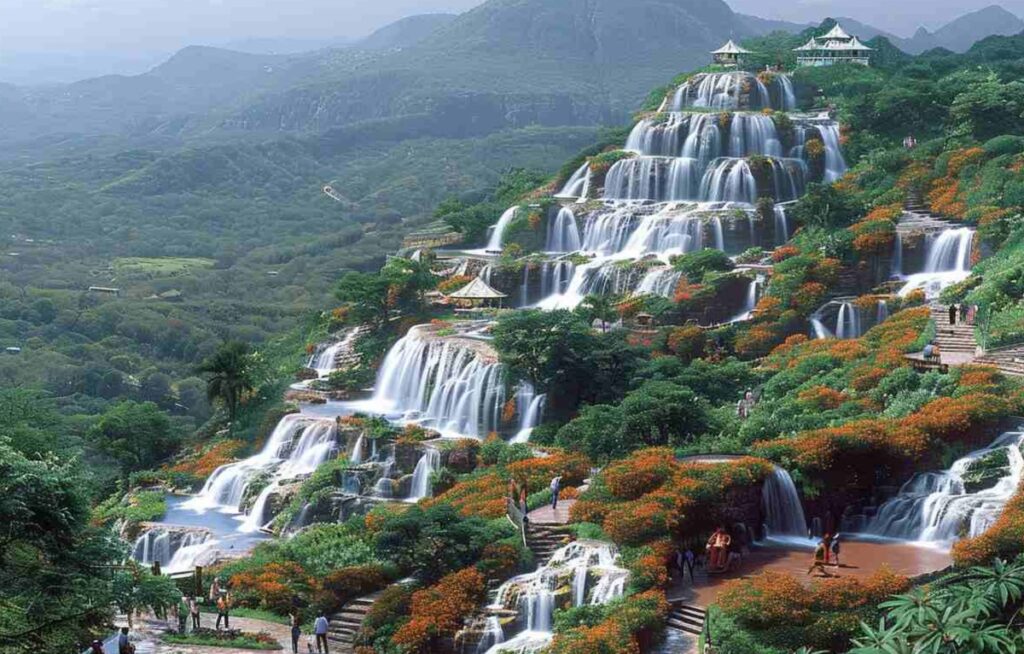
Waterfalls are often still active, streams are full, hillsides are covered with vegetation, and cloud-covered viewpoints can be spectacular.
Another reason to travel in September is the relatively moderate tourist traffic. Popular places may still become crowded on weekends, but weekdays are generally quieter than peak holiday periods.
For photographers, road-trip enthusiasts, couples, families, and nature lovers, September offers one of the most atmospheric versions of western India’s hill country.
What to Expect in September
Travellers can generally expect:
- Green post-monsoon landscapes
- Occasional rain and cloudy weather
- Active waterfalls
- Cooler temperatures in elevated regions
- Mist around viewpoints and forest roads
- Moderate tourist numbers on weekdays
- Slippery trekking paths after rain
- Pleasant conditions for scenic road trips
Weather can change quickly in mountainous areas, so local forecasts and road conditions should always be checked before departure.
Best 10 Hill Stations Around Gujarat in September 2026:
1. Saputara, Gujarat

When people search for the best hill station in Gujarat, Saputara is usually the first destination that comes to mind.
Located in the Dang district near the Maharashtra border, Saputara sits amid the Sahyadri ranges and is widely regarded as Gujarat’s principal hill station. The landscape is very different from the dry regions travellers may associate with the state.
September transforms Saputara into a green retreat filled with clouds, small streams, forested slopes, and post-monsoon scenery.
Saputara Lake forms the centre of the town and is a pleasant place for boating when conditions permit. Travellers can also visit Sunrise Point, Sunset Point, Governor’s Hill, Artist Village, Step Garden, Rose Garden, and several viewpoints overlooking the surrounding valleys.
The Saputara Tribal Museum provides an introduction to the culture and traditions of the indigenous communities of the Dang region.
One of the biggest attractions during the monsoon and immediate post-monsoon season is the surrounding countryside. Gira Waterfalls, located outside Saputara, becomes especially impressive after substantial rainfall.
Why Visit Saputara in September 2026?
September is a particularly attractive period because the hills remain lush even when rainfall begins to reduce.
Morning mist and occasional clouds give the landscape a Himalayan-style atmosphere on certain days, even though Saputara is much lower in elevation.
Couples can enjoy quiet viewpoints, families can spend time around the lake and gardens, and road-trip travellers can explore the forested roads of the Dang district.
Ideal Duration: 2 to 3 days
Best For: Families, couples, nature lovers, weekend trips, photography and short road journeys.
Travellers coming from Maharashtra can also read this detailed guide on how to reach Saputara from Mumbai.
2. Wilson Hills, Gujarat
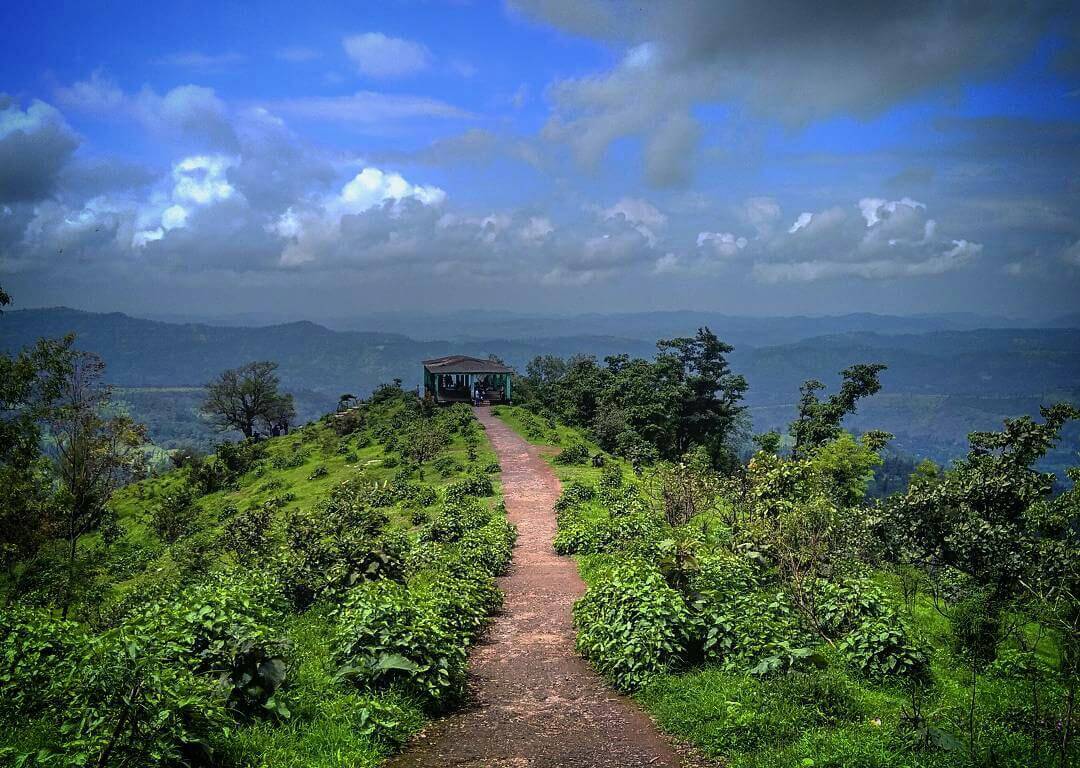
Wilson Hills is one of the lesser-known hill destinations in Gujarat and an excellent choice for travellers who prefer somewhere quieter than Saputara.
Situated in the Valsad district of southern Gujarat, the region is surrounded by forests and rolling hills of the Western Ghats. During and immediately after the monsoon, the landscape becomes particularly attractive.
Instead of large commercial attractions, Wilson Hills is mainly about scenery. Visitors come for winding mountain roads, cool breezes, viewpoints, forest landscapes, and peaceful surroundings.
On clear days, some viewpoints provide long-distance views across the valleys and plains below. Mist can reduce visibility during rainy periods, but it also gives the hills a dramatic atmosphere.
The region works particularly well for travellers combining southern Gujarat with destinations such as Dharampur, Valsad or coastal areas nearby.
Why Visit in September?
September retains much of the monsoon greenery while generally offering better conditions for sightseeing than the peak rainy weeks.
Small waterfalls and seasonal streams may still be visible, while forests look particularly fresh.
Ideal Duration: 1 to 2 days
Best For: Couples, photographers, peaceful weekend breaks and travellers looking for lesser-known places.
3. Don Hill Station, Gujarat
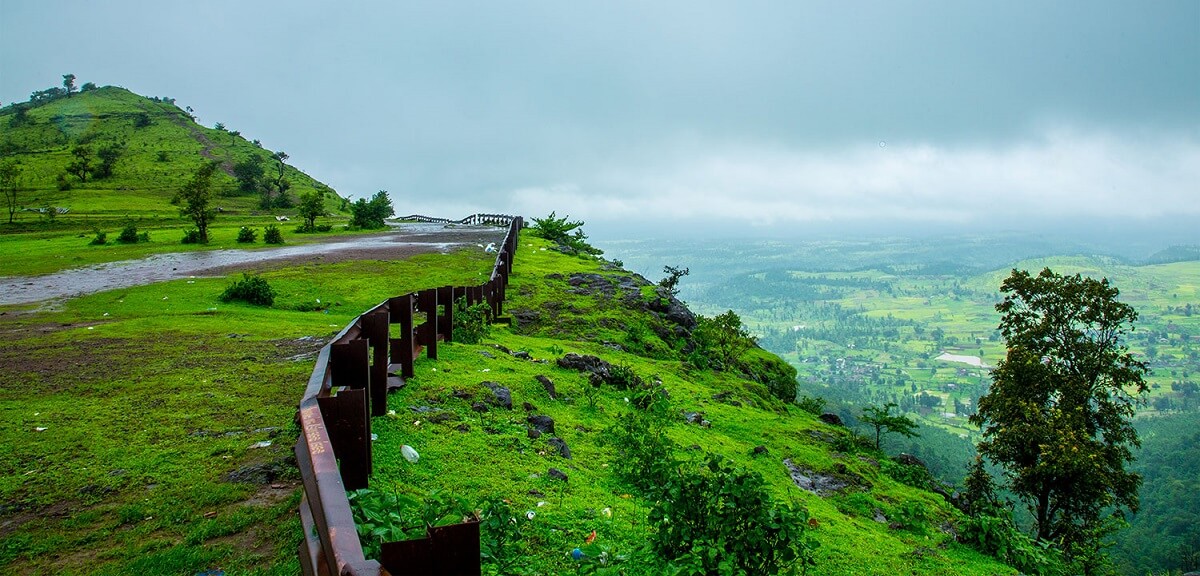
Don Hill Station is one of Gujarat’s most interesting options for travellers who want to escape conventional tourist routes.
Located in the Dang region, Don is known for open green hills, tribal villages, valleys, winding roads, and panoramic landscapes.
Unlike developed hill resorts with numerous hotels and tourist facilities, Don has a more rural character. The journey and surrounding scenery form a major part of the experience.
During September, the countryside is often exceptionally green following the monsoon. Low clouds drifting across the hills can create beautiful conditions for landscape photography.
Don can work particularly well as part of a wider Dang district journey that includes Saputara, Ahwa and waterfalls in the surrounding forest region.
Things to Do: Enjoy panoramic viewpoints, photograph green valleys, explore rural landscapes, experience local tribal culture respectfully, and combine the journey with other attractions of the Dang district.
Ideal Duration: 1 day or an overnight stay nearby
Best For: Offbeat travellers, photographers, road trips and nature enthusiasts.
Travellers should remember that tourism infrastructure around Don is more limited than at Saputara, so advance planning is useful.
4. Pavagadh Hills, Gujarat
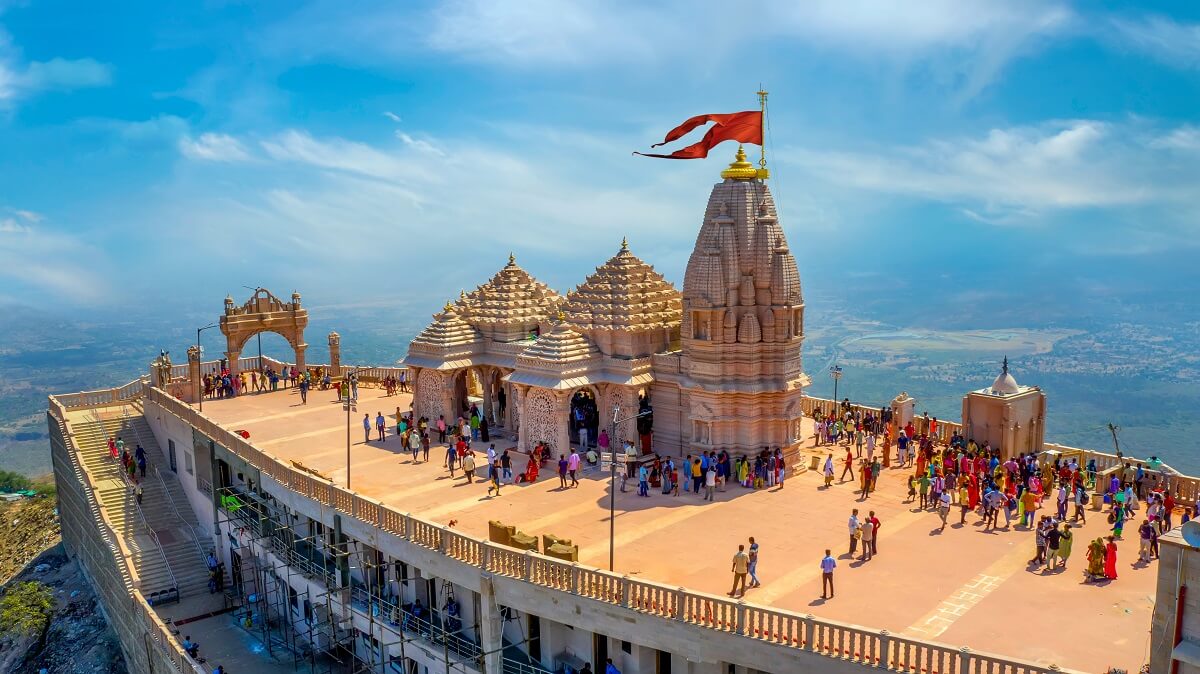
Pavagadh is not a conventional hill station filled with resorts and promenades, but it deserves a place among Gujarat’s best elevated getaways.
Situated close to Champaner, Pavagadh combines natural scenery with extraordinary historical and religious importance.
The hill forms part of the Champaner-Pavagadh Archaeological Park, a UNESCO World Heritage Site. Travellers can combine archaeology, architecture, religious pilgrimage, panoramic scenery, and a hill journey in one destination.
The Kalika Mata Temple at the top is one of the region’s important pilgrimage centres.
September adds another dimension to Pavagadh. The surrounding landscape becomes green following the rains, while clouds occasionally drift around the hill.
What Makes Pavagadh Different?
Unlike purely recreational hill stations, Pavagadh provides a combination of:
- History
- Archaeology
- Spirituality
- Hill scenery
- Heritage architecture
Champaner below the hill contains mosques, gateways, fortifications, water structures and archaeological remains that make the destination worth a full day’s exploration.
Ideal Duration: 1 to 2 days
Best For: Heritage travellers, pilgrims, photographers and families.
5. Polo Forest and the Aravalli Hills
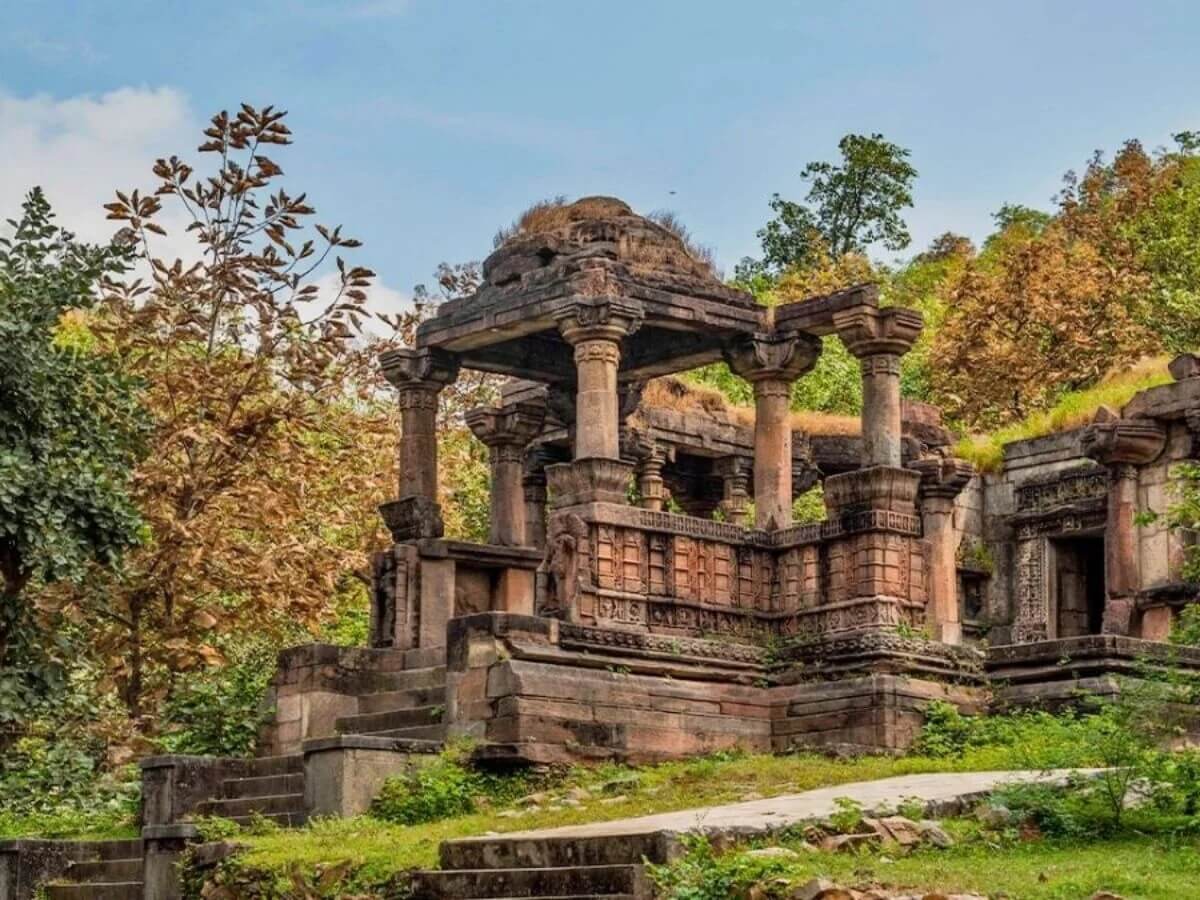
Polo Forest is another destination that may not technically fit the traditional definition of a hill station, yet it is one of Gujarat’s most appealing nature escapes after the monsoon.
Situated in northern Gujarat among the Aravalli foothills, the area combines dense vegetation, rivers, archaeological ruins, temples and quiet country roads.
September is one of the most scenic periods because rainfall restores the greenery throughout the region.
Forest walks, ruined temples and rural landscapes make Polo Forest especially interesting for travellers who want something different from conventional sightseeing.
Things to Experience:
Explore old temple ruins, walk through green forest areas, enjoy riverside scenery, photograph the surrounding Aravalli landscape and spend time away from large cities.
Because trails can remain muddy during September, proper footwear is recommended.
Ideal Duration: 1 to 2 days
Best For: Nature lovers, photography, history enthusiasts and weekend road trips from Ahmedabad.
Hill Stations Near Gujarat:
Gujarat’s position beside Rajasthan and Maharashtra means travellers have several excellent hill destinations just beyond the state border.
Some are close enough for a weekend journey, while others are better suited to a longer western India road trip.
6. Mount Abu, Rajasthan
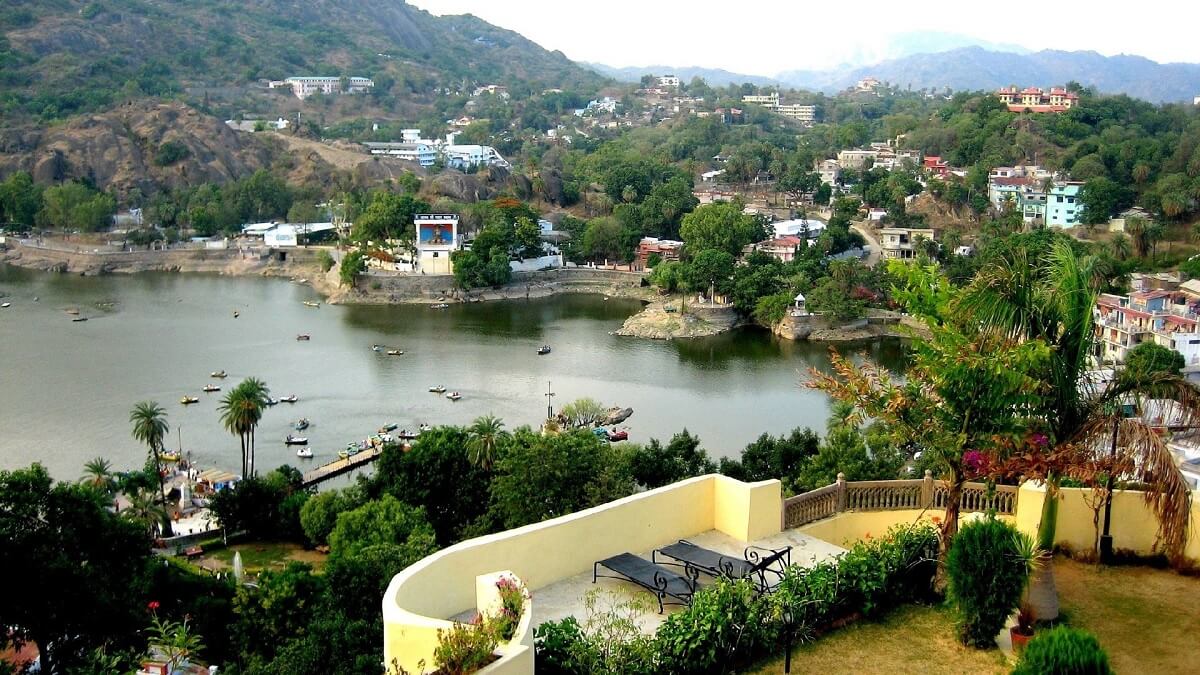
If you are travelling from Ahmedabad or northern Gujarat, Mount Abu is one of the best hill stations near Gujarat.
Located in Rajasthan’s Aravalli Range, Mount Abu provides a striking contrast to the desert landscapes normally associated with Rajasthan.
September is particularly beautiful because the monsoon leaves the mountains green and replenishes lakes and vegetation.
Nakki Lake is the centre of much of the tourist activity. Visitors can walk around the waterfront, enjoy boating when available, explore nearby Toad Rock, and watch the evening light from scenic viewpoints.
The extraordinary Dilwara Jain Temples are another major highlight. Their intricate marble carvings make them among the most remarkable temple complexes in western India.
Guru Shikhar, the highest point in the Aravalli Range, provides sweeping views across the mountains and surrounding landscape.
Other attractions include Achalgarh Fort, Sunset Point, Honeymoon Point and Mount Abu Wildlife Sanctuary.
Why Mount Abu Works Well with a Gujarat Trip
Mount Abu is approximately 225 km from Ahmedabad according to Ease India Trip’s destination guide, making it one of the most practical interstate hill-station extensions from Gujarat.
Ease India Trip also offers Gujarat itineraries that incorporate Mount Abu, which makes the combination particularly logical for travellers planning a longer western India journey.
Read the complete guide to reaching Mount Abu from Ahmedabad and discover the best things to do in Mount Abu.
Ideal Duration: 2 to 3 days
Best For: Couples, families, Jain pilgrimage journeys, nature lovers and road trips from Ahmedabad.
7. Toranmal, Maharashtra
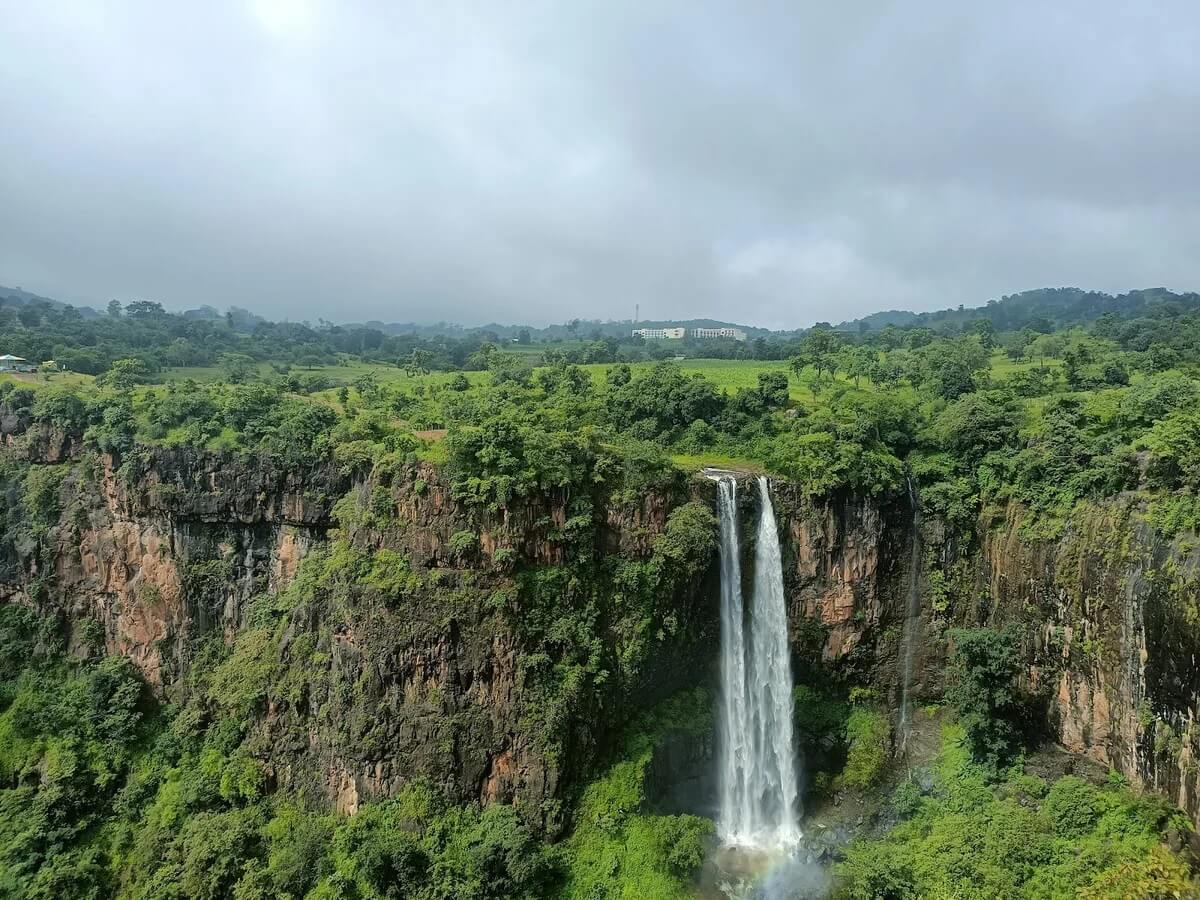
Toranmal is one of the least commercialized hill stations close to Gujarat.
Situated in Maharashtra’s Nandurbar district near the Gujarat border, Toranmal lies within the Satpura ranges and offers lakes, viewpoints, forests and a tranquil atmosphere.
Its relatively remote location means it receives fewer visitors than famous Maharashtra hill stations such as Lonavala or Mahabaleshwar.
September is an attractive month because the surrounding plateau and forest landscapes remain green after the rains.
Yashwant Lake is one of the main landmarks, while various viewpoints provide wide views of the Satpura countryside.
Why Choose Toranmal?
Choose Toranmal if you value quiet surroundings more than extensive tourist infrastructure.
It suits travellers who enjoy slow road trips, landscapes, rural scenery and destinations that still feel relatively undiscovered.
Ideal Duration: 2 days
Best For: Offbeat trips, couples, photographers and nature lovers.
8. Lonavala and Khandala, Maharashtra
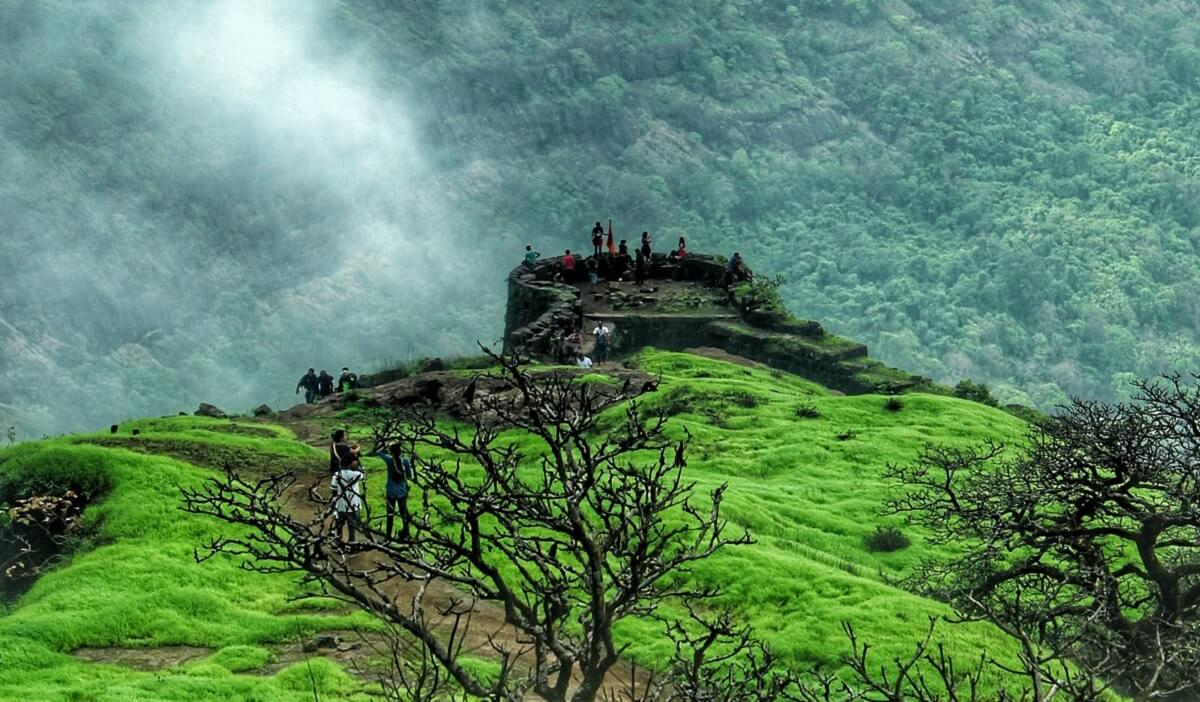
For travellers willing to venture further into Maharashtra, Lonavala and Khandala offer one of western India’s classic post-monsoon hill experiences.
Both destinations sit in the Sahyadri mountains between Mumbai and Pune.
September is one of their most visually impressive months. The peak monsoon begins to weaken, yet waterfalls, reservoirs and valleys remain full of water and greenery.
Ease India Trip’s September guide describes Lonavala during this period as a landscape of green valleys, mist, waterfalls and cooler weather, making it particularly suitable for nature trips.
Popular attractions include Tiger Point, Lion’s Point, Bhushi Dam, Karla Caves, Bhaja Caves and the surrounding valley viewpoints.
Khandala is quieter and provides beautiful views across the mountain passes.
For travellers who enjoy trekking, nearby historic forts add another dimension to the journey, although wet conditions can make trails slippery.
Read the complete Lonavala in September 2026 travel guide.
Ideal Duration: 2 to 3 days
Best For: Couples, friends, families, road trips, waterfalls and monsoon photography.
9. Matheran, Maharashtra
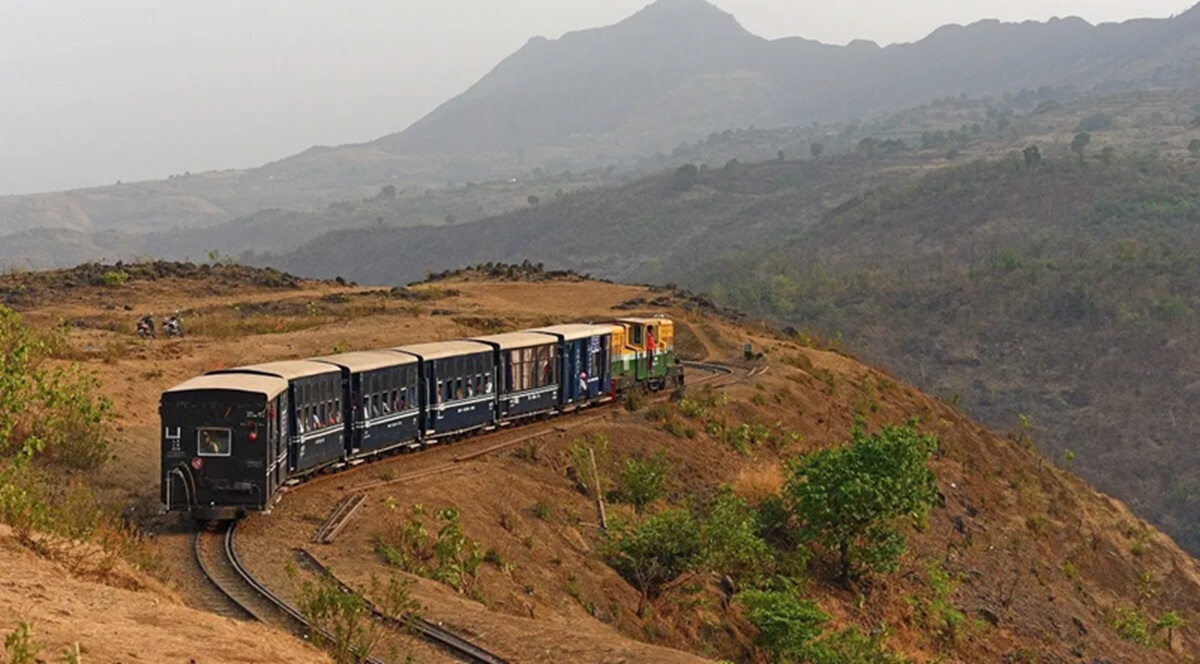
Matheran offers an entirely different hill-station experience.
The central hill area restricts motor vehicles, creating an unusually peaceful environment of forest trails, red-earth paths, viewpoints and colonial-era buildings.
Instead of driving from attraction to attraction, travellers explore much of Matheran on foot or by traditional local transport options where available.
September keeps the forests green and many viewpoints atmospheric. Clouds frequently move across the hills, creating beautiful photography conditions.
Popular viewpoints include Panorama Point, Echo Point, Louisa Point and Charlotte Lake.
Matheran can also be combined with Lonavala and Khandala. Ease India Trip has a detailed Lonavala, Khandala and Matheran trip itinerary explaining how the three destinations can be covered together.
Ideal Duration: 2 days, or 3 to 4 days when combined with Lonavala and Khandala.
Best For: Walking holidays, couples, families, photography and travellers seeking a quieter atmosphere.
10. Mahabaleshwar and Panchgani, Maharashtra
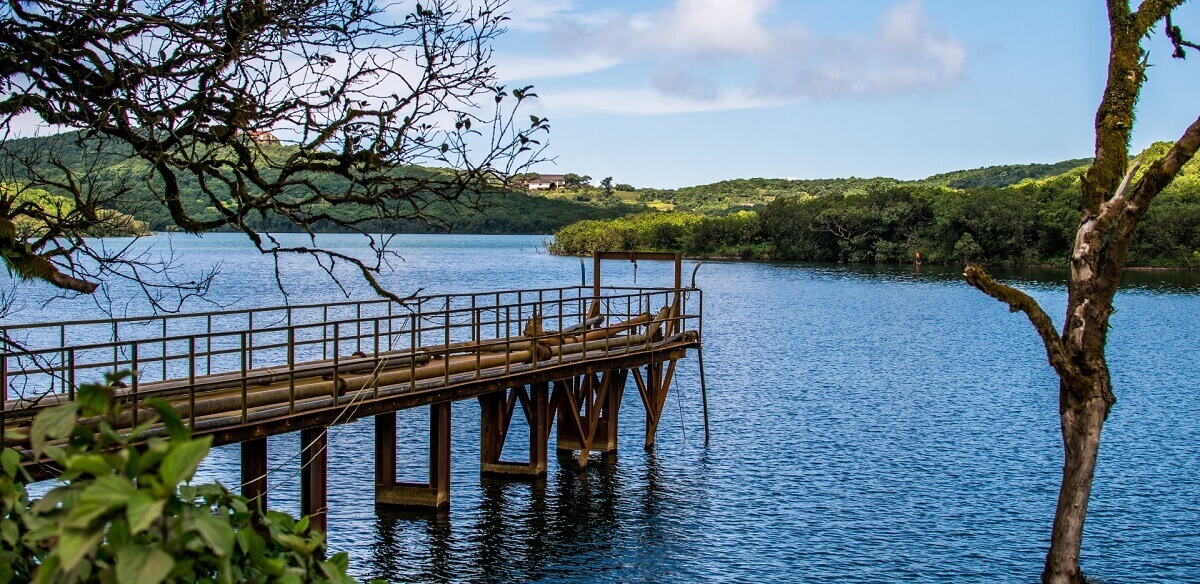
Mahabaleshwar is farther from Gujarat than Mount Abu or Toranmal, but it can be an excellent addition to a longer Maharashtra-Gujarat journey.
The hill station sits high in the Western Ghats and is famous for deep valleys, viewpoints, forests, lakes and strawberry farms.
September remains part of the wet season, so visitors should expect clouds and possible rain. The advantage is extraordinary greenery and strong seasonal waterfalls.
Arthur’s Seat, Elephant’s Head Point, Venna Lake and various valley viewpoints are among the principal attractions.
Nearby Panchgani offers a quieter atmosphere and wide plateau landscapes. Table Land is its most famous natural feature.
Travellers planning a dedicated Maharashtra mountain holiday can consider Ease India Trip’s 7-day Maharashtra hill station tour, which covers Lonavala, Khandala and Mahabaleshwar.
There is also a shorter 3-day Mahabaleshwar tour package.
Ideal Duration: 3 to 4 days
Best For: Families, couples, longer road trips, nature lovers and scenic holidays.
Best Hill Stations Near Major Gujarat Cities:
Choosing the right destination often depends on where your journey begins.
From Ahmedabad
Consider:
- Mount Abu
- Polo Forest
- Pavagadh
- Saputara for a longer road trip
Mount Abu is especially convenient for travellers wanting a true mountain-resort atmosphere outside Gujarat.
From Surat
The most practical options include:
- Saputara
- Wilson Hills
- Don Hill Station
- Toranmal
Saputara is particularly popular because it combines relatively easy access with good tourism infrastructure.
From Vadodara
Good choices include:
- Pavagadh
- Saputara
- Mount Abu
- Polo Forest
From Rajkot or Saurashtra
Hill destinations require longer transfers, so travellers may want to combine Ahmedabad with Mount Abu or travel south towards Saputara as part of a larger Gujarat itinerary.
Which Hill Station Should You Choose in September 2026?
Different destinations suit different travellers.
For a first hill-station trip in Gujarat: Choose Saputara.
For a romantic weekend: Consider Saputara, Mount Abu or Wilson Hills.
For an offbeat trip: Choose Don Hill Station or Toranmal.
For heritage and hills: Combine Pavagadh with Champaner.
For photography: Saputara, Polo Forest, Wilson Hills and Mount Abu are excellent choices.
For waterfalls and monsoon scenery: Saputara, Lonavala and the Western Ghats are particularly attractive.
For a longer hill holiday: Combine Lonavala, Khandala, Matheran and Mahabaleshwar.
For travellers from Ahmedabad: Mount Abu provides one of the easiest combinations of accessibility, sightseeing and hill-station atmosphere.
Suggested 5-Day Gujarat Hill Station Itinerary:
If you want a short journey focused mainly on Gujarat’s green southern region, consider the following route.
Day 1: Surat to Saputara
Drive towards Saputara and check into your hotel. Spend the afternoon around Saputara Lake and nearby gardens. Visit Sunset Point in the evening if visibility is good.
Day 2: Saputara Sightseeing
Explore Sunrise Point, the Tribal Museum, Artist Village, Governor’s Hill and surrounding viewpoints.
Day 3: Saputara and Gira Falls
Take a scenic excursion through the Dang countryside and visit Gira Waterfalls when access and weather conditions permit.
Day 4: Saputara to Don Hill Region
Explore quieter landscapes around Don and the surrounding tribal belt before returning to Saputara or staying at suitable accommodation nearby.
Day 5: Departure
Leave after breakfast and continue towards Surat, Nashik, Mumbai or your next destination.
Suggested 6-Day Gujarat and Mount Abu Itinerary:
Travellers starting from Ahmedabad can combine Gujarat with Rajasthan’s most famous hill station.
Day 1: Ahmedabad
Explore the city’s heritage attractions.
Day 2: Ahmedabad to Mount Abu
Drive to Mount Abu and enjoy Nakki Lake in the evening.
Day 3: Mount Abu Sightseeing
Visit Dilwara Temples, Guru Shikhar, Achalgarh and viewpoints.
Day 4: Mount Abu to Udaipur
Continue towards Udaipur through the Aravalli landscape.
Day 5: Udaipur Sightseeing
Explore City Palace, Lake Pichola and the old city.
Day 6: Departure
Return towards Ahmedabad or continue through Rajasthan.
This route combines culture, mountains and lakes without requiring excessive daily travel.
What to Pack for Gujarat Hill Stations in September
September travel requires slightly different preparation than a winter hill holiday.
Carry:
- Lightweight rain jacket or poncho
- Umbrella
- Quick-drying clothes
- Comfortable walking shoes with good grip
- Extra footwear
- Light sweater for cool evenings
- Waterproof pouch for phone and documents
- Power bank
- Insect repellent
- Personal medicines
- Reusable water bottle
Avoid heavy winter jackets unless your itinerary includes considerably higher or colder destinations.
Important September Travel Tips:
Check the Weather Before Driving
Rainfall can vary significantly from one area to another. A sunny morning in the plains does not guarantee clear conditions in the hills.
Avoid Risky Waterfall Areas
Water levels can rise quickly after rain. Never enter strong currents or cross barriers simply for photographs.
Drive Carefully
Mountain roads may remain wet, and fog can reduce visibility. Avoid unnecessary night driving on unfamiliar hill routes during rainy weather.
Wear Proper Footwear
Viewpoints, trekking paths and stone steps may be slippery.
Travel on Weekdays if Possible
Saputara, Mount Abu and Lonavala can become much busier on weekends.
Keep Your Itinerary Flexible
Mist, rain or temporary access restrictions can alter sightseeing plans. Allow enough time to adjust activities.
Is September a Good Time to Visit Hill Stations Around Gujarat?
Yes. September 2026 can be one of the best months for travellers whose priority is greenery, waterfalls and post-monsoon landscapes.
It is not necessarily the best choice for travellers who demand completely dry weather every day. Occasional rain remains possible, particularly in southern Gujarat and the Western Ghats.
But for those who appreciate dramatic clouds, fresh forests, cooler evenings and seasonal waterfalls, September provides something that the drier winter months cannot reproduce.
Saputara is the obvious choice within Gujarat, while Mount Abu is one of the easiest major hill stations to combine with an Ahmedabad-based itinerary. Wilson Hills and Don appeal to travellers looking for quieter places, while Maharashtra opens the door to Lonavala, Khandala, Matheran, Toranmal and Mahabaleshwar.
Frequently Asked Questions:
1. Which is the best hill station in Gujarat to visit in September?
Saputara is generally the best choice because it has established hotels, viewpoints, a lake, gardens and convenient access to the green landscapes of the Dang district.
2. Which hill station is closest to Gujarat outside the state?
The answer depends on where you begin your journey. Mount Abu is one of the most convenient major hill stations for travellers from Ahmedabad and northern Gujarat, while Toranmal and Maharashtra’s hill regions are accessible from parts of southern Gujarat.
3. Is Saputara worth visiting in September 2026?
Yes. September is an excellent period for lush landscapes, waterfalls, clouds and post-monsoon scenery. Short rain showers may still occur.
4. Is Mount Abu good in September?
Yes. Mount Abu remains green after the monsoon and generally feels cooler than the surrounding plains. It is particularly convenient for combining Gujarat and Rajasthan in one itinerary.
5. Does it rain in Gujarat hill stations in September?
Rain is still possible, especially in southern Gujarat. However, rainfall generally becomes less persistent as the month progresses. Actual conditions vary from year to year.
6. Which hill station near Gujarat is best for couples?
Saputara and Mount Abu offer the widest combination of scenery, accommodation, lakes and viewpoints. Wilson Hills is another good option for couples looking for quieter surroundings.
7. How many days are enough for a Gujarat hill-station trip?
Two to three days are sufficient for Saputara or Mount Abu individually. For a combination of Gujarat and nearby hill destinations, five to seven days provides a more comfortable itinerary.
Final Thoughts
The hill stations in and around Gujarat in September 2026 reveal a completely different side of western India.
Saputara’s misty slopes, Wilson Hills’ quiet viewpoints, Don’s open countryside, Polo Forest’s green Aravalli setting and Pavagadh’s combination of history and elevation prove that Gujarat offers much more than deserts, temples and coastal landscapes.
Crossing the state border expands the possibilities even further. Mount Abu provides one of the easiest and most rewarding extensions from Ahmedabad, while Toranmal offers an offbeat Satpura escape. Travellers with additional time can continue into Maharashtra for Lonavala, Khandala, Matheran, Panchgani and Mahabaleshwar.
September may still bring occasional showers, but that is also what creates the season’s greatest attraction: green mountains, fresh forests, flowing waterfalls and dramatic cloud-filled skies.
For travellers who want to see western India at its most colourful, the weeks immediately after the main monsoon can be an excellent time to pack a rain jacket, choose a scenic road and head towards the hills.