
Tamil Nadu in September is a fascinating mix of green hill stations, ancient temples, dramatic coastlines, waterfalls, pilgrimage towns and vibrant cities. The month falls toward the latter part of the southwest monsoon season, creating greener landscapes across many parts of the state while still allowing plenty of opportunities for sightseeing.
For travellers who want to explore South India before the busy winter season begins, September can be particularly rewarding. Tourist crowds are generally lighter than during December and January, hill stations remain fresh after the rains, and cultural destinations such as Madurai, Thanjavur, Rameswaram and Mahabalipuram can be explored at a more relaxed pace.
Weather conditions do vary considerably across Tamil Nadu. Chennai and the coastal belt can remain warm and humid, while Ooty, Coonoor and Kodaikanal are much cooler. Occasional rain is possible almost anywhere, so it is better to build a little flexibility into your itinerary.
September 2026 is also experiencing an unusually weak southwest monsoon across much of India. The India Meteorological Department has forecast below-normal rainfall nationally for the month, although local thunderstorms and showers can still occur across Tamil Nadu.
If you are considering a longer journey through the state, explore the available Tamil Nadu tour packages and itineraries here.
Why Visit Tamil Nadu in September?
September sits between the stronger southwest monsoon period and Tamil Nadu’s main northeast monsoon, which normally becomes much more influential later in the year.
That creates an interesting travel window.
The Nilgiri Hills, Western Ghats and countryside can look especially green, while waterfalls and streams may still carry plenty of water. At the same time, many popular attractions have fewer tourists than during the peak winter season.
Tamil Nadu is also remarkably diverse. In a single trip you can explore UNESCO-listed monuments, ride a historic mountain railway, walk through tea estates, witness temple ceremonies, visit coastal villages and watch the sunset at the southern tip of India.
Here are some of the best things to do in Tamil Nadu in September 2026.
1. Explore the Ancient Monuments of Mahabalipuram

Mahabalipuram, or Mamallapuram, is one of the best places to begin a Tamil Nadu heritage journey.
Located around 60 km south of Chennai, this coastal town contains an extraordinary collection of Pallava-era monuments and rock carvings.
Start with the Shore Temple overlooking the Bay of Bengal before visiting Pancha Rathas, Krishna’s Butter Ball and the enormous rock relief generally known as Arjuna’s Penance.
September is still warm, but sightseeing can be more comfortable early in the morning and late in the afternoon.
The drive from Chennai along the East Coast Road is also part of the experience, with coastal scenery and several attractions along the way.
For more planning information, read the complete Mahabalipuram Travel Guide.
2. Escape to the Cool Hills of Ooty
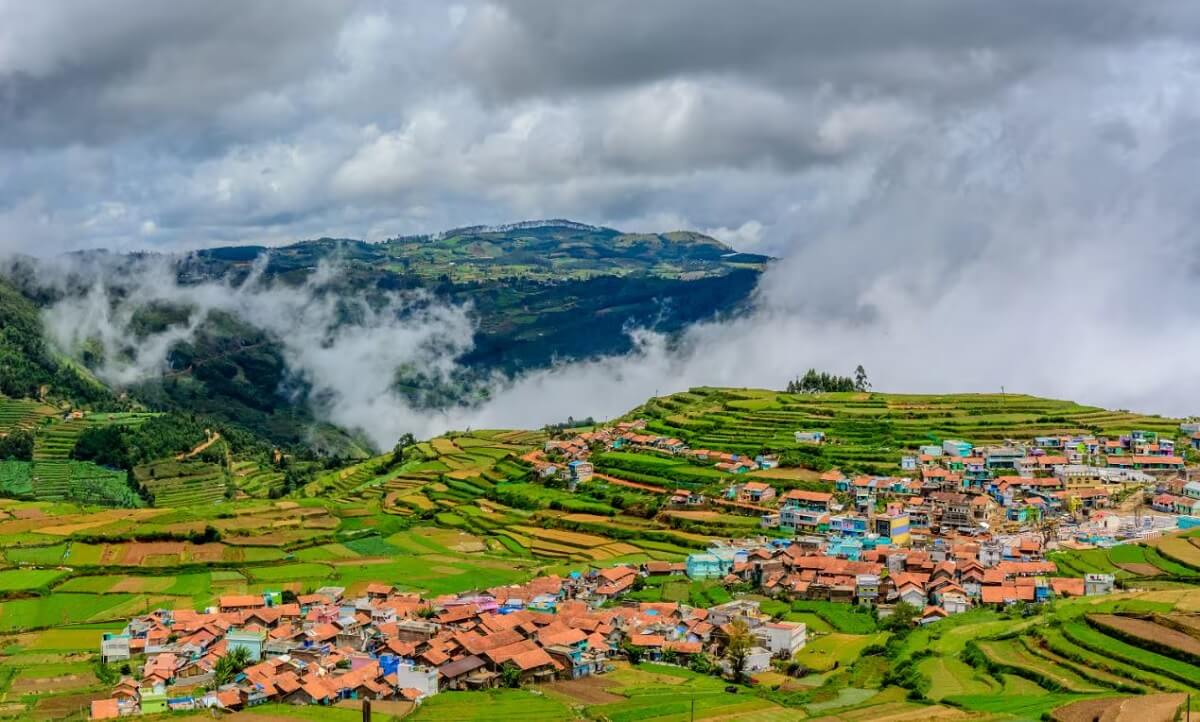
If the heat of Tamil Nadu’s plains becomes tiring, head into the Nilgiri Hills.
Ooty, officially Udhagamandalam, is one of South India’s best-known hill stations and is particularly refreshing during September.
Rainfall leaves the surrounding tea plantations, forests and valleys beautifully green. Mist frequently drifts through the hills, giving Ooty an atmosphere quite different from the drier summer months.
Some of the best experiences include:
- Walking through Government Botanical Garden
- Visiting Doddabetta Peak
- Exploring tea estates
- Boating on Ooty Lake
- Driving toward Avalanche and Emerald Lake
- Visiting nearby Coonoor
- Riding the Nilgiri Mountain Railway
Allow at least two nights if possible rather than treating Ooty as a rushed day trip.
You can find additional ideas in this guide to the best things to do in Ooty.
3. Take the Nilgiri Mountain Railway

One of Tamil Nadu’s most memorable experiences is travelling aboard the famous Nilgiri Mountain Railway.
The historic railway winds through forested slopes, tea-growing areas, tunnels, bridges and small hill stations.
The Mettupalayam to Ooty journey is the complete experience, although many visitors also travel between Coonoor and Ooty when they have less time.
September’s green landscapes make the train ride particularly photogenic.
Tickets can be popular, so reservations should be made well ahead of your travel date whenever possible.
4. Spend a Peaceful Day in Coonoor
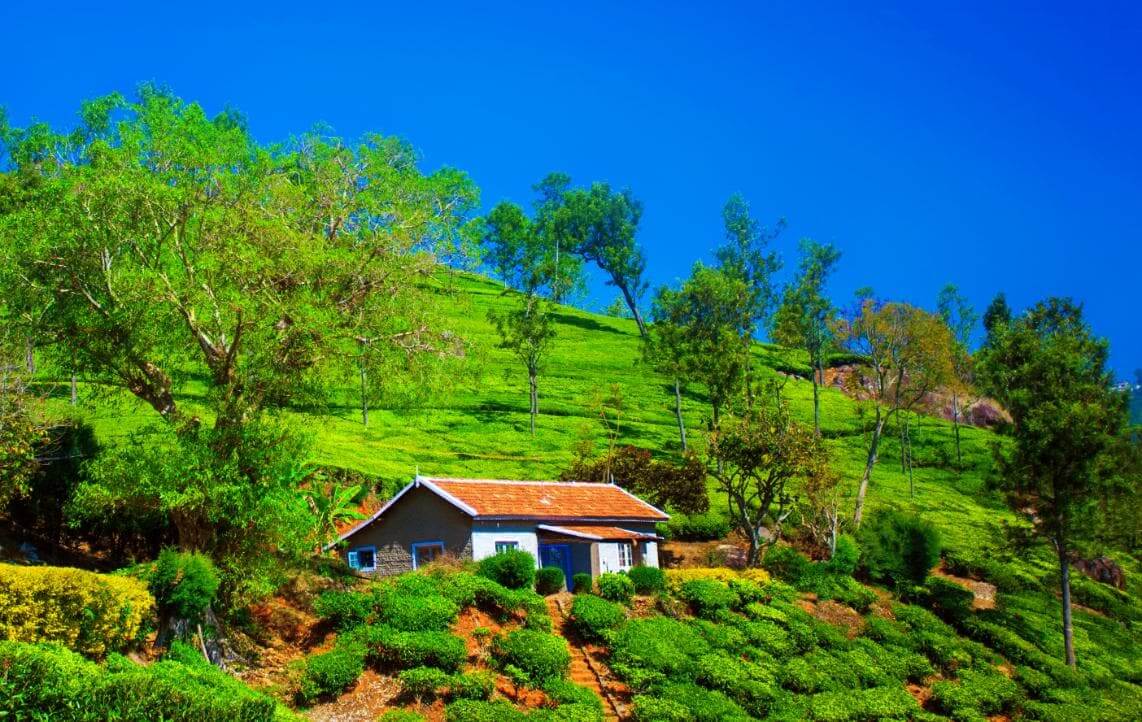
Only a short distance from Ooty, Coonoor is quieter and often feels more relaxed.
Tea estates cover the surrounding slopes, and September rain gives the countryside an intense green colour.
Visit Sim’s Park, Lamb’s Rock and Dolphin’s Nose, or simply spend a few hours walking through tea-growing areas.
Coonoor works well for travellers who want to experience the Nilgiris without staying in Ooty’s busier central area.
A combination such as Ooty – Coonoor – Coimbatore can easily fill three or four days.
5. Experience Temple Life in Madurai

Few cities communicate Tamil Nadu’s culture as vividly as Madurai.
At its heart stands the Meenakshi Amman Temple, a vast religious complex dominated by colourful gopurams covered with thousands of sculptures.
Do not visit only for the architecture.
Take time to observe worshippers purchasing flowers, listen to temple music and walk through the surrounding markets. Returning in the evening offers an entirely different atmosphere.
Other places worth visiting include:
- Thirumalai Nayakkar Palace
- Gandhi Memorial Museum
- Vandiyur Mariamman Teppakulam
- Puthu Mandapam
- Madurai’s flower and food markets
September in Madurai can remain warm, so schedule outdoor sightseeing for mornings and late afternoons.
6. Chola Architecture in Thanjavur

Thanjavur is essential for anyone interested in South Indian architecture and history.
Its greatest landmark is Brihadeeswarar Temple, one of India’s most important Chola monuments.
The enormous temple tower, stone sculptures and spacious courtyards make it very different from the densely packed temple complexes found elsewhere in Tamil Nadu.
Stay until late afternoon when the softer light brings out the colour of the stone.
You can also visit Thanjavur Palace, Saraswathi Mahal Library and workshops producing traditional Thanjavur paintings.
Travellers interested in temple architecture can combine Thanjavur with Kumbakonam, Darasuram and Trichy.
7. Visit Rameswaram and Cross Pamban Bridge

Rameswaram combines spiritual importance with striking coastal scenery.
Ramanathaswamy Temple is the main attraction and is one of Hinduism’s most important pilgrimage sites. Its long pillared corridors are among the most impressive architectural features in South India.
Beyond the temple, explore:
- Agni Theertham
- Pamban Bridge
- Dr. A.P.J. Abdul Kalam Memorial
- Dhanushkodi
- Beaches around the island
The road toward Dhanushkodi feels particularly dramatic, with the sea visible on both sides in places.
Weather can change quickly along the coast in September, so check local conditions before travelling toward exposed beach areas.
8. Explore the Ruins and Beaches of Dhanushkodi

Dhanushkodi lies near the southeastern end of Pamban Island and is one of Tamil Nadu’s most unusual destinations.
The former settlement was devastated by a cyclone in 1964. Today, its church ruins and abandoned structures stand against a backdrop of sand and sea.
The landscape feels isolated and almost surreal.
Visit during daylight hours and return toward Rameswaram well before late evening. Conditions can be hot, windy and exposed, so carry drinking water, sunscreen and a hat.
9. Relax Beside Kodaikanal Lake

Kodaikanal is another excellent September hill escape.
The surrounding forest is greener after the monsoon, waterfalls become livelier and mist frequently drifts over the valleys.
Begin around Kodaikanal Lake before visiting Coaker’s Walk, Bryant Park, Pillar Rocks and Pine Forest.
Depending on local conditions, you can also explore waterfalls and viewpoints outside the main town.
September travellers should expect occasional rain and carry a lightweight waterproof layer.
For more detailed ideas, see the Kodaikanal travel and things-to-do guide. Although written for the monsoon period, many of its attractions and practical tips remain useful for September travellers.
10. See Waterfalls Around Courtallam
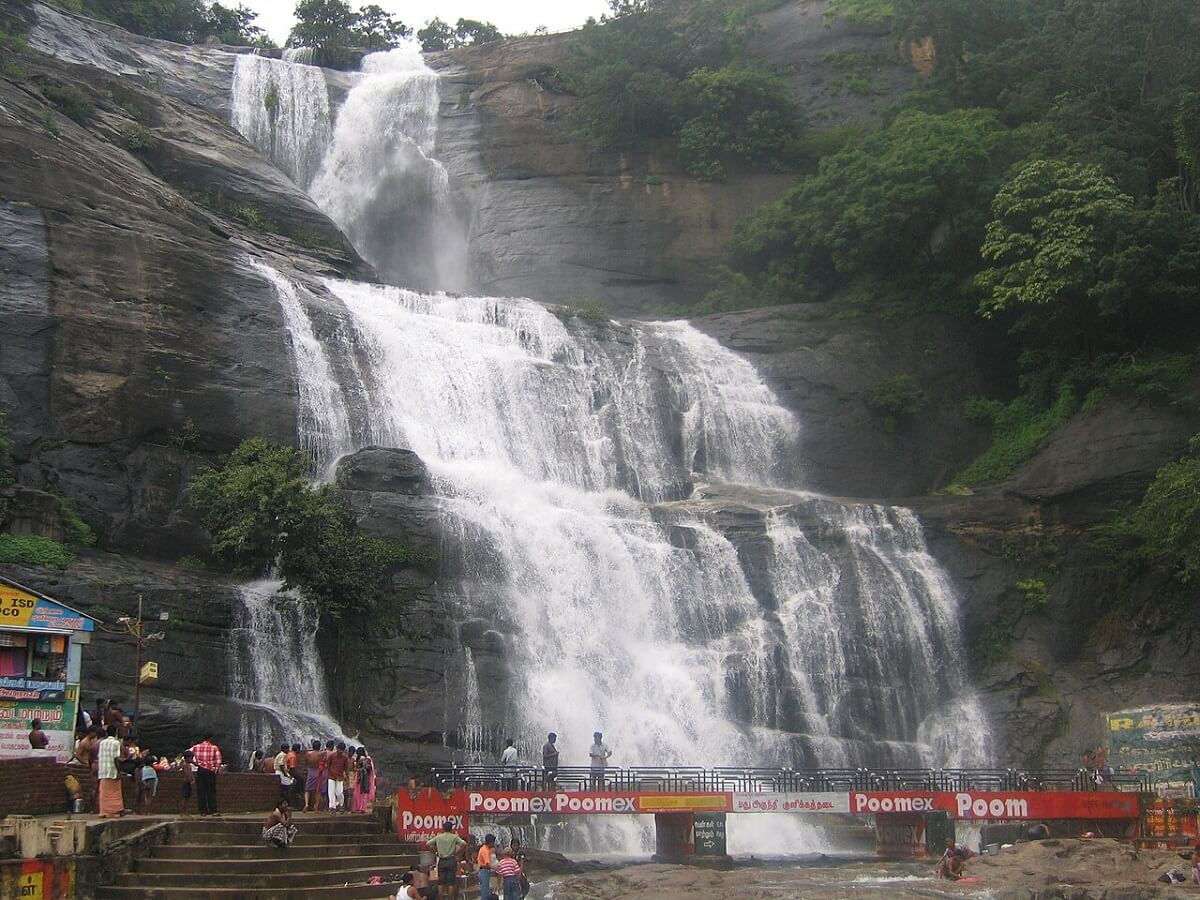
September can be a good time to explore Courtallam, also written as Kutralam, when seasonal water continues flowing from the Western Ghats.
The destination is famous for several waterfalls, including Main Falls, Five Falls and Old Courtallam Falls.
Rainfall and water flow vary considerably from year to year, so access should always be checked locally.
Courtallam can be conveniently combined with Tenkasi and the surrounding Western Ghats.
11. Watch Sunrise and Sunset at Kanyakumari

Kanyakumari sits at India’s southern tip and is known for panoramic sea views.
One of the simplest yet most memorable things to do here is watch sunrise over the water.
Later, visit the Vivekananda Rock Memorial and Thiruvalluvar Statue before exploring Bhagavathi Amman Temple and the waterfront.
On clear days, watching the evening sky change colour over the horizon provides a fitting end to a Tamil Nadu journey.
Kanyakumari is easily combined with Madurai and Rameswaram on a southern Tamil Nadu itinerary.
12. Discover Chennai Beyond Marina Beach

Many travellers use Chennai only as an arrival point, but the city deserves at least one full day.
Begin early at Marina Beach before exploring Kapaleeshwarar Temple in Mylapore.
Later, visit San Thome Basilica, Government Museum and the neighbourhoods around Mylapore.
Chennai is also an excellent place to experience Tamil food.
Try a traditional breakfast of idli, dosa, vada and filter coffee, followed later by a full South Indian vegetarian meal served with rice, sambar, rasam and several vegetable dishes.
September can be humid, so plan museum visits or longer meals during the hottest hours of the afternoon.
13. Drive the East Coast Road

The East Coast Road between Chennai and the areas south of Mahabalipuram is one of Tamil Nadu’s most enjoyable road journeys.
You can stop at DakshinaChitra heritage museum, Covelong Beach and Mahabalipuram before continuing toward Puducherry.
Travelling by private car gives you considerably more flexibility.
For specific transport options, check this guide explaining how to reach Mahabalipuram from Chennai.
14. Taste Authentic Tamil Cuisine

Food should be treated as an attraction in its own right.
Tamil Nadu cuisine changes noticeably from one region to another.
Look for:
- Chennai: dosa, idli, filter coffee and seafood
- Madurai: jigarthanda, kari dosa and parotta
- Chettinad: spicy curries and aromatic masalas
- Kumbakonam: famous degree coffee
- Coimbatore: Kongunadu cuisine
- Coastal Tamil Nadu: fresh fish and seafood preparations
Try local restaurants rather than limiting yourself to hotel dining. Even simple vegetarian restaurants often serve excellent regional meals.
15. Experience Tamil Nadu’s Living Temple Culture

Tamil Nadu’s temples are not simply historical monuments.
Many have functioned as religious and community centres for hundreds or even thousands of years.
Some of the most significant temples to include are:
- Meenakshi Amman Temple, Madurai
- Brihadeeswarar Temple, Thanjavur
- Ramanathaswamy Temple, Rameswaram
- Sri Ranganathaswamy Temple, Srirangam
- Ekambareswarar Temple, Kanchipuram
- Nataraja Temple, Chidambaram
Dress modestly, remove footwear where required and check photography rules before using your camera inside temple complexes.
Tamil Nadu Weather in September 2026
Tamil Nadu’s geography means there is no single September climate.
Chennai and Mahabalipuram: Warm and humid with occasional showers.
Madurai and central Tamil Nadu: Generally warm to hot, particularly during midday.
Ooty and Coonoor: Cooler, with mist, clouds and occasional rain.
Kodaikanal: Mild to cool compared with the plains, with possible showers.
Rameswaram and Kanyakumari: Warm, breezy and humid with changing coastal weather.
September 2026 has started with below-average monsoon rainfall across much of India, including a broader rainfall deficit in the southern peninsula, but Tamil Nadu can still receive highly localized thunderstorms. Travellers should therefore treat monthly averages as guidance rather than a guarantee.
Suggested 7-Day Tamil Nadu Itinerary
For first-time visitors, a good cultural itinerary is:
Day 1: Chennai sightseeing
Day 2: Chennai – Mahabalipuram – Puducherry
Day 3: Puducherry – Thanjavur
Day 4: Thanjavur – Trichy – Madurai
Day 5: Madurai sightseeing
Day 6: Madurai – Rameswaram
Day 7: Rameswaram – Madurai departure
Travellers with additional time can add Kodaikanal, Ooty or Kanyakumari.
For a deeper South India journey, Ease India Trip also has suggested 10, 14 and 21-day Kerala, Karnataka and Tamil Nadu itineraries.
What to Pack for Tamil Nadu in September
Packing should account for both tropical heat and occasional rain.
Bring lightweight cotton clothing, comfortable walking shoes, sunscreen, sunglasses, a hat and a reusable water bottle.
Also carry:
- Compact umbrella
- Lightweight rain jacket
- Quick-drying clothes
- Mosquito repellent
- Sandals that are easy to remove at temples
- Modest clothing for religious sites
- Light sweater or jacket for Ooty and Kodaikanal
- Waterproof pouch for phone and documents
Avoid packing only heavy footwear because shoes may take a long time to dry after rain.
Practical Travel Tips for September 2026
- Start temple and heritage sightseeing early in the morning whenever possible. Temperatures become much warmer around midday in cities such as Madurai, Chennai and Thanjavur.
- Keep some flexibility in hill-station itineraries because rain or mist can temporarily reduce visibility.
- When travelling long distances, a private vehicle can save considerable time, especially on routes involving multiple temple towns.
- Reserve Nilgiri Mountain Railway tickets early if the train is an important part of your trip.
- Always check current weather and road conditions before travelling to waterfalls, forest regions or exposed coastal areas after heavy rain.
For more India destination ideas, seasonal guides and itinerary inspiration, explore the Ease India Trip travel blog.
Is September a Good Time to Visit Tamil Nadu?
Yes, especially if you value greenery, smaller crowds and a mixture of cultural sightseeing and hill-station experiences.
September is not Tamil Nadu’s driest month, and travellers should be prepared for changing weather. However, that is also part of its appeal. Tea plantations are green, waterfalls may still be flowing, hill stations are misty and major heritage sites are generally less crowded than during the peak winter travel season.
For a first visit, combining Chennai, Mahabalipuram, Thanjavur, Madurai and Rameswaram creates an excellent introduction to Tamil Nadu’s history and spirituality. Nature lovers can add Ooty, Coonoor or Kodaikanal, while travellers with more time can continue south toward Kanyakumari.
Tamil Nadu in September 2026 offers far more than a traditional temple tour. It is a journey through living culture, ancient architecture, mountain landscapes, tea plantations, coastal roads, regional cuisine and some of the richest heritage in southern India.
With a flexible itinerary and sensible preparation for occasional rain, September can be one of the most interesting months to discover this remarkable part of India.