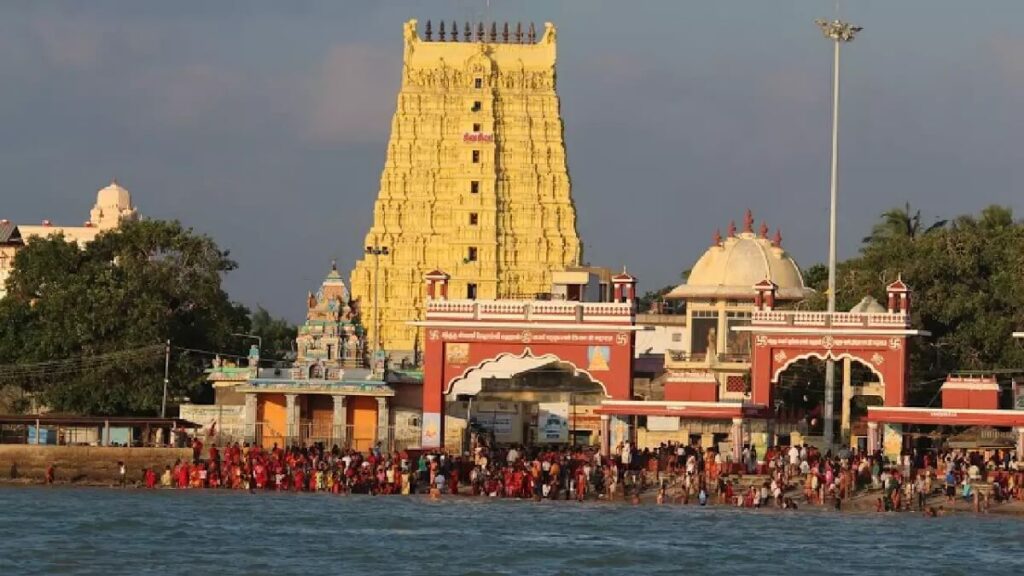
In the sacred town of Rameshwaram, where mythology, spirituality, and the sea breeze all intertwine, stands one of the holiest and most visited shrines in India — the Ramanathaswamy Temple. Situated on the island of Pamban in Tamil Nadu, this temple is not just a place of worship but a deeply spiritual experience for those who seek purification, peace, and divine connection.
What makes this Jyotirlinga temple truly unique — beyond its towering gopurams and majestic corridors — are the 22 sacred wells (theerthams) nestled within its premises. Performing rituals at these wells is a core part of the Rameshwaram pilgrimage, one that countless devotees undertake with faith, tears, and prayers on their lips.
But how exactly are the rituals performed? What is the meaning behind bathing in each of the 22 wells? What preparations should you make before visiting the temple? If you’re planning a visit to Rameshwaram and wish to experience the theertha snana (sacred bath) as per tradition, this blog is your step-by-step guide, written to help you understand, prepare for, and fully embrace this rare spiritual journey.
A Brief Introduction to Rameshwaram and the Ramanathaswamy Temple
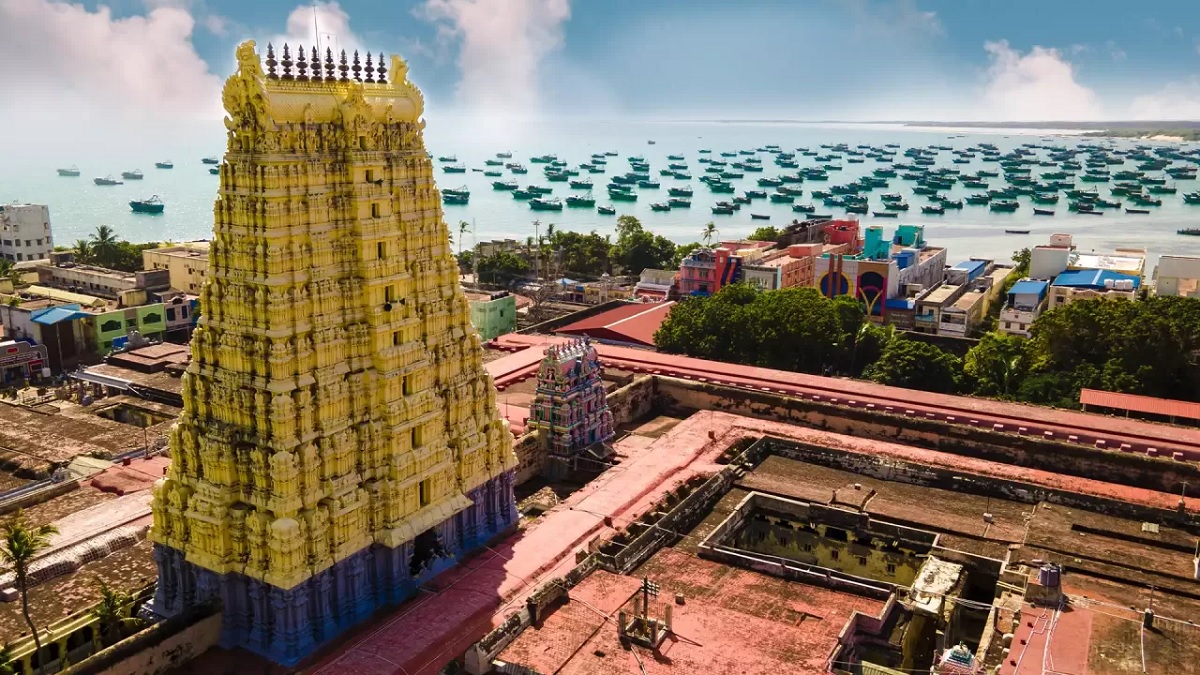
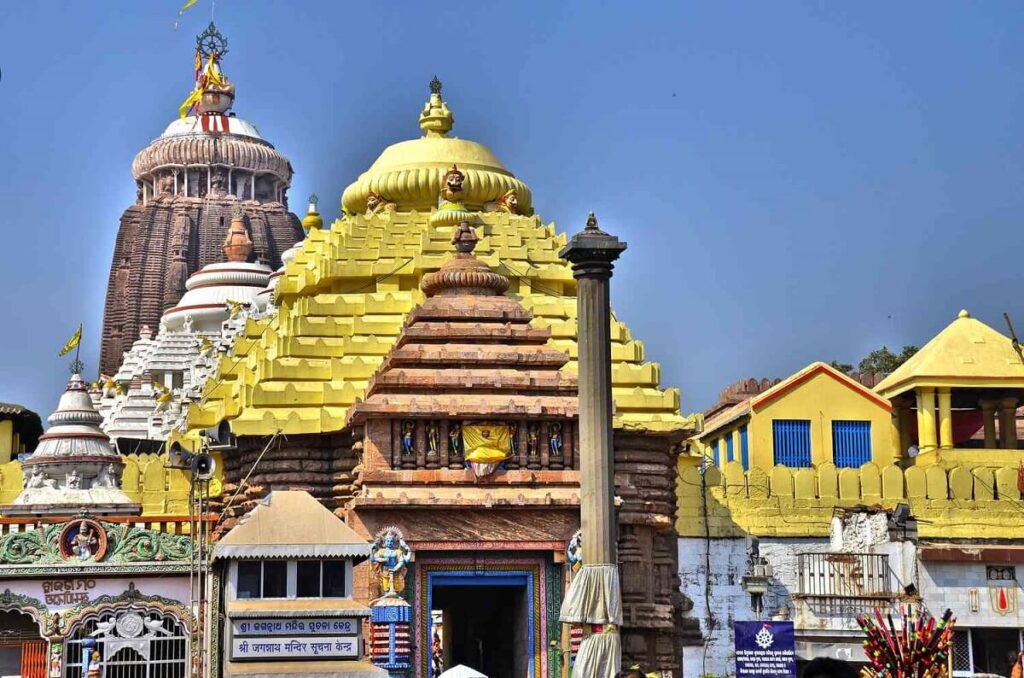
Rameshwaram is one of the Char Dham pilgrimage sites in Hinduism, alongside Badrinath, Dwarka, and Puri. It holds profound spiritual significance because it is where Lord Rama is believed to have worshipped Lord Shiva before his journey to Lanka.
The main deity here is Ramanathaswamy — a form of Shiva, and the Jyotirlinga here is one of the twelve most sacred in the country. Devotees visit this temple not only to seek blessings from Lord Shiva but also to cleanse themselves of sins by bathing in the 22 theerthams located inside the temple compound.
What Are the 22 Theerthams?
These wells or theerthams are not ordinary water sources. Each is associated with a legend from the Ramayana or Puranas, and each well is said to possess unique spiritual benefits — from removing past sins to curing physical ailments or emotional burdens.
The water in each well has a distinct taste, temperature, and mineral composition, even though all are within a few meters of each other. Many believe this to be divine and inexplicable — a phenomenon that science has tried to explore but never fully explain.
Significance of Bathing in the 22 Theerthams
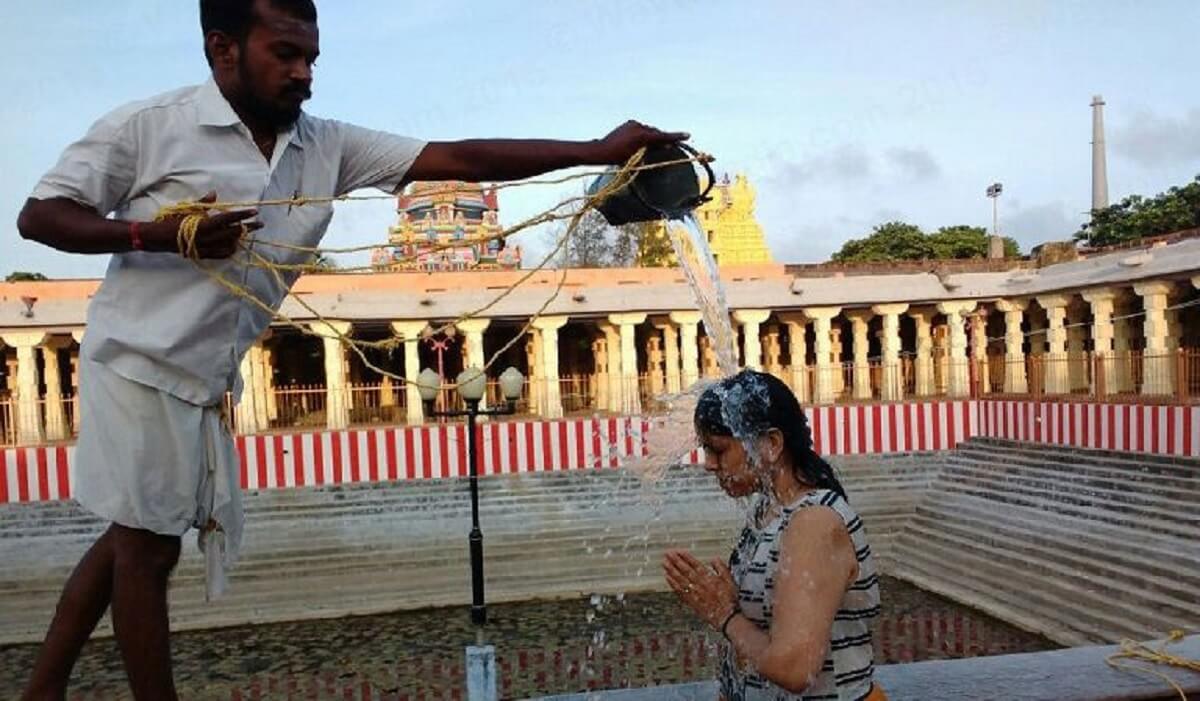
Bathing in these theerthams is more than just a symbolic cleansing. According to spiritual tradition:
- It purifies the body and soul.
- It helps release karma from past actions.
- It is considered mandatory before performing rituals or darshan of the Jyotirlinga.
- The process is a physical and emotional surrender, letting go of ego and pain.
Even if you are not particularly religious, the experience can be deeply moving and transformative. Many visitors describe the bathing ritual as a moment of inner stillness, where something within them shifts. Discover Chennai Monuments – Entry Fees & Experiences for Tourists
Best Time to Perform the Ritual
While the temple is open year-round, the ideal time to perform the well rituals is early in the morning.
Recommended Schedule:
- Timing: 5:00 AM – 7:30 AM
- Best months to visit: October to April (weather is pleasant)
- Avoid peak Tamil Nadu summer months like May and June if you’re sensitive to heat.
The temple opens around 4:30 AM, and bathing usually begins shortly after. It is recommended to reach by 5:00 AM, especially if you want to avoid large crowds and have a more serene experience. Take a Refreshing August Monsoon Break Near Mumbai
How to Prepare for the Rituals
Before stepping into the temple, some important preparations should be made — both spiritually and practically. Explore the 7 Top Tourist Attractions in Chennai Today
- What to Wear
- Men: Dhoti or lungi (upper body can remain bare during the bath)
- Women: Saree or salwar-kameez (avoid western wear or synthetic materials)
- Light cotton is best, as you’ll be drenched and need to dry quickly
You are expected to change into dry clothes after the ritual before you enter the sanctum. Carry an extra pair with you in a small bag. Get to Mahabalipuram Easily – Best Routes from Chennai
- What to Carry
- A change of clothes
- A waterproof pouch for wallet or phone (if bringing inside)
- Towel or quick-dry cloth
- Lockable small bag if you’re keeping belongings at the cloakroom
- A small offering for Lord Shiva (optional): flowers, bel leaves, sandalwood paste
- Hire a Guide or Priest (Optional)
Local temple assistants known as “Bhattars” or guides are available right outside the entrance. They can:
- Arrange your theertham sequence
- Explain the significance of each well
- Help manage the crowd during peak hours
- Recite mantras and ensure the process is done traditionally
They charge around ₹150 to ₹400 depending on the group size and language. Hiring one can make the experience more meaningful if you’re not familiar with the rituals. Find Peace at These 7 Famous Temples in Chennai – A Devotee’s Guide
The Ritual: Step-by-Step Walkthrough of the 22 Well Bathing

Now let’s walk through the actual process, just as it is traditionally done.
Step 1: Agni Theertham – The Sea Bath
Before entering the temple, the ritual begins with a dip in the sea, known as Agni Theertham. It is located just across the street from the eastern temple entrance.
According to legend, this is where Lord Rama washed away his sins after killing Ravana. Bathing here is said to cleanse the external body and prepare you for the temple’s inner rituals.
You do not need to immerse your head. A simple splash is enough. But most devotees take a full dip in the calm sea before proceeding.
Step 2: Entering the Temple for the 22 Wells Bath
After Agni Theertham, you head toward the North Gate of the temple. This is the entrance used specifically for the well bathing ritual.
You’ll be required to purchase a token or ticket for the well bath (₹25 – ₹50 per person). This includes access to all 22 wells.
Steps 3 to 24: The 22 Wells (Inside the Temple)
The well bathing process is sequential — you move from one well to the next in a predefined order. Each well is guarded by a temple staff member who uses a small bucket to pour water over your head. You are not expected to step into any well. Discover 14 Serene Hill Stations in Tamil Nadu – Your Perfect Escape
Here are the names and significance of the 22 wells:
| Well No. | Name | Belief & Benefit |
| 1 | Mahalakshmi Theertham | Washes away poverty |
| 2 | Savitri Theertham | Grants wisdom |
| 3 | Gayatri Theertham | Clears negative energies |
| 4 | Saraswati Theertham | Blesses with learning |
| 5 | Sethu Madhava Theertham | Purifies past sins |
| 6 | Gandhamadana Theertham | Heals body ailments |
| 7 | Kavatcha Theertham | Provides divine protection |
| 8 | Gavaya Theertham | Removes karmic debt |
| 9 | Nala Theertham | Increases strength of mind |
| 10 | Neela Theertham | Helps emotional healing |
| 11 | Sanku Theertham | Washes away guilt |
| 12 | Chakra Theertham | Realigns life path |
| 13 | Brahma Theertham | Connects to higher self |
| 14 | Surya Theertham | Grants clarity and vision |
| 15 | Chandra Theertham | Balances emotions |
| 16 | Ganga Theertham | Acts as holy Ganga snan |
| 17 | Yamuna Theertham | Symbolizes devotion |
| 18 | Narmada Theertham | Represents strength |
| 19 | Godavari Theertham | Brings fertility and abundance |
| 20 | Sarasvati Theertham | Cleanses inner mind |
| 21 | Kodi Theertham | Ritual completion |
| 22 | Rama Theertham | Final purification; prepares for Shiva darshan |
At each well, water is gently poured 2-3 times on your head. You’re expected to walk barefoot, and many devotees chant Shiva mantras or remain silent throughout the walk.
The final well — Rama Theertham — marks the completion of the bath. After this, devotees go to change into dry clothes in the designated area before heading for darshan of the Jyotirlinga.
Step 25: Darshan at the Sanctum
Once you’re dry and dressed, you can proceed toward the main sanctum (garbha griha) of Lord Ramanathaswamy. The Jyotirlinga is small but deeply powerful, often covered in vibhuti (ash) and sandal paste. Visit These 11 Powerful Shiva Temples in Sawan for Divine Blessings
Many pilgrims also:
- Perform abhishekam by offering ghee, curd, and milk
- Do Archana with name and gotra
- Offer bilva leaves and rudraksha beads
Ritual Do’s and Don’ts for the 22 Theertham Bathing at Rameshwaram

Performing the theertha snana (sacred bath) at the 22 wells is a unique spiritual ritual. While the temple staff and priests are supportive and helpful, it’s essential to follow the traditional etiquette and understand what’s expected of every devotee. Plan Your Trip to Mahabalipuram – Tamil Nadu’s Coastal Heritage
Do’s
- Come early (between 4:30 AM and 6:00 AM) to avoid long queues and intense heat.
- Wear appropriate traditional attire. Men should wear a dhoti; women should wear sarees or salwar kameez (not jeans or western clothing).
- Maintain silence or chant softly. Most devotees choose to chant “Om Namah Shivaya” while moving between wells.
- Bring an extra set of clothes and a towel. You will be drenched after each well and must change before entering the sanctum.
- Respect the temple staff guiding you through the theerthams.
- Book special pujas or Abhishekam in advance at the temple counter if you’re interested in personalized rituals.
- Make a small donation to the temple trust if possible—it supports the ongoing maintenance of the wells and rituals.
Don’ts
- Don’t wear synthetic or revealing clothing.
- Don’t bring leather items (belts, wallets) into the temple premises.
- Don’t take photos or videos inside the temple or during the well rituals—it is strictly prohibited.
- Don’t litter, spit, or disrespect the surroundings in any way.
- Don’t rush or overtake other devotees in the line during the well bathing.
- Don’t skip changing into dry clothes after the well bath—you must be dry before entering the sanctum.
- Don’t leave your valuables unattended unless using the temple’s locker facility.
Where to Stay in Rameshwaram Near the Temple
Rameshwaram is a major pilgrimage town, and there are several budget, mid-range, and premium accommodations within walking distance of the temple.
Top Recommended Places:
- Hotel Rameswaram Grand
Clean, modern and located less than 1 km from the temple. Great for families. - Daiwik Hotels
A well-rated spiritual-themed hotel with excellent amenities and close proximity to Agni Theertham. - Hyatt Place Rameswaram
One of the few upscale stays in the area, with a short drive to the temple and Agni Theertham. - Siva Lodge & Guesthouse
Basic, economical, and just a 5-minute walk to the temple — ideal for solo pilgrims.
Tip: During festivals like Maha Shivratri, Navratri, and Karthigai Deepam, book your room well in advance, as the town fills up quickly.
Best Days and Festivals for the 22 Wells Ritual
While the well ritual can be performed on any day of the year, some days hold greater significance:
High-Energy Festival Days:
- Maha Shivratri (February/March): The holiest day for Lord Shiva worship
- Shravan Mondays (July–August): Especially auspicious for well rituals
- Karthigai Deepam (November–December): Celebrated with temple processions
- Pradosham Days (bimonthly): Known for purification and prayer
During these days, the temple opens earlier, and additional rituals are performed by the temple priests. However, be prepared for very large crowds. Explore the 10 Most Iconic Buddha Statues Around the World
Other Spiritual Rituals to Consider at Ramanathaswamy Temple
Once you complete the 22-well bath and darshan of Lord Shiva, you may consider performing one or more of the following optional rituals:
- Rudrabhishekam
Performed inside the temple under the guidance of a priest. It is believed to remove negative karma and bestow blessings for health and peace.
- Navagraha Shanti Pooja
If you’re facing astrological troubles, this ritual aligns planetary energies and is conducted near the Navagraha shrine in the temple complex.
- Pitrudosh Nivaran Pooja
For those seeking blessings for their ancestors or wanting to perform last rites. Usually arranged by the temple priests near Agni Theertham.
All these poojas must be booked in advance at the official Devasthanam counters inside or outside the temple.
Travel Tips for First-Time Pilgrims
If this is your first visit to Rameshwaram, here are a few practical tips to ensure a smooth, respectful, and fulfilling experience:
- Best Time to Visit: October to March (cooler and more comfortable for temple visits)
- Language: Tamil is widely spoken. Basic Hindi and English are understood in tourist zones.
- Local Transport: Autos and battery rickshaws are available for short distances.
- Footwear: Remove footwear before entering temple premises. Footwear stands are available.
- Drinking Water: Carry a water bottle; filtered water is available in most hotels.
- Temple Dress Code: Simple, modest, and traditional attire is mandatory.
Nearby Attractions After Ritual Completion

After completing the rituals at the temple, many pilgrims also explore other nearby spiritual landmarks:
- Dhanushkodi Beach: The “ghost town” once destroyed by a cyclone. Now a peaceful, surreal seafront.
- Kothandaramaswamy Temple: Said to be where Vibhishana surrendered to Lord Rama.
- Five-Faced Hanuman Temple: Famous for its massive idol and floating stones from the Ramayana era.
- Pamban Bridge: A spectacular rail-road bridge connecting Rameshwaram to mainland India. 12 Best Places to Visit in South India During Summer
Final Thoughts: Why This Ritual Is More Than Just a Bath
Walking barefoot through the stone pathways, drenched in the sacred waters of each theertham, something changes inside you. The ritual is not about the physical act of bathing—it’s about releasing, surrendering, and returning to purity. Each drop of water poured over you is a gentle reminder of your connection to something larger — to history, divinity, and the timeless rhythm of faith.
Performing the well rituals at Ramanathaswamy Temple is not a routine. It is a rite of passage. One that purifies your past, grounds your present, and prepares you for a spiritually aware future.
FAQs for Google Rich Snippets
Q1. How many wells are there in Rameshwaram Temple?
There are 22 sacred wells, each with a specific name, spiritual significance, and unique water source.
Q2. Is bathing in all 22 wells mandatory?
While not mandatory, it is highly recommended for devotees performing the pilgrimage as it symbolizes spiritual cleansing.
Q3. What is the cost of performing the well rituals?
The entry fee for the 22 well bath is around ₹25–₹50 per person. Optional priest or guide fees may be additional.
Q4. Can women participate in the 22 well ritual?
Yes, women are welcome to participate. Modest, traditional attire is advised.
Q5. Are there changing rooms available after the bath?
Yes, designated areas for changing into dry clothes are available within the temple premises.
You Might Also Like:
- Join the Sacred Rath Yatra 2025 – Full Travel Guide
- Plan Your Trip: How to Reach Ujjain from Delhi in 2025
- Top Budget-Friendly July Trips Abroad – Book Now
- Explore North India in July – Travel Tips and Best Places
- Experience Saga Dawa Festival 2025 in Sikkim – A Spiritual Journey
- Mark Your Calendar: August 2025 Festivals, Dates & Rituals
- Celebrate Onam 2025 in Kerala – A Complete Guide
- Join Hemis Festival 2025 – Discover Its Significance & Rituals
- Celebrate Guru Purnima 2025 – Date, Rituals & Meaning
- Follow India’s Offbeat Spiritual Trails – Hidden Pilgrimages
- Visit the Best Temple in India – A Must for Spiritual Travelers