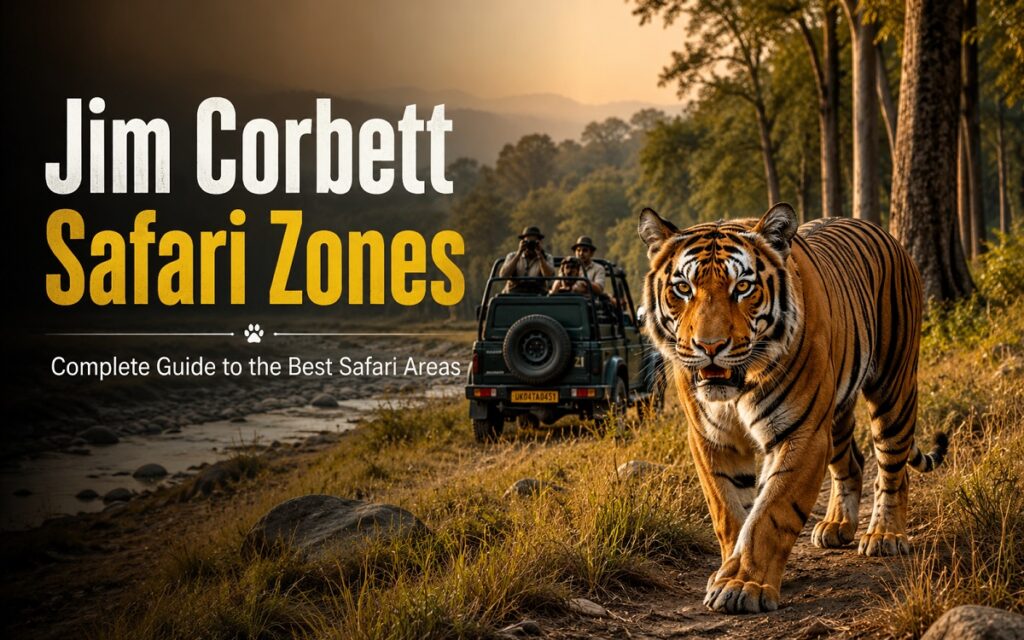
Jim Corbett National Park is not just one of India’s most famous wildlife destinations. It is the place where the story of tiger conservation in India began. Located in Uttarakhand, in the foothills of the Himalayas, Corbett is known for its dense sal forests, river valleys, open grasslands, elephant herds, rich birdlife, and the thrilling possibility of seeing the Royal Bengal Tiger in its natural habitat.
But one thing many first-time visitors do not realize is that a Corbett safari is not the same everywhere. The park is divided into different tourism zones, and each zone has its own landscape, entry gate, safari rules, seasonal opening period, wildlife movement, and overall experience. Choosing the right safari zone can make a big difference to your trip.
Some zones are famous for tiger sightings. Some are better for birdwatching. Some are ideal for families and first-time visitors, while others are better suited to serious wildlife lovers, photographers, and repeat travelers. That is why understanding the best safari zones in Jim Corbett National Park is important before booking your jeep safari or canter safari.
As per the official Corbett information, Corbett Tiger Reserve has multiple tourism zones, including Bijrani, Jhirna, Dhikala, Durgadevi, Dhela, Garjia, Sonanadi, and Pakhro, with different gates and opening periods. Jhirna, Dhela, and Garjia are listed as open throughout the year, while zones such as Bijrani, Dhikala, Durgadevi, Sonanadi, and Pakhro have seasonal access dates.
This complete guide covers the 6 best safari zones in Jim Corbett National Park: Dhikala, Bijrani, Jhirna, Dhela, Durga Devi, and Garjia. You will also find practical tips on the best time to visit, safari booking, entry gates, wildlife sightings, and how to choose the right zone for your travel style.
6 Best Safari Zones in Jim Corbett
| Safari Zone | Entry Gate | Best For | Opening Period |
| Dhikala Zone | Dhangari Gate | Tiger sightings, grasslands, canter safari, overnight stay | 15 Nov to 15 June |
| Bijrani Zone | Amdanda Gate | Tiger sightings, scenic forest, first-time visitors | 15 Oct to 30 June |
| Jhirna Zone | Dhela Gate | Year-round safari, sloth bears, mixed wildlife | Throughout year |
| Dhela Zone | Dhela Gate | Tiger sightings, birds, less crowded safari | Throughout year |
| Durga Devi Zone | Durga Devi Gate | Birdwatching, hilly terrain, river scenery | 15 Nov to 15 June |
| Garjia Zone | Garjia Gate / Ringora Gate | Tiger territory, year-round safari, easy access | Throughout year |
Opening dates can change due to weather, road conditions, forest department decisions, or conservation requirements. Always check the official booking portal before planning your safari.
1. Dhikala Zone: The Most Iconic Safari Zone in Jim Corbett
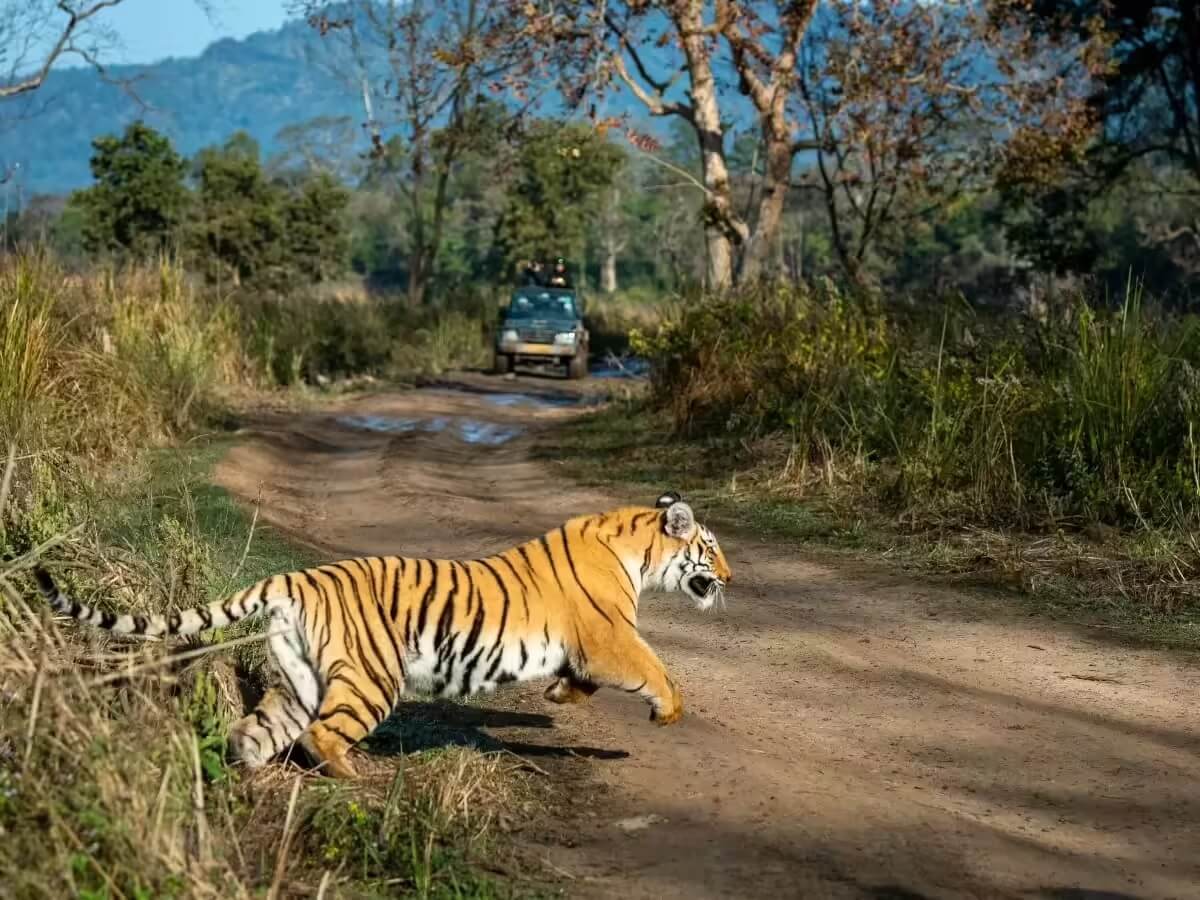
Dhikala Zone is the most famous safari zone in Jim Corbett National Park. For many wildlife lovers, this is the dream zone. When people imagine Corbett, they often picture the wide grasslands, riverbeds, forest tracks, watchtowers, and wilderness views of Dhikala.
Located deep inside the core area of the reserve, Dhikala offers one of the most dramatic wildlife experiences in Corbett. The landscape is open in places, which improves visibility compared to dense forest zones. The vast chaurs, Ramganga River views, and surrounding forest make it one of the best safari zones in Jim Corbett for tiger tracking, elephant sightings, birdwatching, and landscape photography.
The official Corbett website lists Dhikala with Dhangari as its entry gate and mentions that it opens from 15 November to 15 June.
Why Dhikala Zone is Famous
Dhikala is widely preferred by serious wildlife lovers because it gives a true sense of wilderness. The zone has a mix of grassland, riverine forest, sal forest, and open valleys. This variety supports a rich ecosystem.
You may see spotted deer, sambar deer, wild elephants, crocodiles, gharials, jackals, wild boar, langurs, and many bird species. Tigers are also present, but sightings depend on movement, weather, patience, and luck.
Dhikala is not only about seeing a tiger. It is about experiencing Corbett at its grandest. Early morning mist over the grasslands, deer alarm calls in the distance, elephants crossing near the river, and the sudden silence of the forest create a safari atmosphere that is hard to match.
Safari Experience in Dhikala
Dhikala can be explored through canter safaris and, in some cases, by staying inside forest rest houses. The official jungle safari information notes that Dhikala can be explored through specially conducted canter tours. It also states that jeep safaris are suitable for small groups and photographers, while canter safaris are group-oriented and follow fixed routes.
For many visitors who are not staying inside the forest rest house, the canter safari is the practical option. It is larger than a jeep and usually carries a group of travelers. While it may not feel as private as a jeep safari, the advantage is access to one of the most celebrated wildlife zones in India.
Best Time to Visit Dhikala Zone
The best time to visit Dhikala is from December to April for comfortable weather and good wildlife activity. March to May is also excellent for wildlife sightings because water sources become more important and animals often move near riverbeds and water bodies.
Winter offers beautiful landscapes, misty mornings, and strong birdwatching opportunities. Summer can be hot, but it is often considered a good period for tiger sightings.
Who Should Choose Dhikala?
Choose Dhikala if your main goal is to experience the classic wilderness of Jim Corbett. It is best for wildlife photographers, tiger enthusiasts, nature lovers, and travelers who want the most iconic Corbett safari experience.
Dhikala is not always the easiest zone to book, and permits can sell out quickly. If you are planning a peak-season trip, book well in advance.
Main Highlights of Dhikala Zone
Dhikala is ideal for travelers who want:
- A classic Corbett wildlife experience
- Open grasslands and scenic landscapes
- Good chances of seeing elephants and deer herds
- Strong tiger-tracking potential
- Canter safari experience
- Forest rest house stay, subject to availability
Dhikala is often considered the best safari zone in Jim Corbett National Park, especially for those who want the most immersive and dramatic forest experience.
2. Bijrani Zone: Best for Tiger Sightings and First-Time Visitors
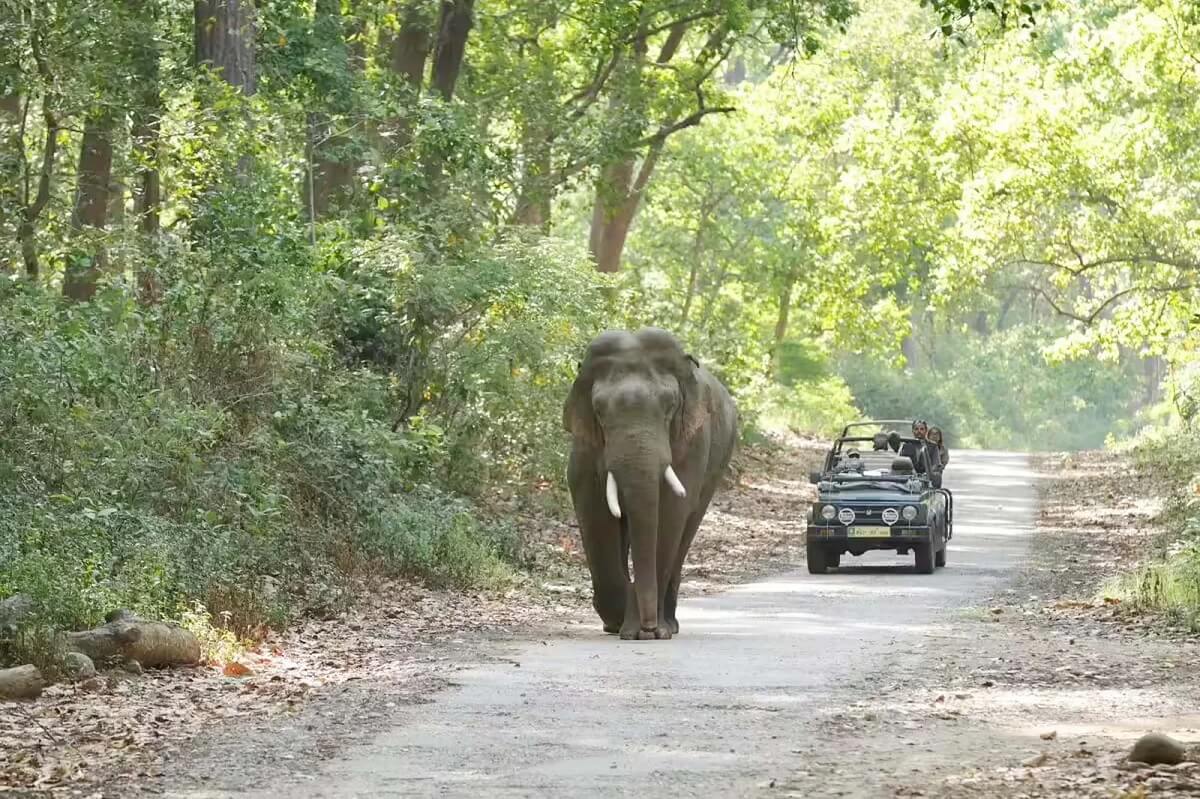
Bijrani Zone is another highly popular safari zone in Jim Corbett National Park. If Dhikala is known for its grand wilderness, Bijrani is known for its balance of accessibility, scenic beauty, and strong wildlife sighting possibilities.
The zone is entered through Amdanda Gate, which is close to Ramnagar. This makes it convenient for travelers staying around Ramnagar, Dhikuli, or nearby resorts. The official Corbett website lists Bijrani with Amdanda Gate and an opening period from 15 October to 30 June.
Why Bijrani Zone is Popular
Bijrani has dense sal forests, open grasslands, dry riverbeds, and natural water sources. This combination makes it a productive wildlife zone. The area is known for tiger movement, deer sightings, elephants, and beautiful forest scenery.
For many first-time visitors, Bijrani is one of the best safari zones in Jim Corbett because it offers a strong safari experience without the logistical difficulty of Dhikala. The entry gate is easier to access, jeep safaris are available, and the landscape offers good viewing opportunities.
Wildlife in Bijrani Zone
Bijrani is home to tigers, elephants, spotted deer, sambar deer, wild boar, jackals, langurs, and several bird species. Tiger sightings are never guaranteed in any forest, but Bijrani is one of the zones often preferred by visitors hoping to see big cats.
The zone’s forest tracks pass through rich tiger habitat. During summer, wildlife movement around water sources can improve sighting chances. In winter, the forest looks beautiful, and morning safaris can be very atmospheric.
Safari Experience in Bijrani
Bijrani is mainly explored by jeep safari. Jeep safaris are better for travelers who want a more private experience, better photography angles, and flexible viewing within the permitted route. As per official guidance, vehicle safaris in Corbett are suitable for small groups and can carry up to 6 passengers.
The safari usually lasts a few hours and follows a designated track. Visitors are accompanied by a driver and registered guide. Private vehicles are not allowed for tourism purposes inside Corbett, and visitors must use designated safari vehicles.
Best Time to Visit Bijrani Zone
The best time to visit Bijrani is from November to June. Winter is excellent for pleasant weather and birdwatching. March to June is better for travelers focused on tiger sightings, though temperatures can be high in May and June.
If you are visiting with family, December to February is comfortable. If you are a wildlife photographer or tiger enthusiast, April to June can be rewarding, provided you are comfortable with the heat.
Who Should Choose Bijrani?
Bijrani is perfect for first-time visitors who want a strong chance of wildlife sightings and easy access from Ramnagar. It is also a good choice for families, couples, photographers, and travelers staying in resorts near the Bijrani or Dhikuli side.
Main Highlights of Bijrani Zone
Bijrani is a great choice for:
- First-time Jim Corbett visitors
- Tiger sighting opportunities
- Jeep safari experience
- Easy access from Ramnagar
- Scenic sal forests and grasslands
- Family-friendly wildlife trips
If you are confused between Dhikala and Bijrani, choose Dhikala for the most immersive wilderness and Bijrani for a convenient, exciting, and rewarding jeep safari.
3. Jhirna Zone: Best Year-Round Safari Zone in Jim Corbett
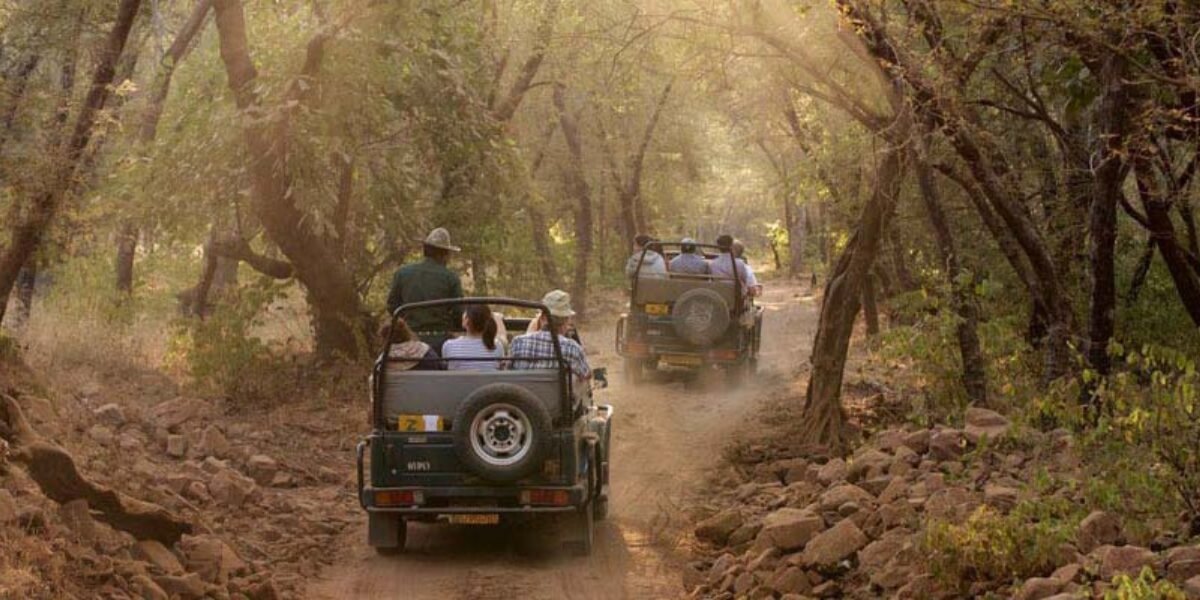
Jhirna Zone is one of the most reliable safari zones in Jim Corbett because it remains open throughout the year, subject to road and weather conditions. This makes it especially useful for travelers visiting Corbett during months when seasonal zones may be closed.
The official Corbett website lists Jhirna with Dhela Gate and mentions that it is open throughout the year. The Corbett Tiger Reserve FAQ also says that Jhirna remains open for day safaris throughout the year, subject to safe road and weather conditions.
Why Jhirna Zone is Important
Jhirna is located on the southern side of Corbett. Compared with Dhikala and Bijrani, it has a drier landscape in many parts, with open patches, scrub forest, grassland, and mixed woodland. This habitat supports a variety of wildlife.
Jhirna is known for deer, wild boar, elephants, birds, and sometimes sloth bear sightings. Tiger movement also occurs in the zone, though sightings vary by season and luck.
Because it is open year-round, Jhirna becomes an important option during monsoon months when several other zones are closed. However, even if a zone is officially open, safaris may still depend on weather and forest department safety decisions.
Wildlife in Jhirna Zone
Jhirna offers a good mix of wildlife. Visitors may see chital, sambar, nilgai, wild boar, langurs, elephants, jackals, and many birds. Sloth bears are sometimes associated with this zone, though sightings are not predictable.
Tigers are present, and some visitors do get good sightings in Jhirna. However, Jhirna should not be chosen only with the expectation of seeing a tiger. It is better appreciated as a diverse safari zone with year-round access and varied wildlife.
Safari Experience in Jhirna
Jhirna is explored by jeep safari. The safari route passes through forest tracks, open grassland patches, and wildlife-rich areas. Because it is available in more months than many other zones, it can be a practical choice when planning a short Corbett trip.
The zone is also suitable for travelers who have already tried Bijrani or Dhikala and want a different experience. It may not have the dramatic grassland views of Dhikala, but it offers a satisfying jungle safari.
Best Time to Visit Jhirna Zone
Jhirna can be visited throughout the year, but the best months are November to June. Winter offers pleasant weather, while summer can be useful for wildlife sightings around water sources.
During monsoon, check conditions carefully before planning. Roads may be affected by rain, and safari access can change depending on safety.
Who Should Choose Jhirna?
Jhirna is a smart choice for travelers who want a safari outside the main peak-season windows. It is also useful when other popular zones are fully booked. Families, casual wildlife lovers, and repeat visitors can all enjoy Jhirna.
Main Highlights of Jhirna Zone
Jhirna is best for:
- Year-round safari planning
- Mixed wildlife sightings
- Visitors traveling in off-season months
- Jeep safari experience
- Sloth bear possibility
- A practical backup when Bijrani or Dhikala is unavailable
Jhirna may not always be the first zone people ask for, but it is one of the most dependable safari zones in Jim Corbett National Park.
Jim Corbett Tour Packages
- Jim Corbett with Nainital Tour – 3 Nights / 4 Days
- Jim Corbett Jungle Safari Tour – 2 Nights / 3 Days
- Lansdowne with Jim Corbett Tour – 3 Nights / 4 Days
4. Dhela Zone: Best for Wildlife, Birds, and Less Crowded Safari
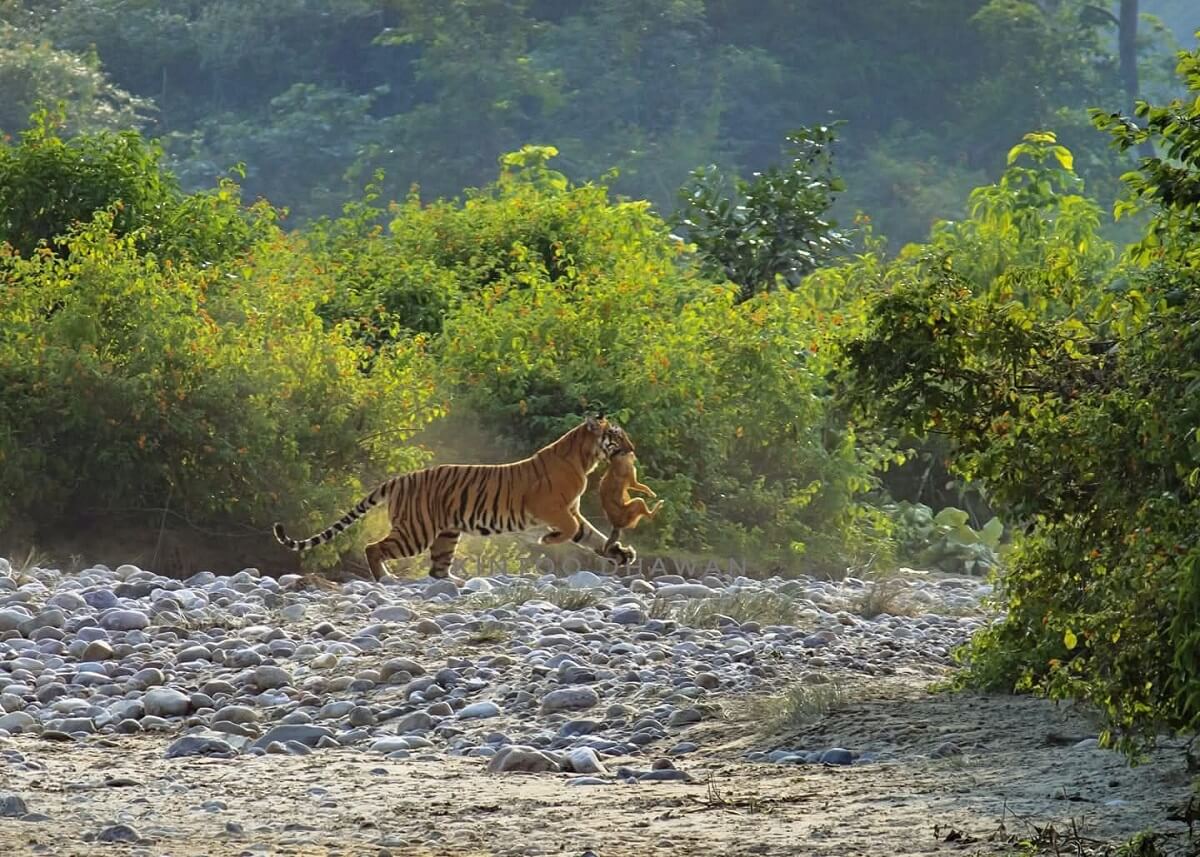
Dhela is one of the newer and increasingly popular safari zones in Jim Corbett. Like Jhirna, it is accessed through Dhela Gate and is listed by the official Corbett website as open throughout the year.
For travelers looking for a good jeep safari with wildlife diversity, birdwatching, and relatively calmer routes, Dhela can be an excellent option.
Why Dhela Zone is Special
Dhela has a rich mix of forest, grassland, and water bodies. It is known for its biodiversity and offers a good chance to enjoy the forest without always facing the same level of demand as Bijrani or Dhikala.
The zone has become popular among travelers who want good tiger habitat but also value a more balanced nature experience. It is not just about the tiger. Dhela is also rewarding for birds, herbivores, and forest scenery.
Wildlife in Dhela Zone
Dhela is home to tigers, elephants, deer, wild boar, jackals, reptiles, and many bird species. Birdwatchers can enjoy this zone, especially in winter and early summer.
Because the landscape has varied vegetation, sightings can feel different from Jhirna or Bijrani. Some safari tracks pass through dense forest, while others open into wider spaces where wildlife viewing becomes easier.
Safari Experience in Dhela
Dhela is explored by jeep safari. Since the same gate is used for Jhirna and Dhela, travelers should carefully confirm their exact safari zone while booking. A permit for one zone does not allow entry into another. The Corbett FAQ clearly states that entry permits are issued for a specific tourism zone and safari is permitted only for the booked zone.
Dhela is suitable for travelers who want a good balance between tiger territory and general wildlife viewing. It is also a strong choice if Bijrani is unavailable or if you want to do multiple safaris in different zones.
Best Time to Visit Dhela Zone
Dhela can be visited year-round, but November to April is excellent for weather, birdwatching, and overall safari comfort. April to June can be good for tiger movement and sightings near water, though it becomes hot.
During the rainy season, availability and route conditions should be checked carefully before booking.
Who Should Choose Dhela?
Choose Dhela if you want a safari zone that offers good wildlife potential but is not always as heavily demanded as Bijrani or Dhikala. It is suitable for birdwatchers, photographers, families, and travelers planning more than one safari in Corbett.
Main Highlights of Dhela Zone
Dhela is best for:
- Year-round safari access
- Birdwatching
- Tiger movement possibilities
- Jeep safari experience
- Balanced wildlife viewing
- Travelers looking beyond the most famous zones
Dhela is one of the best safari zones in Jim Corbett for those who want diversity, natural beauty, and a rewarding forest drive.
5. Durga Devi Zone: Best for Birdwatching and Scenic Forest Safari
Durga Devi Zone is very different from Dhikala, Bijrani, Jhirna, and Dhela. Located on the northeastern side of Corbett, it is known for its hilly terrain, river streams, thick forests, and excellent birdwatching.
The official Corbett website lists Durgadevi with Durgadevi Gate and an opening period from 15 November to 15 June.
Why Durga Devi Zone is Unique
Durga Devi is not usually the first choice for travelers focused only on tiger sightings. Its charm lies in its landscape and birdlife. The zone has forested hills, riverine patches, and peaceful tracks that create a different safari mood.
It is a beautiful zone for those who enjoy the forest as a complete ecosystem. You can hear birds calling, see fresh pugmarks on forest tracks, watch deer moving through trees, and enjoy the quiet side of Corbett.
Wildlife in Durga Devi Zone
Durga Devi is known for elephants, deer, leopards, tigers, and rich birdlife. Birdwatchers often prefer this zone because of the variety of habitats. Species such as kingfishers, woodpeckers, eagles, vultures, and many forest birds may be seen depending on the season.
The Ramganga River and Mandal River areas add to the scenic charm. The zone is also associated with mahseer fish in river stretches, making it interesting from an ecological perspective.
Safari Experience in Durga Devi
The safari experience in Durga Devi feels more rugged and peaceful. It is less about wide open grasslands and more about forest drives, river crossings, hilly tracks, and patient observation.
This zone is a good choice for travelers who have already done Bijrani or Dhikala and want a quieter, nature-focused safari. It is also excellent for photographers who enjoy landscapes, birds, and forest moods.
Best Time to Visit Durga Devi Zone
The best time to visit Durga Devi is from November to April. Winter and early spring are particularly good for birdwatching. The weather is pleasant, visibility is comfortable, and the forest feels fresh.
Summer can still be rewarding for wildlife, but the experience may be hot. Since the zone closes during the monsoon period, plan your visit within its official season.
Who Should Choose Durga Devi?
Durga Devi is perfect for birdwatchers, nature lovers, photographers, and repeat visitors. It is not the best choice if your only goal is a tiger sighting, but it is one of the best zones for a peaceful and scenic Jim Corbett safari.
Main Highlights of Durga Devi Zone
Durga Devi is best for:
- Birdwatching
- Scenic forest landscapes
- Hilly terrain
- River views
- Peaceful safari experience
- Repeat Corbett visitors
If you want to experience a quieter and more natural side of Corbett, Durga Devi is a wonderful choice.
6. Garjia Zone: Best for Easy Access and Year-Round Safari
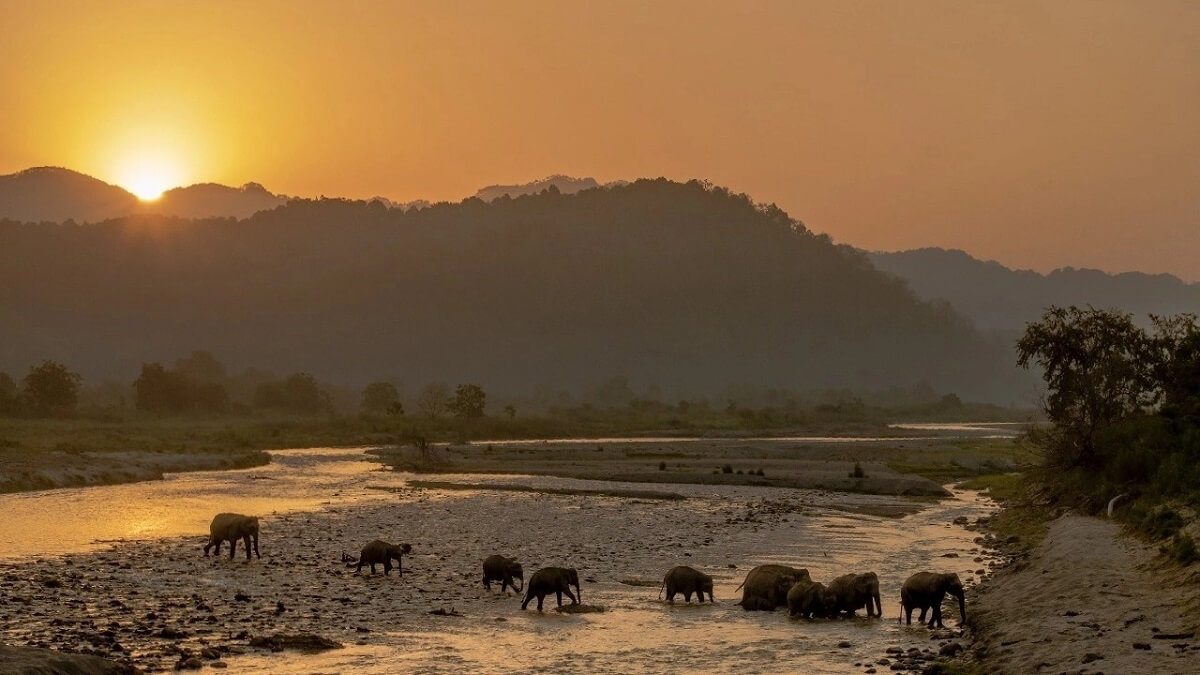
Garjia, also spelled Garjiya, is one of the important tourism zones in Jim Corbett. It has grown in popularity because of its accessibility and year-round safari availability. The official Corbett website lists Garjia with Garjiya as the entry gate and mentions that it is open throughout the year.
For many travelers, Garjia works as a practical and rewarding safari option, especially when Bijrani permits are difficult to get.
Why Garjia Zone is Popular
Garjia is located close to Ramnagar and popular resort areas. This makes it convenient for travelers staying near Dhikuli, Garjia, or Ramnagar. The zone offers forest tracks, tiger habitat, birdlife, and the chance to enjoy a jeep safari without long travel to a distant gate.
Garjia is often considered a good alternative to Bijrani because of its accessibility and wildlife potential. It may not have the same old reputation as Dhikala or Bijrani, but it has become a strong option for visitors seeking a good Corbett safari experience.
Wildlife in Garjia Zone
Garjia has tigers, elephants, deer, wild boar, langurs, and various birds. Like other zones, tiger sightings depend on timing, route, weather, and luck. The zone lies in good forest habitat, and its year-round access makes it attractive for travelers visiting outside the main season.
Safari Experience in Garjia
Garjia is explored by jeep safari. It is suitable for families, couples, and travelers who want an accessible safari zone without compromising the feel of the forest.
Because it is open throughout the year, Garjia can be useful during months when other zones are closed or when permits are limited. However, it is still important to check weather conditions during monsoon.
Best Time to Visit Garjia Zone
Garjia can be visited throughout the year, but November to June is generally preferred. Winter is good for comfort and birdwatching. Summer is better for wildlife activity around water sources.
If you are staying near Garjia or Dhikuli, this zone can reduce travel time and make early morning safari planning easier.
Who Should Choose Garjia?
Garjia is ideal for travelers looking for a convenient, accessible, and exciting jeep safari. It is also suitable for visitors who could not get Bijrani permits but still want a good tiger-territory safari experience.
Main Highlights of Garjia Zone
Garjia is best for:
- Year-round safari
- Easy access from Ramnagar and nearby resorts
- Tiger habitat
- Jeep safari experience
- Families and first-time visitors
- Alternative to Bijrani
Garjia is one of the best safari zones in Jim Corbett for travelers who want convenience along with good wildlife potential.
Which is the Best Safari Zone in Jim Corbett for Tiger Sighting?
The most commonly preferred zones for tiger sightings in Jim Corbett are Dhikala, Bijrani, Dhela, and Garjia. Dhikala is often considered the most iconic because of its open grasslands and deep forest setting. Bijrani is popular because it offers strong tiger territory with easier access. Dhela and Garjia are also good options, especially for travelers looking for year-round safari availability.
However, it is important to remember that tiger sightings are never guaranteed. Corbett is a real forest, not a zoo. A tiger may appear in the first 20 minutes, or you may complete multiple safaris without seeing one. The beauty of Corbett lies in the complete jungle experience: alarm calls, pugmarks, bird sounds, elephant movement, river landscapes, and the anticipation that keeps every safari exciting.
For the best chance, book more than one safari in different zones. A good plan is to combine Bijrani or Garjia with Dhela or Jhirna. If available, add Dhikala for the most complete Corbett experience.
Best Safari Zone in Jim Corbett for Families
For families, Bijrani, Garjia, Jhirna, and Dhela are practical choices. These zones are easier to access from Ramnagar and nearby resorts. Jeep safaris are comfortable for small groups, and the travel time to the gate is manageable.
Dhikala is excellent, but canter safaris may feel less private for families with small children. Durga Devi is scenic but slightly more suitable for nature lovers and birdwatchers than casual family travelers.
For a first family safari, Bijrani or Garjia is usually a good choice.
Best Safari Zone in Jim Corbett for Birdwatching
Durga Devi is one of the best zones for birdwatching in Jim Corbett. Its riverine patches, hilly forest, and quieter atmosphere make it ideal for bird lovers. Dhela and Jhirna are also good for birdwatching, especially in winter.
Corbett is home to a rich range of birds, including kingfishers, woodpeckers, eagles, vultures, owls, parakeets, bee-eaters, and many migratory species. If birds are your main interest, choose Durga Devi, Dhela, and Jhirna over the most crowded tiger-focused routes.
Best Safari Zone in Jim Corbett for Photography
Dhikala is excellent for landscape and wildlife photography because of its open grasslands, river views, and dramatic forest setting. Bijrani is also good because of its beautiful sal forests and wildlife movement. Durga Devi is ideal for photographers interested in birds, rivers, and forest scenery.
For tiger photography, no zone can guarantee results, but Dhikala and Bijrani are often preferred by serious photographers.
Safari Booking Tips for Jim Corbett National Park:
Before booking your Jim Corbett safari, keep these points in mind:
1. Book early during peak season
Permits for popular zones such as Dhikala and Bijrani sell quickly, especially during weekends, holidays, Christmas, New Year, and summer vacations.
2. Carry valid ID proof
Adult visitors must carry approved identity documents for verification at entry points. The official FAQ mentions documents such as voter ID, driving license, PAN card, government employee card, passport, and student ID.
3. Choose the right zone, not just the famous one
Dhikala may be famous, but Bijrani, Dhela, Jhirna, Garjia, and Durga Devi can also offer excellent safari experiences.
4. Do at least two safaris
One safari is often not enough. Wildlife movement is unpredictable. Two or three safaris improve your overall experience.
5. Respect forest rules
Do not get down from the vehicle, do not feed animals, do not play loud music, and always follow your guide’s instructions.
6. Arrive early at the gate
Gate timings are important. Official safari guidance advises visitors to arrive early to avoid inconvenience.
7. Understand that each permit is zone-specific
A permit for one zone cannot be used in another zone. The official FAQ clearly states that safari is permitted only for the booked tourism zone.
Best Time to Visit Jim Corbett National Park:
The best time to visit Jim Corbett depends on what you want from your safari.
November to February: Best for Weather and Birdwatching
Winter is pleasant and beautiful. Morning safaris can be cold, but the forest looks fresh and scenic. This is a great time for families, birdwatchers, and travelers who prefer comfortable weather.
March to April: Best Balance of Weather and Wildlife
This is one of the best periods for a Jim Corbett safari. The weather is warmer, visibility improves, and wildlife movement becomes active. It is a good time for both general wildlife viewing and photography.
May to June: Best for Tiger Tracking, But Very Hot
Summer can be intense, with high temperatures. However, this is also when animals often move near water sources. Serious wildlife lovers often prefer this season for tiger sightings.
The Corbett Tiger Reserve FAQ notes that temperatures can go as low as 2°C in December and January and as high as 42°C in May and June.
July to September: Monsoon Season
Some zones may remain open, but safaris depend on weather and road conditions. Many core zones remain closed during the monsoon period for safety and conservation reasons. Always check the latest status before planning.
How Many Safaris Should You Book in Jim Corbett?
For a short trip, book at least two safaris. For a better wildlife experience, three to four safaris are ideal.
A good 2-night Jim Corbett plan can include:
- Day 1: Arrival and evening safari in Garjia or Jhirna
- Day 2: Morning safari in Bijrani or Dhela
- Day 2: Evening safari in another available zone
- Day 3: Departure after breakfast
For serious wildlife lovers, a 3-night plan with multiple zones is better.
Suggested Zone Combinations:
For First-Time Visitors
Choose Bijrani + Garjia or Bijrani + Dhela. This gives you a strong safari experience with convenient access.
For Tiger-Focused Travelers
Choose Dhikala + Bijrani + Dhela. This combination gives you access to some of the most preferred tiger habitats.
For Birdwatchers
Choose Durga Devi + Dhela + Jhirna. These zones offer a good mix of forest, rivers, and birdlife.
For Families
Choose Garjia + Bijrani or Jhirna + Dhela. These zones are practical and easier to manage with children.
For Repeat Visitors
Choose Durga Devi + Dhela + Garjia. This gives you a different side of Corbett beyond the most famous zones.
Important Safari Rules and Practical Advice
Jim Corbett is a protected tiger reserve. Visitors must follow forest rules seriously.
Private vehicles are not allowed for tourism inside the reserve, and visitors must use designated safari vehicles. A registered guide or naturalist is mandatory during visits.
Visitors are not allowed to walk, cycle, trek, or get off the safari vehicle inside the tiger reserve except at designated places. Night safaris are not allowed inside the tiger reserve.
During the safari:
- Wear muted colors like olive, beige, brown, or grey
- Avoid strong perfumes
- Keep your voice low
- Do not use flash photography
- Do not feed wildlife
- Do not pressure the driver or guide to chase animals
- Carry water, sunglasses, sunscreen, and a cap in summer
- Carry warm layers, gloves, and a muffler in winter
- Keep your ID proof ready at the entry gate
A safari is not only about sightings. It is about patience, respect, and understanding the forest.
Where to Stay for Jim Corbett Safari
Most travelers stay around Ramnagar, Dhikuli, Garjia, or the resort belt near the park. These areas offer easy access to several safari gates.
If your safari is in Bijrani, staying near Ramnagar, Amdanda, or Dhikuli is convenient. For Garjia, resorts near Garjia and Dhikuli work well. For Jhirna and Dhela, staying near Ramnagar or Dhela road can be practical. For Durga Devi, check travel time carefully because the gate is farther compared with Bijrani or Garjia.
Inside forest accommodation is available in certain zones, subject to booking rules and availability. The official FAQ mentions forest rest house accommodation in Dhikala, Bijrani, Jhirna, Durgadevi, and Sonanadi areas, with basic amenities.
How to Reach Jim Corbett National Park:
Ramnagar is the main gateway for Jim Corbett National Park.
By Road
Corbett is well connected by road from Delhi, Noida, Ghaziabad, Moradabad, Kashipur, Haldwani, and Nainital. The common route from Delhi is via Moradabad, Kashipur, and Ramnagar.
By Train
Ramnagar is the nearest railway station and is commonly used by visitors traveling to Corbett. The official FAQ also identifies Ramnagar as the nearest railway station.
By Air
The nearest major airports are Delhi and Dehradun. Pantnagar Airport is closer but has limited connectivity, so many travelers prefer Delhi.
Final Thoughts: Which Jim Corbett Safari Zone Should You Choose?
The best safari zone in Jim Corbett National Park depends on your travel style.
Choose Dhikala if you want the most iconic Corbett wilderness. Choose Bijrani if you want a strong tiger-sighting zone with easy access. Choose Jhirna if you need a dependable year-round safari option. Choose Dhela if you want wildlife diversity and birdwatching with a balanced safari experience. Choose Durga Devi if you love birds, rivers, hills, and peaceful forest landscapes. Choose Garjia if you want a convenient year-round safari close to popular stay areas.
No zone can promise a tiger, but every zone can offer something memorable. Corbett is not only about the moment when a tiger crosses the track. It is also about the silence before sunrise, the call of a sambar deer, fresh pugmarks on the dust, elephants moving through the forest, kingfishers flashing near the river, and the thrill of not knowing what waits around the next bend.
That is what makes Jim Corbett National Park one of India’s most loved wildlife destinations.
Suggested Wildlife Travel Blog:
- Ranthambore vs Jim Corbett in January 2027: Safari, Zones & Costs
- Jim Corbett Plan Your March 2027 Safari Adventure
- Jim Corbett in May 2026: Weather, Safari & Wildlife Guide
- Best Time to Visit Jim Corbett National Park
- Barnawapara Wildlife Sanctuary: Complete Travel Guide
- Periyar National Park: Wildlife, Safari & Travel Tips
- Ranthambore Safari Guide: Timings, Zones & Tickets
- How to Reach Kanha National Park: Routes & Travel Tips
- Kudremukh National Park: Trails, Wildlife & Travel Guide
- Best Bird Sanctuaries in India for Nature Lovers
- Best Places to Spot Snow Leopards in India
- Top National Parks in Himachal Pradesh to Visit
- Nanda Devi National Park Travel Guide
- Keoladeo National Park Bird Watching Guide
- Jhalana Leopard Safari Guide: Timings, Zones & Tips
- How to Reach Gir National Park from Ahmedabad
- Best Time to Visit Kaziranga National Park
- How to Reach Tadoba Tiger Reserve: Complete Guide
- Best Tiger Sighting Zones in Tadoba National Park
- How to Reach Satpura National Park: Routes & Tips
- Periyar Tiger Reserve Safari Timings & Visitor Guide
- Kaziranga National Park First-Time Travel Guide
FAQs About Safari Zones in Jim Corbett National Park:
1. Which is the best safari zone in Jim Corbett National Park?
Dhikala and Bijrani are often considered among the best safari zones in Jim Corbett. Dhikala is known for its grand landscape and deep wilderness, while Bijrani is popular for tiger sightings and easier access.
2. Which Jim Corbett zone is best for tiger sightings?
Dhikala, Bijrani, Dhela, and Garjia are commonly preferred for tiger sightings. However, tiger sightings depend on luck, timing, weather, and animal movement.
3. Which safari zone in Jim Corbett is open throughout the year?
Jhirna, Dhela, and Garjia are listed as open throughout the year on the official Corbett website, though access may still depend on weather and road conditions.
4. Is Dhikala better than Bijrani?
Dhikala is better for travelers who want a deep wilderness experience with grasslands and canter safari access. Bijrani is better for travelers who want a jeep safari with easier access from Ramnagar.
5. Can I visit all Jim Corbett zones with one permit?
No. Each permit is issued for a specific zone, and visitors are allowed to enter only the zone booked on their permit.
6. How many people are allowed in one jeep safari?
A safari vehicle can carry a maximum of six adults and two children, excluding the mandatory guide and driver.
7. Is a guide mandatory for Jim Corbett safari?
Yes. A registered nature guide or naturalist is mandatory during visits to Corbett Tiger Reserve.
8. What is the best month to visit Jim Corbett?
November to April is best for pleasant weather and birdwatching. March to June is better for wildlife sightings, especially around water sources, but May and June can be very hot.
9. Is Jim Corbett safari safe for families?
Yes, Jim Corbett safari is generally safe for families when visitors follow forest rules, remain inside the vehicle, and listen to the guide and driver.
10. Can I do night safari in Jim Corbett National Park?
No. Night safaris are not allowed inside Corbett Tiger Reserve.