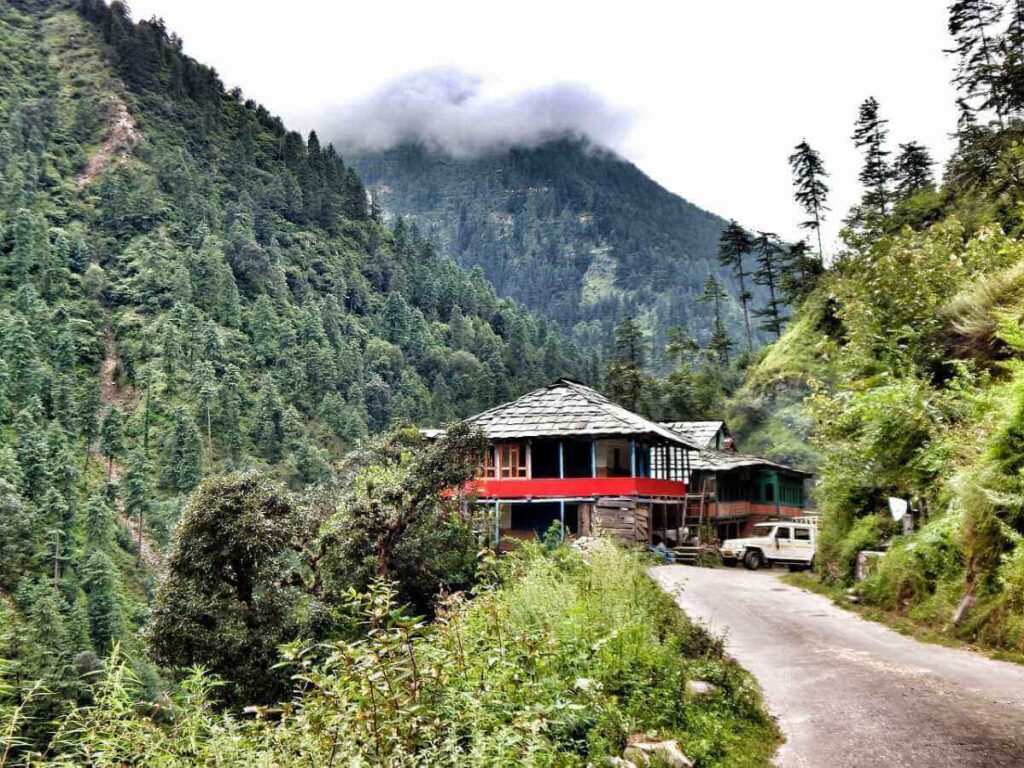
Hidden deep in the Himachal Pradesh Himalayas, Chitkul is one of those mountain villages that feels far removed from the noise of everyday life. Set in the Baspa Valley of Kinnaur, close to the Indo-Tibetan border, Chitkul is often described as the last inhabited village on the old Indo-Tibet route. It is known for its wooden houses, apple orchards, river views, snow peaks, local temples, peaceful trails, and the slow rhythm of high-altitude village life. Himachal Tourism also highlights Kinnaur as a region where a visit feels incomplete without Chitkul, which shows how important this village is in the wider Kinnaur travel circuit.
If you are planning a trip in 2026, Chitkul is perfect for travellers who want more than a quick photo stop. It is a place for walking, sitting by the river, watching clouds move over the mountains, exploring local culture, tasting simple mountain food, and enjoying nature without rushing. The village sits at a high altitude of around 3,450 metres, so the experience is beautiful but also demands slow travel, warm clothing, and sensible planning.
The best time to visit Chitkul is generally from May to June and September to October. Summer brings open roads, green valleys, and pleasant days, while autumn offers golden landscapes, apple season, clear skies, and excellent photography conditions. Monsoon months can bring landslide risks in Kinnaur, and winter travel depends heavily on snow and road conditions. Several 2026 travel updates also advise checking the Sangla to Chitkul road before travelling, especially in early season, because snow patches, gravel sections, and rough mountain roads can affect access.
Here is a complete guide to the 11 most exciting things to do in Chitkul in 2026 for a memorable, peaceful, and genuinely refreshing mountain holiday.
Things to Do in Chitkul: 11 Best Travel Ideas
1. Feel Chitkul’s Himalayan Calm
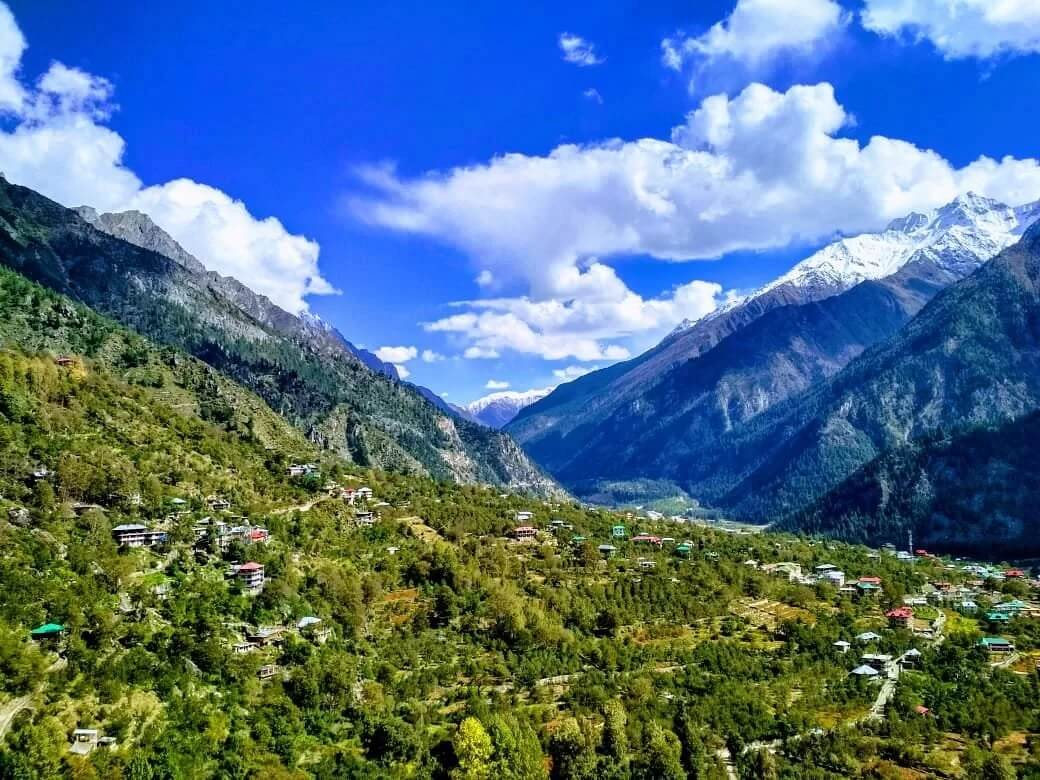
The best way to begin your Chitkul trip is not with a packed sightseeing plan, but with a slow walk through the village. Chitkul is small, scenic, and deeply atmospheric. Its narrow lanes, wooden houses, slate-roofed homes, prayer flags, fields, and mountain backdrop create a setting that feels almost untouched by time.
A village walk helps you understand the charm of Chitkul better than any viewpoint. You will see traditional Kinnauri houses built with wood and stone, small local shops, homestays, village paths, and everyday mountain life. The architecture here is part of the region’s identity. Chitkul is known for Kath Kuni-style structures, a traditional Himalayan building method that uses layers of wood and stone. This style is especially visible in older homes and religious buildings.
Start your walk in the morning when the village is quiet and the light is soft. You may see locals heading to fields, children going to school, and smoke rising from kitchen chimneys. In the evening, the same lanes look completely different as the temperature drops and the village settles into silence.
A walk through Chitkul is not about ticking off attractions. It is about noticing small details. Look at the carved wooden balconies, the traditional doors, the mountain dogs sleeping in the sun, and the way the Baspa Valley opens up around the village. For travellers coming from cities, this slow pace is often the most refreshing part of the trip.
If you enjoy photography, carry your camera but remain respectful. Avoid entering private courtyards without permission and do not photograph locals closely unless they agree. Chitkul is not a staged tourist village. It is a living Himalayan settlement, and that is exactly what makes it special.
Travel tip: Spend at least one night in Chitkul instead of visiting only as a day trip from Sangla. The village is most beautiful in the early morning and after sunset, when most day visitors have left.
2. Spend Time Beside the Baspa River
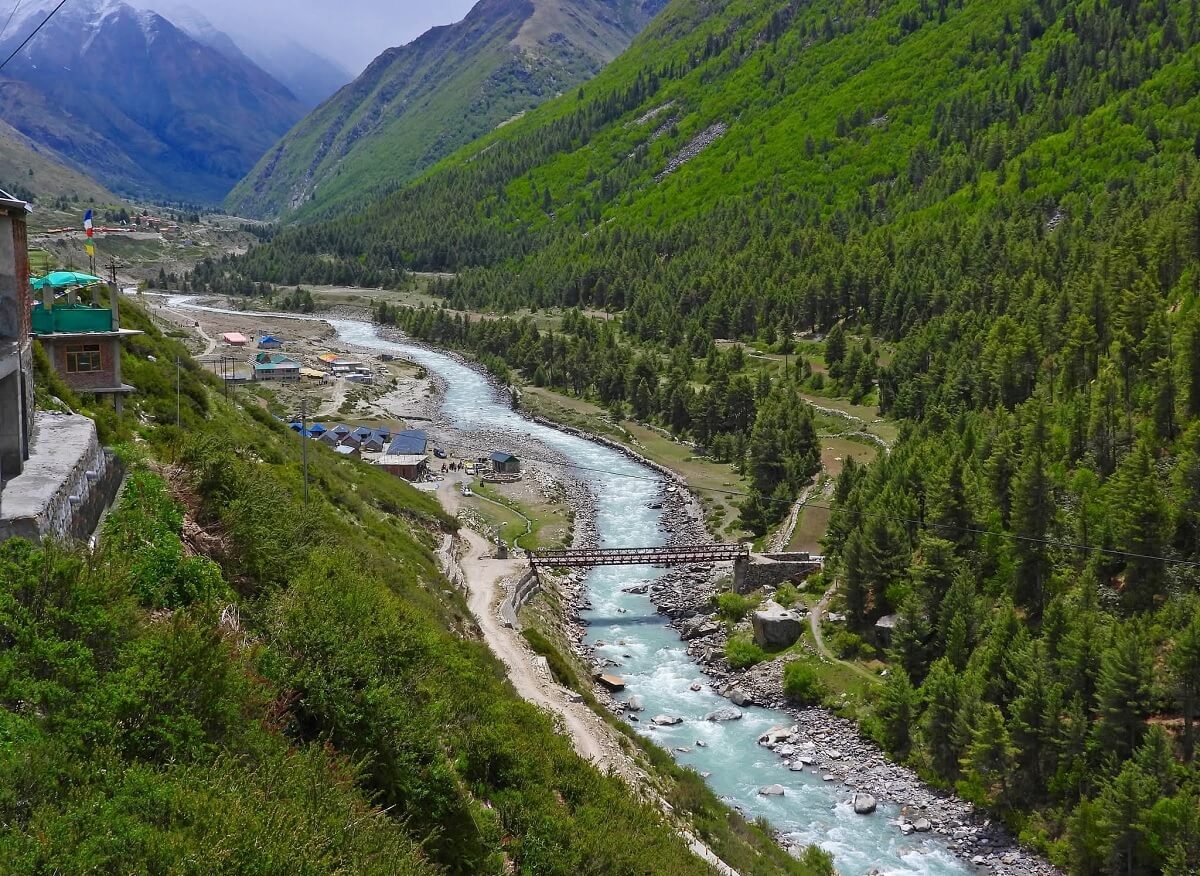
The Baspa River is one of the biggest highlights of Chitkul. Flowing through the valley with snow-covered peaks and green slopes around it, the river adds movement, sound, and life to the landscape. Sitting beside the Baspa is one of the simplest yet most memorable things to do in Chitkul.
From the village, you can walk down towards the river and find peaceful spots to sit, relax, and enjoy the view. The sound of the water, the cold breeze, and the open mountain scenery make it an ideal place for travellers who want to disconnect. You do not need a formal activity here. Just sit on a rock, breathe deeply, and watch the river flow through one of the most beautiful valleys in Himachal.
The Baspa Valley, also known as Sangla Valley, is famous for its scenic beauty, apple orchards, wooden homes, and snow-clad mountains. The stretch from Rakchham to Chitkul is especially admired for its natural beauty, with the Baspa River running through the valley and high mountains rising on both sides.
In summer, the riverside is a wonderful place for photography and short walks. In autumn, the valley turns golden, and the river looks even more dramatic against the changing colours of the landscape. In early spring or late autumn, the area can be very cold, so carry a jacket even if the sun is out.
Avoid going too close to the water, especially during snowmelt or after rain. Mountain rivers can be powerful and unpredictable. The rocks near the river may also be slippery. If you are travelling with children, keep them at a safe distance.
Best time for this experience: Morning for soft light and peace, or late afternoon for golden views.
3. Visit Mathi Mata Temple
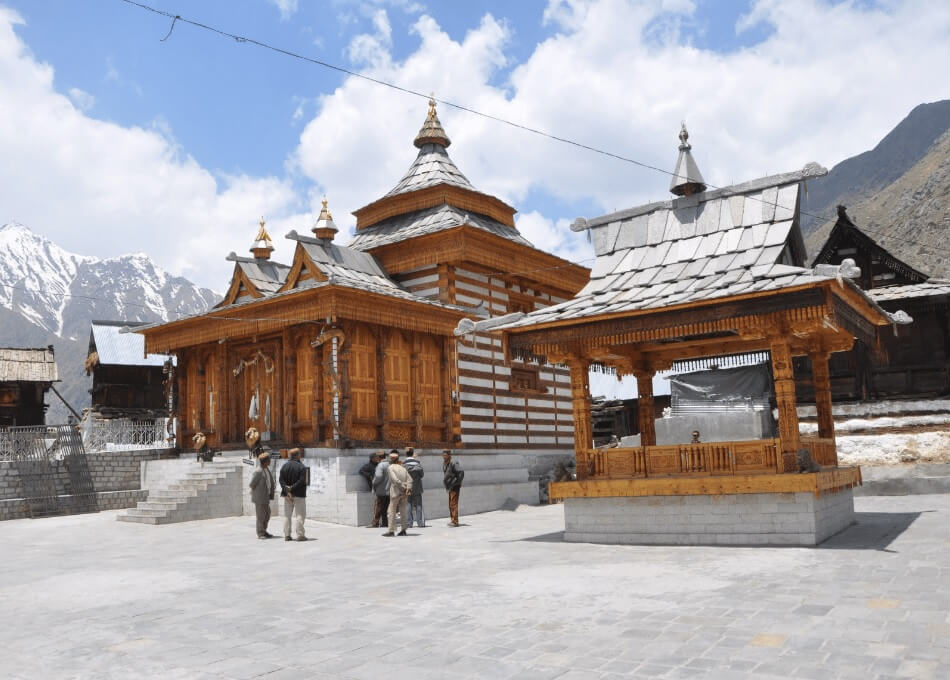
Mathi Mata Temple is one of the most important cultural and spiritual landmarks in Chitkul. Dedicated to the local goddess Mathi Devi, the temple is deeply respected by villagers and is a major part of Chitkul’s identity. It is also one of the best places to understand the spiritual traditions of Kinnaur.
The temple is known for its traditional wooden architecture and local legends. Chitkul’s Mathi Mata Temple is often associated with Kath Kuni construction, using alternating layers of stone and deodar wood. Local belief connects the goddess with protection, prosperity, and the spiritual life of the valley.
Visiting the temple is not only about religion. It is also about observing local craftsmanship, village customs, and the strong relationship between mountain communities and their deities. In Kinnaur, local gods and goddesses are not distant figures. They are part of community life, festivals, decisions, and identity.
When you visit, dress modestly and behave respectfully. Do not touch sacred objects unless allowed. Photography may be restricted in some areas, so ask before taking pictures. If a local festival or ritual is taking place, watch quietly from a respectful distance.
The temple area also gives you a chance to slow down and absorb the village atmosphere. The wooden structure, mountain backdrop, and spiritual energy make it one of the most meaningful places to visit in Chitkul.
Why visit: For local culture, traditional architecture, spiritual atmosphere, and a deeper connection with Chitkul’s heritage.
4. Explore Nagasthi Meadows
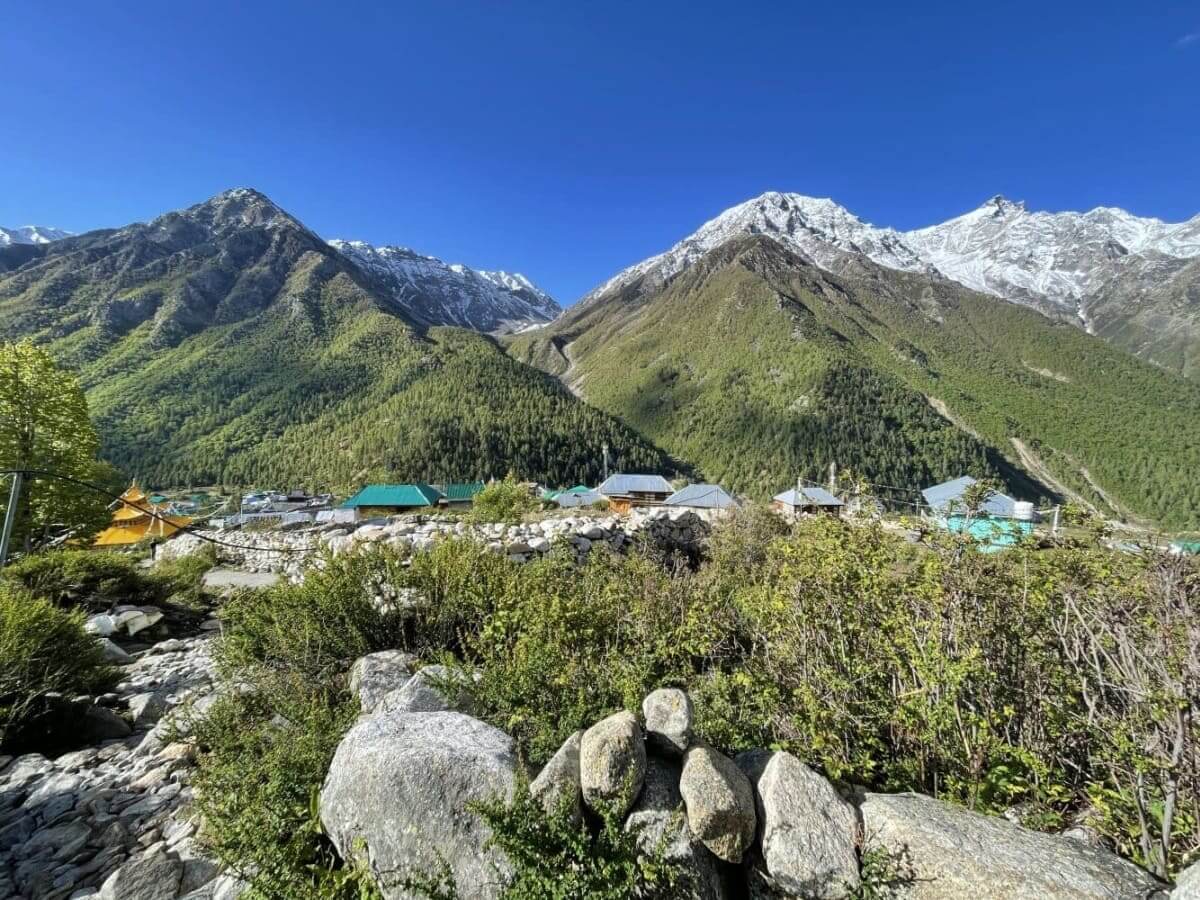
If you want a short adventure without committing to a difficult trek, take a walk towards Nagasthi and the open meadows around Chitkul. Nagasthi is known as an ITBP post area near the Indo-Tibetan border region, and travellers usually walk in this direction for valley views, open landscapes, and a sense of the remote frontier atmosphere.
The walk from Chitkul towards Nagasthi is around 4 km, while Ranikanda meadows are farther ahead and often mentioned in relation to trekking routes from Chitkul. Chitkul is also linked with several high-altitude trekking routes, including Lamkhaga Pass, Borasu Pass, Charang Pass, and other routes that connect different Himalayan valleys.
For casual travellers, you do not need to attempt any major trek. A short walk on the trail is enough to enjoy wide valley views, mountain air, and a feeling of wilderness. The landscape changes as you move away from the village. You will see the Baspa Valley stretching behind you, peaks rising ahead, and open spaces that feel much quieter than the main village area.
Because Chitkul is close to a sensitive border region, always respect local restrictions. Do not cross into restricted zones, do not photograph security posts, and follow instructions if stopped by authorities. Weather can also change quickly, so carry water, a warm layer, and basic snacks.
This walk is ideal for travellers who want a gentle outdoor experience. It is not too demanding if you go slowly, but the altitude can make even easy walks feel tiring. Take breaks and avoid pushing yourself on the first day.
Travel tip: Start early in the day and return before evening. Temperatures drop quickly after sunset.
5. Watch Sunrise & Sunset Over the Baspa Valley
Chitkul is a dream destination for travellers who love mountain light. The sunrise and sunset here are not dramatic in a loud way. They are soft, slow, and deeply peaceful. The changing light on the peaks, fields, wooden houses, and river valley creates a magical atmosphere.
Sunrise in Chitkul is especially beautiful if you wake up early and step outside your homestay. The village is usually quiet, the air is cold, and the first light slowly touches the mountains. You may see mist over the valley or frost on rooftops depending on the season. For photographers, this is one of the best times to capture the village without crowds.
Sunset is equally special. As the sun drops behind the mountains, the valley turns golden, then blue, then dark. The temperature falls quickly, and the village lights begin to appear. If the sky is clear, you may also enjoy excellent stargazing later at night.
Chitkul’s high-altitude location and low urban light make the sky feel much more open than in city areas. On clear nights, the stars can be stunning. If you are interested in night photography, carry a tripod and warm clothing. However, do not wander too far from the village after dark unless you are with a local guide or your homestay host advises it is safe.
The best viewpoints are often simple spots around the village, fields, or paths leading towards the river. You do not need to climb far. In Chitkul, beauty is everywhere if you give it time.
Best for: Photographers, couples, solo travellers, slow travellers, and anyone who wants a peaceful Himalayan evening.
6. Taste Local Kinnauri Food
Food in Chitkul is simple, warm, and comforting. After a long mountain journey, even a basic plate of dal, rice, rajma, roti, noodles, paratha, or tea can feel special. The cold weather and high altitude make hot meals even more enjoyable.
Many travellers remember Chitkul for its small dhabas, homestay meals, and warm hospitality. In 2026 travel updates for Kinnaur, travellers are advised to try fresh trout if available at local eateries, especially around the Chitkul area, though availability can depend on season and local supply.
If you stay in a homestay, ask for local-style meals. You may get seasonal vegetables, rice, dal, roti, local pickles, and sometimes Kinnauri preparations depending on the family and season. Food is usually not fancy, but it is hearty and satisfying.
Tea is another essential part of the Chitkul experience. A cup of hot tea with mountain views can become one of your favourite memories. Try sitting outside a small café or dhaba with tea while watching the valley. In cold weather, even a simple bowl of Maggi feels perfect.
Because Chitkul is remote, do not expect luxury dining or wide menu options. Supplies come from lower areas, and availability can change with weather and road conditions. This is part of the charm. Eat what is fresh, local, and available.
Food tip: Carry some dry snacks, energy bars, or nuts, especially if you plan to walk or travel during off-season. But avoid leaving plastic waste behind.
7. Explore the Chitkul to Rakchham Scenic Route
The road between Chitkul and Rakchham is one of the most scenic stretches in Kinnaur. Even if you are not doing a long trek, simply driving or walking parts of this route can be a highlight of your trip. The landscape includes river views, forests, open valley sections, wooden houses, fields, and snow peaks.
Rakchham lies between Sangla and Chitkul and is often quieter than both. The stretch from Rakchham to Chitkul is widely appreciated for its natural beauty, with the Baspa River, apple orchards, wooden homes, and snow-clad mountains shaping the valley scenery.
If you have time, stop at Rakchham on your way to or from Chitkul. It is a beautiful place for photography, short walks, and a slower valley experience. Some travellers even prefer staying in Rakchham and visiting Chitkul as a day trip, especially if they want a quieter base with easier access to both Sangla and Chitkul.
The road can be narrow and rough in places, so travel slowly and avoid driving after dark. Mountain roads in Kinnaur are beautiful but require patience. Landslides, snow patches, and road repairs can affect travel time, especially in early season or after rain.
For the best experience, keep your itinerary flexible. Do not rush this route. Stop at safe viewpoints, enjoy the river, and let the landscape unfold naturally.
Best time: May to June for green landscapes, and September to October for clear skies and autumn colours.
8. Go Apple Orchard Walking in Season
Kinnaur is famous for apples, and the region’s orchards are an important part of its landscape and economy. Around Sangla, Rakchham, and nearby villages, apple orchards add charm to the valley. If you visit during the right season, orchard walks can be one of the most enjoyable things to do near Chitkul.
September and October are especially beautiful in Kinnaur because apple season is in full swing and the valley begins to glow with autumn colours. Travel guides for Sangla Valley often highlight this period as one of the best times to visit, especially for clear weather and apple-filled landscapes.
In and around Chitkul, you may see fields and orchards depending on the route and season. If you want to walk through orchards, always ask permission. Do not pluck fruit without the owner’s approval. Many local families depend on apples for income, so respectful behaviour matters.
Apple season gives the valley a different energy. You may see boxes being packed, locals working in orchards, and roadside fruit being sold. It is a great time to learn about local life beyond tourism. You can also buy apples directly from local sellers if available.
This experience is especially good for families, photographers, and travellers who enjoy rural landscapes. The combination of wooden homes, orchards, mountains, and crisp autumn air makes the valley feel postcard-perfect.
Travel tip: If you are planning a 2026 autumn trip, book stays early. September and October are popular months for Kinnaur because of clear skies and scenic beauty.
9. Enjoy Photography and Nature Watching
Chitkul is one of the best photography destinations in Himachal Pradesh for travellers who love natural landscapes, village scenes, and mountain details. Every corner offers a frame: wooden houses, prayer flags, river bends, snow peaks, grazing animals, stone paths, local temples, and changing skies.
The village is especially rewarding for slow photographers. Instead of taking quick pictures and leaving, spend time observing light and movement. Morning light works well for village lanes and mountain views. Late afternoon is excellent for warm tones over the valley. Cloudy weather can also create dramatic frames.
Nature lovers will enjoy the quiet surroundings. The sound of birds, the river, and wind through the valley gives Chitkul a calming atmosphere. TripAdvisor traveller reviews often mention the peace of Chitkul, with visitors describing mornings filled with birds, river sounds, and mountain silence.
If you are interested in landscape photography, carry a wide-angle lens. For village details, a normal lens or phone camera is enough. For night sky photography, bring a tripod, extra batteries, and warm gloves. Batteries drain faster in cold weather.
Responsible photography is important. Avoid drone use unless you are sure it is legally permitted, especially because Chitkul is near a sensitive border region. Do not photograph military or security areas. Respect local people, private homes, and religious places.
Best photography subjects in Chitkul:
- Traditional wooden houses
- Mathi Mata Temple architecture
- Baspa River landscapes
- Sunrise and sunset views
- Apple orchards in season
- Snow peaks and valley roads
- Local village life
- Starry night skies
Photography in Chitkul is not just about creating content. It is about preserving the feeling of a place that still moves at a natural pace.
10. Use Chitkul as Your Trek Base
Chitkul is not only a peaceful village. It is also linked with some serious Himalayan trekking routes. Trekkers know Chitkul as a gateway or endpoint for high-altitude routes such as Lamkhaga Pass, Borasu Pass, Charang Pass, and routes connected with the wider Kinnaur and Uttarakhand Himalayan region.
These treks are not casual walks. They involve high altitude, difficult terrain, weather risks, permits, guides, camping, and proper preparation. If you are an experienced trekker, Chitkul can be an exciting base for adventure. If you are a regular traveller, stick to short local walks unless you have a trained guide and a proper plan.
For a relaxed trip, you can do short walks around the village, towards the river, or towards meadows. These give you a taste of the landscape without the risk of major trekking. If you want a longer guided hike, speak to local guides or homestay owners. They can suggest safe routes based on weather, season, and your fitness level.
Because Chitkul is at high altitude, acclimatization matters. Do not attempt strenuous walks immediately after arriving. Spend your first day slowly, drink water, avoid alcohol, and sleep well. If you feel headache, dizziness, nausea, or unusual fatigue, rest and descend if symptoms worsen.
For serious treks in 2026, plan well in advance. Check permits, weather windows, guide availability, route conditions, and emergency options. Mountain weather can change quickly, and remote trails require respect.
Best for: Experienced trekkers, adventure travellers, and nature lovers who want guided high-altitude experiences.
11. Spend a Night in Chitkul
One of the biggest mistakes travellers make is visiting Chitkul only for a few hours from Sangla. While a day trip is possible, the real magic of Chitkul appears when you stay overnight. Once the day visitors leave, the village becomes quieter, colder, and more atmospheric.
A homestay experience gives you a better connection with the place. You can enjoy local meals, speak with hosts, learn about village life, and experience the rhythm of Chitkul beyond sightseeing. Morning tea with mountain views, a warm dinner after sunset, and a quiet night under the stars can become the most memorable parts of your trip.
Accommodation in Chitkul is usually simple. Expect basic rooms, warm blankets, local food, and friendly hosts rather than luxury facilities. Electricity, internet, and hot water may not always be perfect, especially during bad weather or off-season. Go with realistic expectations and you will enjoy the experience much more.
Staying overnight also helps you avoid rushing. You can explore the village slowly, visit the river, watch sunset, and wake up early for sunrise. If you are planning a 2026 trip, try to keep at least one night in Chitkul and one or two nights in Sangla or Rakchham for a balanced Baspa Valley experience.
Why stay overnight: Better photography, peaceful mornings, local interaction, starry skies, and a deeper travel experience.
Best Time to Visit Chitkul in 2026
The best time to visit Chitkul in 2026 is from May to June and September to October. These months offer the best balance of road access, scenery, and travel comfort. May and June are good for green landscapes, open roads, and summer weather. September and October are excellent for clear skies, apple season, and golden autumn views.
July and August are monsoon months, and travel in Kinnaur can be risky due to landslides, roadblocks, and unpredictable weather. Some travellers still visit, but it is not the most advisable period for a relaxed holiday. Winter, from November to March, can be beautiful but challenging because snow may block roads and temperatures can become severe.
April can be a transition month. Some roads may open, but snow patches and cold weather can still affect travel. Early May can also require road checks, especially on the Sangla to Chitkul stretch.
Month-wise travel idea
| Month | Travel Experience |
| April | Cold, early-season travel, road conditions need checking |
| May | Good for sightseeing, greenery, and village walks |
| June | Pleasant for outdoor activities and river views |
| July-August | Monsoon risk, landslides possible, not ideal |
| September | Clear skies, apple season, excellent photography |
| October | Autumn colours, cold evenings, beautiful landscapes |
| November-March | Snowy, very cold, road access uncertain |
How to Reach Chitkul:
Chitkul is usually reached through Shimla, Rampur, Karcham, Sangla, and Rakchham. The road branches from the main Kinnaur route at Karcham and enters the Baspa Valley. Chitkul is around 40 km from Karcham, and the route passes through Sangla and Rakchham before reaching the village.
By Road
Most travellers reach Chitkul by road from Shimla, Chandigarh, or Delhi. The journey is long but scenic. A common route is:
Delhi or Chandigarh – Shimla – Narkanda – Rampur – Karcham – Sangla – Rakchham – Chitkul
The road conditions can vary. Kinnaur roads are known for narrow stretches, mountain bends, rough patches, and occasional landslide zones. Travel slowly and avoid night driving.
By Train
The nearest major rail access is Chandigarh or Kalka. From there, travellers continue by road towards Shimla and Kinnaur.
By Flight
The nearest practical airports are Chandigarh and Shimla, though road travel is still required. In 2026, Himachal has also introduced helicopter connectivity linking Shimla with Reckong Peo in Kinnaur, which may help some travellers reduce road time depending on availability, schedules, and onward transfers.
Suggested 4-Day Chitkul Itinerary for 2026:
Day 1: Shimla or Narkanda to Sangla
Start early and drive towards Sangla through Rampur and Karcham. Reach Sangla by evening. Keep the day relaxed because the mountain journey is long.
Day 2: Sangla to Rakchham and Chitkul
Drive from Sangla to Chitkul via Rakchham. Stop for photography along the Baspa Valley. Reach Chitkul, check into a homestay, walk through the village, and enjoy sunset.
Day 3: Chitkul Village, Baspa River and Local Walks
Visit Mathi Mata Temple, walk to the Baspa River, explore village lanes, enjoy local food, and take a short walk towards Nagasthi if conditions are suitable.
Day 4: Chitkul to Kalpa or Return Towards Shimla
Leave after breakfast and continue towards Kalpa for a wider Kinnaur trip, or return towards Shimla if you have limited time.
Suggested 6-Day Kinnaur Trip with Chitkul:
Day 1: Chandigarh or Shimla to Narkanda
Stay overnight in Narkanda to break the journey.
Day 2: Narkanda to Sangla
Drive to Sangla via Rampur and Karcham.
Day 3: Sangla, Rakchham and Chitkul
Explore the Baspa Valley and stay overnight in Chitkul.
Day 4: Chitkul Slow Day
Visit the temple, river, village lanes, and nearby walking trails.
Day 5: Chitkul to Kalpa
Drive to Kalpa and enjoy views of the Kinner Kailash range.
Day 6: Kalpa to Shimla or Chandigarh
Begin the return journey with stops as needed.
Travel Tips for Visiting Chitkul in 2026:
Carry warm clothes in every season
Even in summer, mornings and evenings can be cold. Carry a jacket, thermals, socks, gloves, and a cap if travelling in shoulder season.
Check road conditions before leaving Sangla
The Sangla to Chitkul road can be affected by snow, loose gravel, rain, or landslides. Always ask locals, drivers, or your hotel before starting.
Travel slowly because of altitude
Chitkul is around 3,450 metres high. Avoid overexertion on the first day and drink enough water.
Keep cash
Digital payments may not always work smoothly due to network issues. Carry enough cash for food, stays, local transport, and emergencies.
Do not depend fully on mobile network
Connectivity can be weak or inconsistent. Inform family before entering remote areas and download offline maps.
Avoid plastic waste
Chitkul is ecologically fragile. Carry your waste back, avoid single-use plastic, and respect local cleanliness.
Book stays early in peak months
May, June, September, and October can be busy. Book homestays in advance, especially if travelling on weekends.
Respect local culture
Dress modestly near temples, ask before photographing people, and follow village rules.
Is Chitkul Worth Visiting in 2026?
Yes, Chitkul is absolutely worth visiting in 2026 if you enjoy nature, peace, culture, mountain roads, photography, and slow travel. It is not the right place if you want nightlife, luxury shopping, or fast-paced sightseeing. But if your idea of a good time includes riverside walks, wooden houses, temple visits, mountain views, local food, and quiet evenings, Chitkul is one of the most rewarding places in Himachal Pradesh.
The charm of Chitkul lies in its simplicity. It does not need big attractions to impress you. The village itself is the experience. The road, the river, the people, the silence, the cold air, and the dramatic Baspa Valley together create a journey that stays with you long after you leave.
Conclusion
Chitkul is one of the most beautiful and peaceful places to visit in Himachal Pradesh in 2026. It offers the kind of mountain experience that many travellers now seek: quiet landscapes, local culture, clean air, slow mornings, scenic walks, and meaningful moments. From the Baspa River and Mathi Mata Temple to village walks, apple orchards, photography, local food, and homestay stays, there are many exciting things to do in Chitkul for a good time.
The key is to travel slowly. Do not treat Chitkul as just another stop on a checklist. Stay overnight, wake up early, walk without hurry, speak to locals, sit by the river, and let the valley reveal itself. If planned well, a Chitkul trip in 2026 can be one of your most memorable Himalayan journeys.
Suggested Himachal Travel Articles
- Himachal in June 2026: Weather, Places & Travel Tips
- Shimla in May 2026: Weather, Places & Travel Guide
- 26 Best Things to Do in Shimla
- Shimla Toy Train Guide: Route, Timings & Tickets
- Winter Carnivals in India: Manali, Shimla & Gulmarg
- Shimla in October 2026: Weather, Walks & Festivals
- Best 5-Star Hotels in Shimla for a Luxury Stay
- Best Time to Visit Shimla for Snowfall
- Delhi to Shimla Trip Cost: Budget Planning Guide
- Delhi to Shimla by Train: Complete Travel Guide
- Best Family Destinations in India in September 2026
- Spiti Valley in July 2026: Weather, Roads & Tips
- Kasauli in December 2026: Winter Travel Guide
- Himachal in July 2026: Complete Travel Guide
- Uttarakhand vs Himachal in August 2026: Which Is Better?
FAQs About Things To Do In Chitkul
What are the best things to do in Chitkul in 2026?
The best things to do in Chitkul include walking through the village, visiting Mathi Mata Temple, spending time beside the Baspa River, exploring the Chitkul to Rakchham route, enjoying local food, taking short nature walks, photographing the valley, and staying overnight in a homestay.
How many days are enough for Chitkul?
One night is enough for a short visit, but two nights are better if you want to enjoy Chitkul slowly. For a complete Kinnaur trip including Sangla, Rakchham, Chitkul, and Kalpa, plan at least 5 to 6 days.
What is the best time to visit Chitkul?
The best time to visit Chitkul is from May to June and September to October. These months usually offer better road access, pleasant daytime weather, and beautiful landscapes.
Is Chitkul safe for tourists?
Chitkul is generally safe for tourists, but travellers should be careful with altitude, road conditions, weather changes, and restricted border areas. Avoid night driving and always check local road updates.
Can I visit Chitkul in winter?
Winter travel to Chitkul is possible only when roads are open, but it can be difficult due to snow and extreme cold. Roads may get blocked, and accommodation options may be limited. It is better suited for experienced winter travellers.
Is Chitkul good for families?
Chitkul can be good for families with older children who are comfortable with long road journeys and cold weather. However, because of the altitude and rough road sections, families with toddlers should plan carefully and may prefer staying in Sangla or Kalpa.
Are there treks from Chitkul?
Yes, Chitkul is connected with several trekking routes, including high-altitude routes such as Lamkhaga Pass, Borasu Pass, and Charang Pass. These treks require experience, guides, permits, and proper preparation. Casual travellers can enjoy short local walks instead.
What should I pack for Chitkul?
Pack warm clothes, comfortable walking shoes, sunscreen, sunglasses, basic medicines, reusable water bottle, power bank, cash, offline maps, snacks, and a good jacket. Even in summer, Chitkul can become cold in the morning and evening.