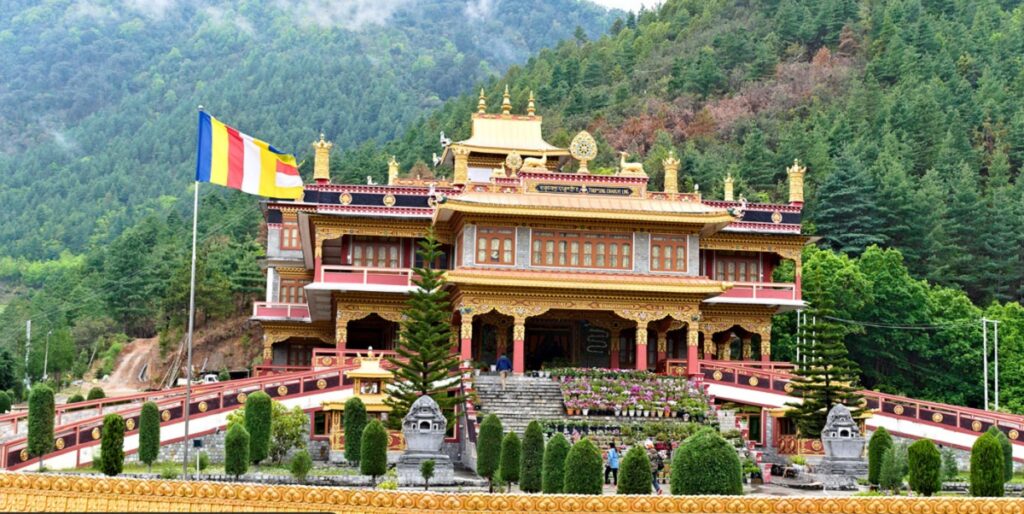
June is one of the most dramatic months to explore North East India. While many parts of India move into intense summer heat or early monsoon humidity, the Northeast turns green, misty, fresh, and deeply atmospheric. Hills are wrapped in clouds, waterfalls gain volume, tea gardens look brighter, and mountain towns feel cooler than the plains. For travellers who enjoy rain-washed landscapes, slow travel, photography, culture, and nature, June 2026 can be a rewarding time to plan a trip to this region.
North East India includes Assam, Meghalaya, Arunachal Pradesh, Sikkim, Nagaland, Manipur, Mizoram, and Tripura. Each state has a different travel personality. Some places are known for monasteries and Himalayan views, some for waterfalls and living root bridges, some for tea estates and wildlife, and others for tribal culture, lakes, caves, and quiet hill towns.
June is also the beginning of the monsoon in many parts of the Northeast. This makes the region beautiful, but it also requires practical planning. Roads can be affected by rain, landslides may occur in hill areas, and visibility can change quickly in high-altitude destinations. Meghalaya Tourism advises monsoon travellers to carry waterproof bags, rain jackets, umbrellas, anti-slip shoes, quick-drying clothes, and to check daily weather warnings for heavy rain and landslides.
This guide covers the 13 best places in North East India to visit in June 2026, with details on why each place is worth visiting, what to see, what to expect from the weather, and useful travel tips. The focus is on destinations that offer strong June travel value, including waterfalls, hill stations, cultural towns, Himalayan routes, and scenic valleys.
Is June a Good Time to Visit North East India?
Yes, June can be a good time to visit North East India if you plan carefully and choose the right destinations. It is especially suitable for travellers who love lush green scenery, waterfalls, clouds, cool hill weather, and fewer crowds compared with peak holiday months. However, June is not a completely dry or predictable month. It marks the early monsoon period in several states, especially Meghalaya, Assam, Mizoram, and parts of Arunachal Pradesh and Sikkim.
In June, places like Shillong, Cherrapunji, Gangtok, Pelling, Tawang, and Ziro Valley are often preferred because they offer cooler weather and scenic landscapes. A recent summer travel roundup also highlighted Shillong, Gangtok, Tawang, Ziro, Cherrapunji, Haflong, Pelling, and Aizawl among notable hill destinations in and around North East India for summer travel.
June is best for:
- Waterfalls and monsoon scenery
- Hill station holidays
- Photography
- Tea garden landscapes
- Cultural exploration
- Slow travel and nature stays
- Short scenic breaks from Guwahati, Shillong, Gangtok, or Dibrugarh
June is less ideal for:
- Tight itineraries with long daily drives
- Travellers who dislike rain
- High-altitude road trips without buffer days
- Wildlife safaris in some parks, as many protected areas may have seasonal restrictions during monsoon
North East India June 2026: Best Places to Visit
1. Shillong, Meghalaya
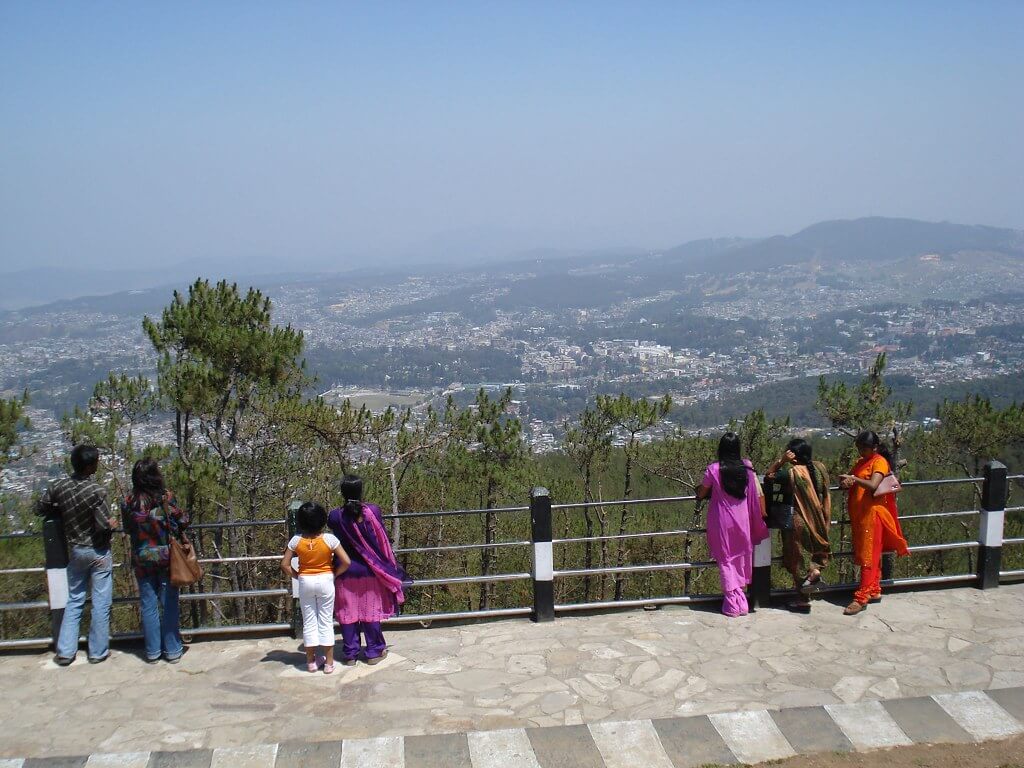
Shillong is one of the best places in North East India to visit in June 2026 because it offers a perfect mix of hill-station charm, music culture, colonial-era character, waterfalls, cafés, viewpoints, and easy access to nearby attractions. Known for its cool climate and scenic setting, Shillong becomes especially refreshing in June when the surrounding hills turn green and the air feels clean after rain.
June brings cloudy skies, occasional showers, and pleasant temperatures. The city is a good base for travellers who want comfort, restaurants, local markets, and day trips without going too remote. It is also easier to manage than many high-altitude or offbeat destinations during the early monsoon.
Top places to visit in Shillong include Ward’s Lake, Police Bazaar, Don Bosco Museum, Shillong Peak, Lady Hydari Park, Laitlum Canyons, and Elephant Falls. If you enjoy viewpoints, Laitlum is one of the most beautiful spots near Shillong, especially when clouds move across the valley. Elephant Falls is also more attractive during the rainy season because the water flow improves.
Shillong works well for families, couples, first-time Northeast travellers, and travellers who want a balanced June itinerary. It can be combined with Cherrapunji, Mawlynnong, Dawki, and Mawphlang Sacred Grove.
Why visit Shillong in June 2026?
- Cool weather compared with the plains
- Good base for Meghalaya sightseeing
- Waterfalls look better after rain
- Strong café and local food scene
- Easy access from Guwahati
Travel tip: Keep at least two nights in Shillong if you are planning day trips. Rain can slow down road travel, so avoid packing too many places into one day.
2. Cherrapunji, Meghalaya
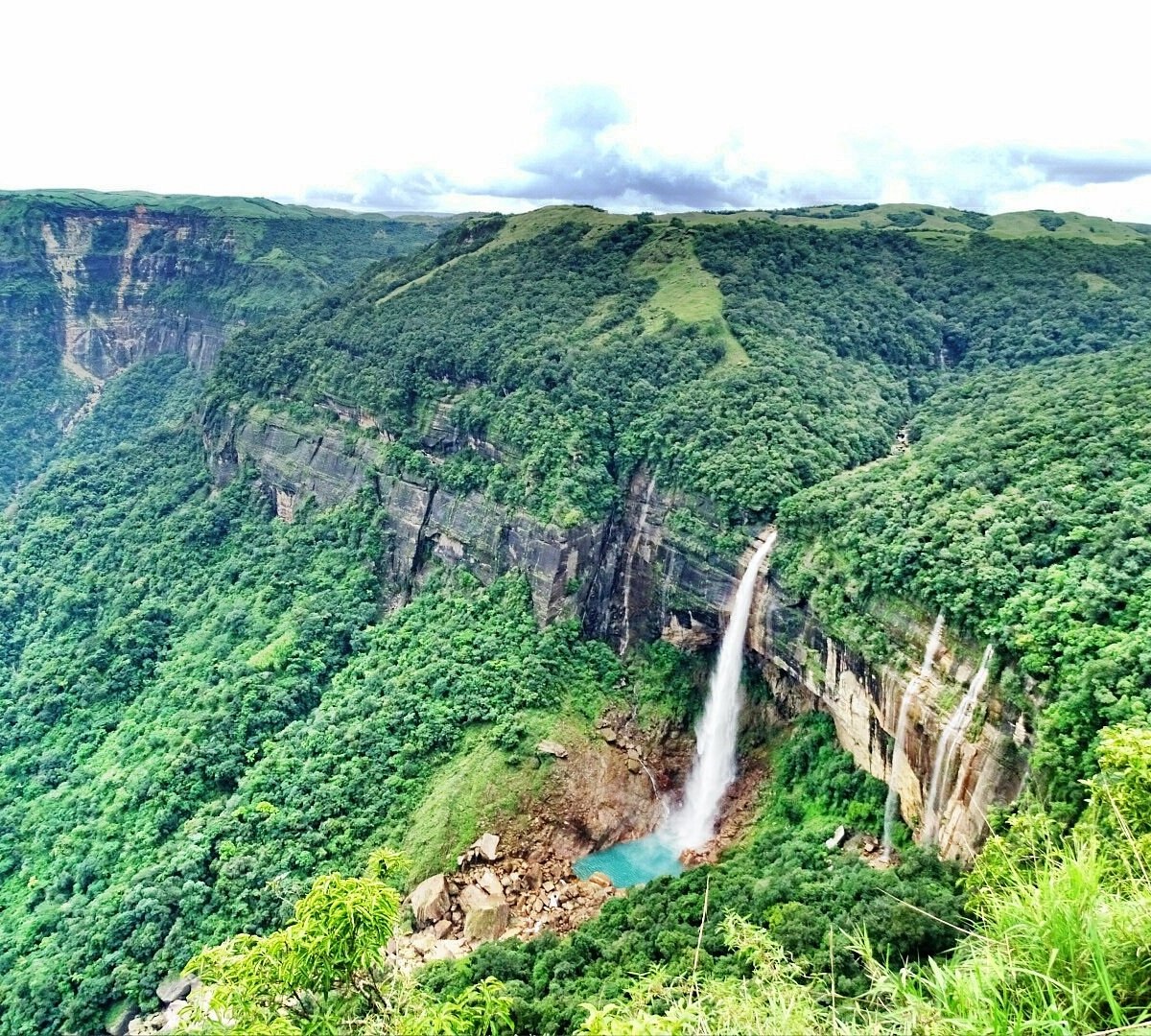
Cherrapunji, also known as Sohra, is one of the most iconic monsoon destinations in India. If your idea of a June holiday includes waterfalls, clouds, caves, cliffs, and intense green landscapes, Cherrapunji should be high on your list.
June is when the monsoon begins to reshape Cherrapunji into a powerful natural spectacle. Waterfalls become fuller, valleys disappear into mist, and the entire region feels alive. Travel sources regularly highlight Cherrapunji as a place where the monsoon transforms the landscape with cascading waterfalls and lush greenery.
The top attractions include Nohkalikai Falls, Seven Sisters Falls, Mawsmai Cave, Arwah Cave, Dainthlen Falls, Wei Sawdong Falls, Garden of Caves, and the Double Decker Living Root Bridge near Nongriat. Nohkalikai Falls is among the most famous waterfalls in India, and June often gives it a dramatic setting with clouds and heavy water flow.
Cherrapunji is ideal for nature lovers, photographers, hikers, and travellers who do not mind rain. It is not the best choice for those who want dry weather or predictable sightseeing. The beauty of Cherrapunji in June comes with wet roads, slippery trails, and sudden weather changes.
Why visit Cherrapunji in June 2026?
- One of India’s best monsoon landscapes
- Waterfalls at their most powerful
- Misty cliffs and caves
- Living root bridge experiences
- Great for photography
Travel tip: Wear anti-slip shoes and carry a rain cover for your phone and camera. If you plan to trek to Nongriat, start early and avoid the trail during very heavy rain.
3. Mawlynnong, Meghalaya
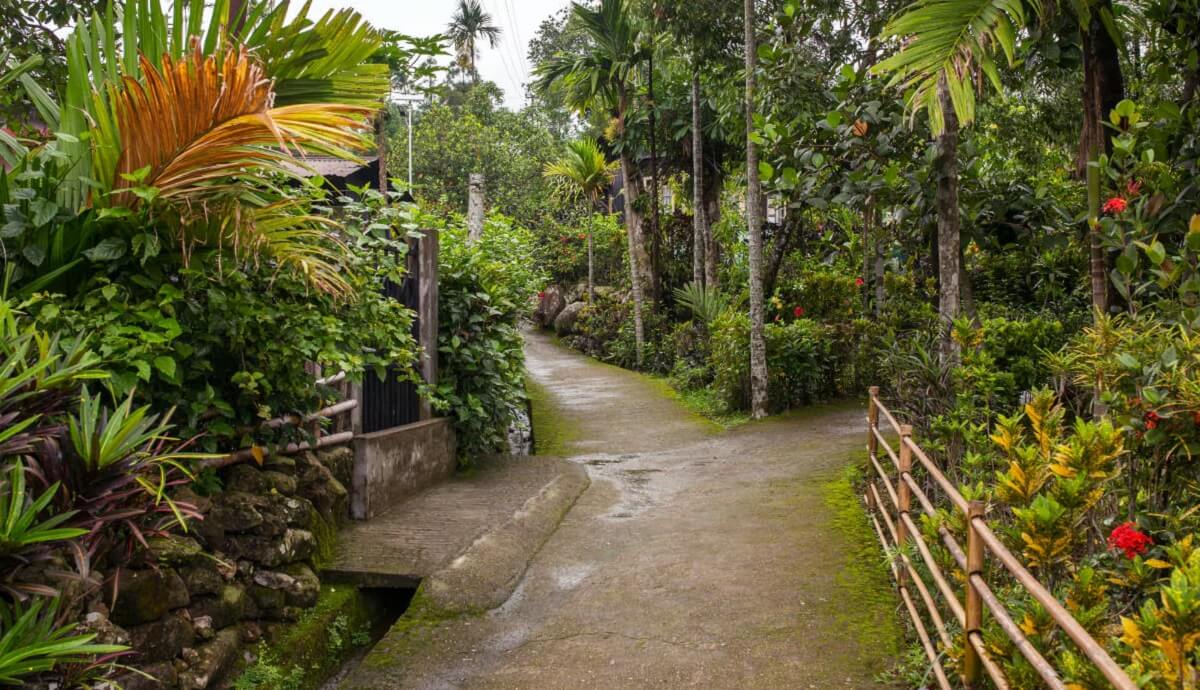
Mawlynnong is a peaceful village in Meghalaya, often included in itineraries with Dawki and the living root bridge at Riwai. In June, Mawlynnong looks fresh, green, and beautifully maintained. The village is known for its clean lanes, bamboo structures, gardens, and calm rural setting.
Mawlynnong is a good choice for travellers who want a softer monsoon experience compared with Cherrapunji. The rains make the surroundings greener, but the village itself is usually explored at a slower pace. You can walk through the village, visit the nearby living root bridge, climb the Sky View bamboo tower if conditions allow, and enjoy simple local food.
June adds a romantic and earthy mood to Mawlynnong. The trees shine after rain, flowers bloom, and the village feels quieter than many commercial hill stations. It is also a good destination for travellers interested in community-based tourism and village life.
Why visit Mawlynnong in June 2026?
- Beautiful village atmosphere
- Easy combination with Dawki and Riwai
- Good for slow travel
- Lush greenery during monsoon
- Cultural and rural experience
Travel tip: Do not treat Mawlynnong as just a photo stop. Spend a few hours walking slowly, interacting respectfully with locals, and supporting small village-run eateries or homestays.
4. Dawki and Shnongpdeng, Meghalaya
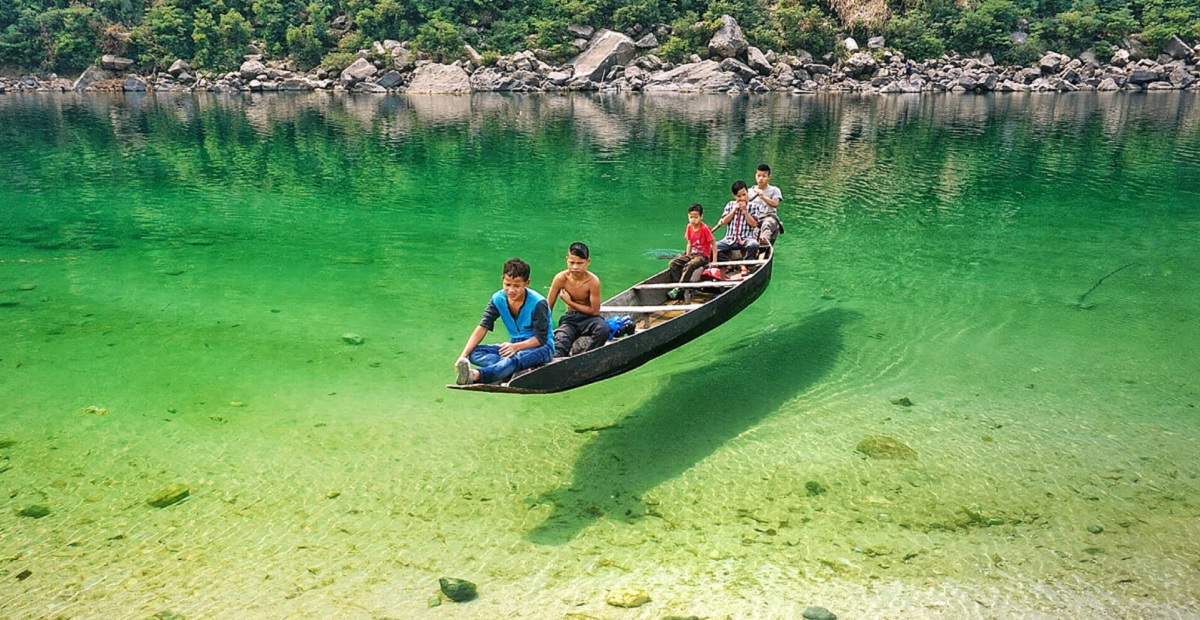
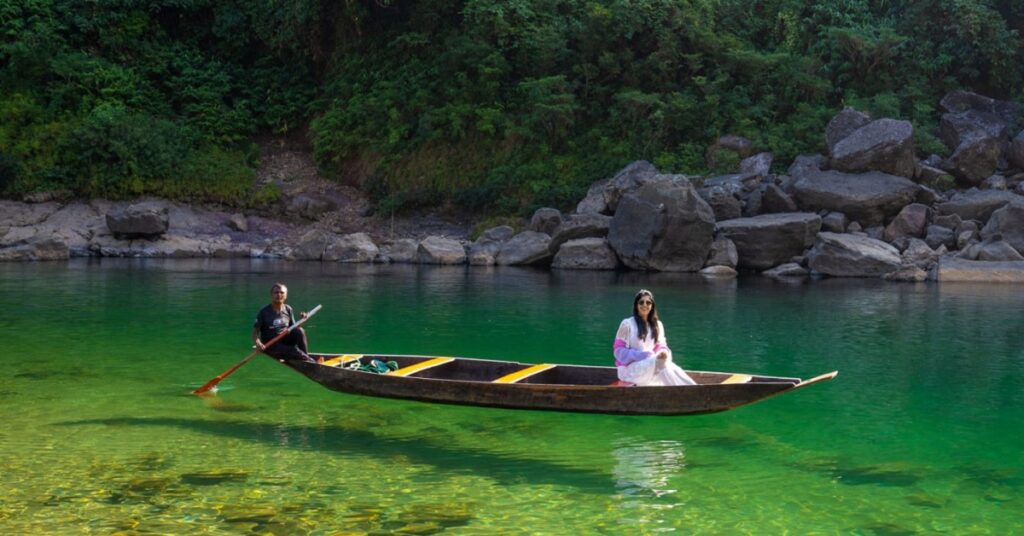
Dawki and Shnongpdeng are known for the Umngot River, suspension bridges, river views, and the India-Bangladesh border region. These places are often famous for crystal-clear water in the dry season, but June gives them a different character. The river may not be as transparent during monsoon, but the surrounding hills, clouds, and rain-washed scenery create a dramatic landscape.
Dawki is better for travellers who understand that June is not the peak “clear river” season. If your main goal is to see glass-like water, winter is better. But if you want moody monsoon scenery, village stays, river valley views, and a Meghalaya road trip, June can still be worthwhile.
Shnongpdeng is more relaxed than Dawki and is popular for riverside stays and adventure activities when conditions are suitable. In June, activities depend heavily on water levels and weather, so plans should remain flexible.
Why visit Dawki and Shnongpdeng in June 2026?
- Scenic river valley views
- Good combination with Mawlynnong
- Beautiful rain-washed landscapes
- Offbeat village atmosphere
- Great road trip from Shillong
Travel tip: Do not promise yourself boating or adventure activities in advance. Check local weather and river conditions before confirming activities.
Best Meghalaya Holiday Packages:
- Meghalaya Explorer Itinerary – 6 Nights / 7 Days
- Meghalaya Adventure Tour – 3 Nights / 4 Days
- Shillong, Cherrapunji, Dawki & Guwahati Trip – 4 Nights / 5 Days
- Shillong Cherrapunji Tour Package – 4 Nights / 5 Days
- Shillong, Cherrapunji & Kaziranga Holiday – 7 Nights / 8 Days
- Offbeat Meghalaya Trip – 4 Nights / 5 Days
- Grand Meghalaya Holiday – 7 Nights / 8 Days
5. Gangtok, Sikkim
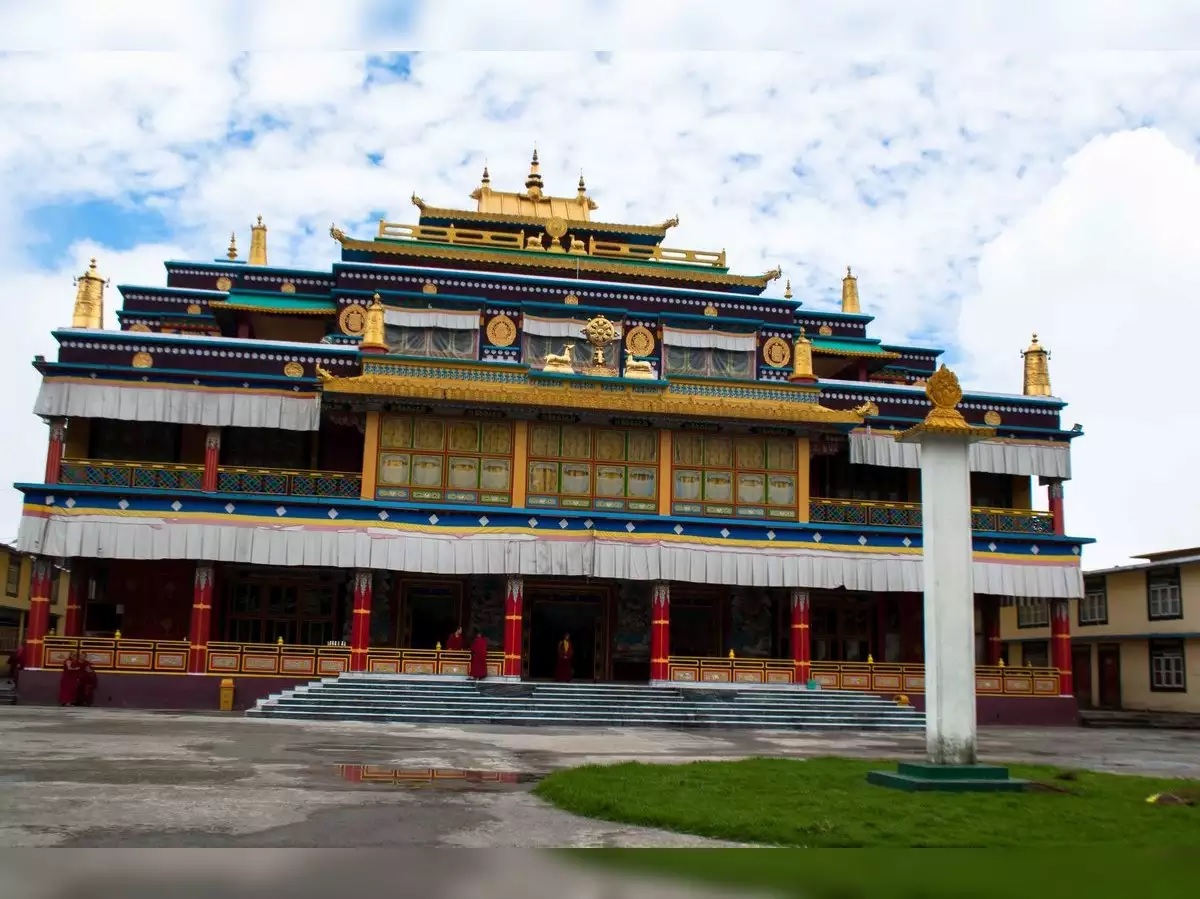
Gangtok is one of the most popular places in North East India to visit in June because it offers a comfortable Himalayan city experience with monasteries, viewpoints, cafés, markets, and day trips. As the capital of Sikkim, Gangtok has better tourism infrastructure than many remote mountain destinations, making it a practical choice during early monsoon.
June in Gangtok can bring rain and clouds, but the weather is still pleasant compared with the plains. On clear days, travellers may enjoy views of the surrounding mountains. On cloudy days, the city has a quiet, misty charm. Sikkim’s official tourism information highlights Gangtok and Pelling as key destinations in common travel circuits, while North Sikkim routes are often popular from March to June and again from September to December, subject to conditions.
Top attractions in Gangtok include Rumtek Monastery, Enchey Monastery, MG Marg, Tashi View Point, Hanuman Tok, Ganesh Tok, Namgyal Institute of Tibetology, Banjhakri Falls, and flower exhibitions. Tsomgo Lake and Nathula Pass are popular excursions, but access depends on permits, weather, and road conditions.
Why visit Gangtok in June 2026?
- Good infrastructure for first-time Sikkim travellers
- Monasteries, viewpoints, markets, and cafés
- Pleasant hill weather
- Good base for East Sikkim sightseeing
- Works well for families and couples
Travel tip: Keep one buffer day if you want to attempt Tsomgo Lake or Nathula Pass. Weather and permits can affect the plan.
6. Pelling, Sikkim
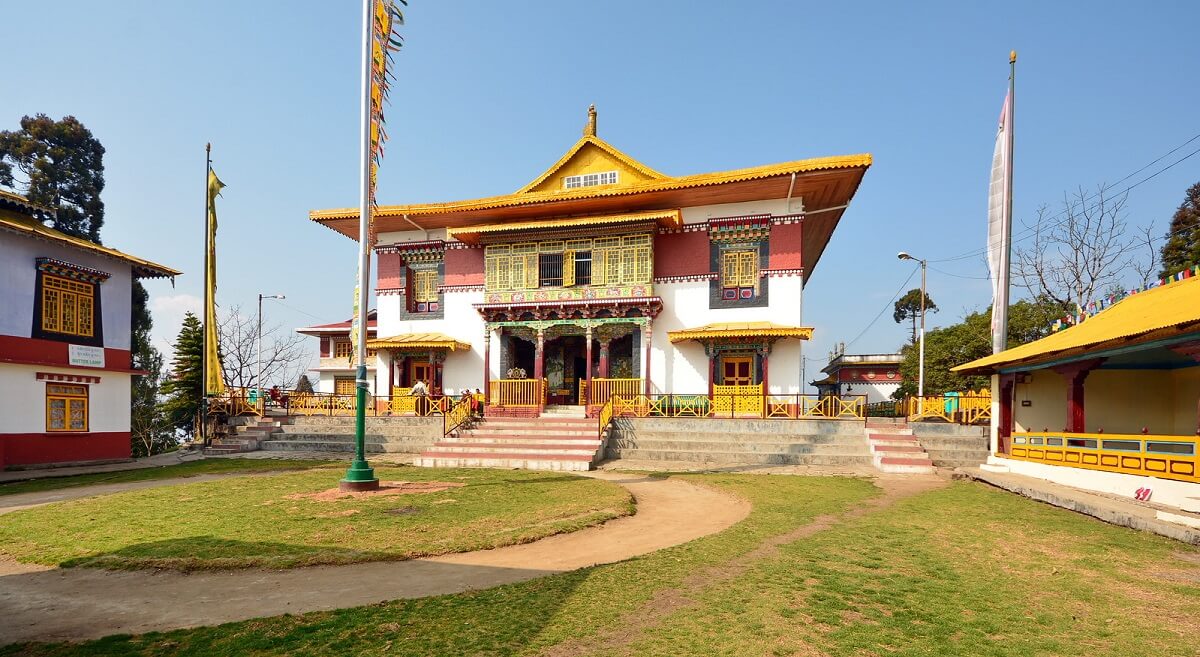
Pelling is a beautiful hill destination in West Sikkim, known for Kanchenjunga views, monasteries, waterfalls, and peaceful stays. It is often considered the second major tourist destination in Sikkim after Gangtok. The Sikkim government’s tourism information notes Pelling’s growing importance as a tourist destination near Gyalshing.
June in Pelling is lush, cloudy, and atmospheric. Mountain views may not always be clear due to monsoon clouds, but the forests, waterfalls, and villages look beautiful. If you are travelling for greenery, quiet landscapes, and a slower Sikkim experience, Pelling is a strong choice.
Top places to visit in and around Pelling include Pemayangtse Monastery, Rabdentse Ruins, Sky Walk, Chenrezig Statue, Khecheopalri Lake, Rimbi Waterfall, Kanchenjunga Waterfall, and Singshore Bridge. The combination of heritage, nature, and scenic drives makes Pelling suitable for travellers who want more than a quick hill station stop.
Why visit Pelling in June 2026?
- Peaceful alternative to Gangtok
- Monasteries and heritage sites
- Waterfalls and forest scenery
- Good for slow travel
- Beautiful monsoon landscapes
Travel tip: Do not rely only on Kanchenjunga views in June. Plan Pelling for monasteries, lakes, waterfalls, and local experiences, not just mountain visibility.
7. Lachung and Yumthang Valley, Sikkim
Lachung and Yumthang Valley are among the most scenic places in North Sikkim. June can be a rewarding time because the valley remains green and beautiful, and late spring to early summer often supports travel before heavier monsoon disruptions become more frequent. North Sikkim is commonly promoted for travel during March to June and September to December, although road access always depends on weather and permits.
Yumthang Valley is known for alpine scenery, river views, grazing landscapes, and seasonal flowers. Lachung works as the overnight base for Yumthang and nearby excursions. The journey from Gangtok to Lachung is long and scenic, passing waterfalls, mountain roads, and small settlements.
June travel to Lachung requires flexibility. Landslides and roadblocks are possible during rain, and permits are required for North Sikkim travel. It is best suited for travellers who are comfortable with mountain roads and changing plans.
Why visit Lachung and Yumthang in June 2026?
- One of Sikkim’s most beautiful valley landscapes
- Green mountain scenery
- Waterfalls along the route
- Cooler weather
- Great for nature lovers
Travel tip: Book through a reliable local operator and keep your itinerary flexible. Avoid planning a flight or train immediately after returning from North Sikkim.
8. Tawang, Arunachal Pradesh
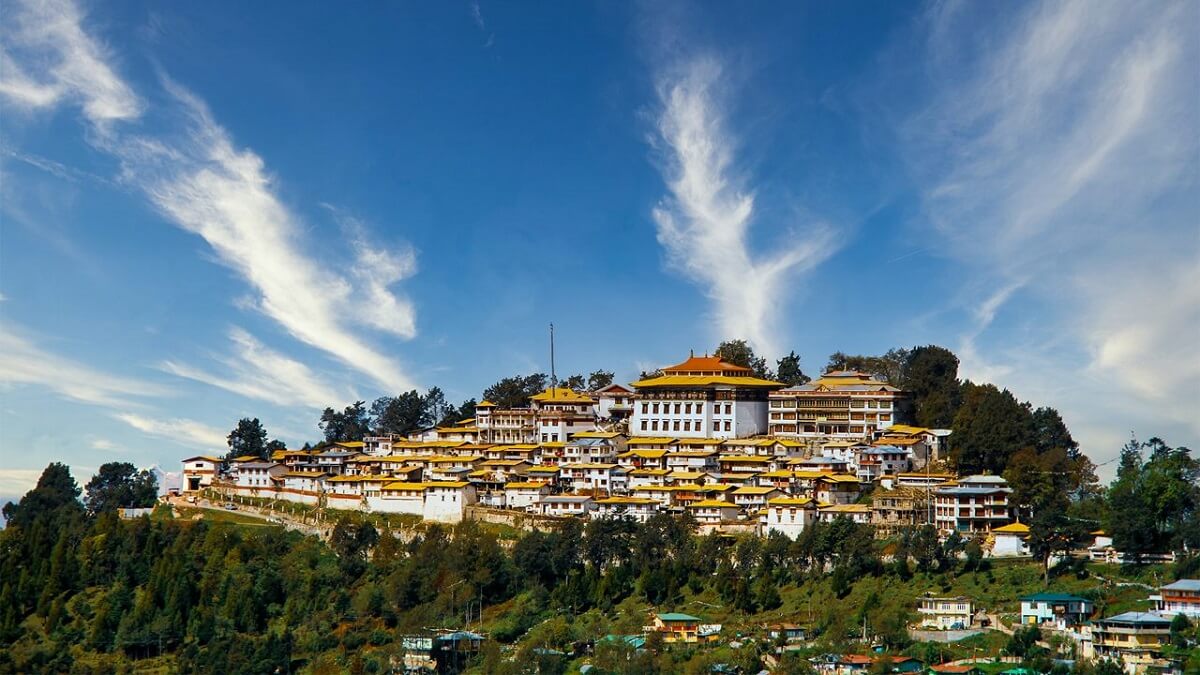
Tawang is one of the most spectacular destinations in North East India. Located in western Arunachal Pradesh, it is known for its high-altitude Himalayan scenery, Buddhist monasteries, lakes, war memorials, mountain passes, and Monpa culture. Arunachal Tourism describes Tawang as historically and naturally endowed, located around 3,500 metres above sea level, with mesmerizing valleys, rivers, and mountain ranges.
June can be a good time to visit Tawang because the extreme winter snow has usually reduced, roads are more accessible than in deep winter, and the landscape begins to look greener. However, it is still a high-altitude mountain route, and rain can affect roads. Travellers should keep buffer days and avoid rushing.
Top places to visit in Tawang include Tawang Monastery, Tawang War Memorial, Urgelling Monastery, Giant Buddha Statue, P.T. Tso Lake, Madhuri Lake, Nuranang Falls, Sela Pass, and Bum La Pass if permits and conditions allow. The district tourism website describes Tawang as a mountainous region near 10,000 feet, with snow-capped peaks, lakes, pleasant climate, and hospitable people.
Why visit Tawang in June 2026?
- Grand Himalayan scenery
- Tawang Monastery and Buddhist culture
- Lakes, waterfalls, and mountain passes
- Strong cultural identity
- Less commercial than many Himalayan destinations
Travel tip: Tawang requires an Inner Line Permit for Indian travellers and Protected Area Permit arrangements for foreign nationals. Check current rules before travel.
9. Ziro Valley, Arunachal Pradesh
Ziro Valley is one of the most beautiful cultural landscapes in Arunachal Pradesh. Known for rice fields, pine hills, Apatani tribal culture, village walks, and a calm rural setting, Ziro is ideal for travellers who prefer slow, meaningful journeys over crowded sightseeing.
Arunachal Tourism describes Ziro as a beautiful plateau and one of the oldest towns in Arunachal Pradesh, located around 167 km from Itanagar. In June, the valley becomes greener and more photogenic. Paddy fields, misty hills, bamboo homes, and village paths create a peaceful atmosphere.
Top experiences in Ziro include visiting Hong village, Hari village, local Apatani settlements, Talley Valley viewpoints, pine groves, rice fields, and local markets. Ziro is also known for its cultural depth, so respectful travel matters. Ask before photographing people, dress modestly in villages, and support local homestays where possible.
Why visit Ziro Valley in June 2026?
- Lush valley landscapes
- Apatani culture and village life
- Peaceful homestay experiences
- Great for photography
- Offbeat alternative to mainstream hill stations
Travel tip: Ziro is not a checklist destination. Spend at least two nights to enjoy the valley properly.
10. Majuli, Assam
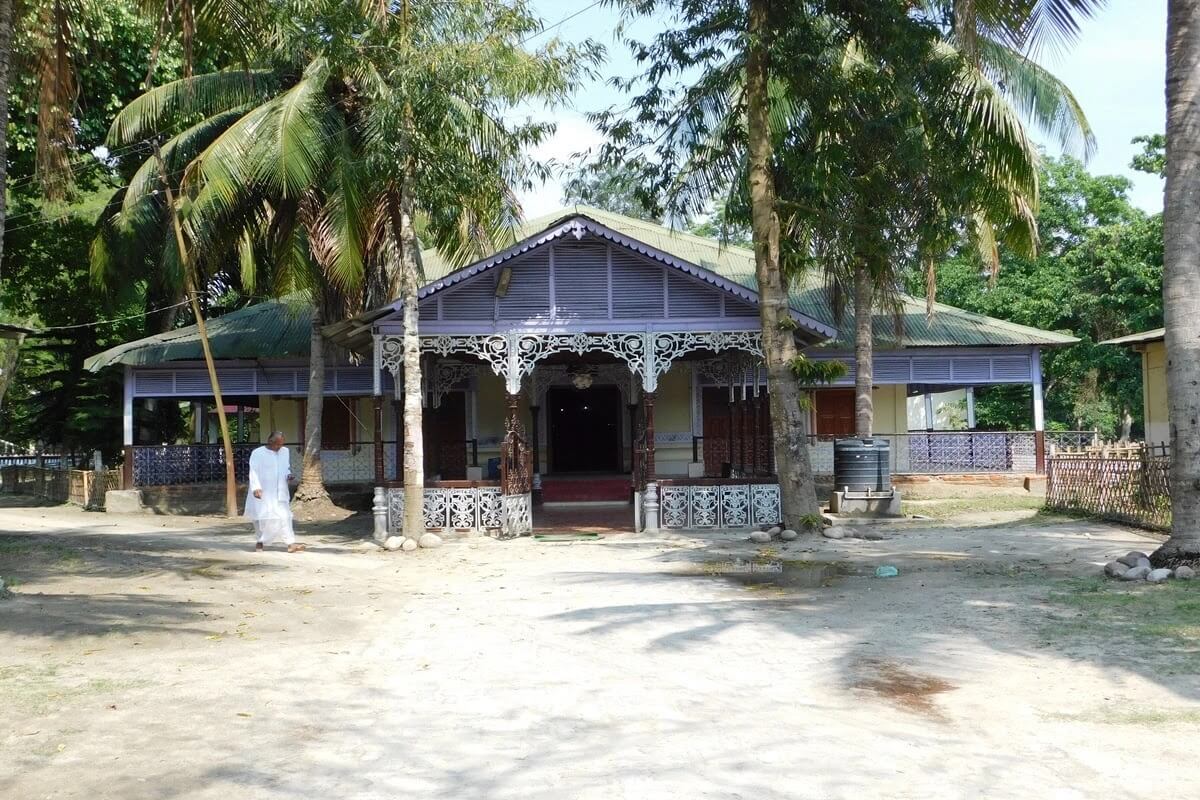
Majuli is one of the most culturally distinctive places in North East India. Located on the Brahmaputra River, Majuli is known for satras, Vaishnavite culture, mask-making traditions, river island landscapes, pottery, and village life. It offers a very different experience from the hill destinations of Meghalaya, Sikkim, and Arunachal Pradesh.
June in Majuli is green and humid, with the early monsoon influencing river levels and local movement. It is not the easiest month for travel, but it can be rewarding for travellers interested in culture, rural life, and photography. The island’s beauty lies in its simplicity: bamboo houses, open fields, riverbanks, monasteries, and traditional arts.
Top places to visit include Auniati Satra, Kamalabari Satra, Samaguri Satra, local mask-making workshops, pottery villages, and river viewpoints. Majuli works best for travellers who want a slow cultural stay rather than fast sightseeing.
Why visit Majuli in June 2026?
- Unique river island culture
- Satras and traditional art
- Rural Assamese life
- Photography and slow travel
- Good combination with Jorhat and Kaziranga region
Travel tip: Ferry schedules may be affected by weather and river conditions. Confirm timings locally before planning arrival and departure.
11. Kaziranga Region, Assam
Kaziranga National Park is one of India’s most famous wildlife destinations, best known for the one-horned rhinoceros. The North Eastern Council highlights Kaziranga among the important wildlife sanctuaries and national parks of the Northeast, along with Manas, Nameri, Orang, Dibru-Saikhowa, Namdapha, Balpakram, Keibul Lamjao, Intanki, and Khangchendzonga.
However, June is generally not the main safari season for Kaziranga because the monsoon affects park access and many safari operations are seasonal. So why include the Kaziranga region in a June list? Because the surrounding landscape, tea gardens, Assamese villages, and nearby cultural experiences can still be part of a broader Assam itinerary if you are not expecting core wildlife safaris.
In June, travellers can explore nearby tea estates, local villages, orchid centres if open, and road journeys through Assam’s green countryside. It can also be combined with Majuli, Jorhat, or Guwahati depending on weather and logistics.
Why visit the Kaziranga region in June 2026?
- Lush Assam countryside
- Tea garden landscapes
- Cultural stops around the region
- Good road trip route in Assam
- Useful stop between Guwahati and Upper Assam
Travel tip: Do not plan June primarily for Kaziranga jeep safaris. Check official park opening dates and seasonal restrictions before building your itinerary.
12. Haflong, Assam
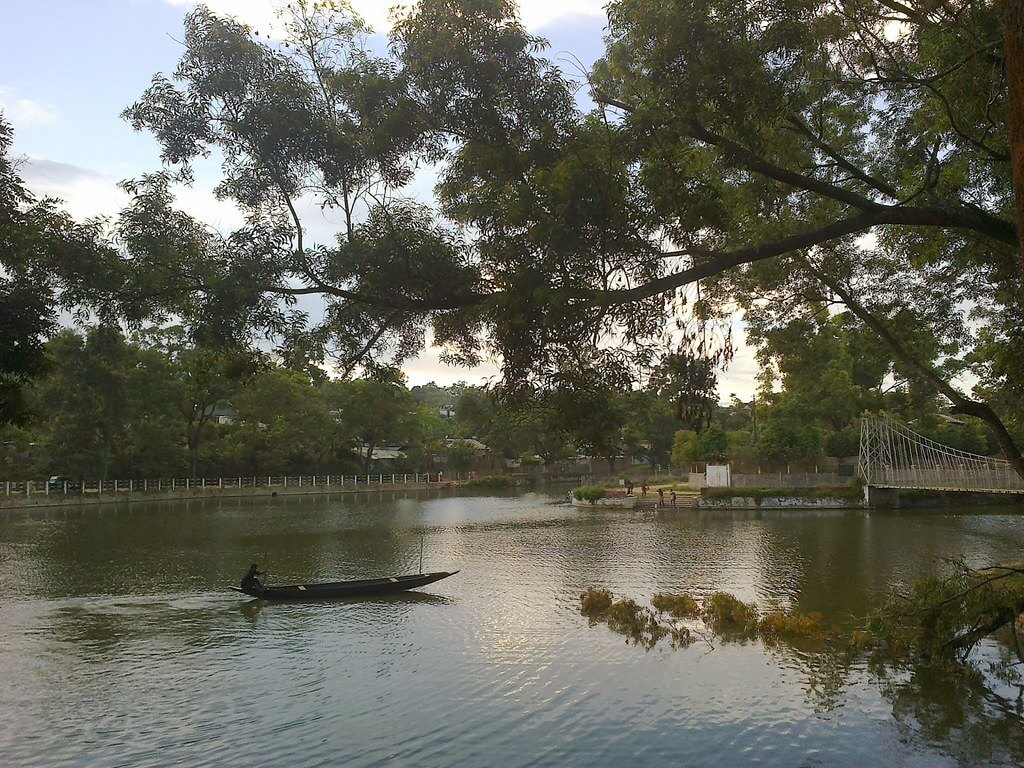
Haflong is Assam’s only hill station and a peaceful alternative to the more popular hill destinations of Meghalaya and Sikkim. It is surrounded by hills, lakes, valleys, and tribal villages. For travellers looking for a quieter June escape in North East India, Haflong can be a refreshing choice.
June makes Haflong green and atmospheric. The rains bring freshness to the hills, and the region feels less commercial than many better-known destinations. Haflong Lake, nearby viewpoints, village trails, and scenic drives are the main attractions. It is also a good destination for travellers who enjoy lesser-known places and do not need luxury infrastructure everywhere.
Haflong is often mentioned in summer hill station lists for Northeast India because of its cooler climate and scenic setting. It is best suited for travellers who want peace, nature, and local character.
Why visit Haflong in June 2026?
- Assam’s only hill station
- Quiet and less crowded
- Green monsoon scenery
- Good for slow travel
- Offbeat alternative to Shillong
Travel tip: Road and rail connectivity should be checked before travel, especially during the monsoon. Keep plans flexible.
13. Aizawl, Mizoram
Aizawl is one of the most underrated hill cities in North East India. Built across ridges and slopes, it offers sweeping views, clean neighbourhoods, churches, local markets, and a distinct cultural identity. June brings rain and mist, but also makes the surrounding hills deeply green.
Aizawl is ideal for travellers who want to explore a quieter state capital with strong local culture. It is not a typical touristy hill station, and that is part of its charm. You can visit Solomon’s Temple, Mizoram State Museum, local markets, viewpoints, and nearby villages. The city is also a good base for understanding Mizo food, music, community life, and hill culture.
Aizawl has been included among notable summer hill destinations in Northeast India due to its landscapes and cultural mix. In June, it is best for travellers who are comfortable with rain and want a slower, more local experience.
Why visit Aizawl in June 2026?
- Distinct Mizo culture
- Hill city views
- Less crowded than mainstream destinations
- Local markets and food
- Good for cultural travellers
Travel tip: Mizoram has its own travel rhythm. Plan fewer places per day and allow time for local movement, weather, and relaxed exploration.
Option 1: Meghalaya and Assam Itinerary:
Day 1: Arrive in Guwahati and drive to Shillong
Reach Shillong and relax around Police Bazaar or Ward’s Lake.
Day 2: Shillong sightseeing
Visit Shillong Peak, Elephant Falls, Don Bosco Museum, and Laitlum Canyons.
Day 3: Shillong to Cherrapunji
Explore Nohkalikai Falls, Mawsmai Cave, Seven Sisters Falls, and nearby viewpoints.
Day 4: Cherrapunji and Nongriat
Trek to the Double Decker Living Root Bridge if weather allows.
Day 5: Mawlynnong and Dawki
Visit Mawlynnong village, Riwai Living Root Bridge, and Dawki/Shnongpdeng.
Day 6: Return to Shillong
Enjoy cafés, local markets, and a relaxed evening.
Day 7: Shillong to Guwahati
Visit Umiam Lake on the way and explore Guwahati.
Day 8: Guwahati to Majuli or Jorhat
Travel toward Upper Assam depending on your route.
Day 9: Majuli cultural exploration
Visit satras, mask-making workshops, and village areas.
Day 10: Departure
Return via Jorhat or Guwahati.
Option 2: Sikkim Itinerary
Day 1: Arrive in Gangtok
Relax at MG Marg.
Day 2: Gangtok local sightseeing
Visit Rumtek Monastery, Enchey Monastery, Tashi View Point, and Banjhakri Falls.
Day 3: Tsomgo Lake or local buffer day
Attempt Tsomgo Lake if permits and weather allow.
Day 4: Gangtok to Lachung
Drive to North Sikkim with waterfall stops.
Day 5: Yumthang Valley and return to Gangtok or Lachung
Explore Yumthang depending on road conditions.
Day 6: Gangtok to Pelling
Drive to West Sikkim.
Day 7: Pelling sightseeing
Visit Pemayangtse Monastery, Rabdentse Ruins, Sky Walk, and waterfalls.
Day 8: Pelling to Kalimpong or return route
Add a relaxed hill stop if needed.
Day 9: Buffer day
Useful in June due to weather.
Day 10: Departure
Leave via Bagdogra or New Jalpaiguri.
Option 3: Arunachal Pradesh Itinerary:
Day 1: Guwahati to Bhalukpong or Dirang
Start the road journey toward western Arunachal.
Day 2: Dirang sightseeing
Visit monasteries, hot springs, and valley areas.
Day 3: Dirang to Tawang via Sela Pass
Drive slowly and enjoy the mountain route.
Day 4: Tawang sightseeing
Visit Tawang Monastery, War Memorial, and local viewpoints.
Day 5: Tawang lakes and waterfalls
Visit Madhuri Lake, P.T. Tso, or Nuranang Falls if conditions allow.
Day 6: Tawang to Bomdila or Dirang
Begin return journey.
Day 7: Return to Guwahati
Keep the day flexible.
Day 8: Fly or drive toward Ziro route
Only if you have more time.
Day 9: Ziro Valley
Explore villages, rice fields, and local culture.
Day 10: Departure
Return via Itanagar or Guwahati depending on route.
Weather in North East India in June 2026
Weather in North East India in June varies by state and altitude. Meghalaya and Assam receive strong monsoon influence. Sikkim and Arunachal Pradesh can experience rain, clouds, landslides, and road delays, especially in hill and mountain areas. Mizoram, Nagaland, and Manipur also receive monsoon showers and become lush.
General June weather pattern:
- Meghalaya: Rainy, misty, lush, waterfall season
- Assam: Warm, humid, rainy, green countryside
- Sikkim: Pleasant to cool in hills, rainy, cloudy
- Arunachal Pradesh: Varies by altitude, rain possible, road conditions important
- Mizoram: Rainy, green, misty hill views
- Nagaland and Manipur: Green landscapes, showers, humid valleys
The most important June travel rule is to keep flexibility. Avoid planning too many long drives back-to-back. Choose fewer destinations and spend more time in each place.
Travel Tips for Visiting North East India in June 2026:
1. Carry proper rain gear
A rain jacket, umbrella, waterproof backpack cover, and quick-drying clothes are essential. Meghalaya Tourism specifically recommends waterproof bags, rain jackets, umbrellas, anti-slip shoes, quick-drying clothes, and checking weather warnings during monsoon.
2. Wear good walking shoes
Many attractions in Meghalaya, Sikkim, and Arunachal involve steps, slopes, wet rocks, or muddy trails. Avoid smooth-soled shoes.
3. Keep buffer days
This is especially important for Tawang, North Sikkim, Ziro, and remote Meghalaya routes. Rain can slow travel.
4. Check permits
Arunachal Pradesh requires permits. Sikkim also requires permits for places like Nathula, Tsomgo Lake, and North Sikkim routes. Always check updated rules before travel.
5. Avoid overpacking the itinerary
North East India is not a region to rush. Distances may look short on maps, but mountain roads take time.
6. Book reliable transport
Choose experienced drivers for hill routes. In June, local road knowledge matters.
7. Respect local culture
Many places in the Northeast have strong community traditions. Dress respectfully, ask before taking photos, and follow local rules.
8. Keep cash
Digital payments are common in towns, but remote areas may still require cash.
9. Check park and activity status
Wildlife parks, river activities, treks, and high-altitude routes may be affected by seasonal closures or weather.
10. Travel slow
The best June experiences in North East India often come from sitting in a café during rain, watching clouds move through valleys, walking through villages, or listening to waterfalls after a shower.
Best Places by Travel Style:
Best for waterfalls
- Cherrapunji
- Shillong
- Dawki-Shnongpdeng
- Pelling
- Tawang
Best for culture
- Majuli
- Ziro Valley
- Tawang
- Aizawl
- Shillong
Best for first-time travellers
- Shillong
- Cherrapunji
- Gangtok
- Pelling
- Guwahati-Assam route
Best for offbeat travellers
- Ziro Valley
- Haflong
- Aizawl
- Majuli
- Shnongpdeng
Best for couples
- Shillong
- Cherrapunji
- Pelling
- Gangtok
- Ziro Valley
Best for families
- Shillong
- Gangtok
- Pelling
- Mawlynnong
- Haflong
Final Thoughts
The best places in North East India to visit in June 2026 are not just about sightseeing. They are about atmosphere. June brings clouds over Shillong, roaring waterfalls in Cherrapunji, green rice fields in Ziro, misty monasteries in Tawang, quiet lakes in Pelling, and rain-washed roads through Assam and Mizoram.
If you enjoy clear blue skies every day, June may not be your perfect month. But if you love monsoon landscapes, soft mist, dramatic waterfalls, cool hills, and cultural depth, North East India in June can be unforgettable.
For a first trip, choose Meghalaya or Sikkim. For a deeper mountain journey, choose Arunachal Pradesh. For culture and slow travel, add Majuli, Ziro, or Aizawl. The key is to plan with flexibility, respect the weather, and give each destination enough time.
North East India rewards travellers who do not rush. In June 2026, that slow approach may give you some of the most beautiful travel memories of the year.
Recommended North East India Travel Reads:
- North East India in August 2026: Best Places for a Scenic Trip
- First-Time Guide to Planning a North East India Trip in 2026
- 12 Best Places to Visit in Northeast India in May 2026
- Best Time to Go Trekking in North East India
- North East India in December 2026: Best Places to Visit
- Best Tourist Places to Explore in North East India
- Assam Culture and Traditions: What Travelers Should Know
- Best Summer Hill Stations in North East India
- Amazing Facts About Tripura, the Jewel of North East India
- Best Winter Treks in India for December 2026.
- Shillong Travel Places to Visit in May 2026