From silk looms to satras, discover Assam’s living heritage beyond the tourist trail.
When people think of Northeast India, the first images that often come to mind are lush green hills, winding rivers, and quiet tea gardens. But Assam — one of the most vibrant states in the region — is far more than its scenic beauty. It is a land of deep-rooted traditions, diverse ethnic communities, centuries-old spiritual practices, and a culture that balances ancient customs with everyday life.
If you’re planning a trip to Assam and are curious to go beyond just sightseeing, this guide offers a deeper look at the unique cultural traditions, festivals, food, attire, language, and rural lifestyle of Assam. By the time you finish reading, you’ll have more than just a travel plan—you’ll have a real connection to the people and stories that make Assam special.
The Rich Cultural Tapestry of Assam
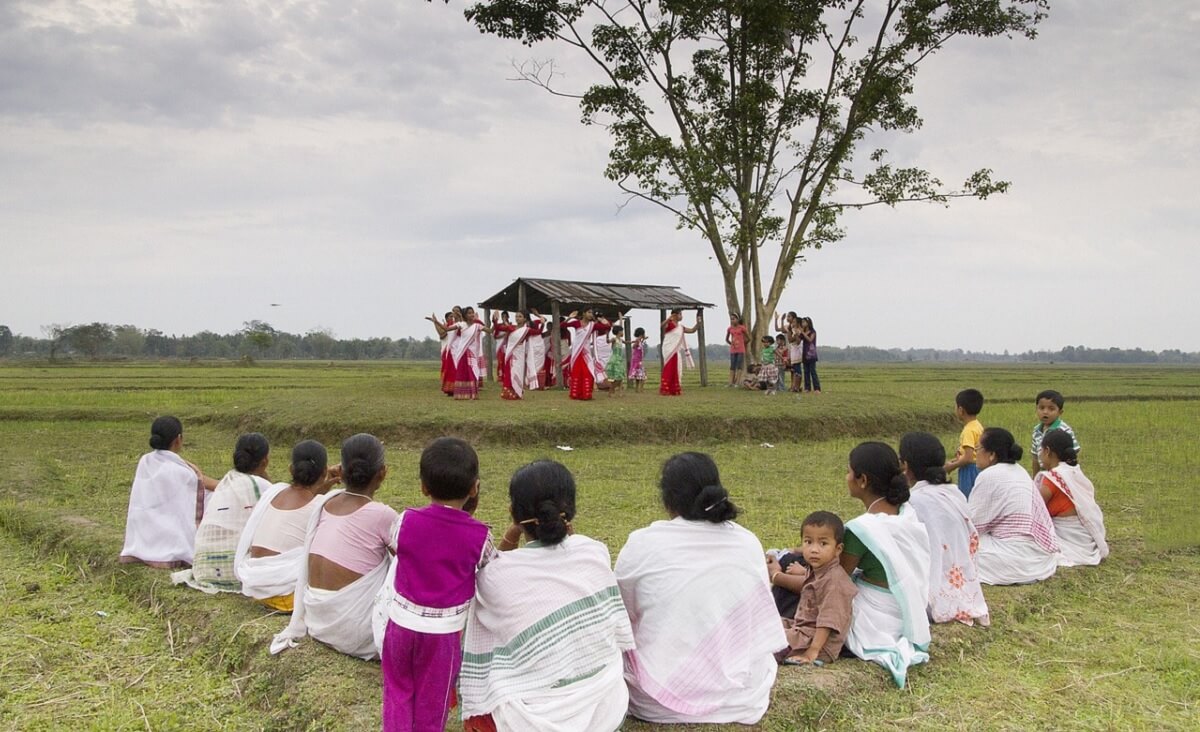
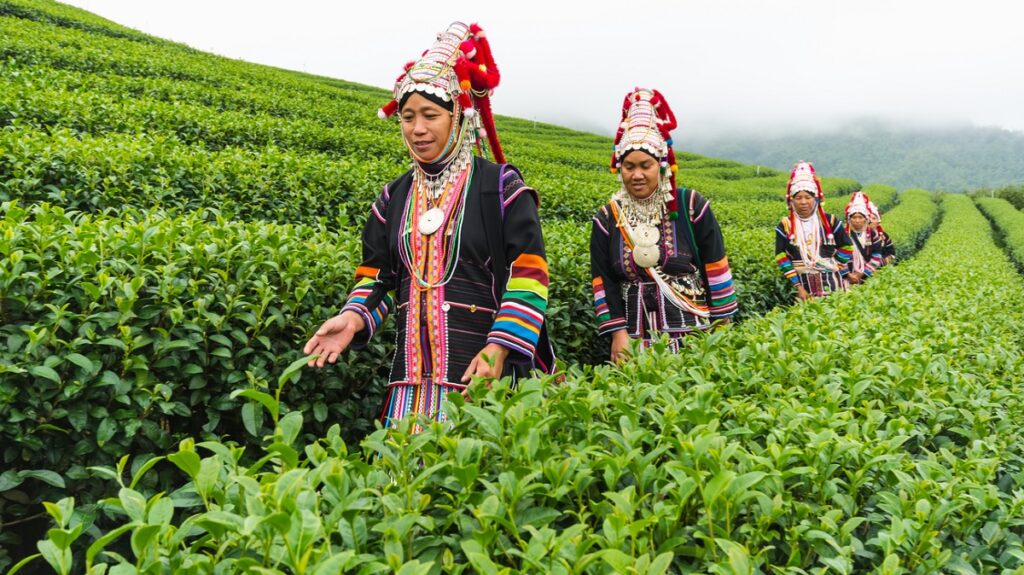
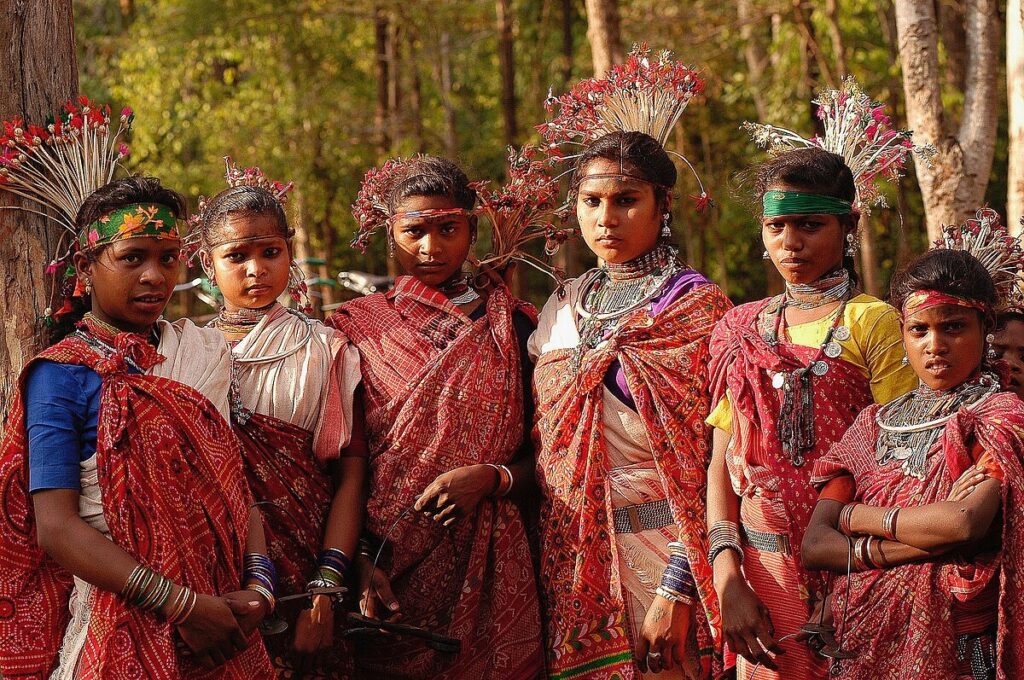
Assam’s culture is built on a blend of tribal and non-tribal influences. More than 200 ethnic communities live here, each with their own customs, music, festivals, and languages. This rich diversity comes together to form one of the most distinct cultural identities in India.
The majority population is Assamese-speaking, but you’ll also hear Bodo, Mising, Karbi, Dimasa, and many other languages across different regions. From the plains of the Brahmaputra Valley to the tribal hills near Nagaland and Arunachal, every part of Assam tells a different cultural story.
Rituals here are not just performed—they are lived. From morning chants at a namghar (local prayer hall) to traditional handloom weaving done in most village homes, culture is woven into everyday life. Cool Off at the Best Hill Stations in Northeast India
Majuli Island – The Cultural Heart of Assam
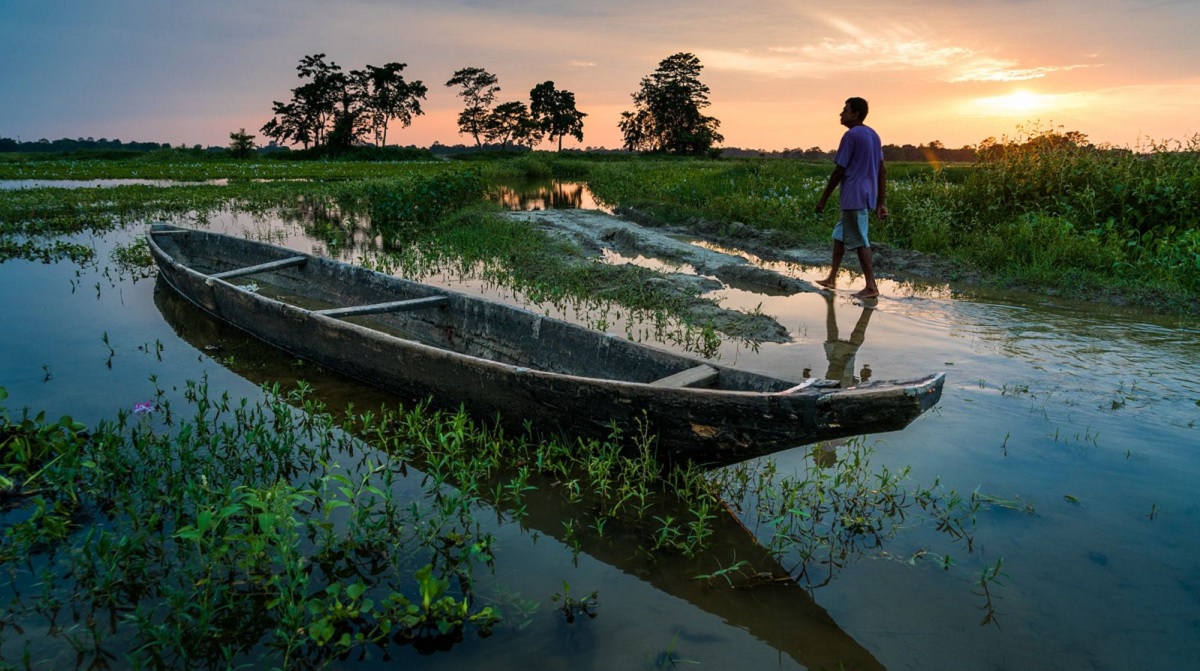
One of the best places to experience Assamese culture up close is Majuli, the world’s largest river island, located on the Brahmaputra River. It is not only scenic but also deeply spiritual and artistic.
Majuli is home to several Vaishnavite satras — monasteries that practice and preserve the teachings of 15th-century saint Srimanta Sankardev. These satras are centers of dance, music, art, and theology. The monks here perform ancient dance forms like Sattriya, now recognized as one of India’s classical dances.
Visitors can watch mask-making at Samaguri Satra, listen to devotional music, or participate in prayers at the monasteries. Most locals still live in bamboo huts and follow age-old customs, making Majuli feel timeless and welcoming.
Best time to visit is post-monsoon, between October and March, when the island is dry and accessible. Plan Your First Trip to Northeast India – Easy Guide
Traditional Attire and Handloom Heritage
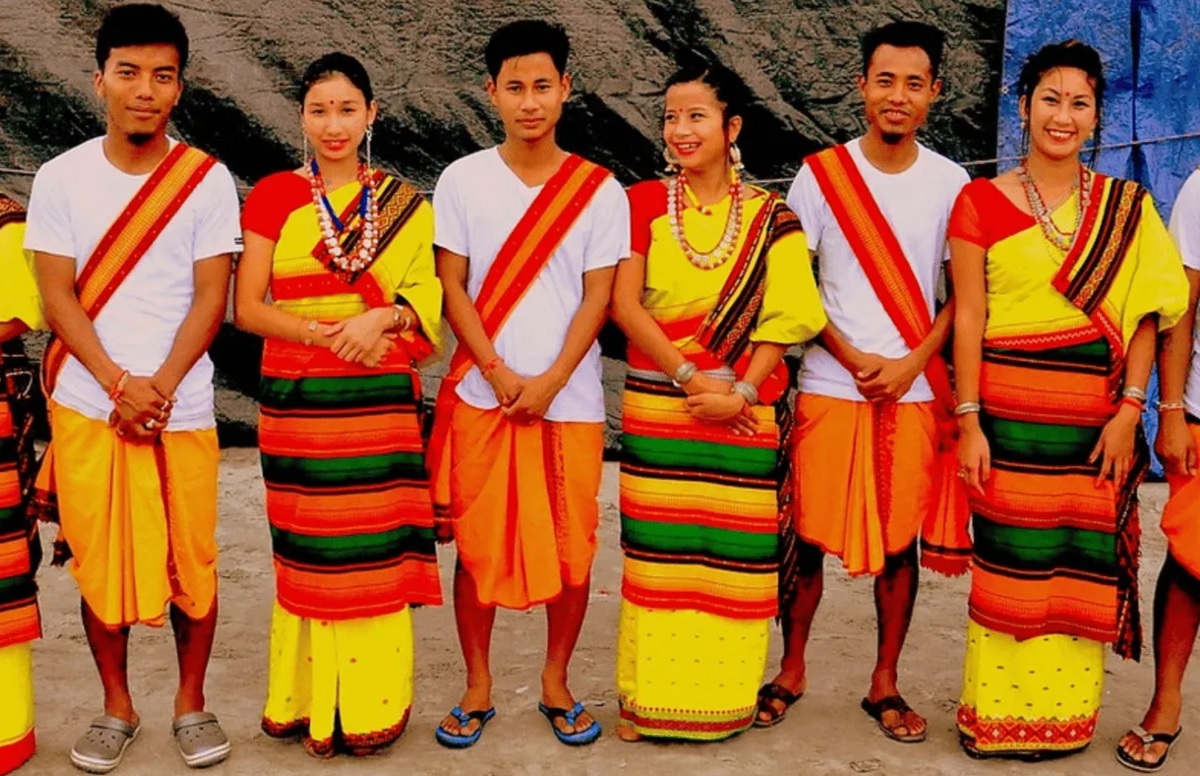
One of the most recognizable symbols of Assamese culture is the mekhela chador — the traditional attire worn by women. Made from locally woven silk, especially the famed Muga silk, the mekhela chador is elegant and full of meaning. Each design represents a story, and each thread is a link to generations of artistry.
Villages across Assam still use traditional handlooms in homes, particularly in districts like Sualkuchi — also known as the “Silk Village of Assam.” Here, you can walk through narrow village lanes and hear the rhythmic clatter of wooden looms in every house.
You can also buy authentic, handcrafted Assamese silk directly from weavers—supporting local families and carrying a piece of Assam’s culture home with you. Experience the Assam Tea Festival – Complete Guide
Festivals that Reflect Assamese Identity

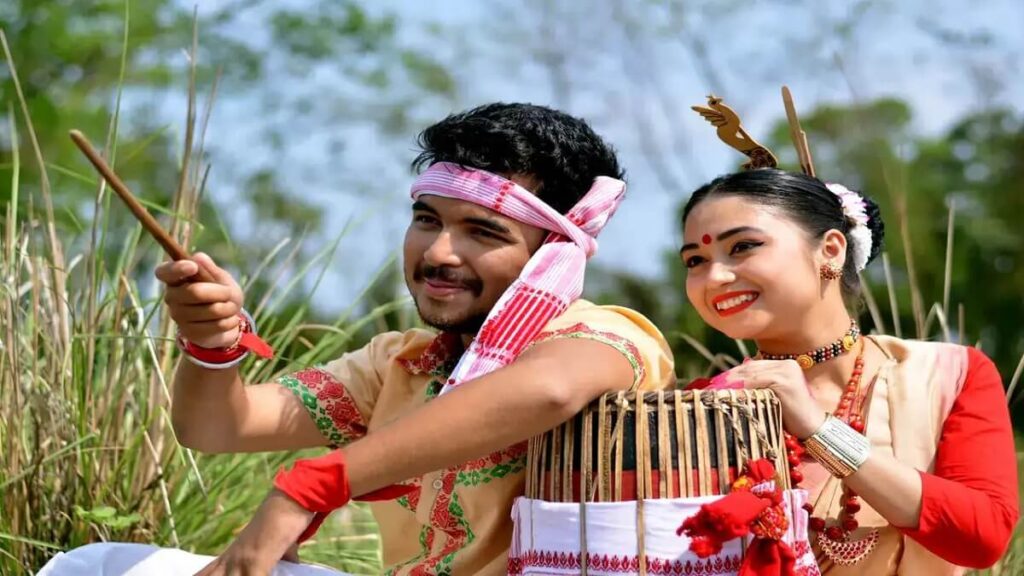
No cultural journey in Assam is complete without experiencing its festivals. The most famous is Bihu, celebrated three times a year. The most vibrant of these is Rongali Bihu in April, marking the Assamese New Year.
During Bihu, the whole state comes alive with music, dance, and color. Young men and women perform Bihu dance, wear traditional clothing, and play instruments like the dhol, pepa, and toka. It’s a time of joy, renewal, and deep cultural pride.
Other important festivals include:
- Ali-Aye-Ligang: Celebrated by the Mising tribe in February, it’s a harvest festival that includes group dances and rice beer.
- Baishagu: A spring festival of the Bodo community, with vibrant music and folk dances.
- Durga Puja and Eid: Celebrated with equal enthusiasm, showing the state’s spiritual diversity.
Attending these festivals offers a window into Assam’s inclusive, colorful identity. Book the Best Hotels in Assam – Stay in Comfort
Flavors of Assam: A Culinary Tradition Rooted in Nature
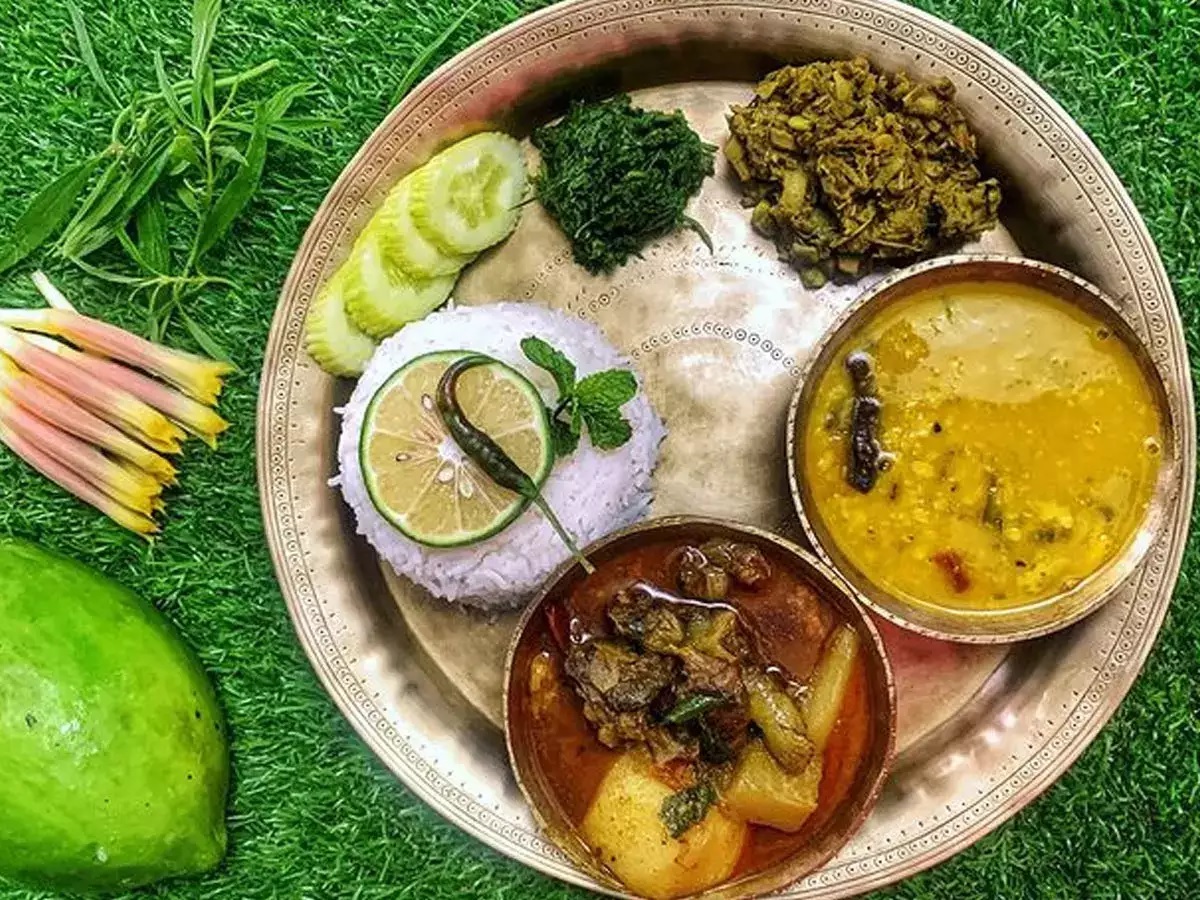
Assamese cuisine is simple, flavorful, and deeply connected to the land. Rice is a staple, and meals are usually accompanied by fresh greens, fermented items, bamboo shoots, and river fish. Must try 8 Famous Foods of Assam: What to Eat
Must-try dishes include:
- Aloo Pitika – mashed potatoes with mustard oil and green chilies
- Masor Tenga – a light, tangy fish curry with tomatoes or elephant apple
- Duck Curry – slow-cooked duck with black sesame or ash gourd
- Khar – an alkaline dish made with raw papaya and banana ash extract
- Pitha – sweet rice cakes served during festivals
Fermented foods and rice beer (known as apong in tribal areas) are also an important part of village life, particularly among tribal communities.
If you’re visiting local homes or rural stays, expect food to be served on bell metal plates or banana leaves, with warm hospitality and pride in every dish. Visit Assam in May – Weather, Places & Travel Tips
Rural Life and Staying with Locals
To truly understand Assam’s way of life, consider staying in a village homestay. Across Majuli, Kaziranga, and parts of Dibrugarh and Dhemaji, locals offer rooms in their traditional bamboo homes, often with homemade meals and guided walks.
Daily life revolves around farming, fishing, weaving, and seasonal rituals. Waking up to the sound of birds, helping a local family in the fields, or learning to cook over a wood fire are just some of the authentic experiences that reveal the soul of Assamese living.
In many tribal villages, the community is the center of life. Homes are open, people greet strangers with warm smiles, and hospitality is natural and effortless. Plan Your Journey: How to Reach Majuli Island Easily
Music, Dance, and Oral Traditions
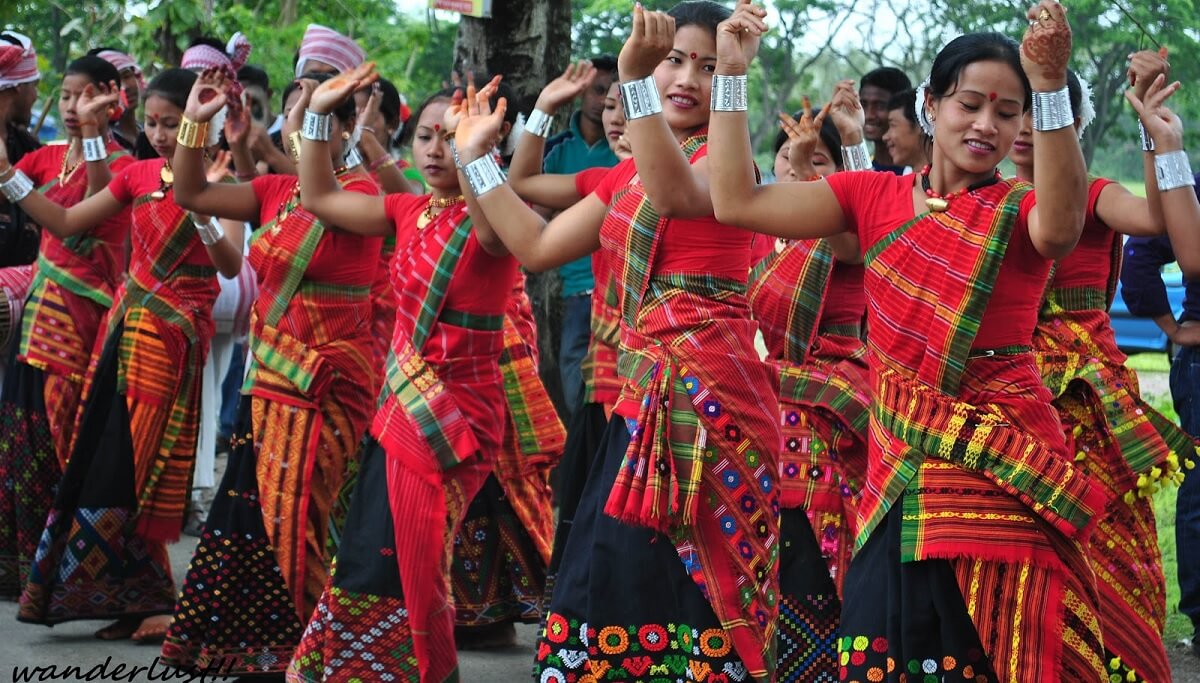
Assam has a rich oral culture, where stories, history, and beliefs are passed down through music and performance. While classical forms like Sattriya are well-known, folk music and dance are equally powerful. Discover Top Things to Do in Majuli – Explore Now
Common folk styles include:
- Ojapali – a mix of storytelling, music, and dance
- Bihu Geet – rhythmic songs sung during Bihu
- Zikir and Zari – devotional songs sung by Muslim communities in Assamese
You’ll often find that even young children in remote villages can recite local legends or perform folk dances taught to them by elders.
Music is not a performance here—it’s a part of life, woven into work, worship, and celebration.
Cultural Etiquette and Respectful Travel in Assam
When visiting Assam, especially in rural or tribal areas, it’s important to approach the experience with respect and openness. Assamese people are warm and welcoming, but being mindful of local customs makes your trip smoother and more meaningful.
- Greetings: A simple “Namaskar” with a smile is always appreciated. You’ll often be greeted with “Kene aase?” which means “How are you?” in Assamese.
- Dress modestly: Especially in villages or during visits to temples and satras. Long pants and tops with sleeves are preferred.
- Ask before taking photos: Especially of people, children, or religious activities.
- Respect meal traditions: In many homes, meals are served on the floor, and people may eat in silence or take turns.
- Do not interrupt prayers or rituals: If you enter a namghar (community prayer hall), remove your shoes and sit quietly unless invited to participate.
Traveling respectfully means more than being polite—it’s about being open to learning, listening, and observing a way of life that might be different from your own. Plan a Perfect Kaziranga Trip – Travel Like a Pro
Youth Culture and Preserving Traditions in a Changing World
While many rural communities in Assam still live according to old traditions, the younger generation is increasingly blending modern life with cultural pride. In towns like Guwahati, Tezpur, and Dibrugarh, you’ll find a thriving creative scene where music, fashion, and digital content keep traditions alive in new ways.
- Young designers are reviving Muga and Eri silk weaving by creating modern mekhela chadors and gamusas for everyday wear.
- Musicians mix Bihu folk rhythms with electronic and pop styles.
- Cultural festivals and college events often include traditional performances alongside contemporary acts.
What makes Assamese youth culture so unique is its deep sense of heritage, even as it evolves. For travelers, this means you’ll find both authenticity and innovation—whether in a street-side Bihu dance performance or a contemporary art exhibition inspired by village life.
Best Time to Visit Assam for Cultural Exploration
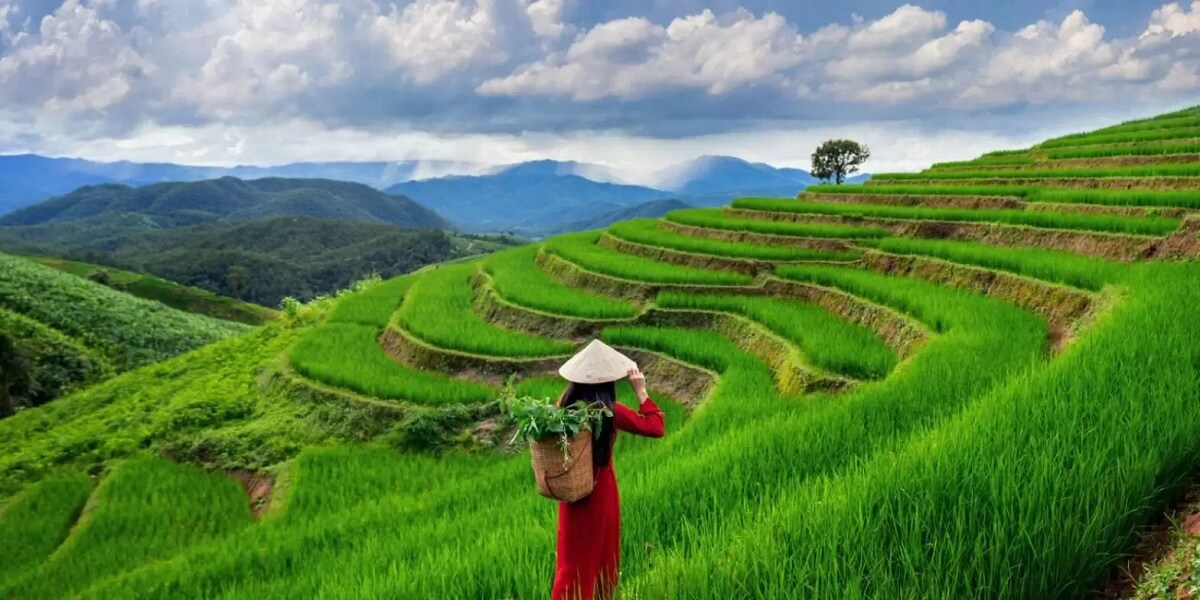
To experience the most vibrant aspects of Assamese culture, timing your trip with festivals and seasonal activities can make a big difference.
Ideal months:
- March to April: Visit during Rongali Bihu for the full cultural celebration experience—dances, fairs, and traditional feasts.
- October to December: Post-monsoon is perfect for pleasant weather, river island visits (like Majuli), and tribal festivals.
- January: Bhogali Bihu, a harvest festival celebrated with bonfires and feasts, offers a more rural cultural immersion.
Avoid peak monsoon season (June to August) when some areas, especially Majuli and lower Assam, face flooding or travel disruptions.
Planning a Culturally Immersive Assam Itinerary (Sample 7 Days)
1–2 Day : Guwahati
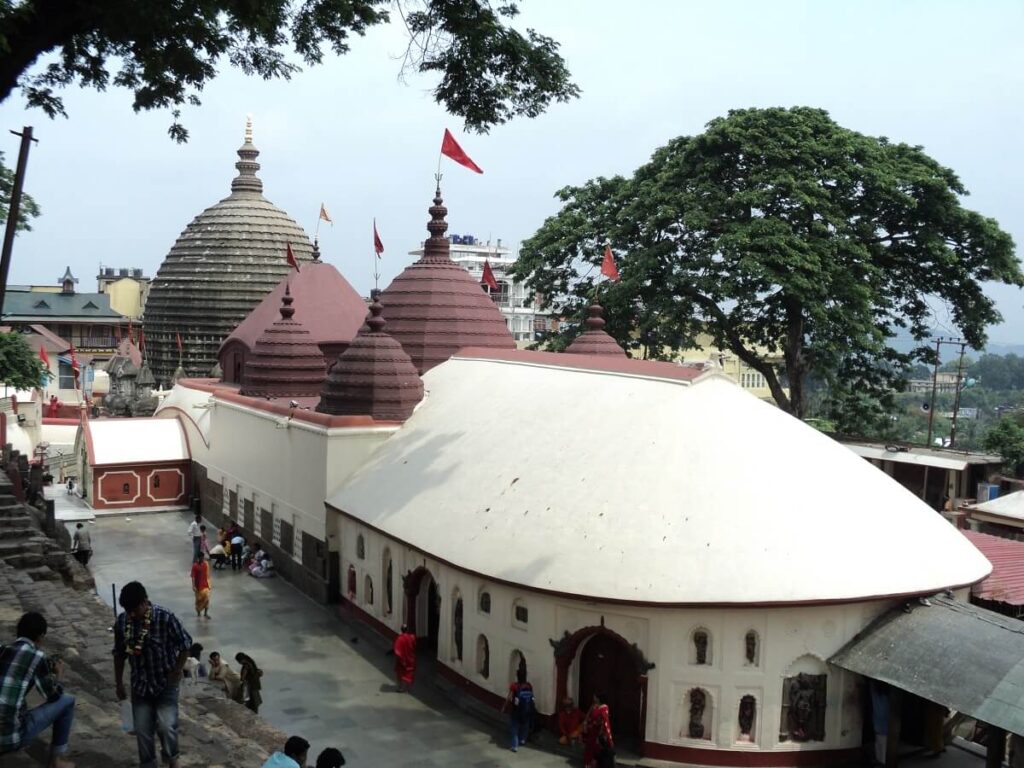
- Visit Kamakhya Temple and Assam State Museum
- Try Assamese thali at a local restaurant
- Shop for silk at handloom emporiums
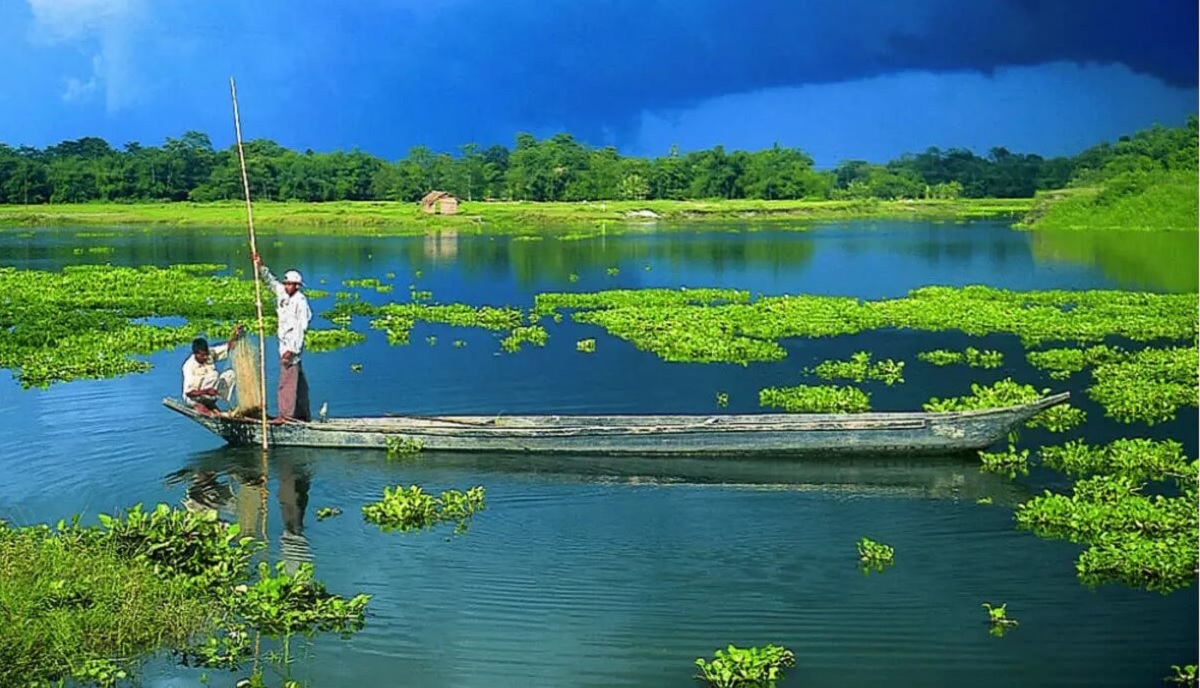
3–4 Day : Majuli Island
- Explore satras like Kamalabari and Auniati
- Watch mask-making and listen to Sattriya music
- Stay in a bamboo hut homestay and cycle through villages
5 Day : Sualkuchi (Silk Village)
- Visit weaving households and learn about Muga silk
- Buy local mekhela chadors directly from artisans
6–7 Day : Kaziranga (Optional cultural + wildlife blend)
- Visit nearby Karbi villages
- Enjoy tribal meals and handicrafts
- End with a safari through the famous national park
This itinerary blends urban history, rural life, craft traditions, and natural beauty, offering a well-rounded cultural introduction to Assam.
Final Travel Tips for Exploring Assamese Culture
- Language: Most people speak Assamese or Hindi, but English is understood in towns. Learning basic Assamese greetings adds warmth to your interactions.
- Cash vs. digital: Rural areas may not accept UPI or cards. Carry cash, especially for village homestays or small eateries.
- Footwear: Easy-to-remove sandals are useful for visiting temples and homes where you’ll need to take off your shoes.
- Health: Stick to bottled or filtered water. Assamese food is generally mild, but do ask if you have dietary restrictions.
- Connectivity: Internet may be slow in some regions. Download offline maps and guides if you’re heading to remote areas.
Frequently Asked Questions (FAQs)
What is Assam famous for culturally?
Assam is famous for its Bihu festivals, Muga silk weaving, Vaishnavite satras, traditional dance forms like Sattriya, and its rich mix of tribal and non-tribal communities. It also has a strong tradition of storytelling, oral songs, and unique regional cuisines.
Where can I experience traditional Assamese culture?
For authentic experiences, visit Majuli Island, Sualkuchi village, rural Karbi Anglong, and local homestays near Kaziranga or Dibrugarh. These regions offer immersive views of daily life, weaving, farming, and spiritual practices.
What traditional clothing is worn in Assam?
Women wear the mekhela chador, and men wear the dhoti-kurta or casual modern wear with the traditional gamusa (a white and red woven cloth) draped on the shoulder. During festivals and weddings, silk outfits are commonly worn.
Is it safe to stay with locals in Assam?
Yes, homestays in Assam are generally very safe, especially those registered with tourism boards or local NGOs. Guests are treated with warm hospitality. Still, as with any travel, it’s good to share your itinerary and check reviews when possible.
Can I visit Assam solo for a cultural trip?
Absolutely. Assam is one of the safest and most welcoming states in Northeast India. Cities like Guwahati and Tezpur are well-connected, while rural areas are peaceful and friendly, making it a great destination for solo travelers.
What is the best time to visit Majuli Island?
The best time is October to March, when the Brahmaputra water levels are low, roads are dry, and satras are open to visitors. Avoid visiting in July and August due to possible flooding during peak monsoon.
Final Thoughts
Exploring Assam’s culture is not just about checking places off a list. It’s about stepping into a lifestyle where nature, tradition, and community are closely intertwined. Every meal, festival, prayer, and loom thread tells a story of endurance, grace, and joy.
If you’ve been dreaming of a place where the air is filled with folk songs, where people still make things by hand, and where the pace of life invites you to slow down—Assam is calling.
More Explore:
- Plan Your August Journey to Kedarnath – Weather Tips
- Explore 14 Budget-Friendly Trips in India This August
- Don’t Miss These 10 Best Attractions in India in August
- Celebrate India’s August Festivals – Know the Dates
- Plan a Rainy Getaway – Hill Stations Near Delhi in August
- Book Your 15 August Getaway from Indian Cities
- Visit 10 Sacred Shiva Temples in Delhi NCR This Sawan
- Know When to Visit Tungnath – Weather & Temple Guide
- Explore Himachal in July – Complete Travel Plan
- Discover Offbeat Villages of Himachal Pradesh
- Learn the Best Route from Manali to Sethan Valley
- Plan a Rainy Weekend Trip from Delhi in July
- Check Out All Major Festivals of August in India
- See the Top Places to Visit in India This September
- Visit These Amazing North Indian Spots in September
- Travel North India in July – Plan with Our Full Guide
- Plan Your Summer Escape to Uttarakhand’s Top Destinations
- Explore 11 Powerful Shiva Temples to Visit This Sawan
- 14 Best Places to Visit in Himachal in September
- 14 Best Places to Visit in Uttarakhand in September
You Might Also Like:
- Travel to Assam in February – Best Tips & Places
- Plan a Romantic Escape – 10 Hidden Honeymoon Spots
- Explore Offbeat India in September – 8 Must-Visit Places
- Explore Top Wildlife Reserves Open in September
- Join the Rath Yatra 2025 – Your Travel Guide
- Explore Northeast India – 10 Best Tourist Spots
- Top 12 Places to Visit in Northeast India in May
- 17 Surprising Facts About Tripura – Know Before You Go
- Explore Lachen, Sikkim – Top 10 Places You Must Visit
- Visit Unakoti Rock Carvings – What to Know Before You Go
- Nagaland: Land of Festivals and Warrior Traditions