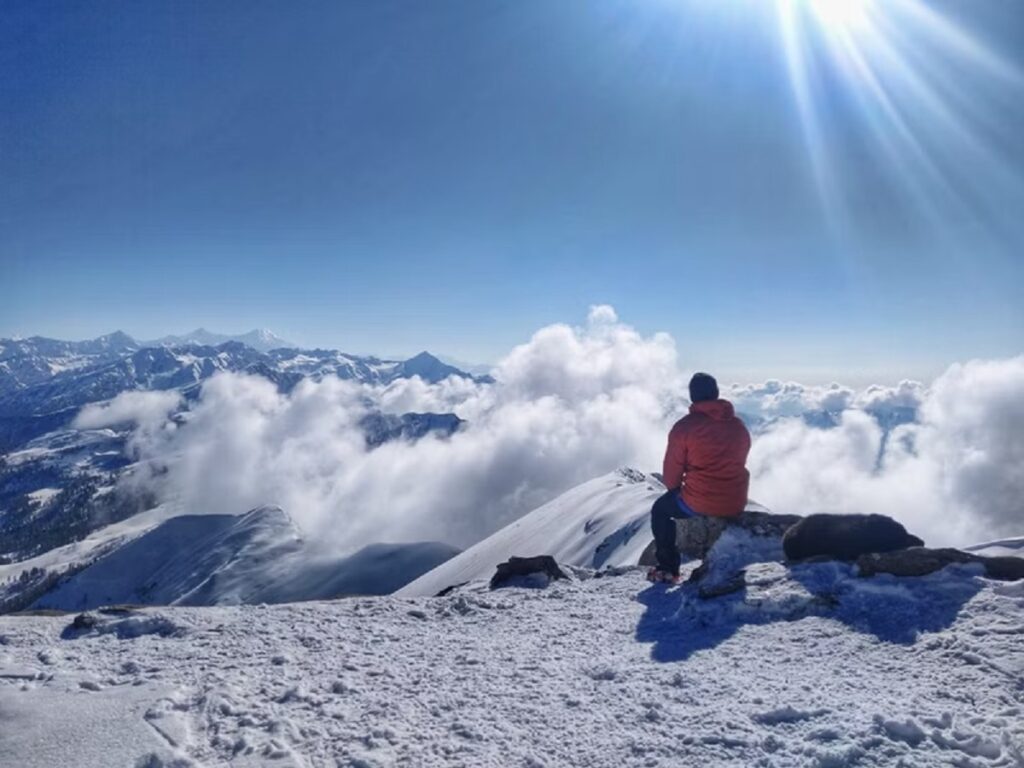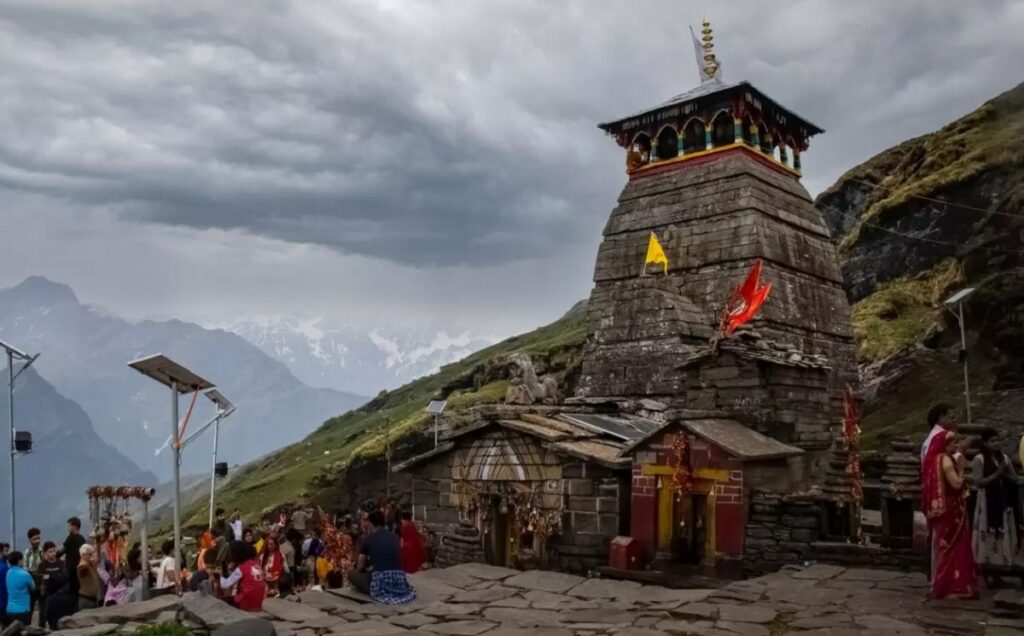
Tungnath, located in Uttarakhand Chopta Valley, is not just the highest Shiva temple in the world—it’s also one of the most beautiful places to visit in the Indian Himalayas. Sitting at an altitude of 3,680 meters (12,073 ft), it offers a mix of spiritual charm, mountain magic, and adventure that few other places can match.
Whether you’re visiting for religious reasons, scenic views, or trekking, knowing the best time to visit Tungnath will help you plan a smooth and memorable trip.
1. Best Time to Visit Tungnath – Month-by-Month Weather Guide
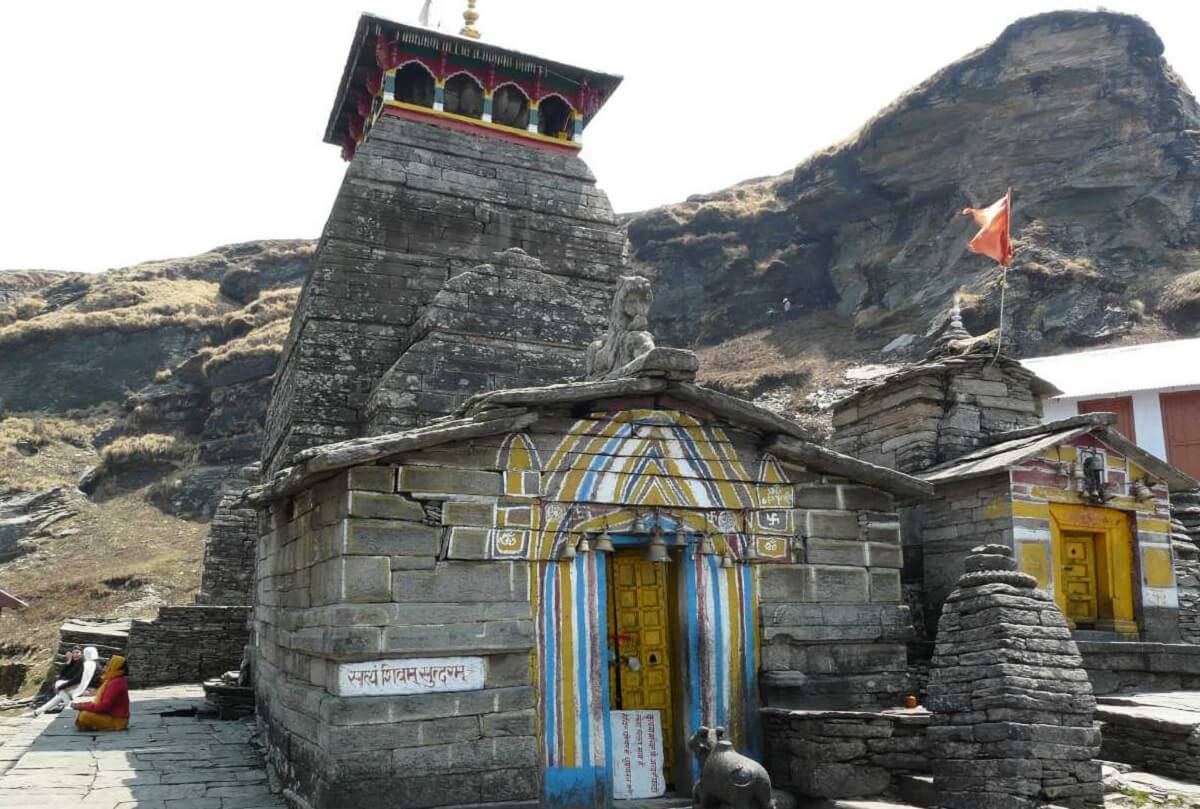
Tungnath is a seasonal destination, meaning it’s not accessible year-round due to snow. The best time to visit is between April and November, depending on the kind of experience you’re looking for—snow, greenery, or clear mountain skies.
Here’s a detailed breakdown of what each season offers:
April to June (Spring–Early Summer):
- Weather: Pleasant and cool; daytime temps between 10–15°C
- Scenery: Melting snow, blooming rhododendrons, and clear skies
- Best For: First-time visitors, photography, spiritual trekking
- Why Go Now: The temple opens during this season (late April or early May), and trails are clear but still refreshing with leftover snow patches. Kartik Swami Temple Trek: Your Ultimate Guide
July to September (Monsoon):
- Weather: Wet, misty, and unpredictable
- Scenery: Lush green meadows, foggy mountain trails
- Best For: Offbeat travelers, nature lovers, and solo seekers
- Travel Advisory: Be cautious—monsoon brings slippery trails and occasional landslides. Trekking becomes more challenging.
October to Early November (Autumn):
- Weather: Cool and dry; perfect for trekking
- Scenery: Golden grasslands, clear views of Chaukhamba and Nanda Devi
- Why It’s Ideal: Post-monsoon clarity offers the best mountain visibility. Fewer crowds and calm temple surroundings.
Mid-November to March (Winter):
- Weather: Sub-zero temperatures; heavy snowfall
- Temple Access: Tungnath Temple is closed; snow trekking only
- Best For: Experienced winter trekkers
- Note: You can still trek up to Chopta or Tungnath base, but not beyond unless with guides and proper gear. Kareri Lake Trek: Your Complete Guide
2. Tungnath Temple Opening and Closing Dates
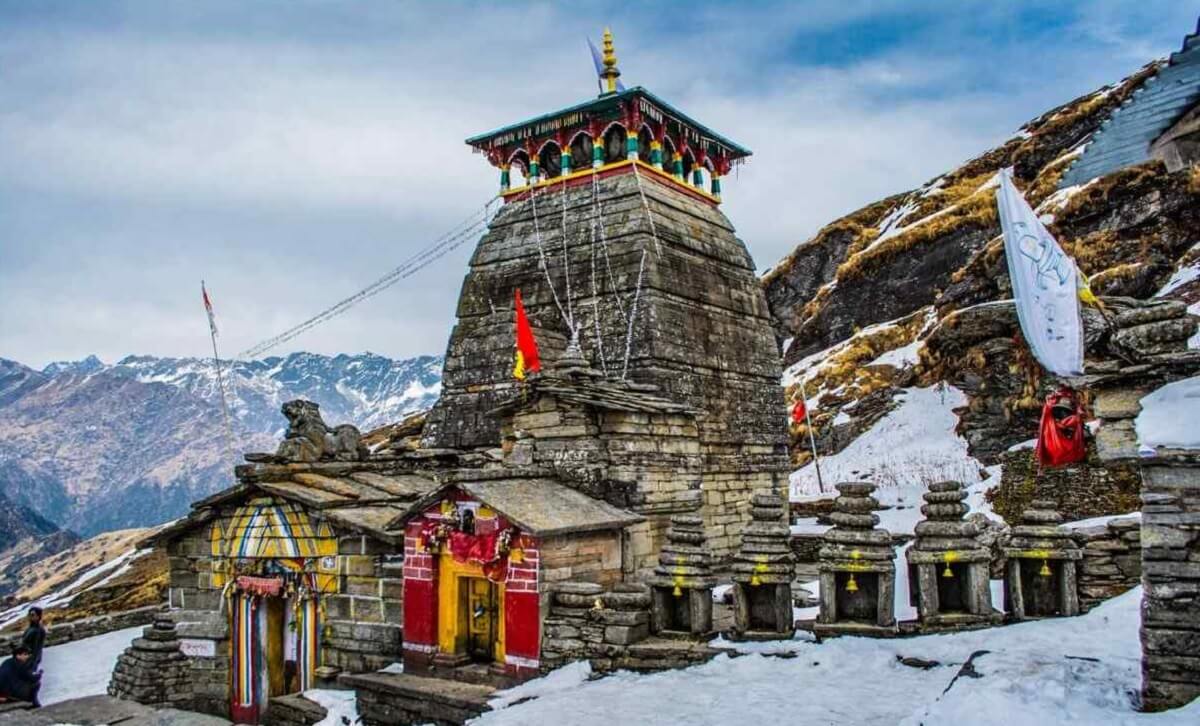
Tungnath Temple, one of the five Panch Kedar shrines, opens every year in late April or early May, just after Akshaya Tritiya, depending on the Hindu calendar. It remains open until Diwali, after which the idol is moved to Mukunath Temple in Ukhimath for winter worship.
Temple Calendar (Tentative for 2025):
- Opening Date: Around 1st–5th May 2025
- Closing Date: Around 10th–15th November 2025
Exact dates are announced by the priests of the Omkareshwar Temple in Ukhimath a few weeks in advance.
Temple Timings:
- Morning Aarti: 6:00 AM to 7:30 AM
- Evening Aarti: 6:00 PM to 7:00 PM
- Darshan Hours: Open all day while accessible
Travel Tip:
Visit early morning or evening when the temple is less crowded and the light on the mountains is magical.
3. Tungnath Trek: Difficulty, Route & Safety in Different Seasons
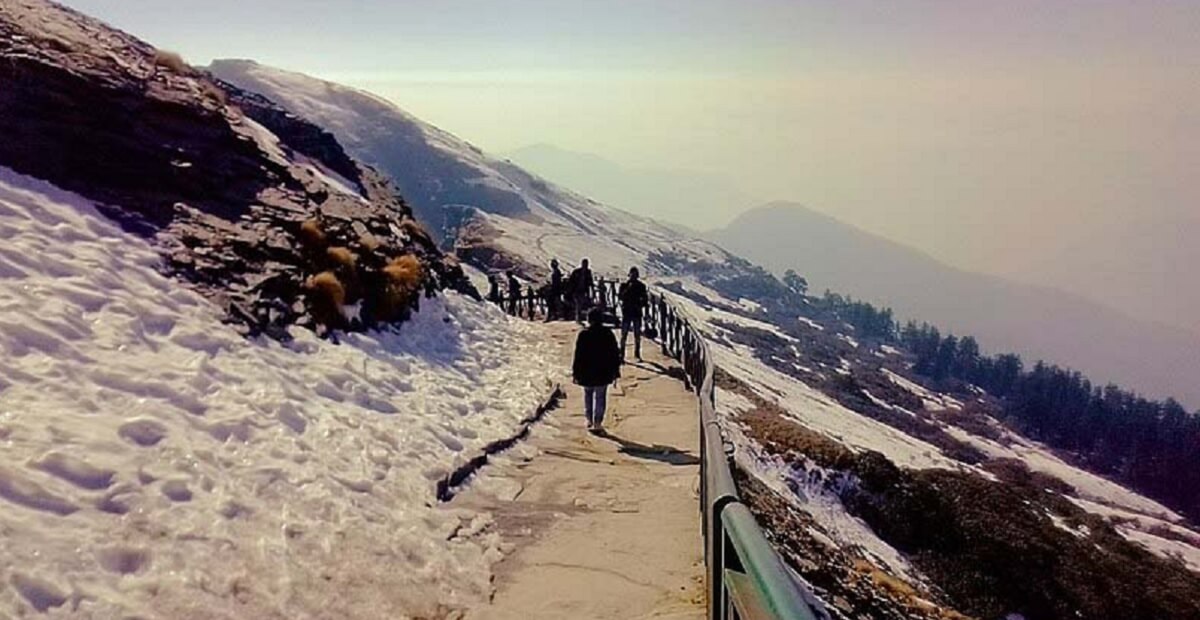
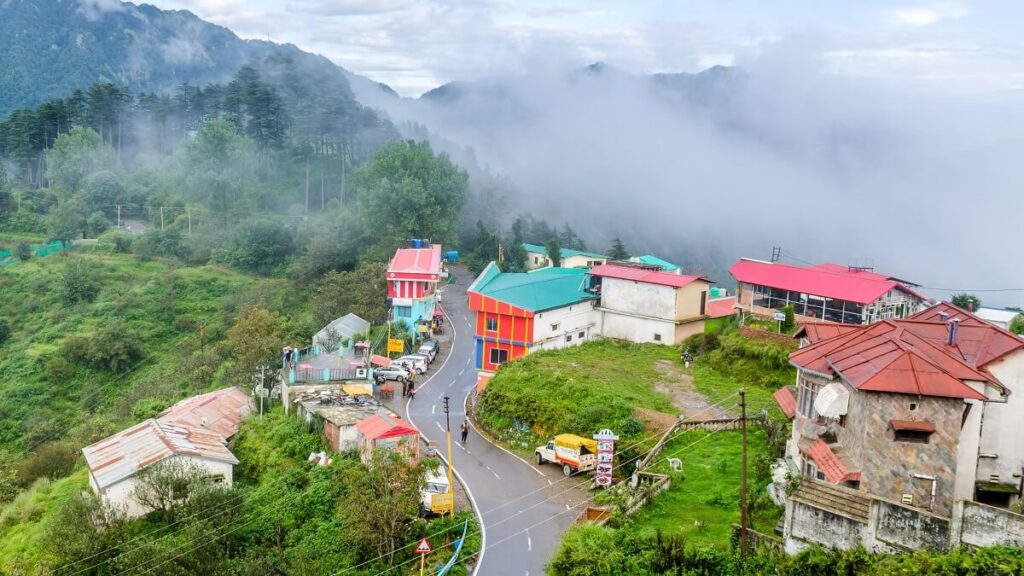
The trek to Tungnath starts from Chopta, a picturesque hill station often called the Mini Switzerland of India. It’s one of the easiest Himalayan treks with a 3.5 km well-paved path, but don’t let that fool you—it can still be physically demanding, especially with altitude and changing weather.
Trail Details:
- Distance: 3.5 km from Chopta to Tungnath
- Time: 2–3 hours one way (depends on pace)
- Altitude Gain: ~1,000 ft
- Level: Easy to moderate
Best Trekking Season:
- May to June and October are the safest and most pleasant
- Avoid heavy monsoon weeks in July–August unless experienced
- Winter treks to Tungnath require snow gear and guidance
Safety Considerations:
- Altitude: At nearly 3,700 meters, some may feel shortness of breath
- Weather: Carry a jacket even in summer—it gets cold suddenly
- Slippery Trails: In rain or snow, the cobbled path becomes slippery
- Night Hiking: Not recommended unless in a group with torches
Packing Essentials:
- Trekking shoes with grip
- Raincoat or windcheater
- Water bottle and glucose snacks
- Basic first aid kit
- Torch if planning early start or late return
4. Chandrashila Peak: A Must-Do Extension Trek

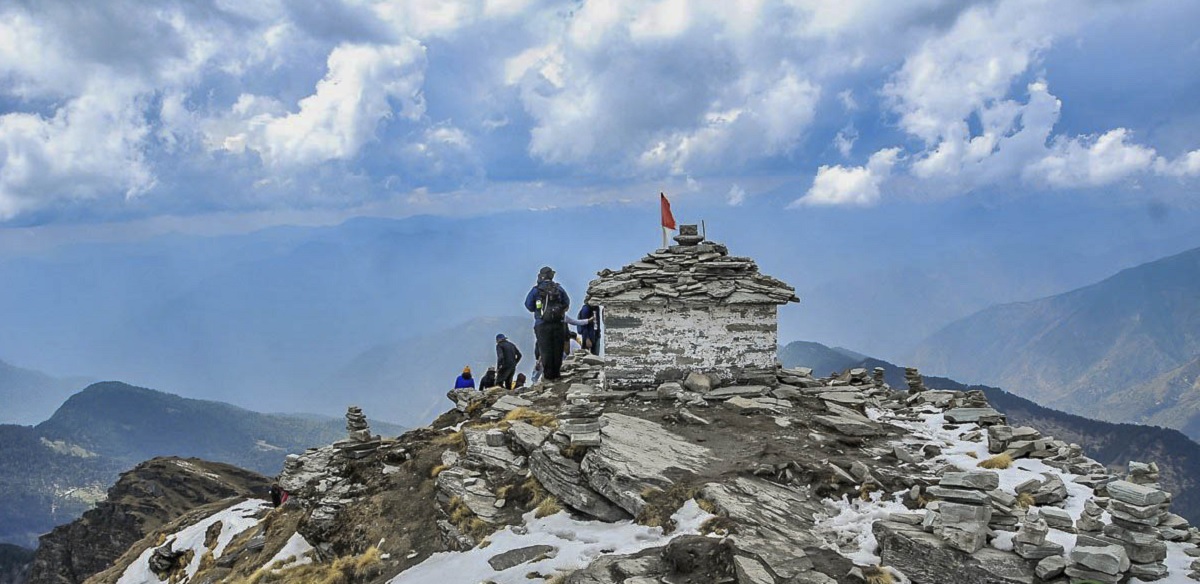
If you’ve made it to Tungnath and feel energetic, don’t miss the Chandrashila Trek—a short but steep 1.5 km extension that leads to a panoramic viewpoint above the temple.
At 4,000 meters altitude, it offers a 360° view of Himalayan peaks, including Nanda Devi, Chaukhamba, Kedarnath Dome, Trishul, and more. It’s often said that Lord Rama meditated here after defeating Ravana.
Why It’s Worth It:
- One of the best sunrise views in the Garhwal Himalayas
- Less crowded than Tungnath
- Spiritual and scenic
Time Needed:
- 1 hour to ascend from Tungnath
- 30–45 minutes to descend
- Requires stamina and stable weather
Safety Tip:
Only attempt this stretch in clear weather. Fog, rain, or snow can make the steep path risky. Carry extra water and snacks.
5. Where to Stay in Chopta: Lodges, Camps, and Forest Guesthouses
Chopta is the base village for the Tungnath trek and also a scenic destination in its own right. It offers a peaceful retreat with dense pine forests, rolling meadows, and panoramic Himalayan views. While it’s not a bustling tourist town, there are enough comfortable stay options for all types of travelers—from trekkers to families and solo backpackers.
Types of Accommodation
Budget Hotels & Lodges
- Most accommodations here are simple yet comfortable, with basic amenities.
- Expect clean rooms, attached or common bathrooms, and meals cooked in-house.
- Rates range from ₹800 to ₹2,500 per night depending on the view and location.
Tented Camps & Eco-Stays
- Popular with nature lovers, these are set up in clearings or meadows near Chopta or Dugalbitta.
- Camps offer comfortable sleeping arrangements, bonfires, local meals, and sometimes guided treks.
- Rates: ₹1,200 to ₹3,500 per person including meals.
Forest Guesthouses
- Operated by Uttarakhand Forest Department, these are limited but scenic options.
- Best for those wanting solitude and nature; however, book well in advance through local contacts or forest offices.
Staying in Monsoon or Winter
- Many camps shut down during heavy monsoon or snowfall, but some concrete lodges stay open.
- In winter (Nov–Mar), only a few places remain operational in lower villages like Baniyakund or Ukhimath.
Booking Tips
- Book in advance if you’re visiting between April–June or during long weekends.
- Most places are offline or on WhatsApp/direct call basis. You’ll rarely find big-chain hotels here.
- Look for camps with good online reviews and basic facilities like hot water, clean bathrooms, and room heaters.
Recommended Stays
- Magpie Camp, Chopta (eco-camp with great food)
- Snow View Lodge (good views and solid construction)
- Chopta Meadows Heritage Camp (ideal for groups and families)
- GMVN Guesthouses in nearby Gopeshwar or Ukhimath (run by the govt.)
Travel Tip:
Always carry power banks, cash, and your own toiletries, as shops are few and electricity is inconsistent in this region.
6. How to Reach Tungnath from Delhi, Rishikesh & Dehradun
Tungnath may feel remote, but it’s surprisingly accessible from all major cities in North India. Whether you prefer a road trip, public transport, or a combination, reaching Chopta—the Tungnath base—can be both scenic and adventurous.
Route Overview
From Delhi (approx. 450 km / 12–14 hours):
- Delhi → Rishikesh → Rudraprayag → Ukhimath → Chopta
- Best done via car or shared taxi; ideal for road-trippers.
From Rishikesh or Haridwar:
- Both towns are major transit hubs for pilgrims and trekkers.
- From here, take a shared jeep or private taxi to Rudraprayag (4 hrs), then to Ukhimath (2 hrs) and finally Chopta (1 hr).
- Public buses are slow and don’t go directly to Chopta.
From Dehradun Airport (Jolly Grant):
- Take a cab to Rishikesh (40 mins), then continue as above.
- No direct flights to Chopta region; nearest railway is Rishikesh or Haridwar.
Public Transport Tips:
- Early morning buses from Rishikesh to Ukhimath are available but limited.
- After Ukhimath, shared jeeps run to Chopta depending on demand.
- Services may be disrupted during heavy rain or winter snow, so always check local updates.
Driving Your Own Vehicle?
- Roads are well-paved but narrow and winding.
- Experienced hill drivers recommended for monsoon or winter travel.
- Limited parking in Chopta, but roadside parking is possible.
Travel Tip:
Plan a night stop at Ukhimath, Rudraprayag, or Sari Village (for Deoriatal Lake trek) if the journey feels too long to do in one day.
7. Eco-Friendly Travel Tips & Local Etiquette in Chopta–Tungnath
Tungnath sits within the fragile Kedarnath Wildlife Sanctuary, a biodiverse region rich in alpine plants, rare birds, and peaceful Himalayan villages. When you travel to a high-altitude, ecologically sensitive zone like this, it’s important to tread lightly and respectfully—not just to nature, but to the people and traditions that preserve it.
Here are some essential eco-conscious and cultural tips to make your journey more meaningful and responsible.
Sustainable Travel Tips
1. Say No to Plastic
- Carry a reusable water bottle and refill it at lodges or camps.
- Avoid carrying single-use plastic bottles, wrappers, and bags.
- Dispose of any waste properly—carry a small garbage pouch with you during the trek.
2. Use Natural Toiletries
- Choose biodegradable soap, shampoo, and toothpaste, especially if camping or using natural water sources.
- Avoid leaving behind soap residue in streams or near the temple area.
3. Stay on Marked Trails
- Don’t take shortcuts or wander off-path—it damages vegetation and contributes to erosion.
- Stick to the stone-paved route while trekking to Tungnath or Chandrashila.
4. Be Energy Smart
- Electricity is limited in Chopta, especially in camps.
- Carry a solar power bank, turn off lights when not in use, and use devices only when needed.
Cultural Etiquette
1. Respect the Temple Rules
- Remove your shoes before entering the temple complex.
- Dress modestly; avoid shorts or revealing clothing.
- Keep your voice low and avoid loud conversations or phone use in and around the temple.
2. Support Local Communities
- Eat at local dhabas instead of carrying packaged food.
- Hire local guides or porters, which helps sustain the economy.
- Buy locally made souvenirs like woollen gloves, herbal teas, or wooden crafts.
3. Be a Mindful Photographer
- Ask permission before taking photos of locals or sadhus.
- Avoid flash photography inside the temple or during rituals.
Travel Tip:
Remember that this region is both someone’s home and a spiritual site. Traveling respectfully enriches your own experience and leaves a positive impact on the places you visit.
8. Why Tungnath Is More Than a Temple
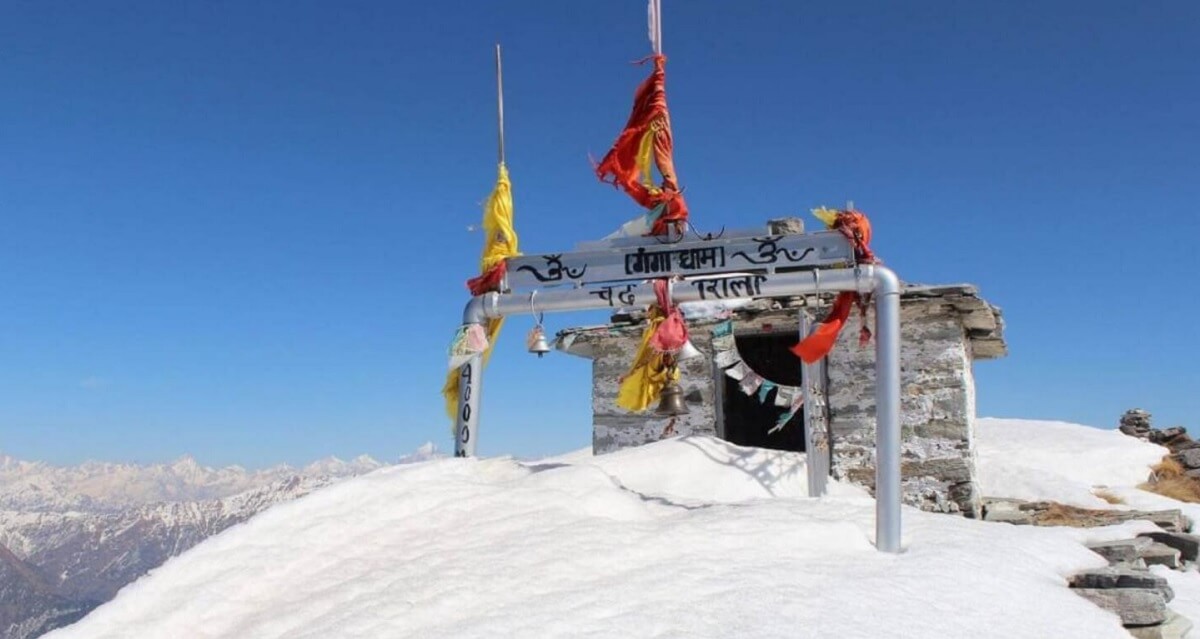
Tungnath isn’t just a spot on the trekking map—it’s a sacred site loaded with yogic and mythological history. It’s believed that the Pandavas came here seeking penance for their role in the Kurukshetra war, and Lord Shiva appeared in different forms across the Panch Kedar temples, with his arms emerging at Tungnath.
But there’s more than legend here—the energy of this place is powerful. Many travelers, even those without a religious background, report a deep sense of peace and clarity at Tungnath.
Spiritual Insights
A Temple in the Clouds
Tungnath literally means “Lord of the Peaks.” Surrounded by stillness and high winds, it is one of the highest points of Shiva worship on Earth. The isolation and altitude create an ideal setting for meditation, reflection, and solitude.
Chakra Connection
In yogic traditions, mountaintops are considered powerful for activating higher chakras, especially the third eye (Ajna) and crown (Sahasrara). Many meditators and seekers climb Tungnath and Chandrashila not for trekking—but for inner stillness.
Silence as a Sacred Practice
Unlike many busy temples, Tungnath often maintains a natural quiet. Visitors can sit near the temple walls or slightly down the trail and enjoy long, uninterrupted silence—ideal for pranayama or dhyana (meditation).
Yogic Practices You Can Try Here:
- Silent walking up the trail to connect with breath and movement
- Meditation at Chandrashila peak (in safe weather)
- Offering prayers or journaling at sunrise or sunset
- Practicing slow, mindful breathing to adjust to the altitude
Did You Know?
Some yoga ashrams in Rishikesh and Rudraprayag organize spiritual treks to Tungnath as part of their sadhana programs. These treks often include mantras, breathwork, and group meditations.
9. When to Visit Tungnath Based on Your Travel Style

Tungnath is one of those rare destinations that offers something meaningful to every kind of traveler—from adventure trekkers to spiritual seekers, couples to solo wanderers. But when you choose to go can truly shape your experience.
Here’s a breakdown to help you decide the best time to visit based on your travel style:
Spiritual Seekers and Pilgrims
Best Time: Late April to early July and September to mid-October
If you’re visiting Tungnath for its religious value or looking to connect with its spiritual energy, go when the temple is open but crowds are smaller. Late April (just after the temple opens) and early October are perfect, offering peaceful darshan, crisp mountain air, and fewer distractions.
Why You’ll Love It:
- Time for silent meditation
- Space to attend aarti without rush
- Less noise, more nature
Pro Tip: Start your trek early morning for a peaceful spiritual walk to the temple.
Adventure Trekkers & Nature Lovers
Best Time: May to June and October
If you’re trekking for the thrill, views, and nature, these are the most rewarding months. Clear skies offer breathtaking views of Chaukhamba, Kedarnath Dome, and Nanda Devi, and trails are dry, making the climb easier and safer.
Why You’ll Love It:
- Clean views from Chandrashila summit
- Great photo ops of Himalayan ranges
- More trekking groups to join
Pro Tip: Add Deoriatal Trek to your itinerary for a stunning reflection of the Himalayas in a high-altitude lake.
Monsoon Explorers (Offbeat Travelers)
Best Time: Late July to early September (only for experienced travelers)
While the monsoon months are not ideal for beginners, they’re perfect for those seeking solitude, foggy trails, and dramatic landscapes. The Chopta valley turns green, flowers bloom everywhere, and there’s magic in every misty step.
Why You’ll Love It:
- Peaceful, quiet trails
- Moody mountain photography
- Real wilderness vibe
Caution: Trails can be slippery; only trek if you have prior experience and proper rain gear.
Families or Casual Travelers
Best Time: May, early June, and mid-September
If you’re traveling with kids or elders, choose the safest weather window—dry skies, mild temperatures, and an open temple. Avoid monsoon and winter when conditions are more demanding. Tungnath Temple, Chopta – Timings, History
Why You’ll Love It:
- Easy short trek
- Safe road conditions
- Family-friendly camps and meadows for playtime
Pro Tip: Stay in Chopta or Baniyakund with good facilities and start your trek early.
Solo Travelers & Wellness Seekers
Best Time: September to mid-October
Solo travelers love Tungnath for its peace, simplicity, and stunning views. The post-monsoon season offers clarity in both skies and mind. It’s a beautiful time to unplug, reconnect with nature, and maybe journal or meditate. Mechuka Homestays & Local Cuisine
Why You’ll Love It:
- Time alone in the mountains
- Warm locals, safe environment
- A mix of challenge and relaxation
Pro Tip: Join a small group trek or wellness camp if you prefer some company.
Final Quick Tips Before You Go
Always check weather forecasts 2–3 days before departure
Book your stay and local transport in advance during high season
Carry cash, as ATMs are rare in Chopta
Respect local customs, and leave no trace behind
Don’t underestimate the altitude—acclimatize slowly
Carry ID and Yatra permits if needed
Conclusion: A Journey Worth Every Step
Tungnath is one of those rare places that stays with you long after you’ve left. Whether you go for divine blessings, Himalayan sunrise views, or the quiet of high-altitude meadows, you’ll find something deeply personal in the journey.
Choose your season wisely, plan with care, and let this sacred trail gift you its silence, beauty, and wisdom.
You Might Also Like:
- Plan Your Trip: How to Reach Chopta from Delhi Easily
- Explore Now: Complete Guide to Chopta Chandrashila Trek
- Discover Top Things to Do in Chopta – Plan Your Visit
- Know Before You Go: Kedarnath Weather in August 2025
- Find the Best Time to See the Himalayas in Uttarakhand
- Explore 8 Offbeat Indian Places to Visit in September 2025
- Start Planning: North India July Guide for Weather & Places
- Uncover Hidden Spiritual Trails Across India – Travel Offbeat
- Get Ready: June Packing List for Uttarakhand Adventures
- 11 Must-Visit Shiva Temples in Sawan for Pilgrimage and Blessings
- How to Perform Rituals at Rameshwaram Ramanathaswamy Temple Wells
- Mechuka Hidden Gems: Uncovering Offbeat Experiences Beyond the Usual Tourist Spots