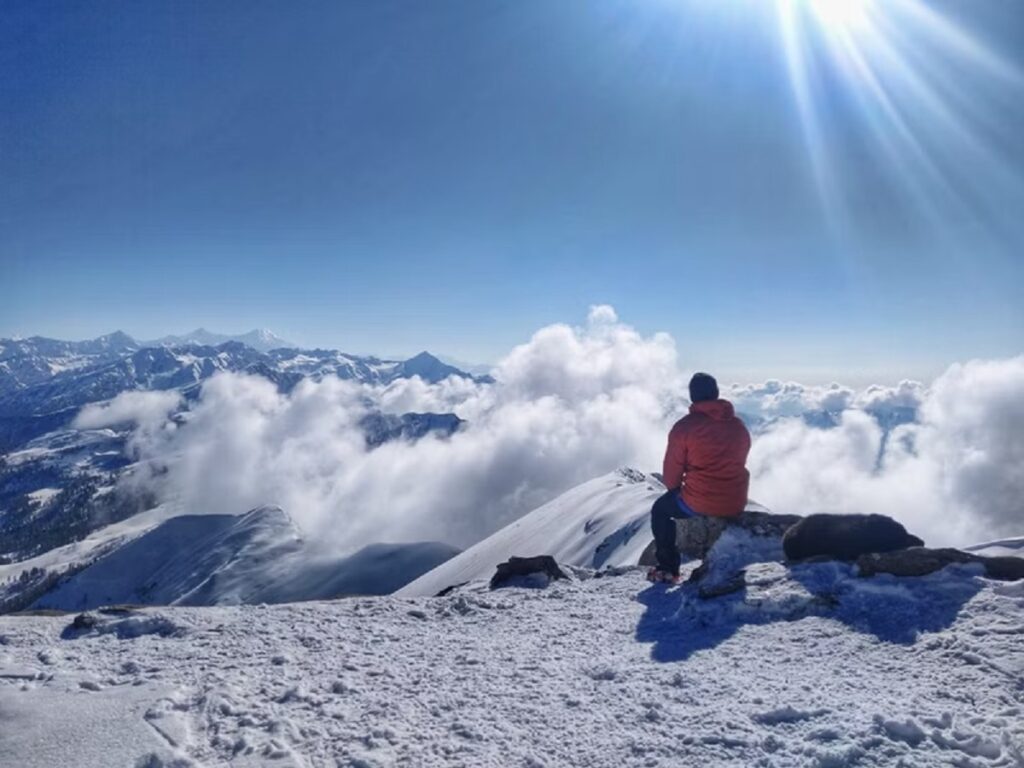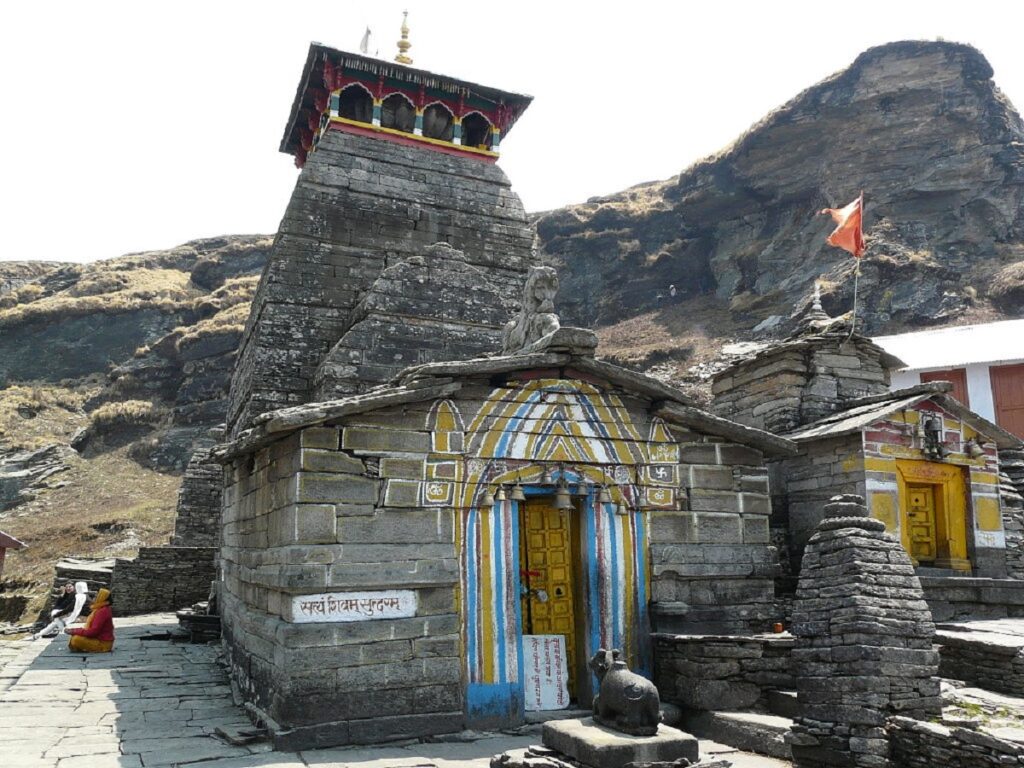
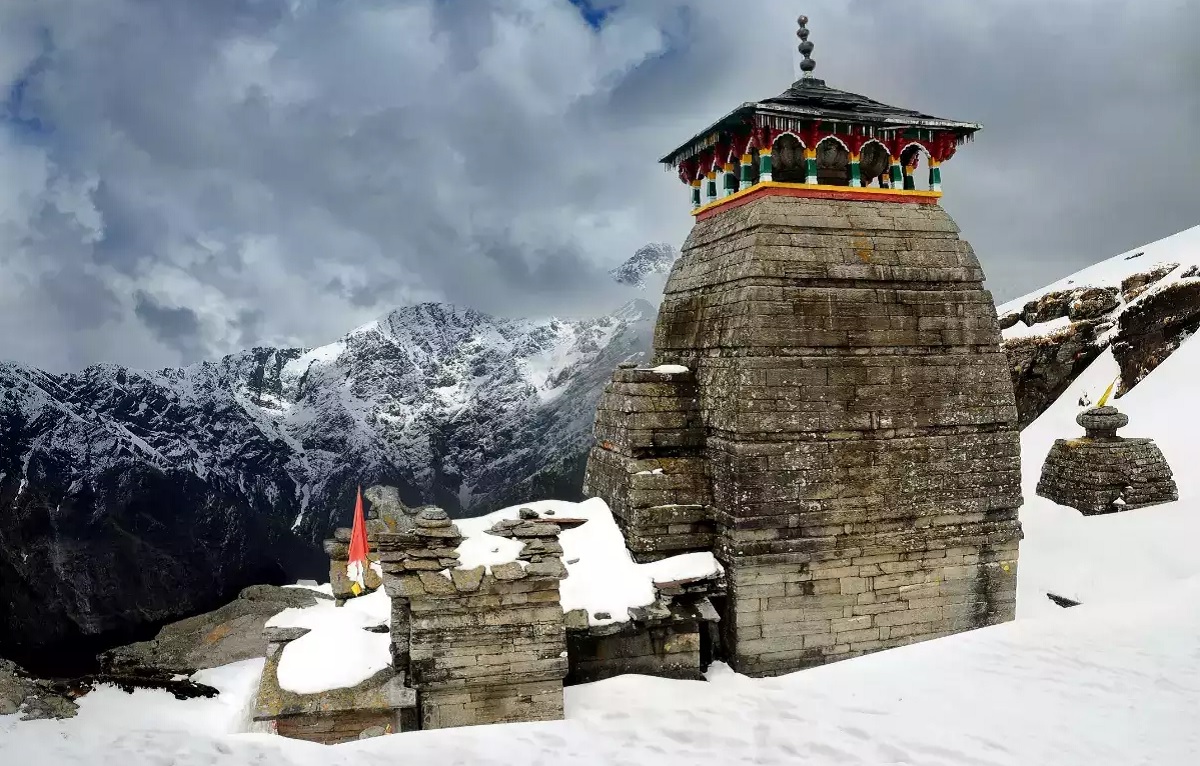
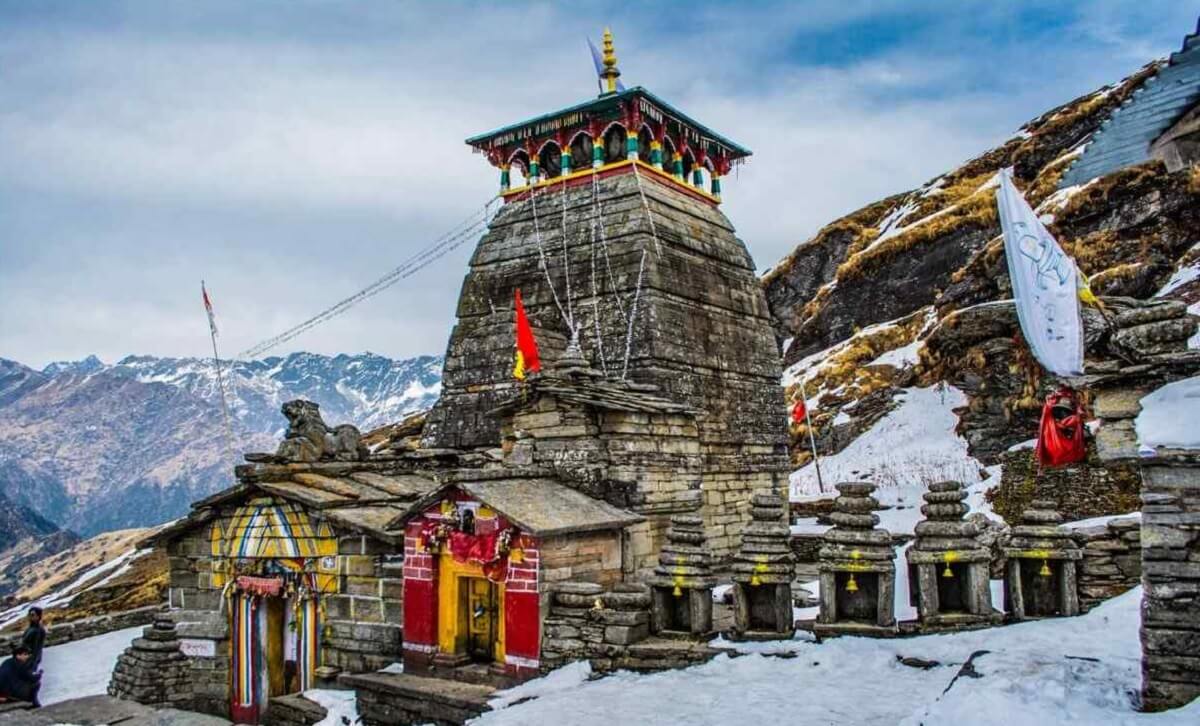
Located at an altitude of 3,680 meters in the heart of Uttarakhand’s Garhwal Himalayas, Tungnath Temple is the highest Shiva temple in the world. The trail to Tungnath starts from the alpine meadows of Chopta, a small and serene hamlet often described as the “Mini Switzerland of India.” But what makes this temple truly special isn’t just its height. It’s the silence that surrounds it, the legends that linger in the stones, and the breathtaking views that accompany every step of the journey.
Tungnath is a part of the Panch Kedar pilgrimage, a sacred circuit of five Shiva temples scattered across the high Himalayas. Despite being the third temple in the circuit, Tungnath is the most accessible for those seeking both spiritual peace and a scenic trek.
If you’re planning a visit, this detailed guide covers everything you need to know — from its mythological origins and how to get there, to when to visit, what to pack, and how to make the most of your journey.
The Significance of Tungnath Temple in the Panch Kedar Circuit
According to Hindu mythology, the Panch Kedar temples represent the five places where different parts of Lord Shiva’s body are said to have appeared. After the Kurukshetra war in the Mahabharata, the Pandavas sought forgiveness from Lord Shiva for the bloodshed. Shiva, unwilling to forgive easily, disguised himself as a bull and attempted to avoid them by hiding in the Garhwal region. When Bhima recognized the disguise, Shiva disappeared into the earth. His body is believed to have re-emerged in five places, each becoming a temple:
- The hump appeared in Kedarnath
- The arms appeared in Tungnath
- The face emerged at Rudranath
- The navel surfaced at Madhyamaheshwar
- The hair showed at Kalpeshwar
Tungnath, meaning “Lord of the Peaks,” is thus considered the place where Shiva’s arms reappeared. The temple is believed to be over 1,000 years old, constructed by the Pandavas themselves. Despite its high altitude, it is easily reachable by a short trek and has become one of the most visited spiritual spots in Uttarakhand. Kalpeshwar Temple, Panch Kedar: What to Know Before You Go
Where Tungnath Temple Is Located
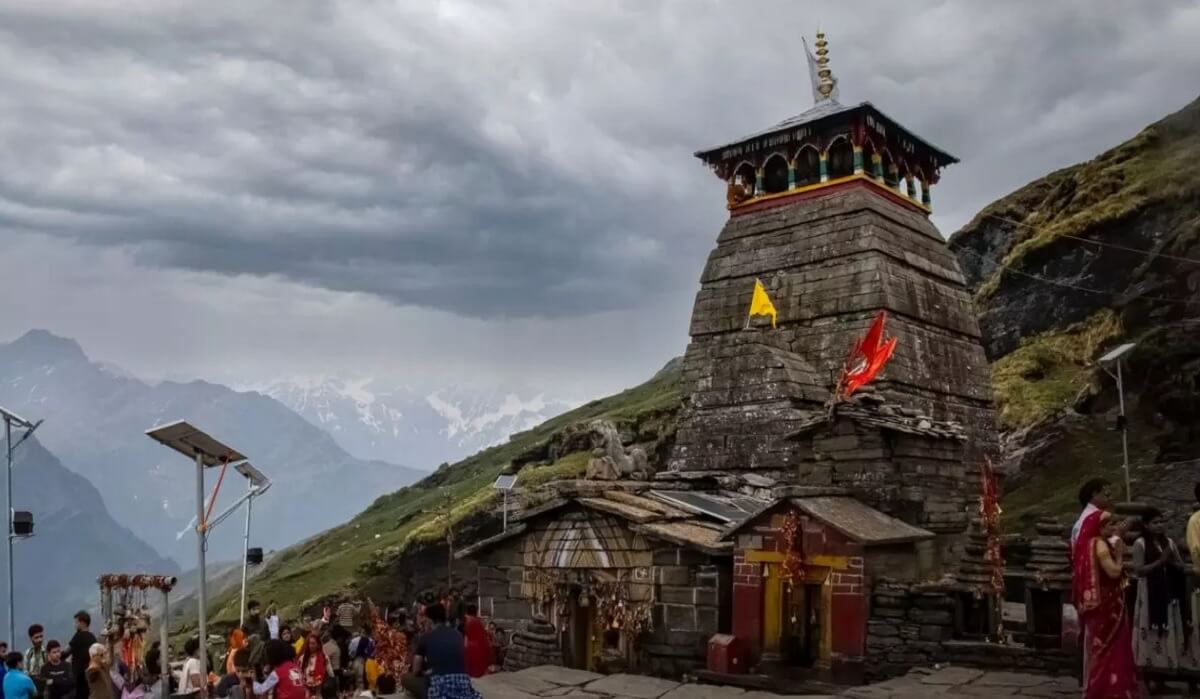
Tungnath lies in the Rudraprayag district of Uttarakhand, within the boundaries of Kedarnath Wildlife Sanctuary. The starting point for the trek is Chopta, a peaceful village known for its wide open meadows and views of major Himalayan peaks like Chaukhamba, Nanda Devi, and Trishul.
The trek to the temple is 3.5 km from Chopta and follows a clearly marked stone-paved trail surrounded by oak, pine, and rhododendron forests. As you gain altitude, the trees give way to wide alpine pastures and eventually to snow-laden slopes if you visit during spring or winter. Mukteshwar Temple, Nainital: The Complete Travel
Timings and Seasonal Opening
Tungnath Temple is open only during the warmer months, as heavy snowfall makes the trail inaccessible in winter.
- The temple usually opens in late April or early May and closes after Diwali in October or early November.
- During this time, it remains open daily from 6:00 AM to 7:00 PM, with a short afternoon break.
The priestly duties here are performed by local Brahmins, and the temple’s rituals are deeply rooted in the traditions of the Garhwal region. Once the temple closes for the winter, the deity is ceremoniously moved to Makkumath village, which becomes the winter seat of Tungnath. Panch Kedar Yatra: A Sacred Journey to 5 Shiva Temples in Uttarakhand
The Trek: A Short Climb with Majestic Views
The 3.5-kilometre trek from Chopta to Tungnath is considered one of the easiest high-altitude treks in the Himalayas. While it is short in length, the altitude and the uphill gradient require a moderate level of fitness.
The path is lined with dwarf rhododendron shrubs that bloom in spring, turning the trail into a riot of pinks and reds. As you walk further, panoramic views of snow-clad peaks start to unfold. It’s not unusual to encounter grazing sheep, chirping Himalayan birds, and the occasional fog that rolls in to create an otherworldly atmosphere.
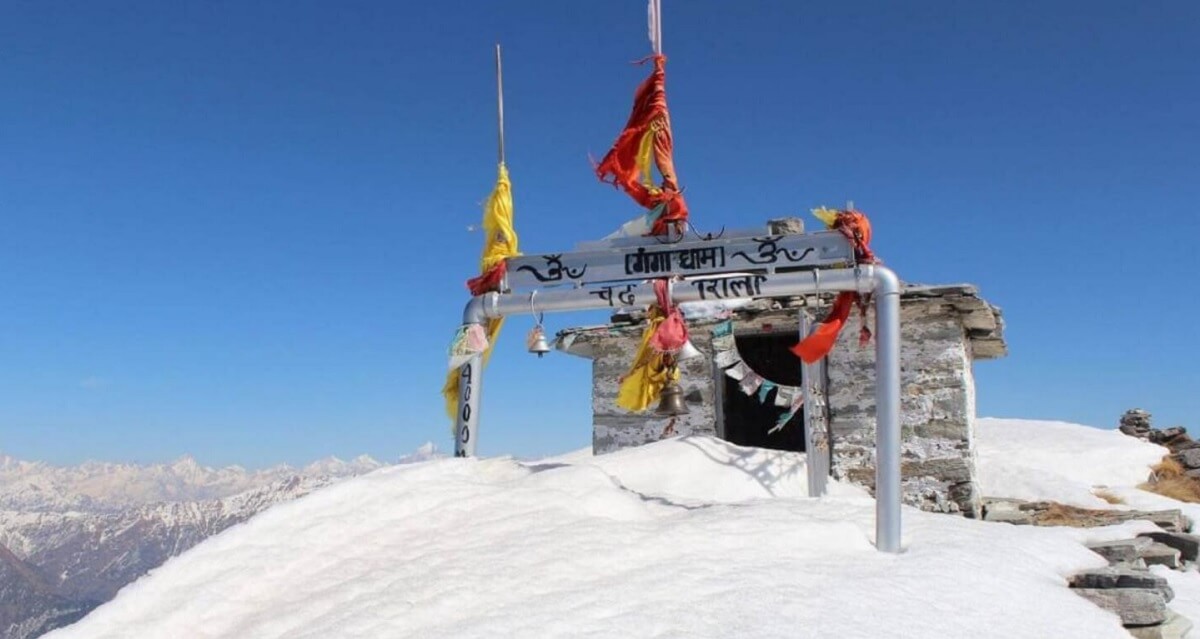
For those seeking an even more rewarding view, the trail extends 1.5 km further to Chandrashila Peak, which offers a 360-degree view of the Garhwal and Kumaon Himalayas. On a clear day, peaks such as Nanda Devi, Trishul, Kedarnath Dome, and Chaukhamba can be seen standing tall in every direction. Kedarnath Weather in August 2025: Climate Guide, Travel
How to Reach Chopta and Tungnath
Chopta does not have direct railway or flight connections but can be reached easily by road.
- By Road: From Rishikesh (200 km) or Haridwar (225 km), drive via Devprayag, Rudraprayag, and Ukhimath to reach Chopta. The roads are scenic but winding.
- By Train: The nearest railway station is Haridwar. From there, you can hire a taxi or take a bus.
- By Air: The nearest airport is Jolly Grant Airport in Dehradun, about 220 km from Chopta.
Chopta is the last motorable point. From there, you trek to Tungnath. Best Time to Visit Tungnath: Weather, Temple Opening Dates
Best Time to Visit Tungnath
The best time to visit depends on your preferences for weather, trekking conditions, and crowd levels.
April to June (Spring/Summer):
This is the most popular season. The weather is pleasant, skies are generally clear, and the rhododendrons are in full bloom. Temperatures during the day hover around 15°C, but nights can get chilly.
September to November (Autumn):
This period offers crisp air, fewer tourists, and fantastic mountain views. Post-monsoon greenery adds to the beauty. Temperatures range between 5°C to 15°C.
December to March (Winter):
The temple is closed, but adventure seekers and snow trekkers can attempt the trail to a snow-covered Tungnath. Ensure you have proper winter gear and check local weather conditions in advance.
July to August (Monsoon):
The region experiences heavy rainfall, and trekking becomes dangerous due to landslides and slippery paths. This season is generally not recommended. Kedarnath Yatra in September 2025 – Travel Guide & Tips
Accommodation Options Near Tungnath
There are no hotels near the temple itself, but Chopta and nearby villages like Dugalbitta, Baniyakund, and Makkumath offer basic and comfortable stays.
- Budget Lodges: Small guesthouses with clean rooms, blankets, and home-cooked meals.
- Tented Camps: Scenic locations with evening bonfires and meals. Great for groups or nature lovers.
- Homestays: Stay with local families in nearby villages for a more immersive cultural experience.
Most accommodations offer views of the meadows or forest and are ideal for early morning treks. Prices range between ₹600 to ₹2500 per night. Places to Visit in Gaurikund: A Spiritual and Scenic Gateway to Kedarnath
Food and Essentials on the Trail
There are a few small dhabas and food stalls at Chopta and along the trekking path. While the menu is simple, the food is fresh and comforting. Expect to find:
- Parathas with curd or pickle
- Maggi noodles
- Tea and coffee
- Rice, dal, and sabzi meals
- Biscuits and packaged snacks
It’s advisable to carry your own water bottle, trail snacks, and a small first-aid kit. Lesser-Known Spiritual Circuits in India | Offbeat Pilgrimage Trails
What to Pack for Your Tungnath Trip
Because of the variable weather and the altitude, packing smart is essential.
- Layered clothing (light jackets, woollens, raincoat)
- Good quality trekking shoes with ankle support
- Cap, gloves, and sunglasses
- Sunscreen and lip balm
- Trekking pole (optional but helpful)
- Personal medicines and a basic first-aid kit
- Power bank (electricity is unreliable)
- Flashlight or headlamp
Keep your pack light but prepare for sudden temperature changes, especially if you’re staying overnight in Chopta or continuing to Chandrashila. A Complete Travel Guide to Chopta Chandrashila
Exploring Beyond the Temple
If you have extra time, the region offers several places that are equally beautiful and enriching:
- Chandrashila Peak: A must-visit for trekkers. It is believed Lord Rama meditated here after defeating Ravana.
- Deoria Tal: A pristine lake with reflections of snow peaks, located a short drive and trek away from Sari Village.
- Makkumath: The winter seat of the deity, where you can experience temple rituals in a quieter setting. Travel Guide to Chandrashila: A Spiritual Journey
Cultural and Spiritual Experience
Visiting Tungnath is not just about completing a trek. It is a journey into ancient mythology and Himalayan spirituality. The absence of crowds and commercialization makes it easier to connect with the natural environment and the divine.
The temple architecture is simple, made from stone, and reflects the spiritual philosophy of the mountains — strong, enduring, and silent. Inside the sanctum, priests perform daily rituals, and visitors are welcome to offer prayers or sit in quiet reflection. 10 Deep Reasons Why India Is the Land of Peace
Final Travel Tips Before You Go
- Start your trek early in the morning to avoid weather shifts and return before dark.
- If visiting during temple season, check the official opening dates as they vary based on the Hindu calendar.
- Keep your phone charged, but don’t expect reliable signals beyond Ukhimath.
- Respect local customs — dress modestly, avoid littering, and be polite to villagers.
- Always carry cash, as there are no ATMs or card facilities in Chopta.
Frequently Asked Questions
Is the Tungnath trek suitable for beginners?
Yes, it is considered one of the easiest Himalayan treks and is suitable for first-timers with basic fitness.
Do I need a guide for the Tungnath-Chandrashila trek?
The trail is well-defined, but hiring a local guide can enhance your experience and ensure safety in case of snow or poor visibility.
Can children or elderly people do this trek?
Yes, many families with kids and elderly people complete the trek comfortably, taking breaks along the way.
Is camping allowed near Tungnath Temple?
Camping is restricted near the temple. You can camp at designated sites in Chopta or Dugalbitta.
Is there snow at Tungnath in April?
Yes, early April may still have snow patches along the trail, especially near Chandrashila. Kartik Swami Temple Trek: Your Ultimate Guide
Conclusion
Tungnath Temple is not just a place of worship; it’s a doorway into the ancient stories of the Himalayas. Here, every stone carries silence, every step connects you with the divine, and every view opens up to vastness. Whether you come for the pilgrimage, the trek, or the quiet escape, Tungnath leaves you changed.
For many, reaching this temple is more than a physical journey — it’s a spiritual milestone in the lap of the mountains.
You Might Also Like:
- Plan Your Trip: How to Reach Chopta from Delhi Easily
- Explore Now: Complete Guide to Chopta Chandrashila Trek
- Discover Top Things to Do in Chopta – Plan Your Visit
- Know Before You Go: Kedarnath Weather in August 2025
- Find the Best Time to See the Himalayas in Uttarakhand
- Explore 8 Offbeat Indian Places to Visit in September 2025
- Start Planning: North India July Guide for Weather & Places
- Uncover Hidden Spiritual Trails Across India – Travel Offbeat
- Get Ready: June Packing List for Uttarakhand Adventures
- 11 Must-Visit Shiva Temples in Sawan for Pilgrimage and Blessings
- How to Perform Rituals at Rameshwaram Ramanathaswamy Temple Wells
- Mechuka Hidden Gems: Uncovering Offbeat Experiences