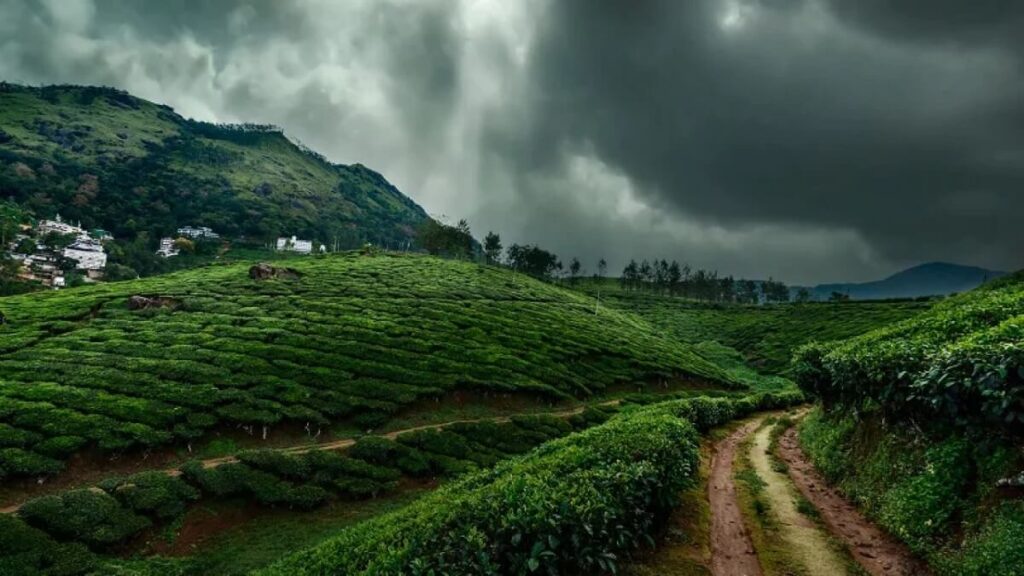
India in July is poetry in motion. The monsoon has swept in, painting the country in every possible shade of green. From rain-kissed hill stations to gushing waterfalls, misty valleys to quiet beaches that suddenly come alive, July is when India breathes, dances, and sings in its most natural rhythm.
If you’re the kind who believes that travel should have mood, movement, and maybe a little mud—this is your season. And this list? Your ultimate travel companion.
Here’s our curated guide to the best places to visit in 2026 India in July—whether you’re chasing waterfalls, hiking through cloud forests, or sipping chai with a view of rain-soaked mountains.
1. Coorg, Karnataka

Coorg (Kodagu) wears the monsoon like a well-fitted sherwani—elegant, proud, and dramatic. The coffee estates drip with rain, waterfalls thunder down the hills, and everything smells of earth and cardamom. Create Your Perfect Coorg Itinerary – 3-Day Travel Plan
Top Experiences:
- Visit Abbey Falls and Iruppu Falls in their full monsoon glory.
- Sip a fresh-brewed Coorgi filter coffee inside a plantation homestay.
- Trek to Tadiandamol, the highest peak in Coorg.
Pro Tip:
Bring waterproof trekking gear and avoid driving at night—the fog rolls in heavy and fast.
How to Reach
- By Air: Nearest airport is Mangalore (~160 km, ~4 hrs drive). Alternatively, Bengaluru (260 km, ~6 hrs).
- By Train: Mysuru station (~90 km) with onward bus/taxi connections.
- By Road: Regular buses and taxis from Bengaluru, Mysuru, and Mangalore. Scenic highway routes.
Where to Stay
- Madikeri town: Mid-range cottages and boutique resorts (₹3,000–6,000/night).
- Plantation homestays: Immersive coffee estate experiences (₹2,500–5,000).
Budget: Guesthouses in Virajpet (₹1,200–2,500).
2. Valley of Flowers, Uttarakhand
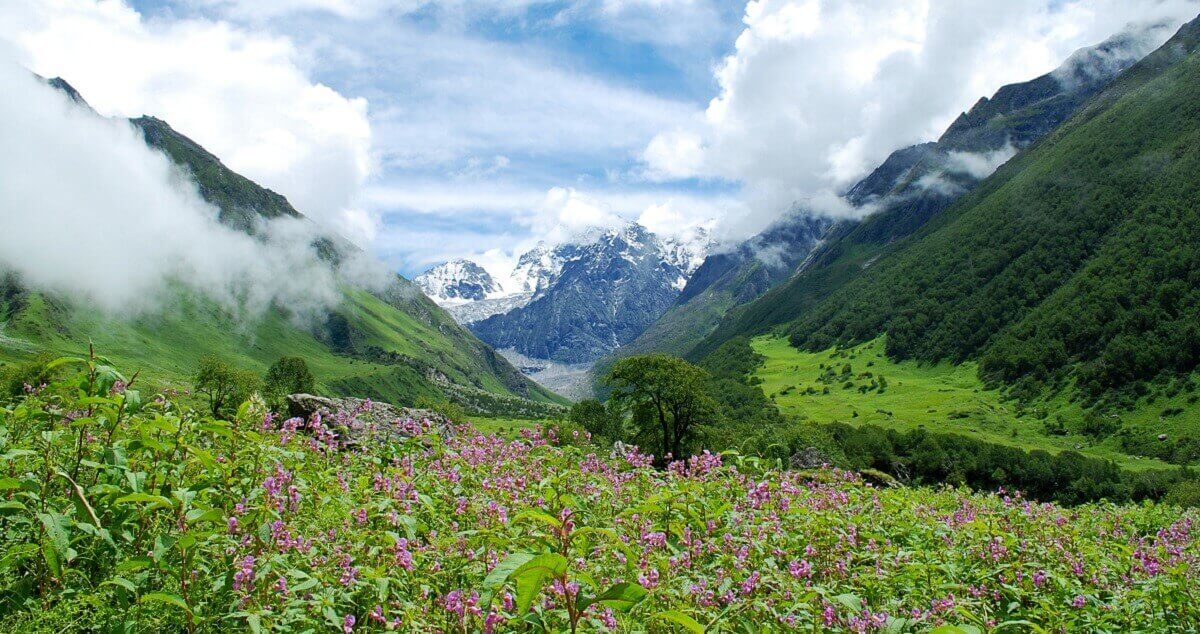
It opens for only a few months a year—and July is peak bloom. The UNESCO World Heritage Site is a meadow straight out of a storybook, flanked by the mighty Himalayas and carpeted in rare alpine flowers. Book Your Valley of Flowers Trek – 2026 Season Travel Guide
Top Experiences:
- Trek from Govindghat to Ghangaria, and onward to Valley of Flowers.
- Combine it with a spiritual journey to Hemkund Sahib, one of the highest Gurudwaras in the world.
- Spot endangered species like the blue poppy and Himalayan monal.
Pro Tip:
Fitness matters. The trek is moderate but gets slippery—start training a few weeks in advance.
How to Reach
- By Air: Dehradun (Jolly Grant Airport), ~300 km trip; then Haridwar–Rishikesh road to Govindghat.
- By Train: Nearest stations are Haridwar or Rishikesh, then shared jeep/bus to Govindghat (~280 km, ~8–9 hrs).
- By Road: Direct buses/taxis available up to Govindghat.
Where to Stay
- Govindghat/Bagi village: Basic lodges and guesthouses (₹600–1,500).
- Near Kina Village: Teahouses along the trekking route; dormitory-style.
- Ghangaria: Small lodges and homestays (₹1,200–2,500); advance booking essential during bloom season.
3. Cherrapunji & Mawsynram, Meghalaya
Because when it rains here, it really rains. But it’s not the kind that ruins travel—it defines it. Imagine waking up in a bamboo homestay surrounded by waterfalls, clouds drifting through your windows, and caves whispering ancient stories.
Top Experiences:
- Walk the Living Root Bridges in the rain—it’s surreal.
- Visit Nohkalikai Falls, India’s tallest plunge waterfall.
- Explore Mawsmai Caves, illuminated naturally by limestone.
Pro Tip: Pack more than one pair of shoes. You’ll get soaked—and you’ll love it.
How to Reach
- By Air: Nearest airport is Shillong (Umroi), ~70 km from Cherrapunji.
- By Train: Guwahati Railway Station (~150 km), then shared jeep/bus.
- By Road: Well-connected roads from Shillong (2 hrs), Guwahati (~4–5 hrs).
Where to Stay
- Cherrapunji (Sohra): Comfortable resorts and guesthouses with valley views (₹2,000–4,000).
- Sohpetbneng Village homestays: Local Khasi culture immersion (₹1,500–3,000).
Mawsynram: Limited, primarily basic lodges; suggest day trips from Cherrapunji or Shillong.
Discover Safe Offbeat Travel Post-Monsoon – Plan Your Unique Trip!
4. Leh–Ladakh, Union Territory
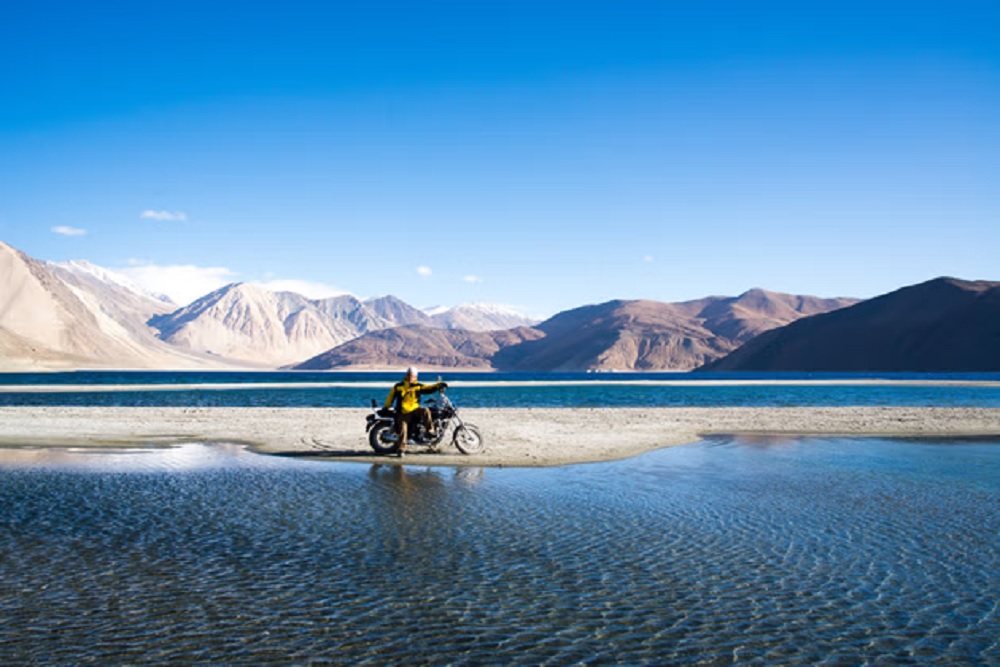
Ladakh opens up completely by July—roads, passes, and all. Snow still caps the peaks, but the roads are drivable and the lakes are mirror-perfect. Capture Ladakh’s Beauty – Top Instagram-Worthy Places
Top Experiences:
- Ride through Khardung La, one of the world’s highest motorable passes.
- Camp by Pangong Tso or Tso Moriri under a star-soaked sky.
- Explore monasteries like Hemis, Thiksey, and Diskit.
Pro Tip: Acclimatize properly. Spend at least 48 hours in Leh before heading to higher altitude spots.
How to Reach
- By Air: Leh Kushok Bakula Rinpoche Airport (IXL) has daily flights from Delhi (~1 hr 30 min via AI,
- By Road (May–Oct):
Manali–Leh Highway: ~20 hours, passes 3 passes above 5,000 m (Tanglang La).
Srinagar–Leh Highway: somewhat gentler altitude gains, crosses Fotu La (~4,100 m)
- Permits: All travelers need Inner Line Permits (ILP)—required for Nubra, Pangong, etc
Where to Stay
- Leh town: Wide choice of guesthouses/shops near the bazaar; expect ₹1,500–4,000 per night
- Nubra Valley & Pangong: Tented camps or homestays—basic but scenic; book in advance during peak season.
- Community stays: Village-based guesthouses in Thiksey, Nimoo offer cultural immersion with local hosts
5. Wayanad, Kerala
Kerala during monsoon is magic—and Wayanad is the jewel in its misty crown. Waterfalls gush, paddy fields shimmer, and treehouses hang over emerald valleys.
Top Experiences:
- Take a forest safari in Wayanad Wildlife Sanctuary.
- Trek to Chembra Peak for a heart-shaped lake view.
- Explore Edakkal Caves with prehistoric rock carvings.
Pro Tip:
July is leech season—carry salt or a leech sock if you’re hiking. Experience Monsoon Beauty – Click Here for India’s Top Scenic Train Rides!
How to Reach
- By Train: Nearest station is Kozhikode (~85 km away); taxis/buses available
- By Air: Kozhikode International Airport (~97 km); connected to major Indian cities
- By Road:
From Bangalore: ~280 km scenic drive via Mysuru; roads are well‑maintained
Where to Stay
- Vythiri/Madikkunnu: Ideal base for tea‑estate homestays and mid‑range resorts
- Luxury: Banasura Hill Resort offers eco‑friendly cottages near Banasura Dam
- Budget: Hostels like The Hosteller (around ₹2,500–3,500), basic guesthouses near Kalpetta .
6. Udaipur, Rajasthan
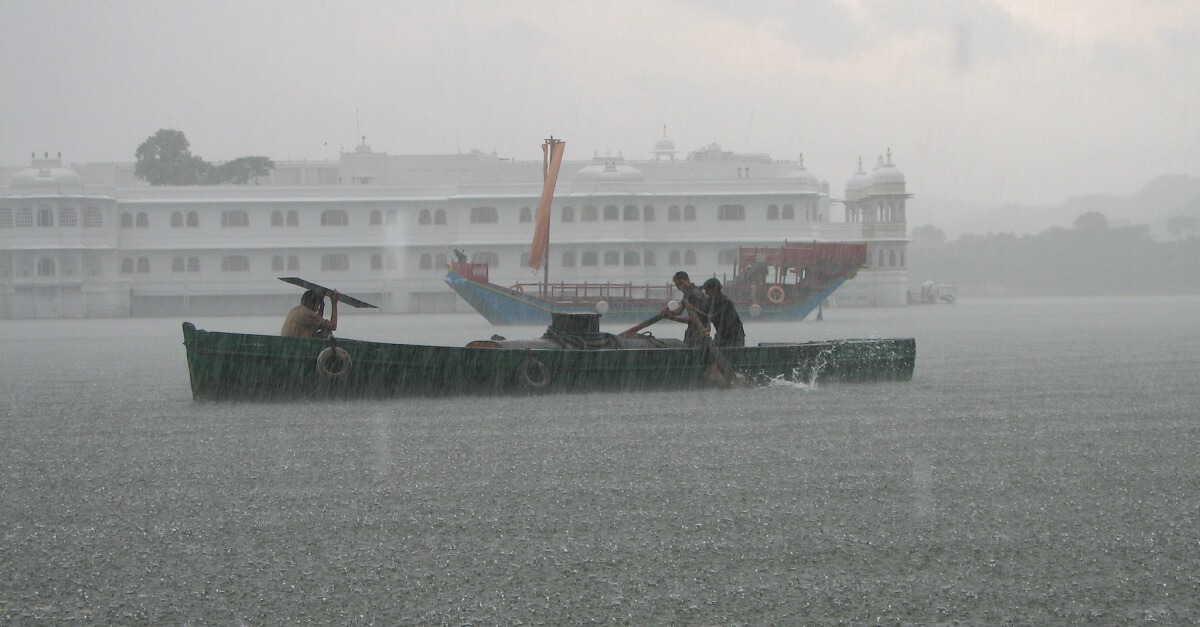
The desert state’s heat mellows, and Udaipur turns lush and romantic. Lakes fill up, the monsoon brings dramatic skies, and palaces reflect like paintings. Experience Udaipur in the Rain – Monsoon Travel Tips
Top Experiences:
- Watch the sunset from Monsoon Palace (no pun intended).
- Take a boat ride on Lake Pichola, past the City Palace and Jag Mandir.
- Stay in a heritage haveli with rain-lashed courtyards.
Pro Tip:
This is off-season, which means great deals on stays. Treat yourself to a luxury hotel for less.
How to Reach
- By Air: Udaipur Maharana Pratap Airport (~24 km from city centre), flights from Delhi, Mumbai, Jaipur.
- By Train: Udaipur City railway station well‑connected to Delhi, Mumbai, Jaipur.
- By Road: NH48 from Delhi (650 km), or bus services from Jaipur, Ahmedabad.
Where to Stay
- Lakeside Haveli Hotels: Boutique stays around Lake Pichola (₹3,000–8,000/night).
- Luxury Resorts: Oberoi Udaivilas, Leela Palace (₹15,000+).
- Budget Guesthouses: In and around old city (₹1,000–2,500).
7. Tawang, Arunachal Pradesh
This remote Himalayan town is mystical during the monsoon. Roads can be tough, but the reward is absolute solitude amidst Buddhist monasteries and snow-kissed peaks.
Top Experiences:
- Visit the Tawang Monastery, one of the largest in Asia.
- Trek to Sela Pass and witness the vibrant prayer flags fluttering in the mist.
- Spot yaks and orchids on hidden trails.
Pro Tip:
Check weather updates regularly. Roads can close due to landslides. Beat the Heat – Discover the Best Places to Visit in India This July
How to Reach
- By Air: Nearest airport is Tezpur (130 km) or Guwahati (450 km), then bus/taxi.
- By Road: Iconic route from Bhalukpong through Bomdila to Tawang (~14 hr from Tezpur).
- Permits: Inner Line Permit required; can be obtained via online/offline.
Where to Stay
- Tawang town has mid‑range hotels (₹1,200–2,500).
- Homestays in villages like Zemithang, Dirang (culturally immersive, ₹2,000–4,000). Basic lodges near monasteries.
8. Goa (Yes, Goa!) – The Green Side of the Beach
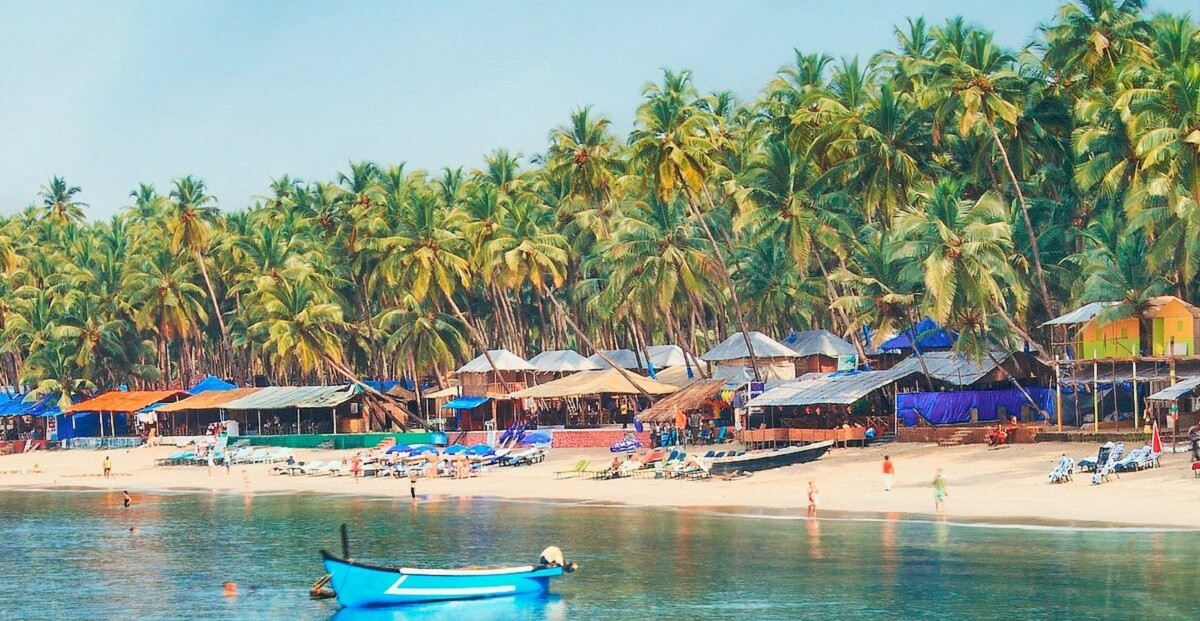
Forget crowded beaches and boozy shacks. July is when Goa turns into a tropical jungle—raw, quiet, and full of secrets. Waterfalls like Dudhsagar are in full flow, and the backwaters of Divar Island offer postcard-perfect scenes. Goa or Pondicherry? Find Your Ideal Getaway Today
Top Experiences:
- Trek to Dudhsagar Waterfalls via jeep or train.
- Cycle through Old Goa and the Latin quarters of Fontainhas in the drizzle.
- Visit a spice plantation or take a monsoon cooking class.
Pro Tip:
Beaches aren’t for swimming now, but they’re perfect for long, moody walks.
How to Reach
- By Air: Goa International Airport (GOI) at Dabolim, + regional flights at Manohar International (Mopa).
- By Train: Madgaon, Thivim railway stations serve the region.
- By Road: Good highways from Mumbai (10 hr), Pune, Bangalore.
Where to Stay
- Green-side beach resorts (e.g., Ashwem, Mandrem): eco-resorts and boutique stays (₹5,000–10,000).
- Mid-range circa Panaji & Mapusa: comfortable guesthouses (₹2,500–5,000).
- Budget stays: hostels and homestays in Arambol, Anjuna (~₹1,000–2,500).
9. Mahabaleshwar & Panchgani, Maharashtra
Western Ghats in July are alive. Mahabaleshwar, famous for strawberries and sweeping valley views, is veiled in mist and waterfalls.
Top Experiences:
- Explore Lingmala Waterfall and Arthur’s Seat viewpoint.
- Enjoy fresh chikki and hot strawberry cream with views.
- Drive through lush winding roads to Panchgani Table Land.
Pro Tip:
Weekdays are best to avoid Mumbai–Pune crowds. Book stays in advance.
How to Reach
- By Road: ~260 km from Mumbai via NH48; buses and taxis from Pune.
- By Train/Air: Nearest railway station and airport at Pune (~120 km).
Where to Stay
- Mahabaleshwar: Colonial‑style hill‑resort hotels (₹3,000–8,000).
- Panchgani: Cozy cottages and guesthouses (₹2,000–5,000).
- Budget lodges: near market (₹1,000–2,500).
10. Spiti Valley, Himachal Pradesh
While most of India gets drenched, Spiti stays dry. Rain shadow regions like Spiti are perfect for monsoon-averse travellers. Think deserted monasteries, moon-like landscapes, and glacier-fed rivers.
Top Experiences:
- Visit Key Monastery, perched like a jewel in the Himalayas.
- Camp near Chandratal Lake.
- Experience the Giu Mummy—India’s only natural mummy.
Pro Tip:
Travel via Manali–Kaza road, but check for landslides. Always keep a buffer day.
How to Reach
- By Road: Manali–Kaza via Rohtang (>13,000 ft) (only May–Oct); Shimla–Kaza via Kinnaur is gentler.
- By Air: Bhuntar airport (near Manali), then road onward.
- Permits: Inner Line Permit required.
Where to Stay
- Kaza town: guesthouses (₹1,200–3,000).
- Trekking homestays in villages (Dhankar, Langza).
High-end camps at remote monasteries
11. Darjeeling, West Bengal

As monsoon clouds sweep over the eastern Himalayas, Darjeeling turns into a fog-laced fantasy. While you may miss a clear view of Kanchenjunga, you gain a mystical, deeply atmospheric version of this hill town—fewer tourists, lush gardens, and rain tapping on tin roofs. Make the Right Choice – Read the Darjeeling vs Gangtok Travel Tips
Top Experiences:
- Ride the Darjeeling Himalayan Railway (Toy Train) through swirling mists and moss-covered tracks.
- Sip freshly brewed first-flush tea at Glenburn or Makaibari estates.
- Visit the Padmaja Naidu Himalayan Zoological Park to spot red pandas and snow leopards.
Travel Tip:
Carry a warm layer—it gets surprisingly chilly when it rains, even in July.
How to Reach
- By Air: Bagdogra Airport (~70 km); taxis or shared jeeps to Darjeeling (~3 hr, though traffic can push it to 5–6 hr.
- By Train: Ride the Toy Train from New Jalpaiguri/Siliguri; scenic 7½-hour journey through Ghum, steep curves, passing tea estates
- By Road: Regular car/bus services from Siliguri meet higher traffic during peak season .
Where to Stay
- Luxury: Heritage bungalows like Glenburn Tea Estate—boutique stays, tea-plantation setting.
- Mid-range: Popular hotel clusters near Mall Road/town centre.
- Budget: Homestays and lodges in lower market areas, plus early-booked guesthouses.
12. Lonavala–Khandala, Maharashtra
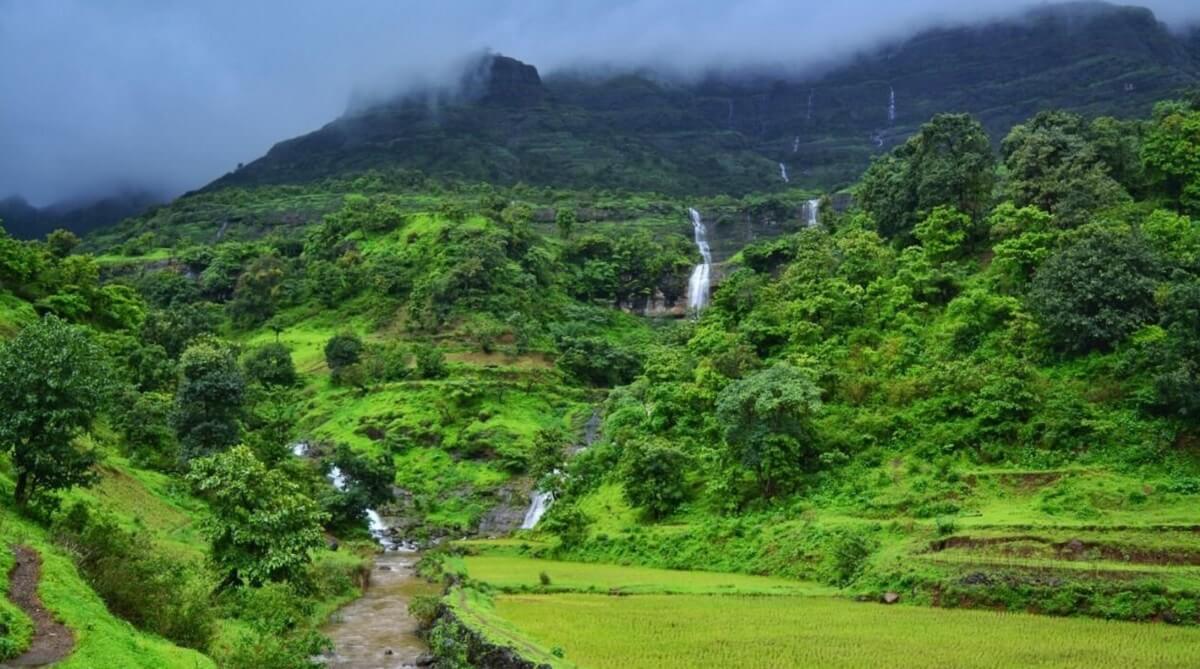
Monsoon transforms the Western Ghats into a waterfall wonderland, and no place near Mumbai-Pune exemplifies that better than Lonavala and Khandala. Yes, they’re popular, but for good reason. Must explore Things to Do in Lonavala for the Perfect Getaway
Top Experiences:
- Trek to Rajmachi Fort and see clouds roll over the valley.
- Marvel at Bhushi Dam overflowing with water and laughter.
- Gorge on chikki, vada pav, and hot masala chai with a view.
Travel Tip:
Visit midweek to avoid weekend crowd surges. Carry extra clothes—you will get wet.
How to Reach
- By Road: ~80 km from Mumbai, ~60 km from Pune via NH48; well-serviced highways .
- By Train: Frequent suburban trains from Mumbai to Lonavala station.
- By Bus/Taxi: Shuttles from nearby cities, rentals widely available.
Where to Stay
- Resorts near Pawna Lake & forts: mid-range ₹3,000–7,000.
- Cottages & homestays: around Karla Caves, Lohagad (offbeat, ₹2,000–4,000)
- Budget hotels: near Lonavala town (~₹1,200–2,500).
13. Mount Abu, Rajasthan
Rajasthan isn’t the first state you think of during monsoon, but Mount Abu defies expectations. The state’s only hill station, it offers cooler climes, quiet lakes, and greenery that surprises you.
Top Experiences:
- Row a boat across the rain-freshened Nakki Lake.
- Visit Dilwara Temples, intricate Jain marvels glowing in monsoon mist.
- Enjoy views from Guru Shikhar, Rajasthan’s highest peak.
Travel Tip:
Evenings get romantic and cold. Pack a light sweater and enjoy local jalebis while it drizzles.
How to Reach
- By Road: Well-maintained from Udaipur (163 km) and Ahmedabad (220 km
- By Train: Abu Road station (~28 km); taxis/jeeps onward
- By Air: Udaipur Airport (~176 km); then drive.
Where to Stay
- Lakeside hotels: near Nakki Lake, a range from ₹2,500 to ₹7,000.
- Mountain lodges/retreats: peaceful forest escapes.
- Budget guesthouses: in town near market.
14. Munnar, Kerala

Rainfall in Munnar doesn’t dampen—it enriches. The mist hugs tea plantations like an old friend. Waterfalls seem to spring from nowhere. It’s monsoon magic in the hills. Discover Munnar’s Secret Spots – Explore Hidden Gems Now
Top Experiences:
- Visit Attukal, Lakkam, and Valara waterfalls in full monsoon flow.
- Take a tea-tasting tour in Kolukkumalai, the world’s highest tea estate.
- Enjoy a guided walk through the Eravikulam National Park (note seasonal closures).
Travel Tip:
If you’re not driving, book a local cab for sightseeing—winding wet roads can be tricky.
How to Reach
- By Road: From Kochi (~130 km, ~4 hr), scenic Western Ghats drive
- By Air: Kochi International Airport + drive/bus.
- By Train: Aluva or Ernakulam station, then road.
Where to Stay
- Eco-resorts/homestays: hillside with fabulous views (~₹3,000–8,000).
- Mid-range: Near tea museum or town centre.
- Budget: Simple lodges & hostels.
15. Alleppey, Kerala
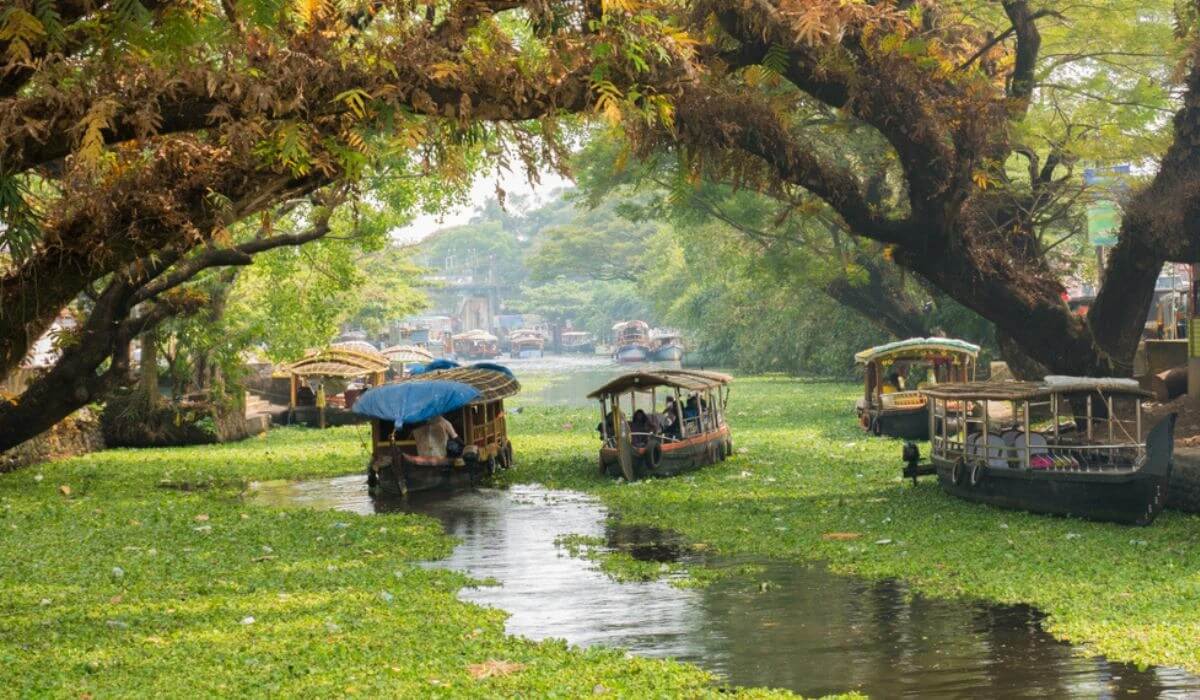
Monsoon in the backwaters is a serene, spiritual experience. The paddy fields flood, rivers swell, and the lush green banks of the canals offer reflections more vivid than reality. Plan Your Trip to Alleppey – Easy Guide to Kerala’s Backwaters
Top Experiences:
- Spend a night on a houseboat, watching rain fall gently on the backwaters.
- Visit Alleppey Beach for dramatic skies and powerful waves.
- Try an Ayurvedic spa retreat—monsoon is traditionally the best season for it.
Travel Tip:
Choose a well-maintained houseboat with trained staff; not all are equal in the off-season.
How to Reach
- By Road/Rail: Alappuzha station located in town; road access from Kochi/Kumarakom.
- By Air: Nearest airport is Kochi (~60 km), then taxi or bus .
Where to Stay
- Luxury houseboats: overnight cruises on Vembanad Lake (~₹10,000+ per night).
- Budget homestays & backwater cottages in villages, ₹2,000–5,000.
- Mid-range hotels by lakefront.
16. Agumbe, Karnataka
Nicknamed the Cherrapunji of the South, Agumbe is a paradise for rain lovers and reptile researchers. It’s India’s only rainforest reserve, home to the elusive king cobra and hundreds of amphibians.
Top Experiences:
- Take guided nature walks with the Agumbe Rainforest Research Station.
- Visit the Barkana and Onake Abbi waterfalls, raging in monsoon.
- Spot glowworms and moss-covered trees during a night forest trek.
Travel Tip:
Respect the ecosystem—don’t disturb wildlife or stray from marked trails. Ideal for eco-conscious travelers.
How to Reach
- By Air: Mangalore International Airport (~95–100 km); then taxi or KSRTC bus (~3 hrs)
- By Train: Nearest stations at Udupi (~50 km) or Mangalore (~100 km); onward by bus/taxi
- By Road: Connected via NH75/NH69 from Bangalore/Shivamogga (~380 km); journey takes ~7–8 hrs
Where to Stay
Seethanadi Nature Camp (~15 km from town) operated by Jungle Lodges & Resorts
Homestays in Agumbe village or nearby Thirthahalli (~30 km)—local hosts, home-cooked meals
Limited guesthouses in town—book ahead.
17. Kodaikanal, Tamil Nadu
Kodaikanal is often overshadowed by Ooty, but during July, it becomes a painter’s palette of clouds and pine forests. The crowds thin, and the tranquility is thick.
Top Experiences:
- Cycle around the foggy banks of Kodaikanal Lake.
- Hike to Pillar Rocks or Dolphin’s Nose for panoramic views.
- Visit Berijam Lake, a peaceful, restricted-access spot surrounded by dense forest.
Travel Tip:
Stay in a cozy heritage cottage or eco-resort tucked into the hills for the best experience.
How to Reach
By Road:
• From Bangalore: ~462 km via Mysuru (~10 hrs).
• From Chennai: ~513 km via Madurai (~11 hrs)
By Train/Air: Nearest train/airport at Madurai (~116 km); frequent buses/taxis to Kodaikanal
Where to Stay
Near Lake/Chettiar Park: Ideal mid-range hotels/guesthouses like Park Royale (~₹2,500–4,000/night)
Budget options: Lodges away from tourist hubs.
18. Ziro Valley, Arunachal Pradesh
While accessibility can be a challenge due to rains, Ziro in July is otherworldly. The rice fields shimmer silver and green, clouds linger on mountaintops, and the Apatani people’s traditions offer a rare glimpse into a living heritage.
Top Experiences:
- Explore traditional Apatani villages with bamboo homes and hand-dug irrigation canals.
- Walk through flooded rice fields and orchid forests.
- Try local delicacies like bamboo shoot chutney and rice beer.
Travel Tip:
Always check with locals or tourism offices about road conditions; Ziro can get isolated during heavy rains.
How to Reach
- By Air: Nearest airport is Lilabari (Assam) or Tezpur, followed by 4‑5 hr taxi to Ziro.
- By Road: Connected via Itanagar (120 km) on well‑maintained highways.
- Permits: Inner Line Permit required.
Where to Stay
- Homestays in Hapoli or Apatani villages: ₹1,500–3,000/night—local cuisine and cultural immersion.
- Guesthouses in Ziro town for basic comfort.
19. Puri-Konark, Odisha
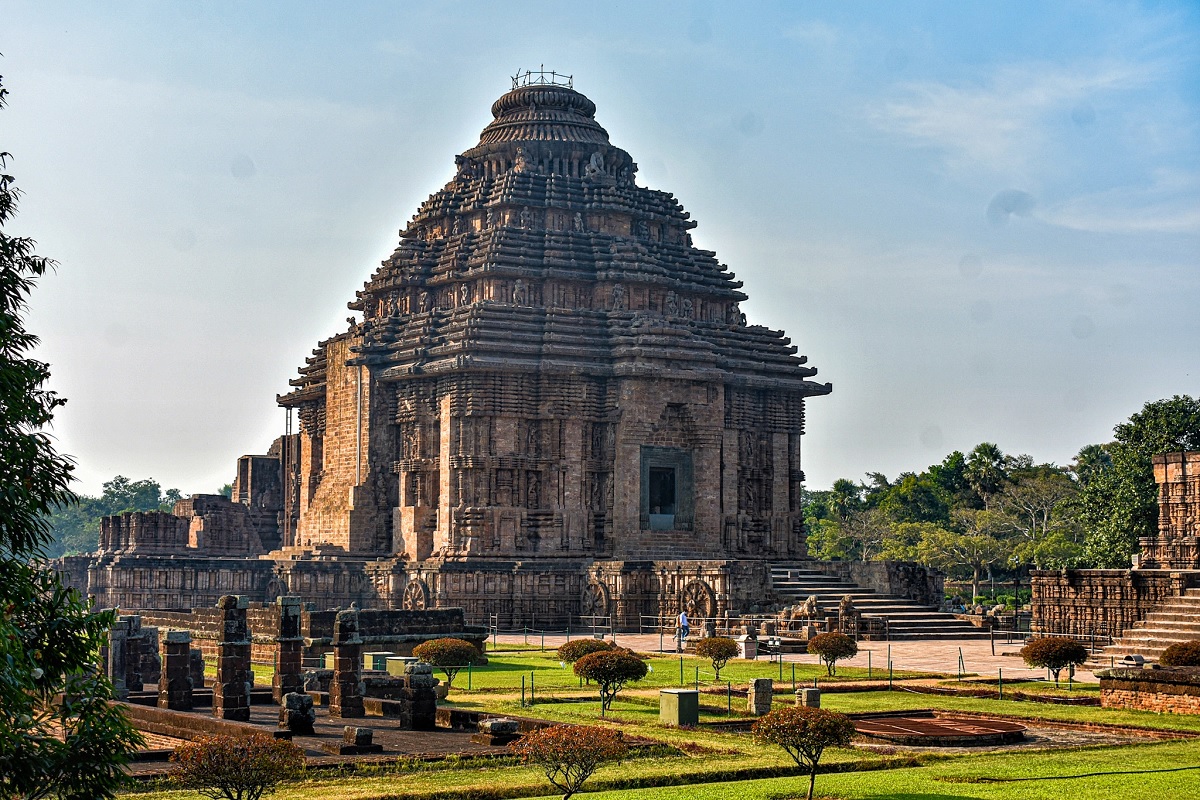
Puri and Konark offer a unique blend of cultural depth and coastal drama during the monsoon. Fewer pilgrims mean more space to explore the shore temples and wide beaches. Discover Birding Bliss at Chilika Lake – Explore Now!
Top Experiences:
- Witness turbulent monsoon waves crashing on Puri Beach.
- Explore the Konark Sun Temple, an architectural marvel soaked in history and rain.
- Sample Odisha’s monsoon cuisine—light dalma, steamed rice cakes, and hot chaas.
Travel Tip:
Avoid swimming—the Bay of Bengal can be dangerously rough this time of year. Stick to cultural exploration and calm walks. Click Here for the Ultimate Karlapat Wildlife Sanctuary Travel Guide!
How to Reach
- By Air: Biju Patnaik Airport, Bhubaneswar (~65 km); then taxi or bus.
- By Train: Puri is well‑connected on the mainline. Konark is 35 km from Puri.
- By Road: Regular buses/taxis from Bhubaneswar and Cuttack to both towns.
Where to Stay
- Puri beach resorts: from ₹3,000–8,000/night.
- Mid-range hotels/guesthouses: around Gundicha Temple.
- Budget accommodations: near the beach or in Konark (~₹1,000–2,500).
20. Kudremukh, Karnataka
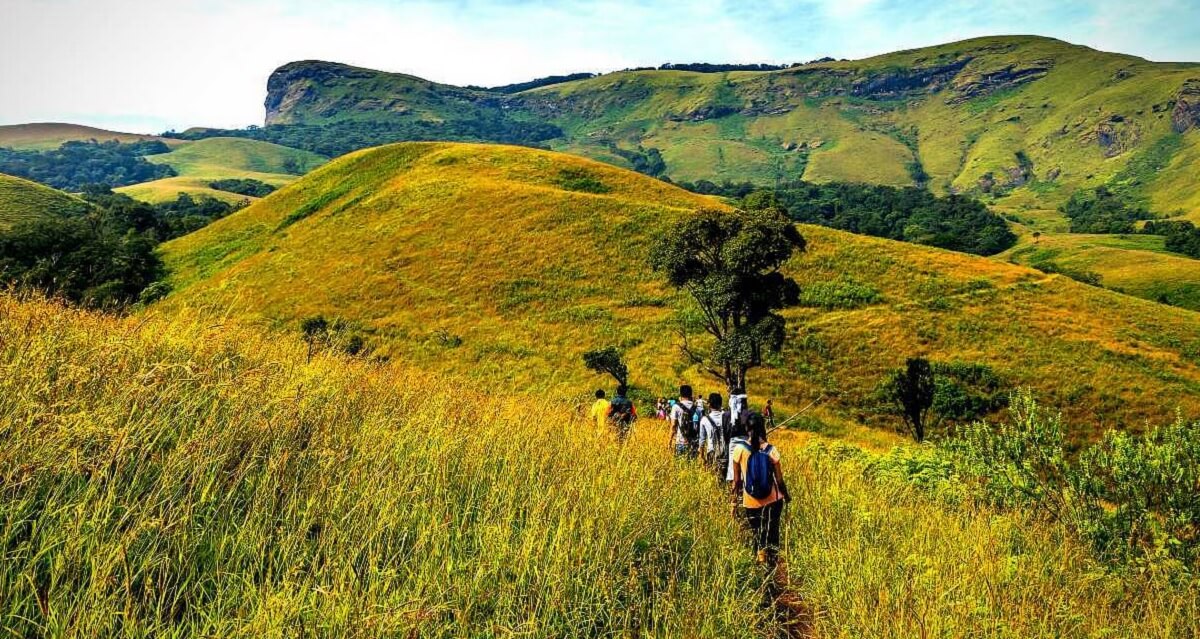
Kudremukh is one of the most rewarding monsoon treks in South India, and July is peak season. You’ll cross waterfalls, grasslands, and cloud forests to reach a horse-face-shaped summit that lives up to its name.
Top Experiences:
- Trek the Kudremukh Peak trail (permit required, 20 people/day limit).
- Visit Hanuman Gundi Falls—tucked in dense forest and thunderous in July.
- Stay at eco-resorts or forest homestays with views of misty valleys.
Travel Tip:
Permits are a must for the trek. Apply early, travel light, and respect forest rules.
How to Reach
- By Air: Mangalore Airport (~130 km); then taxi/bus.
- By Train: Mangalore Railway station (~100 km); onward by road .
- By Road/Bus: No direct buses—travel via Kalasa (~310 km from Bangalore), then local bus/jeep to entrance
Where to Stay
- Forest Rest Houses within national park (forest office-based bookings)
- Homestays in Kalasa/Mullodi villages (₹2,500–4,000)—Raje Gowda’s stays available
Monsoon Travel Tips for July 2026
Even the most seasoned traveler can be caught off guard during an Indian monsoon. Here are key practical tips to ensure a smooth journey India in July:
Pack Smart
- Essentials: Poncho or rain jacket, quick-dry clothes, extra socks, waterproof shoes.
- Electronics: Ziplock bags, silica gel packets, and dry bags for phones/cameras.
- Health Kit: ORS, mosquito repellent, basic meds, and a hand sanitizer.
Stay Updated
- Follow IMD (Indian Meteorological Department) for real-time rain alerts.
- Install apps like Windy or AccuWeather for location-specific forecasts.
Plan Flexibly
- Don’t cram too much in. Heavy rainfall or landslides can delay plans—buffer days are your friend.
- Choose local transport providers who know how to navigate tricky roads.
Eat Light, Stay Hydrated
- The humidity can be draining. Stick to fresh, hot meals and boiled or bottled water.
- Local herbal teas are not just soothing—they’re also immunity-boosting.
Think Local
- Support homestays, eco-resorts, and small businesses.
- Choose community-run tours, responsible wildlife experiences, and low-impact adventures. Explore Kalimpong from Darjeeling – Click Here for the Complete Guide
Final Thought: Travel with the Rain, Not Against It
India in July 2026 is unpredictable, wet, and wild—but also deeply poetic. If you open yourself to its rhythm, the rewards are immense: valleys in bloom, waterfalls roaring to life, and a side of the country that many miss by staying indoors.
So get out there. Let the rain wash off routine, soak you in story, and send you home with memories splashed in green and grey.
You Might Also Like:
- Plan a Romantic Escape to Mussoorie This Monsoon
- Beat the Heat – Explore 10 Cool Getaways Near Delhi
- Know Kerala’s Weather – Travel Smart with This Climate Guide
- Visit Meghalaya in January – Weather & Travel Tips
- Embark on a July Pilgrimage – Top 6 Spiritual Destinations
- Reach Badrinath Temple with Ease – Complete Travel Guide
- Travel Smart in Rajasthan – July 2026 Weather Guide
- Go Adventure Camping – Top Trekking Spots Near Dehradun