Discover the winged wonders of India’s largest brackish water lagoon through charming Chilika Lake Birding
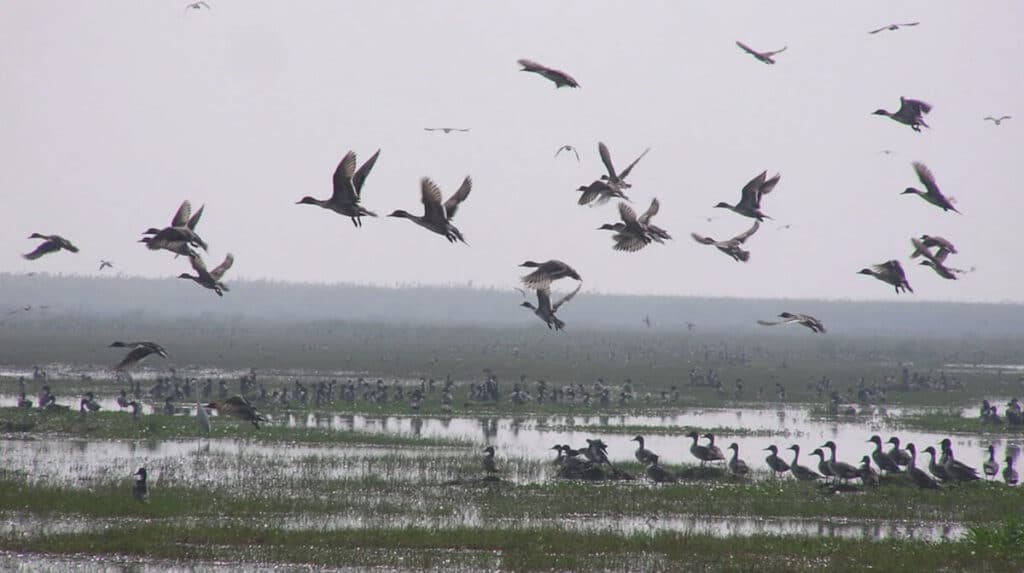
Stretching across 1,100 square kilometers along Odisha’s coast, Chilika Lake Birding stands as Asia’s largest brackish water lagoon and one of the world’s most significant bird sanctuaries. This UNESCO-recognized wetland serves as winter home to over 10.93 lakh migratory birds, making it a premier destination for bird enthusiasts and nature photographers from around the globe.
What sets Chilika Lake Birding apart is not just its impressive bird population, but the unique ecosystem created by the perfect blend of fresh and saltwater, dotted with charming villages where communities have transformed from hunters to guardians of these magnificent winged visitors.
The Great Migration: Nature’s Most Spectacular Show
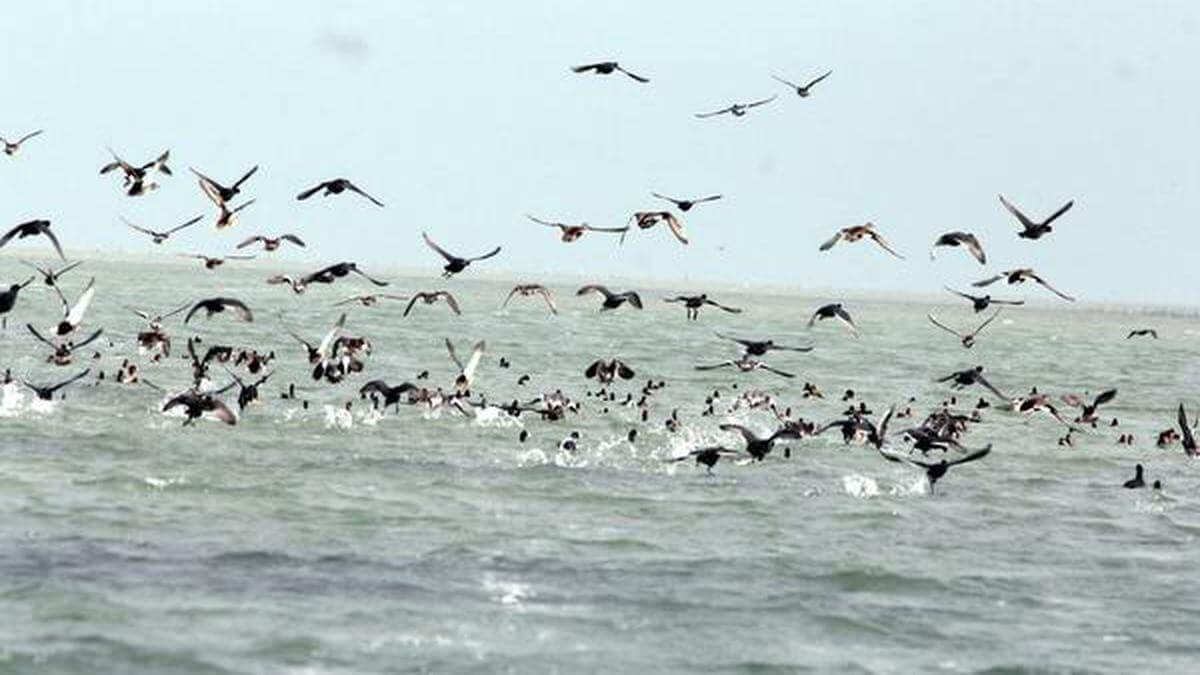
Every winter, Chilika Lake Birding transforms into a bustling metropolis of wings and calls as over a million migratory birds belonging to over 180 species arrive from distant lands including Siberia, Central Asia, Iran, and the Caspian Sea region. This annual pilgrimage creates one of nature’s most spectacular shows, where the sky comes alive with countless birds painting patterns against the azure backdrop.
Key Bird Species You’ll Encounter
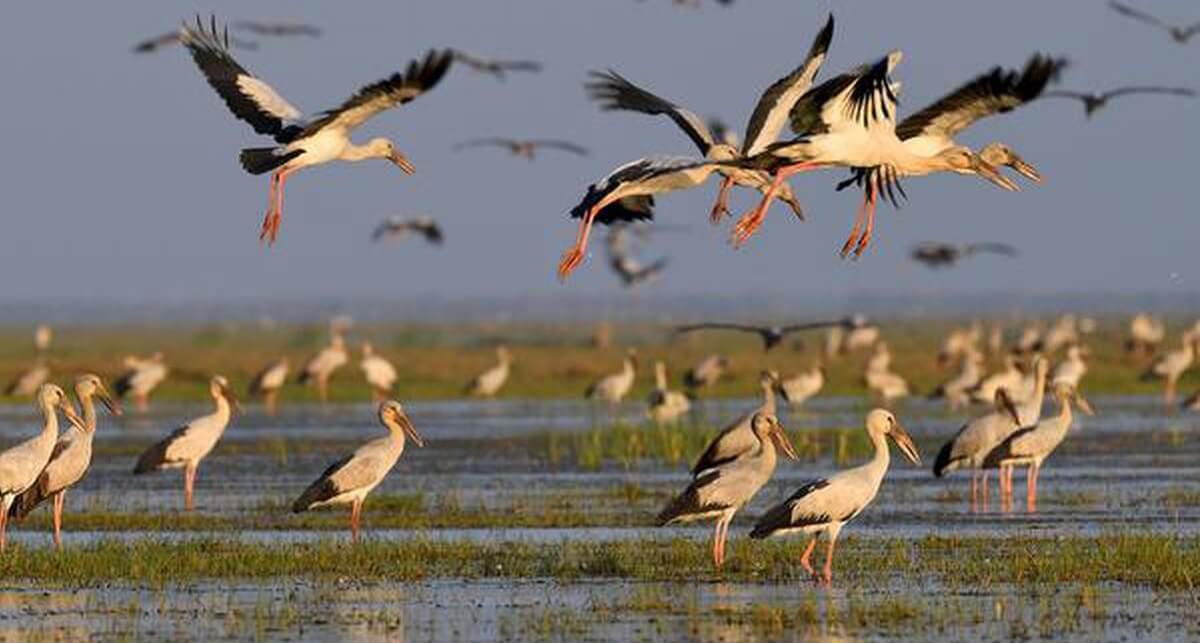
The major birds of Chilka Lake include White-bellied sea eagles, purple moorhen, Graylag geese, jacana, flamingos and herons, with the lake serving as one of the biggest breeding places of flamingos in the world. The diversity is staggering – from elegant flamingos creating pink carpets across the water to majestic white-bellied sea eagles soaring overhead.
Resident Species: Purple moorhens, spot-billed ducks, little cormorants, and various species of herons and egrets call Chilika home year-round.
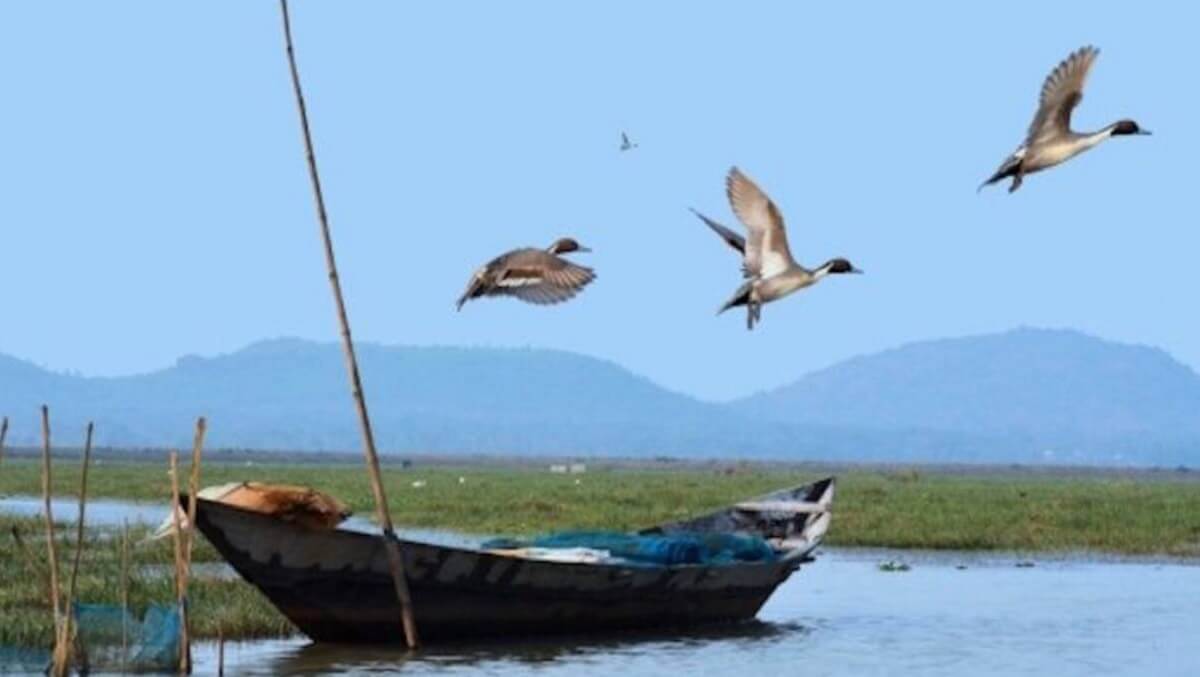
Winter Migrants: Northern pintails, common teals, gadwalls, bar-headed geese, and thousands of other waterfowl species arrive between October and March.
Rare Sightings: The lake occasionally hosts rare visitors like the Eurasian curlew, black-necked stork, and various species of plovers and sandpipers. Book 10-Day Odisha Adventure Tour – Full Itinerary
Mangalajodi: The Crown Jewel of Birding Villages
At the northern edge of Chilika Lake Birding lies Mangalajodi, a village that epitomizes successful community-based conservation. Mangalajodi is a village located on the northern banks of Chilika Lake in Odisha, ‘The Bird’s Paradise’ hosts more than 3,00,000 birds in its marshy waters during peak season.
From Poachers to Protectors: A Conservation Success Story
The transformation of Mangalajodi represents one of India’s most successful conservation stories. What was once a village known for bird hunting has evolved into a model eco-tourism destination where local villagers manage and run the initiative ensuring they benefit the most from the protection of bird species. Getaway with a 4-Day Odisha Tour Package
The Mangalajodi Experience
More than 200 species of birds both resident and migratory are found in this area of Chilika Lake Birding, making every boat ride an adventure. The village offers authentic experiences where visitors can:
- Take traditional sailing boat rides through reed-filled channels
- Witness sunrise and sunset bird photography sessions
- Participate in community-led bird walks
- Learn about local conservation efforts from village guides
- Experience rural Odisha hospitality in eco-friendly accommodations
Other Notable Birding Villages Around Chilika
Balugaon: The Gateway Village
Located on the western shore of Chilika, Balugaon serves as an important entry point for birders. The village offers excellent views of the main lake and provides access to several smaller wetlands that attract different species. Join the 9-Day Odisha Wildlife Tour – Itinerary Inside
Satapada: Dolphins and Birds
While famous for its Irrawaddy dolphins, Satapada also offers exceptional birding opportunities, particularly for seabirds and species that prefer the saltwater sections of the lagoon.
Rambha: The Scenic Birding Base
Positioned on the southern shore, Rambha provides stunning panoramic views of the lake and serves as an excellent base for exploring the southern birding areas.
Chilika Island Villages
The numerous small islands within the lake host various fishing communities who have intimate knowledge of bird behavior and seasonal patterns, offering unique insider perspectives on the lake’s avian life. Visit Karlapat Wildlife Sanctuary – A Hidden Gem in Odisha Awaits!
Best Time to Visit: Timing Your Birding Adventure
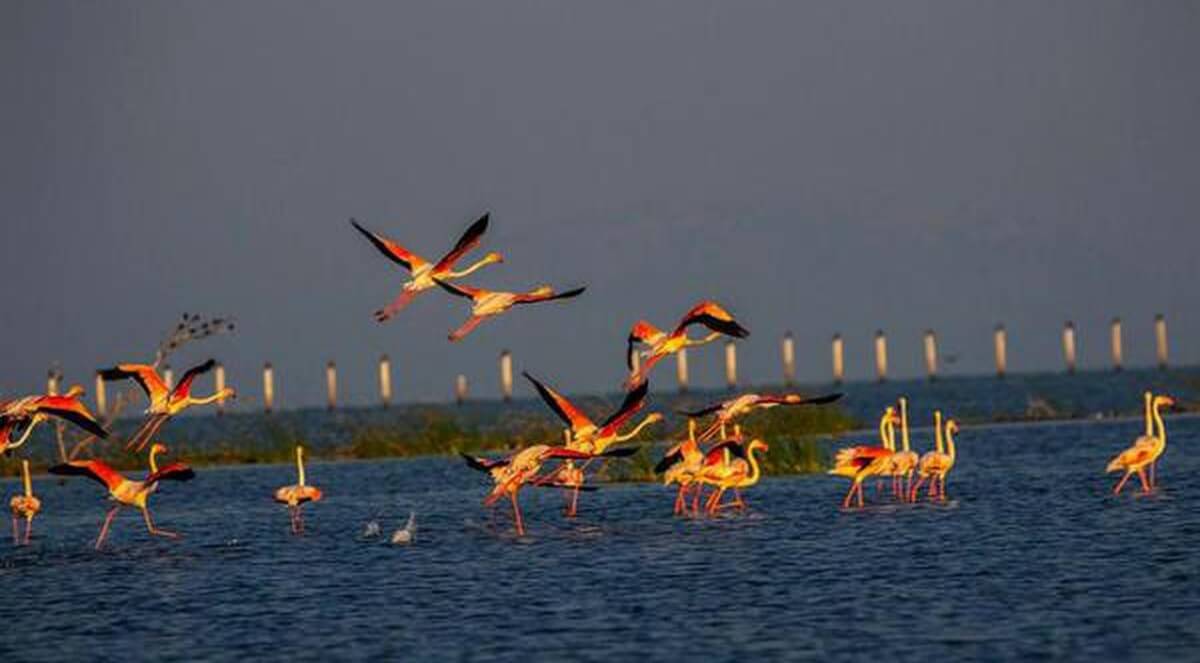
October to March is the best time to visit Chilika Lake Birding as the migratory birds arrive from the Northern hemisphere. Each month within this period offers unique experiences:
October-November: The Arrival
Early winter witnesses the first waves of migrants arriving, creating excitement as new species appear daily.
December-January: Peak Season
This period offers the highest bird diversity and population, with the lake at its most spectacular.
February-March: Breeding Season
Many species begin their breeding activities, offering opportunities to observe courtship displays and nesting behaviors.
April-September: Off-Season Opportunities
While fewer migrants are present, this period is excellent for observing resident species and experiencing the lake without crowds. Join the 9-Day Odisha Wildlife Tour – Itinerary Inside
Accommodation in Birding Villages
Mangalajodi Eco Tourism Options
Currently, there are only two places to stay at Mangalajodi. The most well known one is Mangalajodi Eco Tourism, which provides accommodations in dorms and simple local-style cottages.
Community Cottages: Basic but comfortable accommodations run by local families, offering authentic village experiences.
Eco-lodges: Simple accommodations with essential amenities, focusing on minimal environmental impact.
Camping Options: For adventurous travelers, camping near the lake provides unparalleled sunrise and sunset birding opportunities.
Nearby Town Accommodations
Bhubaneswar: It is 67 kms from Bhubaneshwar, offering luxury hotels and easy access to Chilika.
Puri: The famous pilgrimage town is 72 kms from Puri by road, providing various accommodation options. Ready for a Rainy Adventure? Explore Wildlife Near Delhi This Monsoon!
The Birding Experience: What to Expect
Early Morning Boat Rides
The day begins before dawn with traditional boat rides through the reed channels. Locally made hand sailing country boats are used for these excursions, providing silent movement that doesn’t disturb the birds. Plan Your 7-Day Odisha Trip – Full Package Details
Photography Opportunities
The golden light of sunrise and sunset creates perfect conditions for bird photography. The contrast between the birds and their wetland habitat offers countless composition opportunities.
Cultural Immersion
Staying in birding villages provides insight into rural Odisha life, with opportunities to participate in traditional activities and sample local cuisine.
Conservation Education
Visitors learn about successful community-based conservation models and the challenges of protecting wetland ecosystems.
Photography Tips for Chilika Birding
Essential Equipment
- Telephoto Lens: 400-600mm for distant birds
- Wide-angle Lens: For landscape shots with birds
- Waterproof Covers: Essential for boat-based photography
- Tripod with Fluid Head: For stable shots from boats
- Extra Batteries: Cold morning air drains batteries quickly
Best Photography Techniques
Flight Photography: Use continuous autofocus and burst mode for birds in flight Behavioral Shots: Focus on feeding, preening, and social interactions Environmental Portraits: Include the habitat context in your compositions Golden Hour Magic: Make the most of the warm light during sunrise and sunset
Essential Birding Gear and Preparation
Optical Equipment
- High-quality binoculars (8×42 or 10×42)
- Spotting scope for distant observations
- Waterproof cases for equipment protection
Clothing and Accessories
- Neutral-colored clothing for camouflage
- Waterproof jackets and pants
- Comfortable, quiet footwear
- Sun protection gear
Field Guides and Apps
- Regional bird identification guides
- Mobile birding apps for quick species identification
- Notebook for recording sightings and behaviors
Local Culture and Community Engagement
Traditional Fishing Practices
The fishing communities around Chilika have developed sustainable practices over generations. Their traditional knowledge provides valuable insights into bird behavior and seasonal patterns.
Handicrafts and Local Arts
Villages around Chilika are known for their traditional crafts, including:
- Intricate silver jewelry
- Patta painting depicting birds and nature
- Handwoven textiles
- Traditional boat building
Culinary Experiences
Local cuisine features fresh fish from the lake, prepared with traditional Odia spices and cooking methods. Village homestays offer opportunities to learn local cooking techniques.
Conservation Challenges and Efforts
Environmental Threats
Climate change, pollution, and habitat loss pose ongoing challenges to Chilika’s ecosystem. Understanding these issues helps visitors appreciate conservation efforts.
Community-Based Solutions
The success of villages like Mangalajodi demonstrates how local communities can be effective conservation partners when they benefit from protection efforts.
Visitor Responsibility
Responsible birding practices include:
- Maintaining respectful distances from birds
- Following designated paths and viewing areas
- Supporting local conservation initiatives
- Practicing leave-no-trace principles
Planning Your Chilika Birding Adventure
Getting There
By Air: Biju Patnaik International Airport in Bhubaneswar (67 km from Mangalajodi) By Rail: Khurda Road Junction is the nearest major railway station By Road: Well-connected by state highways from major cities
Permits and Regulations
No special permits are required for birding in Chilika, but visitors should respect local regulations and community guidelines.
Guided Tours vs. Independent Birding
While independent birding is possible, local guides provide invaluable expertise in species identification and behavior, access to best viewing spots, and cultural context.
Beyond Birding: Additional Attractions
Nalbana Bird Sanctuary
The core area of Chilika, accessible only by boat, offers pristine birding experiences away from human settlements.
Kalijai Temple
Located on an island within the lake, this temple provides cultural context and stunning lake views.
Dolphin Watching
The endangered Irrawaddy dolphins can be spotted in certain areas of the lake, adding marine mammal excitement to birding trips.
Seasonal Bird Calendar
October: Early Arrivals
First northern pintails, gadwalls, and bar-headed geese begin arriving.
November: Building Numbers
Population increases dramatically with various duck species, waders, and raptors.
December: Peak Diversity
Maximum species diversity with rare visitors occasionally spotted.
January: Breeding Preparations
Many species begin pairing and territorial behaviors.
February: Nesting Activity
Resident species active in breeding while some migrants prepare for departure.
March: Spring Migration
Early departure of some species while others linger before the long journey north.
Photography and Birding Ethics
Respecting Wildlife
Maintaining appropriate distances ensures birds aren’t stressed by human presence. Use longer lenses rather than approaching too closely.
Supporting Local Communities
Choose community-run accommodations and guides to ensure tourism benefits local conservation efforts.
Environmental Responsibility
Avoid single-use plastics, respect nesting areas, and follow designated paths to minimize ecological impact.
The Future of Chilika’s Birding Villages
Sustainable Tourism Development
The success of eco-tourism in villages like Mangalajodi provides a model for sustainable development that benefits both conservation and local communities.
Climate Change Adaptation
Understanding how climate change affects migration patterns helps visitors appreciate the importance of protecting stopover sites like Chilika.
Conservation Education
Every visitor becomes an ambassador for wetland conservation, carrying awareness to communities worldwide.
Conclusion: Why Chilika Lake Should Top Your Birding Bucket List
The birding villages of Chilika Lake offer more than just exceptional wildlife viewing—they provide a glimpse into successful conservation models where communities and wildlife thrive together. Popularly Known as The Bird’s Paradise, it hosts more than 300,000 birds in its marshy waters, especially in winter, making every visit a guaranteed spectacular experience.
Whether you’re a serious birder seeking rare species, a photographer chasing the perfect shot, or a traveler interested in authentic cultural experiences, Chilika’s birding villages deliver unforgettable memories. The transformation of former hunting villages into conservation champions provides hope and inspiration for wildlife protection efforts worldwide.
As you plan your visit to this avian paradise, remember that your presence supports community-based conservation efforts that have made Chilika Lake one of Asia’s most important bird sanctuaries. Every boat ride, every night spent in village accommodation, and every guided walk contributes to the protection of this precious ecosystem for future generations.
Pack your binoculars, charge your cameras, and prepare for an extraordinary journey into one of India’s most remarkable birding destinations—where conservation success stories unfold against the backdrop of nature’s most spectacular avian displays.
You Might Also Like:
- Explore the Top 10 Things to Do in Cuttack, Odisha
- Plan Your Odisha April Trip: Weather, Festivals & Travel Tips
- Discover Odisha in February 2025: Weather, Places & Activities
- Visit Puri in January 2025: Full Travel Guide & Tips
- Top Places to Visit in Odisha in January – Weather & Travel Guide
- Experience the Magic of Odisha in December – Travel Guide
- Visit These Wildlife Sanctuaries Open in July 2025
- Plan a Monsoon Getaway: 20 Best Places to Visit in India in July
- Explore India’s Best Aquatic Wildlife Adventures
- Uncover the History of Lingaraj Temple in Bhubaneswar
- Don’t Miss These 7 Monsoon Festivals in India 2025
- Ready to Explore Odisha? Use This Full 7-Day Travel Guide
- Heading to Puri? Learn the best ways from Bhubaneswar here!