India is not just a destination—it’s an explosion of colors, flavors, and traditions that unfold most vividly during its festivals. Planning your travel around these cultural celebrations offers a deeper, richer experience than a typical sightseeing itinerary. From dancing in the streets during Holi to lighting lamps by the Ganges during Diwali, festival tourism in India opens the door to unforgettable moments and lifelong memories.
Whether you’re a first-time visitor or a seasoned traveler, this guide will help you plan your perfect holiday around India’s spectacular festivals—organized by time of year, region, and travel tips.
Why Plan Your Trip Around Festivals?
Traveling during festival time in India isn’t just about watching a celebration—it’s about becoming part of something bigger. Here’s why syncing your holiday with Indian festivals is such a rewarding idea.
Festivals as a Window into Indian Culture
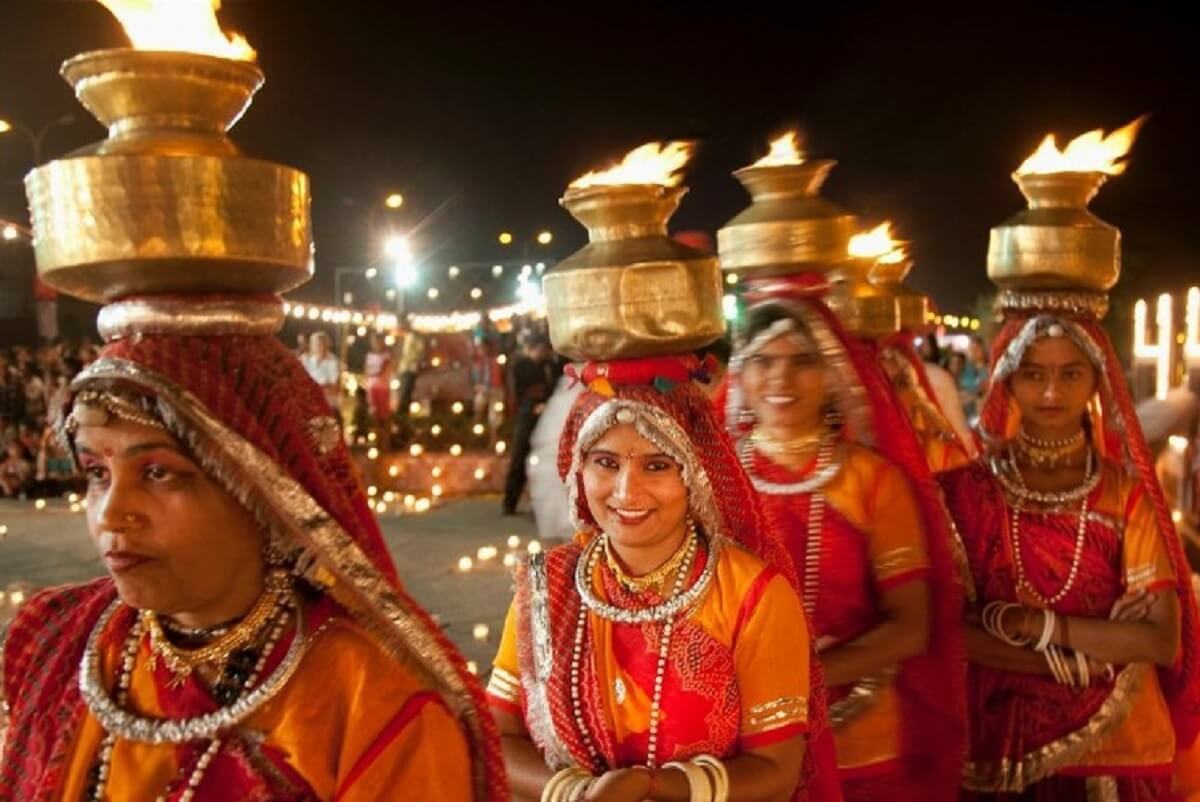
India is home to dozens of religions, hundreds of languages, and thousands of cultural traditions. Festivals serve as the perfect lens to experience this diversity firsthand. Whether it’s the spiritual fire rituals of Diwali, the joyous water fights of Holi, or the community feasts during Onam, each festival reveals the soul of the region and its people.
These events aren’t staged for tourists—they’re centuries-old traditions practiced with passion, reverence, and joy. Being part of them allows you to go beyond temples and palaces to experience the living culture of India.
Benefits of Festival Travel
One of the greatest advantages of festival travel is immersion. You’re not just observing; you’re participating. You might find yourself joining a Holika bonfire in a small village, tasting sweets made only during Diwali, or getting pulled into a garba dance circle during Navratri.
Festival times are also a visual feast—a dream for photographers and content creators. Streets come alive with processions, fireworks, intricate decorations, and traditional attire.
And don’t forget the culinary angle. Most Indian festivals involve special foods prepared only at that time—like modaks during Ganesh Chaturthi or gujiyas during Holi. It’s an ideal time for food lovers to experience authentic, home-cooked regional dishes.
Things to Keep in Mind
While festival travel can be magical, it does come with some logistical considerations:
- Crowds: Popular festivals attract massive crowds. Be mentally prepared and physically agile—especially in big cities like Mumbai during Ganesh Visarjan or Kolkata during Durga Puja.
- Higher Costs: Flights and accommodations often surge in price around major festivals. Booking in advance is crucial.
- Weather: India’s climate varies greatly by region and season. For instance, Holi occurs just as spring begins (pleasant in North India), while Onam falls during the monsoon season in Kerala—great for greenery, but expect rain.
Planning ahead, staying flexible, and traveling with cultural respect will ensure you have a safe and meaningful experience.
Best Time of Year to Visit for Major Festivals
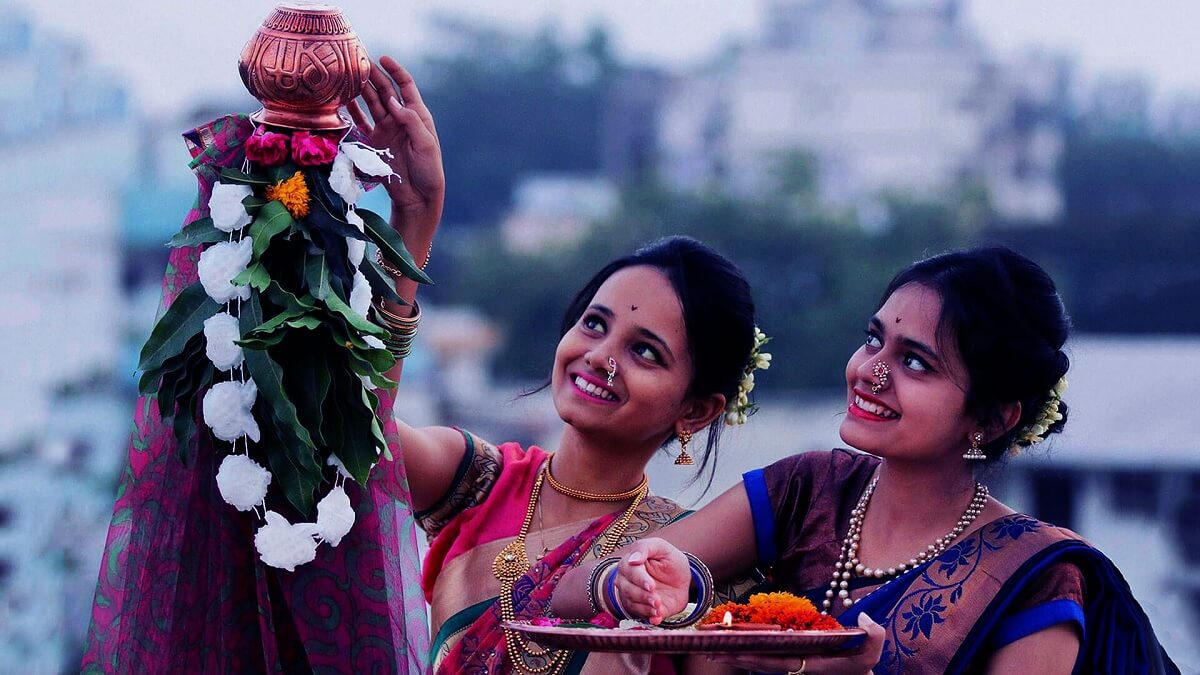
India celebrates festivals throughout the year, but some seasons are especially packed with vibrant events. Your experience will vary depending on when you visit—from riotous spring revelry to soulful winter rituals. Here’s a breakdown of the major festival seasons to help you plan accordingly. Gudi Padwa 2025 – Date, Significance, Celebrations
Spring (March–May)
Spring in India brings warm, pleasant weather in most regions and kicks off the festival calendar with a bang—both literally and figuratively. This is one of the most exciting times to visit.
- Holi (March): Known as the festival of colors, Holi is celebrated with exuberant joy across India, especially in the north. Towns like Mathura and Vrindavan host legendary celebrations, with music, dance, and color-splashing filling the air. It’s a celebration of spring, love, and the victory of good over evil.
- Gudi Padwa & Ugadi (March/April): These mark the Hindu New Year in Maharashtra and the southern states of Andhra Pradesh and Karnataka. Expect vibrant processions, rangoli art, and traditional foods like puran poli and obbattu.
- Bihu (April): Assam’s Rongali Bihu is a harvest festival filled with folk dances, drum music, and traditional Assamese attire. It’s a perfect chance to explore India’s northeast.
This season is ideal for those who want energy and celebration, especially if they enjoy outdoor events and photogenic chaos. Explore more: Ugadi Festival 2025: A Complete Guide
Monsoon & Early Autumn (June–September)
This season is wetter, particularly in the south and northeast, but it brings with it some of India’s most spiritually charged and community-focused festivals.
- Raksha Bandhan (August): A festival celebrating the bond between brothers and sisters, marked by the tying of a rakhi (decorative thread) and exchange of sweets and gifts.
- Onam (August/September): Celebrated with grandeur in Kerala, Onam features snake boat races, floral carpets (pookalam), and the famous Onam Sadya feast—served on banana leaves with over 20 dishes.
- Ganesh Chaturthi (August/September): Particularly vibrant in Mumbai, this festival honors the elephant-headed god Ganesha with massive clay idols, street performances, and a dramatic visarjan (immersion ceremony) in the sea.
Though it’s the monsoon season, many travelers love the lush landscapes and fewer crowds outside festival hotspots. Just pack an umbrella and embrace the rain!
Late Autumn & Winter (October–February)
This is peak season for travel in India, with cooler weather and many of the most iconic festivals taking place during these months.
- Durga Puja (October): Kolkata turns into an open-air museum of art and devotion during this 10-day celebration. Immersive and energetic, it’s a must-see for culture enthusiasts.
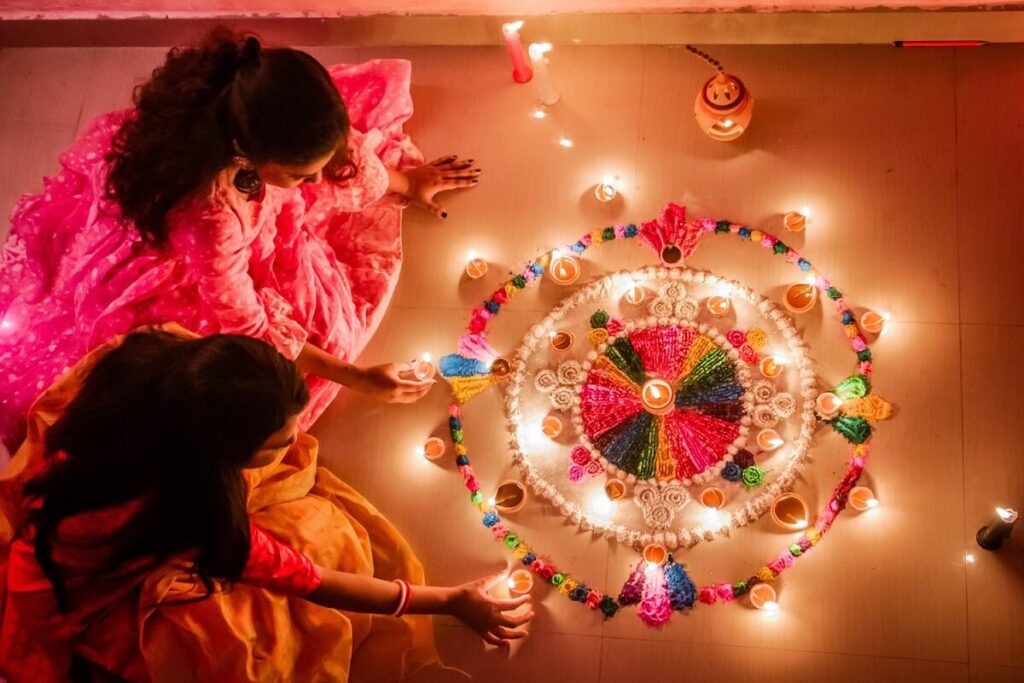
- Diwali (October/November): The festival of lights is India’s most widely celebrated holiday. Cities light up with diyas, candles, and fireworks. Diwali in Varanasi or Jaipur is especially magical.
- Christmas (December): While not a major festival nationwide, Christmas is celebrated warmly in places like Goa, Kerala, and Shillong, where Christian communities host midnight masses and decorate homes with stars and lights.
- Republic Day (January 26): If you’re in Delhi, the Republic Day Parade is a spectacle of India’s military, culture, and heritage. It’s patriotic and grand.
This is the best time for comfortable travel, clear skies, and seeing India at its most decorative and celebratory. However, it’s also the busiest travel period, so book well in advance. Experience Christmas Celebrations in India
Top Festivals by Region
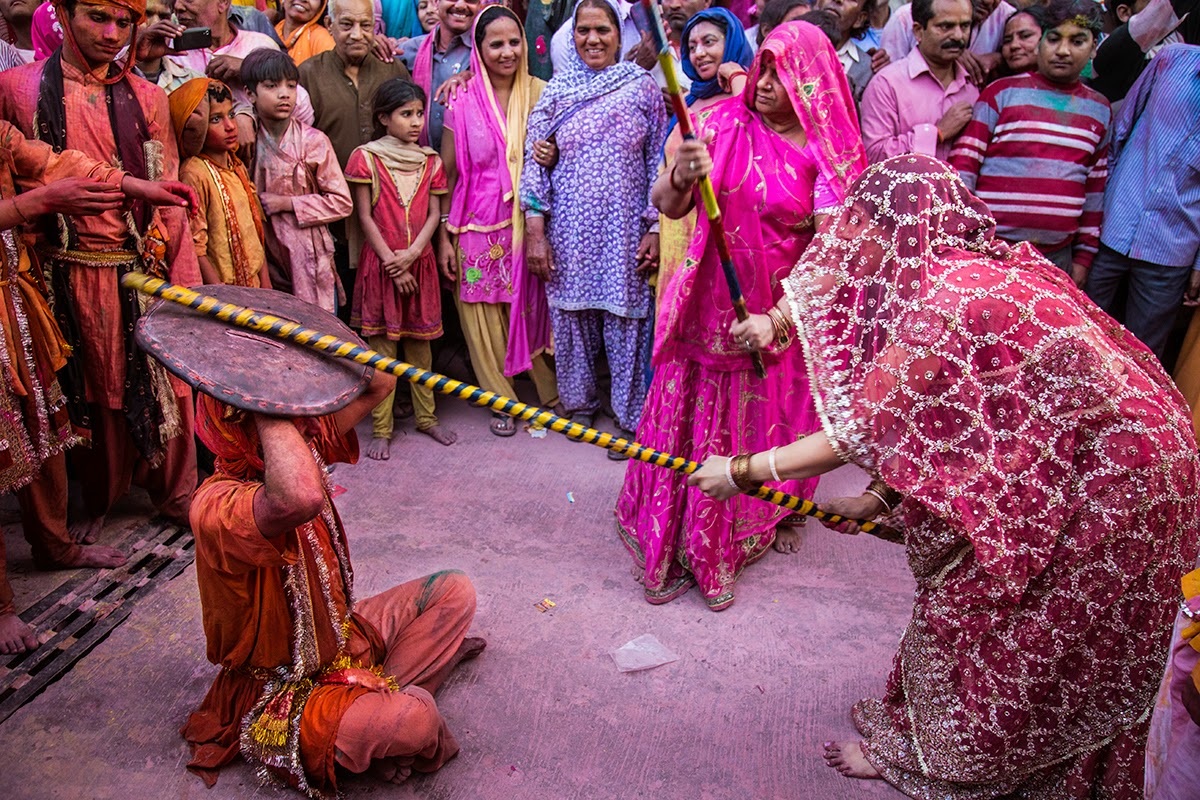
India’s vast geography means that its festivals are deeply tied to regional identities. From the sacred ghats of Varanasi to the backwaters of Kerala, each region celebrates differently—with its own rituals, colors, and customs. Here’s where to go to witness the most iconic festivals in each part of the country.
Need help planning? Start with this Top Destinations to Visit Outside India in June
North India
North India is known for its dramatic landscapes and equally dramatic celebrations. Festivals here often have a spiritual or mythological theme, rooted in ancient traditions.
- Holi in Mathura & Vrindavan (Uttar Pradesh): Experience the most authentic Holi in the birthplace of Lord Krishna. Celebrations begin a week in advance with Lathmar Holi in Barsana and culminate with massive public color-throwing in temples and town squares. Expect drums, dancing, and clouds of pink, yellow, and blue everywhere.
- Diwali in Varanasi (Uttar Pradesh): The city of lights truly lives up to its name during Diwali. The ghats along the Ganges are lit with thousands of lamps, fireworks illuminate the sky, and special Ganga Aarti ceremonies create an unforgettable spiritual atmosphere.
- Kumbh Mela (varies by year and location): One of the largest religious gatherings on Earth, Kumbh Mela is held every 12 years in rotation across four cities: Prayagraj, Haridwar, Ujjain, and Nashik. Millions of devotees come to bathe in sacred rivers to cleanse their sins. It’s a once-in-a-lifetime experience of scale, devotion, and humanity. Mathura Vrindavan Holi 2025: The Ultimate Guide
South India
Festivals in South India are rich in temple rituals, classical arts, and community feasts. The region offers a more serene but equally colorful take on Indian celebrations.
- Onam in Kerala: Onam is Kerala’s biggest festival, celebrating the mythical king Mahabali’s return. The 10-day festival features everything from traditional tiger dances (Pulikali) to elaborate flower carpets (Pookalam), and culminates in the famous Onam Sadya—a 20+ item vegetarian feast served on banana leaves.
- Pongal in Tamil Nadu: A harvest festival thanking the sun god, Pongal is marked by cooking the namesake sweet dish (Pongal), decorating cows, and creating vibrant kolam art at home entrances.
- Mysore Dasara (Karnataka): This 10-day royal celebration in Mysore is known for its majestic processions, illuminated palaces, and cultural performances. The city lights up—literally—with over 100,000 light bulbs decorating the Mysore Palace. Pongal Festival 2025: Celebrations in South India
East India
The eastern part of India is known for its artistic flair and deep religious devotion, especially during goddess-centric festivals.
- Durga Puja in Kolkata (West Bengal): This is more than a festival—it’s a city-wide art exhibit and cultural explosion. Temporary temples (pandals) are built to house stunning idols of Goddess Durga, each with a unique artistic theme. Music, food stalls, and fashion thrive throughout the week.
- Chhath Puja in Bihar: This festival is dedicated to the sun god (Surya) and is observed with early morning river rituals. It’s one of the most spiritually intense experiences, especially along the banks of the Ganges in Patna.
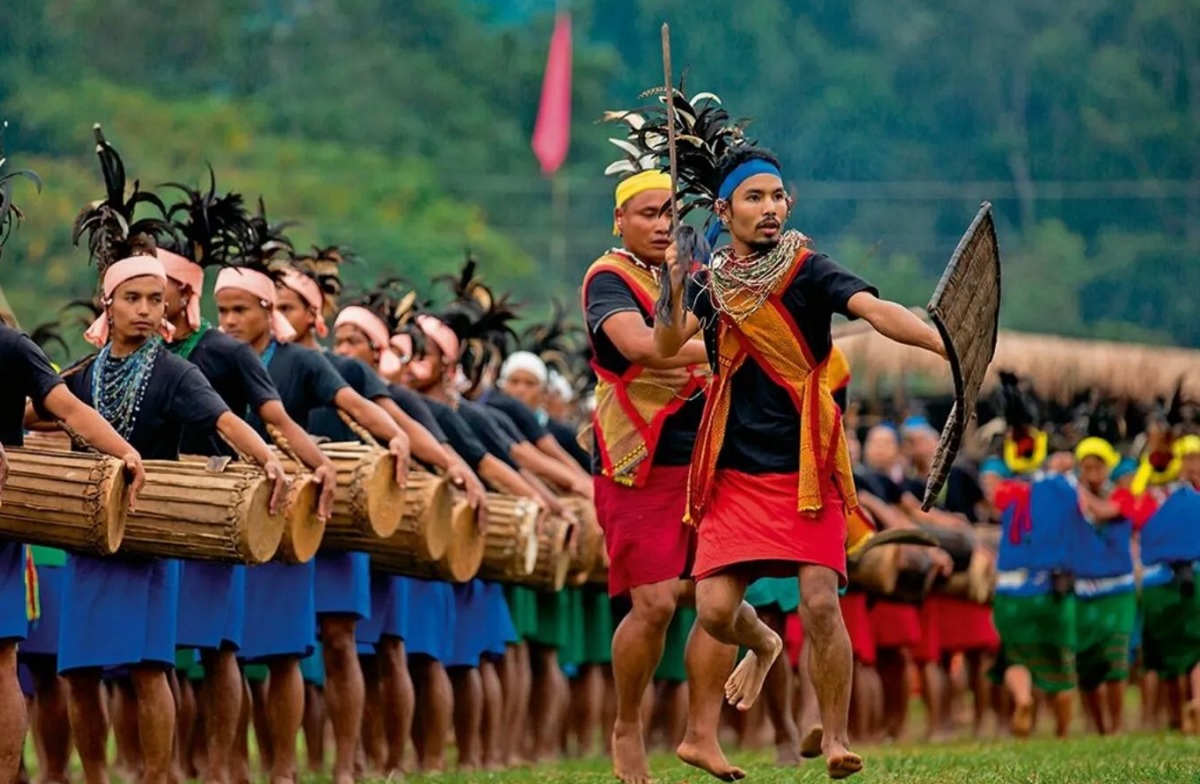
- Hornbill Festival in Nagaland: A cultural festival that showcases the heritage of Nagaland’s tribes, with traditional music, dance, crafts, and indigenous food. It’s often called the “Festival of Festivals” and is a great entry point into Northeast India. Before you go, check the full Blog The Hornbill Festival in Nagaland
West India
This region celebrates with unmatched color, energy, and community spirit, often turning streets into festival grounds.
- Navratri in Gujarat: Famous for its garba and dandiya dance nights, Navratri is a nine-night festival of devotion, music, and movement. Cities like Ahmedabad and Vadodara host massive dance gatherings where thousands twirl in rhythm.
- Ganesh Chaturthi in Mumbai (Maharashtra): For 10 days, Mumbai becomes a sea of music and devotion as enormous Ganesha idols are paraded through the streets and later immersed in the Arabian Sea. The final day’s immersion (visarjan) is a moving spectacle of joy and farewell.
- Rann Utsav in Gujarat: Held in the white salt desert of the Rann of Kutch, this winter festival combines local crafts, camel rides, folk music, and luxury desert camping. The full moon nights here are breathtaking.Need help planning? Start with this Rann Utsav Kutch Gujarat 2024-2025: Dates
Sample Itineraries Based on Festival Themes
Planning a trip around Indian festivals doesn’t mean giving up traditional sightseeing—in fact, it enhances it. These sample itineraries combine iconic festivals with cultural landmarks and scenic routes, tailored to different trip lengths and interests.
Explore more in the Best Places to Explore in India This June
2-Week North India Festival Tour (Holi + Taj Mahal + Jaipur)
Best time to go: March (for Holi)
Ideal for: First-time visitors, cultural explorers, photographers
Route: Delhi → Mathura/Vrindavan → Agra → Jaipur → Varanasi
Highlights:
- Delhi: Begin in India’s bustling capital with historic sites like Humayun’s Tomb and street food in Old Delhi.
- Mathura/Vrindavan: Spend at least 2–3 days immersed in Holi celebrations—Lathmar Holi in Barsana, temple color play, and devotional singing.
- Agra: Visit the Taj Mahal at sunrise, then explore Agra Fort and Mehtab Bagh.
- Jaipur: Explore the Pink City’s forts, bazaars, and palaces. Time permitting, join a cultural dinner at Chokhi Dhani.
- Varanasi (optional): End with a spiritual experience on the Ganges—perfect contrast after the chaotic joy of Holi.
Tip: Travel by train between major cities to enjoy India’s rail culture and save time.
South India Cultural Loop (Onam + Backwaters + Temples)
Best time to go: August–September (for Onam)
Ideal for: Nature lovers, slow travelers, foodies
Route: Kochi → Alleppey → Thekkady → Madurai → Thanjavur → Chennai
Highlights:
- Kochi: Arrive in time for Onam celebrations—watch Pulikali tiger dancers, taste the traditional Sadya feast, and enjoy cultural shows.
- Alleppey: Drift through Kerala’s backwaters in a traditional houseboat for a peaceful reset.
- Thekkady: Visit a spice plantation and explore Periyar Wildlife Sanctuary.
- Madurai: Witness powerful rituals at the Meenakshi Temple, especially during evening aarti.
- Thanjavur & Chennai: Discover ancient temple architecture and explore South India’s classical music and dance culture.
Tip: Many cultural centers offer short performances—check for Onam-themed shows during your trip. Time your visit with the What to Expect from Southeast Asia’s Weather in June
Spiritual & Heritage Trail (Varanasi + Kumbh Mela + Rishikesh)
Best time to go: Varies (Kumbh Mela every 12 years, Ardh Kumbh every 6)
Ideal for: Spiritual seekers, photographers, cultural anthropologists
Route: Varanasi → Prayagraj (or Haridwar) → Rishikesh → Delhi
Highlights:
- Varanasi: Attend the Ganga Aarti, take a boat ride at sunrise, and explore the ghats and narrow alleyways.
- Prayagraj or Haridwar: Time your visit with the Kumbh or Ardh Kumbh Mela. Witness spiritual devotion on a scale found nowhere else—millions gathering for ritual bathing.
- Rishikesh: After the intensity of Kumbh, unwind in the yoga capital of the world. Try a meditation retreat or a short trek into the Himalayas.
- Delhi: End with a few days in the capital to reflect, shop, and fly home.
Tip: If Kumbh Mela isn’t happening, alternate with Haridwar’s Ganga Aarti or Rishikesh’s International Yoga Festival (March).
Frequently Asked Questions
Traveling to India for its festivals can raise a lot of questions—especially for first-time visitors. Below are answers to some of the most common queries to help you prepare with confidence.
1. Are festivals safe for solo travelers or families?
Yes—with proper planning, most Indian festivals are safe for solo travelers, couples, and families. Festivals like Onam, Diwali, and Durga Puja are community-oriented and generally family-friendly.
However, some larger celebrations—like Holi in North India or Ganesh Visarjan in Mumbai—can get very crowded and chaotic. If traveling solo or with children:
- Stick to well-known public areas and avoid overly rowdy crowds.
- Choose smaller towns or guided experiences for a more manageable version of major festivals.
- Female solo travelers should dress modestly, avoid isolated areas after dark, and trust their instincts.
2. Do I need tickets or permits for festival events?
Most Indian festivals are free and open to the public, especially those celebrated in streets, temples, or public squares.
However, there are exceptions:
- Some cultural performances, like classical dances during Navratri or special evening events at Durga Puja pandals, may require entry tickets or passes.
- At Rann Utsav or Kumbh Mela, if you’re staying in festival camps or tent cities, you’ll need to book your accommodation package in advance.
- For very large gatherings (like the Republic Day Parade in Delhi), tickets must be booked ahead of time, usually through government portals or tour agencies.
When in doubt, check local tourism websites or ask your accommodation provider.
3. Can I participate as a foreigner?
Absolutely! In fact, many locals welcome foreign guests during festivals. You’ll likely be invited to join in rituals, meals, or dancing—especially if you show genuine interest and cultural respect.
That said:
- Ask before participating in religious rituals—some may be reserved for locals or certain communities.
- Dress modestly, especially in temples or during sacred events.
- During Holi, play only with people who clearly invite you—some areas can be overly aggressive with color throwing. Opt for community events or temple-organized celebrations for a safer experience.
Most importantly, engage with humility and curiosity—you’ll find India’s hospitality unmatched.
4. What if I don’t speak the local language?
English is widely spoken in most tourist areas and among younger locals. However, knowing a few local words (like “Namaste”, “Dhanyavaad” for thank you, or “Bhaiya” for brother) can help create warmth and goodwill.
Many festival signs and announcements in cities are in both English and regional languages. In rural areas, gesture-based communication and translation apps will go a long way.
5. Will everything shut down during festivals?
It depends on the festival and region. During major festivals like Diwali, Onam, or Eid, many businesses may close or operate with reduced hours, but tourism services typically remain open.
In some cases, transport may be affected:
- Streets may be closed for processions.
- Trains and flights may be overbooked, so plan well in advance.
- Restaurants and markets may close early during fasting festivals like Karva Chauth or Ramadan.
The flip side? You’ll experience a side of India that few tourists do—one where the streets are alive with tradition and joy.
Final Thoughts & Travel Resources
Planning your India holiday around its festivals isn’t just about seeing new places—it’s about feeling the heartbeat of a culture that celebrates life in all its vibrant complexity. Whether you’re tossing colors in Vrindavan, sailing through flower-laden backwaters during Onam, or dancing under Navratri lights in Gujarat, you’re not just a tourist—you’re part of the story.
That said, successful festival travel requires preparation, curiosity, and cultural sensitivity. With the right itinerary and mindset, you’ll walk away with more than photos—you’ll return home with memories that feel sacred, silly, soulful, and unforgettable.
To help you get started, here are a few curated resources:
Plan Your Festival Journey Today Top Indian Festivals in May 2025 – Full List & Celebration Guide
Ready to turn your dream trip into reality?
Start by choosing a festival that excites you, build your itinerary around it, and get planning. India’s festivals are more than events—they’re experiences that stay with you for a lifetime.
Got questions? Leave a comment or reach out—we’d love to help you celebrate India the colorful way.
Time your visit with the Festival for cultural flair
- Top Indian Festivals in May 2025 – Full List & Celebration Guide
- April 2025 Festivals in India – Dates, Meaning & Events
- Mewar Festival Udaipur 2025 – Event Highlights & Travel Info
- International Yoga Festival 2025 – Schedule, Tickets & Travel Tips
- Homegrown Festival India – Travel Guide to Music & Culture
- Aoleang Festival 2025 – Konyak Tribe’s Spring Celebration in Mon
- Ganesh Chaturthi 2025: Date, Puja Timings, Rituals in Mumbai
- When Is Hoi An Lantern Festival in 2025? Know Dates, Timings, Significance
- Ready for Dhanteras? Check Its Date & Significance Here!
- Don’t Miss a Moment – Explore the Durga Puja Celebration Guide!