North East India, with its lush green valleys, cascading waterfalls, rolling hills, and rich tribal culture, is one of the most underrated yet breathtaking regions in the country. Comprising eight beautiful states—Arunachal Pradesh, Assam, Manipur, Meghalaya, Mizoram, Nagaland, Sikkim, and Tripura—this part of India boasts unique landscapes and a vibrant cultural heritage. But is August the right time to explore its wonders? Let’s journey through each state to find out.
1. Meghalaya – The Abode of Clouds
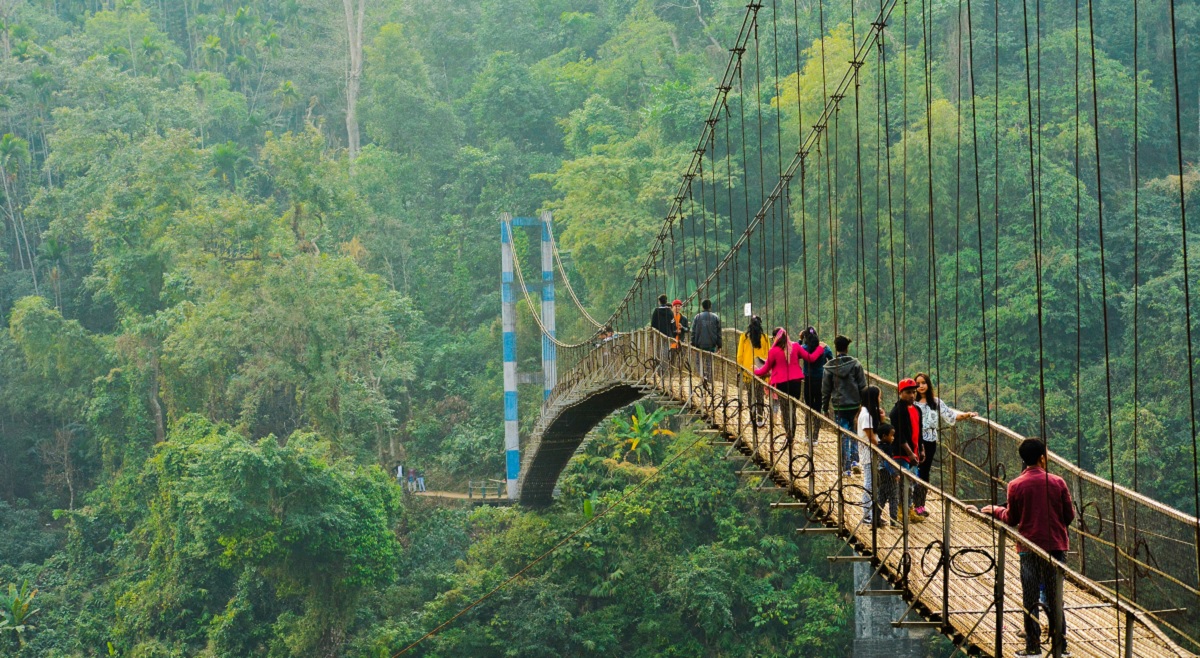
August paints Meghalaya in every shade of green. The monsoon showers are still active, making the waterfalls spectacular and rivers full. Cherrapunji and Mawsynram—the wettest places on earth—truly live up to their names now. The living root bridges are slick but stunning, surrounded by thick forest mists and the songs of cicadas. Explore Tripura: 17 Fascinating Facts About This Hidden Gem
Shillong, the capital, remains charming with its British-era houses and cafes. Ward’s Lake and Elephant Falls are must-visits. The roads may get muddy, so it’s best for adventure lovers and those who don’t mind some rain with their travels.
Why Visit in August:
- Full-flowing waterfalls
- Mystical mists and lush greenery
- Perfect for monsoon treks and photography
Travel Tip: Carry rain gear and sturdy footwear. Be cautious on slippery trails. Top 11 Summer Hill Stations in North East India (2026)
2. Sikkim – Serene Hills and Spiritual Vibes
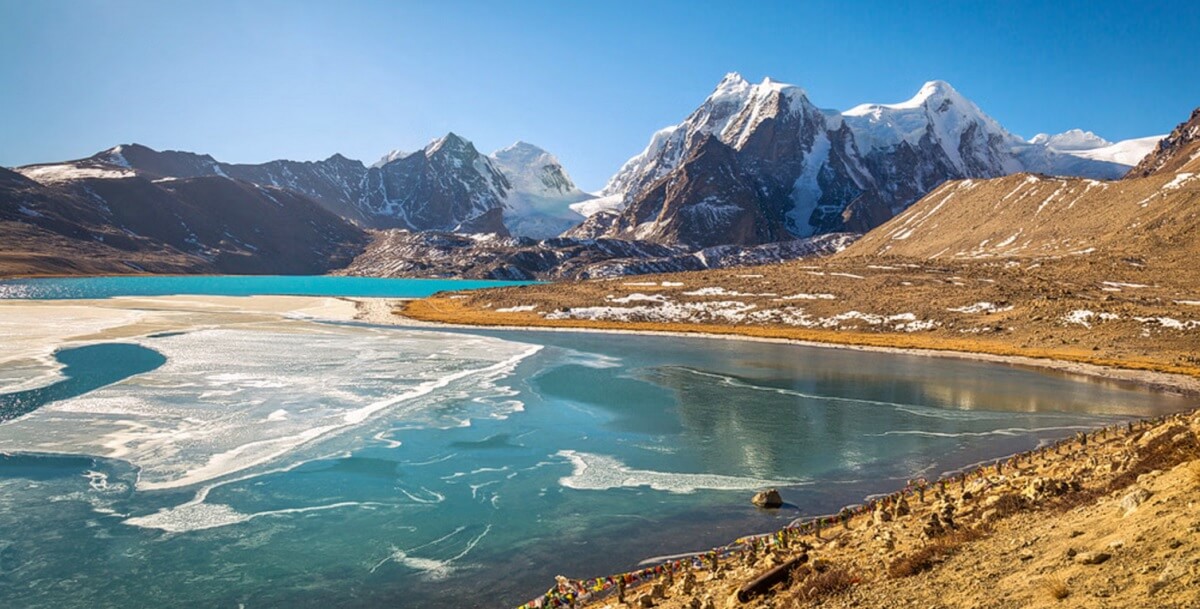
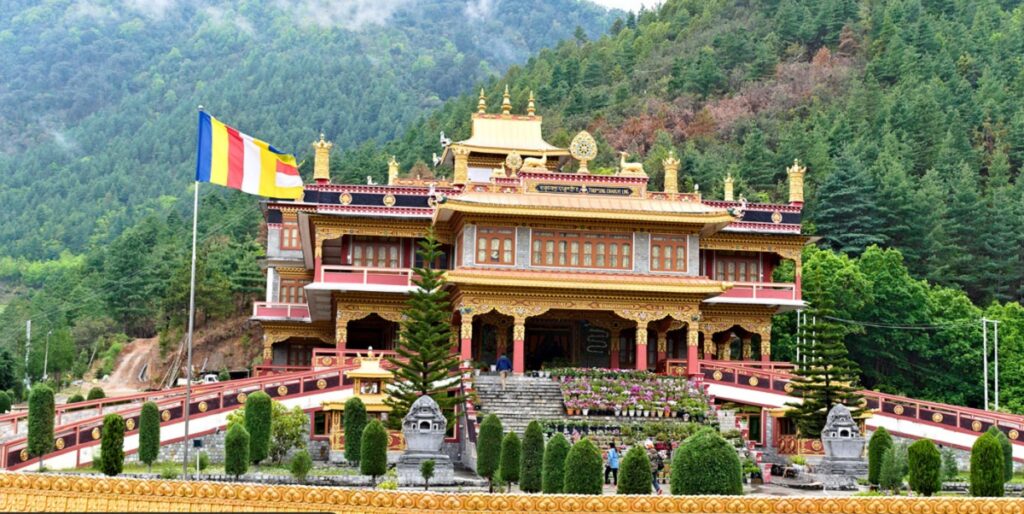
August in Sikkim means intermittent rain, misty mornings, and quiet hills. Gangtok, the capital city, offers breathtaking views when clouds part. You can visit monasteries like Rumtek and Enchey for peaceful moments.
While high-altitude passes like Nathula may be closed due to rain, the lower areas remain accessible. Pelling and Namchi are great alternatives with their monasteries, viewpoints, and rich culture. Best 12 Places to Visit in North East India in May
Why Visit in August:
- Fewer tourists and peaceful ambiance
- Monsoon magic in forests and hills
- Cultural festivals in some areas
Travel Tip: Avoid landslide-prone zones and check road conditions before heading to remote areas. Inside Assam’s Culture: A Journey Through Northeast India
3. Assam – Tea Gardens and Wildlife

The monsoon in Assam turns tea estates in places like Jorhat and Dibrugarh into a dreamy green landscape. Kaziranga National Park is closed during August, but Majuli Island and river cruises on the Brahmaputra offer a unique experience.
Guwahati, the gateway to the North East, is alive with culture and food. Visit the Kamakhya Temple and enjoy a rainy-day stroll along the river. Top 10 Must-Visit Tourist Spots in North East India
Why Visit in August:
- Scenic beauty of tea gardens
- Cultural richness of cities and villages
- Tranquil island life in Majuli
Travel Tip: Some national parks are closed; check seasonal timings. Top 10 Must-Visit Tourist Spots in North East India
4. Arunachal Pradesh – Where Nature Meets Tradition
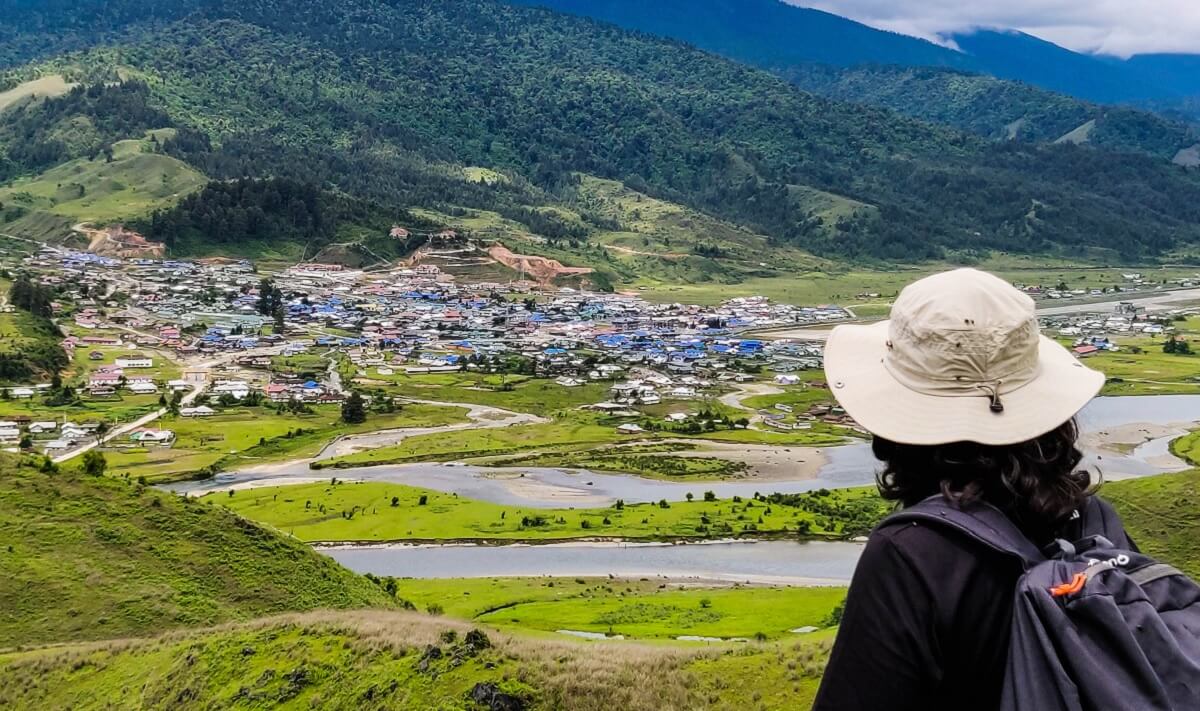
Arunachal is wild, remote, and rich in tribal culture. In August, rain showers wash over Tawang, Ziro, and Itanagar, turning valleys into vibrant meadows. Though landslides can occur, the landscapes are magical.
Ziro Valley, famous for its Apatani tribes and upcoming Ziro Music Festival, starts preparing for the crowds. Tawang’s monasteries are serene under cloudy skies, and the Sela Pass, when open, is a sight to behold. Beginner’s Guide to Planning North East India Trip 2026
Why Visit in August:
- Deep cultural experiences
- Stunning monsoon landscapes
- A peaceful getaway from city life
Travel Tip: Travel with local guides who know the terrain well. 7 Days in North East India: Scenic Tour Package
5. Nagaland – Hills and Heritage
Nagaland’s capital, Kohima, and towns like Mokokchung and Mon wear a fresh, rain-washed look in August. It’s not peak tourist time, making it ideal for exploring Naga villages and understanding their traditions without crowds.
The Dzükou Valley, if trails are open, is a monsoon paradise filled with wildflowers. The Morungs (tribal dormitories) and local crafts are a cultural treasure. 11-Day Tour: Mizoram, Tripura & Nagaland Highlights
Why Visit in August:
- Authentic tribal village life
- Unique landscapes and rain-kissed hills
- Cultural immersion without tourist rush
Travel Tip: Stick to guided treks and respect local customs. Explore North East India: 12-Day Itinerary Guide
6. Manipur – Jewels of the East
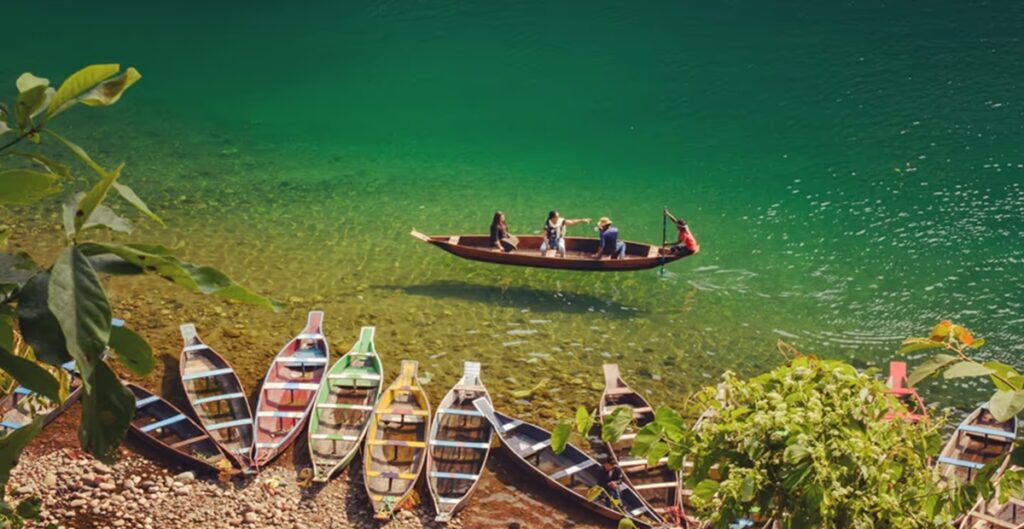
August brings a romantic charm to Manipur. The iconic Loktak Lake, with its floating phumdis (vegetation), is magical under soft showers. Imphal, the capital, is peaceful with heritage sites like Kangla Fort and Ima Keithel (women’s market).
You might also witness glimpses of Manipuri dance and festivals like Janmashtami, celebrated with devotion. Discover North East India in 4 Nights & 5 Days
Why Visit in August:
- Serene lake landscapes
- Cultural festivals and traditional dances
- Offbeat and peaceful travel
Travel Tip: Boating on Loktak may be weather-dependent, so check conditions in advance.
7. Mizoram – Misty Valleys and Vibrant Culture
Mizoram is quiet, beautiful, and perfect for introspective travelers. Aizawl, the capital, is nestled in mist-covered hills. The monsoon enhances the beauty of Reiek and Hmuifang with their deep forests and serene landscapes.
The local cuisine, warm people, and unique bamboo architecture make Mizoram stand out. Adventure seekers can try hikes to nearby villages or waterfalls. Complete 5-Day North East India Travel Plan
Why Visit in August:
- Serene mountain views
- Great for cultural immersion
- Fewer tourists and unspoiled nature
Travel Tip: Limited public transport—plan in advance and hire local taxis.
Experience Mizoram’s First Rajdhani Express – Book Your Journey from Sairang to Delhi Now!
8. Tripura – Hidden Heritage and Peaceful Vibes
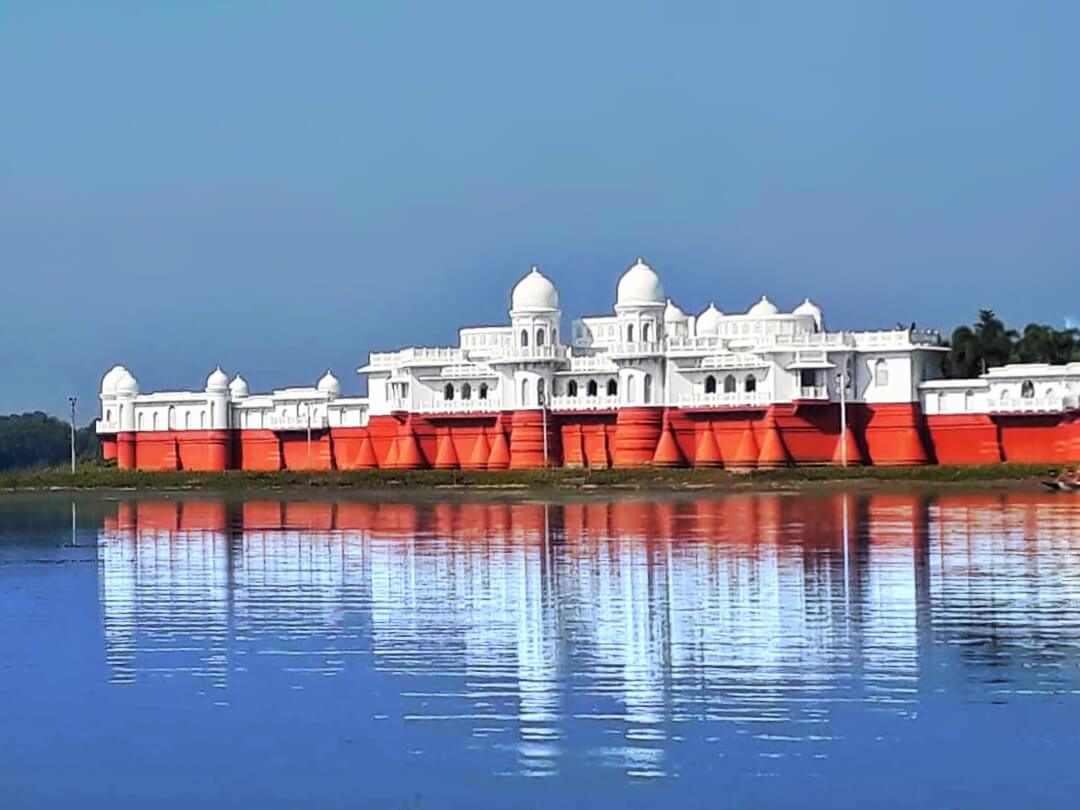
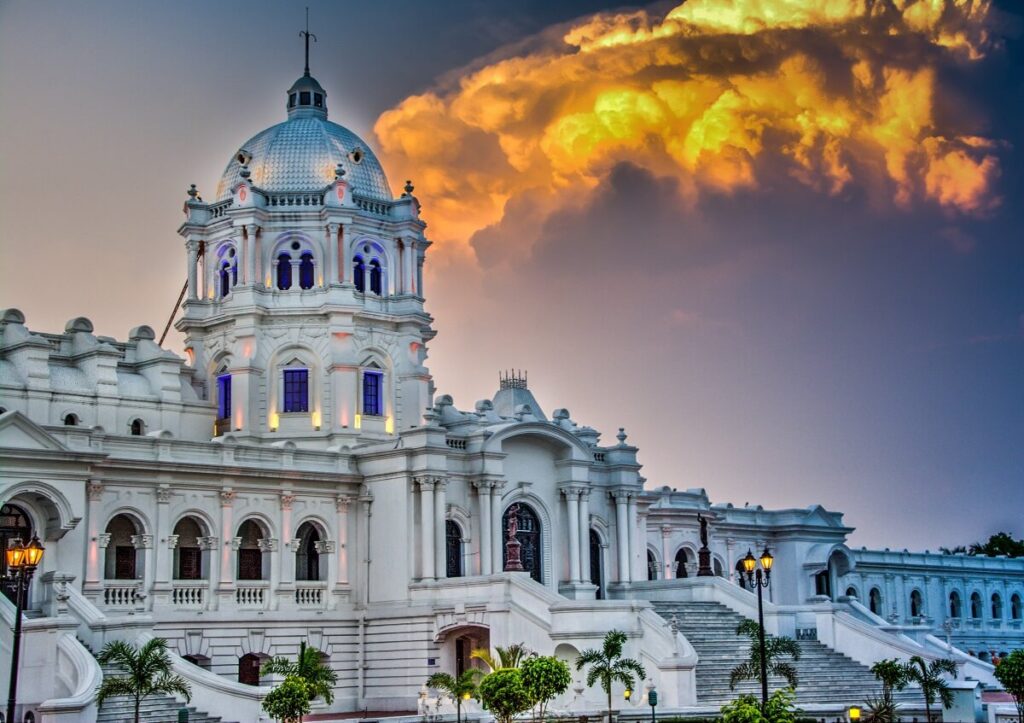
Tripura often flies under the radar but offers a rich historical experience. August’s rains make Neermahal Palace in the middle of Rudrasagar Lake look like a fairytale setting. Ujjayanta Palace and Unakoti’s rock carvings are worth exploring.
Agartala is cozy and uncrowded. The lush countryside becomes more beautiful during this time.
Why Visit in August:
- Heritage sites come alive in the rain
- Peaceful travel experience
- Nature and history blend beautifully
Travel Tip: Plan around light rains; local transport may be limited in rural areas.
Final Thoughts – Is August the Ideal Month?
August may not be the most conventional time to visit North East India, but it holds a special magic. The region’s raw beauty shines in the monsoon, offering travelers a peaceful, immersive, and truly unique experience. For those willing to embrace the rains, August is not just ideal—it’s unforgettable. Everything You Need to Know About Taking a Houseboat in Kerala
Quick Tips for Monsoon Travelers:
- Always carry rain gear and waterproof bags
- Check weather and road conditions daily
- Respect local customs and environment
- Travel light and stay flexible with plans
Let the rains guide your journey through North East India. You might just discover your favorite travel story there.
You Might Also Like:
- Rajasthan in August: Monsoon Travel Tips & Places
- Kerala in August: Best Attractions & Travel Advice
- Goa in August 2026 – Monsoon Travel Guide
- Cultural Sites to Explore in India This August
- 6 Amazing Beach Destinations to Visit in August
- Top 6 Beach Getaways in India This August
- 9 Best Hill Stations to Explore in August
- Darjeeling in August: Weather, Tips & Activities
- Uttarakhand or Himachal – Where to Go in August?
- Kedarnath in August 2026: Weather & Travel Tips
- Top Budget Indian Destinations Under ₹50K – August
- Top 10 Attractions to Visit in August in India
- Ayodhya Trip in August: Weather, Attractions, Festivals, and Events
- Nainital in August: Weather– A Complete Travel Guide
- Explore Maharashtra in August
- Things to Do in Mussoorie in August: Weather & Travel Guide
- Nainital in August- A Complete Travel Guide
- Lansdowne in August: A Quiet Monsoon Escape in the Hills
- Top Hill Stations Near Delhi for August Visits: A Complete Travel Guide
- Get Mesmerized by Vizag’s Glass Skywalk – Adventure Awaits!