Is Ladakh worth visiting in July? Absolutely.
July is arguably one of the best months to visit Ladakh, offering travelers clear skies, warm days, and full access to high-altitude passes and remote valleys that remain snowbound for much of the year. From the pristine blue of Pangong Lake to the surreal beauty of Nubra Valley, July opens the region to travelers in its most photogenic form—without the biting cold of winter or the road closures of early summer.
In this complete guide to Ladakh in July, you’ll find detailed information on the weather, top places to visit, activities worth your time, how to get around, and important travel tips. Whether you’re dreaming of a bike trip across Khardung La, a road journey from Manali or Srinagar, or a peaceful monastery stay, this guide will help you plan it all with confidence.
Let’s explore why magical time to experience Ladakh in July.
Weather in Ladakh in July 2026
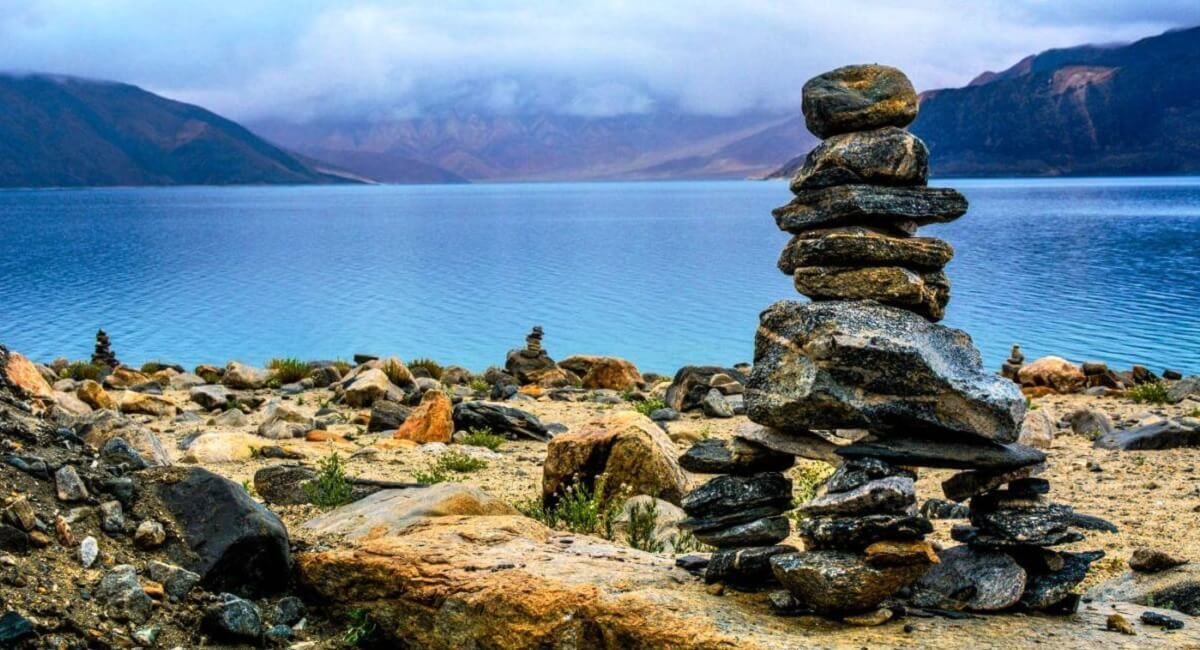
July brings pleasant daytime temperatures and long days, making it one of the most accessible and tourist-friendly months for Ladakh travel. However, its high-altitude terrain still demands preparation.
Temperature Overview:
- Day: 15°C to 25°C
- Night: 5°C to 10°C (colder at higher altitudes like Pangong and Tso Moriri)
- Skies: Mostly clear, with occasional brief rains in lower altitudes like Kargil or Leh
- Sunlight: 10–12 hours of daylight
Unlike the rest of India, Ladakh lies in the rain shadow of the Himalayas, so the monsoon barely affects it. That said, routes leading into Ladakh via Manali or Srinagar may experience landslides, so it’s important to monitor road updates if you’re traveling overland. Book Now: 10 Days Ladakh & Kashmir Tour Package
What to Pack:
- Layered clothing (days can be warm, but nights are chilly)
- UV-protection sunglasses and sunscreen
- Sturdy shoes for uneven terrain
- Personal medication for AMS (Acute Mountain Sickness)
Related Read: Planning to acclimatize? Discover Quiet Forest Resorts in India that help you unwind pre-trip.
Top Places to Visit in Ladakh in July 2026

1. Leh
Leh, the capital and gateway to Ladakh, becomes a bustling yet peaceful base in July. The warm weather allows you to explore the town’s historic and cultural sites on foot.
Top attractions:
- Leh Palace for panoramic views of the town
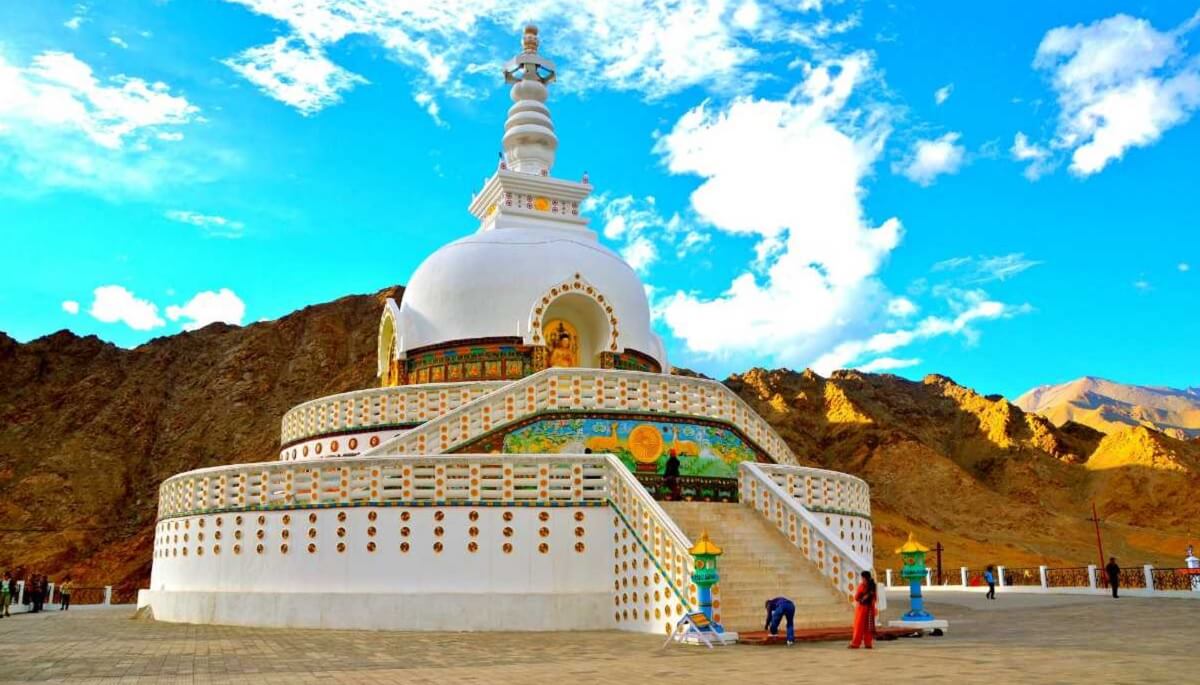
- Shanti Stupa, best visited at sunrise or sunset
- Main Bazaar for local handicrafts and Tibetan trinkets
Visit nearby Spituk and Thiksey Monasteries, and attend daily morning prayers for a deeply spiritual experience.
Travel Tip: Spend at least two days in Leh to acclimatize before venturing to higher altitudes like Nubra or Pangong.
2. Nubra Valley
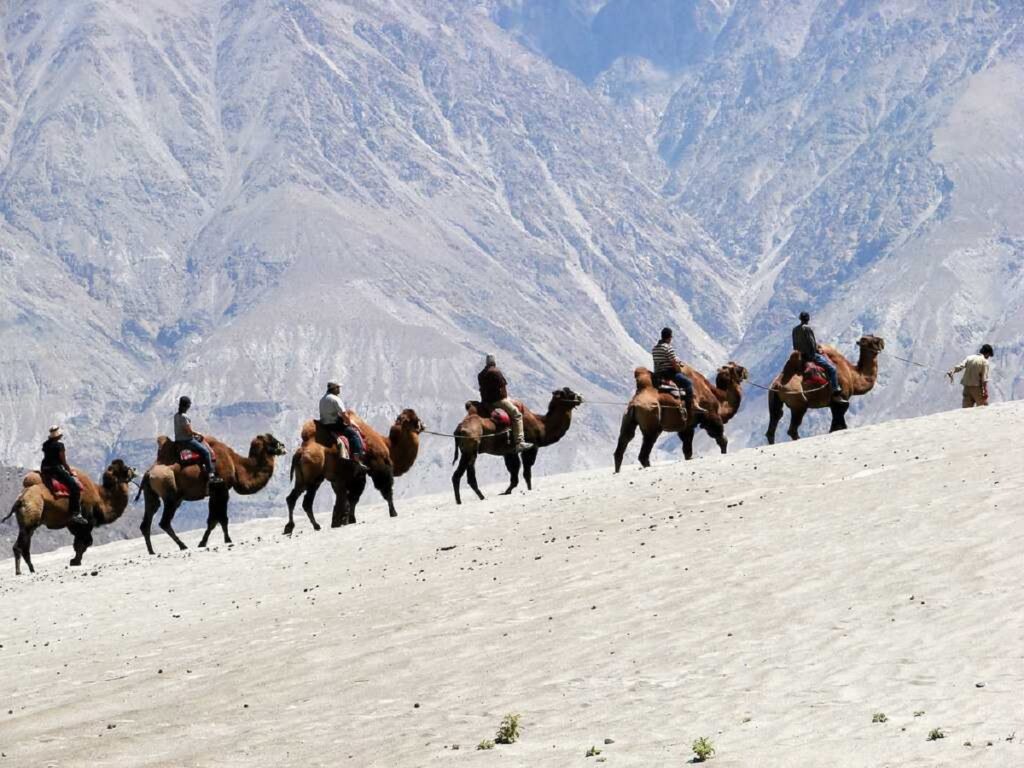
Accessible via the famous Khardung La Pass, Nubra Valley is a dramatic desert landscape of sand dunes, double-humped camels, and lush green villages framed by stark mountains. Explore More: 4 Nights 5 Days Ladakh Package
Highlights:
- Diskit Monastery with its 100-ft Maitreya Buddha statue
- Hunder Sand Dunes for camel rides
- Turtuk, one of the last Indian villages near the Pakistan border, rich in Balti culture
Nubra is warmer than Leh and offers unique village homestays where you can engage with Ladakhi culture.
Related Read: Explore more cultural destinations in Unexplored Villages in Himachal Pradesh.
3. Pangong Tso
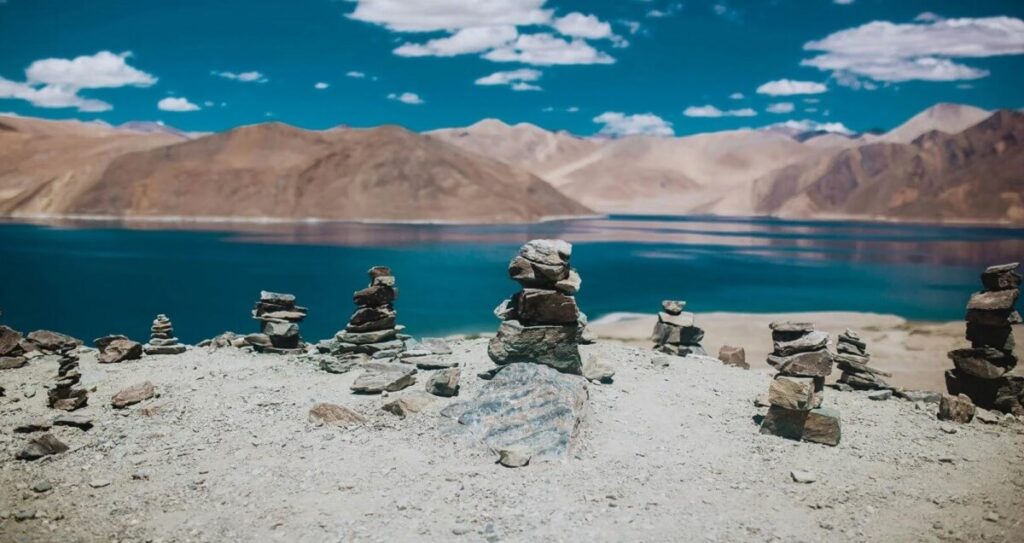
This breathtaking high-altitude lake, located at around 4,350 meters, is one of Ladakh’s most iconic destinations. In July, Pangong lake deep blue hues reflect the sky beautifully, and campsites are fully operational. Experience Ladakh: 6 Days Tour Package Itinerary
Things to Do:
- Camp overnight by the lake (book in advance during peak July weekends)
- Visit the lesser-known Merak Village for quieter lake views
- Stargazing—thanks to minimal light pollution
Remember that temperatures drop sharply after sunset—carry thermal wear even in July.
Travel Advisory: Pangong lies near the Indo-China border. You’ll need an Inner Line Permit (ILP), which can be obtained online or through your hotel/travel agent in Leh.
4. Tso Moriri & Korzok Village
Often overshadowed by Pangong Tso, Tso Moriri is a stunning high-altitude lake located in the Changthang region, near the Indo-China border. Unlike Pangong, this lake lies entirely within Indian territory, making it slightly easier to access in terms of permits and travel restrictions.
The lake is situated at about 4,522 meters (14,836 ft) and is surrounded by snow-capped peaks, open grasslands, and Korzok village, one of the highest permanent settlements in India. In July, the weather is crisp during the day but turns icy cold at night, even though the skies remain clear and blue.
Why Visit:
- It’s quieter and more spiritual than Pangong—perfect for travelers seeking solitude.
- Spot migratory birds like the Black-necked crane and Brahminy ducks.
- Korzok Monastery, overlooking the lake, offers a glimpse into the lifestyle of the Changpa nomads.
Tip: The area is remote, with basic homestays and tented accommodation. Pack all essentials, including extra batteries, dry food, and warm clothing. Plan Your Adventure: 6 Nights 7 Days Leh Ladakh Package
5. Lamayuru and Alchi Monasteries
If you love culture and architecture, two of Ladakh’s oldest and most artistically rich monasteries—Alchi and Lamayuru—are must-visits in July.
Lamayuru, often dubbed the “Moonland of Ladakh,” is known for its unique lunar-like terrain. The 11th-century Lamayuru Monastery is perched atop a dramatic hill and is a major center of the Drikung Kagyu school of Tibetan Buddhism.
Alchi, on the other hand, is located closer to Leh and is renowned for its ancient Indo-Himalayan art and murals. The Alchi Monastic Complex, dating back over 1,000 years, showcases the fusion of Kashmiri and Tibetan artistic traditions, best preserved in its prayer halls and statues.
Why Visit in July:
- Accessible roads and dry weather make travel easy.
- Photography enthusiasts will love the contrast of monasteries against vivid green valleys and blue skies.
- Nearby Magnetic Hill and the Sangam of the Zanskar and Indus Rivers can be covered en route.
Related Read: Learn more about spiritual destinations in our post on Spiritual Circuits Beyond the Famous Temples.
Adventure Activities to Try in Ladakh in July 2026
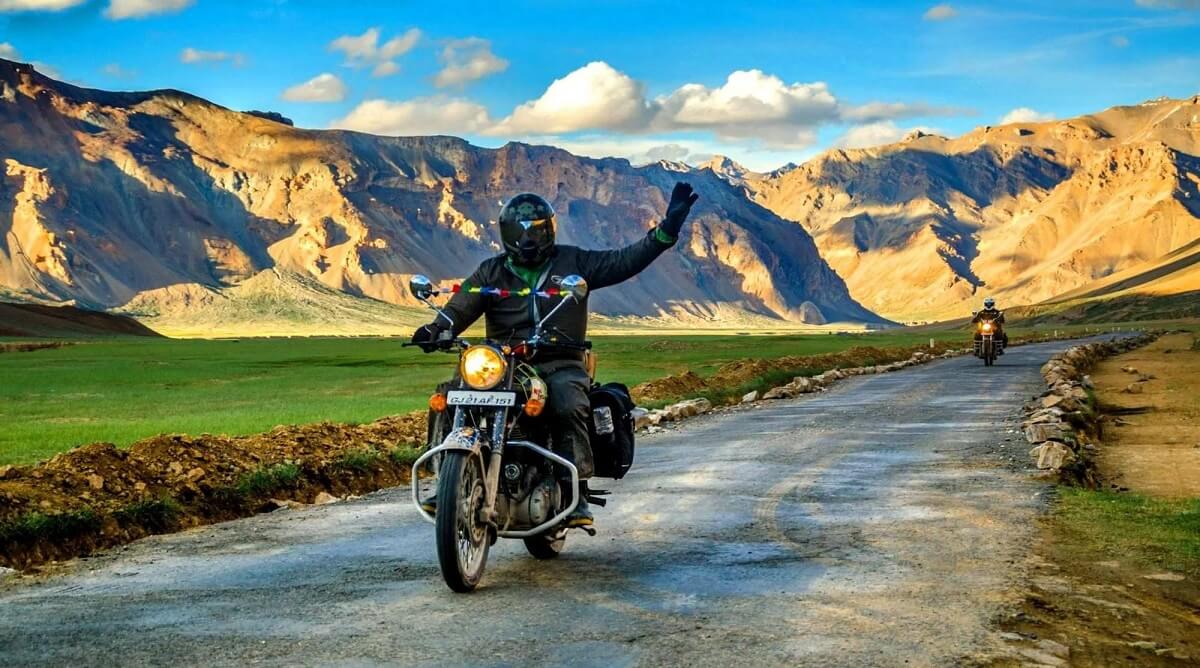
July is peak season for adventure lovers in Ladakh, with most mountain passes open and roads clear of snow. If you’re seeking thrills against jaw-dropping backdrops, this is the month for it.
1. Motorbiking Across Mountain Passes
This is the dream of many—biking across Khardung La, one of the world’s highest motorable passes. The Manali–Leh and Srinagar–Leh highways are open and offer adventure across high-altitude landscapes, rivers, and villages.
Most riders rent bikes in Leh or Manali. Ensure you have:
- Full riding gear
- Oxygen cylinders (optional but helpful)
- Inner Line Permits for Nubra, Pangong, and Tso Moriri
2. Trekking
Several treks are open in July:
- Markha Valley Trek (moderate): Crosses small hamlets and monasteries
- Sham Valley Trek (easy): Great for beginners and families
- Stok Kangri Base Camp (advanced): Offers stunning glacier views, though summit climbs may be restricted for environmental reasons
3. White Water Rafting
In July, rafting on the Zanskar River is at its best. The routes between Chilling and Nimmu offer grade III–IV rapids surrounded by dramatic gorges. It’s suitable for both amateurs and experienced rafters with local guide support.
Pro Tip: Book activities through certified operators and always check for last-minute weather updates, especially in Nubra and Changthang regions.
Road Trip Routes: Srinagar–Leh & Manali–Leh in July
Ladakh is a dream road-trip destination, and July is one of the few months when both the Srinagar–Leh Highway (NH1) and Manali–Leh Highway (NH3) are fully operational. This makes it the ideal time to embark on either journey—or even a round trip if time permits.
Srinagar–Leh Route (434 km)
This route is more gradual in elevation, making it ideal for acclimatization. The journey typically takes 2 days, with a stop at Kargil.
Scenic Stops:
- Sonamarg and Zoji La Pass (first major mountain pass)
- Drass, the second-coldest inhabited place on Earth
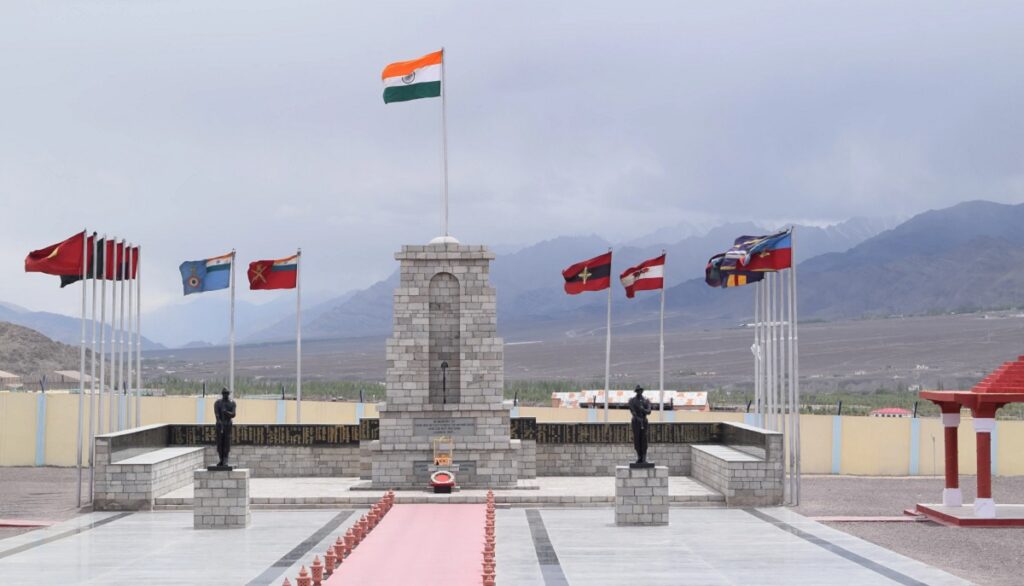
- Kargil War Memorial in Drass
- Lamayuru Monastery and Moonland
- Confluence of the Indus and Zanskar rivers
Travel Time: 12–14 hours (split across 2 days)
Road Condition: Generally better maintained than Manali–Leh, though occasional landslides near Zoji La can occur during monsoon.
Related Read: Explore Buddhist Monuments at Sanchi if combining your Ladakh journey with spiritual circuits.
Manali–Leh Route (472 km)
More dramatic and rugged, this route crosses five high-altitude passes and is more popular with adventure seekers and bikers.
Key Highlights:
- Rohtang Pass (check for online permit and opening status)
- Baralacha La, Nakee La, Lachung La, and Tanglang La
- Sarchu – the halfway point ideal for camping
- Gata Loops – 21 hairpin bends before Nakee La
Travel Time: 2 days (with overnight in Sarchu or Keylong)
Travel Advisory: While thrilling, this route is more prone to weather-related delays. Carry essential medicines, snacks, and waterproof gear.
Pro Tip: Always check BRO (Border Roads Organisation) updates or local Leh tour operator websites before departure.
Travel Permits & Regulations for Ladakh in July 2026
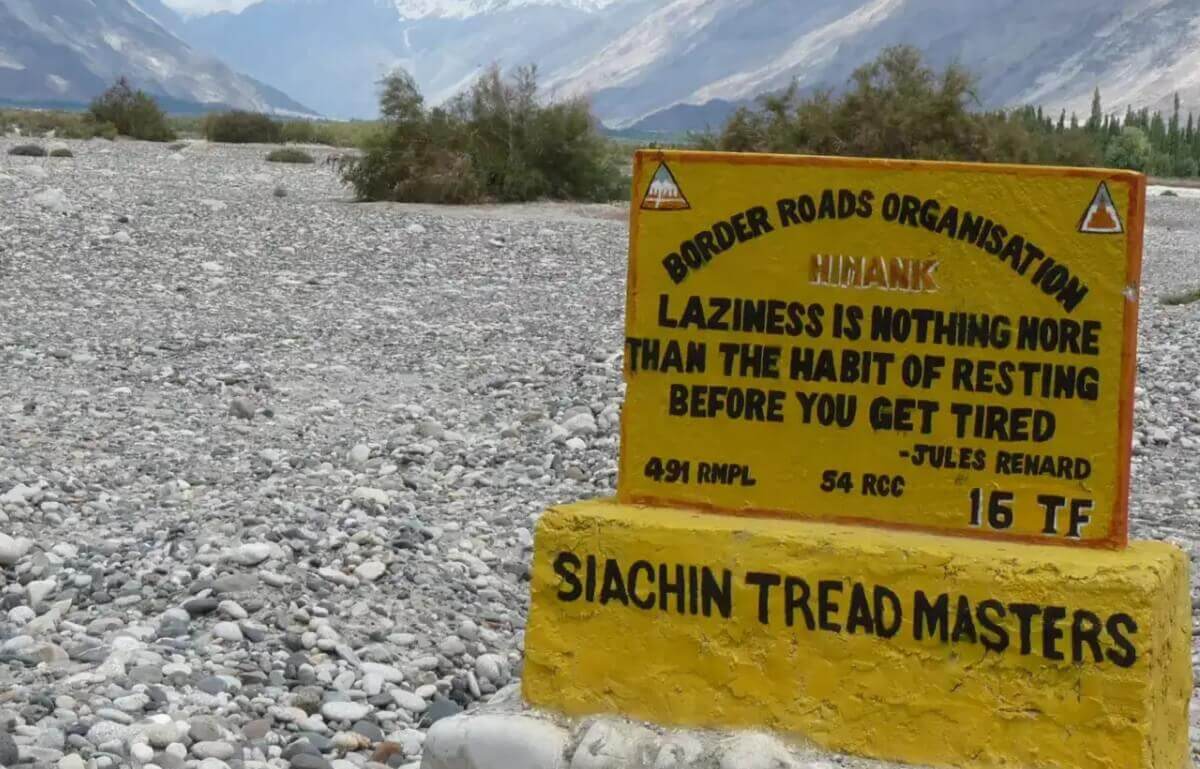
Most of the popular tourist areas in Ladakh—like Nubra Valley, Pangong Tso, Tso Moriri, and even Turtuk—are located near the international borders and require an Inner Line Permit (ILP) for Indian citizens or Protected Area Permit (PAP) for foreign nationals. Get Ready for Ladakh: Essential Travel Permit Guide
How to Apply:
- Online via the Ladakh Tourism website
- Offline at Leh DC Office (main market, open Mon–Sat)
Required Documents:
- Valid ID proof (Aadhar/Passport)
- Passport-size photograph (for offline applications)
- Foreign nationals must travel in a group of two or more with a registered tour agency
Cost:
- ₹400 environment fee
- ₹20 per day as wildlife protection fee
- ₹100 Red Cross donation (optional)
Permit Validity: 3–7 days depending on destination
Tips for First-Time Travelers to Ladakh in July 2026
- Acclimatize Properly
Even if you feel fit, spend your first 24–48 hours in Leh adjusting to the altitude. Avoid strenuous activity, and drink lots of water. - Carry Cash
ATMs are only available in Leh and a few larger villages. Always carry enough cash for Nubra, Pangong, or remote regions. - Connectivity is Limited
Only BSNL and Jio work in Ladakh with postpaid SIMs. Prepaid SIMs from other states won’t work due to security regulations. - Avoid Alcohol and Smoking Early On
These reduce oxygen levels and increase the risk of altitude sickness. - Stay Hydrated and Eat Light
Stick to hot soups, herbal teas, and cooked food. Avoid raw or heavy meals on your first few days. - Travel Insurance is Recommended
Especially for those planning trekking, biking, or rafting. Look for policies that include emergency evacuation. Plan Your Visit: How to Reach Ayodhya & Nearby Temples
Final Travel Checklist for Ladakh in July 2026
Valid ID and multiple photocopies
Inner Line Permit printouts
Down jackets, thermals, waterproof shoes
Reusable water bottle and snacks
Lip balm, moisturizer, and sunscreen (SPF 50+)
Power bank and camera with extra batteries
Motion sickness/AMS medication (consult your doctor)
Offline maps (Google Maps + Maps.me)
Trash bags – Ladakh has fragile ecosystems; follow Leave No Trace
Conclusion: Is July the Right Month to Visit Ladakh?
If you’re looking for the perfect balance of weather, access, adventure, and natural beauty, July is undoubtedly one of the best times to travel to Ladakh. The roads are open, the views are spectacular, and the monsoon largely bypasses the region.
With proper planning, permits, and precautions, your Ladakh trip in July 2026 can be an unforgettable journey filled with unique landscapes, local culture, and once-in-a-lifetime experiences.
Looking for more Himalayan escapes this season? Explore our guides to:
- Capture Magic: 10+ Most Instagrammable Places in Ladakh
- Conquer the Heights: Stok Kangri Trek Guide for Adventurers
- Stay Safe at Altitude: Avoid AMS in Ladakh – Must-Know Tips
- Reach Ladakh Easily: Travel Routes from Delhi, Mumbai & More (2026)
- Discover Magnetic Hill: Facts, Science & Real Experience (2026)
- Plan Your Trip Smartly: Complete Ladakh Budget Guide
- Get Ready for Ladakh: Essential Travel Permit Guide
- Travel Ladakh in May: Weather, Tips & Best Things to Do
- Experience Spring Bliss: Apricot Blossom Festival in Ladakh 2025
- Explore the Ancient Silk Route in Ladakh – Complete Guide
- Visit Ladakh in April 2026: Weather, Highlights & Travel Tips
- Unveil the Mystery: Magnetic Hill Ladakh – Location & Altitude
- Start Here: Step-by-Step Guide for Your First Ladakh Trip
- Travel Leh-Ladakh in January 2026: Weather, Events & Tips
- Explore North India in July: Weather, Places & Activities
- Is Zojila Pass Open Now?
- Stok Kangri Trek – A High-Altitude Highlight of Your Ladakh Trip
- How to Avoid AMS (Acute Mountain Sickness) in Ladakh