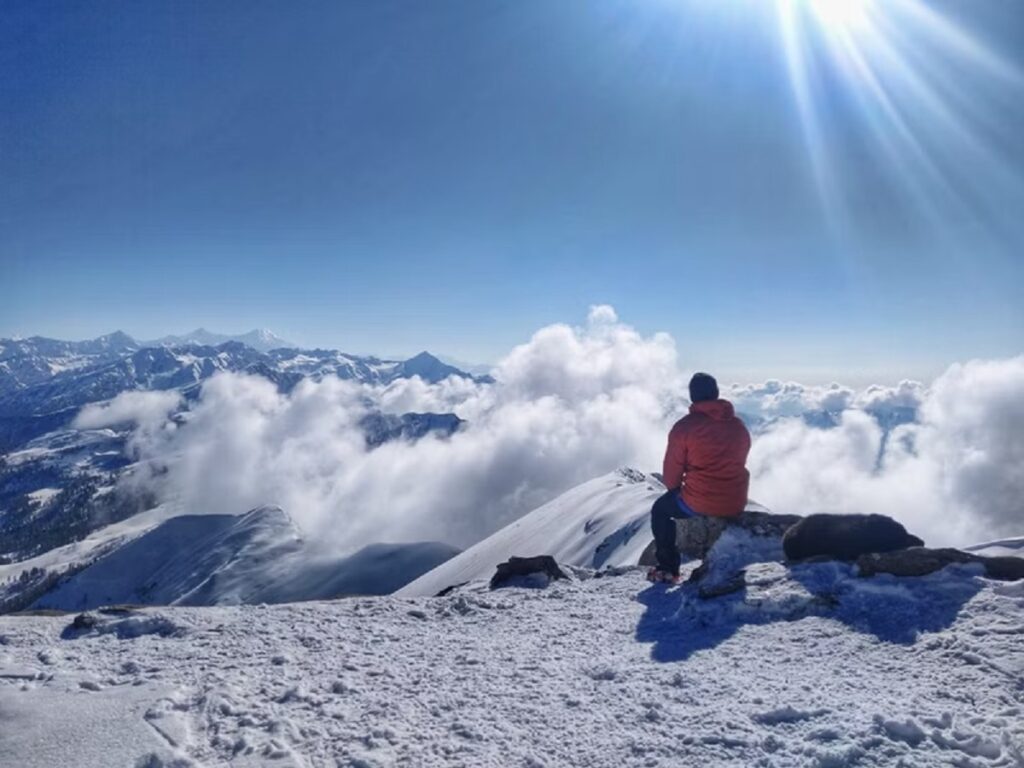
A sacred trail into the heart of the Garhwal Himalayas and the spirit of Lord Shiva.
Tucked away in the scenic Urgam Valley of Uttarakhand, Kalpeshwar Temple holds a quiet, powerful charm. It may be the smallest and least visited of the Panch Kedar shrines, but don’t let its modesty fool you. Kalpeshwar is the only Panch Kedar temple that remains open throughout the year, making it a deeply rewarding destination for pilgrims, spiritual seekers, and trekkers alike.
Surrounded by dense forests, ancient caves, and snow-capped Himalayan peaks, the temple is not just a site of worship — it’s an immersive spiritual experience in nature. This blog gives you a complete guide to visiting Kalpeshwar: from its mythological origins and pilgrimage routes to weather conditions, travel tips, and how to prepare for the journey.
Understanding Kalpeshwar: The Fifth Temple in the Panch Kedar Circuit

Kalpeshwar is one of the five sacred temples of Lord Shiva known collectively as the Panch Kedar:
- Kedarnath
- Tungnath
- Rudranath
- Madhyamaheshwar
- Kalpeshwar
While Kedarnath might be the most famous, Kalpeshwar is unique — it’s the only one that does not close in winter and can be visited without the fear of snowbound roads or limited access.
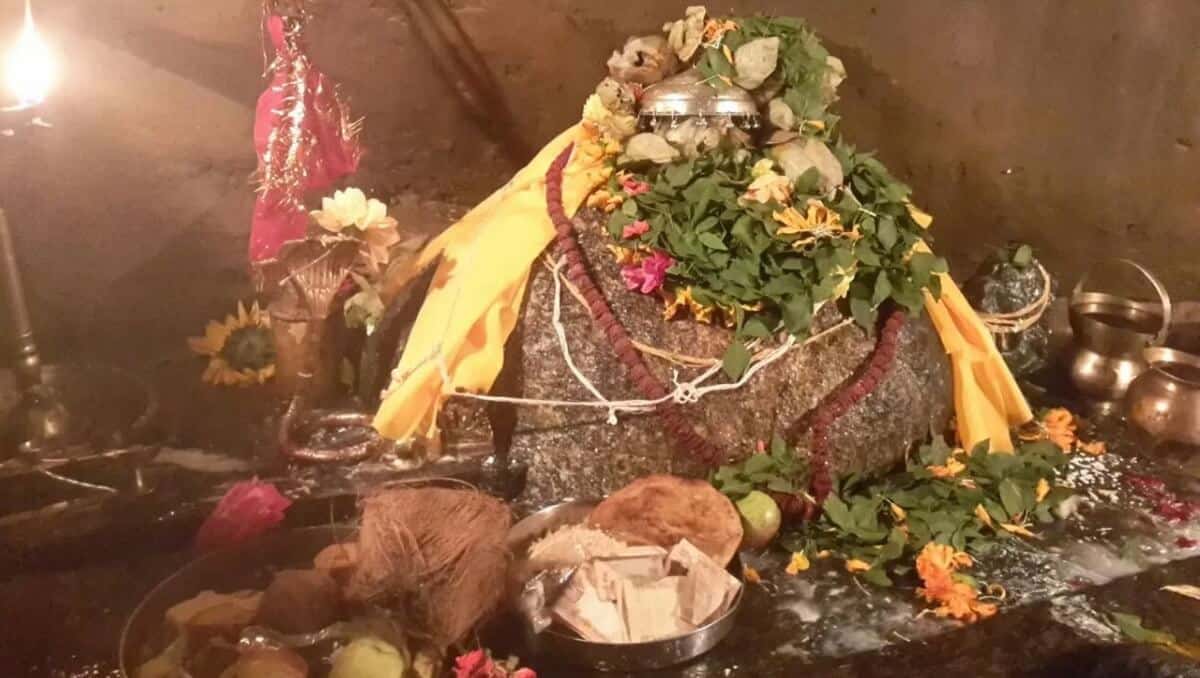
Kalpeshwar is believed to be the spot where the hair (jata) of Lord Shiva appeared after he vanished underground to escape the Pandavas. The temple, made of stone, sits in a cave and is surrounded by towering deodar trees, giving it an aura of mysticism.
The deity here is worshipped in the form of a natural rock formation inside a cave, and there’s a deep silence in the temple that enhances the meditative energy of the place. Panch Kedar Yatra: A Sacred Journey to 5 Shiva Temples in Uttarakhand
Mythology: The Legend Behind Panch Kedar
According to the Mahabharata, after the Kurukshetra war, the Pandavas sought the blessings of Lord Shiva to atone for the sins of killing their kin. But Shiva, displeased with the carnage, disguised himself as a bull (Nandi) and hid in the Garhwal region. Places to Visit in Gaurikund: A Spiritual and Scenic Gateway to Kedarnath
When Bhima spotted him and tried to catch him, Shiva disappeared into the ground, leaving behind parts of his body at five different locations. Each of these spots became a revered temple:
- Hump – Kedarnath
- Arms – Tungnath
- Face – Rudranath
- Navel and stomach – Madhyamaheshwar
- Hair (jata) – Kalpeshwar
Thus, Kalpeshwar represents the conclusion of the Panch Kedar Yatra, offering closure and peace to pilgrims who complete the circuit. 14 Best Places to Visit in Uttarakhand in September
How to Reach Kalpeshwar Temple

Unlike Kedarnath or Tungnath, reaching Kalpeshwar involves a mix of road travel and a short scenic trek.
Route Overview:
- Nearest major town: Joshimath
- Distance from Joshimath to Helang: 25 km (by road)
- Helang to Urgam Village: 12 km by jeep or shared taxi
- Urgam to Kalpeshwar Temple: 2.5 km trek (easy–moderate)
The 2.5 km trek from Urgam village to Kalpeshwar is serene, winding through terraced fields, apple orchards, and pine forests, with views of the Alaknanda river valley and distant Himalayan peaks.
For those who want a deeper adventure, you can also complete the full Panch Kedar Yatra on foot, connecting Kalpeshwar to Rudranath, Tungnath, and beyond. Kedarnath Weather in August 2025: Climate Guide
Best Time to Visit Kalpeshwar Temple
While the temple is open throughout the year, the best time to visit depends on your preferences.
April to June
- Pleasant weather and lush greenery
- Ideal for first-time trekkers and pilgrims
- Avoids monsoon risks
September to November
- Clear skies and cool air
- Post-monsoon freshness and good photography conditions
July to August (Monsoon)
- Not recommended due to landslides and slippery trails
December to March (Winter)
- Temple remains open but road access can be difficult
- Requires warm clothing and possibly snow gear
- Peaceful for winter pilgrims seeking solitude
What to Expect at the Temple Site
Kalpeshwar Temple is modest in size but deeply spiritual in atmosphere. It’s built inside a cave, where the natural rock formation represents Shiva’s hair. There’s no grand architecture, no long queues — just stone, silence, and faith. Lesser-Known Spiritual Circuits in India | Offbeat Pilgrimage Trails
Nearby, you’ll find:
- Small dhabas and tea stalls in Urgam village
- Simple accommodation options in nearby villages
- Peaceful natural surroundings with birdsong, flowing water, and cool mountain air
This is a place for those who seek peace, not spectacle — ideal for meditation, quiet contemplation, or spiritual retreat.
Local Culture and Sacred Geography
The region around Kalpeshwar is home to small Himalayan villages where traditions are still closely tied to nature and spirituality. Locals often greet visitors warmly and may share stories about Shiva, the Pandavas, or the forests that surround them.
Many locals in Urgam practice organic farming, growing rajma (kidney beans), potatoes, apples, and medicinal herbs. The land itself is considered sacred, and farming is done in harmony with local customs and seasonal festivals. Mukteshwar Temple, Nainital: The Complete Travel Spiritual Guide
Nearby, you can explore:
- Kalganga River – a small, sacred stream that flows through the valley
- Durga Temple – a small shrine near Kalpeshwar
- Bansi Narayan Temple – a trekker’s hidden gem near Urgam
- Forest trails – ideal for short nature walks or photography
What to Pack and Wear for Kalpeshwar Yatra
Although the trek to Kalpeshwar is relatively short, the changing altitude and mountain terrain require some basic preparation. Here’s a practical checklist:
Clothing:
- Light woollens (April–June)
- Warm thermals, jacket, gloves (October–March)
- Waterproof poncho or windcheater (monsoon)
- Trekking pants and full-sleeved tops
- Comfortable trekking shoes with good grip
- Extra socks and cap for cold mornings
Essentials:
- Torch or headlamp with batteries
- Water bottle (refillable)
- Personal medication and basic first aid
- Trekking pole (optional but helpful)
- Power bank and offline maps
- Biodegradable toiletries (soap, tissue, etc.)
- Sunglasses and sunscreen (UV is strong at altitude)
Remember: Pack light but smart. Weather in the mountains can change quickly, so layers are always better than bulky clothing. 10 Deep Reasons Why India Is the Land of Peace
Where to Stay in and Around Kalpeshwar
There are no luxury hotels near Kalpeshwar, but the region offers warm, locally run guesthouses, homestays, and dharamshalas. Most stays are available in Urgam Village, which is the last motorable stop before the temple. Kedarnath Yatra in September 2025 – Travel Guide
Options:
- Local Homestays in Urgam – Comfortable, simple rooms with local food. Great way to interact with locals and experience Garhwali hospitality.
- GMVN Guesthouses – In Joshimath and Helang; well-maintained, government-run accommodations.
- Dharamshalas or Ashrams – Modest and spiritual, often preferred by yatris seeking a quiet space.
Pro tip: If visiting in peak seasons (May–June or Sept–Oct), try to call ahead and reserve at least in Joshimath or Helang.
Itinerary: Panch Kedar Yatra Including Kalpeshwar

If you’re planning to explore more than just Kalpeshwar and want a spiritually fulfilling trek, here’s a basic 7-day suggested itinerary for Panch Kedar.
1- Day: Arrive in Haridwar or Rishikesh – Drive to Guptkashi
Overnight at Guptkashi.
2- Day: Trek to Kedarnath
Stay near the temple. Attend evening aarti.
3- Day : Return and drive to Chopta
Base for Tungnath trek.
4- Day: Trek to Tungnath and Chandrashila
Return and drive to Mandal.
5- Day: Trek to Rudranath (via Anusuya Devi Temple)
Stay overnight in tents or basic lodges.
6- Day: Trek down to Sagar – Drive to Helang – Reach Urgam
Overnight in Urgam.
7- Day: Trek to Kalpeshwar – Return to Joshimath or continue travel
This itinerary is customizable based on physical fitness, group size, and transport preferences.
Travel Tips for a Safe and Respectful Visit
- Acclimatize gradually: The altitude can cause mild discomfort if you’re not used to it. Drink water, rest, and take your time.
- Respect temple customs: Remove shoes near the shrine, avoid clicking photos inside sanctums, and speak softly.
- Avoid plastic: Kalpeshwar Valley is eco-sensitive. Carry your waste back.
- Local etiquette: Greet with a “Namaste,” respect personal space, and ask before photographing locals.
- Stay hydrated and eat light: Mountain air can affect digestion. Drink plenty of water and stick to simple meals.
Frequently Asked Questions (FAQs)
1. How long does it take to reach Kalpeshwar from Joshimath?
From Joshimath, it takes about 1.5 hours by car to Helang, followed by a 12 km drive to Urgam (jeep/shared taxi) and a 2.5 km trek to the temple. Total travel + trek time is around 4–5 hours.
2. Is Kalpeshwar suitable for beginners or older travelers?
Yes. Among the Panch Kedar shrines, Kalpeshwar is the easiest to access, with a short trek and year-round access. It’s suitable for most age groups with basic fitness.
3. Is it necessary to complete the entire Panch Kedar circuit before visiting Kalpeshwar?
Not at all. While many pilgrims choose to follow the full path, you can visit Kalpeshwar individually. It holds its own spiritual value, even outside the full Yatra.
4. Are guides available for the trek to Kalpeshwar?
The trail is straightforward, but local guides can be arranged at Helang or Urgam if you want a more immersive experience. They also help with storytelling and navigating hidden spots.
5. Can I visit Kalpeshwar during winter?
Yes. Kalpeshwar is open throughout the year, unlike the other Panch Kedar temples. Winter visits offer solitude and snow-capped views, but carry warm clothes and check road conditions.
6. What food options are available at Kalpeshwar?
Small dhabas and homestays in Urgam serve basic but filling meals — rice, dal, sabzi, paratha, tea. During the trek, carry snacks like dry fruits, biscuits, and water.
7. Is mobile network available near the temple?
Mobile connectivity is patchy. BSNL works best, but don’t rely on strong signal. It’s advisable to inform family or contacts before heading into the valley.
Final Thoughts
Kalpeshwar Temple may not boast the crowds or fame of Kedarnath, but that’s exactly what makes it special. It’s a quiet corner of devotion nestled in the Himalayas — where myth, nature, and faith coexist peacefully.
For solo travelers, spiritual seekers, or anyone who wants to experience the deeper side of Uttarakhand’s temple trails, Kalpeshwar offers a rare kind of connection — one that lingers long after the trek is over.
You Might Also Like:
- Plan Your August Journey to Kedarnath – Weather Tips
- Explore 14 Budget-Friendly Trips in India This August
- Don’t Miss These 10 Best Attractions in India in August
- Celebrate India’s August Festivals – Know the Dates
- Plan a Rainy Getaway – Hill Stations Near Delhi in August
- Book Your 15 August Getaway from Indian Cities
- Visit 10 Sacred Shiva Temples in Delhi NCR This Sawan
- Know When to Visit Tungnath – Weather & Temple Guide
- Check Out All Major Festivals of August in India
- See the Top Places to Visit in India This September
- Visit These Amazing North Indian Spots in September
- Travel North India in July – Plan with Our Full Guide
- Plan Your Summer Escape to Uttarakhand’s Top Destinations
- Explore 11 Powerful Shiva Temples to Visit This Sawan
- 14 Best Places to Visit in Himachal in September