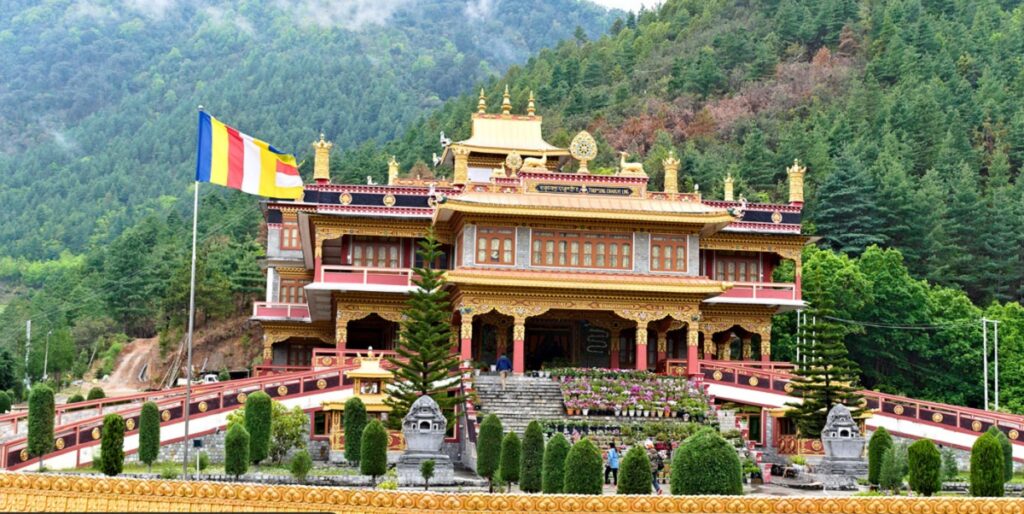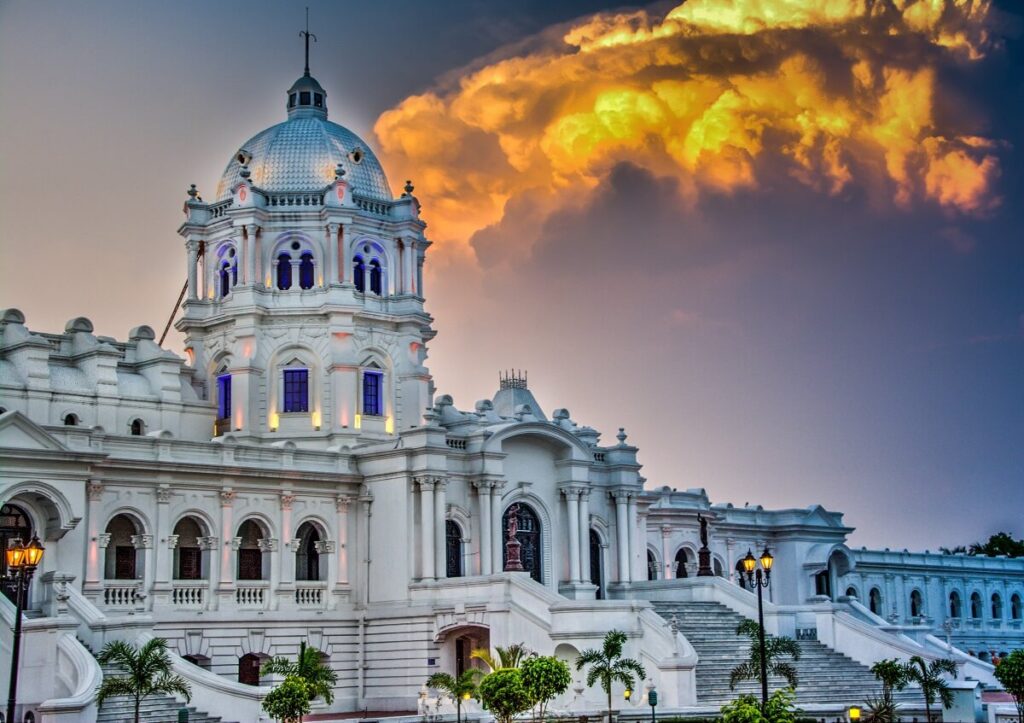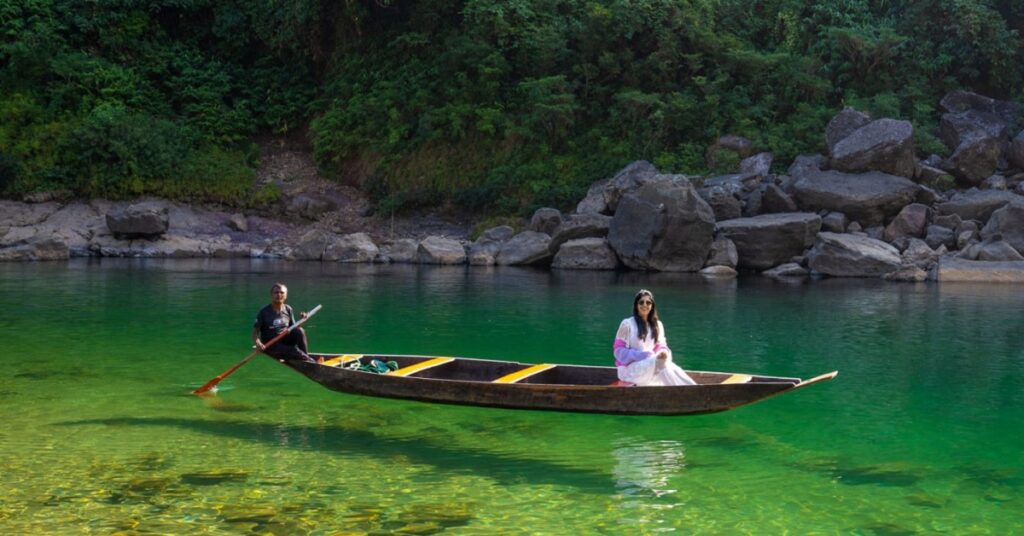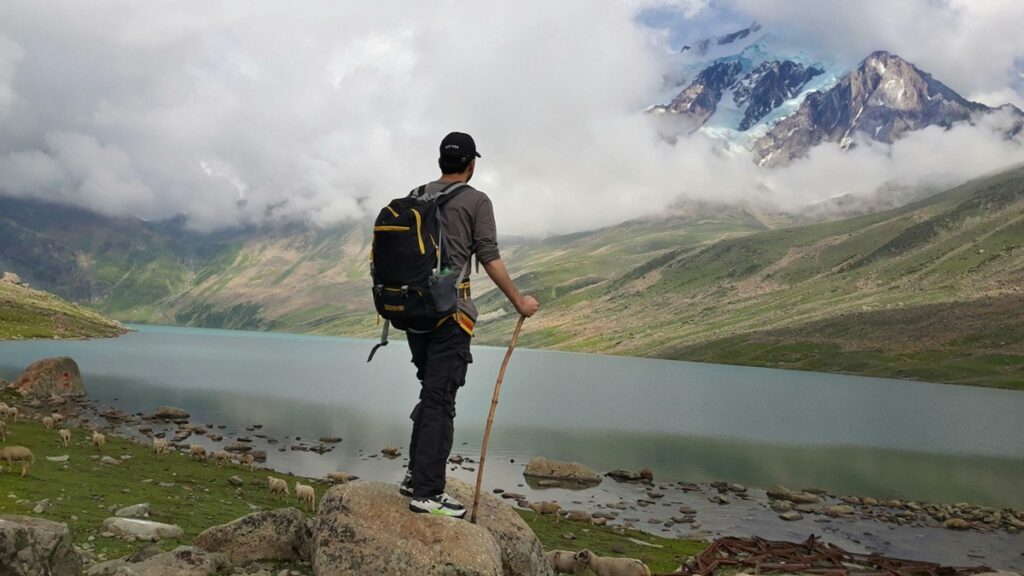
North East India is one of Asia’s last true frontiers for adventure. With landscapes that range from snow-covered peaks to tropical rainforests, this corner of India promises a trekking experience like no other. The region—home to states like Arunachal Pradesh, Sikkim, Nagaland, Meghalaya, Mizoram, Manipur, and Tripura—is a meeting point of cultures, climates, and natural beauty.
Unlike the rugged Himalayas of Himachal or the Western Ghats of South India, the Northeast feels more untouched and deeply connected to indigenous life. Trekking here means walking through bamboo forests, crossing hanging bridges, staying in tribal villages, and watching clouds drift over emerald valleys.
But timing matters. Choosing the right season can be the difference between mist-soaked trails and crystal-clear views of the Himalayas. Let’s explore when and where to go trekking in North East India—season by season.
Understanding the Seasons in North East India
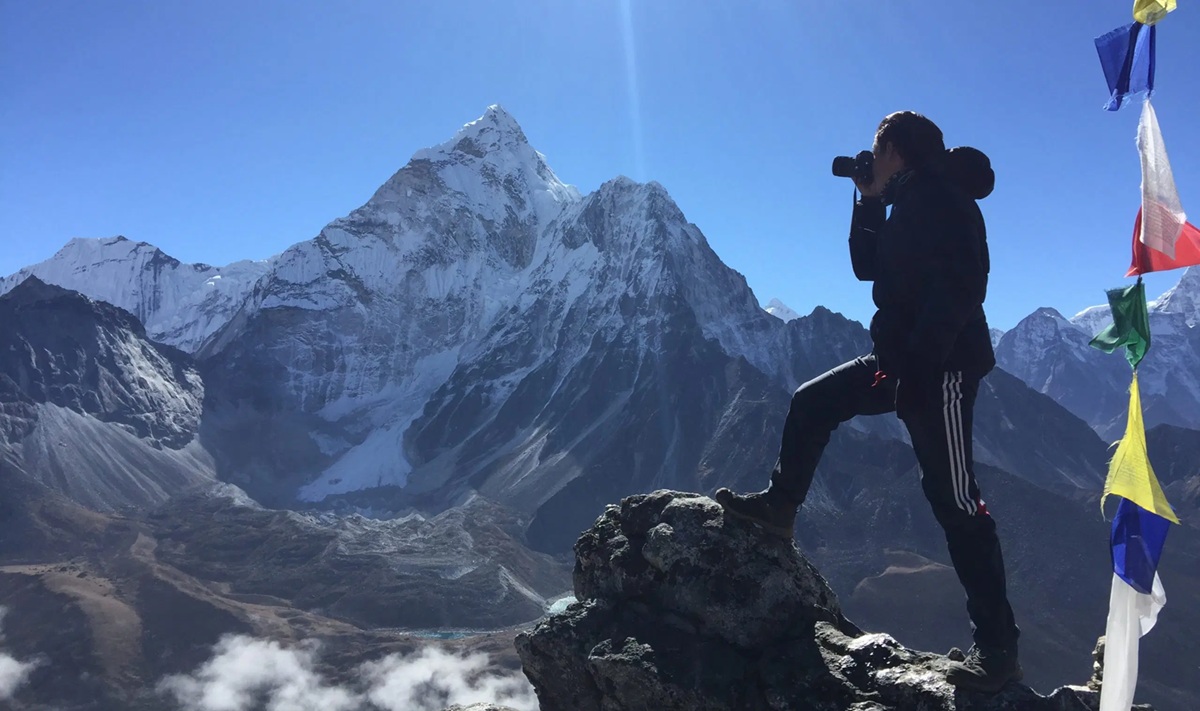
North East India experiences four distinct seasons that shape every trekking route:
- Winter (November–February): Cool, dry, and clear skies. Ideal for high-altitude treks with excellent mountain visibility.
- Spring (March–May): Blooming rhododendrons and warm days—perfect for scenic treks through forests and meadows.
- Monsoon (June–September): Heavy rainfall, slippery trails, and leeches. Best avoided for trekking.
- Autumn (October–November): Post-monsoon freshness, lush greenery, and crisp air.
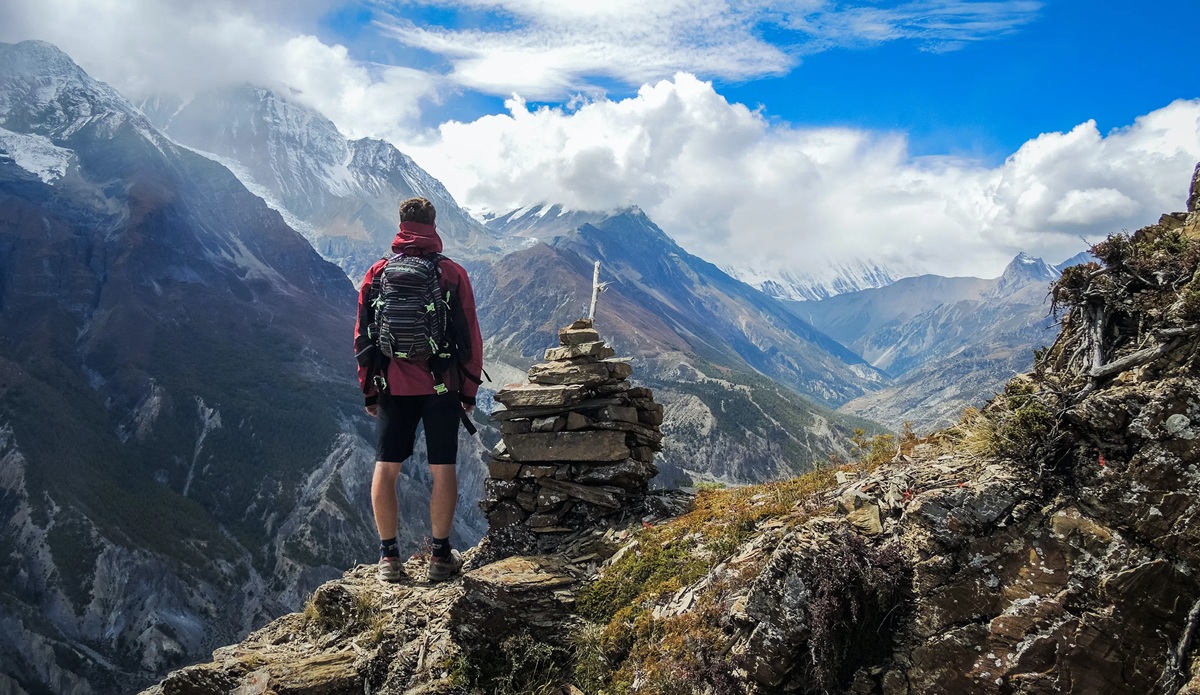
Because of varying altitudes—from Arunachal’s 7,000-meter peaks to Meghalaya’s rolling hills—temperatures can differ drastically. The best trekking weather stays between 10–20°C with low rainfall, usually from October to May.
Best Time for Trekking in North East India – Quick Overview by Season
| Season | Months | Weather | Ideal States | Highlights |
|---|---|---|---|---|
| Winter | Nov–Feb | Cold, clear skies | Sikkim, Arunachal, Nagaland | Snowy trails, cultural festivals |
| Spring | Mar–May | Pleasant, blooming | Sikkim, Meghalaya | Rhododendrons, forests in bloom |
| Monsoon | Jun–Sep | Heavy rain | Avoid | Landslides, leeches |
| Autumn | Oct–Nov | Crisp, green, dry | Arunachal, Nagaland, Meghalaya | Perfect visibility, festival season |
Each season offers its own kind of beauty. For instance, trekking in Mechuka Valley is best between October and April when rivers calm and skies turn clear. Plan Your 4 Nights 5 Days North East India Holiday
Best Time to Trek in Sikkim
Best months: March–May and October–November
Sikkim is where the Eastern Himalayas reach their dramatic best. The mighty Kanchenjunga, the world’s third-highest peak, dominates its skyline. The trails here blend spirituality and wilderness, winding through Buddhist monasteries and glacial valleys. Explore North East India with a 12-Day Itinerary
Top Treks:
- Goechala Trek: Ideal in April–May or October for sunrise views over Kanchenjunga.
- Dzongri Trek: A shorter version of Goechala, perfect for 5–6 days.
- Barsey Rhododendron Sanctuary Trek: Best in April for bright rhododendron blooms.
Winter treks in Sikkim are challenging but rewarding. Snow covers the upper ridges, and visibility is superb. Check out popular tourist places in Lachen, Sikkim if you plan to extend your trip beyond trekking.
Best Time to Trek in Arunachal Pradesh
Best months: October–April
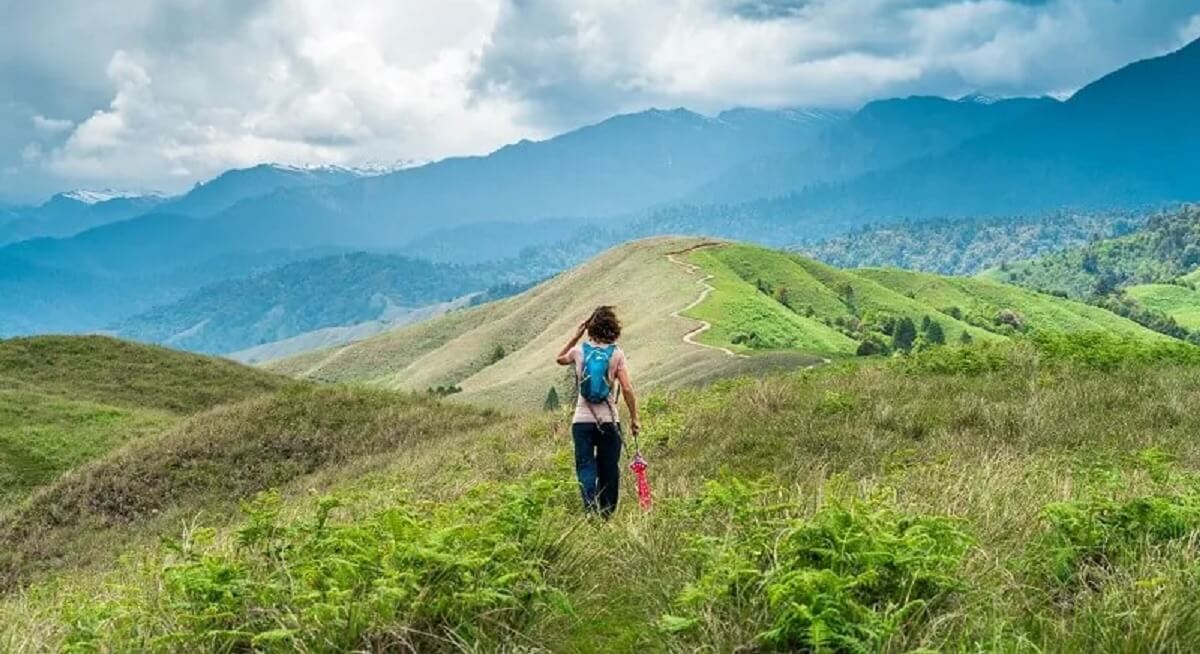
Arunachal Pradesh feels like another world. Thick forests, frozen rivers, tribal hospitality, and monasteries perched on cliffs—it’s pure magic. Since rainfall is high during monsoon, the long dry spell between October and April is the ideal trekking window. Join the 11-Day Shillong to Kaziranga Adventure Tour
Famous Treks:
- Talle Valley Trek: Known for orchids and biodiversity.
- Bailey Trail: Follows an old British route with mountain passes and remote villages.
- Gorichen Base Camp Trek: For experienced trekkers aiming for close Himalayan encounters.
Travelers need an Inner Line Permit (ILP) for most areas here. Pair your trek with a cultural experience in Ziro or Tawang, or read this Northeast India trip planning guide before you go.
Best Time to Trek in Meghalaya
Best months: November–February
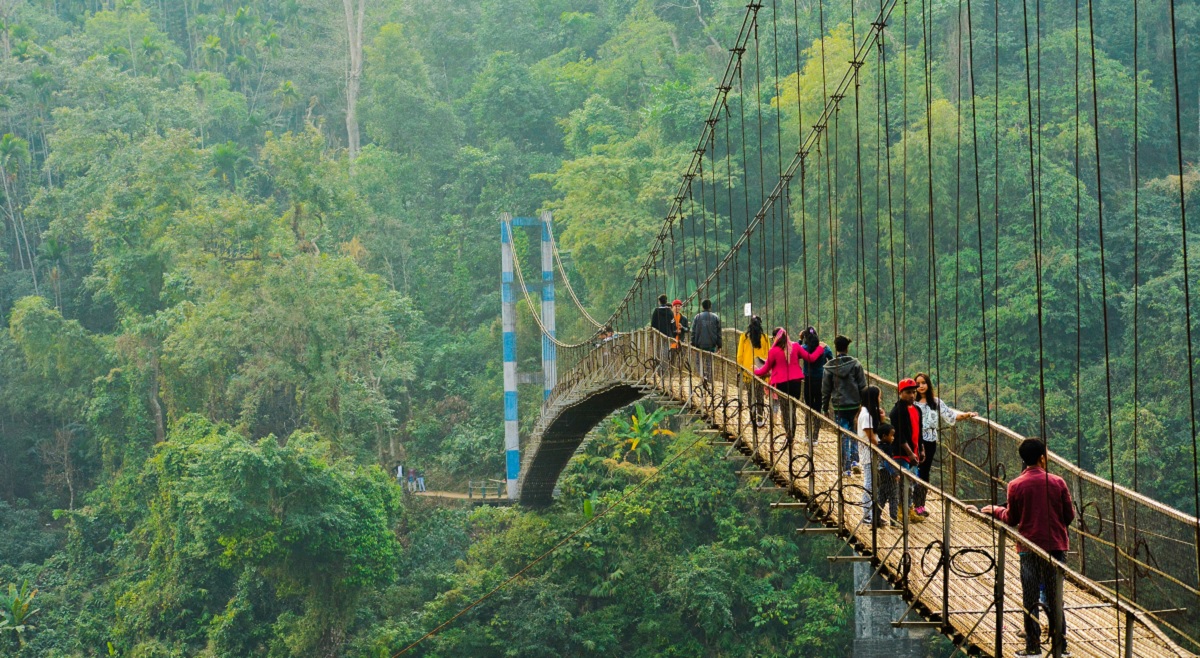
Known as the “abode of clouds,” Meghalaya offers surreal landscapes—waterfalls, caves, and root bridges. Trekking here feels more like an exploration of nature’s architecture.
Popular Trails:
- Living Root Bridge Trek (Nongriat): Best done in November or December when paths are dry.
- David Scott Trail: A historical route connecting old Khasi villages.
- Mawphlang Sacred Grove Walk: A gentle but spiritual trail through protected forest.
Avoid June–September—the rainiest time in the world’s wettest region. Late October, however, brings full waterfalls and fresh greenery. For inspiration, see our Shillong February travel guide and Shillong in January.
Best Time to Trek in Nagaland
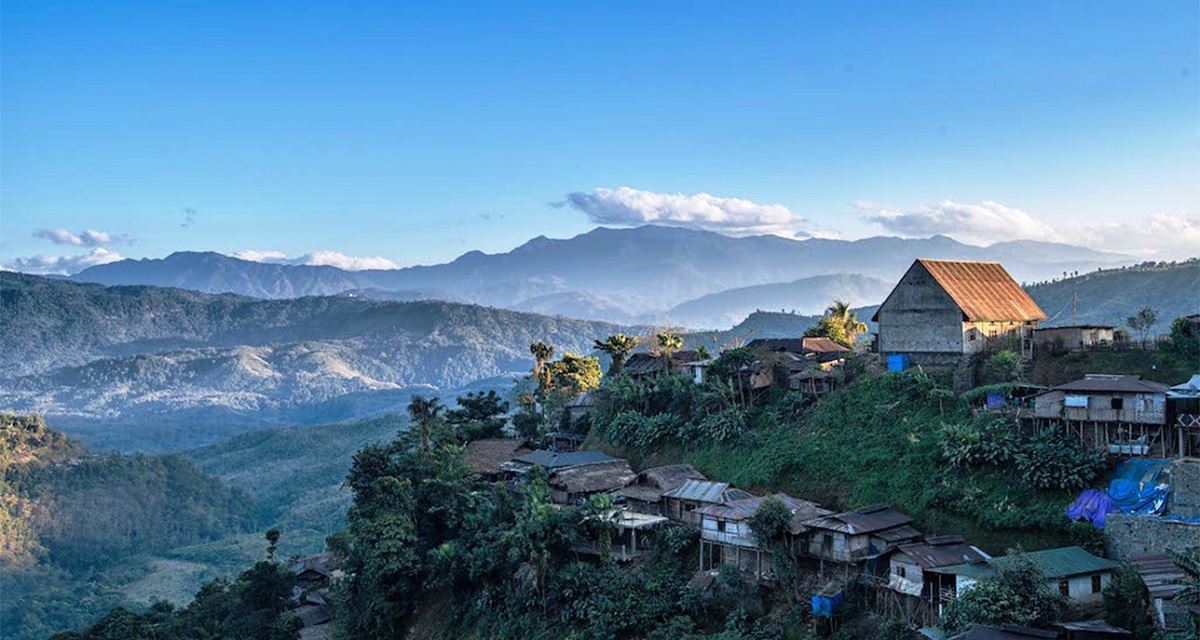
Best months: October–February
Nagaland’s treks combine culture and scenery—rolling hills, wildflowers, and friendly villages. The cool, dry winter season is best, especially around the Hornbill Festival in early December.
Recommended Treks:
- Dzukou Valley Trek: Famous for its lush meadows and lilies.
- Japfu Peak Trek: Offers panoramic views of the Naga Hills.
Cold nights and sunny days make this season perfect for beginners too. Combining your trek with the Hornbill Festival adds a deeper cultural layer.
Best Time to Trek in Mizoram, Manipur & Tripura
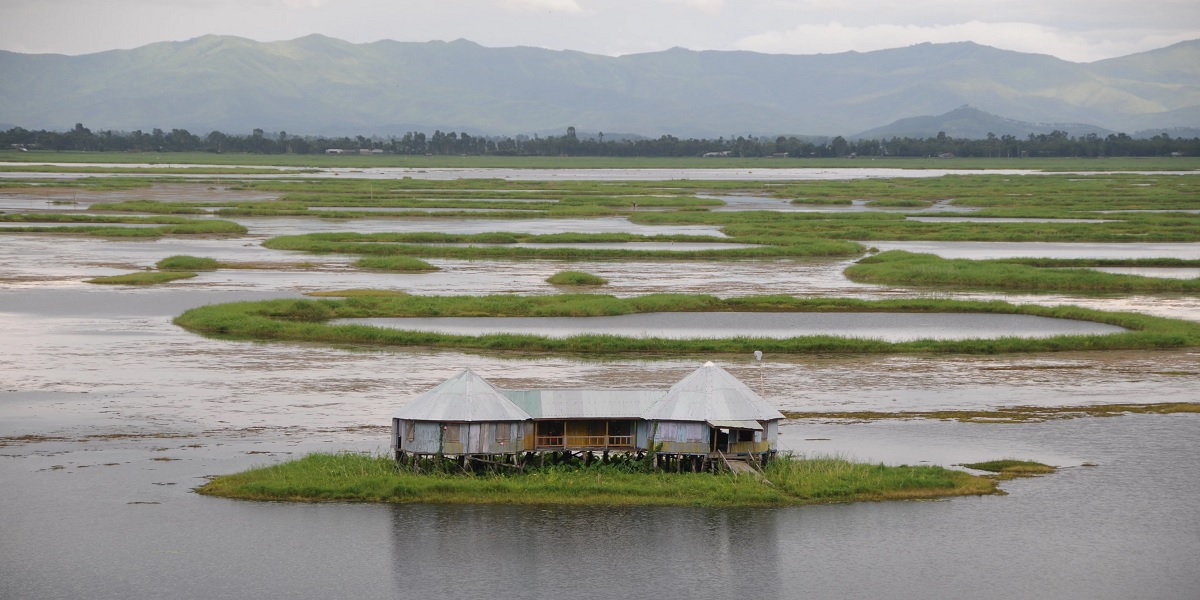
Best months: October–March
These offbeat states offer peaceful, low-impact trekking experiences far from crowds.
Notable Treks:
- Phawngpui (Blue Mountain) Trek, Mizoram: Best between November and February for clear skies.
- Shirui Hills, Manipur: Ideal in May when the famous Shirui lilies bloom.
- Jampui Hills, Tripura: Pleasant all winter, offering sunset views over the Chittagong Hills.
Expect mild weather, minimal rainfall, and a chance to experience lesser-known tribal cultures. For more travel ideas, explore our guide on places to visit in North East India.
Comparing Trekking Seasons – What Each Month Offers
| Month | Highlights | Recommended Treks |
|---|---|---|
| Jan–Feb | Cold, clear skies | Dzukou Valley, Gorichen Base |
| Mar–May | Rhododendron bloom | Goechala, Barsey Sanctuary |
| Jun–Sep | Heavy monsoon | Avoid (risk of landslides) |
| Oct–Nov | Best balance | Nongriat, Talle Valley, Dzongri |
| Dec | Crisp winter air | Dzukou Valley, Mechuka Valley |
Examples:
- April: Visit Dzongri for rhododendrons in full bloom.
- December: Trek the Dzukou Valley for crystal-clear air.
- October: Head to Cherrapunjee for post-monsoon waterfalls.
Need more ideas? Read about places to visit in North East India in December.
How to Prepare for Trekking in the Northeast (Weather-Wise)
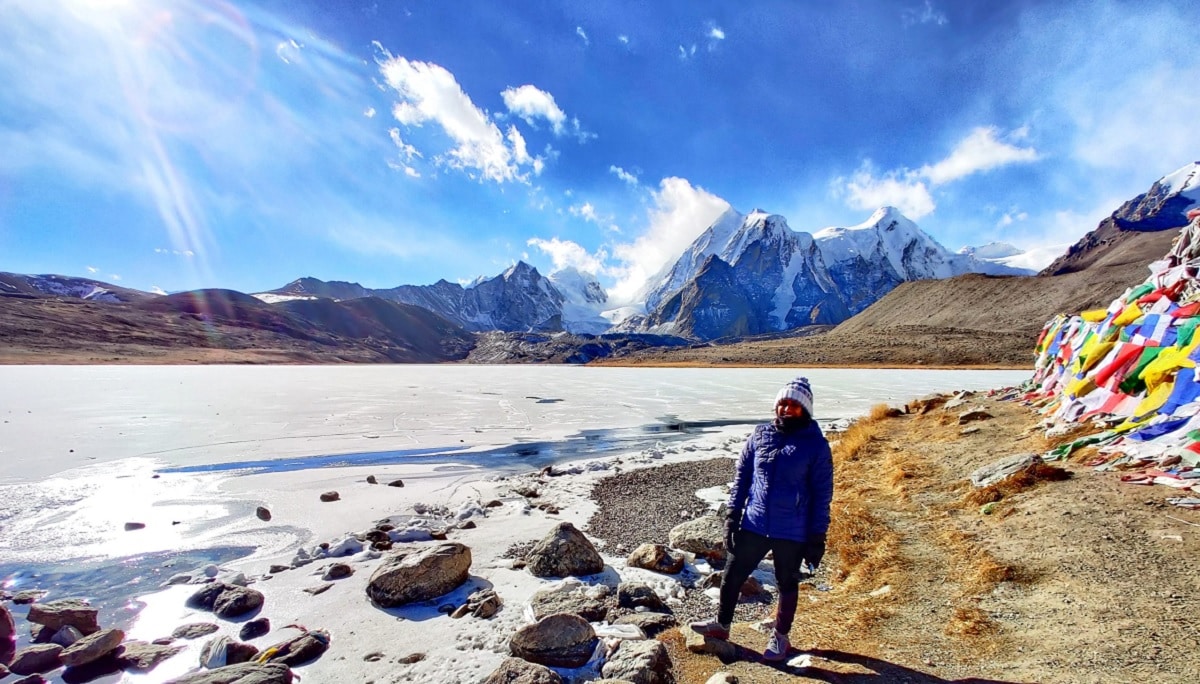
Weather in the Northeast changes fast, so pack with flexibility in mind:
- Layered Clothing: Lightweight base layers, fleece jackets, and down outerwear for cold mornings.
- Rain Gear: Waterproof jacket, poncho, and quick-dry trousers.
- Footwear: Trekking shoes with good grip; gaiters for muddy trails.
- Hydration: Carry reusable bottles; avoid plastic waste.
- Fitness: Start light cardio and hill training at least 3 weeks before your trip.
- Altitude Prep: For treks above 3,000m (Sikkim/Arunachal), ascend gradually and stay hydrated.
Book a 7-Day North East India Tour Package Now
Cultural Festivals That Enhance Trekking Experiences
Trekking in the Northeast is also about immersing in its living traditions. Plan your trek to coincide with these festivals:
- Hornbill Festival (Nagaland, December): Folk dances, bamboo crafts, and Naga cuisine.
- Ziro Music Festival (Arunachal Pradesh, September): Indie music in a stunning valley.
- Losar (Sikkim, February): Buddhist New Year celebrations in monasteries.
Aligning your trek with a local event transforms your adventure into a cultural journey.
Top 5 Trekking Routes by Season
Winter (Nov–Feb)
- Dzukou Valley, Nagaland: Easy–moderate, 2–3 days. Frozen streams and sweeping views.
- Talle Valley, Arunachal: Moderate, 5–6 days. Dense forests and orchids.
Spring (Mar–May)
- Goechala Trek, Sikkim: Moderate–challenging, 8–10 days. Kanchenjunga views.
- Barsey Rhododendron Sanctuary: Easy, 2–3 days. Forests carpeted with flowers.
Autumn (Oct–Nov)
- Nongriat Root Bridges, Meghalaya: Moderate, 2–3 days. Ideal for photography.
- Phawngpui Blue Mountain, Mizoram: Moderate, 4–5 days. Panoramic ridges and wildlife.
Each offers distinct landscapes—from snow peaks to tropical canopies—making October to April the golden window for trekkers. Kaziranga Trip in December 2025 – Complete Travel Guide
Travel Tips & Permits for Trekking in North East India
Permits:
- ILP (Inner Line Permit) required for Arunachal Pradesh, Nagaland, and Mizoram.
- Sikkim requires special permits for restricted zones (issued easily in Gangtok or via tour operators).
Getting There:
- Guwahati (Assam): Gateway to most northeastern states.
- Bagdogra (West Bengal): Entry point for Sikkim.
- Dimapur (Nagaland): Ideal for Dzukou Valley and Hornbill Festival.
Local Guides & Stays:
Hiring local guides ensures safety and supports community tourism. Stay at eco-lodges or family homestays to experience genuine hospitality.
For planning inspiration, see our detailed Northeast India travel guide and tourist places in North India for June.
Responsible Trekking:
- Carry reusable bottles and biodegradable soap.
- Avoid plastic packaging.
- Respect local customs and photography rules.
Frequently Asked Questions
1. What months are best overall for trekking in North East India?
October to April is the best period. The post-monsoon clarity of October and the crisp air of February make these months ideal for scenic and safe trekking.
2. Is winter too cold for beginners?
Not necessarily. Winter treks like Dzukou Valley or Living Root Bridges remain comfortable for beginners. Higher routes in Sikkim may need warmer gear.
3. Are treks open during the monsoon?
Most are closed or discouraged from June to September due to heavy rains, landslides, and leeches. However, cultural trips and short nature walks remain possible.
4. Which are the easiest treks for first-timers?
- Barsey Rhododendron Sanctuary (Sikkim)
- David Scott Trail (Meghalaya)
- Jampui Hills (Tripura)
5. Do I need special permits for Sikkim or Arunachal Pradesh?
Yes. ILP for Arunachal and a restricted-area permit for parts of Sikkim. Both can be obtained online or via authorized agents.
6. Can I combine treks with cultural festivals?
Absolutely. Plan around the Hornbill Festival (Nagaland, Dec) or Ziro Festival (Arunachal, Sep) for the best blend of culture and adventure.
7. What’s the safest way for international travellers to plan?
Book through reputed operators like Ease India Trip, which handle permits, logistics, and local coordination, ensuring safe and authentic experiences.
8. Are group treks available year-round?
Group departures usually run from October to May, with custom trips possible in winter and spring depending on weather.
Conclusion – Choosing the Right Season for the Perfect Trek
North East India rewards trekkers who respect its rhythms. Each season paints a different picture—from snowfields in Sikkim to flower-filled meadows in Nagaland. But to experience its true magic, October to April is the window when weather, visibility, and festivals align.
Trekking here isn’t just about conquering peaks; it’s about meeting people, preserving nature, and understanding cultures that have thrived for centuries. Whether you chase rhododendrons in spring or crisp skies in winter, the right timing turns every trail into a memory.
Plan your Northeast India trekking adventure with expert guidance from Ease India Trip — and make every step a journey through nature and culture.
Top North East India Articles You May Like
- Discover the Best Places to Visit in North East India This December
- Plan a Scenic August Getaway to North East India
- Get Expert Tips to Plan Your North East India Trip
- Explore the Top Tourist Places in North East India
- Dive into Assam’s Culture and Traditions – Explore Now
- Escape to the Best Hill Stations in North East India This Summer
- Uncover the Best May Destinations in North East India
- Learn Amazing Facts About Tripura – The Jewel of North East
- Experience the Best Winter Treks in India This December