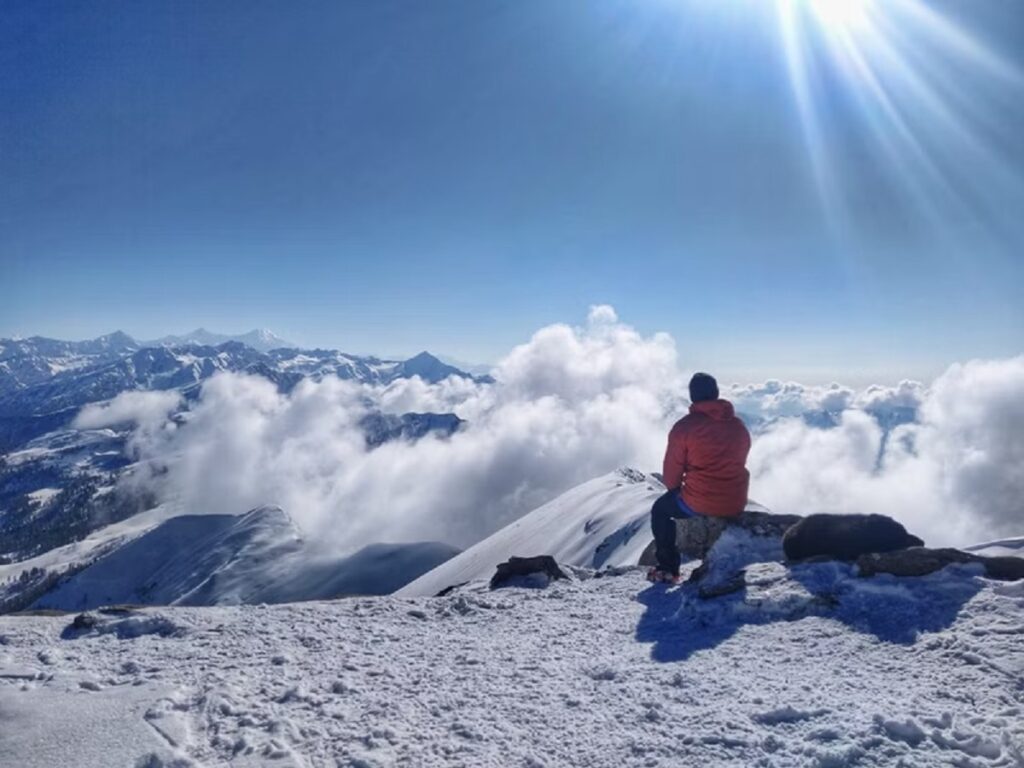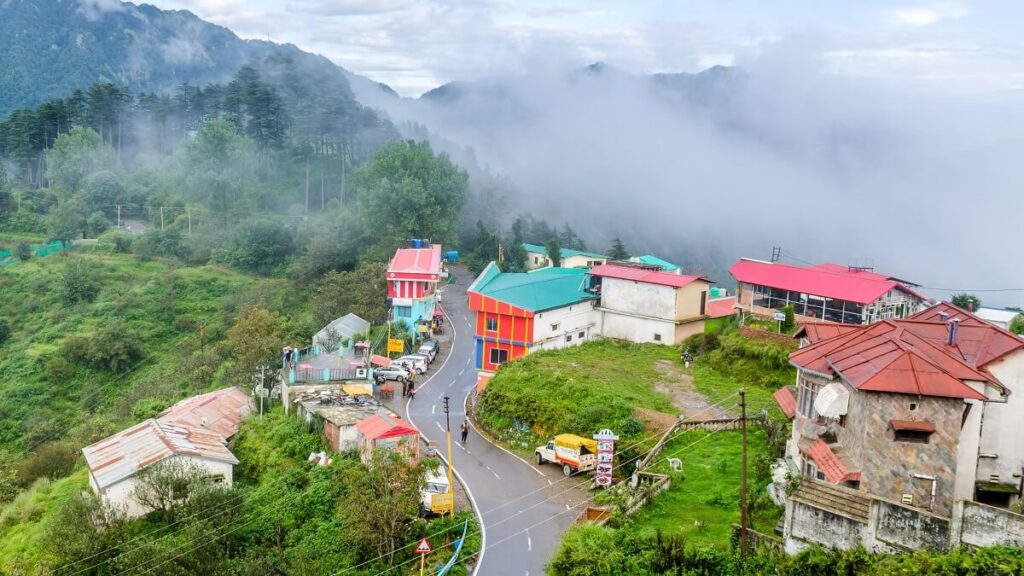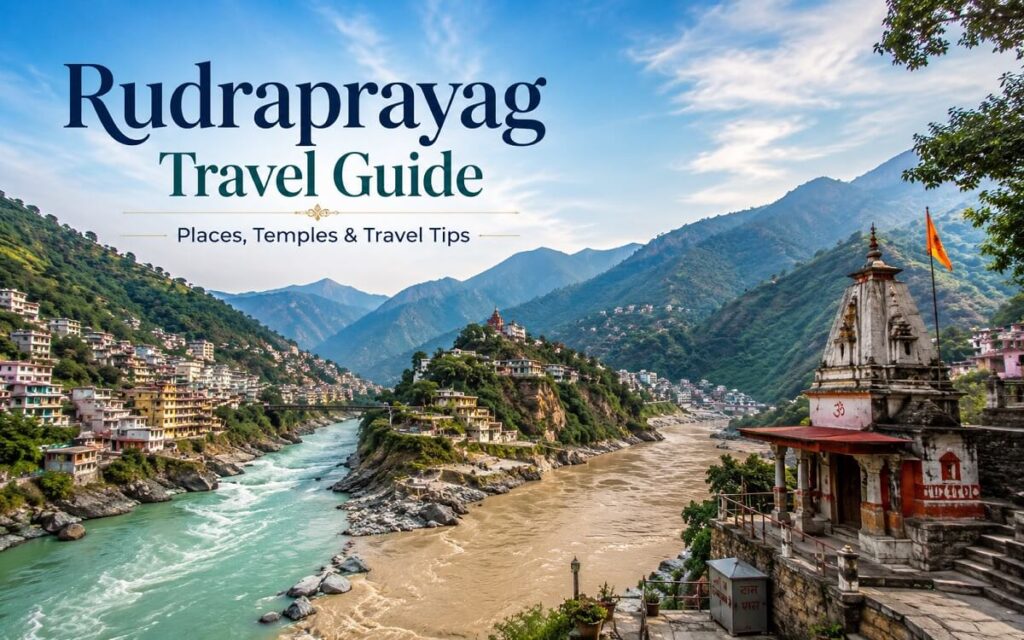
Rudraprayag is one of those Himalayan destinations that leaves a quiet but lasting impression. It is not only a stop on the road to Kedarnath or Badrinath. It is a sacred town where rivers meet, mountains rise dramatically from deep valleys, and ancient temples carry stories that have shaped Garhwal for centuries.
Located in Uttarakhand’s Garhwal region, Rudraprayag is best known for the holy confluence of the Alaknanda and Mandakini rivers. The town is named after Lord Shiva in his Rudra form and holds immense spiritual importance for Hindu devotees. At the same time, it appeals to nature lovers, photographers, road-trip travellers, trekkers, and anyone looking to experience the quieter side of the Himalayas.
This Rudraprayag travel guide covers the best places to visit, famous temples, travel routes, local experiences, the best season to plan your trip, accommodation tips, and practical advice for a smooth journey.
Whether you are travelling for pilgrimage, photography, a family holiday, or a road trip through Uttarakhand, Rudraprayag offers a meaningful pause between the plains and the higher Himalayan valleys.
Why Visit Rudraprayag?
Rudraprayag is often described as a spiritual gateway to the Garhwal Himalayas. It sits along important Char Dham travel routes and connects travellers to destinations such as Kedarnath, Chopta, Tungnath, Ukhimath, Guptkashi, Gaurikund, and Badrinath.
However, the destination deserves more than a brief overnight halt. Its river confluence, temple caves, mountain viewpoints, traditional villages, and peaceful atmosphere make it a rewarding destination in its own right.
Here are a few reasons to include Rudraprayag in your Uttarakhand itinerary:
- Witness the sacred meeting point of the Alaknanda and Mandakini rivers.
- Visit ancient Shiva temples and revered Shakti shrines.
- Explore scenic places such as Koteshwar, Augustmuni, Kartik Swami, and Guptkashi.
- Use Rudraprayag as a convenient base for Kedarnath, Chopta, Tungnath, and Ukhimath.
- Enjoy mountain drives, riverside views, temple bells, and a slower Himalayan rhythm.
- Experience a destination that combines pilgrimage, local culture, and natural beauty.
Rudraprayag is especially suitable for travellers who want a spiritual Uttarakhand journey without staying only at crowded pilgrimage centres.
Rudraprayag Sangam: The Sacred Heart of the Town
The Rudraprayag Sangam is the most important place to visit in the town. It is the confluence where the Mandakini River meets the Alaknanda River before the water continues toward Devprayag, where the Ganga takes form after the meeting of the Alaknanda and Bhagirathi.
The contrast between the two rivers is often visible, especially when water levels are moderate. One stream may appear greener or clearer, while the other carries a deeper shade shaped by weather conditions and upstream flow. The meeting point is surrounded by steep hills, old settlements, temples, and prayerful activity.
A stairway leads down toward the confluence, where pilgrims offer prayers, perform rituals, and sit quietly beside the water. The place is deeply connected with local beliefs surrounding Sage Narad, who is said to have meditated here to seek divine knowledge from Lord Shiva.
The best time to visit the Rudraprayag Sangam is early morning or around sunset. Morning offers calm light and fewer visitors, while evening brings a more devotional atmosphere around the temple area.
Visitors should remain careful near the riverbank, especially during the monsoon season. Water levels can rise quickly in the Himalayan rivers, and safety barriers should always be respected.
Famous Temples in Rudraprayag:
Rudraprayag is home to several important temples. Some are located within or close to the town, while others require a short drive or trek through scenic Garhwal landscapes.
1. Rudranath Temple at Rudraprayag Sangam
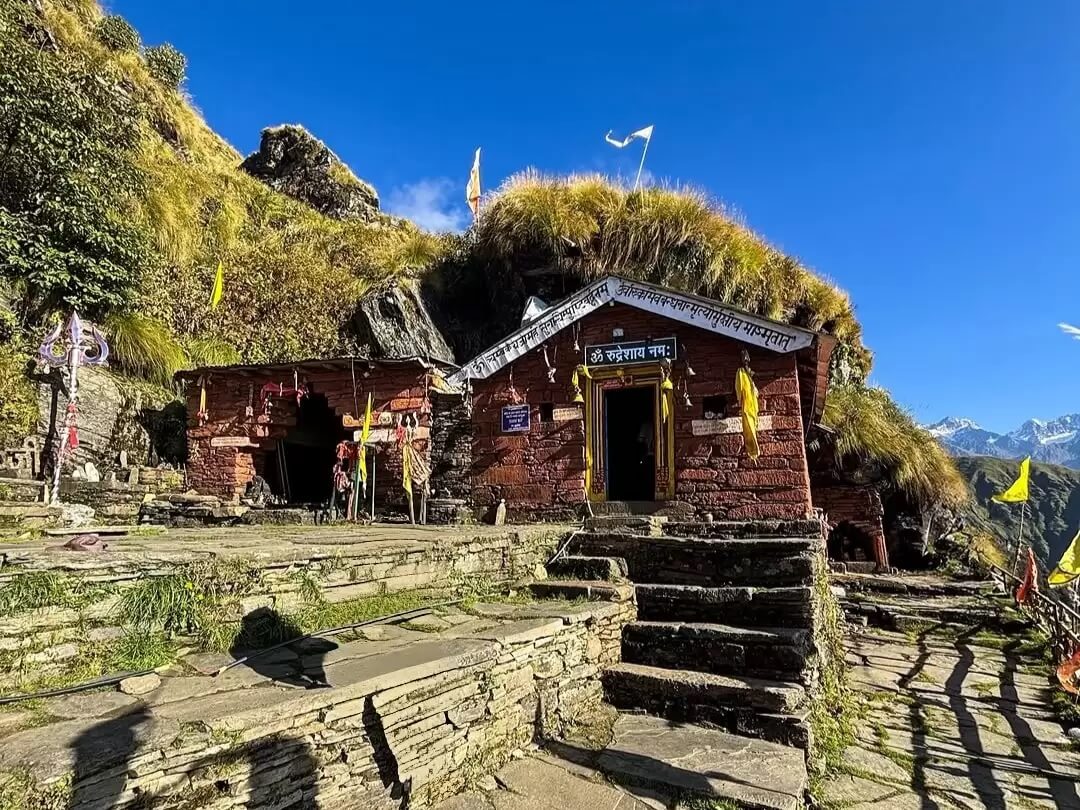
Located close to the confluence, the Rudranath Temple is associated with Lord Shiva in his Rudra form. The temple adds spiritual depth to the Sangam experience and is usually visited by devotees after offering prayers near the river.
The surroundings are simple rather than grand, but that is part of the charm. The sound of flowing water, temple bells, and the sight of two rivers meeting creates a powerful atmosphere.
For many travellers, this is the best place to begin their Rudraprayag sightseeing tour.
2. Koteshwar Mahadev Temple
Koteshwar Mahadev Temple is one of the most popular Shiva temples near Rudraprayag. Located a short drive from the town, it is set inside natural caves along the Alaknanda River.
The temple is dedicated to Lord Shiva and is known for its peaceful cave setting. According to local belief, Lord Shiva meditated here on his way toward Kedarnath. The rocky interiors, naturally formed structures, and river views make the temple feel both spiritual and scenic.
Koteshwar Mahadev is a good choice for travellers who want to visit a temple that is not only religiously significant but also visually memorable. The route to the temple is pleasant, and the visit can easily be combined with Rudraprayag Sangam sightseeing.
Carry comfortable footwear because some sections near the cave and riverbank may be uneven.
3. Dhari Devi Temple
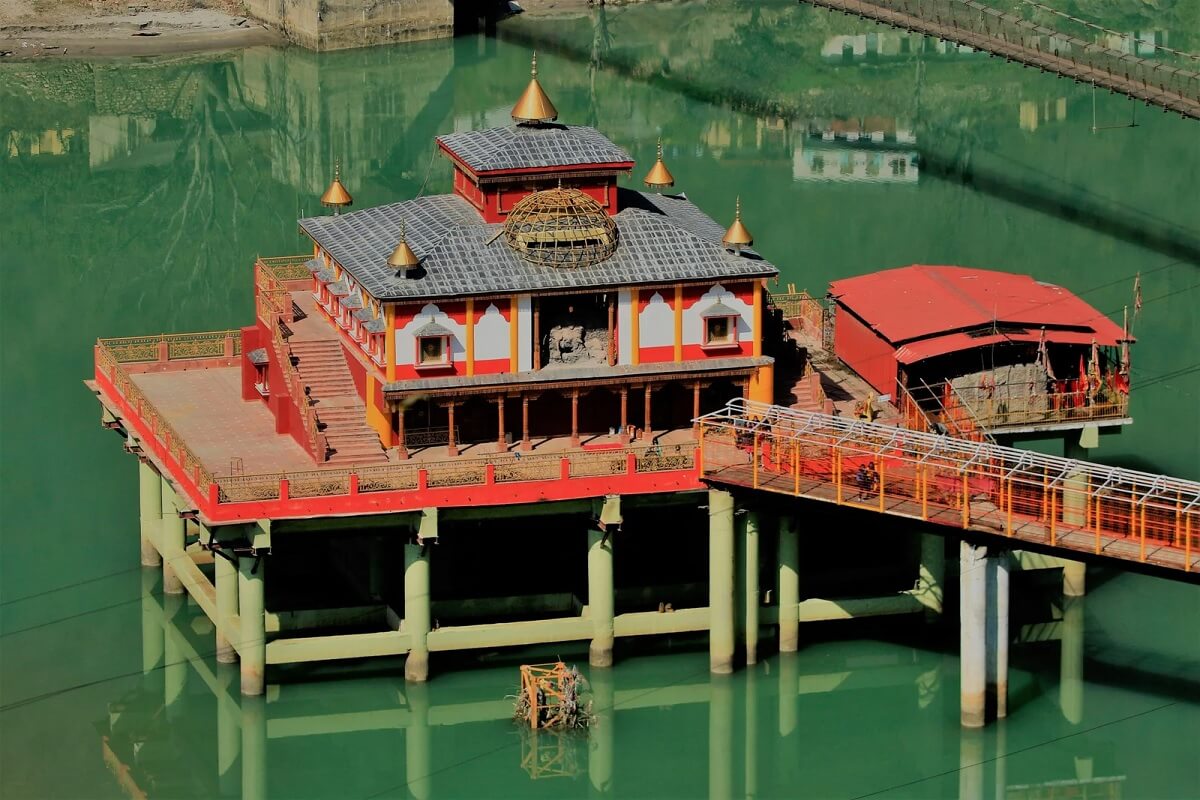
Dhari Devi Temple is one of the most revered shrines in the region. Situated on the banks of the Alaknanda River between Srinagar and Rudraprayag, the temple is dedicated to Goddess Dhari Devi, who is widely regarded as a guardian deity of Uttarakhand.
The temple is especially important to Char Dham pilgrims, who often stop here to seek blessings before continuing toward Kedarnath or Badrinath. The shrine has a strong local identity, and its setting beside the river makes the visit feel special.
A visit to Dhari Devi Temple is best planned during daylight hours, particularly when travelling from Rishikesh, Srinagar, or Rudraprayag. During heavy rains, travellers should remain alert to road and river conditions.
4. Kartik Swami Temple
Kartik Swami Temple is one of the most rewarding spiritual and scenic experiences near Rudraprayag. Dedicated to Lord Kartikeya, the son of Lord Shiva and Goddess Parvati, the temple stands at a high elevation and offers magnificent views of Himalayan peaks.
The journey begins from Kanak Chauri village, followed by a moderate trek of around 3 kilometres. The trail is popular among pilgrims, nature lovers, photographers, and travellers looking for sunrise views in the mountains.
The final stretch is worth the effort. On a clear day, visitors may enjoy wide panoramic views of snow-covered Himalayan ranges. The temple itself has a peaceful atmosphere, and the trail passes through forests, ridges, and mountain landscapes.
Kartik Swami Temple is ideal for travellers who want to combine spirituality with a short Himalayan trek. Start early in the morning, carry water, wear proper trekking shoes, and avoid attempting the trail in poor weather.
5. Augustmuni Temple
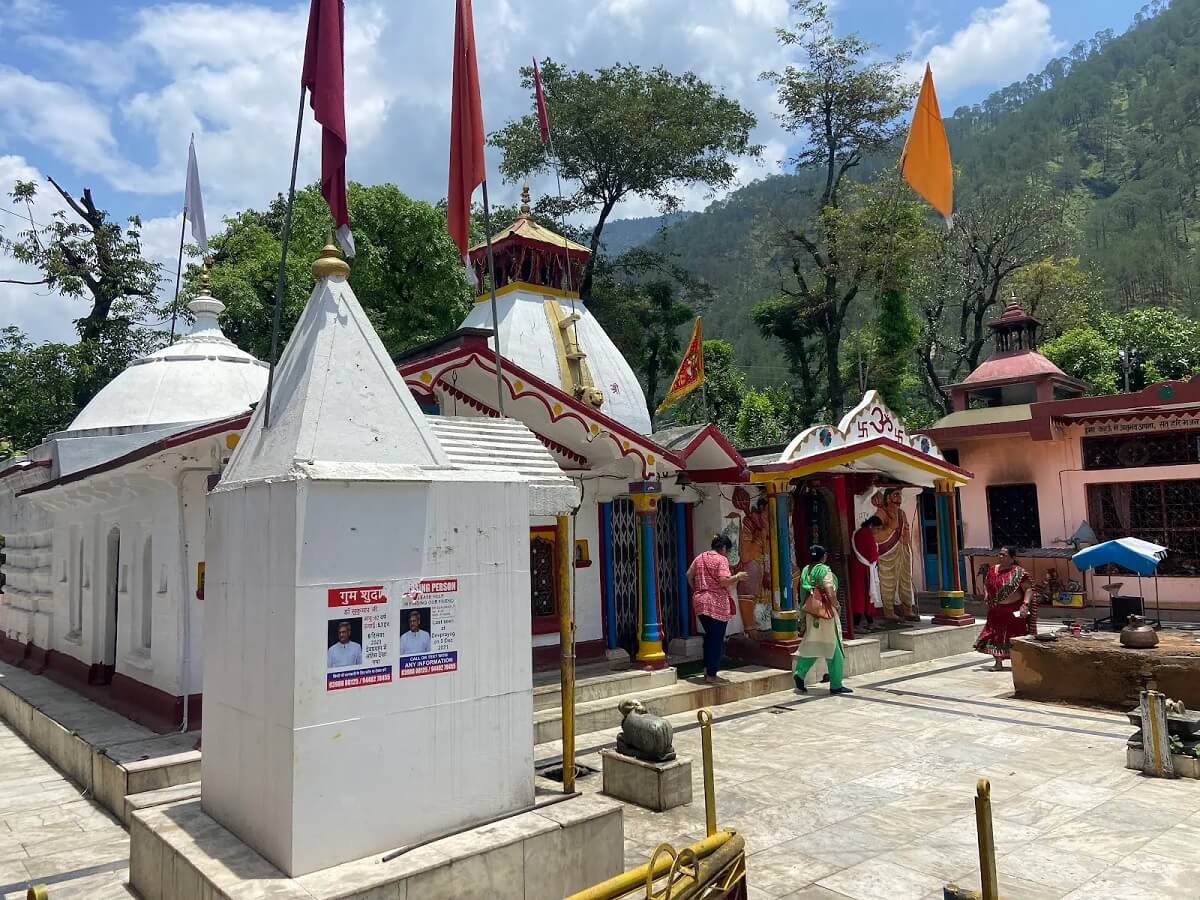
Augustmuni is a peaceful town located near Rudraprayag along the Mandakini River. It is named after Sage Agastya, also known as Augustya in local tradition. The town is surrounded by mountains and forested slopes, making it a pleasant break from the busier road routes.
The Agastya Muni Temple is the main attraction here. It is visited by devotees and is especially meaningful for travellers interested in the mythology and spiritual history of the Garhwal region.
Augustmuni is also a useful place to stop while travelling toward Guptkashi, Ukhimath, or Kedarnath. It has a more relaxed feel than larger transit towns and works well for a short temple visit and local meal.
6. Guptkashi Vishwanath Temple
Guptkashi is an important pilgrimage town in Rudraprayag district and a key halt for travellers heading to Kedarnath. Its main attraction is the ancient Vishwanath Temple, dedicated to Lord Shiva.
The temple is often compared spiritually with the Kashi Vishwanath Temple in Varanasi. Nearby, visitors can also see the Ardhnareshwar Temple and Manikarnik Kund. The town’s religious atmosphere, mountain setting, and proximity to Kedarnath make it one of the most significant places near Rudraprayag.
Guptkashi is a good overnight stop for Kedarnath pilgrims, especially for those who want to avoid a rushed journey. The town has better accommodation options than some smaller settlements along the route.
7. Triyuginarayan Temple
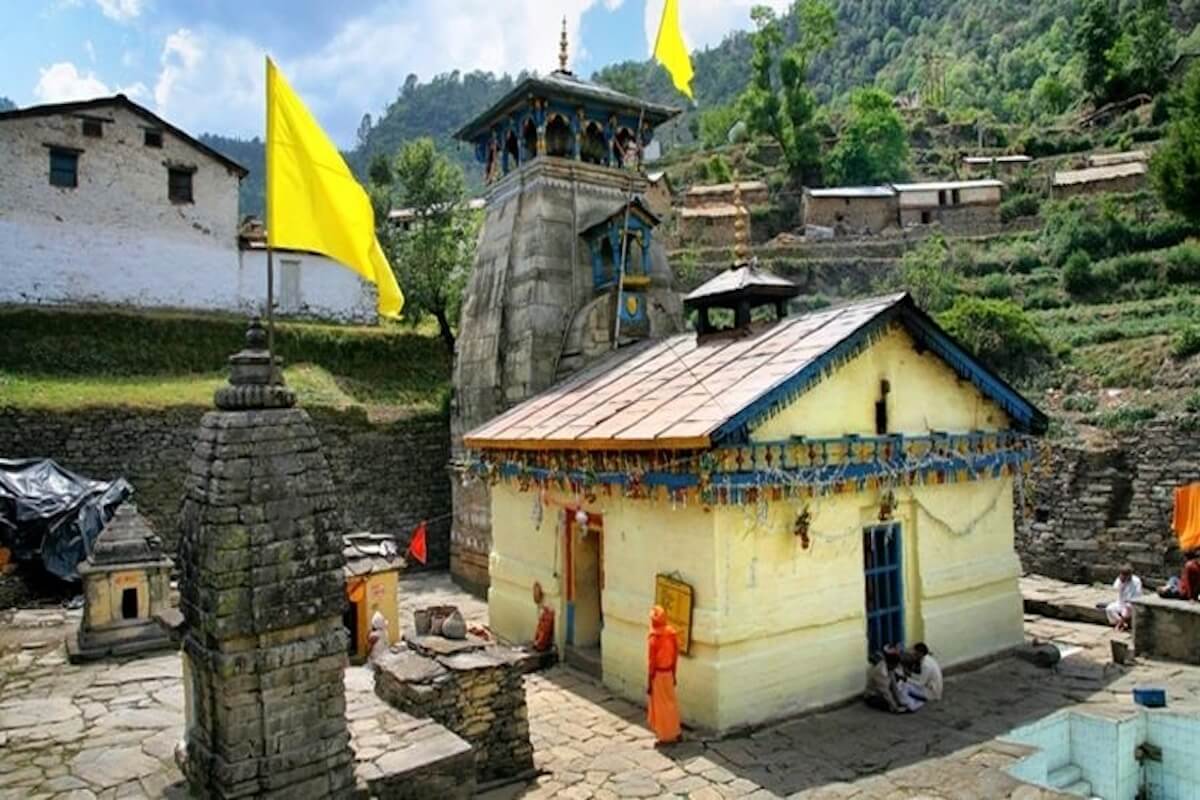
Triyuginarayan Temple is one of the most fascinating temples in the wider Rudraprayag region. It is associated with the sacred marriage of Lord Shiva and Goddess Parvati. According to local belief, Lord Vishnu witnessed the divine wedding at this place.
The temple is known for its eternal flame, believed to have been burning since the time of the celestial marriage. Couples and families often visit to seek blessings for marriage and a harmonious life.
The journey to Triyuginarayan is scenic, with mountain roads, village views, and a more remote Himalayan atmosphere. It can be included in an itinerary with Guptkashi, Sonprayag, or Ukhimath.
Uttarakhand Tour Packages:
Best 5 Places to Visit Near Rudraprayag:
Beyond the temples, Rudraprayag district offers several scenic and spiritually important places.
1. Ukhimath
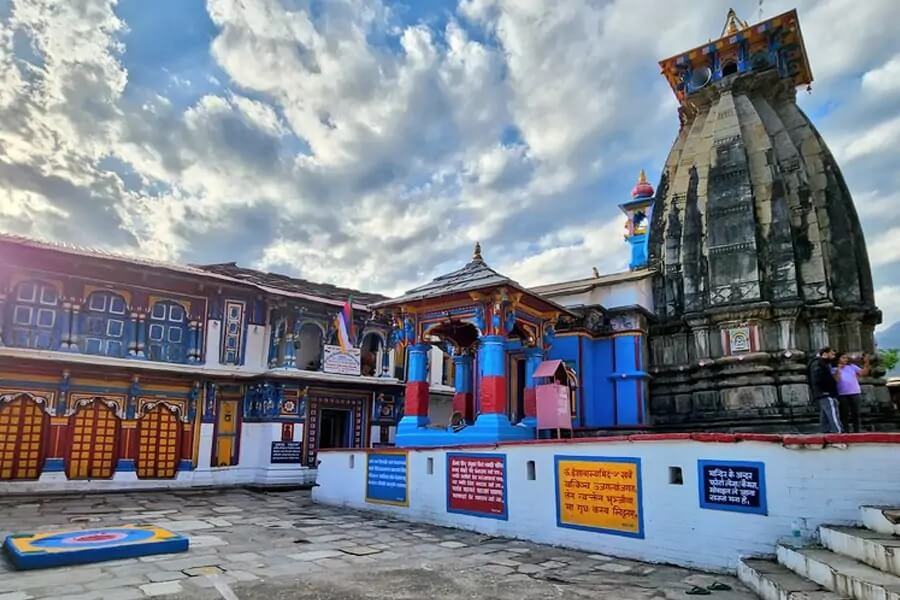
Ukhimath is a major winter seat of worship for Kedarnath and Madhyamaheshwar. During the winter months, when high-altitude temples are inaccessible, the idols are brought here for worship.
The town is known for its peaceful mountain setting, traditional temples, and views of surrounding Himalayan peaks. Ukhimath is a strong choice for travellers who want a quieter alternative to more commercial hill stations.
It is also a useful base for trips to Deoria Tal, Chopta, Tungnath, and nearby villages.
2. Chopta
Chopta is one of the most scenic destinations near Rudraprayag and is often called the base for the Tungnath and Chandrashila trek. It is surrounded by alpine meadows, forested slopes, and dramatic mountain views.
Unlike many crowded Himalayan destinations, Chopta still feels close to nature. It is popular with trekkers, photographers, couples, and families looking for fresh mountain air.
The road journey from Rudraprayag toward Chopta is beautiful, particularly in spring and autumn. If you have extra time, spend at least one night in or near Chopta rather than visiting only as a day trip.
3. Tungnath Temple
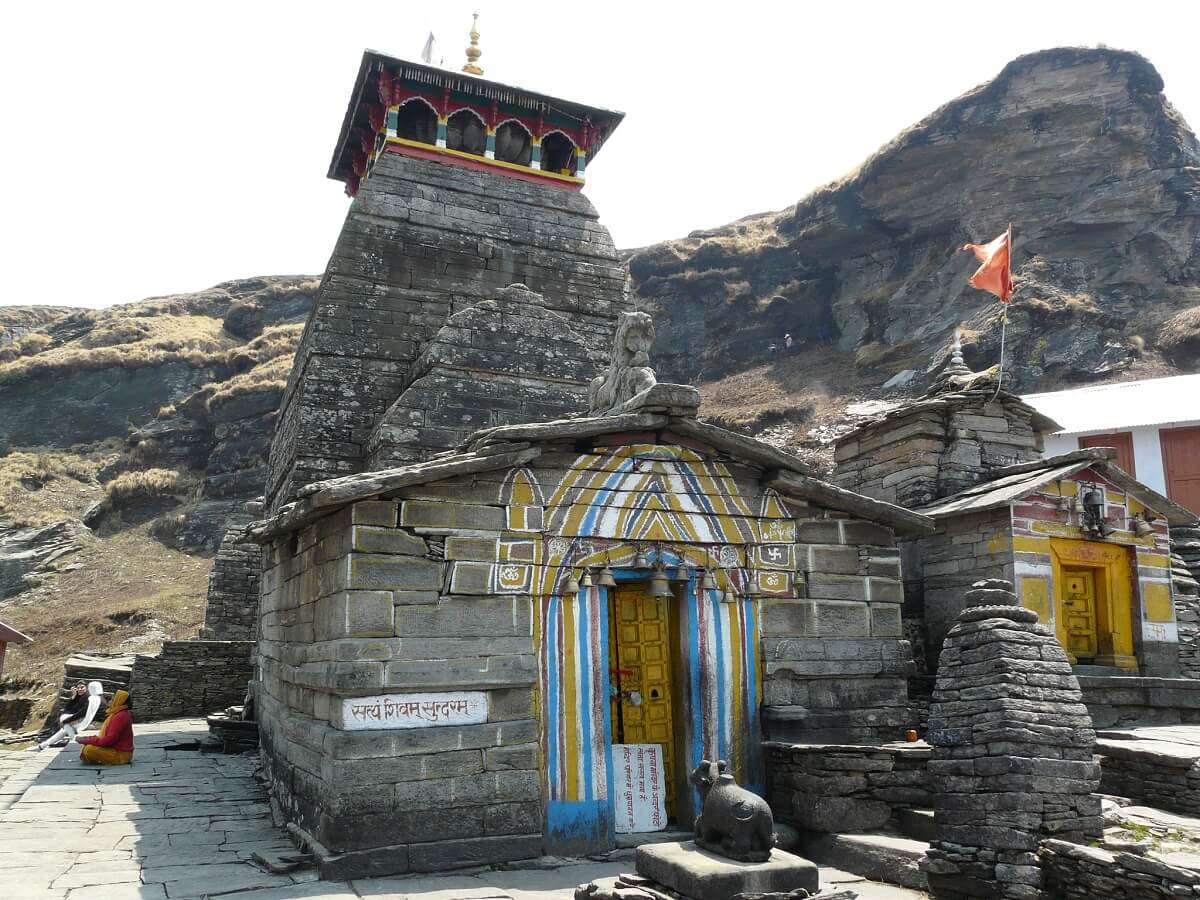
Tungnath Temple is one of the most sacred Shiva shrines in Uttarakhand and forms part of the Panch Kedar pilgrimage circuit. It is reached by a trek from Chopta and attracts devotees as well as adventure travellers.
The trek is relatively short but climbs steadily. The views become increasingly dramatic as you move higher, especially on clear days. From Tungnath, many travellers continue toward Chandrashila Peak for a wider Himalayan panorama.
Tungnath is best visited when weather conditions are stable. Always check access, temple opening dates, and road conditions before planning your journey.
4. Deoria Tal
Deoria Tal is a beautiful high-altitude lake near Sari village. It is known for reflections of Himalayan peaks in clear water, especially early in the morning.
The short trek to Deoria Tal is suitable for beginners with basic fitness. It is a wonderful addition to a Rudraprayag itinerary for travellers who enjoy walking, camping, landscape photography, and peaceful natural surroundings.
The place is particularly appealing during clear autumn days, but weather can change quickly in the mountains.
5. Gaurikund
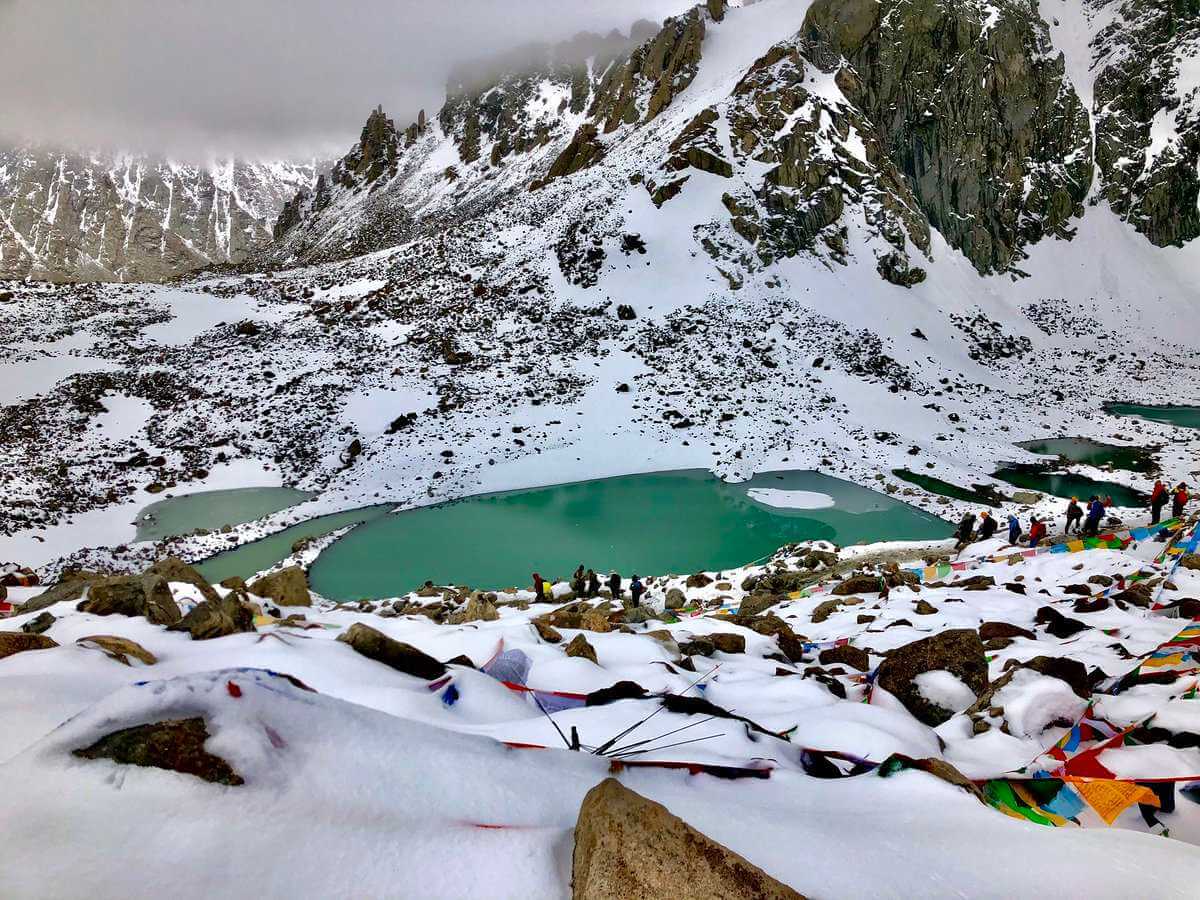
Gaurikund is the starting point for the Kedarnath trek and is deeply connected with Goddess Parvati. It is known for its spiritual importance and natural hot-water springs, although access and facilities can vary by season and local conditions.
For Kedarnath pilgrims, Gaurikund is the point where the road journey ends and the trek begins. It is also where travellers should carefully organise permits, accommodation, ponies, porters, or helicopter arrangements when required.
Best Time to Visit Rudraprayag:
The best time to visit Rudraprayag depends on your purpose of travel.
March to June
March to June is one of the most popular periods for visiting Rudraprayag. The weather is generally pleasant, roads are more accessible, and Char Dham travel activity begins to increase.
This is a good time for temple visits, family trips, road journeys, Kartik Swami trekking, Chopta sightseeing, and Kedarnath travel. May and June can be busy because of school holidays and pilgrimage traffic, so book hotels early.
July to September
Monsoon transforms Rudraprayag into a green and dramatic Himalayan landscape. Waterfalls become stronger, hillsides turn lush, and rivers flow with great force.
However, this is also the season when landslides, roadblocks, heavy rain, and changing weather can affect travel plans. Monsoon travel is better suited to experienced travellers who can keep flexible schedules.
Avoid tight itineraries during this period. Always monitor official weather and road updates before leaving for mountain routes.
October to November
October and November are among the best months for a Rudraprayag trip. The post-monsoon landscape is fresh, skies are usually clearer, and mountain views improve.
This season is excellent for photography, temple visits, short treks, Chopta travel, Kartik Swami, and village stays. Temperatures begin to drop, especially in the morning and evening, so carry warm layers.
December to February
Winter is ideal for travellers who enjoy quiet mountain destinations and colder weather. Lower areas such as Rudraprayag town, Augustmuni, and Guptkashi remain accessible in most conditions, but higher routes may experience snow or temporary closures.
Chopta and Tungnath areas can receive snowfall, making them highly scenic but more difficult to reach. Winter travellers should be prepared for cold nights, limited services in remote locations, and weather-based itinerary changes.
How to Reach Rudraprayag:
By Road
Rudraprayag is well connected by road with Rishikesh, Haridwar, Dehradun, Srinagar, Devprayag, Guptkashi, and other Garhwal destinations.
A common road route is:
Delhi – Meerut – Muzaffarnagar – Roorkee – Haridwar – Rishikesh – Devprayag – Srinagar – Rudraprayag
The journey from Delhi generally takes around 10 to 12 hours, depending on traffic, weather, road conditions, and halts. Many travellers prefer breaking the journey at Rishikesh, Haridwar, or Srinagar.
By Train
The nearest major railway stations are Rishikesh, Haridwar, and Dehradun. Haridwar Railway Station is usually the most convenient option for travellers arriving from Delhi, Mumbai, Kolkata, Jaipur, and other major cities.
From Haridwar or Rishikesh, taxis and buses are available for Rudraprayag. Shared taxis may also be available on some routes, but private vehicles are more comfortable for families and travellers carrying luggage.
By Air
The nearest airport is Jolly Grant Airport near Dehradun. From the airport, travellers can hire a private taxi or travel via Rishikesh and Srinagar toward Rudraprayag.
For a smoother journey, especially during peak pilgrimage months, it is advisable to pre-book a vehicle.
Where to Stay in Rudraprayag
Rudraprayag has accommodation options ranging from budget guesthouses to basic hotels and small riverside stays. Most hotels are practical rather than luxurious, but they are suitable for an overnight halt or a short stay.
For better room choices, travellers can also consider staying in:
- Srinagar, for a wider range of hotels and road connectivity.
- Augustmuni, for a quieter atmosphere near the Mandakini River.
- Guptkashi, especially when continuing toward Kedarnath.
- Ukhimath, for travellers exploring Chopta, Deoria Tal, and Tungnath.
During the Char Dham season, advance booking is strongly recommended. Rooms can fill quickly, particularly in Guptkashi and other towns on the Kedarnath route.
What to Eat in Rudraprayag
Food in Rudraprayag is simple, comforting, and suitable for mountain travel. Most restaurants serve North Indian vegetarian meals, dal, rice, roti, seasonal vegetables, parathas, tea, and snacks.
Look out for local Garhwali dishes when available, including:
- Kafuli, a traditional preparation made with leafy greens.
- Chainsoo, a protein-rich dish prepared using black gram.
- Mandua ki roti, made from finger millet.
- Jhangora ki kheer, a sweet dish made from barnyard millet.
- Aloo ke gutke, a popular Uttarakhand-style potato preparation.
Carry dry snacks, water, biscuits, fruits, and basic medicines when travelling to remote areas. Food options become limited once you move toward higher mountain routes.
Suggested 3-Day Rudraprayag Itinerary:
Day 1: Arrive in Rudraprayag
Arrive from Rishikesh, Haridwar, or Srinagar and check into your hotel. Visit the Rudraprayag Sangam, Rudranath Temple, and Koteshwar Mahadev Temple. Spend the evening near the river or explore the local market.
Day 2: Augustmuni and Kartik Swami
Drive toward Augustmuni and visit the Agastya Muni Temple. Continue toward Kanak Chauri for the Kartik Swami trek. Return to Rudraprayag or stay near Augustmuni depending on your travel plan.
Day 3: Dhari Devi and Departure
Travel toward Dhari Devi Temple and enjoy the scenic Alaknanda Valley route. Continue toward Srinagar, Rishikesh, Haridwar, or extend your trip to Guptkashi, Ukhimath, Chopta, or Kedarnath.
Essential Rudraprayag Travel Tips
- Keep your itinerary flexible, especially during monsoon and winter.
- Start mountain drives early in the morning. Daylight travel is safer and more comfortable in hilly terrain.
- Carry warm clothing even in summer. Evenings and early mornings can feel cool near rivers and in higher villages.
- Pack rain protection, waterproof footwear, power banks, sunscreen, and a reusable water bottle.
- Do not stand too close to riverbanks, especially during rain or periods of high water flow.
- Carry cash because smaller shops and remote locations may have limited digital payment connectivity.
- Respect temple rules, local customs, photography restrictions, and dress guidelines.
- Check road status before travelling during the monsoon. Landslides and traffic interruptions can occur on Garhwal routes.
- Avoid rushing through the destination. Rudraprayag is best experienced slowly, with time for the Sangam, temples, village roads, and mountain views.
- Book your hotel and transport in advance if travelling during the Char Dham Yatra season.
Final Thoughts
Rudraprayag is more than a point on the map between Rishikesh and Kedarnath. It is a destination where sacred rivers, mountain roads, cave temples, ancient legends, and local life come together.
For devotees, it is a place of prayer and spiritual connection. For nature lovers, it offers river valleys, Himalayan views, and peaceful drives. For travellers exploring Uttarakhand, it is an excellent base for reaching Guptkashi, Chopta, Tungnath, Ukhimath, and Kedarnath.
Plan a few unhurried days here, visit the Rudraprayag Sangam, seek blessings at Koteshwar Mahadev and Dhari Devi, walk toward Kartik Swami, and let the quiet beauty of Garhwal set the pace of your journey.
Rudraprayag may not always be the loudest name on an Uttarakhand itinerary, but it is one of the most meaningful places to experience the spiritual soul of the Himalayas.
Suggested Articles:
- Uttarakhand in June 2027: Weather, Places to Visit & Travel Tips
- Uttarakhand Summer Vacation Guide: Best Places and Itinerary Ideas
- Best Time to Visit Kausani, Uttarakhand: Weather and Travel Guide
- Best Season to Visit Lansdowne: Weather, Places and Travel Tips
- Best Time for a Family Trip to Uttarakhand
- Best Time to Visit Binsar, Uttarakhand: Complete Travel Guide
- Top Summer Treks in Uttarakhand for Adventure Lovers
- Uttarakhand in May 2027: Weather, Places to Visit and Travel Tips
- 9 Best Reasons to Visit Uttarakhand in 2026
- 15 Best Wedding Venues in Uttarakhand for a Mountain Celebration
- Panch Kedar Yatra Guide: The Five Sacred Shiva Temples
- Uttarakhand Summer Packing List: Essential Travel Tips
- Best Offbeat Places to Visit in Uttarakhand in June 2027
- Scenic Places to Visit Near Gaurikund