Kodaikanal feels different in July. The busy summer crowds begin to thin, clouds drift across the hills, forests turn a deeper shade of green, and waterfalls come alive after the rain. Mornings can begin with clear views over the valleys and change within minutes as mist rolls across the road. By afternoon, a soft drizzle may settle over Kodai Lake, giving the town the peaceful, romantic atmosphere for which it is loved.
Travelling during the monsoon requires more flexibility than visiting in the dry season, but it also offers experiences that summer travellers often miss. Pine forests smell fresher after rainfall, seasonal waterfalls carry more water, gardens look newly washed, and quiet cafés become inviting places to spend a misty afternoon.
This guide to the best things to do in Kodaikanal in July 2026 covers popular attractions, lesser-known experiences, weather conditions, itinerary ideas, packing advice, safety tips, and frequently asked questions. Whether you are planning a family holiday, honeymoon, weekend getaway, or slow nature escape, it will help you make the most of Kodaikanal during the rainy season.
Is July a Good Time to Visit Kodaikanal?
July can be a wonderful time to visit Kodaikanal, provided you enjoy cool weather, rain, greenery, and a slower style of travel.
The month falls within the monsoon period, so cloudy skies and showers are common. Rain may last only a short while on some days, while other days can remain wet for several hours. Mist can temporarily hide the views from Pillar Rocks, Dolphin’s Nose, Coaker’s Walk, and Green Valley View.
However, the monsoon also transforms the landscape. Waterfalls are generally livelier, the hills look greener, and popular sightseeing places are often calmer than during the summer holiday season. Travellers who enjoy photography, cosy resorts, scenic drives, nature walks, and peaceful surroundings may find July especially appealing.
July may not suit visitors who expect clear skies throughout the day or want to complete a demanding trekking schedule. The best approach is to keep the itinerary flexible and combine outdoor sightseeing with cafés, markets, gardens, temples, and relaxed time at the hotel.
Kodaikanal Weather in July 2026
Kodaikanal generally experiences cool and wet weather in July. Days are comfortable, but early mornings, rainy afternoons, and evenings can feel chilly, particularly when wind and mist move through the hills.
Weather conditions often change quickly. A clear morning can become foggy before noon, while a rainy afternoon may open into a beautiful evening. Rather than relying on a fixed hour-by-hour plan, arrange attractions according to their location and adjust the order based on visibility.
Carry a lightweight waterproof jacket, umbrella, warm layer, quick-drying clothes, and footwear with reliable grip. A compact waterproof pouch is also useful for protecting phones, cameras, documents, and power banks.
The rain should not prevent you from enjoying Kodaikanal. It simply changes the rhythm of the trip. Start early, avoid overloading each day, and keep one or two indoor alternatives ready.
The typical weather experience includes:
- Cool mornings with mist over the hills
- Cloudy afternoons with short rain spells
- Green landscapes and fresh mountain air
- Occasional fog at viewpoints
- Chilly evenings, especially near the lake
Things to Do in Kodaikanal in July 2026:
1. Walk Around the Misty Kodai Lake
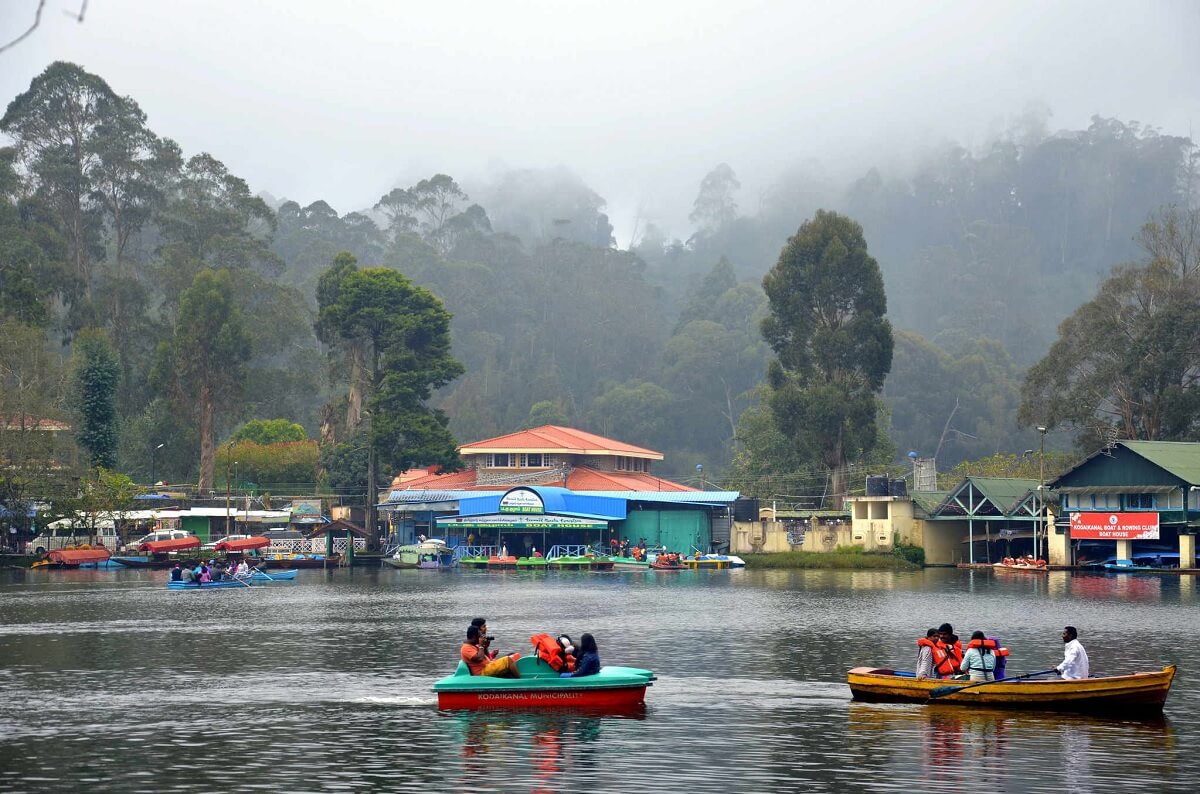
Kodai Lake is the centre of life in Kodaikanal and an ideal place to begin your visit. Surrounded by trees, small shops, cafés, cycle rentals, and walking paths, the lake offers something for almost every traveller.
In July, clouds often hang low above the water, giving the lake a quiet and almost dreamlike appearance. A gentle walk around the lakeside is particularly enjoyable in the morning, when the roads are less crowded and the air feels fresh.
Boating may operate when weather conditions are suitable. Pedal boats and rowboats are popular, but services can pause during heavy rain or strong wind. Follow the instructions of the boating staff rather than trying to fit the activity into a fixed schedule.
Cycling around the lake is another classic experience. Wait for a dry spell, choose a cycle in good condition, and ride carefully because wet roads may be slippery.
Complete the visit with hot tea, roasted corn, local snacks, or homemade chocolate from one of the nearby shops.
Things to do at Kodai Lake:
- Take a relaxed lakeside walk
- Try pedal boating or rowing
- Rent a bicycle and ride around the lake
- Enjoy hot tea, roasted corn, or local snacks
- Take monsoon photographs
2. Experience the Changing Views at Coaker’s Walk
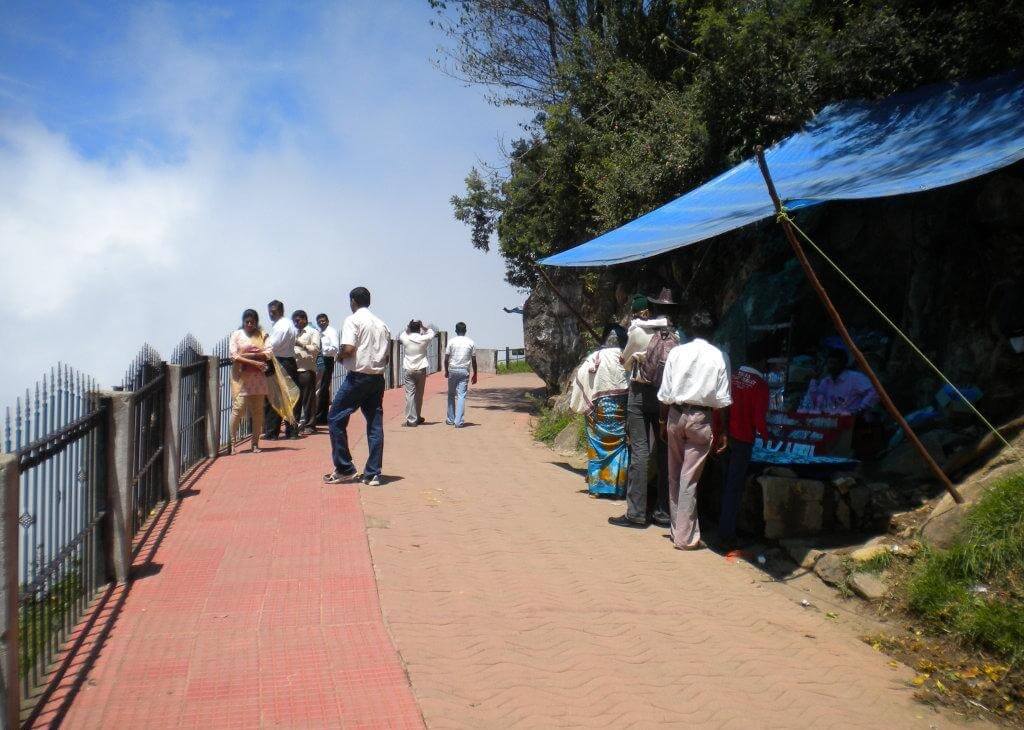
Coaker’s Walk is a paved hillside promenade close to the town centre. On clear days, it provides sweeping views over valleys, villages, and distant plains. During July, the experience becomes more unpredictable but equally memorable.
You may begin the walk with an open valley in front of you, only to watch clouds cover the entire landscape a few minutes later. The shifting mist gives the walkway a special monsoon atmosphere and creates excellent opportunities for photography.
Visit early in the morning for a quieter walk and a better chance of finding clearer conditions. If the view is hidden, wait for a short time before leaving. Hill weather can change quickly.
The path is relatively easy, making it suitable for families and older travellers, but wet sections still require caution. Avoid leaning over barriers or stepping onto exposed edges for photographs.
3. Explore the Rain-Washed Bryant Park
Bryant Park lies near Kodai Lake and can easily be included in the same sightseeing plan. Known for its lawns, flower beds, trees, and botanical collection, the park offers a relaxed break from crowded viewpoints.
July brings a different character to the garden. Flowers and leaves look brighter after rain, the lawns appear rich and green, and the cloudy light is well suited to photography. It is also a practical attraction for families because visitors can explore at their own pace without committing to a long walk.
Some paths may become muddy, so avoid delicate footwear. Carry a small umbrella and take time to observe the plants rather than rushing through the park simply to tick it off your list.
A convenient first-day route is Kodai Lake, Bryant Park, Coaker’s Walk, and the local market.
Things to enjoy at Bryant Park:
- Garden photography
- Nature walks
- Relaxing with family
- Learning about plants and flowers
- Taking a break between sightseeing stops
4. Photograph the Pine Forest in the Mist
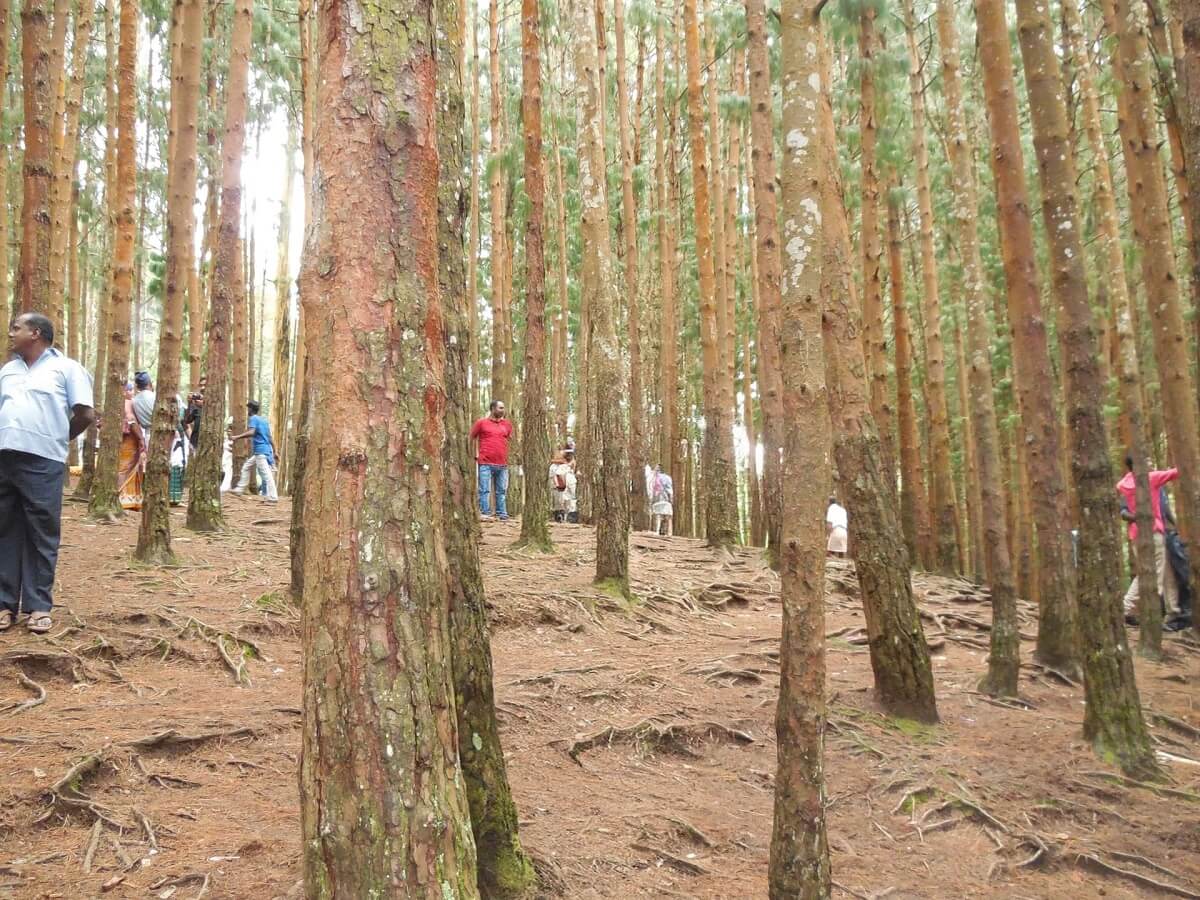
The Pine Forest is among the most recognisable places in Kodaikanal. Tall tree trunks, layers of fog, fallen pine needles, and soft light create an atmospheric setting that is especially beautiful during the monsoon.
After rain, the forest has a fresh earthy fragrance and a cinematic appearance. It is one of the best places in Kodaikanal in July for couples, photographers, families, and travellers interested in short nature walks.
The ground can become muddy and uneven. Wear shoes with good traction, remain in the commonly visited area, and avoid climbing down steep slopes. Mist may also reduce visibility, making it easy to lose sight of your group.
Try to visit during the morning before tourist vehicles begin arriving in larger numbers. Rather than photographing only the main entrance, walk a little farther along the safe path to find quieter frames between the trees.
Best for:
- Photography
- Short nature walks
- Couples and honeymooners
- Instagram-style travel pictures
- Peaceful forest ambience
5. See the Monsoon Mood at Pillar Rocks
Pillar Rocks consists of dramatic rock formations rising above a deep valley. It is one of Kodaikanal’s signature viewpoints and is commonly included in local sightseeing tours.
July visitors should arrive with realistic expectations. On some days the rocks are clearly visible, while on others they may remain hidden behind thick mist. When clouds move across the formations, however, the landscape can look even more dramatic than it does under a bright sky.
Spend a few minutes at the viewpoint instead of leaving immediately if visibility is poor. Mist often moves in layers, revealing the rocks for brief periods.
Remain behind the safety barriers, particularly during rain. Wet surfaces, strong wind, and reduced visibility make risky photographs extremely dangerous.
Pillar Rocks can be combined with the Pine Forest, Guna Caves, Green Valley View, and Upper Lake View.
Recommended Tamil Nadu Tour Packages:
- 5 Days Ooty and Kodaikanal Hill Station Tour
- 8 Days Mysore, Ooty, Kodaikanal and Coimbatore Trip
- 7 Days Ooty, Munnar and Kodaikanal Tour Package
- 6 Days Tamil Nadu Travel Package
- 8 Days Ooty, Madurai and Rameshwaram Tour
6. Explore the Forest Setting Around Guna Caves
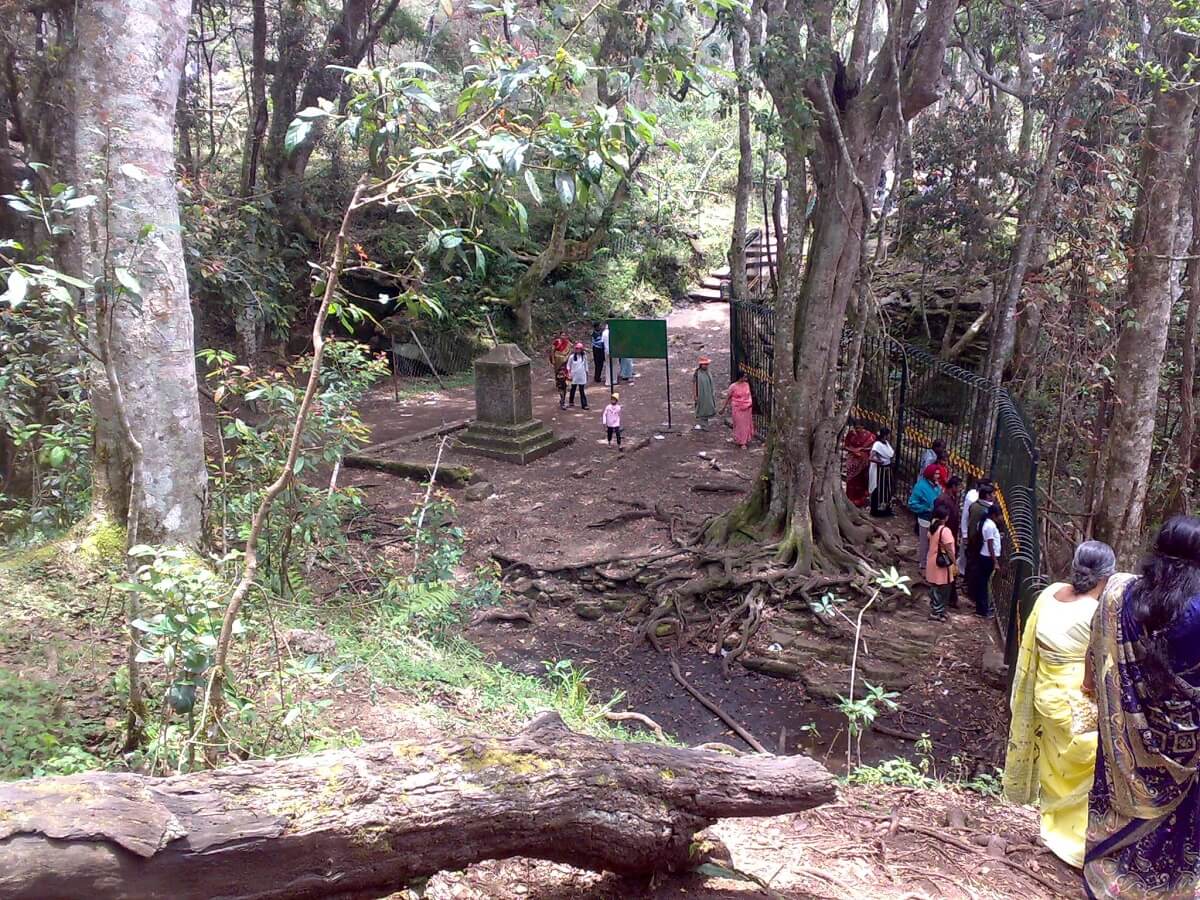
Guna Caves, historically known as Devil’s Kitchen, is surrounded by dense forest, exposed roots, rocks, and tall trees. Entry into the deep cave system is restricted, but travellers can visit the designated viewing area and experience the unusual landscape around it.
The location becomes especially atmospheric in July. Mist passes through the trees, roots appear darker after rain, and the forest takes on a mysterious quality.
The path may be wet, crowded, and slippery. Hold the railing where available, supervise children closely, and never attempt to cross fencing or enter restricted sections.
Guna Caves is more about the forest ambience and geological setting than entering a cave. Allow enough time to walk carefully and appreciate the surroundings.
7. Watch the Water at Silver Cascade Falls
Silver Cascade Falls is situated along the road used by many travellers entering or leaving Kodaikanal. It is an easy sightseeing stop and often carries stronger water flow during the rainy season.
The waterfall can look particularly impressive in July, when water rushes down the rocky slope beside the road. It is best treated as a short photography and refreshment stop rather than a swimming location.
The roadside area can become busy, and the rocks are extremely slippery after rain. Stay within the safe viewing space and avoid stepping close to the water.
Small vendors in the area usually sell tea, snacks, fruits, and local products. Keep the stop brief if traffic is building, particularly on weekends.
8. Visit Bear Shola Falls During the Monsoon
Bear Shola Falls is a seasonal waterfall located relatively close to Kodai Lake. The monsoon is one of the most rewarding periods to see it because rainfall increases the flow and revives the surrounding greenery.
Reaching the falls involves a short approach through a natural setting. Depending on recent rain, the path may be muddy, slippery, or temporarily difficult to use. Ask your hotel or driver about current access conditions before visiting.
Choose a period of light rain rather than attempting the walk during a heavy downpour. Wear sturdy shoes and avoid stepping into fast-moving water.
Bear Shola Falls suits visitors who want a more natural experience than a roadside waterfall, but it should be skipped when local conditions are unsafe.
9. Discover Fairy Falls
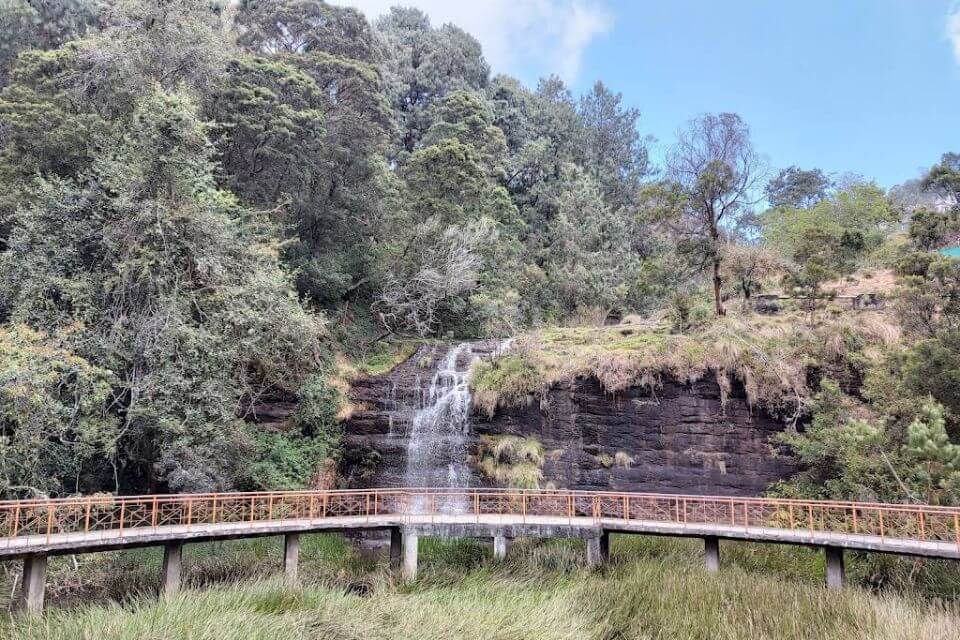
Fairy Falls is another attractive monsoon location around Kodaikanal. The waterfall is formed when excess water from the town’s reservoir flows through the surrounding landscape, making the rainy period particularly relevant to the experience.
It is less famous than Silver Cascade, which can make the surroundings feel more peaceful. The best conditions usually occur after rainfall, but increased water also means visitors need to remain cautious.
Do not climb wet rocks or try to stand beneath a powerful flow. Water levels can change quickly after rain in the upper hills.
Fairy Falls can be added to a quieter sightseeing day that includes Pambarpuram, local cafés, and nearby nature spots.
10. Take a Scenic Drive to Poombarai Village
Poombarai is a hillside village surrounded by terraced farms and rolling mountains. The journey from Kodaikanal passes through beautiful countryside and provides a more local experience than the town’s standard sightseeing circuit.
In July, the farms and slopes look intensely green. Clouds often move across the valley, creating changing views throughout the drive. Stop only at safe roadside spaces and avoid blocking local traffic for photographs.
The village is known for the Kuzhanthai Velappar Temple, dedicated to Lord Murugan. Visitors should dress respectfully and maintain a quiet atmosphere around the temple.
Poombarai is a living agricultural community, not simply a tourist viewpoint. Do not enter private fields without permission, disturb crops, or photograph residents closely without asking.
The outing can be combined with Mannavanur for a full-day excursion.
11. Spend a Quiet Afternoon at Mannavanur
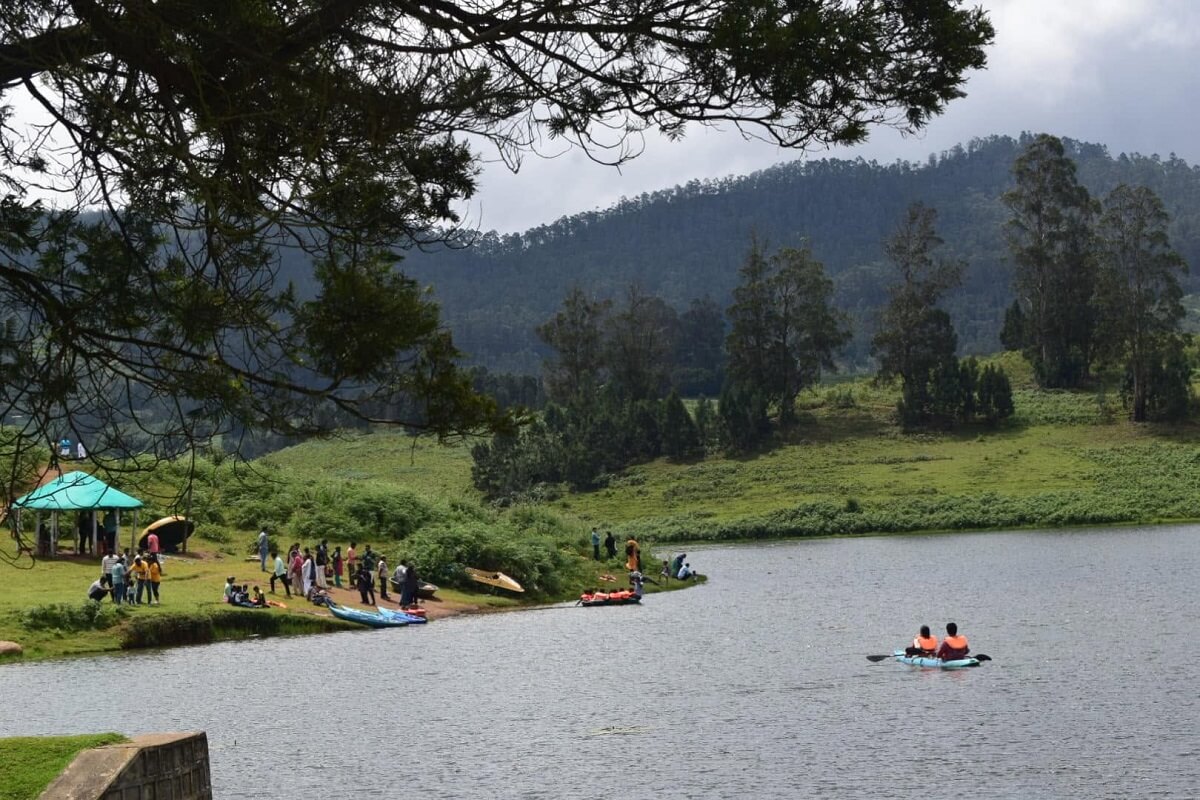
Mannavanur offers open grasslands, a lake, agricultural scenery, and a slower village atmosphere away from central Kodaikanal. The drive is one of the most scenic experiences in the region, especially when clouds settle over the surrounding slopes.
July turns the countryside green, but road conditions can vary after rain. Leave early, travel with an experienced hill driver, and plan to return before darkness.
The area is best enjoyed without rushing. Walk through permitted zones, photograph the landscape, watch the weather move over the hills, and appreciate the contrast with busy Kodai Lake.
Carry water and light snacks, although basic refreshments may be available locally. Avoid leaving any litter and do not wander into forested or restricted land.
Because Mannavanur is farther from town, keep it as the main activity of the day rather than trying to combine it with the entire local sightseeing circuit.
Things to do at Mannavanur:
- Enjoy lakeside views
- Take photographs
- Visit nearby village areas
- Experience quiet countryside landscapes
- Enjoy a slow day trip
12. Visit Kurinji Andavar Temple
Kurinji Andavar Temple is dedicated to Lord Murugan and is closely associated with the kurinji flower of the surrounding hills. It provides a peaceful cultural and spiritual stop during a nature-heavy itinerary.
The temple surroundings can feel especially calm in July, when mist moves through the hills and the number of visitors may be lower on weekdays.
Dress modestly, remove footwear where required, and respect any restrictions on photography. Temple customs and access arrangements may vary, so follow the instructions provided at the site.
The visit does not require much time and can be combined with Chettiar Park, Kodai Lake, or a café break.
13. Walk to Dolphin’s Nose When Conditions Are Safe
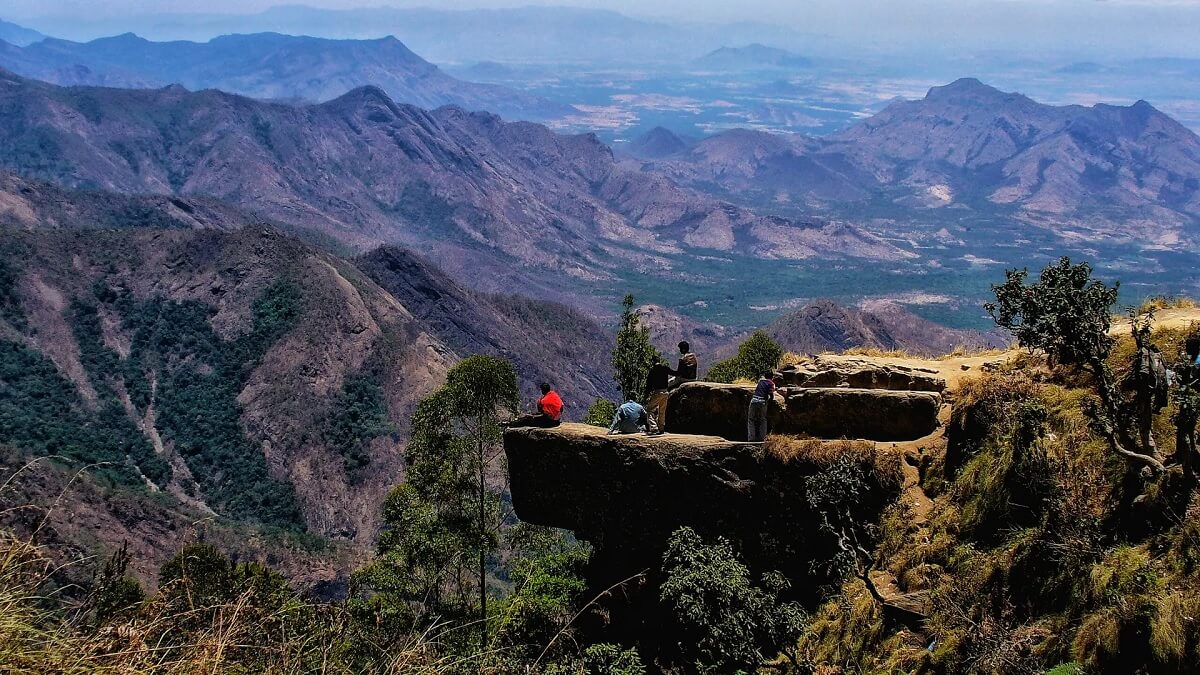
Dolphin’s Nose is a rock viewpoint reached by a downhill trail. It is known for dramatic valley scenery, while the nearby Echo Rock is another popular stop.
The trail becomes challenging during the monsoon. Mud, slippery stones, fog, and sudden showers can make the descent and return climb difficult. Travellers should attempt it only when the weather has remained stable and local guides or residents consider the route safe.
Wear proper trekking shoes, carry water, and avoid beginning late in the afternoon. The climb back requires more effort than the walk down, so allow sufficient time.
Do not approach exposed edges during fog or rain. Families with very young children, senior travellers, and anyone uncomfortable on slippery slopes may prefer Coaker’s Walk or Upper Lake View.
14. Discover the Calm Side of Vattakanal
Vattakanal is a quieter settlement near Kodaikanal known for forest paths, valley-facing stays, small cafés, and access towards Dolphin’s Nose.
Its relaxed atmosphere appeals to couples, backpackers, and travellers who prefer slow mornings to conventional sightseeing. In July, clouds may cover the slopes for long periods, creating a peaceful setting for coffee, reading, and unhurried walks.
Roads and paths can become slippery, so avoid driving down narrow sections without local experience. Choose a recognised café or viewpoint and do not wander onto unmarked forest trails.
Vattakanal is best enjoyed as a half-day experience rather than a hurried photo stop.
15. Enjoy Kodaikanal’s Café Culture
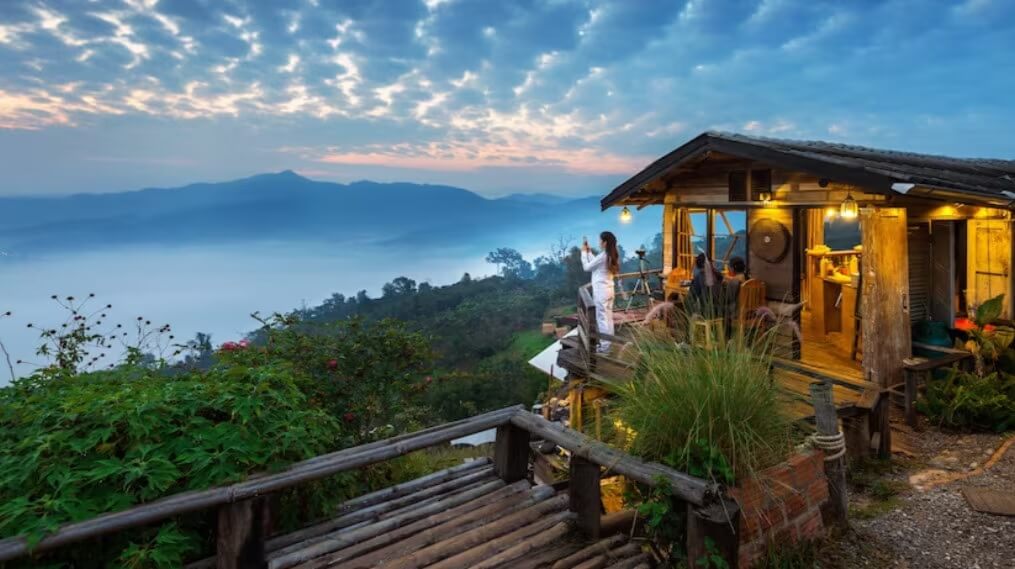
Rainy weather makes café-hopping one of the most enjoyable things to do in Kodaikanal in July. A warm drink, bowl of soup, baked snack, or simple meal can become a highlight when mist covers the hills outside.
The town has cafés serving South Indian food, continental dishes, cakes, coffee, tea, pizza, and homemade desserts. Popular places may become crowded around lunchtime and on weekends, so arrive early or choose a quieter café outside the central lake area.
Cafés are also useful as backup stops when heavy rain interrupts sightseeing. Instead of feeling that the weather has ruined the day, use the time to rest, review photographs, or plan the next route.
Try locally made bread, cheese, chocolate, herbal tea, or seasonal produce where available.
16. Shop for Homemade Chocolates and Local Products
Kodaikanal is widely associated with homemade chocolate, eucalyptus oil, spices, herbal products, tea, cheese, baked goods, and locally grown vegetables.
Shopping is a practical rainy-day activity and an enjoyable way to support established local businesses. Compare quality rather than buying from the first shop you see, especially when choosing oils or packaged food.
Popular items include dark chocolate, nut chocolate, fruit preserves, aromatic oils, hill spices, tea, coffee, and homemade cakes.
Check manufacturing and expiry information on packaged products. When buying oil, ask how it should be used rather than assuming every product is suitable for direct application.
Popular things to try or buy:
- Homemade chocolates
- Eucalyptus oil
- Spices
- Herbal teas
- Cheese
- Plum cakes
- Fresh carrots and local vegetables
- Hot corn and tea near tourist spots
17. Enjoy a Slow Resort Day
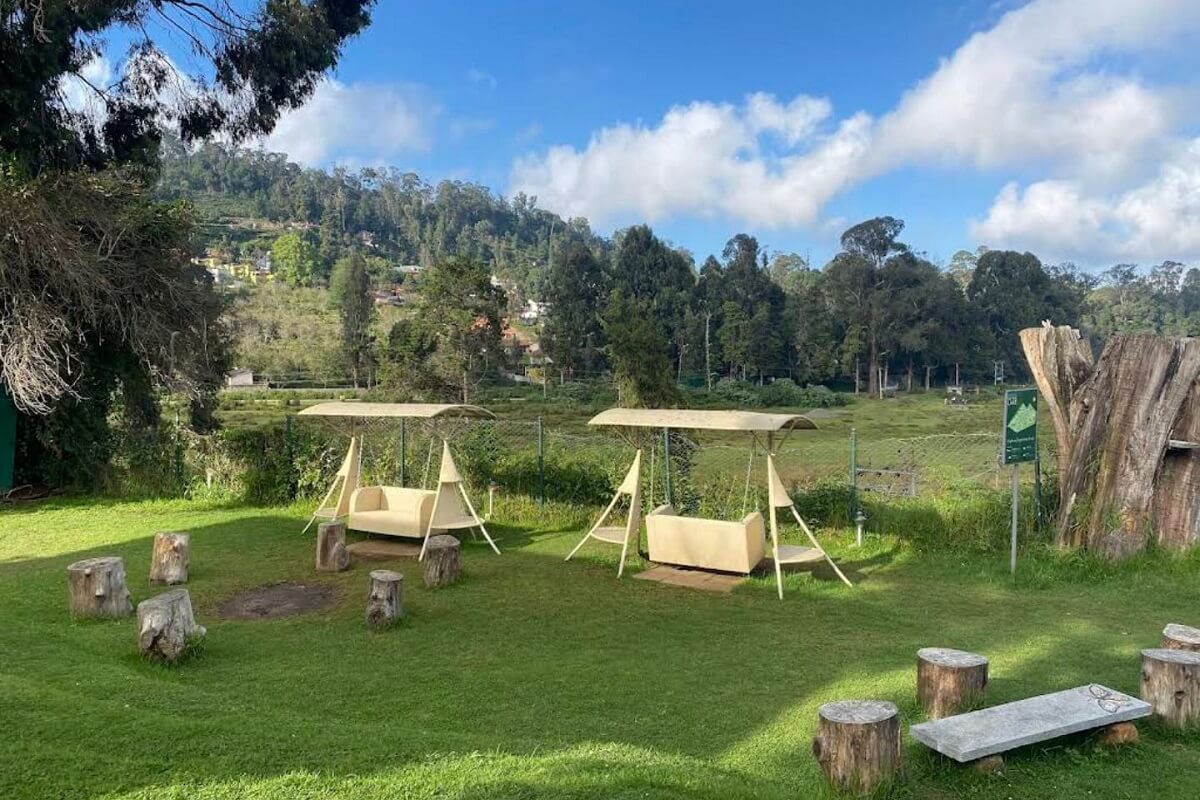
A July trip to Kodaikanal does not need to involve continuous sightseeing. Choosing a comfortable hotel or resort can become part of the experience.
A room overlooking the valley, forest, or garden is particularly rewarding during the monsoon. Spend a few hours watching clouds move across the landscape, reading, playing indoor games, enjoying tea, or having an unhurried meal.
When booking accommodation, check recent guest reviews and prioritise reliable road access, hot water, warm bedding, in-house food, parking, power backup, and responsive staff.
Remote cottages can look appealing online, but difficult approach roads may create problems during heavy rain. Ask the property directly about the final stretch of road before confirming.
Suggested 3-Day Kodaikanal Itinerary for July 2026:
Day 1: Kodai Lake and Central Kodaikanal
Arrive in Kodaikanal, check into your hotel, and allow some time to rest after the hill drive. Begin with Bryant Park, followed by a walk around Kodai Lake.
Go boating or cycling only if the weather is suitable. Later, visit Coaker’s Walk and explore the local market. End the evening with hot chocolate, coffee, or dinner at a cosy café.
Day 2: Classic Kodaikanal Sightseeing
Start early for Pine Forest, Guna Caves, Pillar Rocks, Green Valley View, and Upper Lake View. The order can be adjusted depending on fog and traffic.
Add Silver Cascade Falls while entering or leaving town rather than making a separate journey. If rain becomes heavy, replace an exposed viewpoint with Kurinji Andavar Temple, shopping, or a café.
Day 3: Poombarai and Mannavanur
Leave after breakfast for Poombarai village. Visit the temple, observe the terraced landscape, and continue towards Mannavanur if road and weather conditions are favourable.
Spend time enjoying the countryside and return to Kodaikanal before evening. Travellers departing the same day should begin the return journey early enough to avoid driving on foggy hill roads after dark.
How to Reach Kodaikanal
By Air
Madurai is one of the most convenient airports for reaching Kodaikanal. Coimbatore and Tiruchirappalli can also be considered depending on available flights and the rest of your itinerary.
The onward journey is by road. Pre-booking a taxi can make the transfer easier, particularly for families or travellers arriving late.
By Train
Kodai Road is the nearest commonly used railway station. From the station, travellers continue to Kodaikanal by taxi or bus.
Madurai and Dindigul are useful alternatives because they receive more train services from major cities.
By Road
Kodaikanal is connected by road with Madurai, Dindigul, Coimbatore, Bengaluru, Chennai, and other South Indian cities.
During July, allow extra travel time. Rain, fog, road maintenance, and weekend traffic can slow the journey. Travellers unfamiliar with hairpin bends should hire an experienced local driver.
Where to Stay in Kodaikanal in July
The lake and town-centre areas are convenient for first-time visitors because restaurants, markets, transport, and several attractions are nearby.
Observatory Road and surrounding areas provide a balance between accessibility and quieter surroundings. Vattakanal appeals to travellers seeking cafés and valley views, while properties farther from town may suit couples looking for privacy.
Before booking, confirm whether the property has:
- Safe all-weather road access
- Hot water and warm bedding
- An in-house restaurant or nearby dining
- Parking for your vehicle
- Power backup
- Mobile connectivity or Wi-Fi
- Flexible cancellation terms
A cheaper remote room may not be good value if taxis are difficult to arrange during rain.
What to Pack for Kodaikanal in July
Bring clothing that can handle both rain and cool hill weather. Heavy winter wear is usually unnecessary for most travellers, but a warm layer is helpful in the evening.
Pack a waterproof jacket, compact umbrella, sweater or fleece, quick-drying clothes, extra socks, and shoes with strong grip. A waterproof backpack cover and resealable pouches will protect electronics and documents.
Also carry personal medicines, motion-sickness tablets if needed, a power bank, reusable water bottle, tissues, basic first aid, and insect repellent.
Avoid relying only on flip-flops. They may be convenient inside the hotel but provide limited grip on wet paths and slopes.
Practical Travel Tips for Kodaikanal in July
- Start sightseeing early because mornings may offer better visibility and lighter traffic. Do not plan more than four or five major stops in a day.
- Keep the itinerary flexible. If a viewpoint is covered by fog, move to a garden, temple, café, or market and return later if practical.
- Avoid isolated forest routes and unmarked trekking paths. Wildlife is present in the wider Kodaikanal landscape, and visitors should not approach or feed animals.
- Drive slowly, use low gears on steep descents, and avoid overtaking on blind curves. Postpone non-essential journeys during extremely heavy rain.
- Carry some cash because connectivity may occasionally affect digital payments. Save your hotel address and driver’s number offline.
- Most importantly, do not cross barriers for photographs. Wet cliffs and reduced visibility can turn a small mistake into a serious accident.
Conclusion
Kodaikanal in July is less about completing a long sightseeing checklist and more about experiencing the hills at a gentler pace. Rain softens the landscape, mist moves between forests, waterfalls gather strength, and familiar attractions take on a quieter character.
The best things to do in Kodaikanal in July 2026 range from lakeside walks and pine forest photography to village drives, temple visits, waterfall stops, café afternoons, and peaceful resort stays. Some viewpoints may remain hidden behind clouds, but the monsoon atmosphere often becomes the most memorable part of the journey.
Plan three or four days, keep room for weather-related changes, choose accommodation with dependable access, and carry suitable rain gear. By travelling carefully and resisting the urge to rush, you can enjoy a refreshing, romantic, and deeply scenic Kodaikanal holiday in July 2026.
Related Travel Guides:
- Tamil Nadu in July 2026: Best Tourist Places to Visit
- Tamil Nadu in December 2026: Beaches, Temples and Cultural Routes
- Kolam Art in Tamil Nadu: Meaning, History and Traditions
- Best Hill Stations in Tamil Nadu: 14 Scenic Escapes
- Mahabalipuram Travel Guide: Temples, Beaches and Visitor Tips
- Mamallapuram Dance Festival: Dates, Performances and Travel Guide
- Delhi to Meenakshi Amman Temple: Route and Darshan Guide
- Pongal Festival 2027: Dates, Rituals and Best Places in Tamil Nadu
- South India in July 2026: Weather, Places and Travel Tips
- South India in August 2026: Weather, Destinations and Tour Guide
Frequently Asked Questions:
Is Kodaikanal worth visiting in July 2026?
Yes. Kodaikanal is worth visiting in July for green scenery, misty weather, active waterfalls, quieter weekdays, and romantic hill-station experiences. Travellers should be comfortable with rain and flexible sightseeing plans.
Does it rain every day in Kodaikanal in July?
Rain is common in July, but it may not continue throughout every day. Conditions can range from short showers and drizzle to longer periods of heavy rainfall. Weather can vary considerably across different parts of the hills.
What are the best things to do in Kodaikanal in July?
Top July experiences include walking around Kodai Lake, visiting Coaker’s Walk, exploring Pine Forest, seeing Bear Shola Falls and Silver Cascade Falls, visiting Pillar Rocks, driving to Poombarai and Mannavanur, relaxing in cafés, and shopping for local products.
Can we go boating on Kodai Lake in July?
Boating may be available when the lake and weather conditions are considered safe. Operations can stop temporarily during heavy rain, strong wind, or poor visibility.
Is Kodaikanal safe during the monsoon?
Kodaikanal is generally suitable for monsoon travel when visitors follow local advice. The main concerns are slippery roads, fog, falling branches, wet trekking routes, and unsafe cliff edges. Avoid unnecessary travel during severe weather.
Can families with children visit Kodaikanal in July?
Yes. Families can enjoy Kodai Lake, Bryant Park, Coaker’s Walk, Pine Forest, temples, cafés, and scenic drives. Children should be supervised closely near waterfalls, steep viewpoints, and slippery paths.
Is July suitable for a Kodaikanal honeymoon?
July can be an excellent month for couples who enjoy mist, rain, cosy resorts, quiet cafés, scenic drives, and fewer crowds. Choose accommodation with good access and in-house dining.
How many days are sufficient for Kodaikanal?
Three days are sufficient for the main attractions and one countryside excursion. Four days are better for travellers who want to visit Vattakanal, Mannavanur, Poombarai, waterfalls, and cafés without rushing.
Is trekking recommended in July?
Easy walks can be enjoyable, but long or steep treks should be considered carefully. Attempt trails such as Dolphin’s Nose only when local conditions are safe, and avoid remote routes during heavy rain or dense fog.
What should I wear in Kodaikanal in July?
Wear quick-drying clothes with a light sweater or fleece. Carry a waterproof outer layer and choose closed shoes or trekking sandals with reliable grip.
Are tourist places open during July?
Most regular tourist attractions generally operate during the monsoon, but specific forest routes, boating services, waterfalls, and viewpoints may close temporarily because of weather or maintenance. Confirm locally before travelling.
Is July crowded in Kodaikanal?
July is often quieter than the peak summer period, especially on weekdays. Weekends, public holidays, and school breaks can still bring considerable traffic around Kodai Lake and major viewpoints.