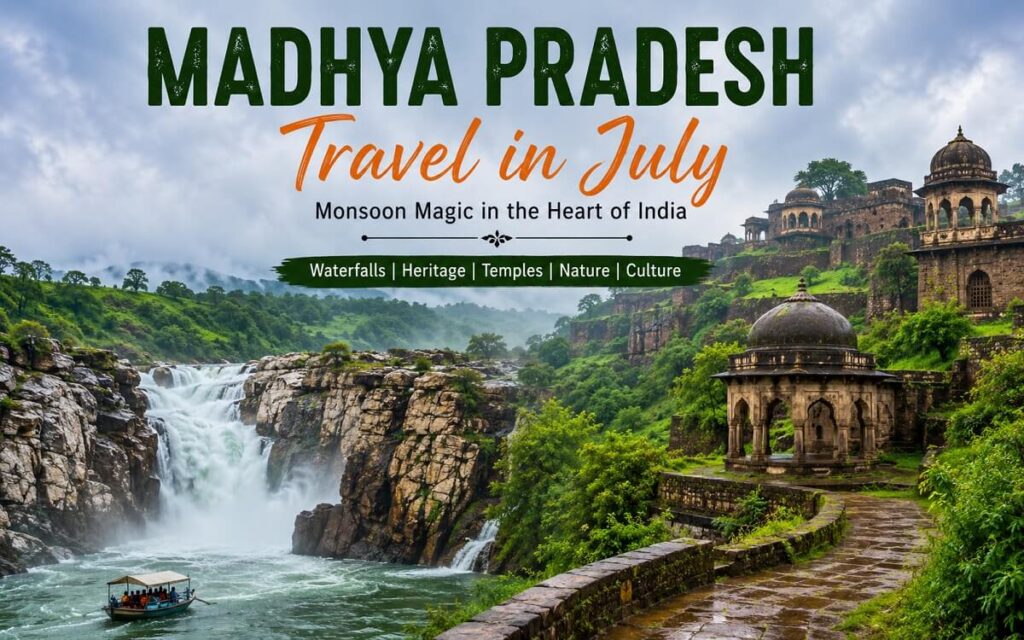
Madhya Pradesh in July is a completely different experience from the dry summer months. The first strong showers of the monsoon wash the forests, revive the waterfalls, soften the heat, and turn the plateaus, ravines, valleys, and heritage towns into a refreshing green escape. If you are planning Madhya Pradesh travel in July 2026, this is the right time to explore the state’s natural beauty, ancient monuments, sacred towns, hill viewpoints, and peaceful countryside.
Known as the “Heart of India”, Madhya Pradesh offers a rare mix of wildlife, temples, caves, forts, rivers, tribal culture, and historical cities. July is not the peak tourist season, which means fewer crowds at many places, lower hotel demand compared to winter, and a more relaxed travel experience. However, it is also monsoon season, so your trip needs smart planning. Some forest areas may have limited access, road journeys may take longer, and outdoor sightseeing should be planned around rainfall.
This complete guide covers the best tourist places in Madhya Pradesh in July, top things to do, how to reach, weather conditions, suggested itinerary ideas, packing tips, and useful travel advice for July 2026.
Why Visit Madhya Pradesh in July 2026?
July brings the monsoon mood to Madhya Pradesh. The landscapes become greener, lakes fill up, waterfalls gain strength, and the air feels cleaner after the summer dust settles. For travellers who enjoy nature, photography, heritage walks, spiritual journeys, and peaceful holidays, July can be a beautiful month to visit.
The biggest advantage of visiting Madhya Pradesh in July is the atmosphere. Mandu looks romantic under cloudy skies, Pachmarhi becomes misty and fresh, Orchha’s cenotaphs look dramatic beside the Betwa River, Bhedaghat becomes more powerful with the Narmada in flow, and Ujjain feels deeply spiritual during the monsoon.
July is also a good time for travellers who prefer slow travel. Instead of rushing through too many destinations, you can choose a route that balances heritage, nature, and spiritual experiences. The monsoon is not ideal for every activity, especially deep jungle safaris, but it is excellent for scenic drives, temple visits, photography, cultural sightseeing, and relaxing stays.
Madhya Pradesh Weather in July 2026
July is one of the main monsoon months in Madhya Pradesh. The temperature usually becomes more comfortable compared to May and June, though humidity increases. Daytime temperatures in many cities remain warm, while evenings can feel pleasant after rain. Hill areas such as Pachmarhi and forested regions around Satpura, Tamia, and Amarkantak feel cooler and greener.
Rainfall can vary from region to region. Western Madhya Pradesh around Indore, Mandu, Maheshwar, and Ujjain may receive moderate to heavy showers at times. Eastern and central areas around Jabalpur, Bhedaghat, Kanha, Bandhavgarh, and Amarkantak can also see active monsoon spells. Because July weather can change quickly, it is wise to keep your itinerary flexible.
Expect cloudy skies, sudden showers, wet roads, lush scenery, and occasional delays. Always check the local weather forecast before long road journeys, especially if you are travelling to waterfalls, hill viewpoints, riverbanks, or remote countryside areas.
Tourist Places to Visit in Madhya Pradesh in July 2026:
1. Mandu
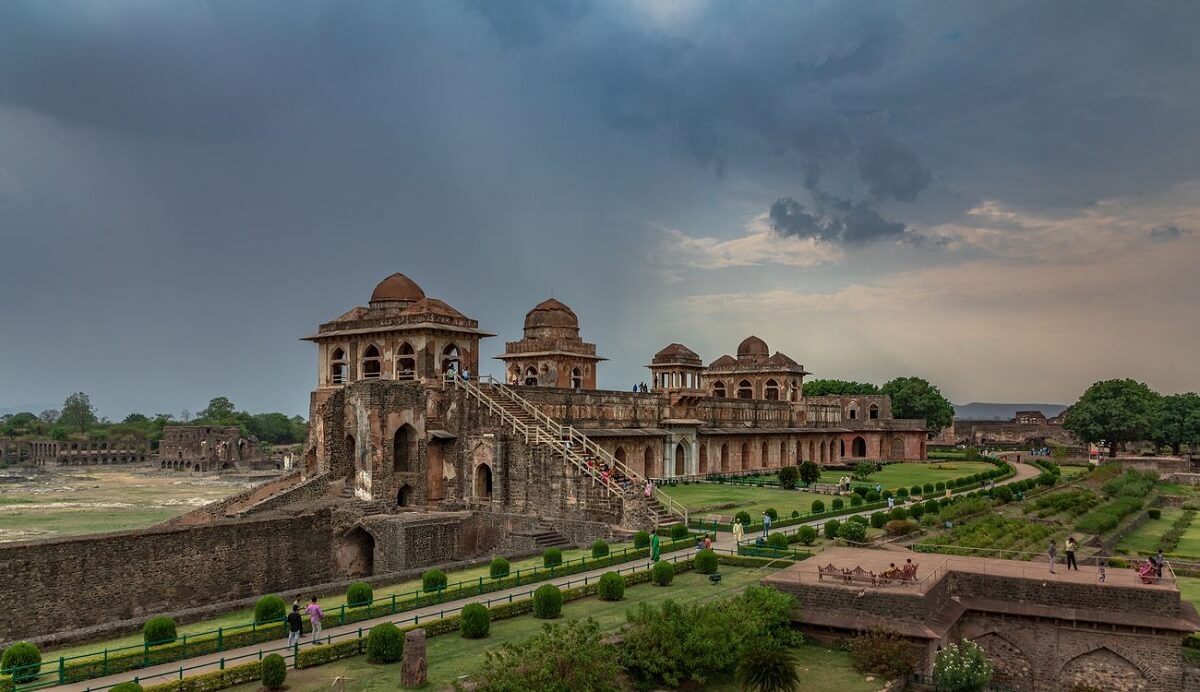
Mandu is one of the best places to visit in Madhya Pradesh in July. This historic hilltop town near Indore becomes magical during the monsoon. The old Afghan architecture, palace ruins, water tanks, grass-covered slopes, and misty views create a romantic and almost cinematic atmosphere.
The main attractions in Mandu include Jahaz Mahal, Hindola Mahal, Rani Roopmati Pavilion, Baz Bahadur Palace, Jami Masjid, Hoshang Shah’s Tomb, and the beautiful viewpoints around the plateau. In July, the greenery around these monuments makes photography especially rewarding.
Mandu is ideal for couples, history lovers, photographers, and travellers looking for a peaceful monsoon escape. The roads from Indore are generally convenient, but during heavy rain, drive carefully and avoid late-night travel.
2. Pachmarhi
Pachmarhi, the only hill station of Madhya Pradesh, is a top choice for July travel. Located in the Satpura range, it is known for waterfalls, caves, viewpoints, forests, and colonial-era charm. During July, the hills turn green, streams become active, and the weather feels fresh.
Popular places to visit in Pachmarhi include Bee Falls, Duchess Falls, Apsara Vihar, Pandav Caves, Jata Shankar Cave, Handi Khoh, Dhoopgarh, Rajat Prapat, and Mahadeo Temple. Some waterfall routes may be slippery, so proper footwear is important.
Pachmarhi is perfect for nature lovers, families, photographers, and travellers who enjoy soft adventure. It is also a good place to slow down and enjoy the monsoon rather than rush from one attraction to another.
3. Bhedaghat and Jabalpur
Bhedaghat near Jabalpur is famous for its marble rocks, Dhuandhar Falls, and the Narmada River. In July, the river becomes stronger and the waterfall looks more dramatic. The white marble cliffs, cloudy skies, and flowing river make this one of the most scenic places in Madhya Pradesh.
Dhuandhar Falls is the main highlight, where the Narmada drops with great force. The sound, mist, and movement of the water are impressive during the monsoon. Boat rides through Marble Rocks may depend on water levels and local safety permissions, so check on arrival.
Jabalpur is also a useful base for visiting Chausath Yogini Temple, Balancing Rock, Madan Mahal Fort, and local markets. For travellers interested in natural beauty and culture, Jabalpur and Bhedaghat are excellent additions to a July itinerary.
4. Orchha
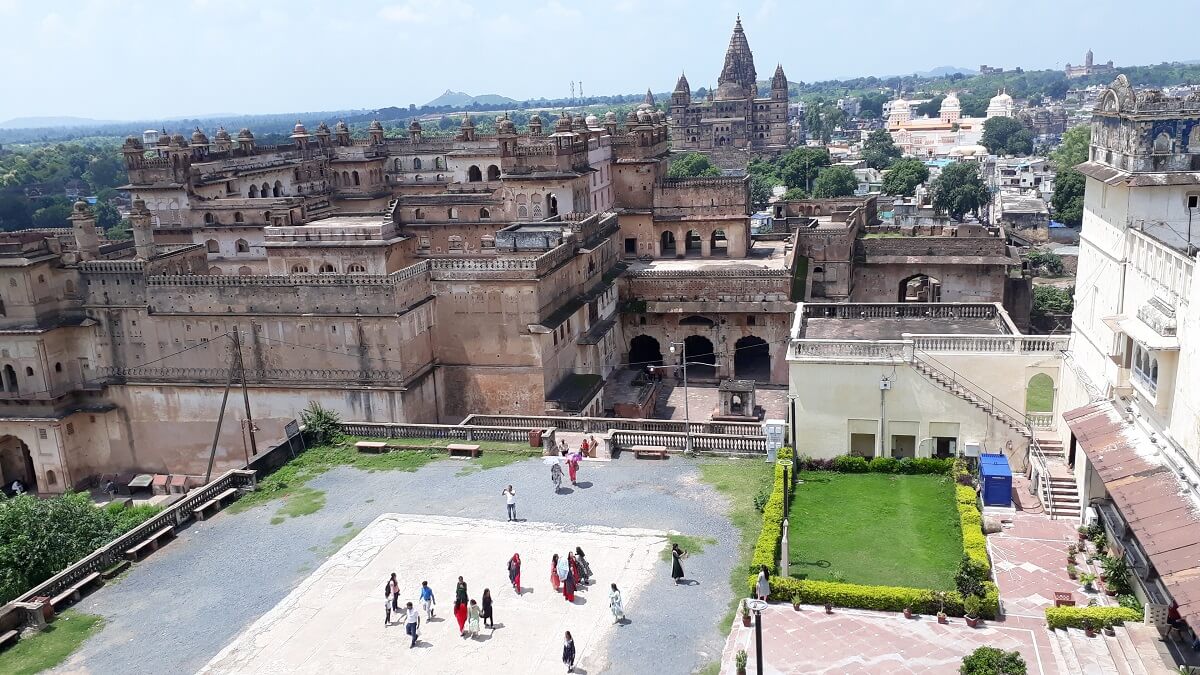
Orchha is one of the most charming heritage towns in India. Located near Jhansi, it is known for palaces, temples, cenotaphs, river views, and peaceful lanes. July adds a green and moody character to Orchha, making it very attractive for photography and relaxed sightseeing.
Top places to visit in Orchha include Orchha Fort Complex, Jahangir Mahal, Raja Mahal, Ram Raja Temple, Chaturbhuj Temple, Laxmi Narayan Temple, and the famous chhatris beside the Betwa River. During the monsoon, the Betwa River may be fuller, so avoid unsafe riverbank areas and follow local advice.
Orchha is best for travellers who love history, architecture, spirituality, and quiet destinations. It is also a good stop on a route combining Gwalior, Orchha, Khajuraho, and Panna.
5. Khajuraho
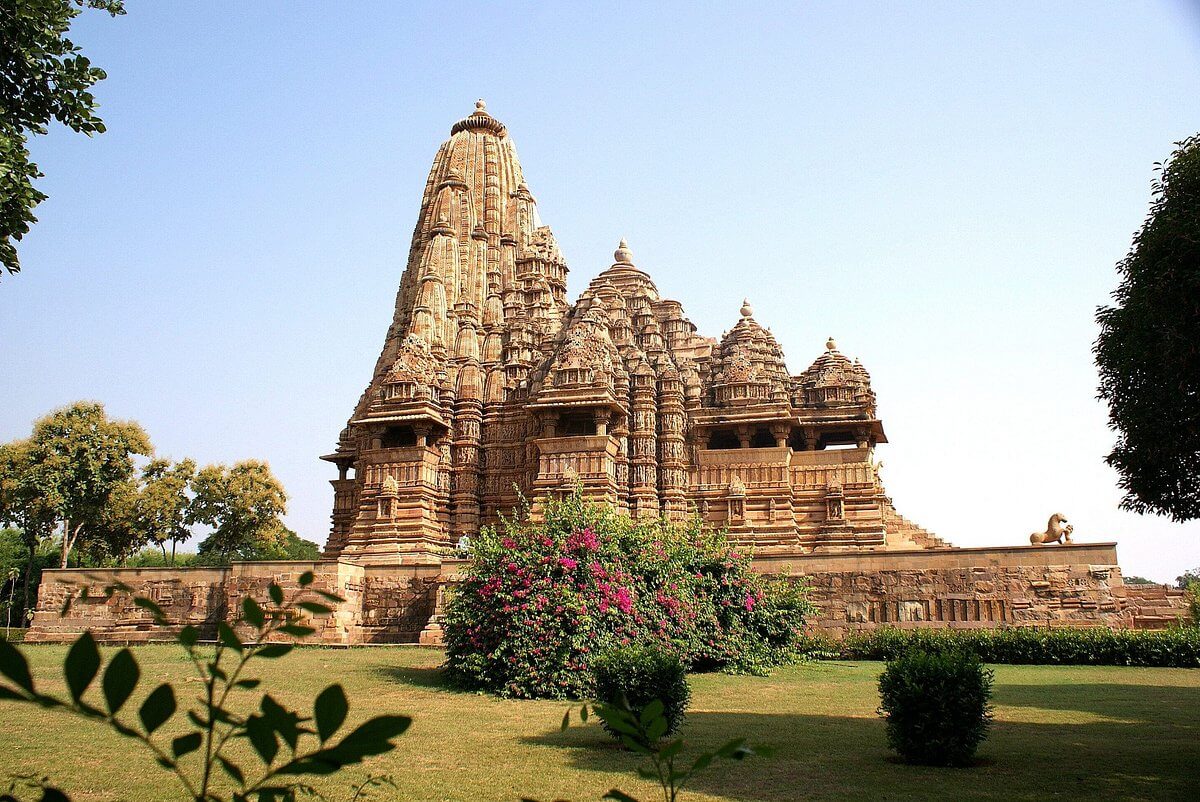
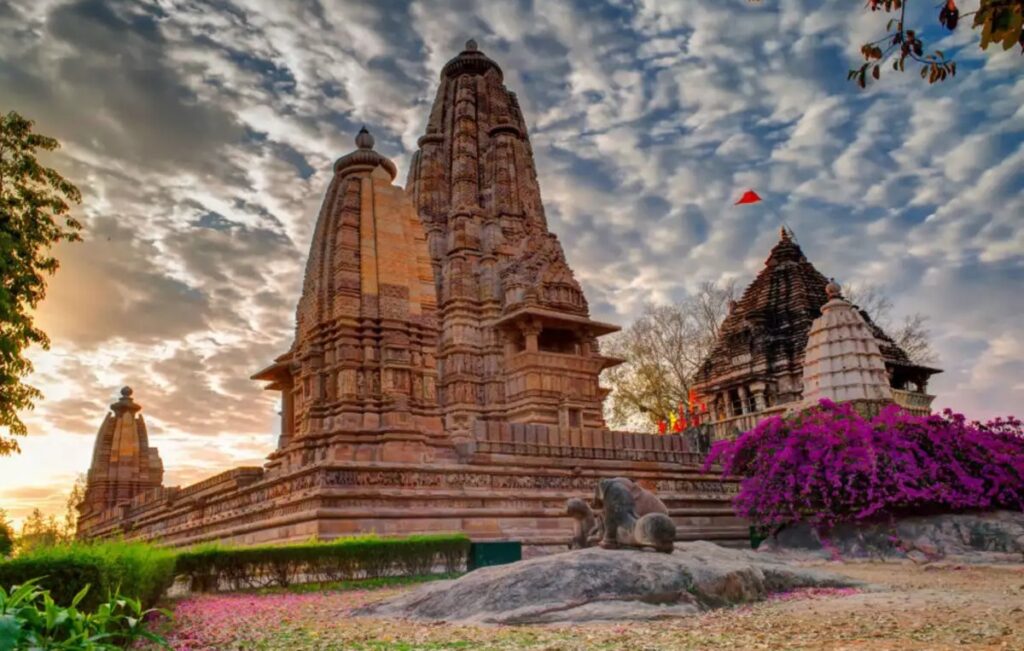
Khajuraho is famous for its UNESCO-listed temples and extraordinary stone carvings. While winter is the most popular season, July offers a quieter experience. The temple gardens become greener, the crowds are thinner, and the cloudy sky gives a softer tone to the architecture.
The Western Group of Temples is the main attraction, including Kandariya Mahadev Temple, Lakshmana Temple, Vishwanath Temple, Devi Jagadambi Temple, and Chitragupta Temple. The Eastern and Southern groups are also worth visiting if you have extra time.
July is a good month for travellers who want a peaceful cultural experience. Sightseeing is best done in the morning or late afternoon, as humidity can be high. Keep an umbrella or light rain jacket handy.
Madhya Pradesh Tours and Holiday Ideas:
- 8 Days Best of Madhya Pradesh Tour
- 9 Days Cultural Tour of Madhya Pradesh
- 10 Days Explore Madhya Pradesh Itinerary
- 15 Days Ultimate Madhya Pradesh Journey
- 5 Days Kanha, Jabalpur and Amarkantak Tour
- 6 Days Wildlife Tour of Kanha and Bandhavgarh
6. Ujjain
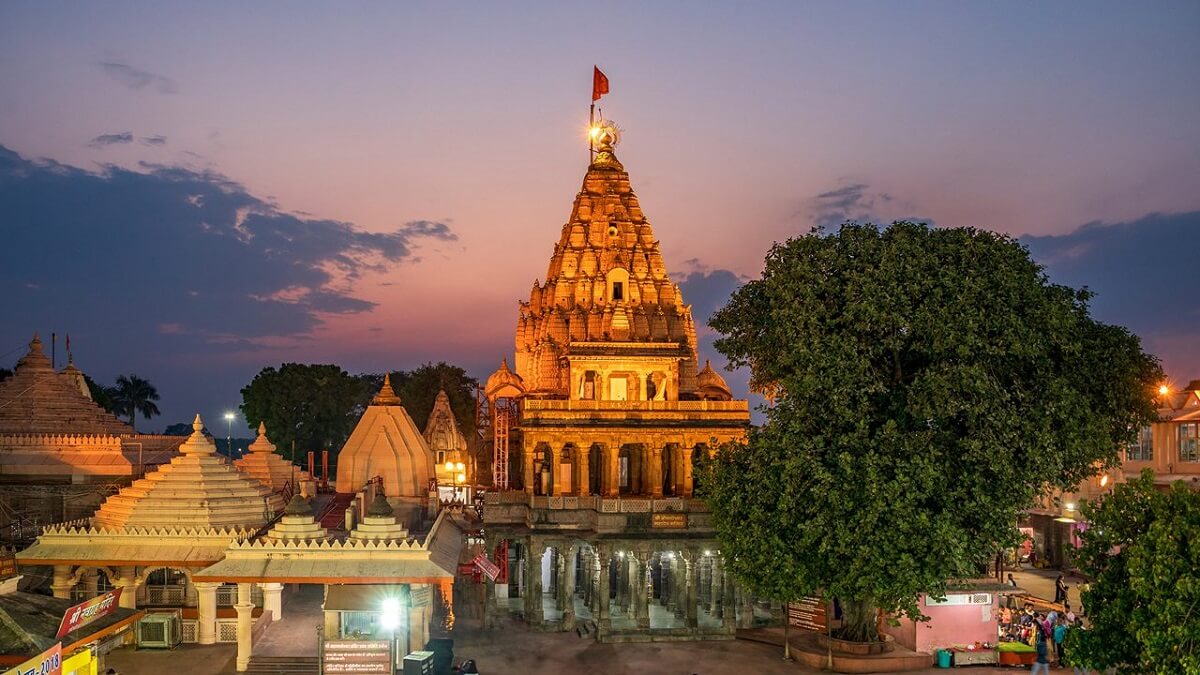
Ujjain is one of the most sacred cities in India and home to the famous Mahakaleshwar Jyotirlinga Temple. July is a spiritually significant time, especially with the monsoon atmosphere and the beginning of the Shravan period in many years. Devotees often visit Shiva temples during this season, so expect more pilgrims at important sites.
Major places to visit in Ujjain include Mahakaleshwar Temple, Kal Bhairav Temple, Harsiddhi Temple, Ram Ghat, Sandipani Ashram, Mangalnath Temple, and Gadkalika Temple. The evening atmosphere near the ghats is peaceful, though visitors should be careful around wet steps.
Ujjain works well as a short spiritual getaway from Indore. It can also be combined with Omkareshwar, Maheshwar, and Mandu for a deeper cultural and religious journey through western Madhya Pradesh.
7. Omkareshwar
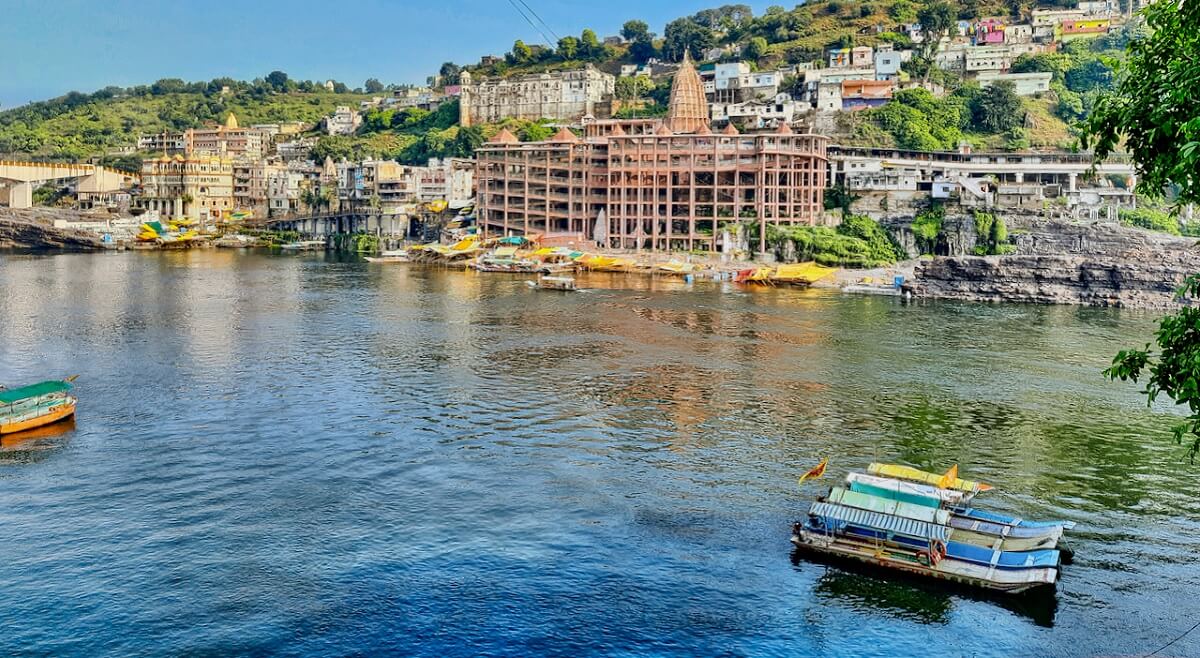
Omkareshwar is another important Jyotirlinga destination in Madhya Pradesh. Located on the banks of the Narmada River, it is known for Omkareshwar Temple, Mamleshwar Temple, river ghats, and the sacred island shaped in a form associated with “Om”.
July gives Omkareshwar a beautiful monsoon setting, but it also means the river may be strong. Travellers should avoid risky river activities and follow local safety instructions. The temple visit, parikrama route, and peaceful ghats make it a memorable spiritual stop.
Omkareshwar is often visited from Indore and can be combined with Maheshwar or Ujjain. It is suitable for pilgrims, culture lovers, and travellers interested in sacred geography.
8. Maheshwar
Maheshwar is one of the most graceful towns in Madhya Pradesh. Set beside the Narmada River, it is known for Ahilya Fort, riverside ghats, temples, handloom weaving, and peaceful evening views. In July, the riverfront becomes more atmospheric, and the old stone architecture looks beautiful after rain.
Things to do in Maheshwar include visiting Ahilya Fort, walking along the ghats, exploring the temples, shopping for Maheshwari sarees, and enjoying the slow rhythm of the town. Boat rides may depend on river conditions, so check locally before planning one.
Maheshwar is perfect for slow travellers, photographers, textile lovers, and those who enjoy riverside heritage towns. It pairs beautifully with Mandu and Omkareshwar.
9. Sanchi

Sanchi is one of the most important Buddhist heritage sites in India. The Great Stupa, gateways, monasteries, pillars, and ancient remains make it a meaningful destination for history and culture lovers. July adds greenery to the landscape around the hill, creating a calm setting for exploration.
Sanchi can be visited as a day trip from Bhopal. Nearby attractions include Udayagiri Caves and Vidisha. The site is best explored slowly, with time to observe the carvings and understand the story of Buddhist art and architecture.
Since July can be humid, visit early in the day and carry water. The paths may be wet, so comfortable walking shoes are recommended.
10. Bhopal
Bhopal is one of the best entry points for Madhya Pradesh travel. The city offers a mix of lakes, museums, mosques, tribal culture, food, and nearby heritage sites. In July, the Upper Lake and surrounding areas look fresh after rain.
Top places to visit in Bhopal include Upper Lake, Van Vihar National Park, Taj-ul-Masajid, Bharat Bhavan, State Museum, Tribal Museum, Gauhar Mahal, and Bhojpur Temple nearby. The Madhya Pradesh Tribal Museum is especially recommended for travellers interested in the state’s communities, art, and cultural traditions.
Bhopal is also a good base for day trips to Sanchi, Bhimbetka, Bhojpur, and Udayagiri. For July travel, it offers a comfortable balance of indoor and outdoor attractions, which is helpful during rainy days.
11. Bhimbetka Rock Shelters
The Bhimbetka Rock Shelters near Bhopal are among the most fascinating places in Madhya Pradesh. Known for prehistoric cave paintings and natural rock formations, Bhimbetka feels even more atmospheric in the monsoon because of the surrounding greenery.
The walking trails through the rock shelters are not very difficult, but the surface can be slippery in July. Wear shoes with good grip and avoid rushing. This is a wonderful destination for history lovers, families, students, and anyone interested in early human life.
Bhimbetka can be combined with Bhojpur Temple in a day trip from Bhopal.
12. Amarkantak
Amarkantak is a sacred and scenic destination located where the Vindhya and Satpura ranges meet. It is known as the source of the Narmada River and is surrounded by forests, temples, streams, and peaceful landscapes.
In July, Amarkantak becomes lush and refreshing. Key attractions include Narmada Udgam Temple, Kapil Dhara, Dudh Dhara, Sonmuda, ancient temples, and forested viewpoints. The monsoon makes the waterfalls more beautiful, but walking paths can be slippery.
Amarkantak is ideal for spiritual travellers, nature lovers, and those looking for a quieter monsoon destination. It requires more travel time than places like Bhopal or Indore, so keep at least two nights if you plan to visit.
13. Chitrakoot
Chitrakoot, located on the border of Madhya Pradesh and Uttar Pradesh, is deeply connected with the Ramayana. It is a sacred destination with ghats, temples, caves, and river views. July adds a green and devotional atmosphere to the region.
Important places include Ram Ghat, Kamadgiri, Gupt Godavari, Hanuman Dhara, Sati Anusuya Ashram, and Bharat Milap Temple. During monsoon, rivers and streams may be active, so travellers should be cautious near water bodies.
Chitrakoot is best for pilgrims, spiritual travellers, and those interested in mythology and traditional India.
Things to Do in Madhya Pradesh in July 2026:
Enjoy Monsoon Photography
July is one of the best months for photography in Madhya Pradesh. Heritage sites look dramatic under cloudy skies, forests turn green, waterfalls become active, and rivers gain volume. Mandu, Orchha, Bhedaghat, Pachmarhi, Maheshwar, and Bhimbetka are especially photogenic during this season.
Visit Waterfalls and Viewpoints
Pachmarhi, Bhedaghat, Amarkantak, and Chitrakoot are excellent for waterfall views in July. Always check local safety conditions before visiting waterfalls, as rocks can be slippery and water flow may be strong.
Explore Heritage Towns
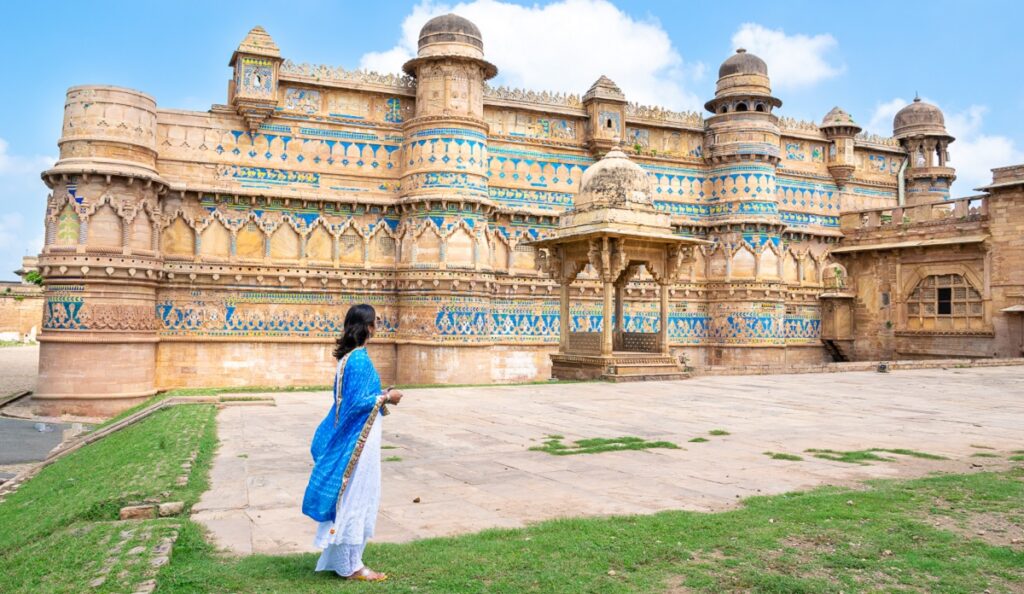
The monsoon gives a special charm to historical places. Mandu’s palaces, Orchha’s cenotaphs, Khajuraho’s temples, and Gwalior’s fort areas become more atmospheric. July is a good time for travellers who enjoy architecture without heavy crowds.
Plan a Spiritual Circuit
Madhya Pradesh is home to major spiritual destinations such as Ujjain, Omkareshwar, Maheshwar, Chitrakoot, Amarkantak, and Sanchi. July is a meaningful month for temple visits, especially for Shiva devotees.
Experience Local Food
Monsoon travel is a great time to enjoy hot snacks, local sweets, and regional meals. Try poha-jalebi in Indore or Bhopal, dal bafla, bhutte ka kees, local thalis, kachori, and tea during rainy evenings.
Shop for Handicrafts and Textiles
Maheshwar is famous for Maheshwari sarees, Chanderi is known for its elegant fabrics, and Bhopal has good options for tribal art and crafts. Shopping during a monsoon trip also gives you useful indoor time when rain interrupts sightseeing.
How to Reach Madhya Pradesh in July 2026:
By Air
Madhya Pradesh is well connected by air through major airports in Indore, Bhopal, Jabalpur, Gwalior, and Khajuraho. Indore is convenient for Mandu, Maheshwar, Omkareshwar, and Ujjain. Bhopal is best for Sanchi, Bhimbetka, Bhojpur, and city sightseeing. Jabalpur is useful for Bhedaghat and nearby eastern Madhya Pradesh routes. Gwalior works well for northern Madhya Pradesh and Orchha via Jhansi.
For July 2026, book flights with some buffer time if you have onward road transfers, as monsoon weather may occasionally cause delays.
By Train
Madhya Pradesh has strong railway connectivity because of its central location. Major railway stations include Bhopal, Indore, Jabalpur, Gwalior, Ujjain, Katni, Satna, Khandwa, and Itarsi. Trains are often a practical and budget-friendly way to reach the state from Delhi, Mumbai, Jaipur, Agra, Varanasi, Kolkata, Ahmedabad, and other Indian cities.
For destinations like Orchha, Jhansi is the nearest major railhead. For Khajuraho, direct trains may be available from selected cities, while Satna and Jhansi can also work depending on the route.
By Road
Road travel is useful for exploring Madhya Pradesh because many attractions are spread across different regions. Popular road routes include Indore to Mandu, Indore to Ujjain, Indore to Omkareshwar, Bhopal to Sanchi, Bhopal to Bhimbetka, Jabalpur to Bhedaghat, and Jhansi to Orchha.
During July, road conditions can be affected by rain, waterlogging, or slower traffic. Avoid overpacked itineraries and keep extra time between transfers. For hilly or forested routes, daytime travel is safer and more comfortable.
Suggested 7-Day Madhya Pradesh July Itinerary:
Day 1: Arrive in Indore and Visit Ujjain
Arrive in Indore and drive to Ujjain for Mahakaleshwar Temple, Kal Bhairav Temple, Ram Ghat, and the old city atmosphere. Return to Indore or stay overnight in Ujjain.
Day 2: Indore to Omkareshwar and Maheshwar
Visit Omkareshwar Jyotirlinga and continue to Maheshwar. Spend the evening at the Narmada ghats and explore Ahilya Fort.
Day 3: Maheshwar to Mandu
Drive to Mandu and visit Jahaz Mahal, Hindola Mahal, Jami Masjid, Hoshang Shah’s Tomb, and Rani Roopmati Pavilion. Stay overnight in Mandu or return toward Indore depending on your plan.
Day 4: Fly or Train to Bhopal
Reach Bhopal and visit the Tribal Museum, Upper Lake, Taj-ul-Masajid, and local markets. Keep the day relaxed in case of rain.
Day 5: Sanchi and Udayagiri Day Trip
Take a day trip to Sanchi Stupa and Udayagiri Caves. Return to Bhopal for overnight stay.
Day 6: Bhimbetka and Bhojpur
Visit Bhimbetka Rock Shelters and Bhojpur Temple. Enjoy the green countryside during the drive.
Day 7: Departure from Bhopal
Depart from Bhopal or extend the trip to Pachmarhi, Jabalpur, Bhedaghat, Orchha, or Khajuraho.
Suggested 10-Day Madhya Pradesh Monsoon Itinerary:
Route: Indore – Ujjain – Omkareshwar – Maheshwar – Mandu – Bhopal – Sanchi – Bhimbetka – Jabalpur – Bhedaghat
Day 1: Arrive in Indore and Visit Ujjain
Arrive in Indore and drive to Ujjain. Visit Mahakaleshwar Temple, Kal Bhairav Temple, Harsiddhi Temple, Ram Ghat, and the old city area. Stay overnight in Ujjain or return to Indore.
Day 2: Ujjain to Omkareshwar and Maheshwar
Drive to Omkareshwar and visit the famous Omkareshwar Jyotirlinga Temple and Narmada ghats. Later, continue to Maheshwar, known for Ahilya Fort, riverside temples, and peaceful ghats. Stay overnight in Maheshwar.
Day 3: Maheshwar to Mandu
After breakfast, drive to Mandu, one of the best monsoon destinations in Madhya Pradesh. Visit Jahaz Mahal, Hindola Mahal, Jami Masjid, Hoshang Shah’s Tomb, and Rani Roopmati Pavilion. Stay overnight in Mandu.
Day 4: Mandu to Indore
Explore the remaining attractions of Mandu and enjoy its green monsoon views. Later, return to Indore. In the evening, visit Sarafa Bazaar or Chappan Dukan for local street food. Stay overnight in Indore.
Day 5: Indore to Bhopal
Travel to Bhopal, the capital city of Madhya Pradesh. Visit Upper Lake, Taj-ul-Masajid, Bharat Bhavan, and the Tribal Museum. Stay overnight in Bhopal.
Day 6: Bhopal to Sanchi and Udayagiri
Take a day trip to Sanchi Stupa and Udayagiri Caves. Explore the ancient Buddhist monuments, gateways, caves, and peaceful surroundings. Return to Bhopal for overnight stay.
Day 7: Bhopal to Bhimbetka and Bhojpur
Visit Bhimbetka Rock Shelters, famous for prehistoric cave paintings. Later, explore Bhojpur Temple, known for its massive Shiva Lingam. Return to Bhopal or continue toward Jabalpur.
Day 8: Bhopal to Jabalpur
Travel to Jabalpur by train, road, or flight. On arrival, visit Madan Mahal Fort, Balancing Rock, and local markets if time allows. Stay overnight in Jabalpur.
Day 9: Jabalpur to Bhedaghat
Visit Bhedaghat, famous for Marble Rocks and Dhuandhar Falls. In July, the Narmada River looks powerful and scenic. Boat rides may depend on water levels, so check locally. Stay overnight in Jabalpur.
Day 10: Departure from Jabalpur
After breakfast, depart from Jabalpur. You can also extend the trip to Pachmarhi, Kanha, Bandhavgarh, or Amarkantak if you have more days.
This route combines temples, rivers, forts, palaces, caves, museums, and natural landscapes. It is one of the best options for first-time travellers visiting Madhya Pradesh in July.
What to Pack for Madhya Pradesh in July
Packing correctly can make your July trip much more comfortable. Carry a lightweight rain jacket, compact umbrella, quick-dry clothes, comfortable walking shoes with good grip, waterproof pouch for phone and documents, mosquito repellent, basic medicines, power bank, reusable water bottle, and a small towel.
Avoid heavy luggage if your itinerary includes multiple road transfers. Choose breathable clothes because humidity can be high. For temple visits, carry modest clothing that covers shoulders and knees. If you plan to visit waterfalls or rocky sites, avoid slippery sandals.
Travel Tips for Madhya Pradesh in July 2026
Plan a flexible itinerary because rain can change your schedule. Do not keep too many sightseeing points in one day. Start early, especially for outdoor attractions, and keep indoor options such as museums, temples, cafes, or markets for rainy periods.
Check weather updates before visiting waterfalls, river ghats, forest roads, and remote areas. Avoid standing too close to strong water currents. Do not enter restricted forest zones or closed trails. If a local authority or guide advises against visiting a site due to rain, follow the instruction.
Book hotels in advance if travelling during weekends or religious periods, especially in Ujjain, Omkareshwar, and popular hill destinations. Choose centrally located stays to reduce travel time in rain.
Hire reliable vehicles for road trips. Monsoon driving requires caution, especially on curves, rural roads, and hilly routes. Keep buffer time for transfers and avoid late-night drives where possible.
For photography, protect your camera equipment with waterproof covers. For temple visits, keep your footwear and valuables organized, as wet conditions can make crowded areas more difficult.
Is July a Good Time to Visit Madhya Pradesh?
Yes, July is a good time to visit Madhya Pradesh if you enjoy monsoon scenery, green landscapes, heritage towns, spiritual places, and fewer crowds. It is especially good for Mandu, Pachmarhi, Maheshwar, Omkareshwar, Ujjain, Bhopal, Sanchi, Bhimbetka, Orchha, and Bhedaghat.
However, July may not be the best month if your main focus is core wildlife safari in national parks, as many park zones remain closed or restricted during the monsoon. If you want tiger safaris in places like Kanha, Bandhavgarh, Pench, or Satpura, winter and early summer are generally better. For monsoon nature, heritage, temples, waterfalls, and culture, July is highly rewarding.
Who Should Plan Madhya Pradesh Travel in July 2026?
Madhya Pradesh in July is ideal for travellers who like nature, culture, temples, history, photography, and peaceful journeys. Couples will enjoy Mandu, Maheshwar, and Pachmarhi. Families can choose Bhopal, Sanchi, Bhimbetka, Orchha, and Jabalpur. Pilgrims can plan Ujjain, Omkareshwar, Maheshwar, Chitrakoot, and Amarkantak. Photographers will love the monsoon mood across Mandu, Bhedaghat, Orchha, and Pachmarhi.
It is also a good option for travellers from Delhi, Mumbai, Jaipur, Ahmedabad, Varanasi, and other cities who want a refreshing monsoon break in central India.
Final Thoughts
Madhya Pradesh travel in July 2026 is all about experiencing the state in its greenest and most atmospheric form. The monsoon brings life to its hills, rivers, waterfalls, forests, forts, temples, and ancient towns. From the romantic ruins of Mandu to the sacred ghats of Omkareshwar, from the marble cliffs of Bhedaghat to the Buddhist calm of Sanchi, every region has something special to offer.
The key to a successful July trip is balance. Choose fewer destinations, travel slowly, keep weather flexibility, and respect local safety advice. If planned well, Madhya Pradesh in July can be one of the most memorable monsoon travel experiences in India.
Whether you are looking for heritage, spirituality, nature, photography, or a refreshing rainy-season escape, Madhya Pradesh in July 2026 deserves a place on your travel list.
More Guides for Your Trip:
- Madhya Pradesh in May 2026: Weather, Places and Travel Tips
- Madhya Pradesh in April 2027: Places to Visit and Trip Guide
- Delhi to Khajuraho Travel Guide: Train, Road and Flight Options
- Khajuraho Travel Guide: Entry Fee, Attractions and Tips
- Bhopal to Sanchi Stupa: How to Reach and Travel Tips
- Sanchi Monuments Travel Guide: History, Tickets and Visitor Info
- Omkareshwar Jyotirlinga in February 2027: Weather, Darshan and Tips
- Kanha National Park Travel Guide: How to Reach and Plan
- Madhya Pradesh in December 2026: Best Places and Travel Ideas
- Satpura National Park Guide: Safari, Routes and Travel Tips
- Best Weekend Places to Visit Near Indore
- Famous Tigers of Pench: Stories, Legends and Safari Sightings
- Pench Birdwatching Guide: Best Areas and Travel Tips
- Day Trips from Ujjain: Omkareshwar, Mandu and Indore
- Ujjain Day Tour Guide: Temples, Ghats and Local Experiences
- Mahakal Bhasma Aarti Guide: Ritual, Timings and Visitor Tips
- Ujjain to Omkareshwar Travel Guide: Route and Pilgrimage Tips
- Ujjain in November 2026: Weather, Darshan and Trip Planning
- Best Waterfalls in Madhya Pradesh for Nature Lovers
- Madhya Pradesh UNESCO Sites: Heritage Travel Guide
- Madhya Pradesh Food Guide: Famous Dishes and Local Flavours