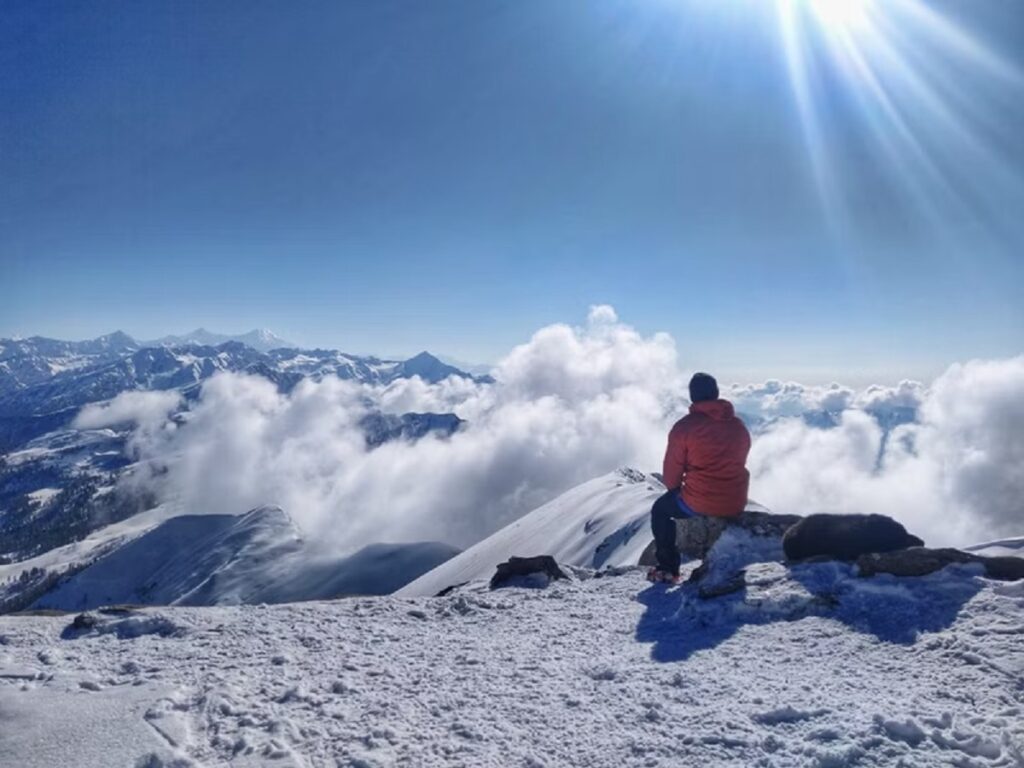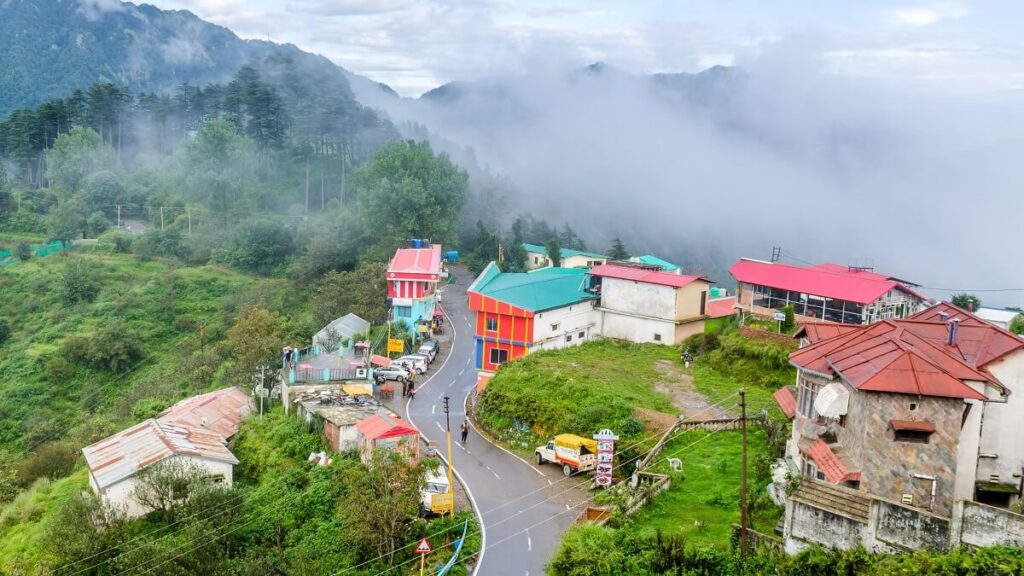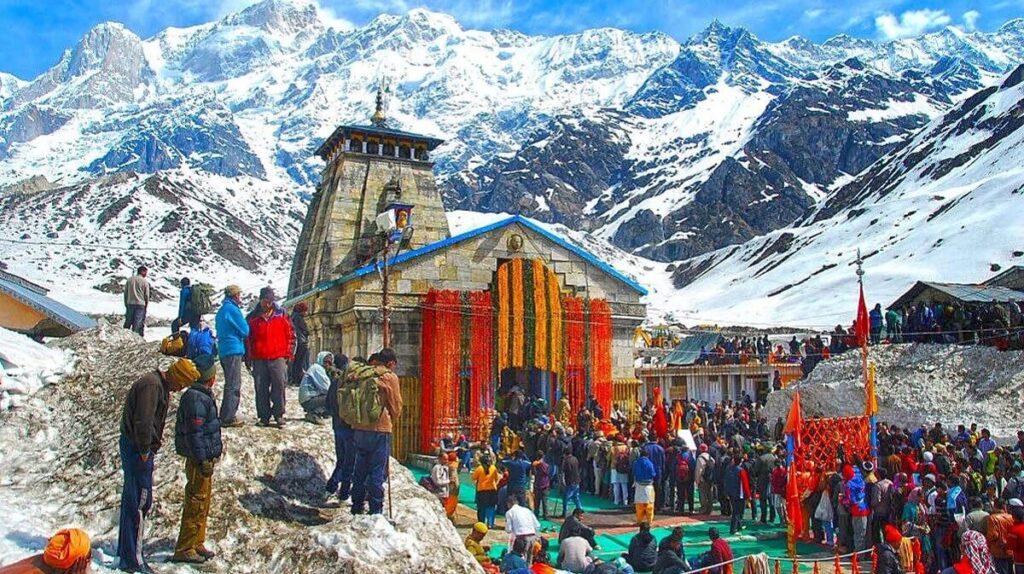
August can be one of the most visually striking yet unpredictable times to visit Kedarnath. Nestled in the Garhwal Himalayas of Uttarakhand, this sacred town—home to one of the most revered Jyotirlingas of Lord Shiva—draws thousands of pilgrims and adventure seekers every year.
If you’re planning a trip in August 2026, this in-depth guide covers everything you need: from weather updates and packing advice to destination highlights and safety tips. Each section offers 400+ words of clear, friendly, and actionable insights, perfectly tailored for new travelers and readers of all backgrounds.
1. Understanding Kedarnath’s Weather in August
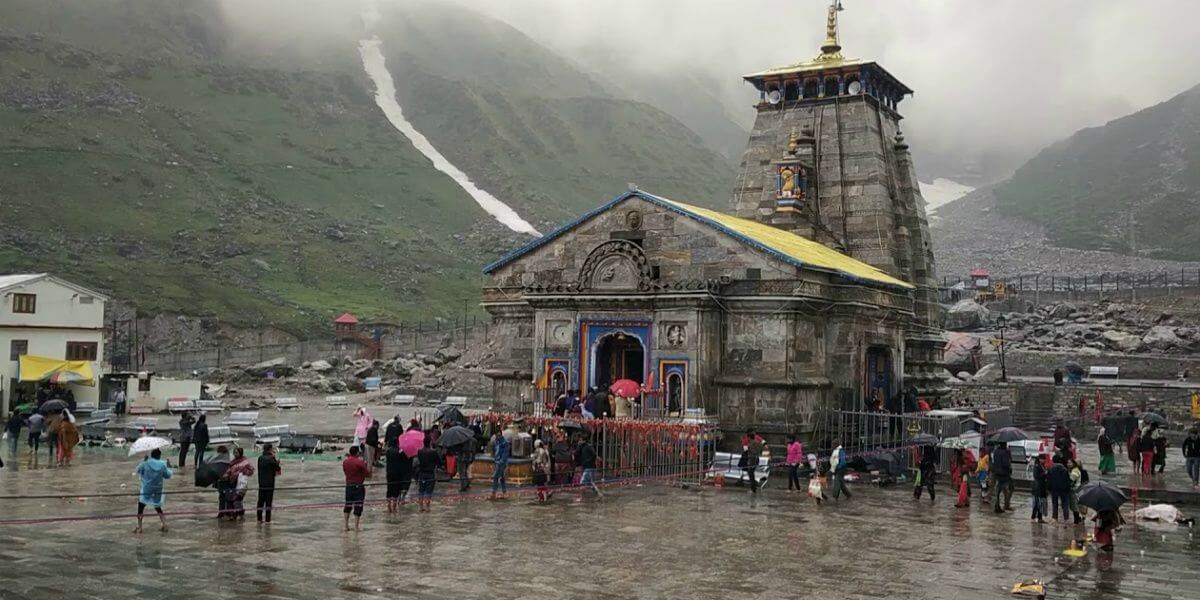
Kedarnath experiences a cool and wet climate in August, as it’s part of the monsoon season in Uttarakhand. While the surrounding mountains wear a lush green coat and wildflowers begin to bloom in the alpine meadows, visitors should be ready for frequent rain showers, fog, and damp conditions. The spiritual charm is unmatched, but so is nature’s unpredictability.
Temperature and Rainfall:
- Day Temperature: Between 12°C to 17°C
- Night Temperature: Can drop to 4°C–6°C
- Rainfall: Moderate to heavy; afternoon showers are common
- Humidity: High, with mist and fog adding to the mystique
The skies are often cloudy, but on rare clear days, you’ll catch a glimpse of the snow-covered Kedarnath peak towering behind the temple, which is a mesmerizing sight.
Is It Too Risky?
Not necessarily. While monsoon-related disruptions like landslides or delayed helicopter services can happen, the state government and disaster response teams are typically active and prepared. Trek routes are monitored regularly, and frequent weather bulletins help plan daily movement.
However, you must remain flexible with your schedule, avoid nighttime travel, and always have a backup plan in case conditions delay your return.
Weather Tip:
Start your trek early in the morning, ideally before 6 AM. Rainfall is more common post-noon. The early hours also offer a more stable sky and less fog. Plan Your July 2026 Kedarnath Trip – Weather & Travel Tips
2. Kedarnath Temple and Spiritual Highlights

At the heart of Kedarnath lies its greatest treasure: the Kedarnath Temple, a stone structure over 1,000 years old, believed to have been built by the Pandavas and later restored by Adi Shankaracharya. Visiting this sacred Jyotirlinga is not just a religious act—it’s an emotional journey, especially in the tranquil setting that August offers. Explore Top Places in Gaurikund – Gateway to Kedarnath
Spiritual Significance:
According to legend, Lord Shiva took the form of a bull to avoid the Pandavas and later vanished into the earth here, leaving behind his hump. The temple stands at that very spot, drawing pilgrims from across India and the world. Its location—between rugged cliffs and beside the Mandakini River—amplifies its spiritual aura. 11 Must-Visit Shiva Temples in Sawan for Pilgrimage and Blessings
Why Visit in August?
While May and June are peak seasons with heavy footfall, August gives a quieter, more introspective experience. You can spend more time meditating inside the temple or sitting quietly in the open courtyard, surrounded by thick clouds and gentle drizzles.
During this month, the priests continue daily puja rituals, and the temple typically opens from 6 AM to 3 PM and 5 PM to 9 PM, although timings can shift depending on weather. Char Dham Yatra Opening and Closing Dates 2026: Complete Guide for Pilgrims
Must-See Nearby Temples:
- Bhairavnath Temple (1 km uphill): Guarding deity of Kedarnath, offers panoramic views
- Shankaracharya Samadhi: Final resting place of Adi Shankaracharya, behind the main shrine
- Triyuginarayan Temple (nearby village): Mythological site where Lord Shiva married Parvati
Travel Tip:
Attend the evening aarti if the skies are clear. The soft chants mixed with mountain silence make for a magical experience. Travel from Ahmedabad to Kedarnath – Easy Route Guide 2026
3. Trekking to Kedarnath: Monsoon Edition
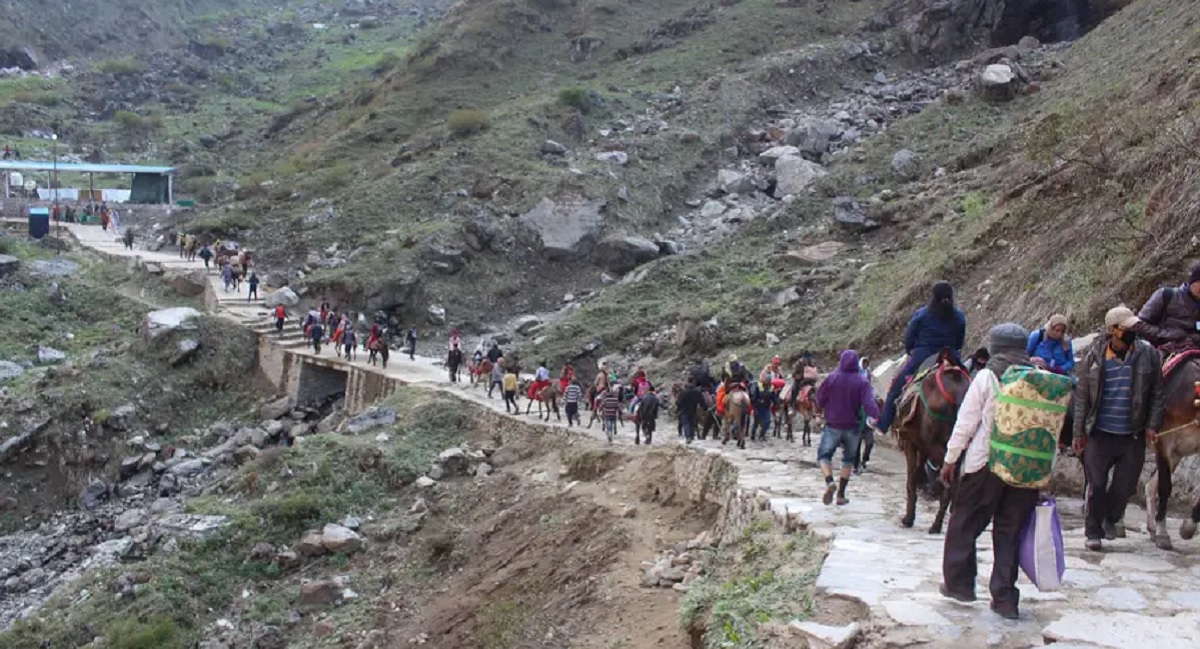
The 16-kilometer trek from Gaurikund to Kedarnath is a journey in itself. Though the route has been upgraded after the 2013 floods, August’s rains make the terrain slippery and visibility low at times, so it’s vital to prepare well and stay alert.
The Trail Experience
The trek is scenic, winding along the Mandakini River, through forests, waterfalls, and rocky paths. In August, the trail is covered in foggy mist, and you’ll often hear the gushing sound of hidden streams, adding to the atmosphere.
The path includes:
- Steep sections near Jungle Chatti and Bheembali
- Mid-way halts at Linchauli and Rambara
- Rest stops with tea stalls and first-aid tents
Safety Tips for August Trekking:
- Carry hiking poles and waterproof trekking boots with ankle support
- Walk in groups and avoid isolated shortcuts
- Hire a licensed local porter if carrying heavy luggage
- Avoid trekking during or after heavy rain
- Start your hike early (before 6 AM) and aim to reach Kedarnath by afternoon
Alternative Options:
For those unable to trek, you can book:
- Ponies or palkis at Gaurikund
- Helicopter services from Sersi, Guptkashi, or Phata (weather-permitting)
Travel Tip:
Download offline maps and weather apps. Network coverage is patchy beyond Sonprayag.
4. Packing and Travel Essentials for August Travel
Packing right is one of the most important parts of a smooth Kedarnath yatra in August. Since you’ll be facing a combination of rain, cold, and wind, your gear must be weatherproof and lightweight. Check Kedarnath Opening & Closing Dates – 2026 Travel Info
Clothing Essentials:
- Layered woolens: Carry thermals, fleece jackets, and windbreakers
- Rain gear: A full-length poncho, rain jacket, and waterproof pants
- Trekking shoes: Water-resistant with strong grip
- Woolen socks, gloves, and a cap
- Extra pair of clothes in a zip-lock bag in case you get soaked
Must-Haves:
- E-pass and valid ID proof (mandatory for temple entry)
- Flashlight or headlamp with extra batteries
- Basic medical kit: ORS, paracetamol, pain relief balm, altitude sickness meds
- Energy bars, dry fruits, and chocolates for quick refueling
- Reusable water bottle and water purification tablets
- Power bank for your phone (limited charging points en route)
Optional but Useful:
- Portable rain shelter or plastic sheet
- Small towel and biodegradable soap
- Lightweight sleeping bag (if staying in tents)
Travel Tip:
Use dry bags or backpack liners to keep valuables and clothes safe from rain. Carry a small diary—it’s a place that inspires deep reflection. Reach Kedarnath from Dehradun – Best Travel Tips Inside
5. Helicopter Travel & Booking Tips Kedarnath in August
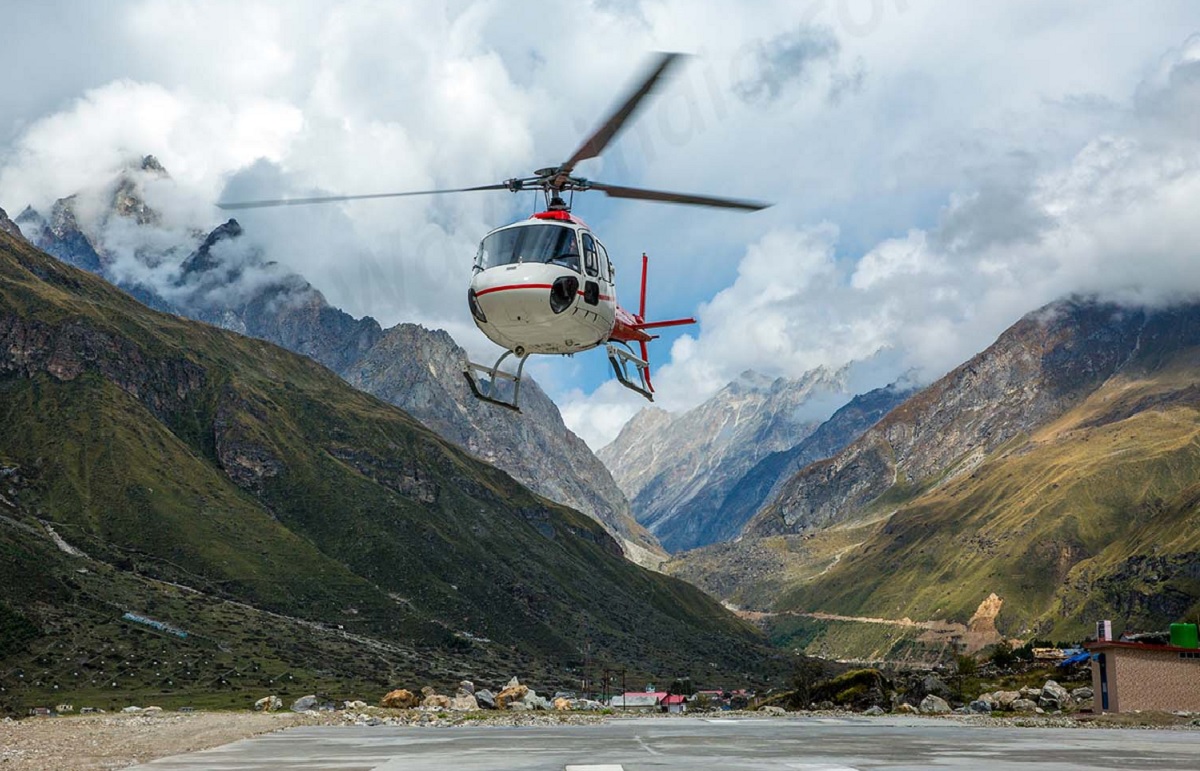
If you’re not comfortable with a full-day trek in monsoon conditions, taking a helicopter to Kedarnath is a great alternative. Helicopter services from nearby towns like Phata, Sersi, Guptkashi, and Sitapur offer a quick and scenic journey to the Kedarnath helipad, which is located just 500 meters from the temple.
How It Works:
- Flights usually begin from 6:30 AM to 2 PM, weather permitting.
- A round-trip takes around 8–10 minutes, plus time for boarding and security checks.
- Operators often allow 1–2 hours of temple darshan before returning.
How to Book:
- Book directly from IRCTC’s helicopter portal or official government-approved vendors.
- Avoid unverified agents or third-party websites.
- Always carry printed and digital copies of your ticket, ID, and Yatra registration.
Why It’s Tricky in August:
- Weather conditions like fog, heavy clouds, or rain can cause frequent delays or cancellations.
- Helicopter operations depend on visual flying rules (VFR), which require clear skies.
- Sudden weather changes can leave passengers stranded at either end—so always have a backup stay plan.
Travel Tips:
- Choose early morning slots: The skies are generally clearer between 6:30–9:30 AM.
- Arrive at the helipad at least 1 hour before departure.
- Keep extra time in your travel plan for unexpected delays.
- Carry only essentials: Most helicopter operators allow up to 5 kg of hand luggage per person.
Insider Tip:
Even if you take a chopper one way, consider trekking back if the weather is good. The downward trek is easier and offers breathtaking monsoon views you don’t want to miss. See the Kedarnath Route Map – Plan Your Journey Today
6. Where to Stay: Hotels, Camps, and Dharamshalas
Accommodation in Kedarnath and surrounding areas is simple but improving year by year. Given the remote location and challenging weather in August, it’s important to book early and choose wisely based on your comfort level. August in India:10 Best Attraction
Types of Stay Options:
Kedarnath (near the temple):
- GMVN Cottages & Dormitories: Government-run, clean, and reliable
- Tented Camps: Basic tents with sleeping mats and blankets, some with attached toilets
- Dharamshalas: Basic shelters run by spiritual trusts, often free or donation-based
- Private Lodges: Few small hotels now offer rooms with blankets and food service
Nearby Towns:
- Guptkashi, Sonprayag, Sitapur: Range of budget hotels, guesthouses, and some 3-star properties
- These towns are great options to stay before or after your temple visit. Get to Kedarnath from Delhi – Train, Road & Air Guide
What to Expect in August:
- Many stays near the temple do not have heating or geysers, so be ready for basic amenities
- Limited mobile signal and intermittent power are common during rain
- Monsoon may cause waterlogging or muddy paths in camps, so bring rain-friendly footwear
Travel Tips:
- Book GMVN accommodations on their official website
- Carry a sleeping bag liner for extra warmth and hygiene in shared dorms
- Keep a torch or headlamp as power cuts are frequent in bad weather
- Budget approx ₹500–₹2,500 per night, depending on location and room type
7. Nearby Places to Explore from Kedarnath
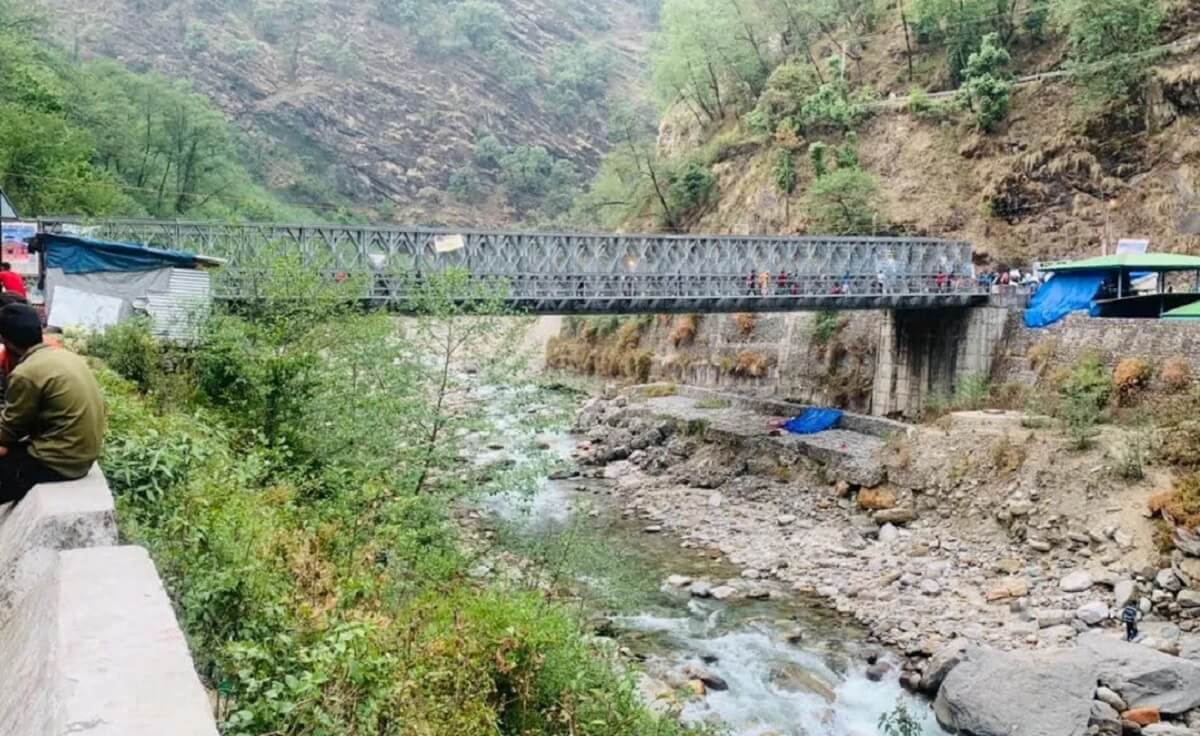
While Kedarnath itself is the main spiritual hub, its surrounding region offers several beautiful places that are worth exploring if you have a few extra days in August. These can also act as acclimatization spots before your trek.
Sonprayag:
Located at the confluence of the Basuki and Mandakini rivers, this is a common halting point. In August, the rivers swell with monsoon waters and offer a stunning view. It’s also where pilgrim registration is done.
Gaurikund:
This is the official starting point of the Kedarnath trek. It’s home to Gauri Temple and a natural hot spring, where pilgrims bathe before beginning the journey. Though the spring is sometimes inaccessible in monsoon, it’s still a cultural stop.
Triyuginarayan Temple:
Just 12 km from Sonprayag, this lesser-known temple is believed to be the wedding site of Lord Shiva and Parvati. A sacred flame here is said to have been burning since that time—hence the name “Triyugi” (three yugas).
Chopta and Tungnath:
If you’re craving more Himalayan beauty, consider a 2-day detour to Chopta, often called the “Mini Switzerland of India.” From there, you can do a 3.5 km trek to Tungnath, the highest Shiva temple in the world. August brings lush greenery and dramatic views, though rain can make the trails slippery. Best Time to Visit Uttarakhand for Clear Himalayan Views
8. Local Culture & Responsible Travel Practices
Kedarnath isn’t just a destination—it’s a sacred space deeply rooted in ancient beliefs and Himalayan culture. As a traveler, being respectful and eco-conscious can help protect this fragile region for future pilgrims.
Local Traditions:
- The region follows a deep reverence for Lord Shiva, and you’ll notice that even porters and shopkeepers treat the temple as a holy entity.
- Locals speak Garhwali and Hindi, and most are welcoming and helpful to pilgrims.
- Remove shoes before entering the temple area and dress modestly—layers are great for warmth and respect.
Responsible Tourism Tips:
- Carry reusable water bottles—plastic is banned near the temple.
- Use eco-friendly toiletries and soaps while trekking or camping.
- Avoid playing loud music or shouting in sacred or natural spots.
- Don’t litter; keep biodegradable and non-biodegradable waste separate.
- Support local vendors and porters by buying locally made prasad, handicrafts, and snacks.
Be Mountain Smart:
- Respect animals like mules and dogs on the trail.
- Do not disturb mountain flora or pick wildflowers, no matter how tempting it looks!
- Stay on marked trails to avoid erosion and reduce landslide risk. Mechuka in Winter vs. Summer: Choosing the Best Season for Your Arunachal Getaway
9. Is Kedarnath Worth Visiting in August 2026?
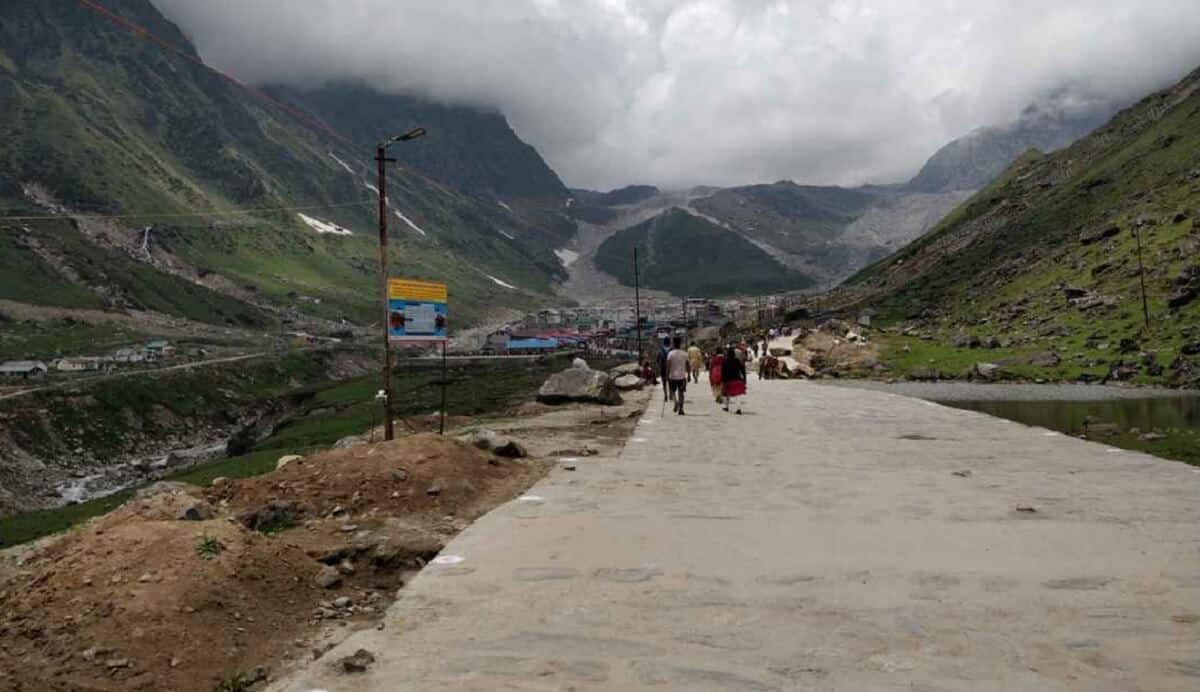
In one word: yes, if you’re prepared.
Kedarnath in August is not for everyone. It’s not the month for casual tourists looking for perfect weather. But if you’re someone who loves offbeat experiences, deep spirituality, and mist-covered mountains, August gives you a raw, powerful, and peaceful Kedarnath that’s unlike any other season. Trekking in Mechuka Valley: Trails, Permits, and Breathtaking Himalayan Views
You’ll witness:
- Rivers in full flow
- Clouds brushing against temple stones
- Small groups of pilgrims chanting softly
- And maybe even a rainbow over the Mandakini
It’s a journey of faith, strength, and serenity.
You Might Also Like:
- Don’t Miss These August 2026 Festivals – Dates & Rituals
- Best Time to Visit Ujjain: Weather, Temperature Seasonal Guide
- Discover North India in July – Weather, Destinations & More
- Uncover Offbeat Spiritual Trails – Hidden Pilgrimage Spots
- Hit the Road: Delhi to Nainital in July – Full Trip Guide
- Badrinath from Dehradun – Your Complete Travel Guide
- Top 6 Pilgrimage Spots to Visit in July – Plan Your Yatra
- Go Trekking! 11 Best Monsoon Treks in India
- Visit Top 20 Wildlife Reserves in September – Explore Now
- Things to Do in Rajasthan This September 2026 – Explore Events
- Explore 12 Best Places in Manali – Visit in August 2026
- Visit Mukteshwar Temple in Nainital – Full Travel Guide
- Omkareshwar Temple Puja Timings Rituals – Complete Guide
- 10 Famous Buddha Statues in the World
- 11 Must-Visit Shiva Temples in Sawan for Pilgrimage and Blessings
- How to Perform Rituals at Rameshwaram Ramanathaswamy Temple Wells
- Mechuka Hidden Gems: Uncovering Offbeat Experiences Beyond the Usual Tourist Spots
- Best Time to Visit Tungnath: Weather, Temple Opening Dates