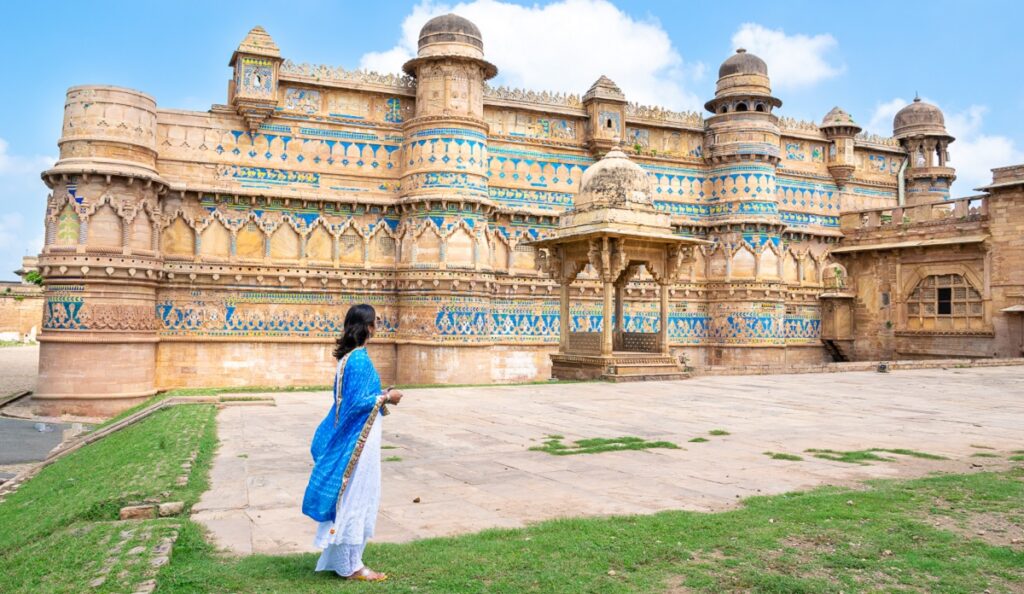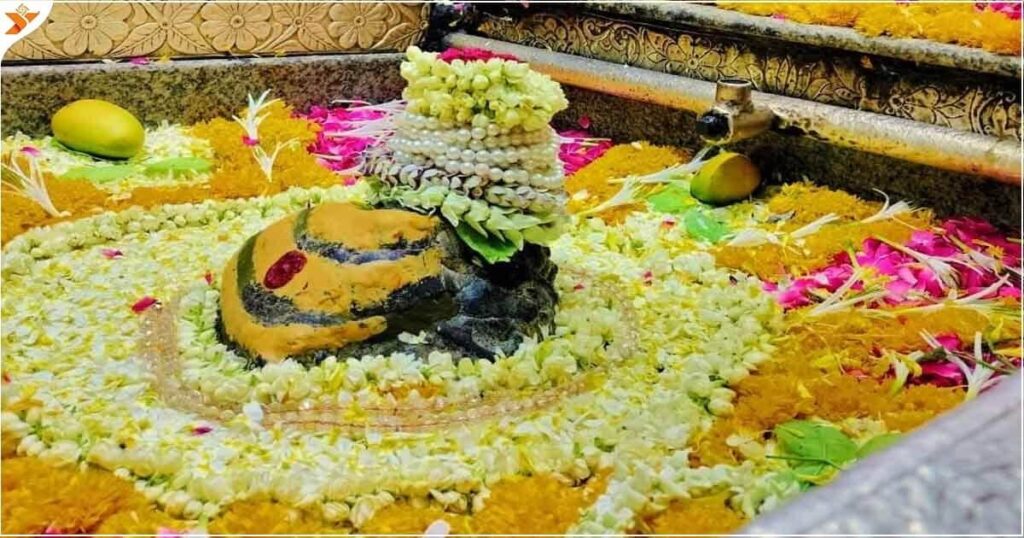
At a quiet bend in the sacred Narmada River lies a temple whose name echoes through centuries of devotion — Omkareshwar Jyotirlinga, one of the 12 revered Jyotirlingas of Lord Shiva. Tucked away on an island shaped like the sacred ‘Om’ symbol, this spiritual retreat in Madhya Pradesh is a confluence of myth, mysticism, and timeless reverence.
For travelers seeking spiritual solace, and for those drawn to stories that transcend time, Omkareshwar is not just a destination — it’s an experience. And like all sacred journeys, the deeper you look, the more it offers.
When I had the chance to plan a friend’s trip to Madhya Pradesh, Omkareshwar was the first place I marked on the map. I had heard about its ethereal energy, but nothing prepared them for what they encountered — a land where time seems to fold inward, and devotion takes center stage.
Here’s a complete guide to the history, significance, architecture, and travel experience of Omkareshwar Jyotirlinga, crafted to help you not only visit but understand the power this sacred place holds.
The Story Behind the Temple: Myths That Breathe Through Time

The legends of Omkareshwar are as old as the hills surrounding it — and perhaps older.
The word Omkareshwar means “Lord of Omkara” or “Lord of the Om Sound.” According to ancient Hindu beliefs, Om is the primordial sound of the universe. It is the seed of all creation, and the island — shaped in the form of ॐ (Om) — was seen as sacred from the very beginning. Explore Madhya Pradesh in December – Top Places & Weather Info
But there’s more to the story.
Legend 1: The Divine Battle Between Devas and Danavas
As per one popular legend, a great war once broke out between the Devas (gods) and Danavas (demons). The Devas, unable to withstand the power of the demons, prayed earnestly to Lord Shiva. Pleased by their devotion, Shiva appeared in the form of Omkareshwar Jyotirlinga and destroyed the evil forces, restoring cosmic balance.
This manifestation of Shiva became one of the most powerful Jyotirlingas, symbolic of divine protection and balance.
Legend 2: Mandhata’s Devotion
Another legend speaks of King Mandhata, a devout ruler of the Ikshvaku dynasty, who performed severe penance on the Om-shaped island to seek blessings from Lord Shiva. Deeply moved by his unwavering devotion, Shiva manifested as Omkareshwar Jyotirlinga, granting him spiritual elevation.
Today, the temple also houses shrines dedicated to King Mandhata, and the region surrounding Omkareshwar is often referred to as Mandhata Parvat. On Your Way to Omkareshwar? Check the Closest Railway Station Here!
Significance of Omkareshwar as a Jyotirlinga
Omkareshwar is one of the 12 Jyotirlingas, the most sacred abodes of Lord Shiva where he is believed to have appeared in a self-manifested form of light (jyoti). Each Jyotirlinga represents a unique aspect of Shiva, and Omkareshwar is especially revered for its connection to sound, creation, and cosmic energy.
Two Shiva Lingas in Omkareshwar:
A unique aspect of Omkareshwar is that two Jyotirlingas exist in this region:
- Omkareshwar Jyotirlinga – The main linga worshipped in the Omkareshwar temple on the island.
- Mamleshwar Jyotirlinga – Located on the southern bank of the Narmada River, this temple is often overlooked, but it is equally sacred and mentioned in scriptures.
Many believe that a pilgrimage to Omkareshwar is incomplete without darshan at both temples — symbolizing the duality of creation and destruction in Shiva’s energy. Visit Madhya Pradesh in April – Weather, Attractions & Travel Tips
Architecture: Ancient Design Rooted in Devotion

The Omkareshwar Temple is a beautiful blend of Nagara-style architecture, featuring intricately carved pillars, stone corridors, and a sanctum where the main Jyotirlinga is enshrined.
Constructed on a small hill on the island of Mandhata, the temple can be accessed by a set of steep stone steps or through a suspension bridge over the Narmada, which in itself is an experience. Uncover 20 Hidden Monuments in India – Must-Visit Historic Gems
Temple Features:
- The main sanctum is relatively small and intimate, designed to maintain a deep spiritual focus.
- The sacred Jyotirlinga, although not very large in size, radiates a quiet intensity.
- The temple premises house shrines to Lord Ganesh, Annapurna, Parvati, and other deities.
- Sculptures and carvings across the temple tell stories from the Puranas and Mahabharata, creating a living archive of Indian mythology.
From the temple, you can look down upon the flowing Narmada, winding its way around the island — and you’ll understand why this land has been worshipped for thousands of years. Explore Must Best Places to Visit in Karnataka in September (2025)
The Island of Om: Geography That Mirrors Divinity
One of the most awe-inspiring facts about Omkareshwar is its island geography. When seen from above, the island is shaped like the sacred ‘Om’ symbol — something that deeply moved pilgrims even in ancient times.
To this day, many walk the parikrama path (around 7-8 km) that circles the entire island, offering prayers and meditating at different points. Along the way, travelers encounter:
- Sacred ghats like Koti Tirtha
- Small cave shrines tucked into rocks
- Ashrams where sadhus offer quiet blessings
- The occasional langur watching curiously from the trees
If you’re looking for a spiritual trek in India that is both peaceful and powerful, the Omkareshwar Parikrama path is an experience like no other. Discover Offbeat Spiritual Trails in India – Go Beyond the Usual
Best Time to Visit Omkareshwar
Ideal Months: October to March
This is when the weather is pleasant, the river is calm, and the temple is bustling with religious energy.
Avoid Peak Summer (April – June)
Temperatures can rise above 40°C, making the temple climb and parikrama quite tiring.
Monsoon (July – September)
While the surroundings are lush, river swelling and slippery paths may restrict movement. Still, the temple remains open and functional for devotees. Get to Ujjain from Delhi – Complete 2025 Travel Guide by Train, Air & Road
Important Rituals and Darshan Timings
Temple Timings:
- Morning Darshan: 5:00 AM – 12:00 PM
- Evening Darshan: 4:00 PM – 9:00 PM
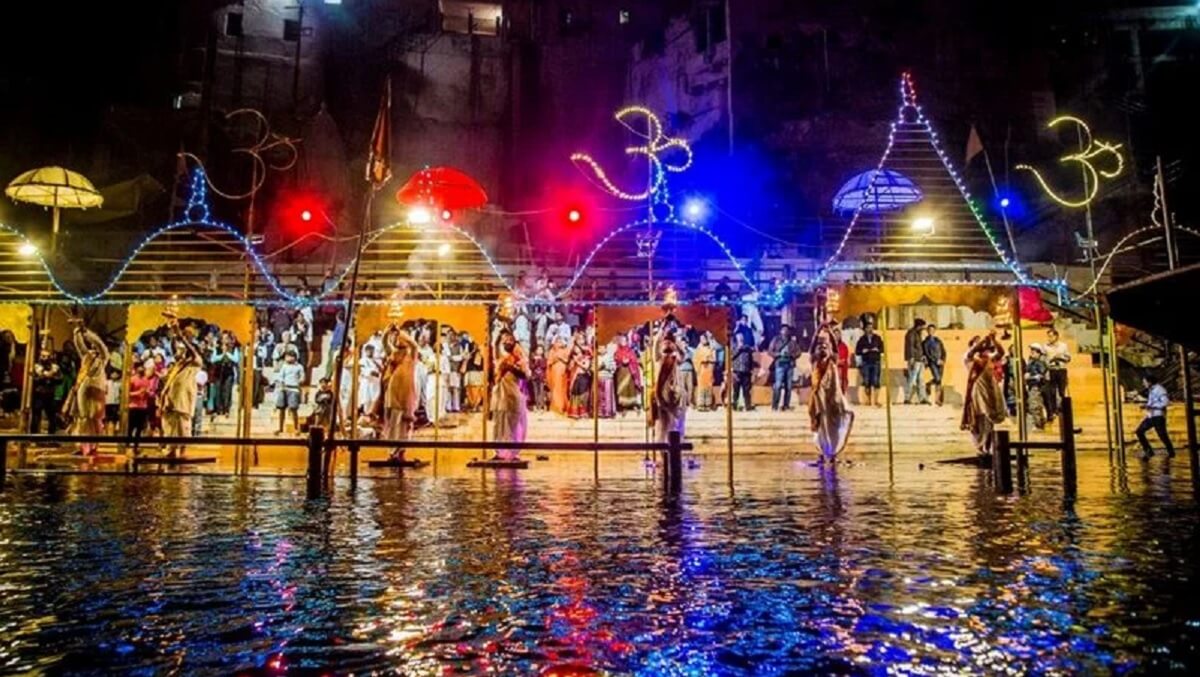
- Aarti Timing: 5:30 AM and 8:00 PM daily
Major rituals include:
- Abhishekam: Milk, curd, honey, and ghee are poured over the linga
- Rudrabhishek: Special Vedic chants and offerings
- Maha Aarti: Performed with oil lamps and conch shells — an immersive experience for the soul
Explore More Also:
- Discover the Sacred Bhasma Aarti at Mahakaleshwar – Learn How to Attend!
- Discover Hidden Gems Near Ujjain – Plan Your Day Trip Today!
- Explore Ujjain’s Neighboring Gems – Visit Omkareshwar, Mandu & Indore Today!
How to Reach Omkareshwar

By Air:
- Nearest Airport: Indore (approx. 77 km)
- Taxis and buses are available from the airport to Omkareshwar
By Train:
- Nearest Railway Station: Omkareshwar Road (12 km away)
- From there, take a local taxi or shared auto
Travel By Road:
- Well-connected by state and private buses from Indore, Khandwa, Ujjain, and Bhopal Explore the 11 Best Places to Visit Near Indore (Within 400 KM)
Where to Stay in Omkareshwar
Most accommodations in Omkareshwar are budget hotels, guest houses, and dharamshalas. However, the town is expanding its hospitality services.
Recommended Stays:
- Narmada Resort (MP Tourism) – clean, comfortable with great views
- Shree Radhe Krishna Guest House – close to the temple
- Ashrams – for spiritual seekers looking for silence and simplicity
Tip: Book accommodation in advance if visiting during festivals like Maha Shivratri or Shravan month.
What to Eat
Omkareshwar is a vegetarian-only pilgrimage town, and most eateries serve simple, sattvic meals.
Popular items:
- Poha and jalebi for breakfast
- Puri bhaji, dal-chawal, and thali meals
- Filter coffee and sweet lassi at small roadside stalls
Final Thoughts: Why Omkareshwar Is More Than Just a Temple Visit
There are some journeys that begin with curiosity but end in quiet transformation. Omkareshwar is one of them. It humbles you, soothes you, and stirs something within you that the everyday world often dulls.
Whether you’re coming for the Jyotirlinga darshan, walking the parikrama in silence, or simply watching the Narmada flow under a golden sky — Omkareshwar speaks to a part of you that still believes in the sacred.
You Might Also Like:
- Plan a February Trip to Omkareshwar Jyotirlinga – Weather & Travel Tips
- Omkareshwar Temple Puja Timings Rituals – Complete Guide
- Discover Why India Is the Ultimate Destination for Peace & Spirituality
- Reach Badrinath Temple from Dehradun – Follow This Easy Travel Guide
- Get to Vishnupad Temple, Gaya – Your Step-by-Step Travel Guide
- Travel to Gangotri Temple from Dehradun – Start Your Pilgrimage Here
- Visit Kasar Devi Temple in Almora – Timings, Travel Tips & More
- Explore Lingaraj Temple – History, Architecture & Spiritual Significance
- Explore Ekambaranathar Temple – Attractions & Ancient Wonders Await
- Embark on the Panch Kedar Yatra – Visit 5 Sacred Shiva Temples
- Find Your Way to Dwarkadhish Temple – Complete Travel Guide Inside
- Reach Somnath Temple from Rajkot – Follow This Simple Travel Guide
- Kedarnath Yatra in September 2025 – Travel Guide Tips
- 10 Famous Buddha Statues in the World
- 11 Must-Visit Shiva Temples in Sawan for Pilgrimage and Blessings
- How to Perform Rituals at Rameshwaram Ramanathaswamy Temple Wells
- Explore Best Places to Visit in September in India (2025)
- Must Explore Best Places to Visit in North India in September
- Make the Pilgrimage: Read the Ujjain-Omkareshwar Jyotirlinga Guide Now!