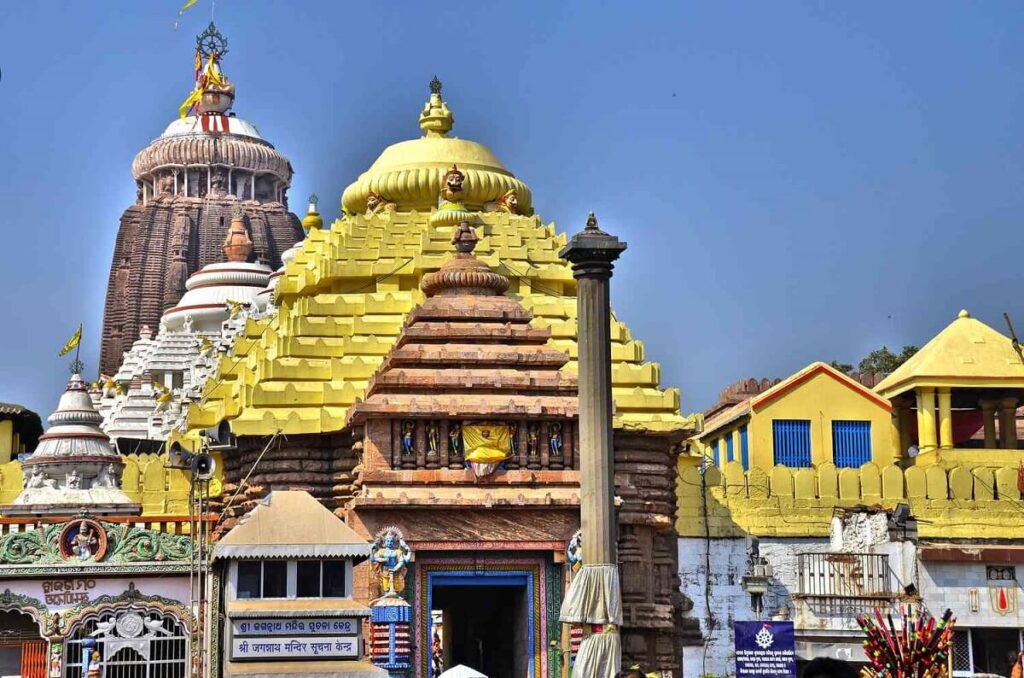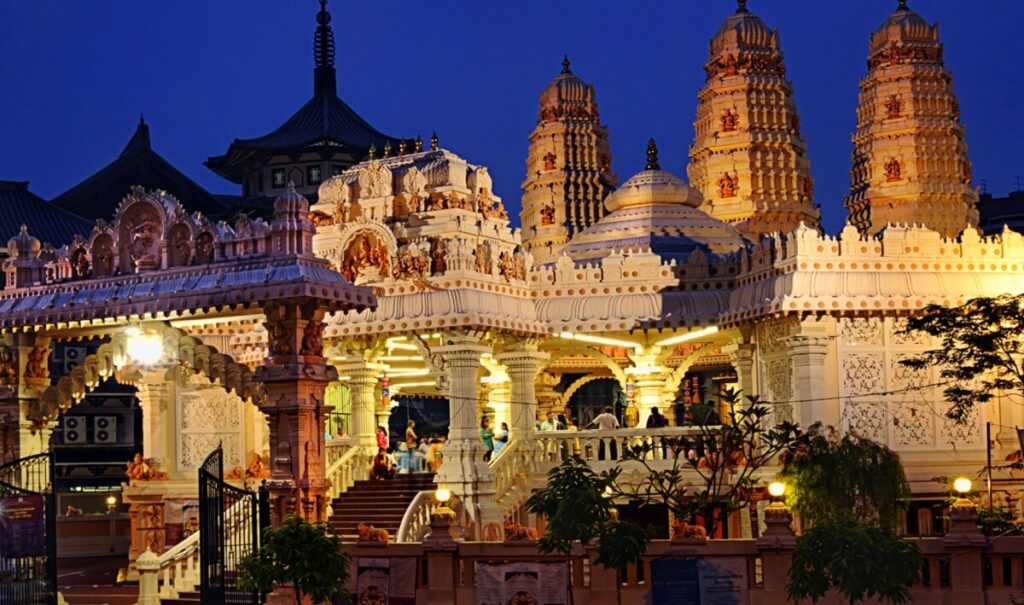
Singapore may be known for its modern skyline and diverse cuisine, but the island nation is also home to a vibrant spiritual culture. Among its many communities, the Hindu population plays an important role in shaping Singapore’s cultural and religious identity. From intricately carved gopurams to lively festival celebrations, the Hindu temples in Singapore offer travelers a unique blend of architecture, tradition, and devotion.
Whether you are seeking blessings, interested in South Indian temple architecture, or simply want to experience Singapore’s multicultural richness, these top Hindu temples promise a spiritually fulfilling and culturally immersive journey.
1. Sri Mariamman Temple – Singapore’s Oldest Hindu Temple
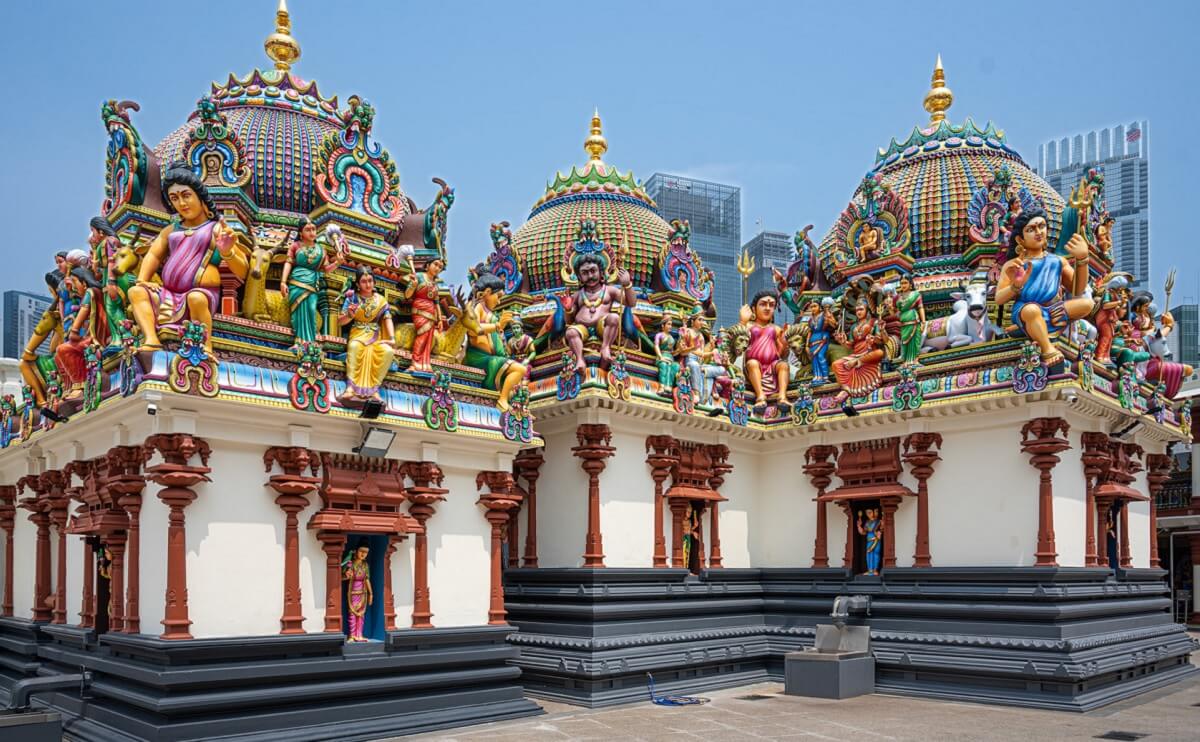
Located in the heart of Chinatown, Sri Mariamman Temple is Singapore’s oldest and one of its most important Hindu temples. Established in 1827 by Naraina Pillai, an early Indian settler, this temple is dedicated to Goddess Mariamman, known for curing illnesses and protecting against disease.
The temple’s most striking feature is its gopuram, or entrance tower, which is covered with brightly painted sculptures of Hindu deities and mythological figures. Inside, the temple’s main sanctum is dedicated to Mariamman, but other shrines honor deities like Durga, Ganesh, and Rama.
Sri Mariamman Temple plays a central role during Theemithi (fire walking ceremony), a major Tamil festival where devotees walk barefoot over hot embers to demonstrate their faith. The temple is also frequently visited by tourists for its vibrant artwork, sacred atmosphere, and cultural significance. Top Hindu Temples in Nepal You Must Visit for a Spiritual Experience
Why Visit:
- Admire South Indian Dravidian-style architecture and sculptures
- Witness religious rituals and prayer offerings throughout the day
- Experience the unique fire-walking festival if visiting during October–November
Location: 244 South Bridge Road, Chinatown
Entry: Free (donations welcome)
Best Time to Visit: Early morning or during Theemithi festival
2. Sri Srinivasa Perumal Temple – A Peaceful Shrine in Little India
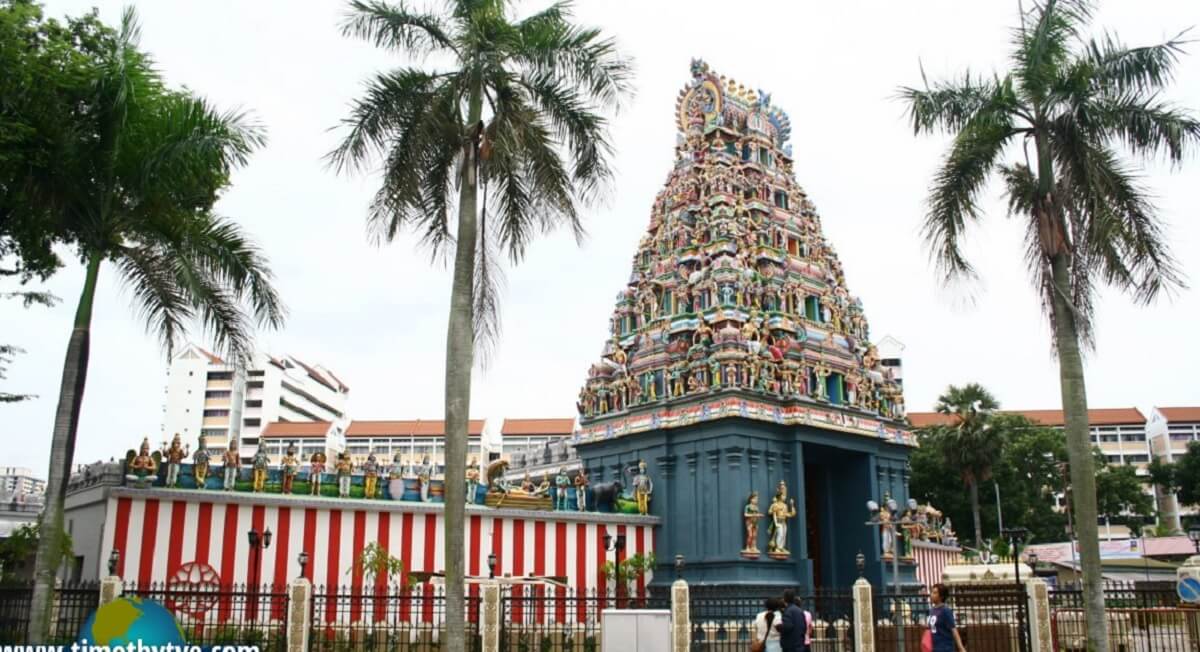
Situated in the heart of Little India, Sri Srinivasa Perumal Temple is a calm and spiritually rich space dedicated to Lord Vishnu, worshipped here as Srinivasa Perumal (a form of Lord Venkateshwara). Built in 1855, this temple is one of the oldest Vishnu temples in Singapore and serves as a major center for Vaishnavite traditions.
The temple’s entrance tower, or gopuram, features finely detailed sculptures depicting stories from the Ramayana and other Hindu epics. Inside, you’ll find sanctums for various avatars of Vishnu, including Krishna, Narasimha, and Rama.
This temple is also an important starting point of the annual Thaipusam procession, where devotees walk barefoot to the Sri Thendayuthapani Temple while carrying kavadi offerings. Even outside festival days, the temple is a peaceful place where visitors can observe puja rituals, speak with priests, or sit in quiet reflection.
Why Visit:
- Explore a working Vishnu temple with daily rituals and traditional ceremonies
- Watch or join Thaipusam devotees during one of Singapore’s biggest religious events
- Appreciate detailed iconography and temple structure from the mid-1800s
Location: 397 Serangoon Road, Little India
Entry: Free
Best Time to Visit: Morning puja (6–8 AM) or Thaipusam (Jan/Feb)
3. Sri Thendayuthapani Temple – The Vel Temple of Singapore
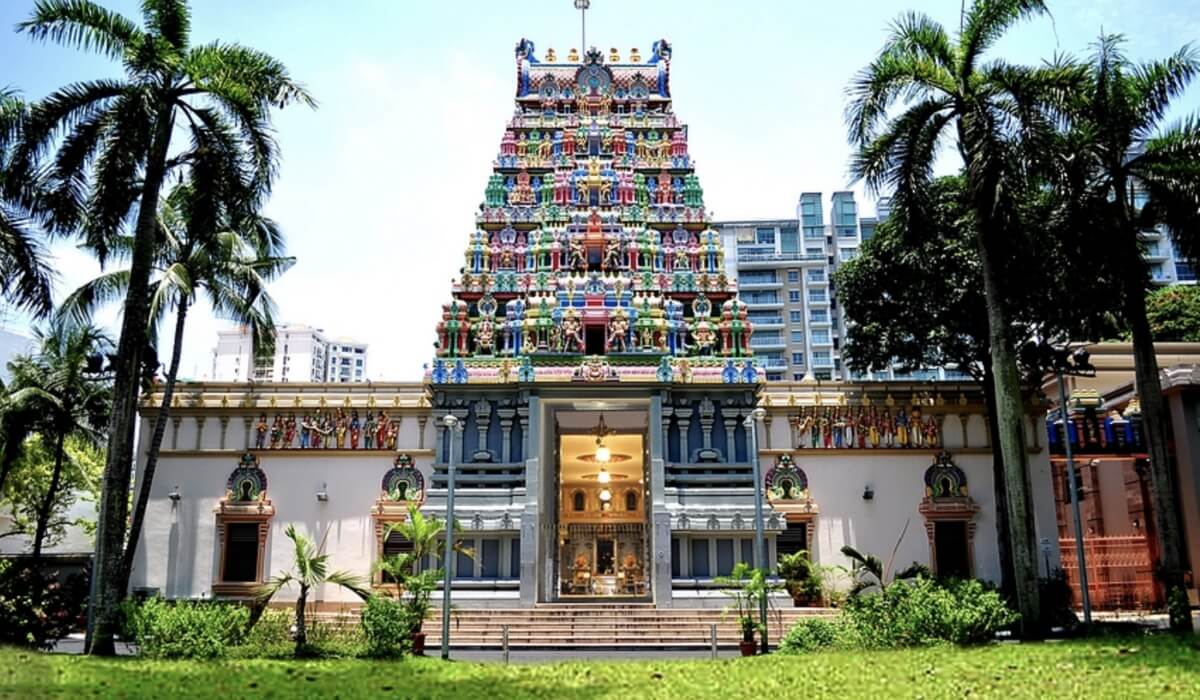
Also known as the Chettiars’ Temple, the Sri Thendayuthapani Temple is one of Singapore’s most iconic shrines dedicated to Lord Murugan, the Hindu god of war and victory. Located near Dhoby Ghaut, this temple is the endpoint of the Thaipusam procession, attracting thousands of devotees and tourists each year.
The temple was originally built in 1859 and is managed by the Chettiar community, a Tamil merchant group. It underwent a major renovation in 2015, resulting in a magnificent new gopuram and intricately restored shrines.
Inside, the temple’s atmosphere is serene yet powerful. Lord Murugan’s image holding the vel (spear) is at the heart of worship. Special pujas and abhishekams (ritual bathings of the deity) take place regularly. During Thaipusam, the temple is alive with chants, drumming, and processions of kavadi bearers offering penance and devotion.
Why Visit:
- Observe deeply rooted Murugan worship and architecture
- Attend vibrant Thaipusam celebrations and rituals
- Understand the Chettiar influence on Hindu temple culture in Southeast Asia
Location: 15 Tank Road
Entry: Free
Best Time to Visit: Thaipusam season or monthly Murugan festival days
4. Sri Lakshminarayan Temple – A North Indian-Style Vishnu Shrine
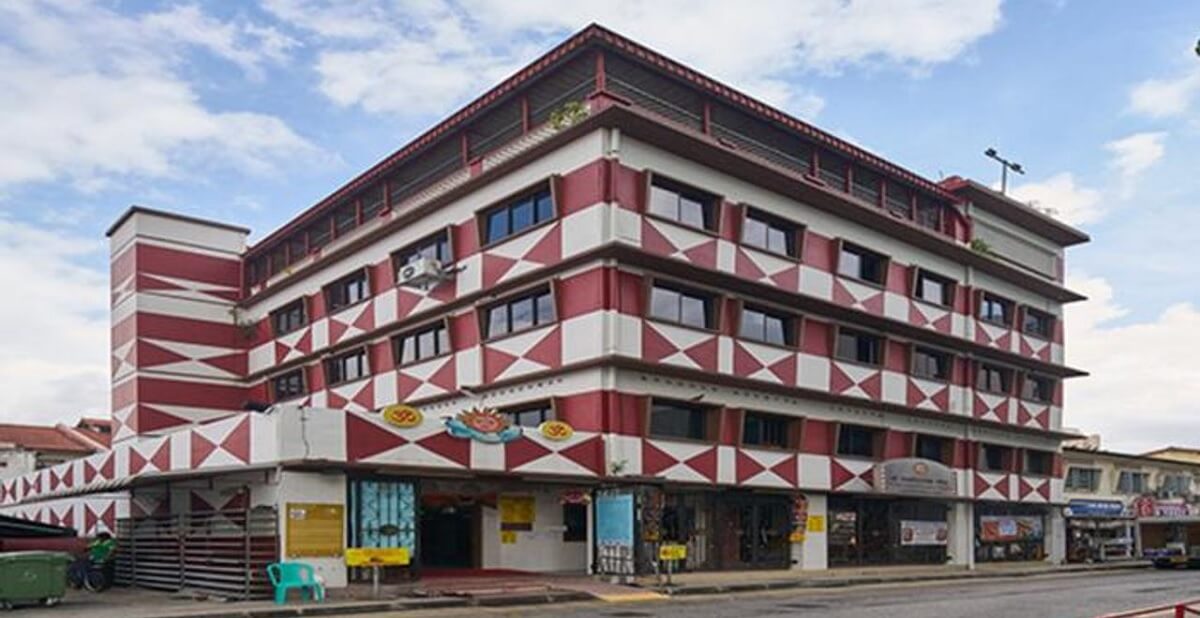
Located in the heart of Chander Road, near Little India, Sri Lakshminarayan Temple stands out for its North Indian architectural style and peaceful atmosphere. This temple is dedicated to Lord Vishnu (as Lakshminarayan) and Goddess Lakshmi, and it serves as a major cultural and religious center for North Indian Hindus living in Singapore.
Built and managed by the Hindu Welfare Society, the temple has a distinct sandstone-colored exterior with shikharas (domes) rather than the South Indian gopurams. Inside, the main deities are ornately dressed and worshipped with aarti, bhajans, and Sanskrit chants.
The temple is also active during festivals like Krishna Janmashtami, Diwali, and Ram Navami, hosting classical music performances, religious discourses, and family activities.
Why Visit:
- Explore a North Indian Hindu temple experience in multicultural Singapore
- Attend aarti sessions filled with bhajans and bells
- Great for families and spiritual travelers seeking peace
Location: 5 Chander Road
Entry: Free
Best Time to Visit: Evening aarti (around 7 PM) or during Janmashtami
5. Sri Manmatha Karuneshvarar Temple – A Shiva Temple with Deep Colonial Roots

Tucked away near Tanjong Pagar, this hidden gem of a temple is one of the oldest Shiva temples in Singapore, founded in 1888 by Tamil dock workers. Sri Manmatha Karuneshvarar Temple is dedicated to Lord Shiva, worshipped here as Karuneshvarar, the compassionate form of the divine.
The temple has a single-storey structure with a compact yet sacred sanctum, complete with smaller shrines for Ganesha, Murugan, and Navagrahas. It may not have the grandeur of other temples, but it holds immense historical and spiritual value.
Devotees come for regular Rudra Abhishekam, Pradosham, and Shivaratri celebrations. The temple also offers free vegetarian meals on special occasions, continuing its legacy of service to the community.
Why Visit:
- Discover one of the oldest working-class temples in Singapore
- Participate in traditional Shiva rituals in an intimate setting
- Learn about the Tamil migrant contribution to early Singapore
Location: 226 Kiong Saik Road
Entry: Free
Best Time to Visit: Monday mornings or during Shivaratri
FAQs: Visiting Hindu Temples in Singapore
Q1. Can non-Hindus visit Hindu temples in Singapore?
Yes, all Hindu temples in Singapore welcome visitors of all faiths. However, dress modestly, remove your shoes, and refrain from entering sanctum areas unless invited.
Q2. Is photography allowed inside the temples?
Photography rules vary. Most temples allow pictures in the outer areas but prohibit photos inside the sanctum or during rituals. Always ask permission from temple staff.
Q3. Are there entry fees for Hindu temples in Singapore?
No, entry is free in all Hindu temples. Donations are welcome and used for temple upkeep and charitable activities.
Q4. When is the best time to visit Hindu temples in Singapore?
Mornings (6–9 AM) and evenings (6–8 PM) are ideal for visiting. If you want to witness special rituals, plan your visit during festivals like Thaipusam, Deepavali, Shivaratri, or Navratri.
Q5. What should I wear while visiting a temple?
Wear modest, clean clothing. Avoid sleeveless tops, shorts, or tight-fitting clothes. Long pants and covered shoulders are preferred.
Travel Tips for Temple Visits in Singapore
- Remove your shoes before entering the temple compound. Most temples have a designated shoe rack near the entrance.
- Avoid bringing food or drinks inside, unless you are offering prasad (blessed food).
- Do not point your feet toward the deities or sit with legs stretched out in front of the sanctum.
- Carry small notes or coins for making a donation if you wish.
- If you’re not familiar with rituals, observe respectfully before participating.
- Some temples offer free meals (Annadanam) — a great opportunity to experience hospitality and community spirit.
Quick Reference Summary Table
| Temple Name | Main Deity | Location | Known For | Best Time to Visit |
|---|---|---|---|---|
| Sri Mariamman Temple | Goddess Mariamman | Chinatown | Fire-walking festival (Theemithi), heritage | Oct–Nov, early mornings |
| Sri Srinivasa Perumal Temple | Lord Vishnu | Little India | Thaipusam start point, detailed gopuram | Jan–Feb, mornings |
| Sri Thendayuthapani Temple | Lord Murugan | Dhoby Ghaut | Thaipusam end point, Chettiar heritage | Jan–Feb, festivals |
| Sri Veeramakaliamman Temple | Goddess Kali | Little India | Kali worship, Navratri celebrations | Fridays, Navratri season |
| Sri Sivan Temple | Lord Shiva | Geylang East | Modern design, Maha Shivaratri | Mondays, Shivaratri |
| Sri Vairavimada Kaliamman Temple | Lord Bhairava & Kali | Toa Payoh | Tantric rituals, Rahu-Ketu worship | Tuesdays, Saturdays |
| Sri Ruthra Kaliamman Temple | Goddess Kaliamman | Depot Road (West) | Youth programs, Agamic pujas | Fridays, full moons |
| Arulmigu Velmurugan Temple | Lord Murugan | Yishun | Monthly homams, family-friendly programs | Kiruthigai, Thai Poosam |
| Sri Lakshminarayan Temple | Vishnu & Lakshmi | Chander Road | North Indian style temple, bhajans | Evenings, Janmashtami |
| Sri Manmatha Karuneshvarar Temple | Lord Shiva | Tanjong Pagar | Working-class heritage, compact shrine | Mondays, Shivaratri |
Final Thoughts
Singapore’s Hindu temples are more than places of worship — they are living cultural hubs that reflect centuries of tradition, devotion, and community. Whether you’re drawn to the powerful goddess shrines of Little India or the quieter sanctuaries of the suburbs, each temple offers a unique window into the soul of Hindu Singapore.
Take time to observe, learn, and respect the traditions. You don’t have to be religious to appreciate the artistry, energy, and hospitality these sacred spaces offer. Add a few of these to your Singapore itinerary — and walk away with more than just photos, but memories that resonate with spiritual depth.
You Might Also Like:
- Explore August Destinations with Visa on Arrival for Indian Travelers
- Plan Your Perfect Weekend in Visakhapatnam – Top Sights & Activities
- Travel to the Philippines Visa-Free – New Update for Indian Citizens
- Get Your e-Visa to Myanmar – Tourist Entry Resumes for 100 Nations
- Check Saudi Arabia’s Umrah Visa Suspension – Important Travel Info
- Discover Where You Can Travel Visa-Free with a Valid U.S. Visa
- Apply for an India eVisa from the USA – Step-by-Step Travel Guide
- Get Your Indian Tourist Visa Easily – Full Guide for Travelers
- Great News! India Introduces e-Visa Facility for Kuwaiti Citizens Starting July 13, 2025
- How to Apply for a Visa to Sri Lanka from India: A Complete Guide
- Thailand Visa for Indians: Complete Step-by-Step Guide to Getting Your Thailand Visa from India