
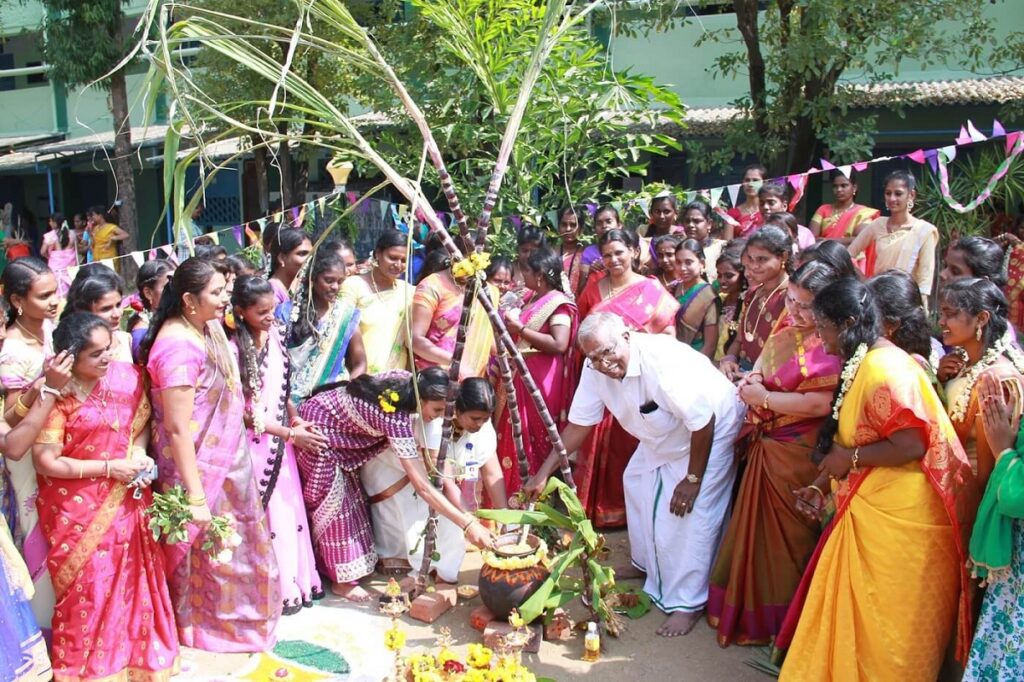
Pongal is not just a festival in South India. It’s a feeling. Streets smell of freshly boiled rice and jaggery, homes glow with kolam art, sugarcane appears at every doorway, and the whole of Tamil Nadu celebrates gratitude to the Sun, nature, farmers, and cattle. If you want to experience the real cultural heartbeat of Tamil Nadu, plan your trip around Pongal week. This guide covers Pongal 2026 dates, day-wise rituals, timings, food, travel tips, and the best places to celebrate Pongal in Tamil Nadu.
Quick Answer: Pongal 2026 Dates (Day-wise)
Pongal celebrations in 2026 fall in mid-January. In Tamil Nadu, the festival is observed across multiple days with different names and customs.
- Bhogi Pongal: 14 January 2026
- Thai Pongal (Main Day): 15 January 2026
- Mattu Pongal: 16 January 2026
- Kaanum Pongal: 17 January 2026
Planning tip: Many offices/schools follow the Tamil Nadu holiday pattern around Pongal week. If you are planning travel and hotel bookings, treat 14–17 January 2026 as peak days.

What is Pongal Festival?
Pongal is the traditional Tamil harvest festival celebrated to thank the Sun God (Surya), nature, and farming communities for abundance and prosperity. The word “Pongal” literally means “to boil over”, symbolising overflowing happiness, food, and good fortune.
It is celebrated predominantly in Tamil Nadu, but Tamil communities across India and worldwide observe it with prayers, family gatherings, and festive meals.
Pongal vs Makar Sankranti: What’s the connection?
Pongal week overlaps with the same seasonal shift that the rest of India celebrates as Makar Sankranti. North India may focus on river dips and charity, while Tamil Nadu focuses on home rituals, harvest cooking, kolams, and cattle worship. It’s the same season of gratitude, expressed in different regional styles.
Pongal Festival 2026 Timings: When to Do Pongal Puja?
Most families perform Pongal rituals in the morning, close to sunrise. The exact “best time” can vary by location and family tradition, so if you follow a strict panchang, check your local priest/calendar. For travellers, the easiest practical rule is:
- Best experience window: Sunrise to late morning (temples, street celebrations, and Pongal cooking are most active)
- Evening: Cultural events, fairs, music/dance shows, family visits
Travel tip: If you want to photograph Pongal cooking, kolams, and temple activity, start early. Winter mornings in Tamil Nadu are pleasant, but carry a light layer for coastal breeze.
The Origins and History of Pongal
Pongal has deep roots in Tamil agrarian life and is often linked to ancient Tamil traditions. It honours the rhythms of nature: the Sun, rainfall, soil, and cattle. Historically, rural communities celebrated harvest completion with prayers, community feasts, and folk performances.
Over time, Pongal also became a cultural marker of Tamil identity, celebrated in villages and cities with equal pride.
Why Pongal is Important: Meaning and Significance
Pongal matters for more than one reason. It is spiritual, seasonal, and social all at once.
- Harvest Celebration: Marks gratitude for newly harvested crops and food abundance.
- Thanks to Nature: Sun, rain, earth, and cattle are honoured for supporting farming life.
- Family & Community Bonding: Homes open up to guests, neighbours exchange sweets, and people reconnect.
- New Beginnings: Many families treat Pongal week as an auspicious time to start positive routines.
The Four Days of Pongal Festival (Rituals, Meaning, What to See)
Pongal is celebrated across four days, each with a unique theme. If you are travelling, knowing the mood of each day helps you plan where to stay and what to attend.
Day 1: Bhogi Pongal (14 January 2026)
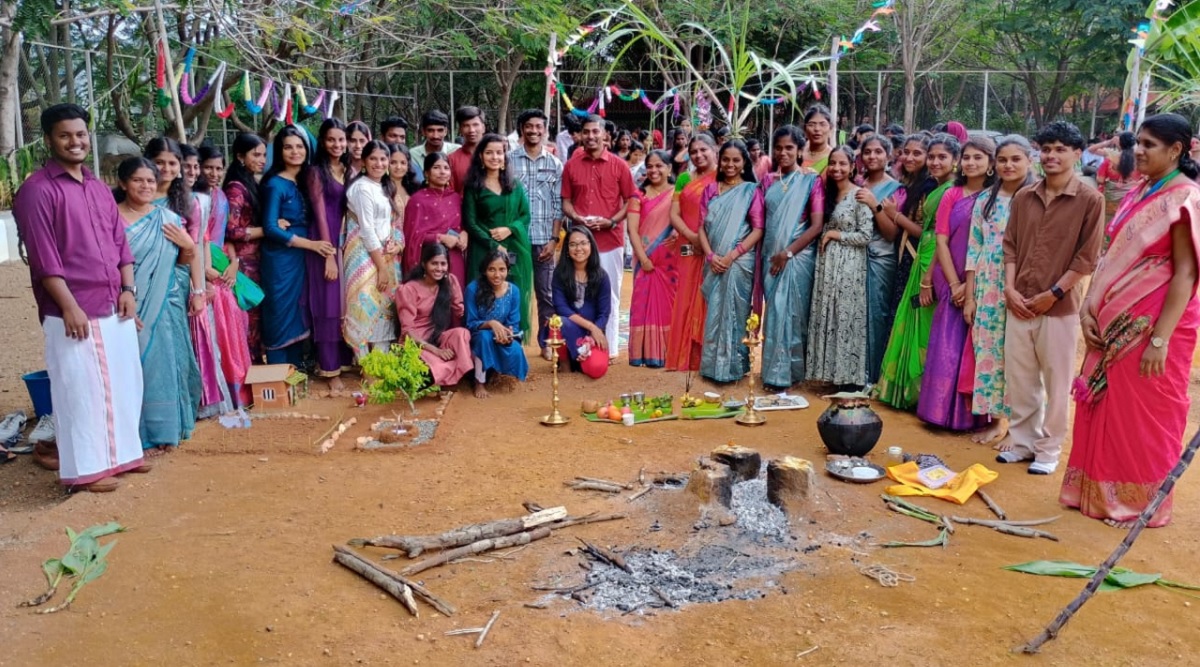
Bhogi is about cleansing, renewal, and welcoming good energy. Homes are deep-cleaned, entrances are decorated with fresh kolams, and in many places people light a bonfire to symbolise letting go of old habits and negativity.
- Best thing to experience: Early morning kolams and neighbourhood rituals
- What travellers can do: Walk through local streets, visit a nearby temple, and explore traditional markets
To understand the deeper meaning of kolam and how it is made, read: Cultural significance of Kolam art in Tamil Nadu
Day 2: Thai Pongal (15 January 2026) – The Main Day
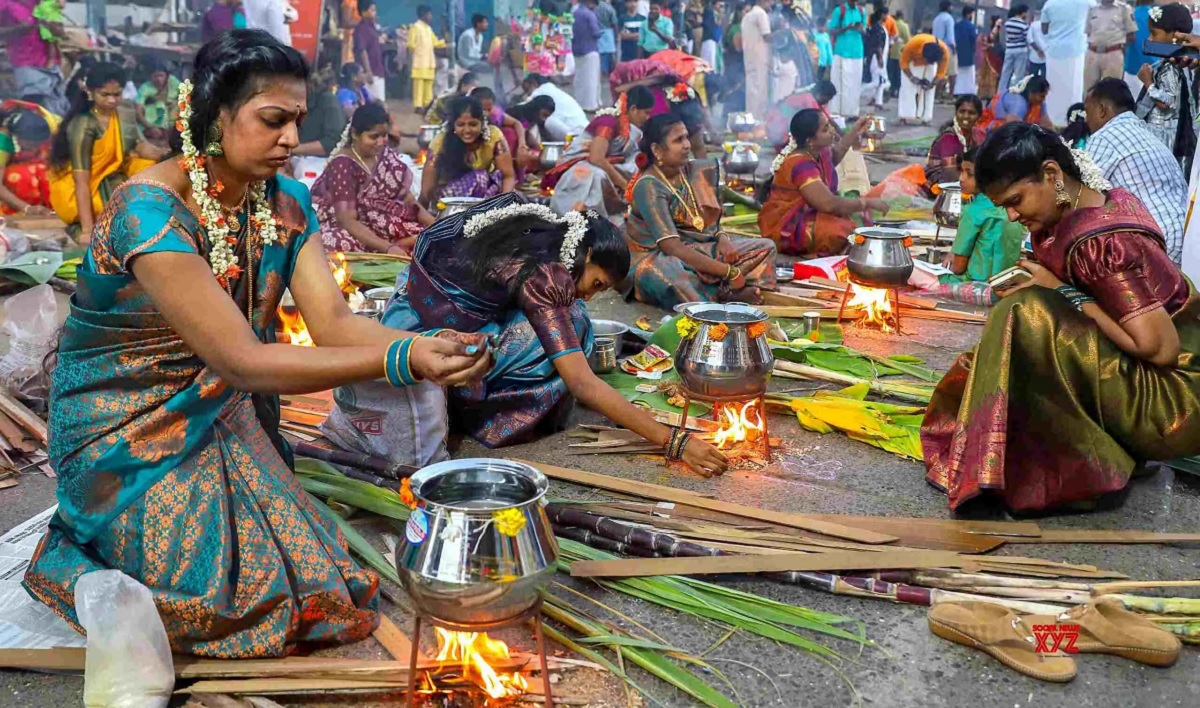
This is the most important day. Families cook the sacred Pongal dish using newly harvested rice, milk, and jaggery (sweet Pongal) or spices and ghee (ven Pongal). The pot boiling over is considered very auspicious.
- Key ritual: Pongal cooking (often outdoors or near a window/yard space)
- Offerings: Sugarcane, bananas, coconut, turmeric, and flowers
- Chant you’ll hear: “Pongalo Pongal” as the rice boils over
Day 3: Mattu Pongal (16 January 2026) – Worship of Cattle
Mattu Pongal celebrates cows and bulls, recognising their role in agriculture and rural life. Cattle are bathed, decorated with garlands, and fed special food. In some regions, traditional sports and village events are organised.
Traveller note: If you want to witness rural Pongal culture, this is the best day to be in or near a village setting.
Day 4: Kaanum Pongal (17 January 2026) – Outings & Social Day
Kaanum Pongal is the day for family outings, picnics, visiting relatives, and enjoying fairs. Popular tourist places and beach promenades in Tamil Nadu get lively.
Mythological Stories Linked to Pongal

Pongal traditions are also explained through popular mythological stories. One widely shared tale involves Lord Krishna and the Govardhan episode, teaching humility and correct devotion. Another legend highlights Nandi (Lord Shiva’s bull) and explains why cattle became central to agrarian life, reinforcing the importance of Mattu Pongal.
Pongal Rituals and Traditions (What You’ll See Everywhere)
1) Kolam at the Entrance
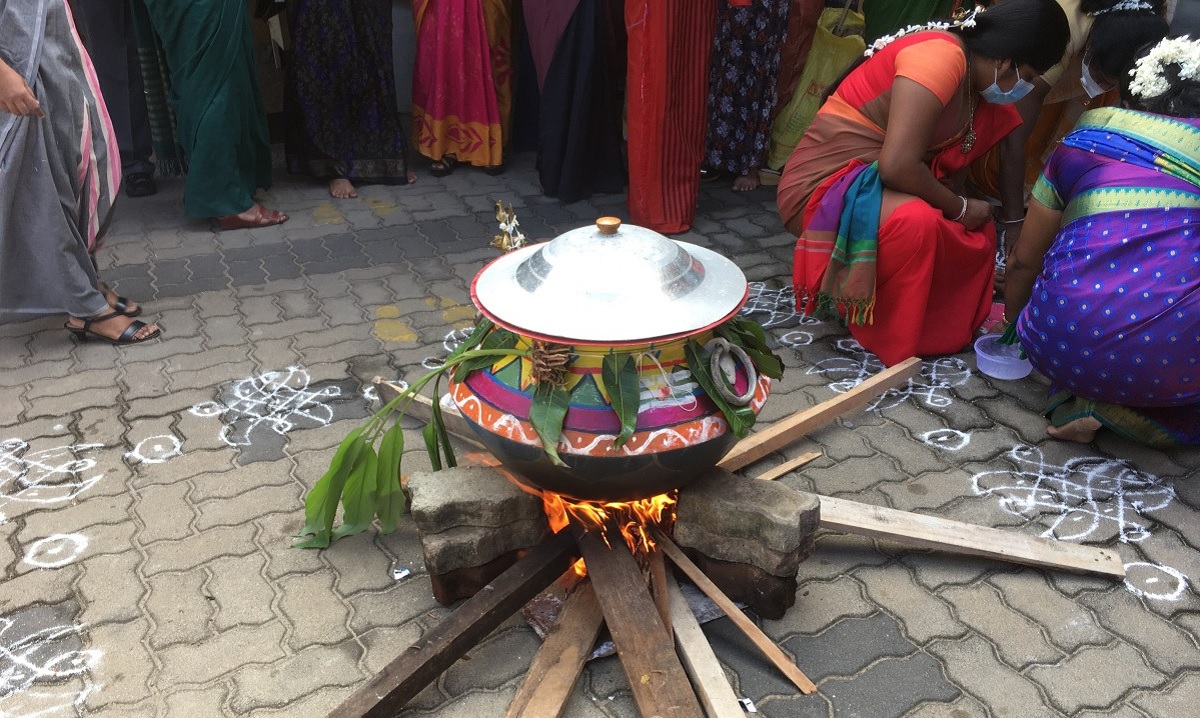
Kolams are drawn using rice flour (often with natural colours). They symbolise welcome, positivity, and prosperity. In many streets, you’ll see friendly “kolam competitions” too.
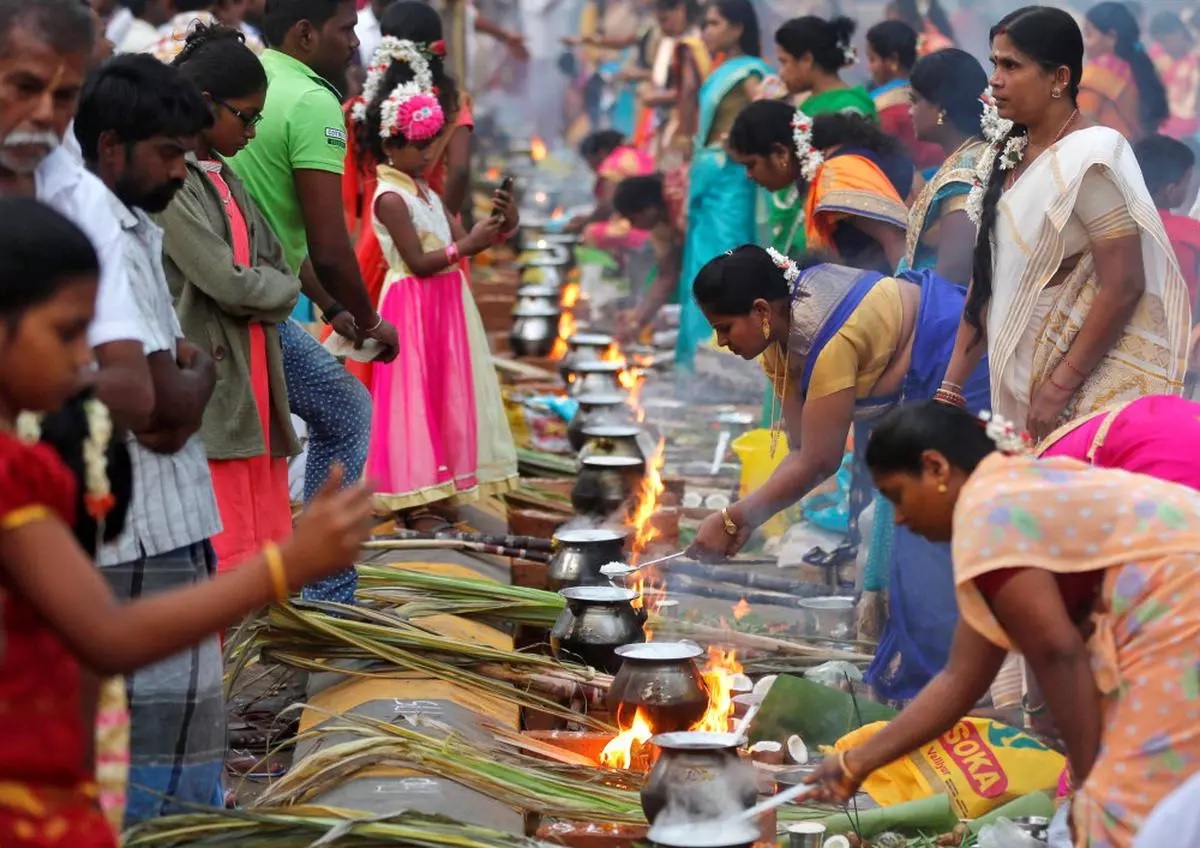
2) The Pongal Pot and “Boil Over” Moment
Families often use a new clay pot decorated with turmeric leaves. The moment the Pongal boils over is celebrated as a sign of overflowing blessings.
3) Temple Visits and Special Pujas
During Pongal week, temples in Tamil Nadu hold special prayers. If you are in Chennai, you can add temple visits to your plan with these guides:
Traditional Pongal Food: What to Eat (and What to Try as a Traveller)
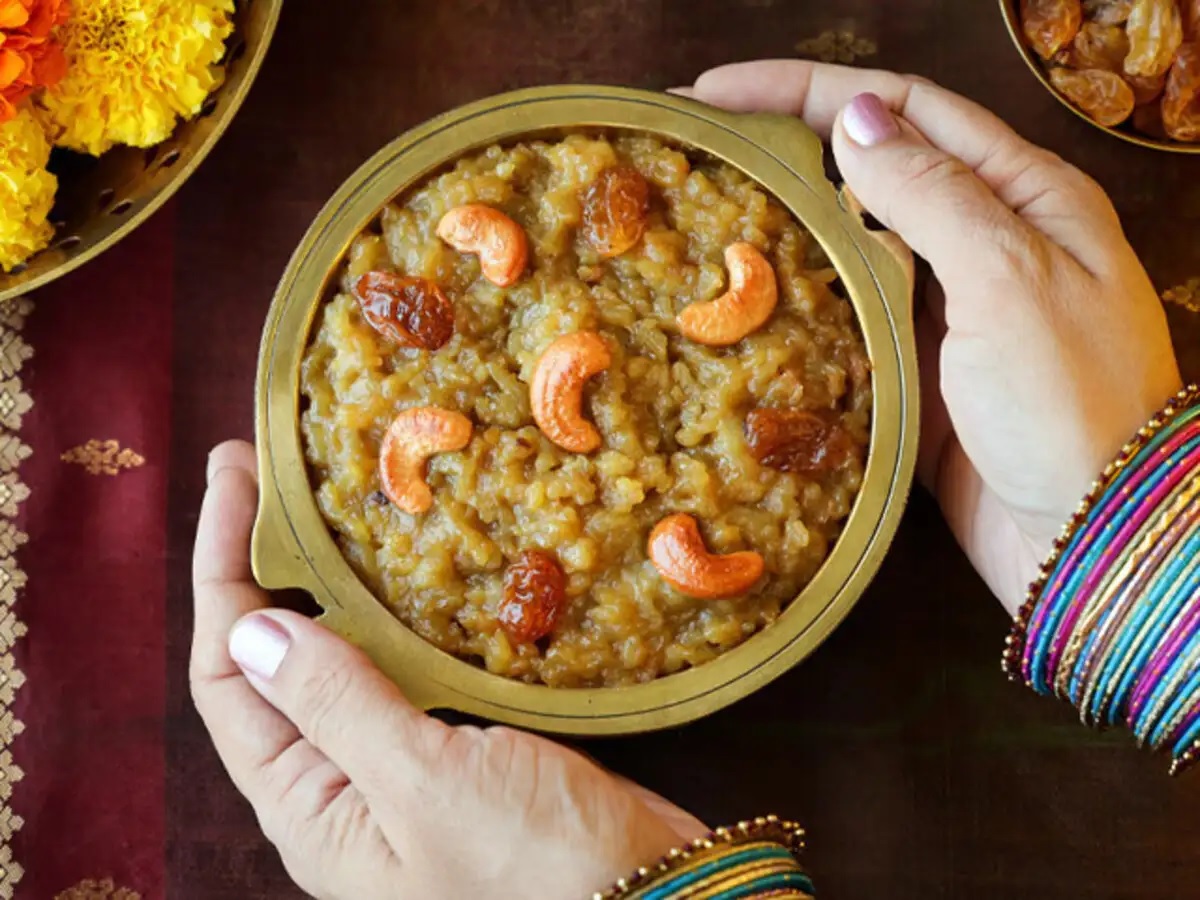
Pongal is a food-lover’s festival. If you are visiting Tamil Nadu during Pongal, don’t miss these classics:
- Sakkarai Pongal: Sweet rice cooked with jaggery, ghee, cardamom, cashews, raisins.
- Ven Pongal: Savoury rice with pepper, cumin, ghee, curry leaves.
- Murukku: Crunchy festive snack, perfect for train/bus journeys too.
- Seasonal sugarcane: A signature Pongal treat.
- Local village meals: Served on banana leaves with fresh harvest produce.
Food tip for travellers: If you are trying street Pongal, choose busy stalls where food is hot and freshly served.
Pongal Celebrations Across South India (Tamil Nadu + Neighbouring States)
While Pongal is strongest in Tamil Nadu, the same harvest season is celebrated in nearby states with their own names and customs:
Andhra Pradesh & Telangana
Celebrations overlap with Sankranti: rangoli, kite flying, festive cooking, and community gatherings.
Karnataka
Known as Suggi / Makara Sankranti in many regions, with ellu-bella sharing traditions.
Kerala
Kerala’s main harvest festival is Onam, but Pongal is celebrated by Tamil communities and in places close to Tamil Nadu.
Planning a longer South India route? Use this itinerary guide: 10, 14 & 21-day itineraries for Kerala, Karnataka & Tamil Nadu
Best Places to Celebrate Pongal in Tamil Nadu (2026 Travel List)
If you want a “real Pongal” experience as a traveller, choose places where you can combine local celebrations with sightseeing. Here are the top picks with helpful interlinks.
1) Chennai: Pongal fairs, beach vibe, temples, and easy day trips
Chennai is perfect for first-time visitors because you can experience Pongal culture and still travel comfortably.
- Do this: Visit local Pongal fairs, walk Marina Beach, enjoy cultural programs
- Don’t miss: Temple visits during Pongal week
- Best places to visit in Chennai
- Temples in Chennai (spiritual guide)
- Kapaleeswarar Temple guide
- Popular waterfalls near Chennai
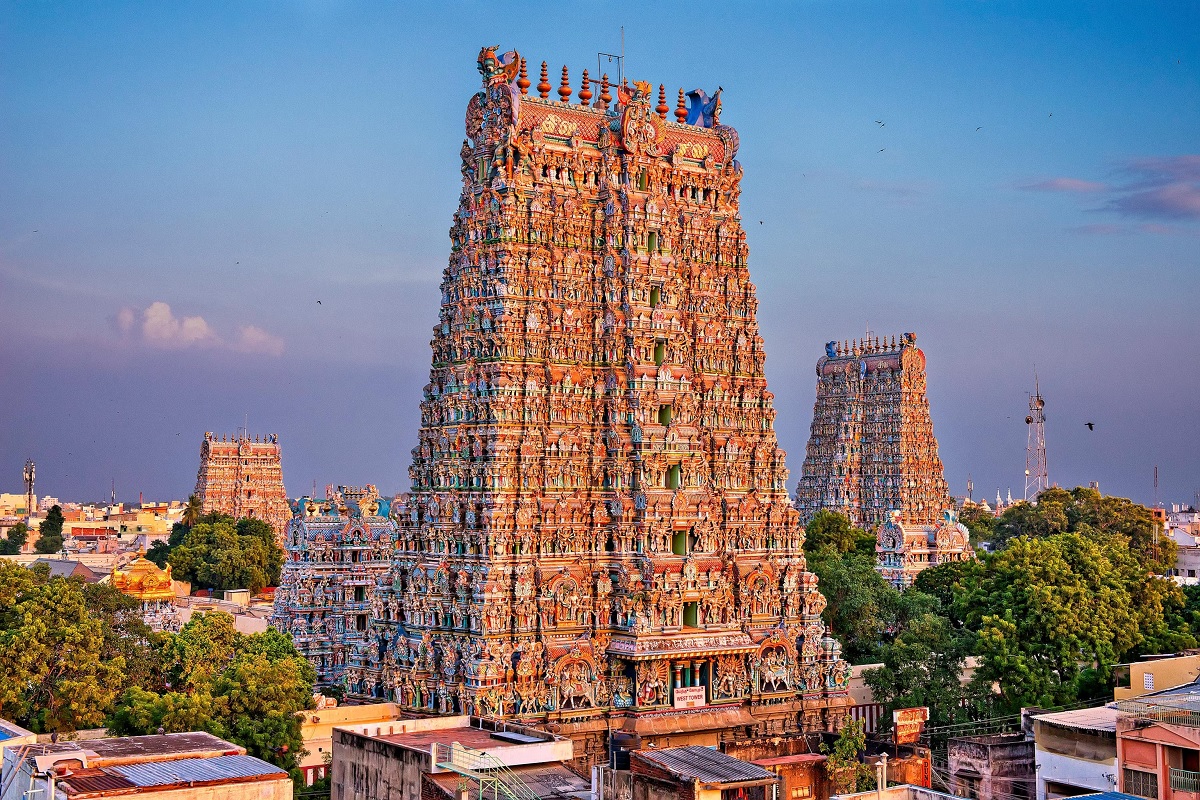
2) Madurai: Temple city + rural Pongal energy (great for Mattu Pongal vibes)
Madurai offers a strong cultural experience with temple visits and nearby village celebrations. If you want to witness traditional rural customs, Madurai district is a solid base.
3) Thanjavur (Tanjore): Heritage + temples + authentic Tamil culture
For travellers who love history and classical Tamil culture, Thanjavur is ideal during Pongal week.
Read this before you go: Why visit Thanjavur (Tanjore): attractions & best time
4) Mahabalipuram (Mamallapuram): Coastal heritage and cultural performances
Mahabalipuram is a fantastic add-on from Chennai during Pongal week for monuments, sea breeze, and cultural evenings.
5) Pondicherry: A relaxed Pongal-week escape from Chennai
Pondicherry gives you a calmer holiday mood while still staying close to Tamil culture and food. It’s perfect for couples and families.
Travel help: How to reach Pondicherry from Chennai
6) Rameshwaram: Spiritual Pongal with unique temple rituals
If your Pongal trip is more spiritual, combine it with Rameshwaram for temple darshan and sacred ritual experiences.
Read before visiting: Rameshwaram temple wells & rituals guide
7) Kanyakumari: Pongal week by the sea (sunrise and sunset)
Kanyakumari is ideal for Kaanum Pongal outings. Expect crowds, but the ocean views make it worth it.
Things to plan: Top things to do in Kanyakumari
8) Ooty & Tamil Nadu hill stations: Cool weather + scenic Pongal break
If you want a “festival + holiday” combo, do Pongal in Chennai/Coimbatore and head to Ooty or nearby hill stations.
- Best hill stations in Tamil Nadu
- Best time to visit Ooty (weather & places)
- How to reach Ooty from Bangalore by toy train
Best Pongal Trip Ideas (2 to 8 Days) – Easy Itineraries
Itinerary 1 (2–3 Days): Chennai + Mahabalipuram
- Day 1: Chennai temples + Pongal fair
- Day 2: Mahabalipuram day trip + coastal evening
- Day 3 (optional): Waterfalls / shopping / cultural show
Itinerary 2 (4–5 Days): Chennai + Pondicherry + Mahabalipuram
- Great for families and couples
- Mix of culture, beach time, food, and relaxed travel pace
Itinerary 3 (6–7 Days): Tamil Nadu Temple & Culture Circuit
If you want a deeper Tamil Nadu experience during Pongal week, consider a temple-focused route. Explore ready tour options:
- 6 Days Tamil Nadu Tour Package
- 6 Nights / 7 Days Tamil Nadu Tour
- 10 Days Tamil Nadu Temple Tour
- 12 Days Tamil Nadu with Pondicherry
Itinerary 4 (8–14 Days): Tamil Nadu + Kerala combo (best for first-timers)
Weather in Tamil Nadu During Pongal (Mid-January)
January is one of the best months to travel in South India. Days are comfortable, mornings are pleasant, and long sightseeing routes feel easier than summer months.
If you are extending your trip beyond Tamil Nadu, these January guides help with planning:
- South India weather in January guide
- Kerala in January guide
- Best places to visit in South India in January
Sustainable Pongal Practices (Eco-friendly Celebrations)
More families now celebrate Pongal with eco-friendly choices, without losing tradition:
- Use natural kolam powder and avoid plastic decorations
- Choose clay pots, steel plates, banana leaves (where available)
- Support local artisans and village fairs instead of mass-produced décor
- Respect animals during Mattu Pongal events and avoid harmful activities
Practical Travel Tips for Pongal Week (Crowds, Bookings, Safety)
- Book early: Chennai, Madurai, Thanjavur, and coastal destinations get busy in mid-January.
- Start early: Pongal cooking, temple activity, and street scenes are best in the morning.
- Dress smart: Light cottons for daytime, carry a thin layer for evenings and coastal wind.
- Local etiquette: Ask before photographing rituals inside homes or village areas.
- Transport: Expect higher demand for trains and buses around 14–17 January.
Conclusion: Why Pongal 2026 is Worth Experiencing
Pongal is one of the best times to experience Tamil Nadu beyond sightseeing. You’ll witness living traditions: kolams at dawn, Pongal pots boiling over, temple bells, sugarcane markets, folk performances, and the warm social rhythm of a harvest celebration. Whether you stay in Chennai for comfort, choose Madurai for cultural depth, or combine Tamil Nadu with Kerala for a longer winter trip, Pongal 2026 can be the highlight of your January travel calendar.
Explore Tamil Nadu tours: Tamil Nadu travel guide & tours
People Also Ask (FAQ) – Pongal Festival 2026
What are the dates for Pongal 2026 in Tamil Nadu?
Pongal 2026 is celebrated in mid-January. Bhogi is on 14 January 2026, the main Thai Pongal day is on 15 January 2026, followed by Mattu Pongal on 16 January and Kaanum Pongal on 17 January.
Which day is the main Pongal day?
Thai Pongal is considered the main day of Pongal celebrations. This is when families prepare the Pongal dish and offer prayers to the Sun God.
Where is the best place to celebrate Pongal as a tourist?
For first-time visitors, Chennai is the easiest base. For deeper cultural vibes, try Madurai and Thanjavur. For coastal sightseeing, add Mahabalipuram, Pondicherry, or Kanyakumari.
What is special about Mattu Pongal?
Mattu Pongal is dedicated to cattle. Cows and bulls are decorated and honoured for their role in agriculture. Rural areas often host community events and traditional celebrations.
What are the must-try foods during Pongal?
Don’t miss Sakkarai Pongal (sweet), Ven Pongal (savoury), murukku, and seasonal sugarcane. Many homes also serve festive banana-leaf meals with harvest vegetables.
Can I combine Pongal celebrations with a Tamil Nadu + Kerala trip?
Yes. Pongal week is a great time to do a longer route. Use: Kerala–Karnataka–Tamil Nadu itinerary guide or pick a ready tour like 8 Days Tamil Nadu Kerala Tour.


