When most people think of Indian travel, their minds instantly jump to Rajasthan’s forts, Kerala’s backwaters, or Goa’s beaches. Yet quietly resting on India’s eastern coast is Odisha (formerly Orissa), a state with a history as deep as its cultural tapestry. It is home to ancient temples, sun-soaked beaches, vibrant tribal traditions, exquisite handicrafts, and abundant wildlife.
For a traveler looking for a mix of spirituality, culture, and nature, Odisha is an unbeatable choice. It’s the land of the Jagannath Temple in Puri, the Sun Temple at Konark (UNESCO World Heritage Site), and the tribal heartlands of Koraput and Mayurbhanj. Beyond monuments, Odisha invites you with Chilika Lake’s dolphins, Simlipal’s tigers, Raghurajpur’s artisans, and festivals like the Rath Yatra, where millions of devotees pull colossal wooden chariots in devotion to Lord Jagannath.
A 7-day journey through Odisha gives you enough time to see the spiritual icons, explore the living traditions, taste local food, and immerse yourself in its natural beauty—without rushing.
How to Reach Odisha
By Air
- Bhubaneswar’s Biju Patnaik International Airport is the main entry point.
- Direct flights connect from Delhi, Mumbai, Kolkata, Hyderabad, Chennai, and Bangalore.
- International connections are limited but available from Bangkok, Kuala Lumpur, and Dubai on certain schedules.
By Train
- Odisha has excellent rail connectivity.
- Bhubaneswar, Puri, and Cuttack are major railway junctions.
- Trains like the Konark Express (Mumbai–Bhubaneswar) and Howrah–Puri Express make access easy.
Travel By Road
- National Highways (NH-16, part of the Golden Quadrilateral) connect Odisha to Kolkata, Visakhapatnam, and other coastal cities.
- Buses from West Bengal and Andhra Pradesh are frequent.
Insider Tip: If flying in, land in Bhubaneswar—it’s central to all major sights and is the best base for starting your trip.
Discover More on This Topic: Offbeat Places to Visit in India – September 2025 Guide
Best Time to Visit Odisha
- Winter (October–February): The best time. Pleasant weather (15–25°C) for sightseeing, temple visits, and wildlife safaris. This is also festival season, including Puri’s famous Rath Yatra in late June/early July.
- Summer (March–June): Hot and humid, with temperatures often above 35°C. Best avoided unless you’re used to tropical heat.
- Monsoon (July–September): Heavy rainfall. Lush landscapes and tribal markets are beautiful, but travel disruptions are common.
Verdict: October to February is ideal, with December and January being the most popular months for tourists.
See the Full Itinerary for Your Trip: Discover Odisha with 4 Days Short Tour Package
7-Day Suggested Itinerary for Odisha
Day 1: Bhubaneswar – The Temple City of India
Morning: Arrival & Lingaraj Temple
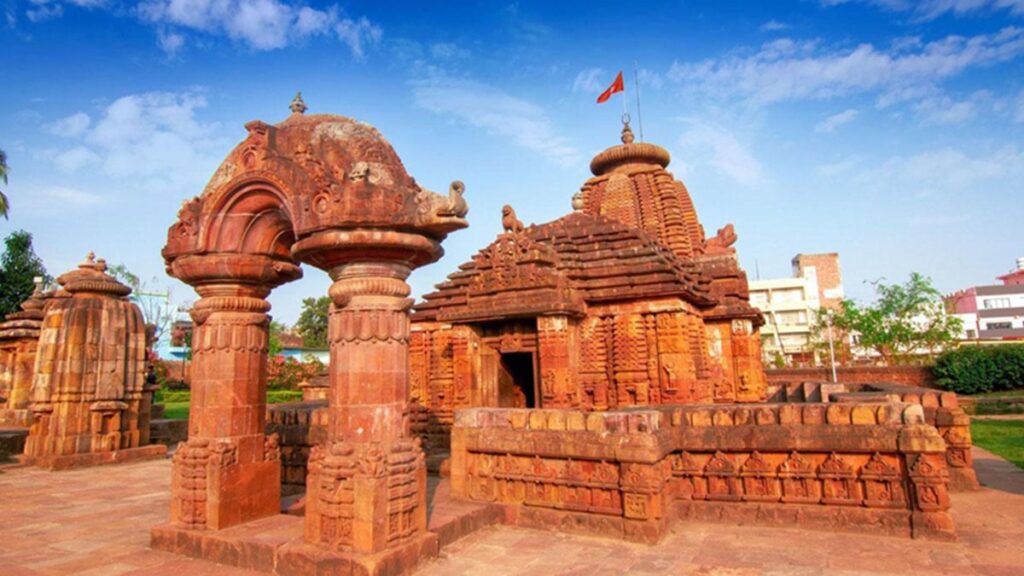
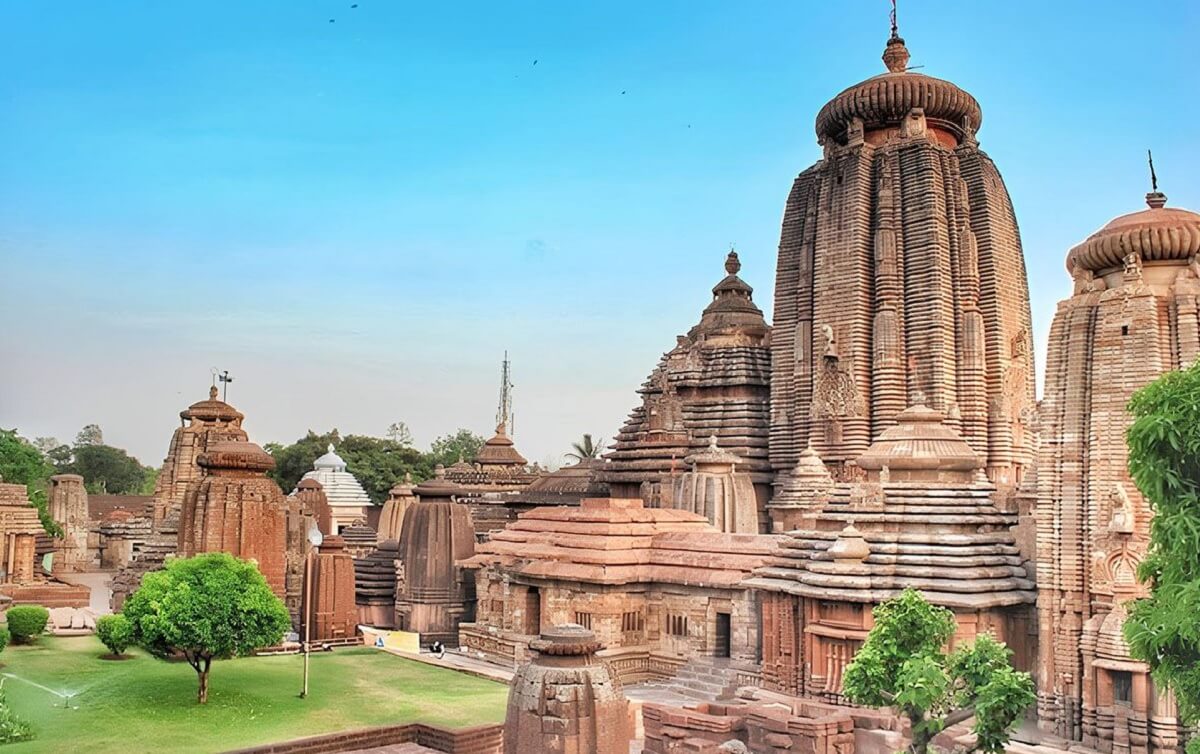
Bhubaneswar, known as the “City of Temples,” is your entry point. With over 500 temples, the city feels like an open-air museum of Kalinga architecture.
- Start at Lingaraj Temple, an 11th-century masterpiece dedicated to Lord Shiva. Its towering spire dominates the skyline and offers a glimpse into Odisha’s intricate stone carving traditions.
- Non-Hindus cannot enter the sanctum but can view the temple complex from an adjoining platform.
Explore Related Insights: Lingaraj Temple Bhubaneswar – History & Architecture
Afternoon: Udayagiri & Khandagiri Caves
- Just outside Bhubaneswar are these twin hills with ancient Jain caves carved in the 2nd century BCE.
- They are dotted with rock-cut chambers once used by monks and hermits.
- Climb up for panoramic views of the city and a sense of Odisha’s deep Jain and Buddhist past.
Evening: Odisha State Museum or Ekamra Haat
- If history interests you, head to the Odisha State Museum for sculptures, inscriptions, and manuscripts.
- For shopping and a cultural introduction, visit Ekamra Haat, a crafts village selling palm-leaf paintings, appliqué work, and tribal jewelry.
Dinner & Stay: Stay overnight in Bhubaneswar. Luxury options include Mayfair Lagoon, while Ginger Hotel or La Franklin suit mid-budget travelers.
Insider Tip: Bhubaneswar evenings are pleasant—try street food like dahi bara aloo dum (spiced lentil dumplings in yogurt) or bara ghuguni (fried lentil patties with chickpea curry).
Get a Glimpse of Your Trip Itinerary: Plan 7 Days Odisha Tour with Complete Itinerary
Day 2: Puri – Spirituality & Sand
Morning: Jagannath Temple
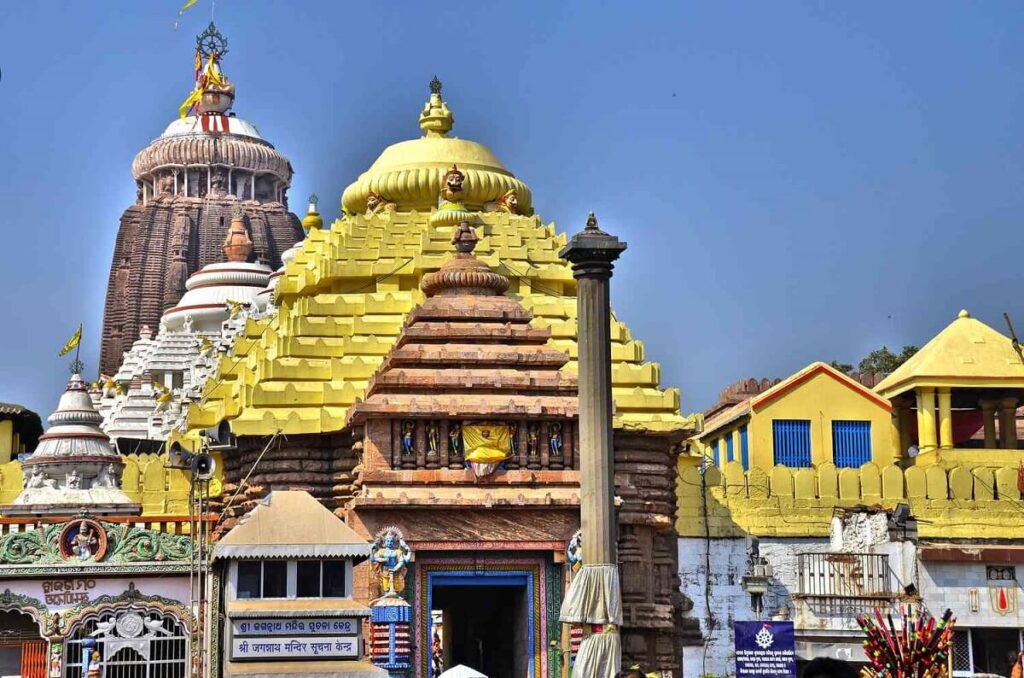
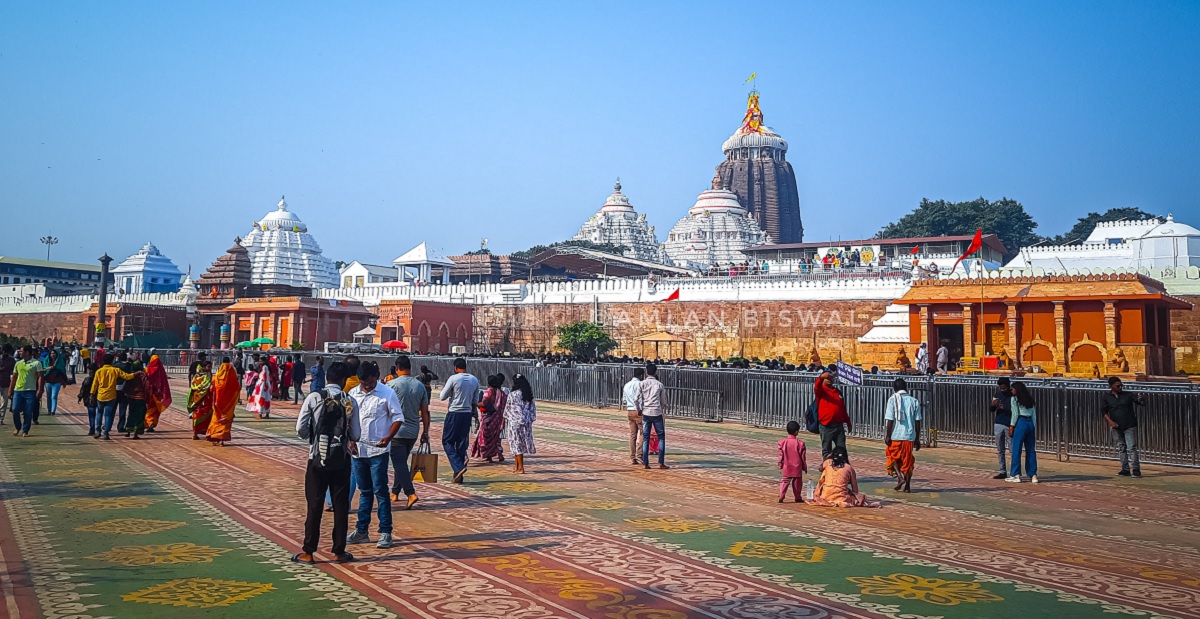
Take a 1.5-hour drive to Puri, one of the four Char Dham pilgrimage sites in India. The Jagannath Temple is the heart of this city.
Get Complete Details on Darshan & Puja Timings: Jagannath Temple Puri – Timings, Location & Entry Guide
- Dedicated to Lord Jagannath (a form of Vishnu), it’s one of India’s holiest shrines.
- Only Hindus can enter the sanctum, but the energy of the place is magnetic even from outside.
- The temple kitchen is considered the world’s largest, feeding thousands daily. Don’t miss tasting the Mahaprasad, a sacred meal cooked in earthen pots.
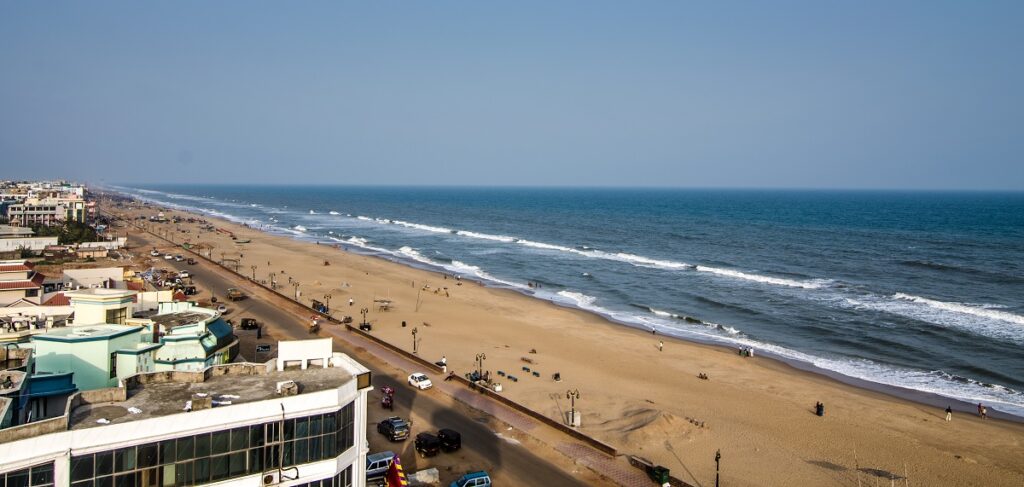
Afternoon: Puri Beach
- Relax at Puri Beach, famous for its golden sands and rolling waves.
- It’s also a hub for sand art, pioneered by Sudarsan Pattnaik, an international award-winning artist from Odisha.
Evening: Gundicha Temple & Local Markets
- Visit Gundicha Temple, known as the destination of the annual Rath Yatra.
- Explore local markets for souvenirs like seashell crafts and applique textiles from Pipili.
Stay: Overnight in Puri. Hotels like Mayfair Heritage or Hans Coco Palms provide beachside luxury, while Z Hotel is a heritage option with colonial charm.
Food Tip: Try Khaja, a flaky sweet unique to Puri, sold in stalls around the temple.
Know the Latest Temple: Essential Temple Etiquette Tips for Travellers in India
Day 3: Konark & Chilika Lake – Sun, Stone, and Saltwater Magic
Morning: Konark Sun Temple (UNESCO World Heritage Site)
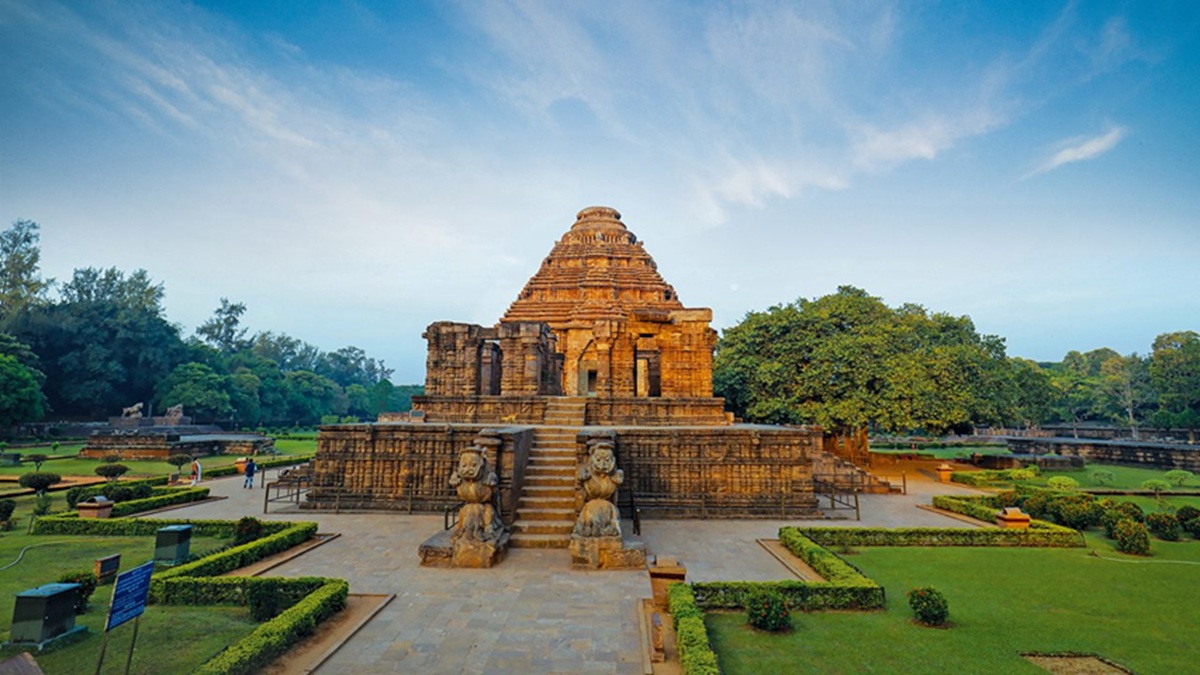
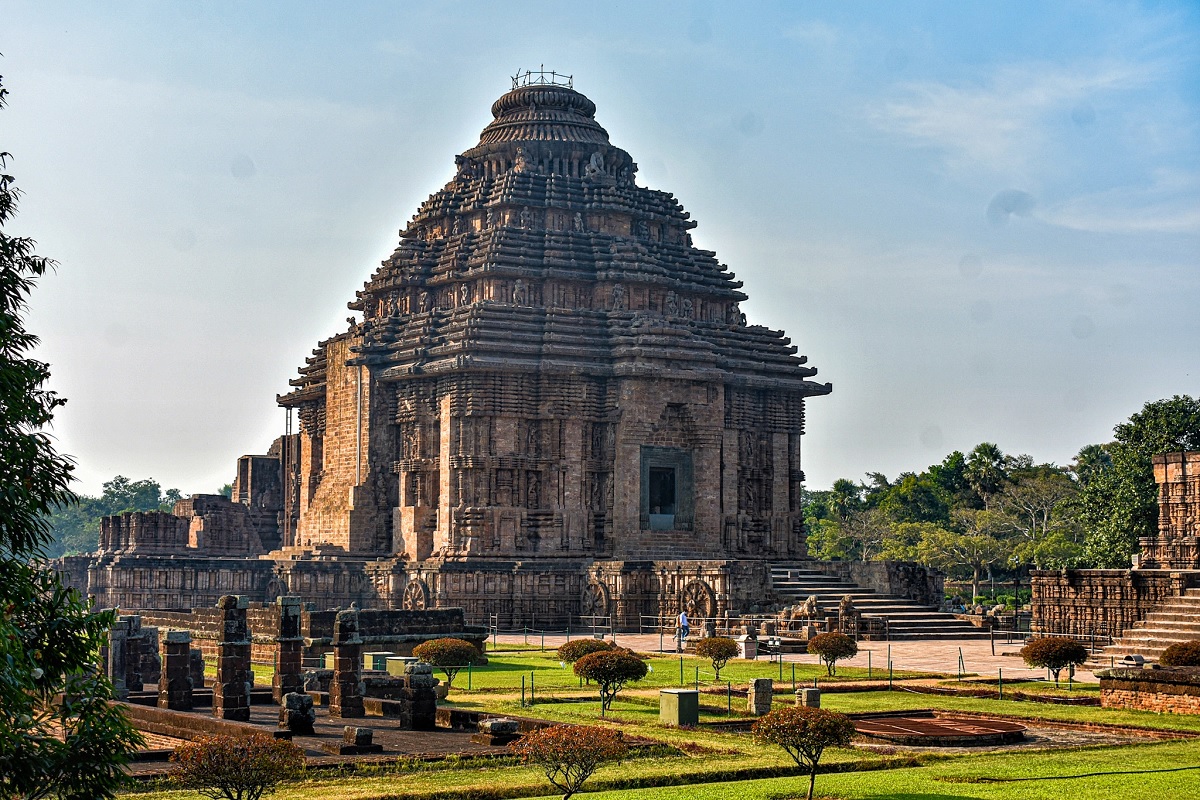
From Puri, take a 35-km (1-hour) drive to Konark, home to the iconic Sun Temple, one of the most spectacular examples of Kalinga architecture.
- Built in the 13th century by King Narasimhadeva I, the temple is designed in the shape of a colossal chariot dedicated to the Sun God, with 24 intricately carved stone wheels and seven horses.
- Although partially in ruins, the sheer scale and detailing of its sculptures—depicting celestial dancers, mythical creatures, and everyday life—leave visitors in awe.
- Visit early morning to avoid crowds and to catch the temple bathed in golden sunlight.
Travel Tip: The temple complex also houses the Konark Museum, showcasing recovered sculptures and artifacts.
Afternoon: Drive to Satapada (Chilika Lake)
After lunch, head to Satapada, about 2 hours from Konark, on the banks of Chilika Lake—Asia’s largest brackish water lagoon.
- Board a boat for a 2–3 hour ride across the shimmering waters.
- Spot Irrawaddy dolphins, unique to this region, and explore small islands like Nalabana Bird Sanctuary, a haven for migratory birds in winter.
- The lake is dotted with fishermen casting nets, giving you glimpses of rural life.
Evening: Return to Puri for the night.
Food Tip: Try fresh prawn curry or crab masala at local dhabas near Satapada. Seafood here is simple but mouth-wateringly fresh.
Start Exploring with This Itinerary Guide: Explore 9 Days Odisha Wildlife Tour Package
Day 4: Raghurajpur & Pipili – Villages of Art and Craft
Morning: Raghurajpur Heritage Crafts Village
Located just 14 km from Puri, Raghurajpur is a living museum of Odisha’s traditional arts.
- Every household here is an artist’s workshop. The village is famed for Pattachitra paintings, intricate works done on cloth and palm leaves.
- You can also see artisans creating toys, papier-mâché masks, coconut crafts, and tussar paintings.
- Many families welcome visitors into their homes, demonstrating how natural colors are prepared and paintings are drawn.
- Shopping here directly supports the artists, and you can even commission customized artwork.
Afternoon: Pipili Appliqué Village
Continue 20 km to Pipili, renowned for its appliqué handicrafts—colorful textiles stitched into lampshades, wall hangings, umbrellas, and canopies.
- The streets are lined with stalls, dazzling with bright patchwork in traditional motifs.
- Historically, Pipili crafts were used for decorating chariots during the Jagannath Rath Yatra. Today, they are sought-after souvenirs.
Evening: Return to Bhubaneswar
Drive back to Bhubaneswar (about 1 hour). Use the evening for a relaxed dinner.
- Try Dalma, Odisha’s signature dish of lentils cooked with vegetables and tempered with panch phoron spices.
- Restaurants like Dalma or Truptee serve authentic local meals.
Stay: Overnight in Bhubaneswar.
Insider Tip: Both Raghurajpur and Pipili are UNESCO-recognized craft hubs. They are perfect for photography, shopping, and understanding Odisha’s living traditions.
Explore Top Attractions in: Best Less Crowded Places to Visit in India – October 2025
Day 5: Cuttack & Dhauli – History, Crafts, and Peace

Morning: Drive to Cuttack
About 30 km (45 minutes) from Bhubaneswar lies Cuttack, Odisha’s former capital and one of India’s oldest cities. Known as the “Millennium City”, it blends history with craftsmanship.
Learn More About: Best Things to Do in Cuttack Odisha
- Visit the Barabati Fort, whose ruins still whisper tales of medieval Odisha.
- Stroll through bustling markets, famous for silver filigree jewelry (Tarakasi work)—delicate designs shaped into necklaces, idols, and decorative pieces.
Afternoon: Netaji Birthplace Museum & Local Sweets
- Pay homage at the Netaji Birthplace Museum, the ancestral home of Subhas Chandra Bose. It offers rare photographs, artifacts, and documents from his life.
- Don’t leave without tasting Rasgulla and Chhena Poda—Odisha is the original birthplace of Rasgulla, and Cuttack sweet shops are legendary.
Evening: Dhauli Peace Pagoda (Shanti Stupa)
On the way back to Bhubaneswar, stop at Dhauli Hills, where the Kalinga War took place in the 3rd century BCE.
- It was here that Emperor Ashoka embraced Buddhism after witnessing the carnage of war.
- Today, the site is marked by the Shanti Stupa (Peace Pagoda), built in collaboration with Japanese Buddhists.
- Visit at sunset, when the white stupa glows against the sky, creating a serene atmosphere.
Stay: Overnight in Bhubaneswar.
Food Tip: Sample Cuttack Dahibara Aloodum, a street food legend—fried lentil dumplings soaked in yogurt, served with spicy potato curry. It’s addictive and unique to this region.
Uncover Hidden Gems of: Top Heritage Towns in India – Travel Guide
Day 6: Into Tribal Odisha – Culture, Colors, and Communities
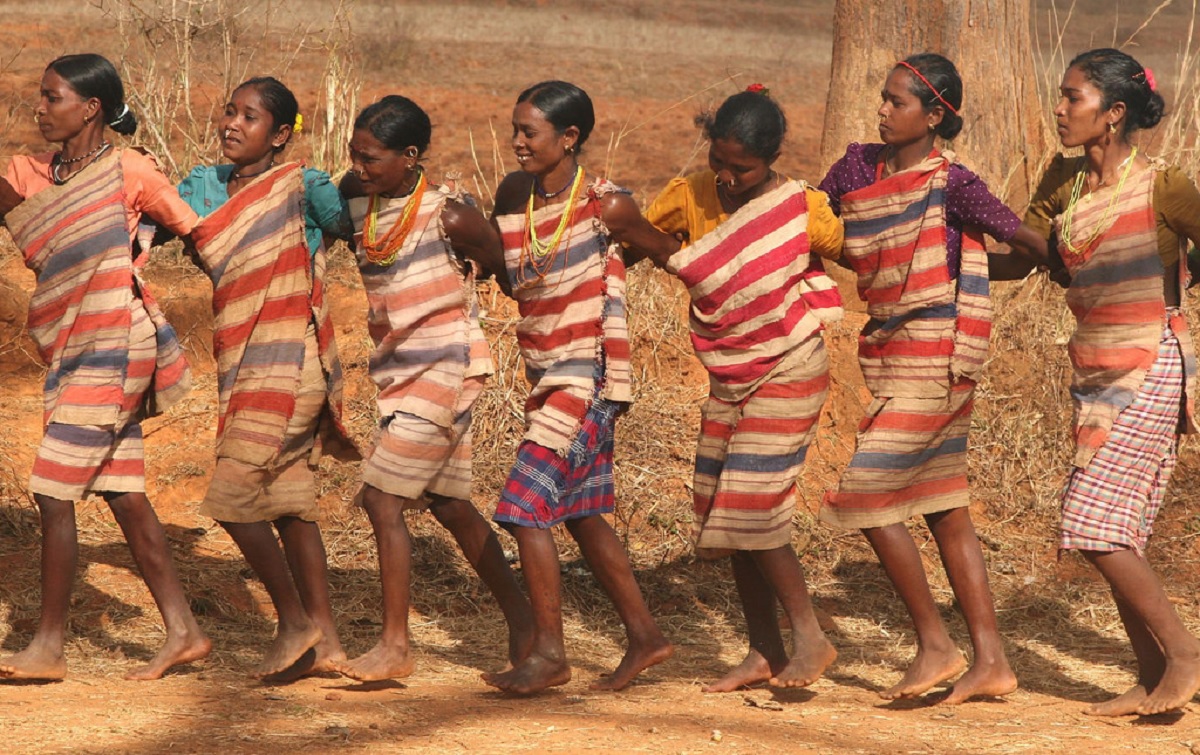
Odisha is home to more than 60 tribal communities, each with its own traditions, crafts, and festivals. While a week doesn’t allow for an in-depth tribal circuit (which usually needs 10–12 days), a day trip to the tribal regions gives you a glimpse into their fascinating way of life.
Option 1: Koraput (Southern Odisha)
- Famous for the Dongria Kondh tribe, known for their colorful attire, jewelry, and worship of nature.
- Weekly markets (haats) are vibrant—selling handwoven fabrics, organic produce, forest honey, and handmade ornaments.
- The Jagannath Temple in Koraput is unique—open to all, regardless of religion or caste.
Option 2: Keonjhar & Mayurbhanj (Northern Odisha)
- Rich in tribal dance traditions like Chhau, a martial art-inspired performance using masks.
- Villages here are surrounded by lush forests and waterfalls.
- If you’re interested in handicrafts, these regions produce exquisite dokhra (metal casting) and tribal jewelry.
Insider Experience: Many tour operators in Bhubaneswar and Puri offer curated tribal tours, which include visits to villages, markets, and cultural performances. Always choose responsible tourism agencies that ensure respect for local communities.
Food Tip: Try simple tribal meals—rice or millet-based dishes with foraged greens and smoked fish. The flavors are earthy, healthy, and deeply connected to the forest ecosystem.
Stay: For deeper exploration, Koraput has basic lodges, while Mayurbhanj has eco-resorts. For this 7-day plan, return to Bhubaneswar or base yourself in Cuttack.
Day 7: Wildlife and Nature – Simlipal or Bhitarkanika
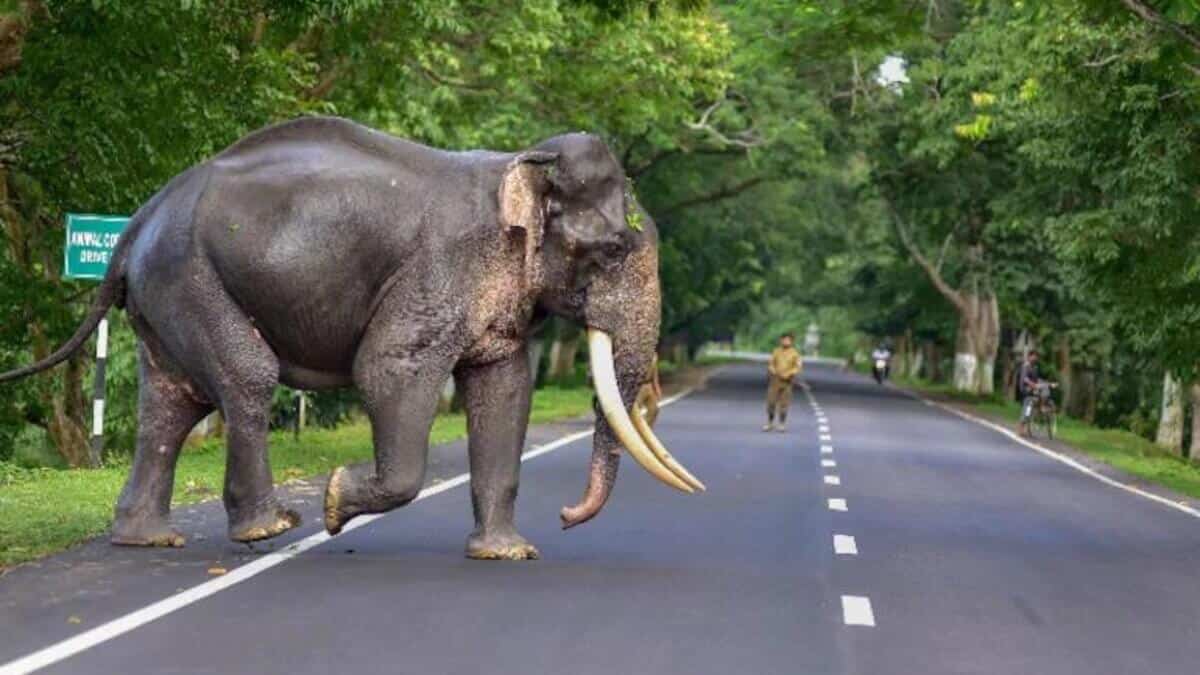
Your final day in Odisha is reserved for nature and wildlife. Depending on your interest, you can choose between Simlipal National Park or Bhitarkanika National Park.
Learn More About: Chilika Lake Odisha – Birdwatching & Village Experience
Option 1: Simlipal National Park (Mayurbhanj District)
- A UNESCO Biosphere Reserve, Simlipal is home to tigers, leopards, elephants, and 230+ bird species.
- The landscape is a mix of dense forests, meadows, and waterfalls like Barehipani and Joranda (two of India’s highest waterfalls).
- Best season: October–June (closed during monsoon).
Option 2: Bhitarkanika National Park (Kendrapara District)
- Known as India’s mini-Amazon, Bhitarkanika is a vast mangrove ecosystem.
- Famous for its saltwater crocodiles, king cobras, and water birds.
- Boat safaris through mangrove creeks are thrilling and photogenic.
- The park also has cultural significance—ancient temples and old settlements hidden within.
Travel Note:
- Simlipal is about 4–5 hours from Bhubaneswar.
- Bhitarkanika is closer (3–4 hours) and easier for a day trip.
Stay: Both parks have eco-cottages and forest lodges, but for a 7-day trip, it’s easier to do a day excursion and return to Bhubaneswar for the night.
Discover More on This Topic: Karlapat Wildlife Sanctuary Odisha Travel Guide
Where to Stay in Odisha (City by City)
Bhubaneswar
- Luxury: Mayfair Lagoon, Trident Bhubaneswar
- Mid-range: Hotel Swosti Premium, La Franklin
- Budget: Ginger Hotel, Pal Heights
Puri
- Luxury: Mayfair Heritage, Hans Coco Palms
- Mid-range: Sterling Puri, Toshali Sands
- Budget: Z Hotel, small guesthouses near the beach
Konark
- Mid-range: Lotus Eco Resort
- Budget: Simple government-run OTDC Panthanivas
Cuttack
- Mid-range: Pramod Convention & Club Resort
- Budget: OYO and small business hotels
Tribal Areas & Wildlife Zones
- Basic eco-lodges, OTDC tourist bungalows, or homestays.
Food Guide: What to Eat in Odisha
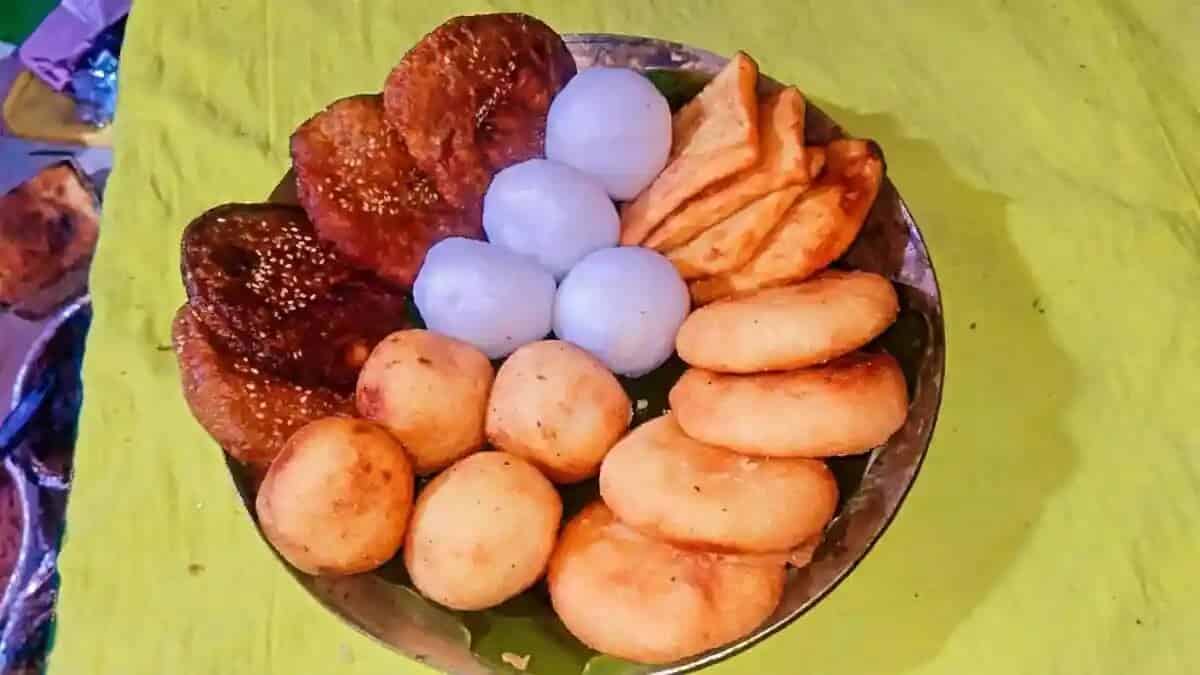
Odisha’s cuisine is simple, nourishing, and heavily tied to its temple culture and coastline.
- Mahaprasad (Puri Jagannath Temple): Sacred meal of rice, dal, and vegetables cooked in earthen pots.
- Dalma: A wholesome lentil-and-vegetable stew with minimal oil and spices.
- Chhena Poda: A caramelized cottage cheese dessert, often called Odisha’s cheesecake.
- Rasabali (Kendrapara): Flattened cheese patties soaked in thickened milk.
- Pakhala Bhata: Fermented rice with curd and green chilies, eaten in summer.
- Seafood: Fresh prawns, crabs, and fish curries in coastal towns like Puri and Chilika.
- Street Food: Dahibara Aloodum in Cuttack, Bara Ghuguni in Bhubaneswar.
Pro Tip: Food in Odisha is less oily and spicy compared to many Indian cuisines, making it suitable for families and elderly travelers.
Unveil the Travel Schedule Here: Book 10 Days Odisha Tribal Tour with Itinerary
Cultural Experiences Not to Miss
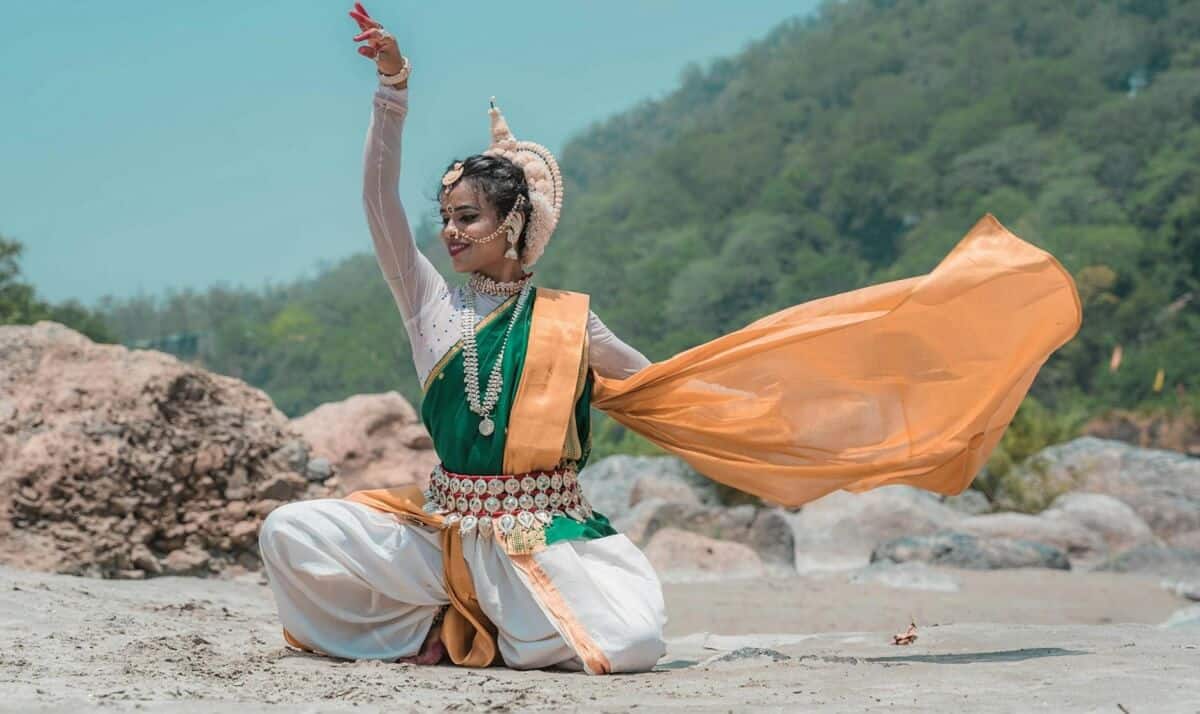
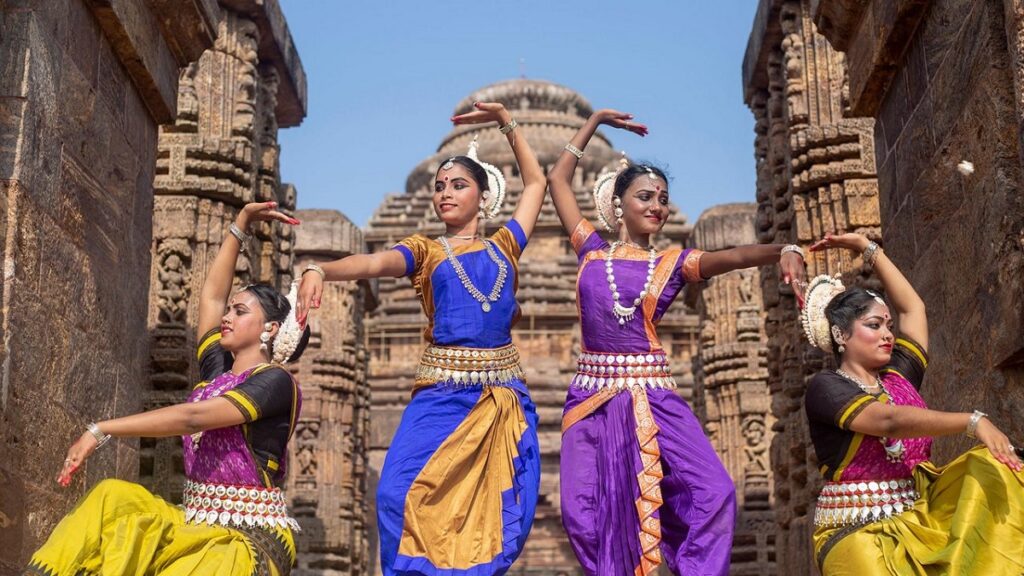
- Odissi Dance: Attend a live Odissi performance in Bhubaneswar or at a cultural center like Rabindra Mandap.
- Puri Rath Yatra (Car Festival): Held annually in June–July, it’s one of the world’s largest religious gatherings.
- Sand Art at Puri Beach: Learn about this unique art form with workshops from local artists.
- Handicraft Shopping: Pattachitra from Raghurajpur, appliqué from Pipili, silver filigree from Cuttack.
- Tribal Markets: Weekly haats in Koraput or Mayurbhanj are authentic cultural windows.
Practical Travel Tips for Odisha
- Transport: Taxis and auto-rickshaws are common. For intercity travel, private cars or state buses are available.
- Language: Odia is the local language, but Hindi and English are widely understood in cities.
- Safety: Odisha is safe for families and solo travelers. Respect local customs, especially in temples.
- Cash vs Digital: ATMs are common in cities, but carry cash for villages and tribal regions.
- Responsible Tourism: Avoid disturbing wildlife, respect tribal privacy, and purchase crafts directly from artisans.
Explore Related Insights: Top Things to Do in Bhubaneswar – Temples & Heritage
Estimated Cost of a 7-Day Odisha Trip (per person)
- Budget: ₹18,000–22,000 (local trains/buses, guesthouses, simple meals)
- Mid-Range: ₹28,000–40,000 (domestic flights, private taxis, 3-star hotels, entry fees, activities)
- Luxury: ₹60,000+ (premium hotels, guided tours, wildlife lodges, cultural shows)
Note: Costs vary with season. Rath Yatra and December–January are peak seasons with higher rates.
Frequently Asked Questions about Odisha Travel
1. How many days are enough to explore Odisha?
While 7 days give you a balanced introduction to Odisha’s temples, beaches, crafts, and wildlife, the state is vast and diverse. For first-time travelers, one week is sufficient to cover the “Golden Triangle” of Bhubaneswar–Puri–Konark, plus excursions to Chilika Lake, Cuttack, and craft villages. If you want to dive deeper into tribal Odisha (Koraput, Mayurbhanj), attend local festivals, or spend more time in wildlife parks like Simlipal and Bhitarkanika, 10–14 days would be ideal. Many cultural travelers plan their visits around festivals like Rath Yatra in Puri or Konark Dance Festival, extending trips for an immersive experience. Families, solo travelers, and couples can comfortably see Odisha’s highlights in 7 days, but serious heritage or eco-tourists may want longer. Think of a week as a teaser—you’ll see the essentials, but you’ll likely want to return for more.
2. Is Odisha only for temple and religious tourism?
No. While Odisha is famous for its temples, especially Jagannath Temple in Puri and the Sun Temple in Konark, it offers much more. The coastline has serene beaches like Chandrabagha and Puri, wildlife lovers can explore Bhitarkanika mangroves and Simlipal National Park, and culture seekers can experience Odissi dance performances, sand art workshops, and village crafts. Odisha is also known for tribal tourism, where visitors can learn about unique traditions, weekly haats (markets), and indigenous crafts. Adventure travelers can enjoy boat rides in Chilika Lake, trekking in waterfalls around Mayurbhanj, or cycling through heritage trails in Bhubaneswar. Foodies discover Odisha’s unique cuisine, from temple Mahaprasad to seafood curries and sweets like Chhena Poda. In short, Odisha blends religion, culture, art, food, and nature, making it more than just a pilgrimage destination—it’s a holistic travel experience.
3. What are the best offbeat places to visit in Odisha?
Beyond the famous trio of Bhubaneswar–Puri–Konark, Odisha has numerous offbeat gems. Bhitarkanika National Park is one of the world’s largest mangrove ecosystems, home to giant saltwater crocodiles and rare birdlife. Simlipal National Park in Mayurbhanj is a UNESCO Biosphere Reserve with tigers, elephants, and stunning waterfalls. For culture, Raghurajpur and Pipili are living art villages where every home is an artist’s studio. Koraput offers tribal traditions, weekly markets, and lush hills. Daringbadi, often called the “Kashmir of Odisha,” surprises visitors with pine forests and cool weather. Coastal travelers can relax at lesser-known beaches like Chandipur, where the sea recedes up to 5 km at low tide, creating a surreal landscape. These offbeat destinations show a quieter, more authentic Odisha, away from crowds, making them perfect for travelers seeking unique and immersive experiences.
4. What are the must-try foods in Odisha?
Odisha’s cuisine is deeply connected to its culture, temples, and coastline. A must-try is the Mahaprasad at Jagannath Temple in Puri, a sacred vegetarian meal cooked in earthen pots. Dalma, a wholesome mix of lentils and vegetables, is the state’s signature dish. For seafood lovers, fresh prawn and crab curries around Chilika Lake are unmissable. Sweets are Odisha’s pride—Chhena Poda (caramelized cheese cake), Rasabali (flattened cheese patties in milk), and Rasgulla (originating from Odisha, not Bengal) are local favorites. Street food lovers should try Dahibara Aloodum in Cuttack, a tangy yogurt and potato curry snack, and Bara Ghuguni in Bhubaneswar. Summer months call for Pakhala Bhata, a cooling fermented rice dish served with curd and vegetables. Overall, Odisha’s food is lighter on oil and spices compared to many Indian cuisines, making it healthy and family-friendly while still flavorful.
5. How can I plan a budget trip to Odisha?
Odisha is one of the most budget-friendly destinations in India. Affordable accommodation is available in OTDC (Odisha Tourism Development Corporation) lodges, guesthouses, and budget hotels in Bhubaneswar, Puri, and Konark. Public transport—like buses and trains—is cheap, but hiring shared taxis or autos for short distances is also economical. Street food and local restaurants serve filling meals for ₹100–200, while mid-range dining costs ₹500–800 for two. Entrance fees for temples are free or minimal, and even major heritage sites like Konark Sun Temple charge modest amounts. To save more, book trains instead of flights, and travel in groups to share taxi fares for day trips to Chilika, Cuttack, or Dhauli. Overall, a week-long budget trip can be done in ₹18,000–22,000 per person, covering stay, food, transport, and sightseeing comfortably.
6. Is Odisha safe for solo travelers, especially women?
Yes, Odisha is considered one of India’s safer states for solo travel. The people are welcoming, crime rates are low, and tourism is a key part of the local economy. Women travelers, in particular, find Bhubaneswar, Puri, and Konark comfortable to navigate, with plenty of hotels, transport options, and guided tours. Standard precautions apply: avoid isolated areas at night, dress modestly while visiting temples, and use registered taxis or app-based cabs in cities. In tribal or rural areas, it’s better to travel with a guide or in groups, both for safety and cultural sensitivity. Festivals like Rath Yatra see massive crowds, so solo travelers should plan ahead for crowd management. Overall, Odisha is safe, friendly, and manageable for both men and women traveling alone, as long as one practices general awareness.
7. What are the top festivals of Odisha to experience?
Odisha is a land of festivals, many tied to the Jagannath cult in Puri. The most famous is the Rath Yatra (Car Festival), held in June–July, where millions pull the giant chariots of Lord Jagannath, Balabhadra, and Subhadra. Durga Puja in Cuttack is another spectacular celebration, with silver and gold filigree decorations unique to the region. In winter, Konark Dance Festival lights up the Sun Temple with classical dance performances, while Chilika Bird Festival attracts birdwatchers from across the globe. Tribal festivals like Chhau Dance Festival in Mayurbhanj showcase vibrant folk traditions. Pana Sankranti (Odia New Year) and Makar Sankranti are widely celebrated with kite flying, fairs, and temple rituals. Experiencing a festival in Odisha is not just about rituals but about art, food, and community life, making your trip more memorable.
8. What are the best ways to travel within Odisha?
Traveling within Odisha is straightforward if you plan well. Bhubaneswar is the hub, with day trips possible to Puri, Konark, Cuttack, Dhauli, and Pipili. For comfort, hire a private cab with a driver—this is the easiest way for a 7-day itinerary. State buses and trains connect cities and towns affordably, but they may be time-consuming. In cities, auto-rickshaws, app-based taxis, and cycle rickshaws are widely available. For tribal regions or wildlife parks, guided tours and pre-arranged vehicles are recommended. Boat rides are essential for exploring Chilika Lake and Bhitarkanika National Park. Odisha’s roads are well-connected, and distances are moderate, so road travel is the most efficient. For international travelers, choosing a trusted tour operator for ground transport helps streamline logistics and ensures local cultural insights.
9. Do I need permits to visit tribal or wildlife areas in Odisha?
Most of Odisha is accessible without permits for Indian and foreign tourists. However, if you plan to visit tribal villages in Koraput, Malkangiri, or Mayurbhanj, certain areas require special permissions issued by the local district authorities or arranged through licensed tour operators. For wildlife areas like Simlipal and Bhitarkanika National Parks, permits are required for entry, which can be obtained online through forest department portals or at entry gates. Foreign tourists should also carry ID and passport copies at all times, especially when traveling to remote districts. For the average 7-day itinerary (Bhubaneswar, Puri, Konark, Chilika, Cuttack), no special permits are needed. Always check with Odisha Tourism or a trusted local operator before entering restricted tribal belts, as policies may change to protect indigenous communities.
10. Is Odisha suitable for family vacations with kids?
Yes, Odisha is excellent for families. Cities like Bhubaneswar, Puri, and Konark are family-friendly, offering clean hotels, accessible attractions, and safe beaches. Kids love boat rides on Chilika Lake, spotting dolphins, or playing on the wide sands of Puri Beach. Educational visits to places like the Konark Sun Temple and Udayagiri Caves give children a taste of history and heritage. Wildlife safaris in Bhitarkanika or Nandankanan Zoological Park are also big hits. Food is mild compared to other Indian states, so children can adapt easily. Always carry snacks and water during day trips, as roadside stops may be limited. With moderate distances between attractions, the 7-day Odisha plan works well for families, blending temples, beaches, art, and wildlife in a kid-friendly way.
Conclusion: Why Odisha in 7 Days is Perfect
A week in Odisha gives you a balanced itinerary:
- Days 1–2 immerse you in temple heritage at Bhubaneswar and Puri.
- Day 3 brings the grandeur of Konark and the serenity of Chilika Lake.
- Days 4–5 connect you with living traditions in Raghurajpur, Pipili, and the history of Cuttack.
- Days 6–7 let you peek into tribal Odisha and explore its lush wildlife.
Odisha is not just a place to see—it’s a state to experience. From the chants at Jagannath Temple to the silence of mangrove creeks, from the rhythm of Odissi dance to the taste of temple Mahaprasad, every day brings a new layer of discovery.
If you’re looking for a destination that combines culture, spirituality, nature, and authenticity, Odisha in 7 days is your perfect journey.
Essential Reads for You:
- Odisha in April – Weather, Attractions & Travel Tips
- Odisha in February – Weather, Places to Visit & Activities
- Puri in January – Weather, Attractions & Travel Guide
- Top Places to Visit in Odisha in January
- Odisha in December – Best Time for Festivals & Travel
- Complete Guide – How to Reach Puri from Bhubaneswar
- Puri Rath Yatra 2025 – Complete Festival Guide
- Ekambaranathar Temple – Attractions & Highlights
- Ahmedabad to Puri – Travel by Train, Flight & Road
- Heading to Puri? Learn the best ways from Bhubaneswar here!