If you love nature, peaceful walks, and watching beautiful birds in their natural habitat, then Sultanpur Bird Sanctuary is your kind of place. Located just 40 kilometers from Delhi, in the Gurgaon district of Haryana, this quiet sanctuary is a hidden gem that comes alive with chirping sounds and fluttering wings—especially from October to March when migratory birds arrive.
Whether you are an avid birdwatcher, a wildlife photographer, a nature lover, or a family looking for an enriching outdoor experience, this guide covers everything you need to know before you plan a visit—from the best time to go and what birds to watch for, to entry fees, timings, and essential travel tips.
Why Visit Sultanpur Bird Sanctuary?
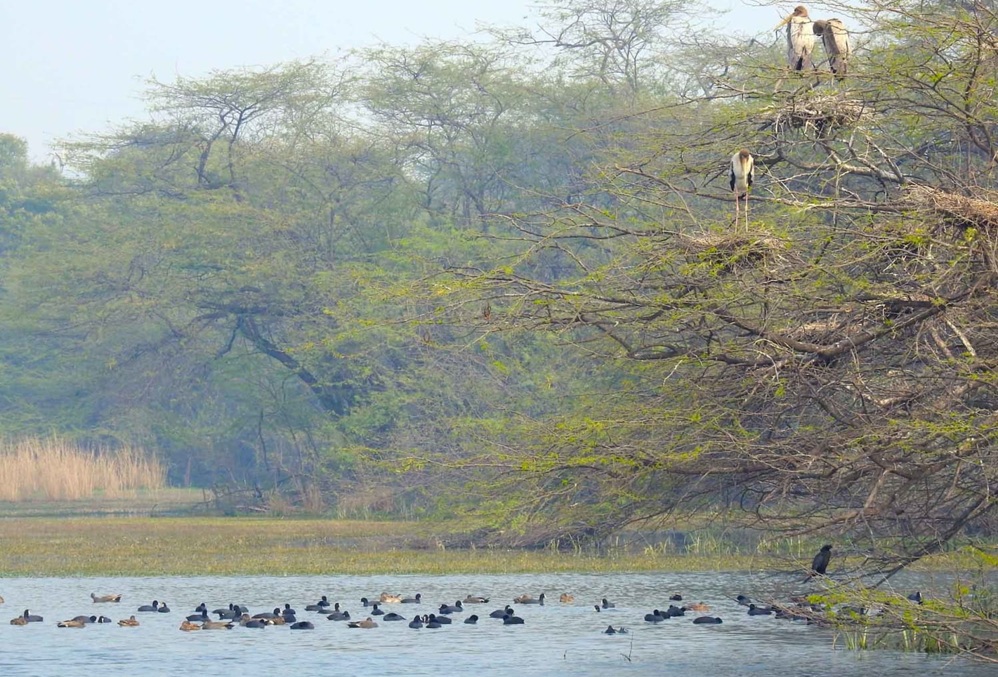
Sultanpur Bird Sanctuary offers a rare opportunity to witness the peaceful coexistence of nature and wildlife just a short drive from Delhi. As urban life grows busier and noisier, places like Sultanpur stand out as serene pockets of calm and greenery. Spread across more than 140 acres, the sanctuary is centered around a large shallow lake that serves as a nesting and feeding ground for birds. It is surrounded by semi-arid scrub forests, grasslands, and Acacia trees, providing a habitat for both resident and migratory birds. 7-Day Haryana Tour Package – Discover the Best of Haryana
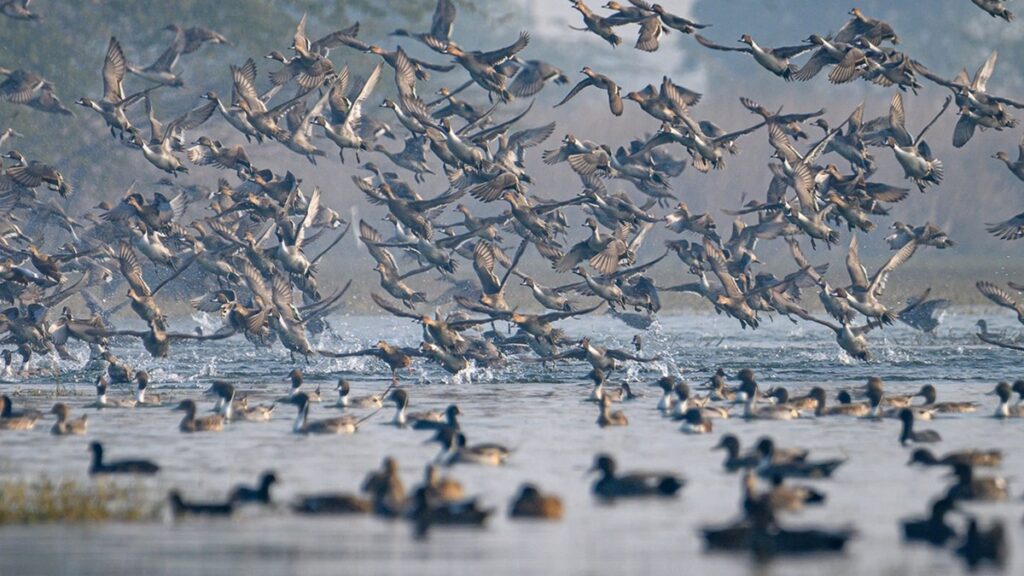
During peak birding season, the sanctuary hosts over 250 species, turning it into a symphony of colors and sounds. You’ll see storks wading through the wetlands, kingfishers dFiving into the water, and flocks of geese and ducks taking flight. For birdwatchers and photographers, this is paradise. Well-laid walking trails circle the main lake and lead to several watchtowers and bird hides, offering excellent vantage points without disturbing the wildlife. Benches and huts along the paths allow visitors to sit back, observe, and enjoy.
The sanctuary is also a great educational site. Many school groups and nature clubs visit here to learn about biodiversity, conservation, and the delicate balance of ecosystems. It’s a perfect place to introduce kids to the joys of nature. Discover Begur Wildlife Sanctuary in Kerala – Travel Tips & Guide
Best Time to Visit Sultanpur Bird Sanctuary
The best time to visit Sultanpur Bird Sanctuary is from October to March, which marks the arrival of thousands of migratory birds escaping the cold winters of Europe, Central Asia, and Siberia. These winter visitors find the warmer Indian climate perfect for breeding, nesting, and feeding. During this period, the sanctuary is teeming with life, and you’ll find birds both exotic and native filling the sky and water.
Morning hours, especially between 7:00 AM and 10:00 AM, are ideal for birdwatching. Birds are most active during this time, and the soft morning light creates perfect conditions for photography. Late afternoons also offer a pleasant experience, especially when the sun begins to dip and the air cools down.
Visiting in summer (April to June) is generally discouraged. The heat is intense, and the sanctuary loses some of its vibrancy as water levels recede and fewer birds are seen. However, resident birds can still be spotted if you’re an early riser and carry enough water and sun protection.
The monsoon season (July to September) brings a fresh burst of greenery and fills the lake, but heavy rains can disrupt walking paths and reduce visibility. Explore Karlapat Wildlife Sanctuary, Odisha – A Complete Guide
Types of Birds You Might See
Sultanpur Bird Sanctuary is a birdwatcher’s dream, thanks to the diversity of species it attracts throughout the year. The mix of aquatic, woodland, and grassland environments supports a rich variety of birds. The real spectacle, however, begins in late autumn when migratory birds arrive, creating a colorful mosaic of wings, beaks, and songs.
Among the resident birds, keep an eye out for the Indian Roller with its vibrant blue wings, the bold White-throated Kingfisher, Little Egrets stalking prey in shallow water, and the distinctive Red-wattled Lapwing. Purple Herons, Black Drongos, and Peafowl are also commonly seen throughout the year. 10-Day Haryana Tour Itinerary – Explore Culture & Nature
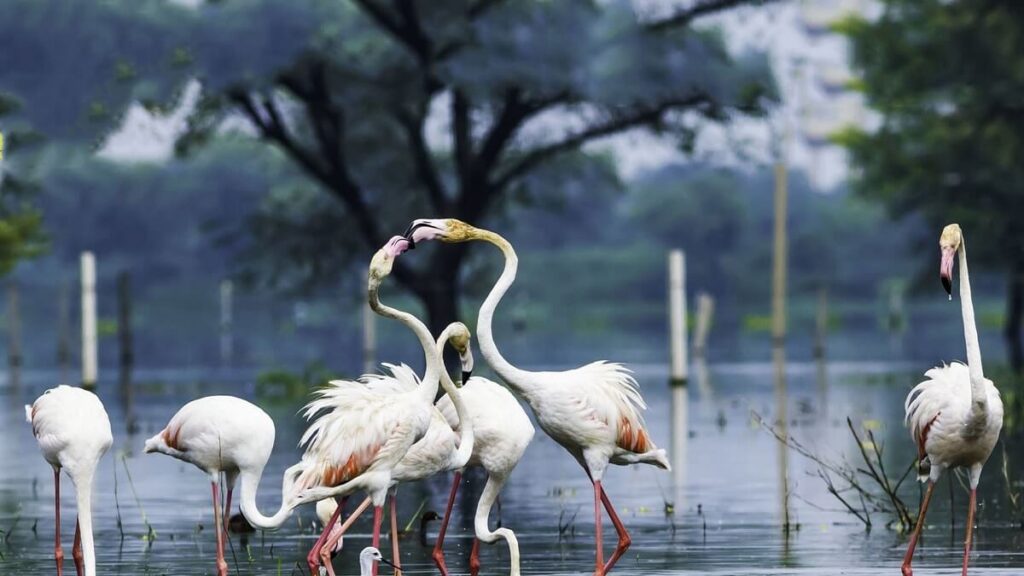
Come winter, the sanctuary transforms as migratory species take center stage. You might spot Greater Flamingos, tall and elegant with their pink plumes, or Northern Shovelers with their unique spatula-shaped beaks. Eurasian Wigeons, Common Teals, Gadwalls, Black-tailed Godwits, Ruff, and even Bar-headed Geese make this their seasonal home. For the lucky few, sightings of the elusive Siberian Crane have also been recorded, though they are rare in recent years.
To make the most of your birdwatching experience, bring a pair of binoculars, a field guide or birding app, and a camera with a telephoto lens. Staying quiet and still increases your chances of close sightings. Birdwatching at Chilika Lake, Odisha – Top Birding Villages
Timings and Entry Fees in Sultanpur Bird Sanctuary
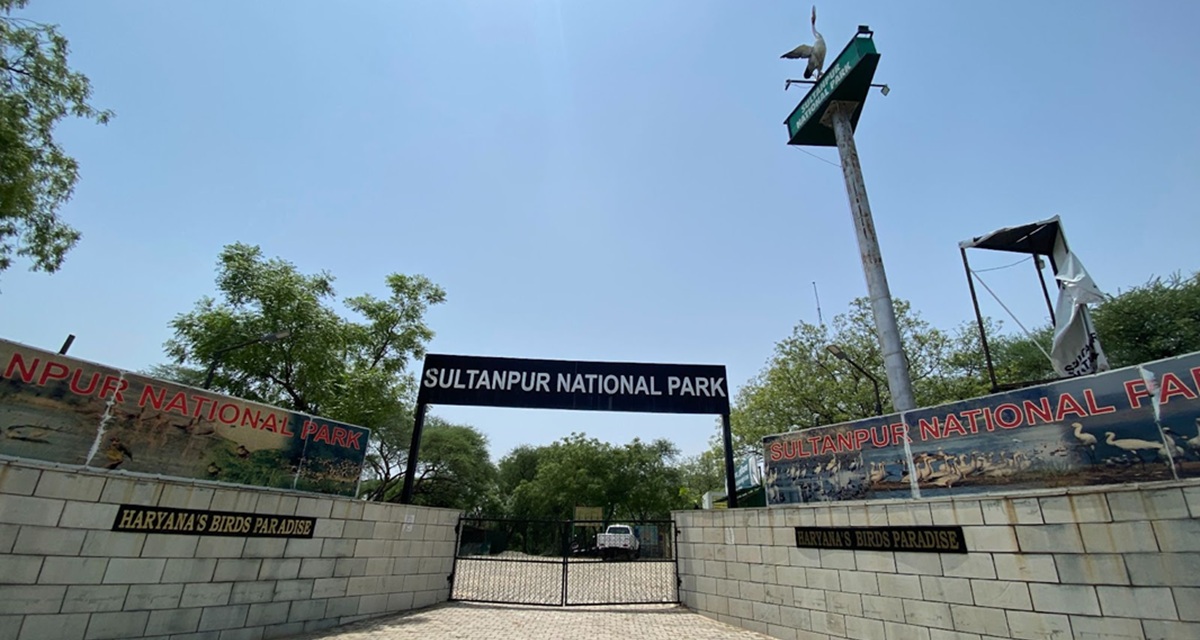
Planning your visit around the sanctuary’s operating hours is key to making the most of your experience. Sultanpur Bird Sanctuary is open from 7:00 AM to 4:30 PM, and it remains closed every Tuesday for maintenance. Early arrival is highly recommended, as bird activity is at its peak in the cool hours after sunrise. Pench National Park Birding – Your Wildlife Spotting Experience
As for the entry fee, it’s incredibly affordable:
- Indian nationals: INR 5 per person
- Foreign nationals: INR 40 per person
If you’re carrying a DSLR camera or professional equipment, there might be a small camera fee—generally INR 25 to INR 200 depending on the device and its purpose (personal or commercial use).
For larger groups, guided tours can be arranged on request, especially useful for educational visits or serious birdwatchers. These guides are knowledgeable about bird behavior, seasonal species, and the sanctuary’s ecosystem. Pench National Park Birding – Your Wildlife Spotting Experience
It’s also a good idea to carry small change for entry tickets, as the ticket counter may not always have a credit card facility.
How to Reach Sultanpur Bird Sanctuary
Sultanpur is well-connected to Delhi, Gurgaon, and the rest of NCR, making it an ideal day trip. It’s located about 40 kilometers from Delhi and around 15 kilometers from Gurgaon city center.
- By Car: The most convenient way to reach is by personal car or taxi. Take NH48 from Delhi or follow the Dwarka Expressway if coming from West Delhi. It takes about 1–1.5 hours depending on traffic.
- By Train: The nearest railway station is Gurgaon, which is about 15 km from the sanctuary. From there, you can take an auto or taxi.
- By Metro + Cab: Take the Yellow Line of Delhi Metro and get off at HUDA City Centre station. You can then hire a taxi, app-based cab, or an auto for the remaining 15–20 km journey.
There is a parking area at the entrance that accommodates both two-wheelers and four-wheelers. Karakoram Wildlife Sanctuary (Nubra Shyok) – Visitor’s Travel Guide
Things to Do at the Sanctuary
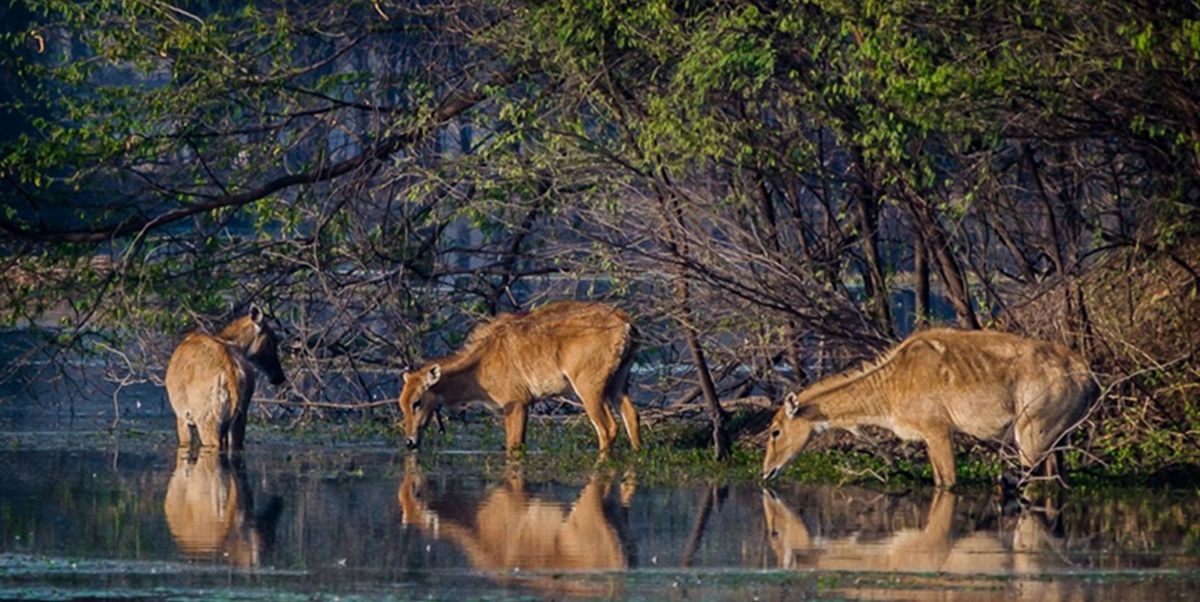
There’s more to Sultanpur Bird Sanctuary than just spotting birds. It’s an immersive nature experience that allows you to slow down and enjoy the moment. Here are some of the activities you can enjoy:
- Birdwatching and Photography: Whether you’re a beginner or an expert, the sanctuary’s open spaces, trees, and wetlands provide the perfect backdrop for birdwatching. With over 250 species, each visit brings something new.
- Nature Walks: The park has a 3–4 km walking trail that circles the lake. This loop is dotted with watchtowers, shaded shelters, and benches. It’s suitable for families, couples, and even solo travelers who enjoy a peaceful walk.
- Picnicking: While the sanctuary doesn’t allow full-scale picnics with loud music or large feasts, there are several spots where you can quietly enjoy homemade snacks with family and friends.
- Educational Visits: Many schools and colleges organize field trips here to teach students about ecosystems, biodiversity, and conservation. It’s also a wonderful place for nature clubs and wildlife societies. Barnawapara Wildlife Sanctuary Travel Guide – What to Know
Facilities and Visitor Tips
Though Sultanpur Bird Sanctuary is close to the city, it still maintains a rustic, natural feel. While basic facilities are available, it’s good to come prepared.
- Toilets and drinking water facilities are located near the entrance. They’re functional but basic.
- Food and beverages are not sold inside the sanctuary, so carry your own water bottles and light snacks. Be mindful not to litter.
- Photography is allowed, but drones and tripods may require special permission.
- Silence and patience are key. Avoid loud conversations, music, or phone calls. Birds scare easily.
- Clothing: Wear muted colors (like greens, browns, or greys) to blend into the surroundings. Bright colors can scare birds away.
- Footwear: Comfortable walking shoes are a must. Some paths can be muddy or uneven.
- Insect repellent: Bring along, especially in the early morning or after rain. Top Wildlife Sanctuaries Near Delhi to Visit in Monsoon
Remember, this is a sanctuary first and foremost. Respect the habitat and help preserve its quiet beauty for future visitors.
Nearby Attractions

If you want to turn your visit into a full day of exploration, there are a few attractions nearby:
- Leisure Valley Park (Gurgaon): A beautifully landscaped garden with musical fountains and children’s play areas, ideal for families.
- Sheetla Mata Mandir: One of Gurgaon’s most visited temples, this shrine is popular for spiritual travelers.
- Heritage Transport Museum (Manesar): Located about 30–40 minutes away, this museum showcases India’s transport history in an interactive way. Great for kids and history buffs.
- Tau Devi Lal Bio Diversity Park: Another green escape in Gurgaon, perfect for early morning walks. India Bird Sanctuaries Guide – Best Places for Birdwatchers
Final Thoughts
Sultanpur Bird Sanctuary is more than just a birding hotspot—it’s a peaceful retreat from city noise and a reminder of the beauty and balance of nature. Its proximity to Delhi makes it accessible, yet it feels like a world apart. Whether you visit solo with a camera, take your children on a learning trip, or spend a morning with friends admiring flamingos and storks, Sultanpur leaves a lasting impression.
So pack your binoculars, wear your comfiest shoes, and head out for a quiet adventure. The birds are waiting!
You Might Also Like:
- Rajasthan in August: Monsoon Travel Tips & Places
- Kerala in August: Best Attractions & Travel Advice
- Goa in August 2025 – Monsoon Travel Guide
- Cultural Sites to Explore in India This August
- 6 Amazing Beach Destinations to Visit in August
- Top 6 Beach Getaways in India This August
- 9 Best Hill Stations to Explore in August
- Darjeeling in August: Weather, Tips & Activities
- Uttarakhand or Himachal – Where to Go in August?
- Kedarnath in August 2025: Weather & Travel Tips
- Top Budget Indian Destinations Under ₹50K – August
- Top 10 Attractions to Visit in August in India
- Ayodhya Trip in August: Weather, Attractions, Festivals, and Events
- Is August the Ideal Month for Visiting North East India’s Scenic Spots?
- Nainital in August- A Complete Travel Guide
- Explore Maharashtra in August
- Top Hill Stations Near Delhi for August Visits: A Complete Travel Guide
- Lansdowne in August: A Quiet Monsoon Escape in the Hills
- Things to Do in Mussoorie in August: Weather & Travel Guide