Explore the best homestays in Mechuka with local food and real connections.
When it comes to discovering the soul of Arunachal Pradesh, no place offers a deeper, more personal experience than Mechuka. This quiet Himalayan valley in Shi-Yomi district is home to the Memba tribe, a community with rich Tibetan roots, warm hospitality, and time-honored culinary traditions.
While most tourists rush to snap a selfie by the river or at the famous monastery, the real magic of Mechuka lies in its homes, kitchens, and people. From authentic Mechuka traditional food experiences to staying with locals in Mechuka, this is where culture stops being something you watch—and becomes something you live.
1. Best Homestays in Mechuka with Local Food

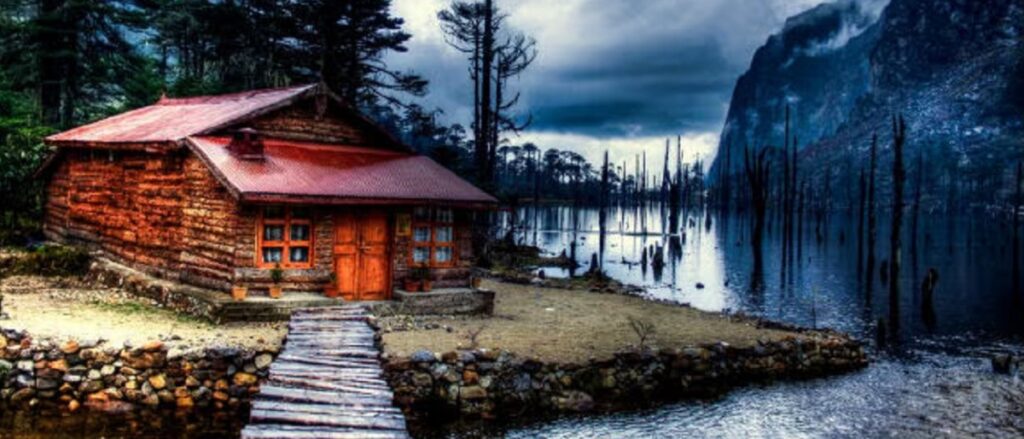
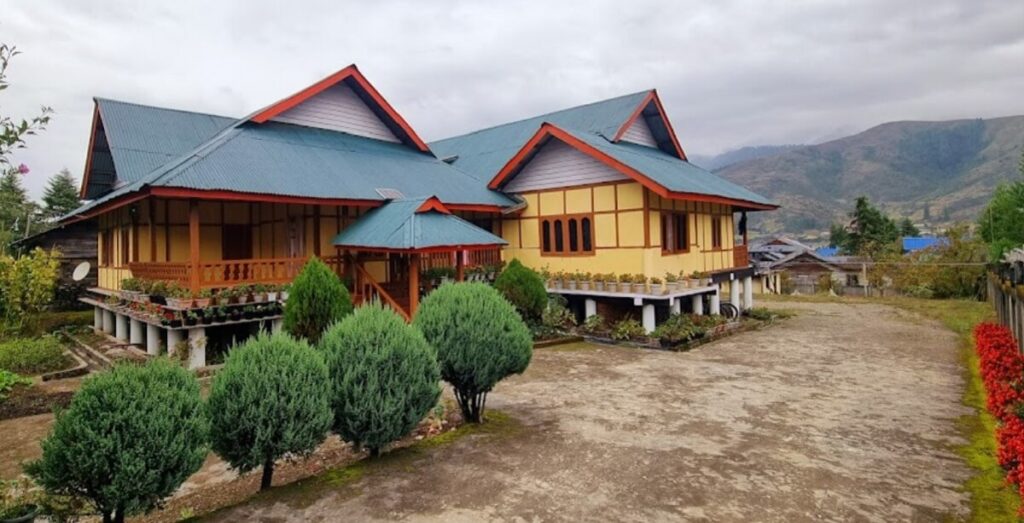
If you want to truly experience Mechuka local life and accommodation, skip the standard guesthouses. Memba-run homestays offer the warmth of home-cooked meals, tribal hospitality, and honest conversations around the fire. Most homes are built from wood, with open hearths, handmade furniture, and balconies that overlook rivers or snow-capped hills.
Top Homestays to Consider
Norling Homestay – Singbir Village
- Quiet, clean, and surrounded by barley fields
- Hosts are known for their fermented rice cakes and yak stew
- Ask to help in the kitchen for a true cultural exchange
- ~₹1000–1500 per night (including meals)
Gyakar Homestay – Near Samten Choeling Monastery
- Perfect for early-morning monastery visits
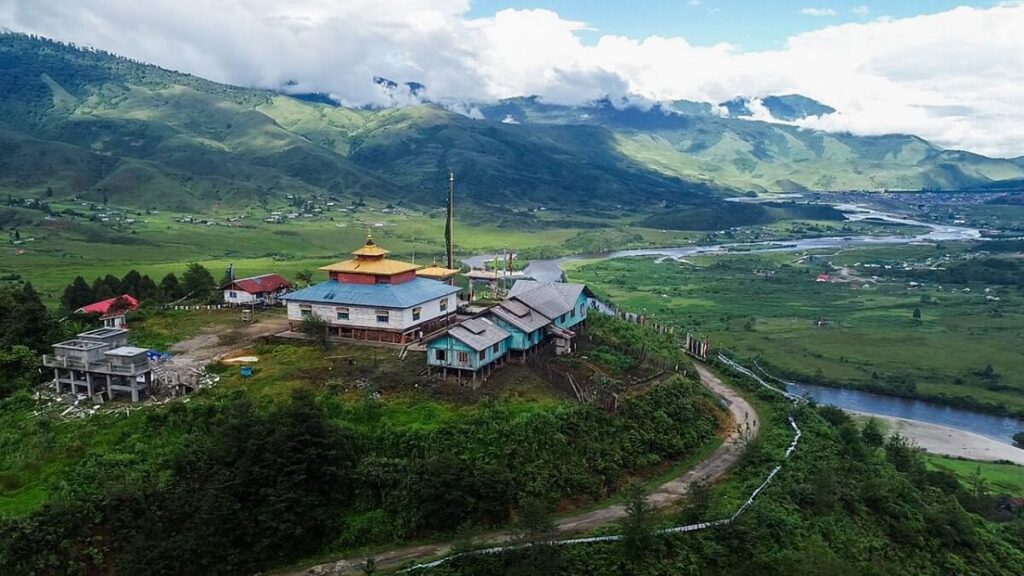
- Offers views of the entire Mechuka basin
- Try their butter tea with wild herbs—locals believe it helps with altitude
Ating Homestay – Mechuka town edge
- Ideal for travelers looking for comfort with culture
- Hosts are semi-nomadic herders who open their home seasonally
- Rooms are simple, but meals are unforgettable
What to Expect:
- Basic but clean rooms, shared bathrooms in most
- Family-style meals, often eaten sitting on the floor
- Conversation, storytelling, and no Wi-Fi (which is a blessing)
Booking Tip: Most homestays are not listed online. You can:
- Contact Mechuka tourism boards
- Use local Facebook or Instagram travel groups
- Just arrive and ask—locals will happily guide you
2. Authentic Mechuka Traditional Food Experiences

Forget restaurant menus. In Mechuka, the best meals are served from clay pots over wood fires, handed to you by smiling grandmothers who’ve been perfecting their recipes for generations. Mechuka’s food is deeply influenced by Memba and Tibetan culture, using locally grown ingredients, foraged herbs, and age-old fermentation techniques.
Must-Try Dishes
Yak Meat Stew (Sha Phaley)
A comforting bowl of slow-cooked yak meat, usually stewed with wild onions, radish, and mountain herbs. Rich, fatty, and perfect for cold evenings.
Thukpa with Wild Greens
Not your average noodle soup. In Mechuka, thukpa includes locally plucked nettles, fermented turnip leaves, and spiced dried meat. Each household has its own version.
Zan (Barley Porridge)
A staple of the Memba diet. Thick, sticky, and usually eaten with a chili-garlic chutney and yak butter on top. Hearty and filling.
Butter Tea (Po Cha)
Made from yak butter, salt, and fermented black tea, this is more than a drink—it’s a ritual. Locals believe it keeps the body warm and the mind calm.
Fermented Soybean Chutney
Pungent, spicy, and addictive. Often served with every meal, and made by burying soybeans in bamboo tubes underground for weeks.
3. Staying with Locals in Mechuka: What It Really Feels Like
Living with a Memba family is not a hotel stay—it’s a cultural immersion. You’ll wake up to the sound of roosters, help cook over a traditional mud stove, and join in on conversations without needing to speak the same language. Staying with locals in Mechuka teaches you patience, presence, and people-first travel.
Daily Life in a Mechuka Homestay
- Morning: Wake up to warm rice porridge or tea, help fetch water or herbs
- Daytime: Join the host for foraging or weaving, or rest by the riverside
- Evening: Dinner is a slow affair—stories, prayers, and laughter
- Night: No Wi-Fi, no noise—just stars and silence
Family Connections:
Each homestay is an intergenerational home. You may share meals with grandparents, learn songs from children, and be taught to make dumplings by the mother of the house.
Cultural Etiquette to Remember:
- Always remove shoes before entering
- Use your right hand to receive food or gifts
- Respect prayer areas and traditional family altars
- Bring a small gift (like sweets or fruits)—it’s appreciated
4. Experiencing Memba Tribe Culture
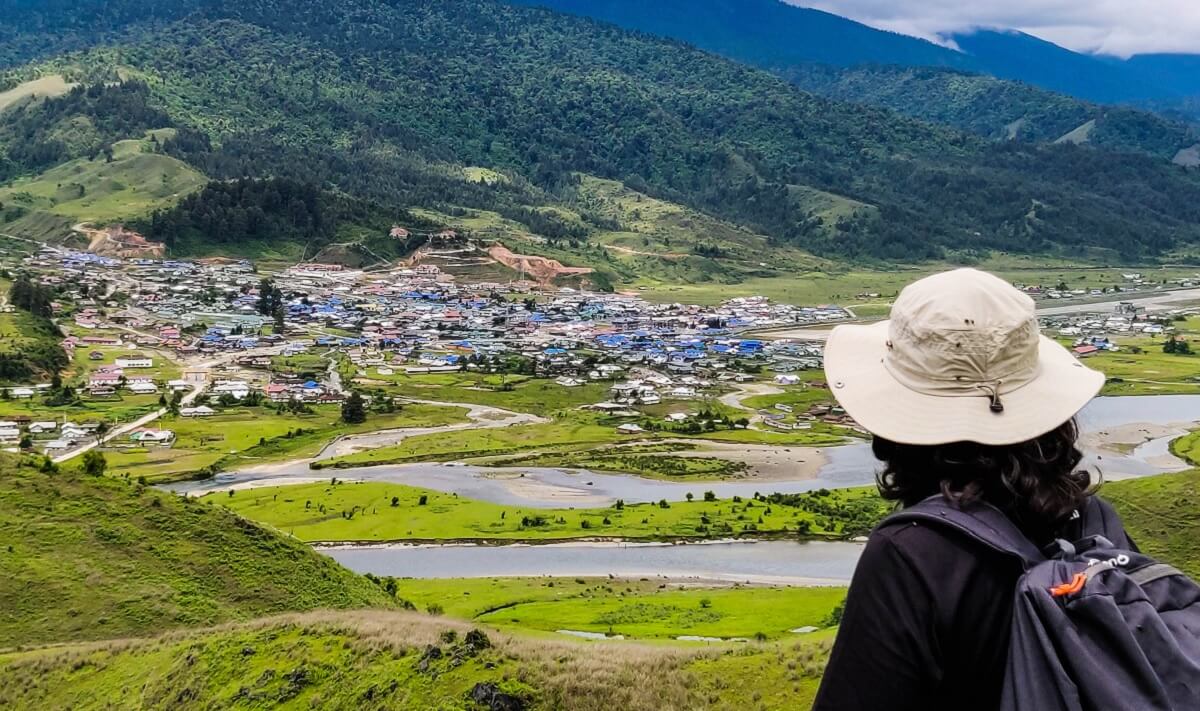
The Memba tribe are one of the few ethnic groups in India who practice Tibetan Buddhism while also maintaining animist and indigenous rituals. Their culture is reflected not in museums, but in everyday acts—cooking, weaving, chanting, praying, and farming.
Cultural Elements You’ll See and Feel
Traditional Weaving
Most women in Mechuka weave their own woolen clothes, bags, and blankets using looms built into their homes. You can watch—or even try—with permission.
Buddhist Influence
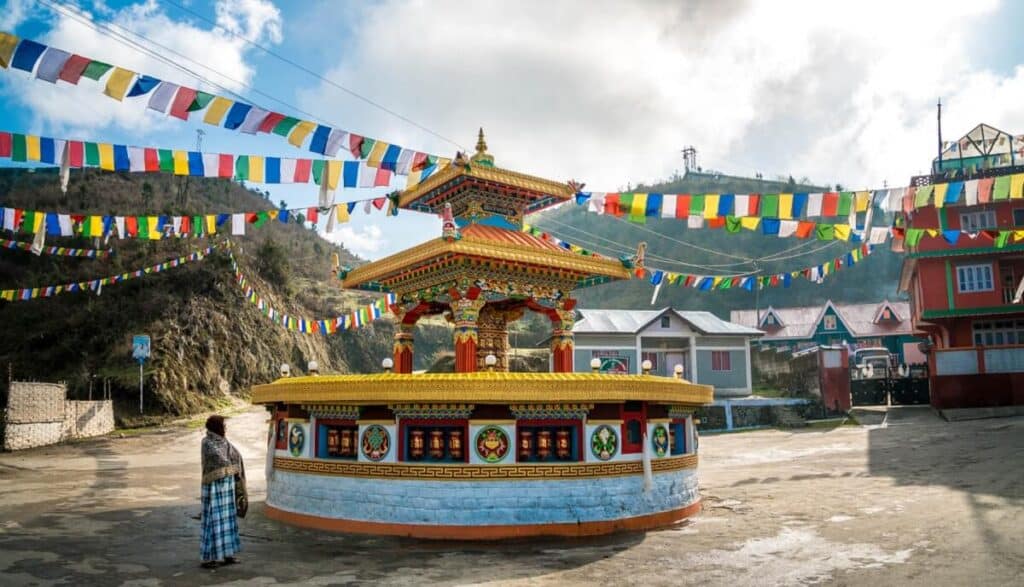
Homes often contain miniature prayer halls, and you’ll hear chants in the morning and evening. Festivals include masked dances, yak processions, and offerings to deities.
Animist Beliefs
Memba people believe in spirit guardians of the mountains and rivers. Certain spots in nature are considered sacred, and rituals are done for health, harvest, and harmony.
Want to Learn More?
- Ask your host about festivals like Losar (Tibetan New Year) or Nyirong, a local spring celebration
- Visit a village elder and request a story circle—they’ll share oral tales of migration, war, and nature spirits
Don’t Miss Out! Your Guide to Ziro Music Festival Awaits!
5. Practical Tips for Experiencing Mechuka Local Life and Accommodation

So, you’re ready to book a homestay, eat with your hands, and live like a local. Amazing! But a few things can help you make the most of the experience.
What to Pack:
- Warm layers (it’s chilly even in summer evenings)
- Wet wipes and a headlamp for homestays with no running water
- A local phrasebook or translator app (English is not widely spoken)
- A small gift for your host family—tea, fruit, or notebooks for kids
How to Get There:
- The closest airport is Dibrugarh, followed by a 2-day road journey
- You’ll pass Aalo and Tato, so break your journey to avoid fatigue
- The road to Mechuka is now mostly paved, but prepare for winding mountain stretches
Power & Internet:
- Some homes have electricity via solar panels
- Don’t count on mobile data—go offline and enjoy it
Respect Local Culture:
- Always ask before taking photos of people or homes
- Don’t rush—let conversations unfold slowly
- Mechuka is not for box-ticking—it’s for belonging quietly
Final Thoughts: Mechuka Is Best Lived, Not Just Visited
The charm of Mechuka isn’t in its tourist attractions—it’s in wooden kitchens, slow meals, handwoven blankets, and people who treat you like family. When you stay in a homestay, try authentic food, and connect with the Memba way of life, you go beyond tourism—you become part of the story.
So skip the resort. Pack your curiosity. And let Mechuka change you slowly—one bowl of thukpa and one smile at a time.
🔗 Related Reads:
- Romantic Monsoon Escapes – 10 Hidden Honeymoon Spots
- 💖 Plan a Romantic September Getaway for Couples in India
- Explore 12 Breathtaking Hill Stations This September!
- Travel Off the Beaten Path – 8 Offbeat September Spots
- Top 10 Beaches in India to Visit This September
- Plan a September Escape to Karnataka’s Best Places
- Discover the 15 Best Places in India for a September Trip
- North India in September – 12 Must-Visit Destinations
- Plan Kedarnath Yatra in September – Tips & Travel Guide
- Spot Wildlife in September – Top 20 Reserves to Visit
- What to Do in Rajasthan This September – Events & Ideas
- Book Top 5-Star Hotels in Uttarakhand with Mountain Views
- Hoi An Lantern Festival 2025 – Know Dates & Travel Tips
- Celebrate Ganesh Chaturthi 2025 in Mumbai – Rituals & Pandals
- Explore 11 Sacred Shiva Temples in Sawan – Visit Now!
- Celebrate Onam in Kerala – 2025 Travel & Festival Guide
- Attend the Hemis Festival 2025 – Dates, Rituals & More
- Don’t Miss the Malabar River Festival 2025 – Full Guide
- Join the Sacred Saga Dawa Festival 2025 in Sikkim
- Top 7 Monsoon Festivals to Witness in India – 2025 Picks
- Plan Your India Trip Around Festivals – Travel Smart!
- August in India:10 Best Attraction to See & Do
- 7 Budget-Friendly International Destinations to Visit in August Under ₹50,000
- Mechuka in Winter vs. Summer: Choosing the Best Season
- Trekking in Mechuka Valley: Trails, Permits, and Breathtaking Himalayan Views
- Mechuka Hidden Gems: Uncovering Offbeat Experiences Beyond the Usual Tourist Spots