Tucked away in the remote mountains of Arunachal Pradesh, Mechuka (also spelled Menchukha) is one of India’s best-kept secrets. Think dramatic valleys, ancient monasteries, glassy rivers, and tribal hospitality—without the crowds. While many travelers visit Mechuka for its Instagram-worthy landscapes, there’s so much more waiting beyond the obvious.
In this guide, we’re not just talking about the main town or scenic viewpoints. We’re taking you deep into the heart of Mechuka—through hidden villages, secret hikes, local food joints, and experiences that don’t show up on typical itineraries.
Ready to uncover the real Mechuka? Let’s begin.
1. Dorjeeling Village – The Balcony of Mechuka
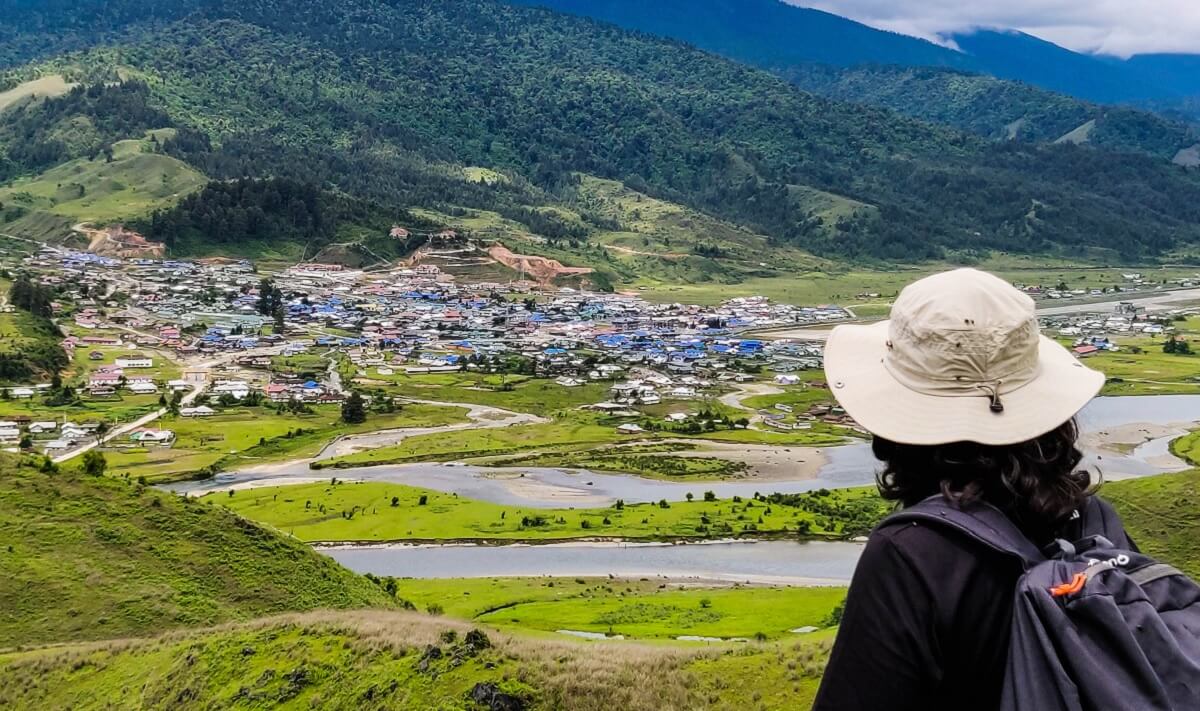
If Mechuka is the painting, Dorjeeling is the frame.
This quaint village—perched above the Mechuka valley—is often missed by tourists rushing to the main town. But those who make the detour are rewarded with panoramic views, peaceful meadows, and authentic encounters with the Memba tribe.
Why It’s Special:
- Home to just a few families, this village offers a true slice of traditional mountain life.
- Surrounded by pine forests, with grazing yaks and clear views of the Siyom River below.
How to Get There:
- A short but steep hike (or 20-minute drive) from Mechuka town center.
What to Do Here:
- Share a cup of butter tea with locals
- Photograph the traditional Memba wooden homes
- Stay overnight in a family-run homestay (expect home-cooked meals and warm fires)
Best Time to Visit: March to May, and mid-October to early December for sunrise and valley views.
2. Samten Yongcha Monastery
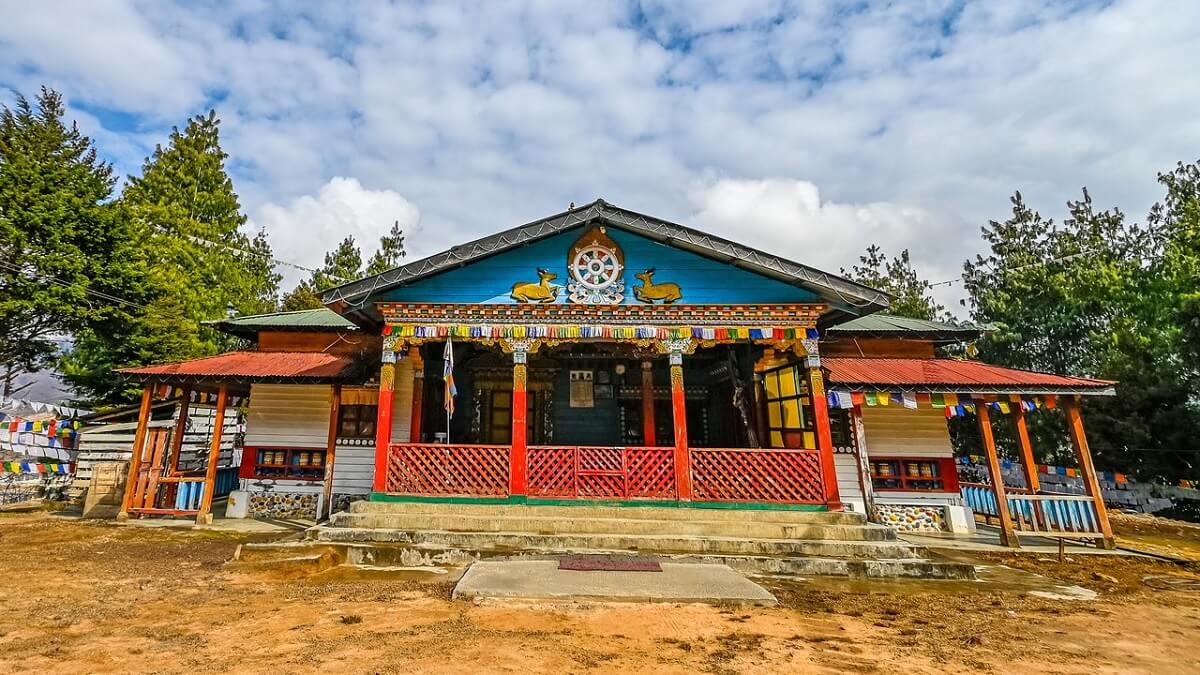
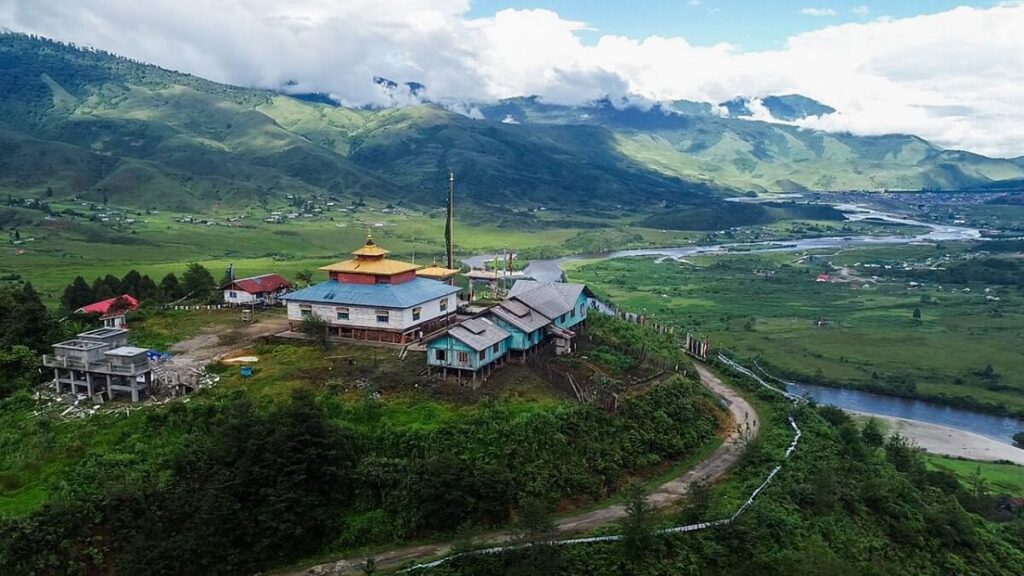
Most visitors head to the popular Samten Choeling Monastery near Mechuka airport. But just 6 km away, hidden on a forested ridge, lies Samten Yongcha Monastery—an 800-year-old spiritual gem where time stands still.
Why It’s a Hidden Gem:
- Far less touristy than its famous counterpart
- One of the oldest monasteries in Arunachal Pradesh, believed to have been blessed by Guru Padmasambhava himself
- Offers stunning aerial views of Mechuka and the river valley below
How to Reach:
- Around 30–40 mins uphill trek from the base village (moderate difficulty)
- Or by hiring a local guide or driver
Don’t Miss:
- Murals inside the monastery—some believed to be over 500 years old
- Spinning prayer wheels at sunrise
- Interaction with young monks learning Tibetan chants and scriptures
Pro Tip: Visit during morning prayer for a spiritual experience unlike any other.
3. Siyom River Walk

Everyone sees the river. Few walk along it. One of the most peaceful things you can do in Mechuka is follow the path along the Siyom River, away from the road, where birdsong and the sound of water create the perfect meditation soundtrack.
Why It’s Magical:
- No fixed trail—you just follow the riverbank through fields, forests, and little wooden footbridges
- You’ll likely pass locals washing clothes, children playing, and women weaving under the sun
What to Expect:
- Kingfishers, wagtails, and maybe even a Himalayan griffon overhead
- Stone cairns, makeshift seating spots, and areas for riverside picnics
How to Access:
- Start from Yarlung bridge and just walk upstream or downstream
- No guide needed—just good shoes and an open heart
Local Tip: Pack some tingmo (steamed bread) and yak cheese from the local market and turn it into a slow, mindful lunch.
4. Homestay Hopping – A Taste of Tribal Hospitality
Forget hotels—homestays are the soul of Mechuka. Every stay is a chance to connect with local families, learn about tribal customs, and eat dishes that don’t exist on any restaurant menu.
What Makes It Special:
- The food! Taste fermented soybean chutney, rice cooked in bamboo, and yak meat stew.
- Hear stories from the Memba elders about how Mechuka was once part of ancient Tibet
- Help out in the kitchen or join a local foraging walk
Best Homestay Areas:
- Singbir Village – For quiet mornings and mountain views
- Gelling Side Road – Closer to farms and weaving houses
Why Do It:
- You’ll experience a slower, more honest version of Mechuka
- It supports the community directly
- And you’ll leave with new friends, not just photos
Booking Tip: Many homestays are offline—ask locals, or use local Facebook groups for recommendations.
5. The “Sky Trail” – Mechuka to Yorlung Hidden Hike
This isn’t a trail you’ll find on Google Maps. Ask around, and a local might lead you to this offbeat ridge walk from Mechuka town to the quiet village of Yorlung. The views? Himalayan meadows, hanging bridges, and valley silhouettes that look like something out of a dream.
Route Insight:
- Starts behind the Mechuka circuit house
- Around 8–10 km one way, moderate difficulty
- Ends near Yorlung’s hanging bridge over the river
Why You’ll Love It:
- No traffic, no tourists—just you, nature, and the sound of the wind
- The trail offers 360-degree views of the entire Mechuka basin
- Great for sunset hikes or birdwatching
What to Carry:
Water, local snacks, a cap, and a power bank—your phone will be working hard with all the photos you’ll want to take.
6. The Hanging Bridge to Lhallung
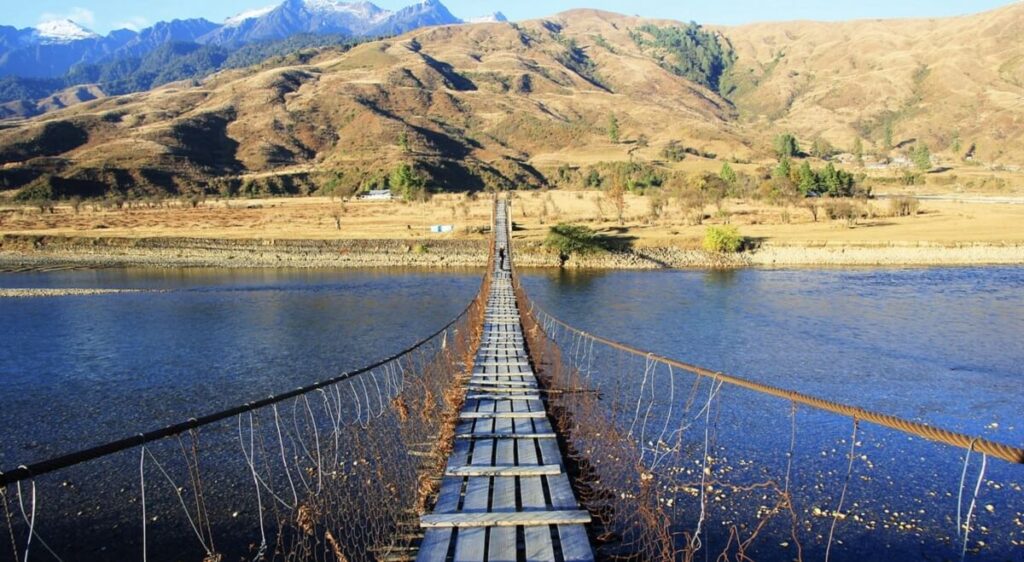
Tucked quietly on the outskirts of Mechuka lies one of the region’s most visually dramatic experiences: the hanging bridge to Lhallung village. Suspended over the rushing Siyom River, this modest yet thrilling rope bridge connects travelers to a side of Mechuka even fewer know exists.
What Makes It a Hidden Gem:
This isn’t a tourist-built attraction—it’s an essential link for locals crossing between villages. The bridge sways gently with each step, offering a mild adrenaline rush along with incredible river and mountain views. Below you, glacial waters crash over rocks; above you, prayer flags flutter in the alpine breeze.
How to Get There:
- Drive or walk about 3–4 km from Mechuka town toward Lhallung.
- Ask locals for directions; it’s not always marked on maps.
Why You’ll Love It:
- The walk across the bridge is unforgettable, especially at golden hour
- Cross over and explore the peaceful Lhallung village, where time seems frozen
- Meet villagers who grow barley and keep mountain yaks with generations of knowledge
Pro Tip: Go just before sunset, when the river below reflects the pink-orange skies. It’s one of Mechuka’s most photogenic (and peaceful) moments.
7. Traditional Herbal Hot Baths – Memba Healing Rituals
Hidden in a few homesteads and backyards around Mechuka are handmade herbal baths used by the Memba tribe for healing and winter warmth. These aren’t spa experiences—they’re authentic, centuries-old wellness traditions that feel as close to nature as you can get.
What It’s Like:
You sit inside a hollowed wooden trough or bamboo tub, while a local elder prepares a bath by heating water with medicinal herbs, wildflowers, and mountain bark. The scent is earthy and sweet. You soak, steam, and let the mountain wind carry your thoughts away.
What’s In the Water?
- Local herbs used to treat colds, body aches, and skin conditions
- Sometimes yarrow, mugwort, wild mint, or juniper
- Wood-fired for natural heat and infused aroma
How to Experience It:
- Only available at select homestays or if you ask your host
- Be respectful—it’s a sacred tradition, not a photo-op
Why It’s a Must-Try:
- It’s a unique cultural experience, not found on travel apps
- You’ll feel grounded, warm, and truly relaxed after
- Great after a long hike or a cold day exploring
Local Tip: If invited to join, always offer to help gather firewood or herbs—sharing is part of the ritual.
8. Mechuka’s Secret WWII Airfield – History Lost in the Hills
Most visitors pass the tiny airstrip near Mechuka town without knowing its story. But during WWII, this remote spot was a key supply base for Allied forces flying supplies into China through what was then known as “The Hump.” Today, it remains as a quiet, grassy airfield with layers of forgotten history.
Why It’s Fascinating:
- The airstrip was used to fly over the eastern Himalayas, one of the most dangerous aviation routes in WWII
- Old veterans and locals recall British and American aircraft landing here under extreme conditions
- It still functions for military and emergency landings, though civilian flights are rare
How to Visit:
- A short walk from the Mechuka helipad area
- Security is light, but always be respectful—some parts are under army control
What You’ll See:
- A massive open field with runway markings
- A backdrop of snow-capped peaks
- If lucky, an Indian Air Force chopper or small plane in action
Why It’s Worth Your Time:
- You’ll get a panoramic valley view with a side of mystery
- Great for history buffs or aviation nerds
- And it’s one of Mechuka’s least known stories
9. Yak Farm Visits – Life Among Giants
Yaks are more than just animals here—they’re an essential part of the Mechuka way of life. Visiting a working yak farm lets you see just how deep this bond goes, and it’s an offbeat experience you’ll never forget.
Why It’s a Hidden Gem:
- These aren’t tourist petting zoos—they’re real-life mountain farms where yaks provide milk, wool, meat, and companionship
- Visitors are welcome if invited or guided, and the experience is authentic, raw, and beautifully slow
Where to Go:
- Small yak shelters near Gelling road and Singbir village
- Ask your homestay host to arrange a visit; some farms are part of extended family networks
What You’ll Do:
- Help feed or brush the yaks
- Learn how yak milk is turned into cheese or butter
- Sit with the farmers over tea as they share stories passed down generations
Travel Tip: Yaks are gentle but strong—don’t approach calves or stand directly behind an adult. Let your guide lead.
Best Time for Photos: Early morning, when herders take the animals out to graze with fog still hugging the hills.
10. Underground Monk Meditation Caves – Silence Beneath the Surface
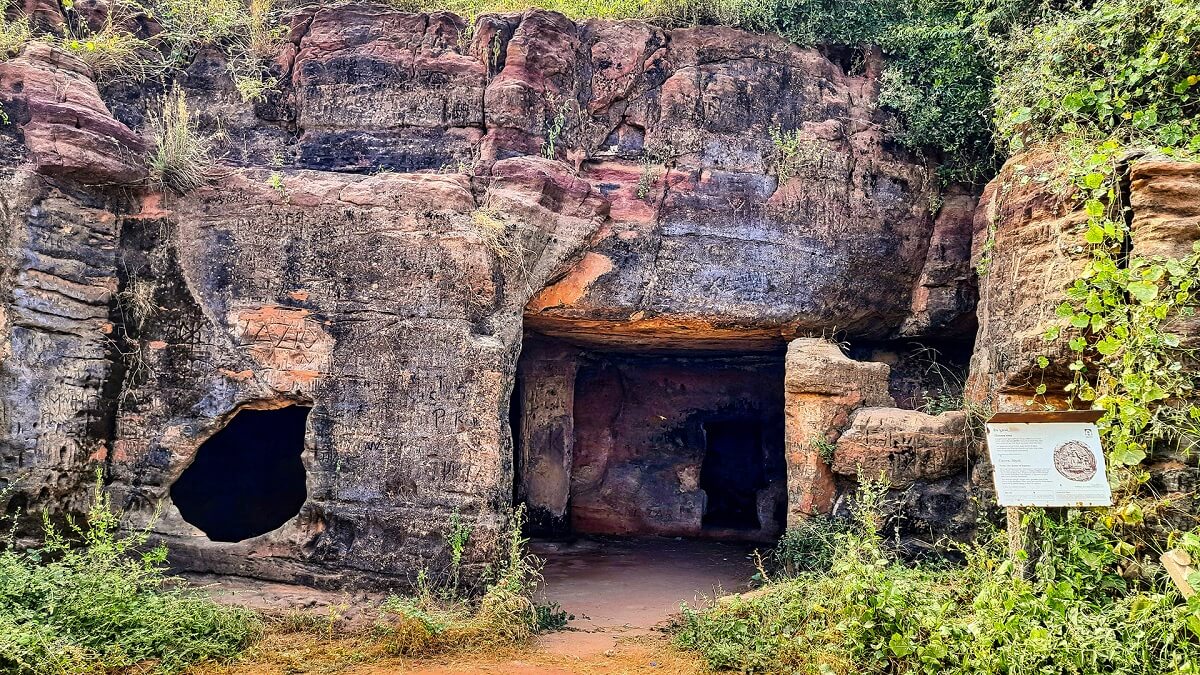
One of Mechuka’s most mystical experiences lies beneath the surface. Carved into the base of a cliff behind a ridge near Yarlung, these hidden monk caves have been used for silent meditation for centuries—and a few are still active today.
What to Expect:
- Low, narrow entrances you must crawl into
- The inside is cool, dark, and echo-free—ideal for total sensory withdrawal
- Some caves have tiny shrines or ancient drawings inside
How to Find Them:
- You’ll need a local monk or guide to take you
- The walk is short but steep, and directions are rarely marked
Respect is Key:
- Silence is expected inside
- Photography may not be allowed in active caves
- Only visit if invited or accompanied
Why It’s Transformative:
- It’s a place to pause and breathe deeply
- You’ll walk away feeling lighter, calmer, and connected to the quiet power of the mountains
Explore: Plan Your Ziro Music Fest Escape – Click for the Complete Guide!
Final Thoughts: Mechuka Is Not a Place. It’s a Feeling.
In a world full of bucket lists and busy schedules, Mechuka offers something radical—stillness. The kind of stillness where the sky changes slowly, meals are made from scratch, and strangers invite you in like family. The tourist spots are lovely, sure—but the real treasures lie beyond the map.
If you travel with open eyes and a slower pace, Mechuka will give you more than views. It will give you stories, silence, and soul.
| Hidden Gem | What Makes It Special | Ideal Time to Visit |
|---|---|---|
| Dorjeeling Village | Local culture + valley views | March–May, Oct–Nov |
| Samten Yongcha Monastery | Ancient monastery, peaceful trek | Year-round (except monsoon) |
| Siyom River Walk | Solitude + nature immersion | March–June |
| Homestay Hopping | Food, stories, connection | Year-round |
| Sky Trail to Yorlung | Offbeat hike, full valley views | Oct–Dec |
| Hanging Bridge to Lhallung | Sunset views + thrill | April–June |
| Herbal Baths | Traditional healing | Winter & early spring |
| WWII Airfield | Historical backdrop | Year-round |
| Yak Farm Visits | Tribal life & local skills | March–May, Oct |
| Monk Meditation Caves | Deep spiritual quiet | Year-round (dry weather) |
🔗 Related Reads:
- Romantic Monsoon Escapes – 10 Hidden Honeymoon Spots
- 💖 Plan a Romantic September Getaway for Couples in India
- Explore 12 Breathtaking Hill Stations This September!
- Travel Off the Beaten Path – 8 Offbeat September Spots
- Top 10 Beaches in India to Visit This September
- Plan a September Escape to Karnataka’s Best Places
- Discover the 15 Best Places in India for a September Trip
- North India in September – 12 Must-Visit Destinations
- Plan Kedarnath Yatra in September – Tips & Travel Guide
- Spot Wildlife in September – Top 20 Reserves to Visit
- What to Do in Rajasthan This September – Events & Ideas
- Book Top 5-Star Hotels in Uttarakhand with Mountain Views
- Hoi An Lantern Festival 2025 – Know Dates & Travel Tips
- Celebrate Ganesh Chaturthi 2025 in Mumbai – Rituals & Pandals
- Explore 11 Sacred Shiva Temples in Sawan – Visit Now!
- Celebrate Onam in Kerala – 2025 Travel & Festival Guide
- Attend the Hemis Festival 2025 – Dates, Rituals & More
- Don’t Miss the Malabar River Festival 2025 – Full Guide
- Join the Sacred Saga Dawa Festival 2025 in Sikkim
- Top 7 Monsoon Festivals to Witness in India – 2025 Picks
- Plan Your India Trip Around Festivals – Travel Smart!
- August in India:10 Best Attraction to See & Do
- 7 Budget-Friendly International Destinations to Visit in August Under ₹50,000
- Mechuka in Winter vs. Summer: Choosing the Best Season
- Trekking in Mechuka Valley: Trails, Permits, and Breathtaking Himalayan Views
- Mechuka Homestays & Local Cuisine