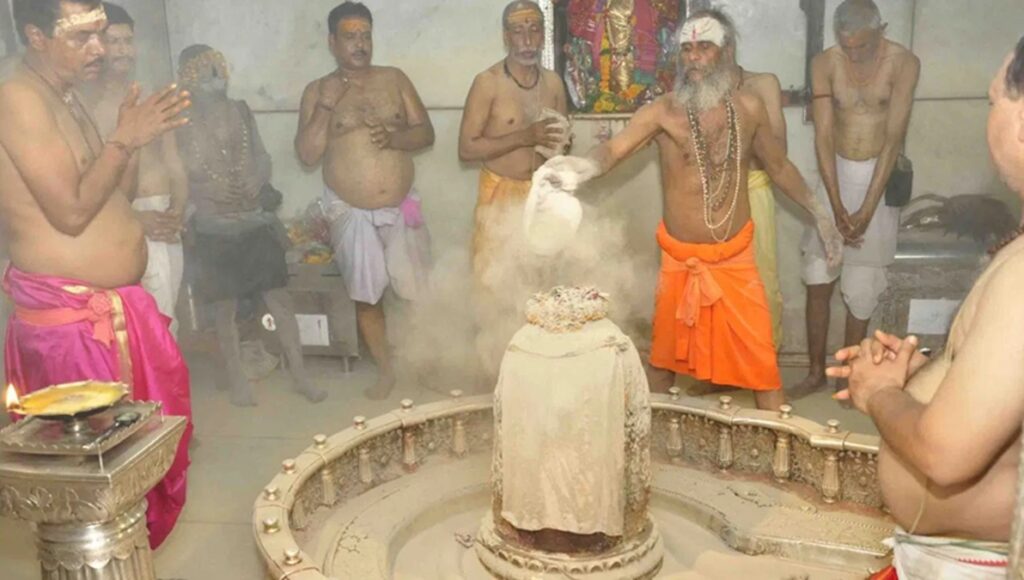
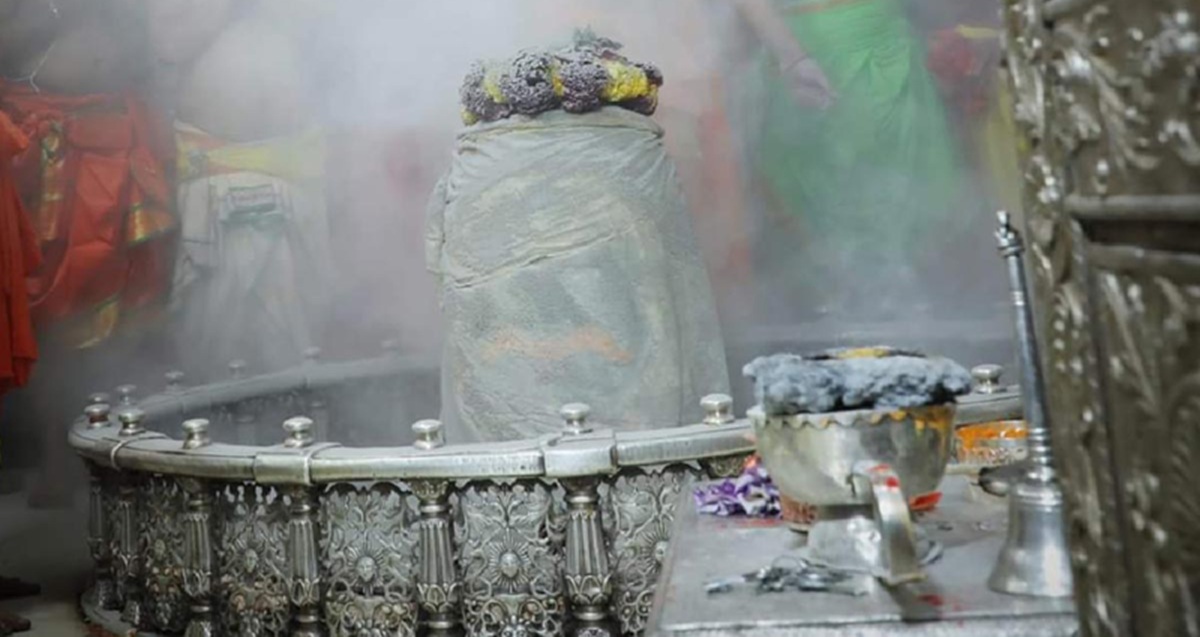
Every morning, long before the sun rises over Ujjain, a divine ritual takes place at the Mahakaleshwar Jyotirlinga Temple that draws thousands of devotees and travelers. Known as the Bhasma Aarti, this ancient ceremony involves adorning the sacred Jyotirlinga with fresh cremation ash.
It is one of the most unique and profound rituals in Hinduism. The offering of bhasma (ash) symbolizes the truth of existence — that everything material eventually reduces to dust, and only the divine remains eternal. The atmosphere during the aarti is charged with energy: Vedic chants fill the air, conch shells echo through the temple, priests perform elaborate rituals, and the sacred lingam glows in the flickering light of lamps.
For many pilgrims, attending the Bhasma Aarti is not just a religious act but a transformative experience — one that reminds them of life’s impermanence and the presence of the eternal. This guide will walk you through the history, significance, and complete step-by-step process of attending the ritual, while also offering insider tips to make your visit smooth and meaningful.
Mythology and Significance of Bhasma Aarti
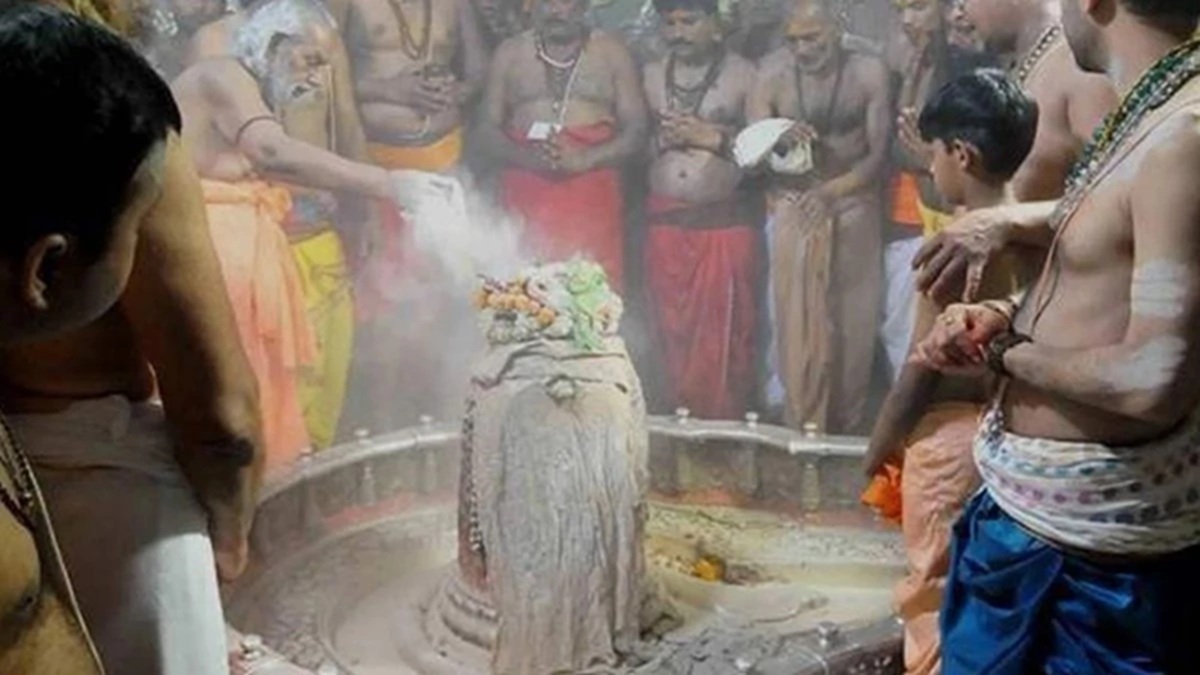
The Bhasma Aarti is rooted in deep symbolism. Bhasma means ash, and in Hindu philosophy, it represents the ephemeral nature of worldly life. By covering the lingam in ash, devotees acknowledge the cycle of birth and death, and Shiva’s supreme role as Mahakal — the Lord of Time and Death.
According to scriptures, offering bhasma pleases Lord Shiva because it reflects detachment from material desires and surrender to the eternal truth. Unlike other rituals in Hindu temples, which use flowers, fruits, and sweets, the Bhasma Aarti uses ashes from a cremation ground, making it the only ritual of its kind in the world.
Legend has it that Shiva himself, after destroying the three demon cities of Tripura, covered his body with ash, declaring it the purest substance. Since then, ash has become sacred in Shaivism.
Why Bhasma Aarti is Unique
- It takes place before sunrise, beginning around 4:00 AM.
- The Jyotirlinga is first bathed with water, milk, and honey, and finally covered in cremation ash.
- Both devotees and travelers are allowed to witness the ritual with prior permission.
- The experience combines tantra (rituals), mantra (chants), and moksha philosophy (liberation) into one powerful event.
No other temple in India has a daily ritual of this kind, which makes it a once-in-a-lifetime experience for anyone visiting Ujjain.
Choose the Ideal Package for Your Trip: 15 Days Madhya Pradesh Tour Itinerary – Complete Package
Step-by-Step Guide to Attending Bhasma Aarti
Planning and Booking
Attending the Bhasma Aarti requires advance preparation. Entry is strictly regulated, and without a booking, entry is impossible.
- Online Booking: Visit the official Mahakaleshwar Temple website (shrimahakaleshwar.com) to book passes. During regular days, booking 15–20 days in advance is sufficient, but during Shravan and Shivratri, book at least 1–2 months earlier.
- Offline Tokens: A limited number of passes are issued at temple counters daily. These require standing in long queues and do not guarantee entry.
Carry a valid ID proof (Aadhar card, passport, or driving license) for verification.
Arriving in Ujjain
It is best to reach Ujjain one day before the aarti. Stay in a hotel or dharamshala close to the temple, so you can walk to the gates by 2:30 AM. Vehicles are not allowed near the temple at night.
Dress Code
The dress code is strictly enforced. Without proper attire, entry is denied, no matter how far you have traveled.
- Men: Must wear a dhoti (no shirt, T-shirt, or pants allowed).
- Women: Must wear a saree (salwar suits, jeans, or western outfits are not permitted).
If you don’t carry these, nearby shops rent or sell dhotis and sarees.
Check Out Our Exclusive Tour Packages: 4 Days Indore, Ujjain & Mandu Tour Package Itinerary
Entry and Security
The temple gates open between 2:30–3:00 AM. Devotees are allowed inside after thorough security checks.
- Not Allowed: Mobile phones, cameras, leather items, belts, handbags.
- Allowed: ID proof, booking slip, flowers, fruits, and bel leaves for offering.
Lockers and cloakrooms are available near the temple to store valuables.
Inside the Temple
Once inside, men and women are seated separately. The sanctum sanctorum resonates with chants from priests and devotees. The ritual unfolds in multiple stages:
- The lingam is bathed with holy water, milk, honey, ghee, and curd.
- Sacred ash (bhasma) is applied to cover the lingam completely.
- Priests decorate the lingam with sandalwood paste, flowers, and rudraksha garlands.
- The final aarti takes place with oil lamps, conch shells, and loud chants of “Har Har Mahadev.”
The entire ritual lasts about 2–2.5 hours, concluding as the first rays of the sun touch Ujjain.
The Atmosphere
Witnessing the Bhasma Aarti is overwhelming. The sight of the ash-covered lingam under golden lights, the echo of drums and mantras, and the devotion of hundreds of pilgrims create a charged spiritual energy. Many visitors describe goosebumps, tears, or a profound inner calm during the ceremony.
Daily Schedule of Rituals at Mahakaleshwar Temple
Apart from the Bhasma Aarti, several other rituals take place daily:
- Shringar Aarti (7:00 AM): The deity is decorated with sandalwood and flowers.
- Bhog Aarti (12:00 PM): The lingam is offered food, including rice, dal, sweets, and fruits.
- Sandhya Aarti (7:00 PM): Evening worship with lamps and chanting.
- Shayan Aarti (10:30 PM): The lingam is symbolically put to rest with lullaby-like hymns.
Special pujas such as Rudrabhishek and Maha Mrityunjaya Jaap can also be booked by devotees for specific purposes like health, prosperity, or spiritual growth.
Find the Perfect Package for Your Journey: 6 Days Ujjain, Omkareshwar, Maheshwar & Indore Tour Itinerary
Bhasma Aarti During Festivals
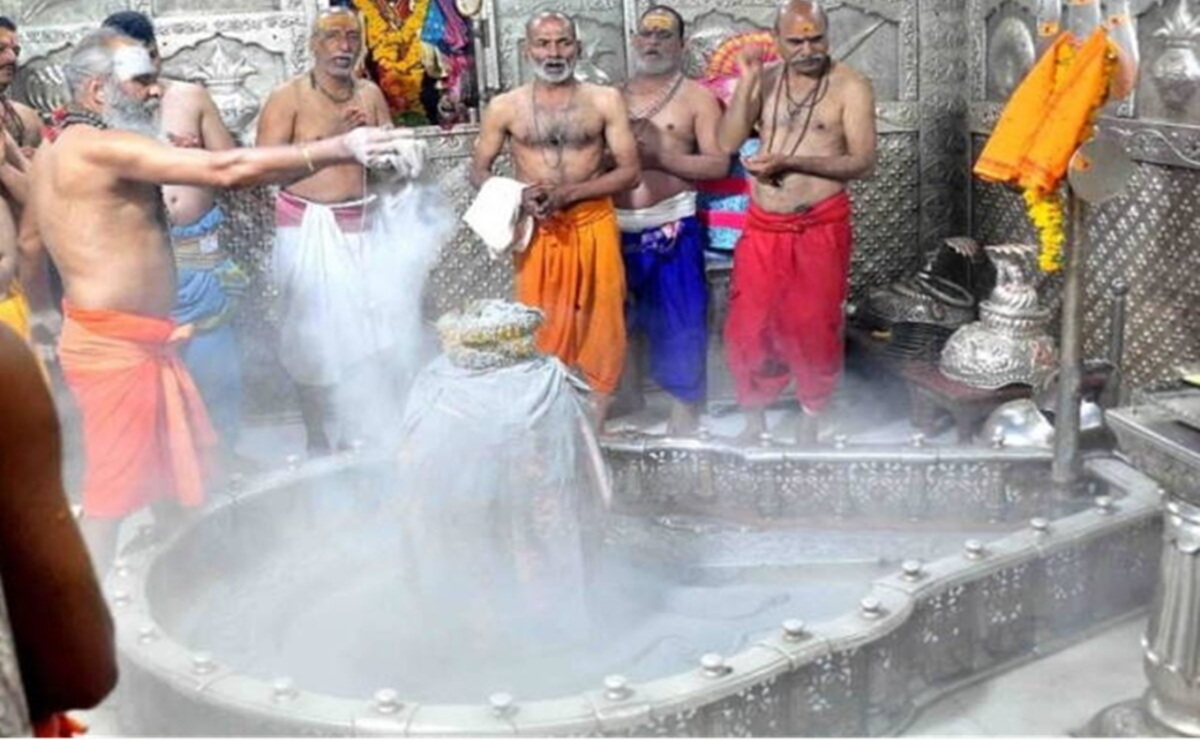
The grandeur of the ritual intensifies during festivals:
- Maha Shivratri: The temple remains open all night. Lakhs of devotees gather, and special Bhasma Aartis are conducted with extended rituals.
- Shravan Month (July–August): Every Monday, Lord Mahakal’s palanquin procession moves through Ujjain, and the Bhasma Aarti draws enormous crowds.
- Kartik Purnima: Devotees take holy dips in the Shipra River before attending the aarti.
- Simhastha Kumbh (every 12 years): The world’s largest spiritual congregation; Mahakaleshwar becomes the focal point.
During these periods, bookings are almost impossible at the last minute, so plan months ahead.
Check the Complete Travel Guide to: Top 7 Tourist Places in Pachmarhi You Must Visit
Where to Stay for Easy Access
Choosing the right accommodation is crucial because the ritual begins so early.
- Budget Dharamshalas: Shri Mahakal Dharamshala, Bharat Sevashram Sangh (basic but affordable).
- Mid-Range Hotels: Hotel Mittal Paradise, Hotel Shipra Residency (comfortable and close to the temple).
- Luxury Stays: Indore’s Radisson Blu and Marriott (stay in Indore, commute 1 hour to Ujjain).
👉 For attending the aarti, staying within walking distance of the temple is highly recommended.
Food Experience After Bhasma Aarti
After sitting through the intense early-morning ritual, many devotees head straight to local eateries. Ujjain’s food is both comforting and delicious.
- Poha-Jalebi: The iconic Ujjain breakfast, light yet flavorful.
- Kachoris and Samosas: Perfect with a cup of chai at dawn.
- Dal-Bafla: A hearty Malwi dish served with ghee and dal.
- Malpua with Rabdi: For those with a sweet tooth.
- Sattvic Meals: Available near the temple, prepared without onion or garlic, ideal for devotees observing fasts.
Tower Chowk is the best spot to enjoy street food right after darshan.
Customize Your Tour Package Today: 8 Days Madhya Pradesh Tour Itinerary – Complete Package
Shopping Around Mahakaleshwar
The streets around the temple are lined with shops selling religious and cultural items:
- Rudraksha malas (authentic beads can be expensive; buy from trusted shops).
- Brass and stone idols of Shiva and Mahakal.
- Miniature Jyotirlinga replicas for home worship.
- Astrology services and Panchang calendars, since Ujjain is historically India’s astrology hub.
- Temple bells, diyas, and bel-patra souvenirs.
Read Also: Omkareshwar Jyotirlinga Temple – History & Significance
Extending the Spiritual Journey Beyond Bhasma Aarti
While the Bhasma Aarti is the highlight, Ujjain offers much more:
- Ram Ghat Aarti at Sunset: A beautiful evening ritual by the Shipra River.
- Kal Bhairav Temple: Known for its unique liquor offering ritual.
- Harsiddhi Mata Temple: Famous for its towering deep stambhas (lamp towers).
- Chintaman Ganesh Temple: A swayambhu Ganesh idol believed to remove anxieties.
- Sandipani Ashram: Where Lord Krishna, Balarama, and Sudama studied under Guru Sandipani.
- ISKCON Ujjain: A serene, marble temple offering peace and bhakti.
Practical Tips for Travelers
- Arrive at the temple gates by 2:30 AM for Bhasma Aarti.
- Book passes well in advance, especially during festivals.
- Follow the strict dress code; dhoti for men, saree for women.
- Carry minimal belongings; lockers are available outside.
- Be prepared for long sitting hours — avoid bringing very young children.
- Stay calm and patient; large crowds are part of the experience.
Check the Complete Travel Guide to: Top Places to Visit Near Indore Within 400 KM (2025)
FAQs on Bhasma Aarti
Can women attend the Bhasma Aarti?
Yes, women can attend but must wear sarees. They are seated separately.
Is the cremation ash real?
Yes, traditionally the ash is collected from cremation grounds daily, sanctified, and then used.
Can foreigners attend the ritual?
Yes, foreigners are welcome if they follow dress codes and booking rules.
How long does the Aarti last?
Approximately 2–2.5 hours, concluding around sunrise.
Is photography allowed?
No, photography and videography are strictly prohibited inside.
Sample Itinerary for Travelers
Day 1: Arrive in Ujjain, visit Harsiddhi Mata Temple and attend evening aarti at Ram Ghat. Sleep early.
Day 2: Attend Bhasma Aarti at 4:00 AM, have breakfast at Tower Chowk, visit Kal Bhairav, Chintaman Ganesh, and Sandipani Ashram.
Day 3: Optional day trip to Omkareshwar Jyotirlinga (3 hours from Ujjain).
Plan Your Trip to: Best Time to Visit Ujjain – Weather & Seasonal Travel Guide
Conclusion: Why the Bhasma Aarti is Life-Changing
The Bhasma Aarti at Mahakaleshwar Temple is not just another temple ritual — it is a powerful reminder of the cycle of life and death, and the eternal nature of the soul. Witnessing the Jyotirlinga covered in cremation ash at dawn leaves devotees deeply humbled and spiritually awakened.
For travelers, it is a once-in-a-lifetime experience that blends ritual, philosophy, and personal transformation. Whether you are a pilgrim seeking moksha, a traveler curious about India’s traditions, or a seeker on a spiritual path, the Bhasma Aarti will leave an indelible mark on your heart.
So, when you plan your trip to Ujjain, make attending the Bhasma Aarti your top priority. It is a moment that transcends religion and culture, touching the very essence of human existence.
Must-Read Guides:
- Top 10 Temples in Ujjain You Must Visit: The Ultimate Travel Guide
- Madhya Pradesh in April 2025 – Weather, Things to Do & Travel Guide
- How to Reach Kanha National Park – Complete Travel Guide
- Best Places to Visit in Madhya Pradesh in December with Weather Info
- Travel Guide: How to Reach Sanchi Stupa from Bhopal
- Top 9 Tourist Places to Visit in Orchha and Nearby – 2025 Guide
- 7 Best Tourist Attractions in Pachmarhi – 2025 Travel Guide
- 20 Must-Visit Heritage Towns in India – Complete Travel Guide
- Buddhist Monuments of Sanchi – History, Architecture & Visitor Guide
- Khajuraho Travel Guide – Attractions, Activities & Entry Fees
- Omkareshwar Temple Guide – Puja Timings, Rituals & Travel Info
- Famous Foods of Madhya Pradesh You Must Try
- UNESCO World Heritage Sites in Madhya Pradesh – Full Travel Guide
- Don’t Miss Mahakal’s Early Morning Bhasma Aarti – Get All the Details Here!
- Discover Hidden Gems Near Ujjain – Plan Your Day Trip Today!
- Take a Day Trip from Ujjain to Omkareshwar, Mandu & Indore – Plan Now!
- Discover the Nearest Railway Station to Omkareshwar – Travel Smart Today!
- Plan Your Sacred Journey: Ujjain to Omkareshwar Jyotirlinga Travel Guide