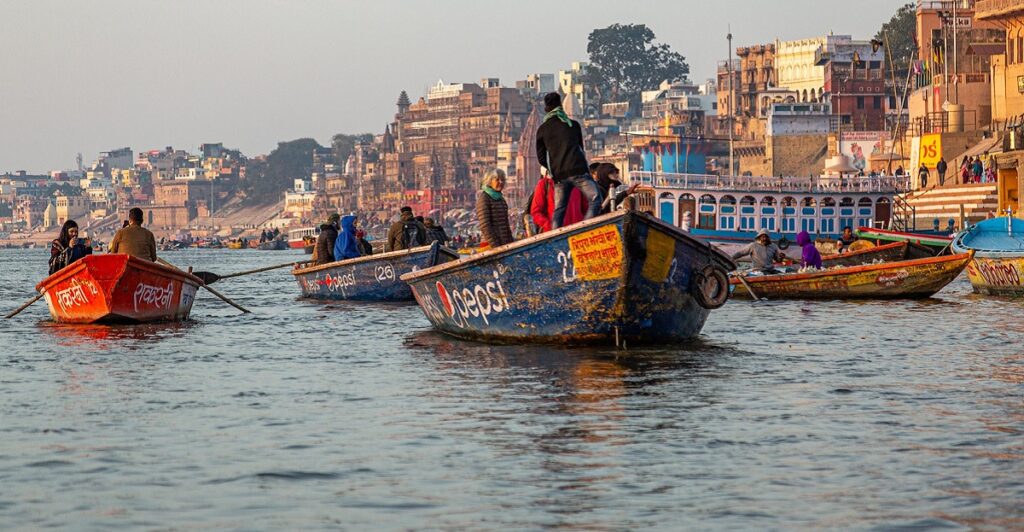
Are you planning a spiritual getaway this monsoon and wondering if Ayodhya is worth visiting in July? You’re not alone. As the birthplace of Lord Rama and one of the holiest cities in India, Ayodhya offers a deeply immersive experience year-round—but July brings a special, rain-washed serenity to its temples, ghats, and sacred rituals.
This Ayodhya in July travel guide 2026 helps you navigate weather conditions, religious events, and travel tips tailored for monsoon. From key attractions like Ram Janmabhoomi to serene boat rides on the Saryu River, this guide is designed for pilgrims, solo travelers, families, and heritage lovers alike.
Looking for similar monsoon spiritual trips? You may also be interested in our blog on Spiritual Circuits Beyond the Famous Temples: India’s Lesser-Known Pilgrimage Trails.
Weather in Ayodhya in July
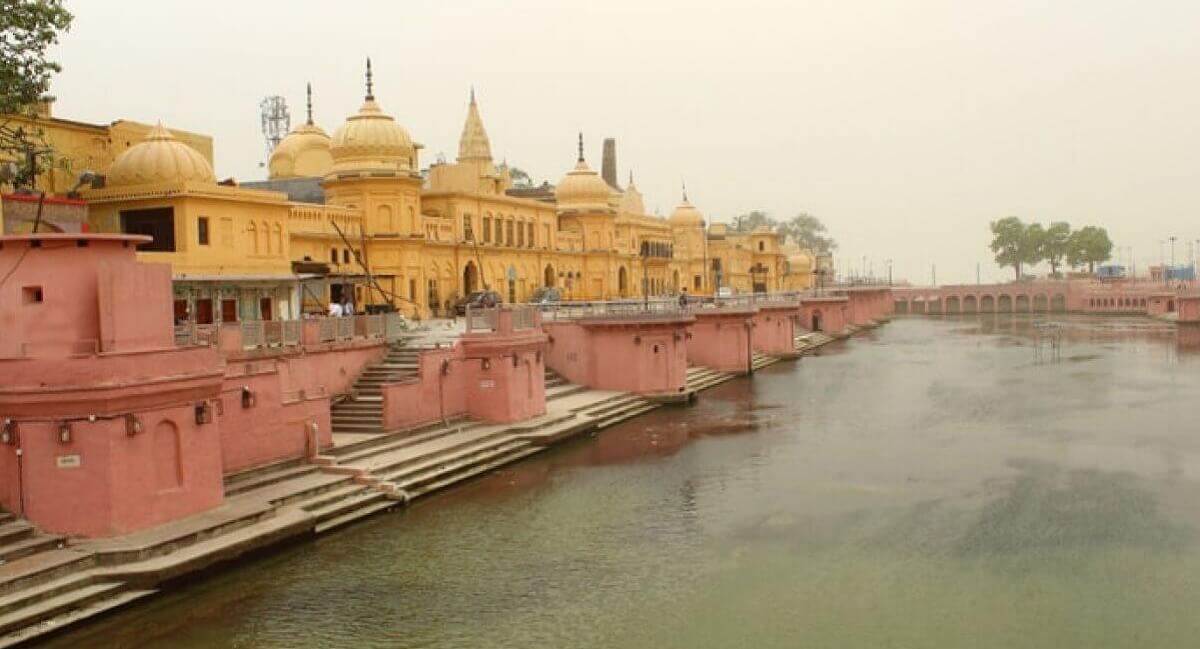
July is peak monsoon season in Ayodhya. Expect warm, humid days with intermittent rain showers that bring a lush, green backdrop to the ancient city.
- Temperature: Daytime temperatures range between 28°C and 35°C, with high humidity.
- Rainfall: Moderate to heavy rainfall, especially in the late afternoons and evenings. Short spells of intense showers are common.
- What it feels like: The city remains active and spiritual life continues undisturbed, but the ghats can get slippery and narrow lanes may get waterlogged.
Plan your sightseeing for early mornings or late evenings. Keep rain gear handy, and avoid planning tight itineraries, as local traffic can slow down during downpours.
Need help getting there? See our full Ayodhya Travel Guide from Major Cities for train and road connectivity.
Rituals and Temple Events in July
Ayodhya doesn’t slow down spiritually during July. In fact, the monsoon adds a mystical atmosphere to its sacred sites. While there are no major pan-India Hindu festivals in July (unlike the upcoming Shravan and Raksha Bandhan period in August), daily rituals and local observances continue with great devotion. Book 7-Day Varanasi Ayodhya Lucknow Tour Package Now
Key Rituals to Witness:
- Mangala Aarti at Ram Janmabhoomi Mandir: Early morning aarti is more intimate in July due to fewer crowds. It’s a spiritually enriching experience as chants echo in the rain-washed temple complex.
- Evening Saryu Aarti: Head to Ram Ki Paidi ghat around sunset. The Ganga-like aarti held here is smaller but beautiful, with oil lamps lit beside the swollen Saryu River.
- Local Observances: Keep an eye out for local saints or akharas (religious orders) conducting rain-prayer ceremonies or reading from the Ramcharitmanas. July marks the beginning of spiritual preparation for the holy Shravan month.
Many travelers find this period ideal for quiet spiritual reflection, photography, or cultural immersion without the distractions of peak season crowds. For more about nearby spiritual destinations, visit our guide on Temples in Uttar Pradesh Worth Visiting in Monsoon (Note: While December is mentioned, many destinations are great year-round). Experience 7 Days Lucknow, Ayodhya, Prayagraj & Varanasi Tour
Best Places to Visit in Ayodhya During Monsoon

Despite the rains, Ayodhya’s main attractions remain accessible and worth exploring with simple monsoon precautions. Here are a few you shouldn’t miss:
1. Ram Janmabhoomi Complex
This is the spiritual epicenter of Ayodhya. In July, early mornings are peaceful and photogenic. Security is tight, so avoid carrying extra belongings. Ayodhya Trip in August: Weather, Attractions, Festivals, and Events
2. Hanuman Garhi
A must-visit during monsoon. The 76-step climb is slightly slippery during rain, so wear proper footwear. The view from the top is stunning—cloud-kissed rooftops and lush surroundings.
3. Kanak Bhawan
Known for its beautifully adorned idols of Lord Rama and Sita. The temple is indoors and makes for a good stop on a rainy day.
4. Ram Ki Paidi
A scenic stretch of ghats along the Saryu River. Be cautious of slippery steps, but do attend the evening aarti if weather permits.
5. Guptar Ghat
A lesser-visited but serene ghat where Lord Rama is believed to have taken jal samadhi (water samadhi). A peaceful, monsoon-perfect spot for solitude or meditation.
For a more immersive spiritual circuit, explore our post on Char Dham Yatra From Mumbai, which provides extended pilgrimage ideas across northern India. Plan a 5-Day Ayodhya & Lucknow Tour Package Today
Tips for Travelers Visiting Ayodhya in July 2026
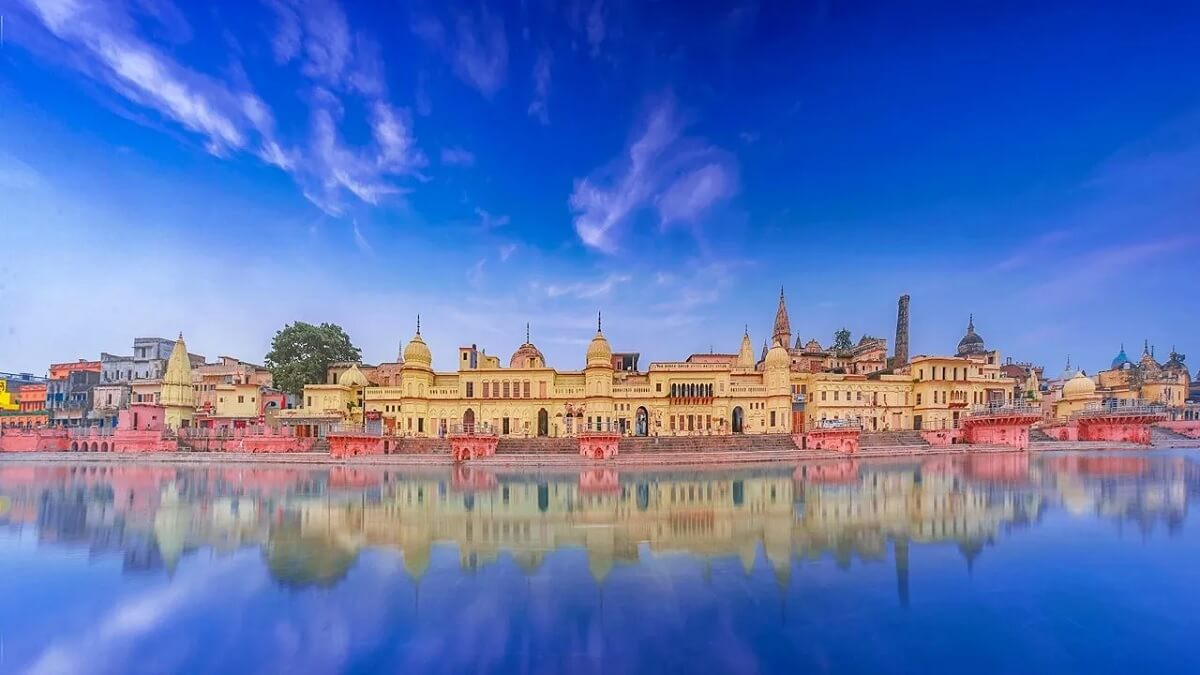
Traveling to Ayodhya during the monsoon is a soulful experience, but it also requires careful planning. Here’s how to make the most of your visit in July:
1. Clothing & Essentials
- Carry a lightweight raincoat or windcheater, as sudden downpours are common.
- Use waterproof footwear with a firm grip, especially when visiting ghats like Ram Ki Paidi or Guptar Ghat.
- Pack mosquito repellent, especially if you’re staying near the river or in older guesthouses. Everything You Need to Know About Taking a Houseboat in Kerala
2. Stay Prepared for Weather Disruptions
- Keep buffer time in your itinerary. Rains may delay local transport or restrict walking tours.
- Always check the local weather forecast before stepping out for long walks or excursions outside the main town.
3. Accommodation Tips
- Choose centrally located hotels near Ram Janmabhoomi or Hanuman Garhi, as they offer easy access during rain.
- Book well-reviewed guesthouses or religious stays if you’re seeking a spiritual experience.
For more peaceful and offbeat monsoon stays, you can also check our blog on Luxury Weekend Resorts Near Indian Cities, some of which are within reach of Ayodhya.
4. Cultural Etiquette
- Respect the local dress code at temples—wear modest and preferably traditional attire.
- Always ask permission before taking photos of priests or devotees engaged in puja.
5. Local Transport & Navigation
- Electric rickshaws and autos are ideal for navigating narrow lanes. Negotiate fares in advance or use shared options when possible. Best Hotels in Ayodhya Near Ram Temple
Final Thoughts: Is Ayodhya Worth Visiting in July?
If you’re seeking a spiritual escape away from the bustling tourist crowd, Ayodhya in July is absolutely worth visiting. The rains soften the summer heat, the holy river becomes more vibrant, and the city feels more intimate, with less footfall at major temples.
While you should remain cautious of slippery steps at ghats and stay informed about the weather, Ayodhya offers a calming monsoon atmosphere unlike anywhere else. Whether you’re here for the Ram Janmabhoomi Darshan, the evening aarti, or just quiet contemplation along the Saryu, July presents the city in a washed, radiant light that reflects its ancient soul.
Looking to combine your trip with other monsoon-friendly destinations? Don’t miss our guide to Romantic Rainy Getaways in India or explore Varanasi in July for a twin-city spiritual retreat.
- Explore Top Tourist Spots Near Ayodhya Within 100 Km – Temples & Heritage
- Plan Your Trip: How to Reach Ayodhya from Varanasi Easily
- Book the Best Hotels Near Ram Temple in Ayodhya
- Ayodhya Trip in August: Weather, Attractions, Festivals, and Events
- Get Complete Guide to Reach Ayodhya Hassle-Free
- Visit Ayodhya in January 2026 – Weather & Travel Guide
- Discover 10 Best Places to Visit in Uttar Pradesh in June
- Explore Must-Visit Historical Monuments in Uttar Pradesh
- Travel to Uttar Pradesh in December – Top Places & Weather Tips
- Explore Top Temples to Visit in Prayagraj
- Plan Short Weekend Trips from Lucknow – 11 Best Getaways
- Find Budget Trips Under ₹50K from Lucknow – May 2026 Picks