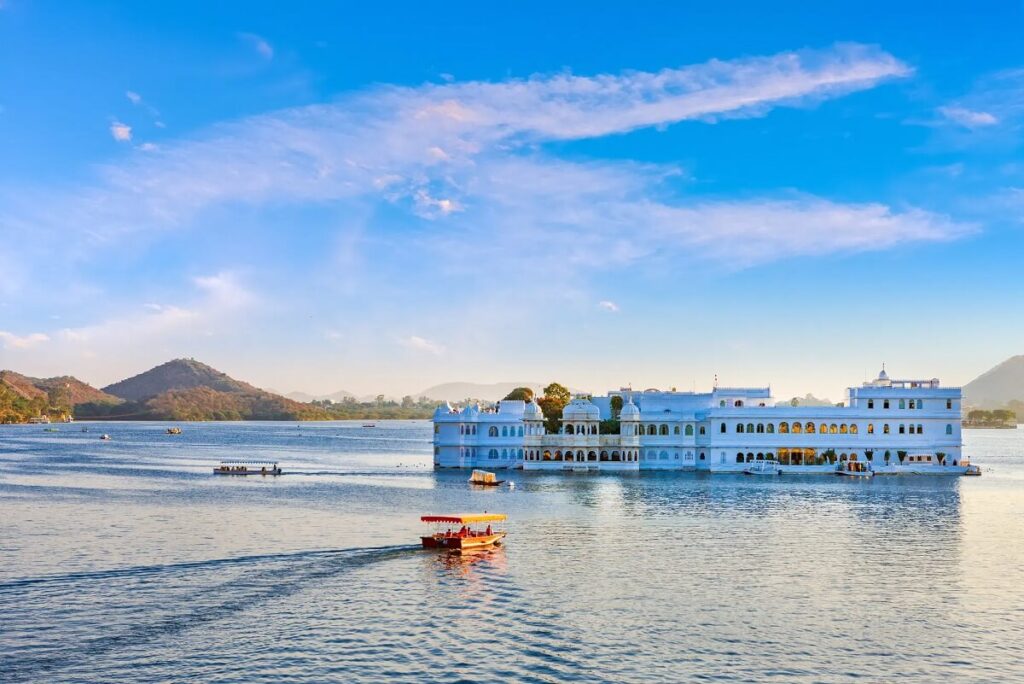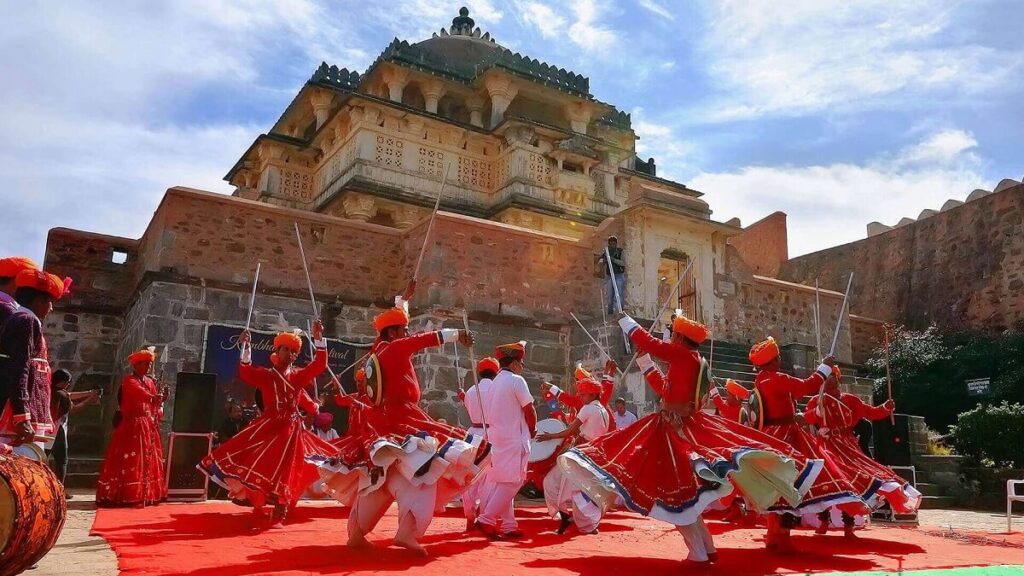
As winter settles over Rajasthan, Mount Abu transforms into a rare blend of misty mornings, crisp evenings, and cultural vibrancy. Imagine chilly hill air, the soft glow of lamps around Nakki Lake, and the rhythmic beats of folk drums echoing through the Aravalli hills. This is the atmosphere of the Mount Abu Winter Festival, Rajasthan’s only hill station festival and one of its most charming cultural events.
Held every year at the end of December, the Mount Abu Winter Festival is a three-day celebration of Rajasthani heritage, music, dance, sports, and food. It draws travelers, culture lovers, families, and photographers from across India and abroad.
In this guide, you will find everything you need to plan your visit to the Mount Abu Winter Festival 2025, including dates, major events, daily schedules, travel tips, and insider advice to make the most of this unique winter escape.
A Brief History and Significance of the Mount Abu Winter Festival
Origins of the Festival
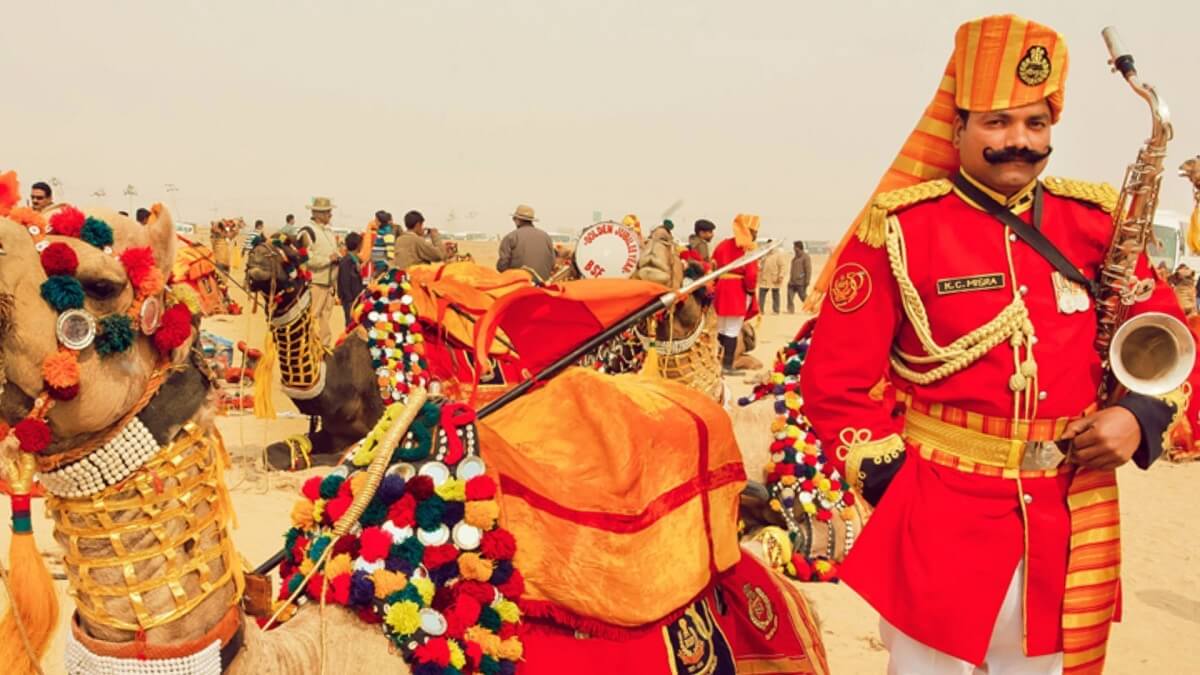
The Mount Abu Winter Festival began in the early 1970s with a simple objective: to promote tourism during the winter months in Rajasthan’s only hill station. At that time, Mount Abu was largely seen as a summer retreat. The festival was designed to showcase the region’s cultural richness while attracting visitors during the quieter winter season.
What started as a modest cultural gathering soon evolved into a state-recognized festival supported by Rajasthan Tourism, the District Administration, and local communities.
Cultural Importance
At its heart, the Mount Abu Winter Festival reflects the Rajasthani philosophy of “Atithi Devo Bhava”, meaning “the guest is God”. Local residents, artisans, performers, and vendors actively participate, turning the town into a welcoming cultural hub.
The festival highlights folk traditions from across Rajasthan, including tribal art forms that are rarely seen in mainstream events. It also strengthens community bonds and provides economic opportunities for local artists and small businesses.
Evolution Over the Years
Over the decades, the festival has adapted to changing traveler interests. Alongside traditional folk performances, recent editions have introduced adventure activities, sports competitions, and New Year’s Eve fireworks. This blend of heritage and modern entertainment has helped the festival appeal to both cultural purists and younger travelers.
Dates, Venue, and Logistics for Mount Abu Winter Festival 2025
Official Dates for 2025
The Mount Abu Winter Festival 2025 is expected to take place from:
December 29 to December 31, 2025
These dates are tentative and usually confirmed by Rajasthan Tourism closer to the event. It is wise to check official announcements a few weeks before travel.
Main Venues
The festival is primarily centered around Nakki Lake, which becomes the visual and cultural heart of the celebrations. Other key venues include:
- Polo Ground for sports events
- Sunset Point for cultural performances and views
- Local cultural centers and open grounds
- The festival traditionally begins with a procession starting near Hotel Shikhar
Most venues are within walking distance, making it easy to move between events.
Weather During the Festival
Late December is one of the best times to visit Mount Abu. Expect:
- Daytime temperatures around 16°C to 18°C
- Night temperatures dropping to 7°C or 8°C
- Cold winds in the evenings, especially near the lake
The weather adds to the charm but requires proper winter clothing.
Mount Abu Travel Packages:
- 3 Days Mount Abu Family Itinerary
- 3 Days Mount Abu & Kumbhalgarh Trip
- 5 Days Udaipur & Mount Abu Tour
- 12 Days Rajasthan Tour With Mount Abu
A Day-by-Day Schedule of Events
Day 1: December 29 – Grand Inauguration
The festival opens with color, music, and movement.
Shobha Yatra (Grand Procession)
A vibrant procession marks the official beginning of the festival. Folk artists in traditional attire, decorated floats, drummers, and dancers move through the streets toward Nakki Lake. This procession is one of the best moments for photography and cultural immersion.
Opening Cultural Performances
At Nakki Lake and nearby stages, audiences are treated to iconic Rajasthani folk dances such as Ghoomar and Kalbelia. Tribal music performances set the tone for the days ahead.
Art and Handicraft Exhibitions
Local artisans display traditional textiles, silver jewelry, miniature paintings, woodwork, and handicrafts. These stalls offer an excellent opportunity to interact directly with craftsmen and purchase authentic souvenirs.
Day 2: December 30 – Sports and Entertainment
The second day blends cultural expression with fun and adventure.
Adventure and Sports Activities
Popular activities include:
- Boat races on Nakki Lake
- Tug-of-war competitions
- Kite-flying contests
- Friendly cricket matches at Polo Ground
Some years also feature trekking experiences or hot air balloon rides, depending on weather and approvals.
Cultural Shows and Performances
The evening is dedicated to music and dance, with performances ranging from Sufi music and classical Indian melodies to poetry sessions and Gair dance demonstrations. These performances often continue late into the night.
Culinary Trail
Food stalls line the festival areas, offering traditional Rajasthani vegetarian cuisine. Popular dishes include dal baati churma, gatte ki sabzi, ker sangri, malpua, and warm desserts like rabri. The food reflects Mount Abu’s religious and cultural ethos, with vegetarian offerings dominating the scene.
Day 3: December 31 – Climax and New Year’s Revelry
The final day is the most emotional and visually striking.
Deep Daan Ceremony
At dusk, hundreds of earthen lamps are floated on Nakki Lake in a ritual known as Deep Daan. The sight of glowing diyas against the dark water and surrounding hills is deeply symbolic, representing gratitude, renewal, and hope.
Grand Finale and Fireworks
As night falls, a fireworks display lights up the sky above Nakki Lake. The celebration blends traditional performances with modern New Year’s Eve cheer, creating a festive yet respectful atmosphere.
Closing Performances and Community Interaction
The festival concludes with additional folk performances, informal interactions with artists, and a sense of collective celebration as the year draws to a close.
Must-See Highlights and Unique Experiences
Iconic Festival Moments
The Deep Daan ceremony and fireworks are the most unforgettable moments of the festival. They create a rare contrast between Mount Abu’s calm hill-station vibe and the energy of celebration.
Cultural Immersion
The festival provides access to folk and tribal art forms that are not commonly performed elsewhere. Conversations with artisans and performers add depth to the experience.
Offbeat Elements
Cricket matches, boat races, and adventure activities add an unexpected twist to a cultural festival, making it enjoyable for families and younger travelers.
Photography Tips
- Capture the procession during late afternoon for warm light
- Photograph diyas on Nakki Lake after sunset
- Use wide-angle shots to frame performances against the hills
Travel Tips for an Effortless Visit
Accommodation Advice
Hotels and guesthouses fill up quickly during the festival. It is best to book accommodation near Nakki Lake or the main market area at least two to three months in advance.
Packing Essentials
Carry warm jackets, gloves, beanies, and layered clothing. Comfortable walking shoes are essential due to hilly terrain. Keep some cash handy, as digital payments may not always work reliably.
Getting Around Town
Most festival venues are walkable. For longer distances, auto-rickshaws are more convenient than private cars due to traffic and parking restrictions.
Dietary and Cultural Etiquette
Mount Abu is a holy town, and vegetarian food is the norm. Alcohol consumption is restricted in public areas. Dress modestly when visiting temples such as the Dilwara Temples.
Sustainability and Responsible Travel
Use reusable water bottles, avoid littering, and respect the natural surroundings. Responsible travel helps preserve Mount Abu’s fragile ecosystem.
How to Reach Mount Abu
By Air
The nearest airport is Maharana Pratap Airport, Udaipur, approximately 175 kilometers away. From there, taxis are available for the 3 to 4-hour drive to Mount Abu.
By Train
The closest railway station is Abu Road, about 28 kilometers from Mount Abu. Regular taxis and buses connect the station to the hill town.
By Road
Mount Abu is well connected by road:
- From Delhi: around 700 km, approximately 12 hours
- From Jaipur: around 500 km, approximately 9 hours
State-run buses and private taxis operate frequently.
Pro Tip: Arrive a day early to explore places like Guru Shikhar, Sunset Point, and the Dilwara Temples before the festival crowds build up.
Conclusion
The Mount Abu Winter Festival 2025 is more than a cultural event. It is a winter escape that combines Rajasthani tradition, hill-station serenity, and festive joy in a setting unlike anywhere else in the state.
Whether you come for folk dances, lakeside rituals, local food, or a peaceful New Year’s celebration, the festival offers a memorable way to experience Rajasthan beyond its deserts and forts.
Mark your calendar for December 29 to 31, 2025, and let Mount Abu’s winter magic welcome you into the new year with warmth, culture, and light.
Related Articles:
- Mount Abu in July 2026: Weather Guide, Best Places to Visit & Travel Tips
- Things to Do in Mount Abu: Complete Travel Guide to Rajasthan’s Only Hill Station
- How to Reach Mount Abu from Ahmedabad: Routes, Travel Time & Best Options
- How to Reach Mount Abu from Delhi: Road, Train, Flight Options & Travel Tips
- Mount Abu in January 2026: Weather, Sightseeing & Travel Planning Guide
- Things to Do in Jawai, Rajasthan: Wildlife, Culture & Travel Guide
- 10 Best Places to Visit in Rajasthan in January 2026: Weather & Itinerary Ideas
- Rajasthan in February 2026: Weather, Best Destinations & Travel Guide