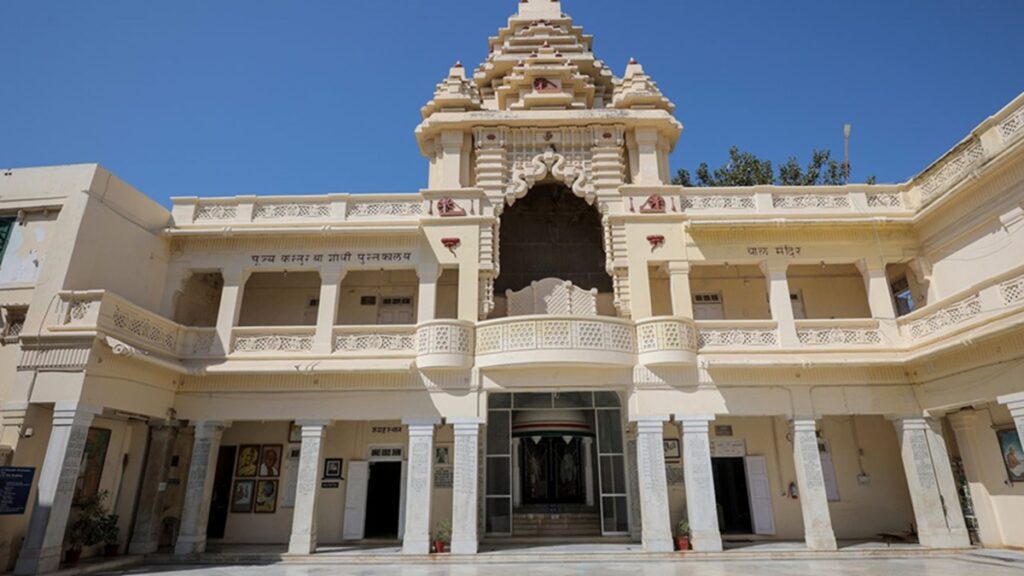
Few figures in history have left as profound a mark on India and the world as Mahatma Gandhi. Known as the “Father of the Nation,” Gandhi’s philosophy of non-violence (ahimsa) and truth (satyagraha) inspired India’s independence struggle and influenced civil rights movements worldwide.
For travellers, following Gandhi’s footsteps is more than sightseeing. It’s a way to connect with India’s struggle for freedom, to stand in the places where history was made, and to reflect on the values of peace and simplicity that still resonate today.
Across India, you’ll find ashrams, memorials, and museums dedicated to Gandhi. Each site holds unique insights into his life: where he lived simply, where he strategised, where he suffered imprisonment, and where he ultimately gave his life for peace.
This blog takes you through the must-visit Gandhi sites and museums in India, explaining their history, what to see, and why they matter. By the end, you’ll know exactly which places to add to your itinerary, whether you’re exploring Delhi, Mumbai, Gujarat, or beyond.
1. Sabarmati Ashram, Ahmedabad – The Heart of Gandhi’s Movement
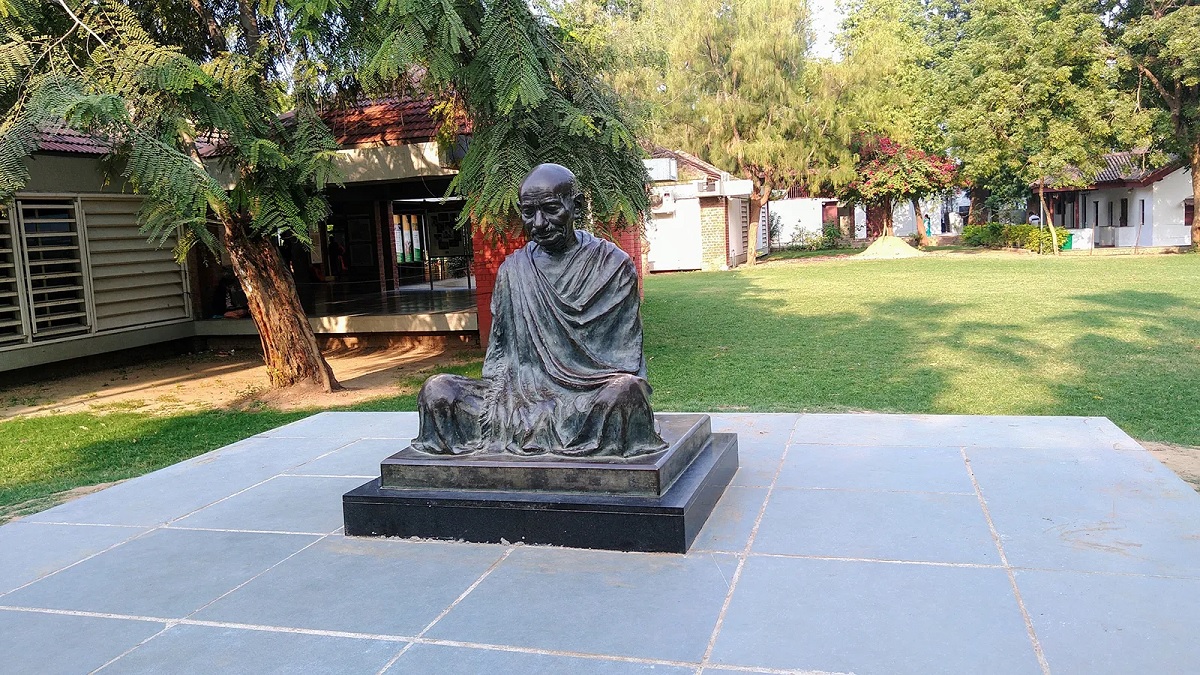
Why Sabarmati Ashram Is Important
Located on the peaceful banks of the Sabarmati River in Ahmedabad, Gujarat, this ashram served as Gandhi’s base from 1917 to 1930. It was here that he launched some of the most important movements of India’s independence struggle, including the Non-Cooperation Movement and the Dandi March (Salt March) in 1930.
Sabarmati Ashram wasn’t just Gandhi’s home; it was also a hub for followers, activists, and international visitors who came to learn from him. Gandhi chose the location deliberately — midway between a prison and a cremation ground — to symbolise his readiness for either outcome.
What to See at Sabarmati Ashram
- Hriday Kunj: Gandhi’s modest living quarters. Inside, you’ll see his simple belongings: a spinning wheel (charkha), wooden bed, writing desk, and sandals. The simplicity speaks volumes about his way of life.
- Gandhi Memorial Museum: A curated collection of photographs, letters, and documents that trace Gandhi’s journey. It also includes vivid displays of India’s freedom struggle.
- Library and Archives: A treasure trove of books on Gandhi, Indian history, and non-violence philosophy.
- Sabarmati Riverfront: Today, the area has been developed into a peaceful walking space, offering visitors a chance to reflect on Gandhi’s teachings.
Why Travellers Should Visit
Walking through the ashram, you get a sense of Gandhi not as a distant icon, but as a human being living simply and working tirelessly. International travellers often find it inspiring — a reminder that monumental change can begin in humble surroundings.
Travel Tip: Sabarmati Ashram is free to enter. Plan 2–3 hours here, and combine your visit with a tour of Ahmedabad’s old city, a UNESCO World Heritage site.
2. Gandhi Smriti, New Delhi – Where the Journey Ended
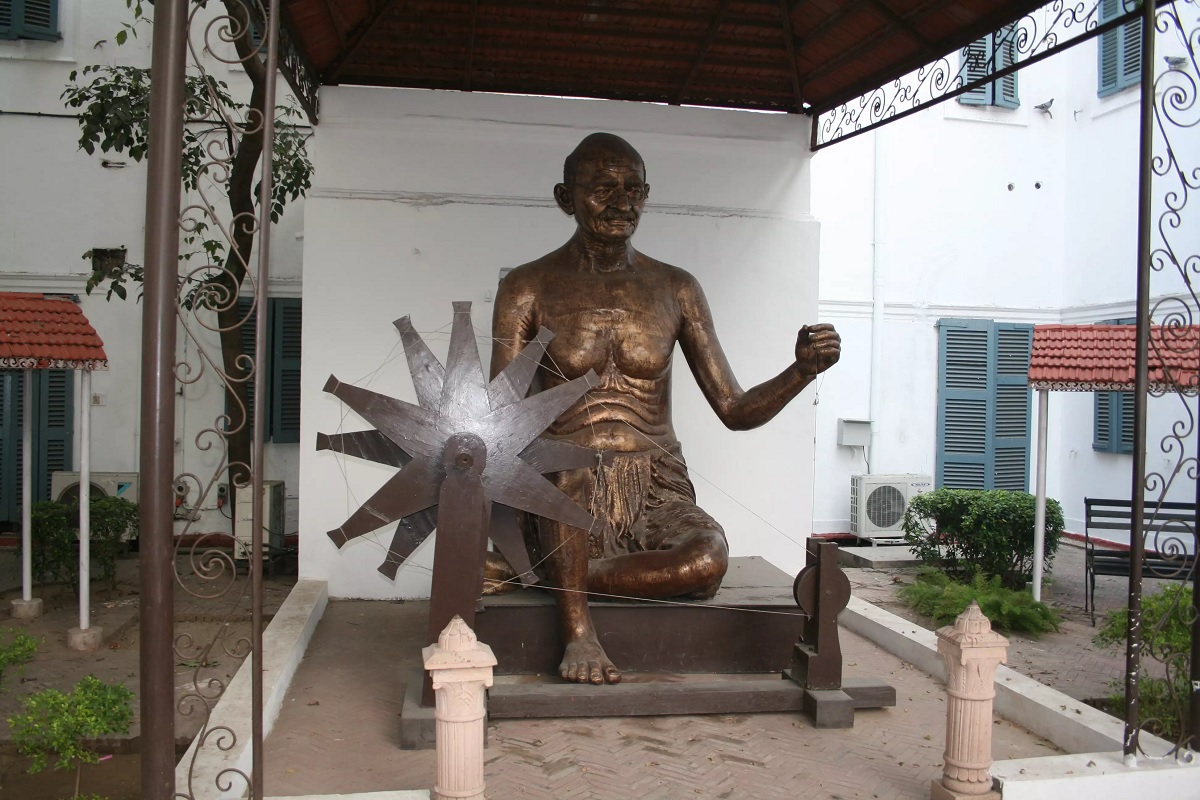
Why Gandhi Smriti Is Important
Formerly known as the Birla House, this is the site where Gandhi spent his final 144 days before his assassination on 30 January 1948. Today, it is preserved as a memorial and museum, offering a deeply emotional experience.
What to See at Gandhi Smriti
- Martyr’s Column: The exact spot where Gandhi fell after being shot. A simple yet powerful memorial marks the place, surrounded by serene gardens.
- Preserved Rooms: Gandhi’s personal room has been kept intact, with his spinning wheel, walking stick, and sandals.
- Exhibits and Galleries: Interactive displays, photographs, and dioramas depict Gandhi’s life, his campaigns, and his final days.
- Prayer Ground: Where Gandhi held evening prayers, still open to the public for quiet reflection.
Why Travellers Should Visit
Visiting Gandhi Smriti is moving — many describe it as one of the most memorable parts of their Delhi trip. It allows travellers to reflect not only on Gandhi’s life but also on his tragic end.
Travel Tip: Entry is free, but the museum closes on Mondays. Combine this visit with Raj Ghat, just a short drive away, for a deeper understanding of Gandhi’s final chapter.
3. Raj Ghat, Delhi – Gandhi’s Memorial
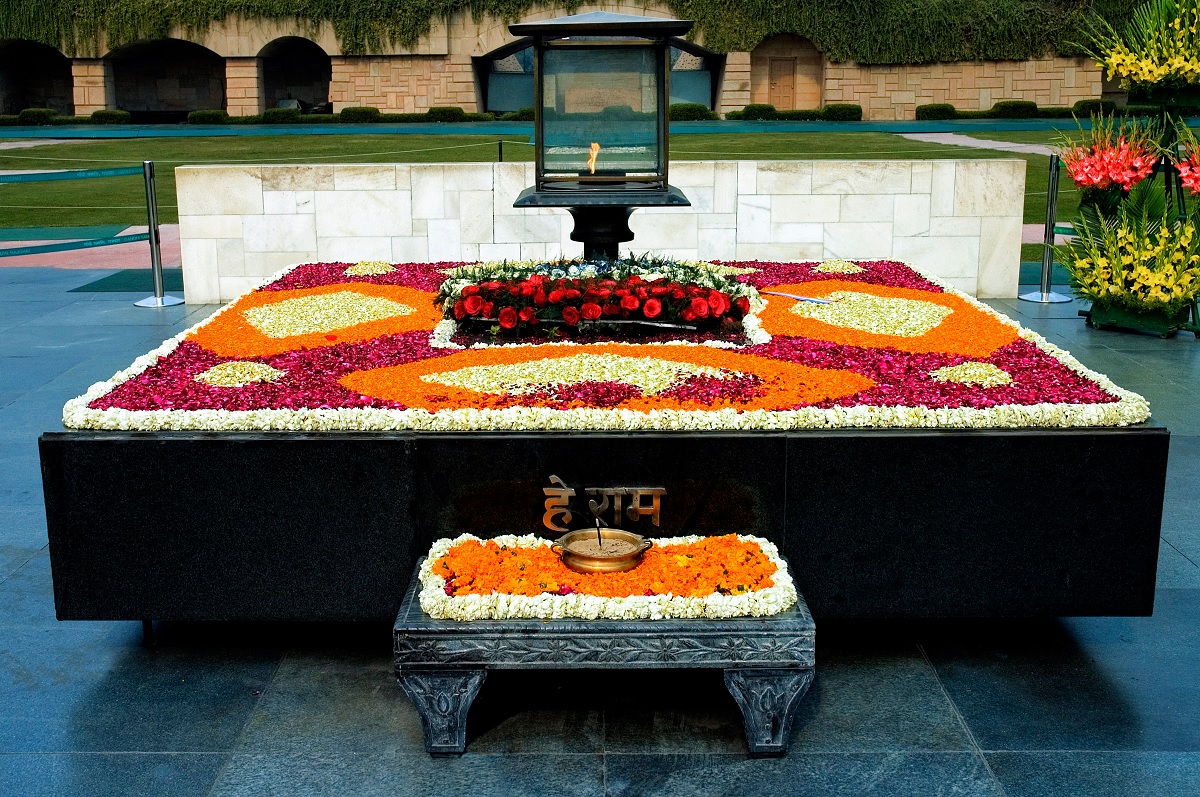
Why Raj Ghat Is Important
On the banks of the Yamuna River in Delhi lies Raj Ghat, the place where Gandhi was cremated. The memorial is simple: a black marble platform with an eternal flame that burns in his honour.
What to See at Raj Ghat
- The Memorial Platform: Visitors remove their shoes before entering, as a mark of respect.
- Eternal Flame: Symbolising Gandhi’s lasting influence.
- Surrounding Gardens: Lush lawns and peaceful pathways make Raj Ghat an oasis in busy Delhi.
- Nearby Memorials: Adjacent gardens also hold memorials to other Indian leaders, making it a wider place of remembrance.
Why Travellers Should Visit
Raj Ghat is not just a memorial; it’s a place of quiet reflection. Many international visitors find the simplicity of the site a contrast to India’s otherwise elaborate monuments, mirroring Gandhi’s own humility.
Travel Tip: Visit in the early morning or evening for a serene atmosphere. Photography is allowed, but respectful behaviour is expected.
4. Mani Bhavan, Mumbai – Gandhi’s Political Nerve Centre
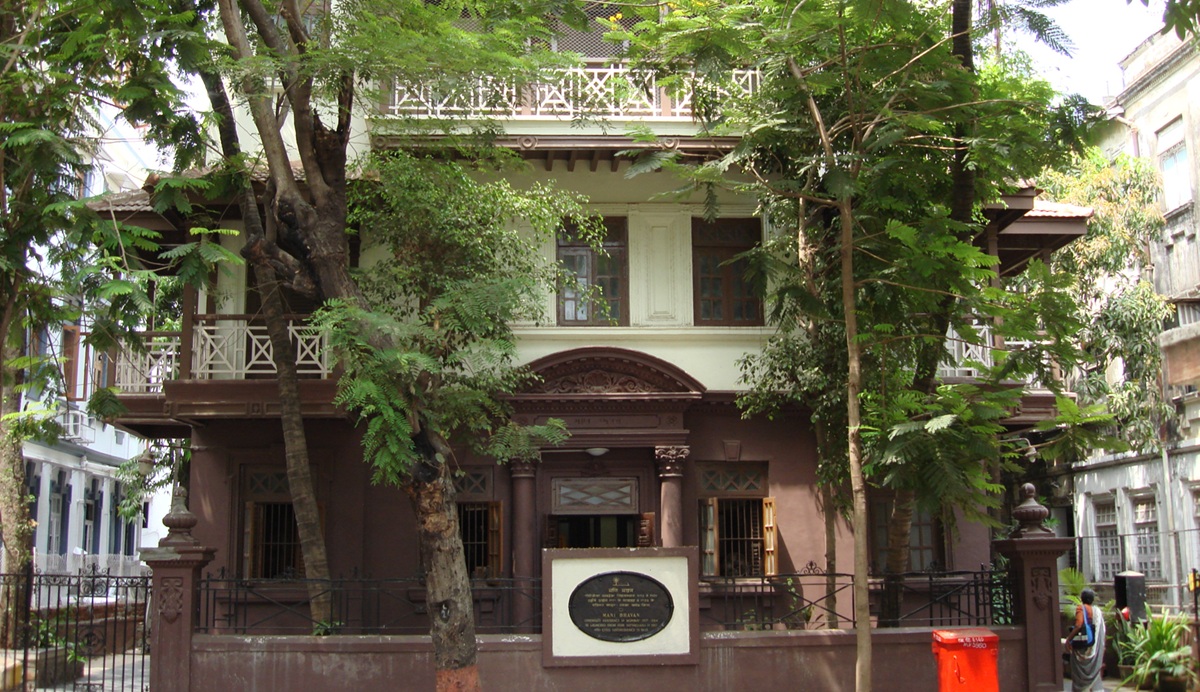
Why Mani Bhavan Is Important
Located in a quiet lane of Mumbai, Mani Bhavan was Gandhi’s headquarters from 1917 to 1934 whenever he was in the city. From here, he coordinated major campaigns like the Non-Cooperation, Civil Disobedience, and Swadeshi movements.
What to See at Mani Bhavan
- Preserved Room: Gandhi’s modest living space with simple furniture.
- Library: Over 50,000 books and periodicals on Gandhi and related subjects.
- Photographs & Exhibits: A chronological journey through Gandhi’s life.
- Dioramas: Miniature models depicting key moments, such as the Dandi March.
Why Travellers Should Visit
Mani Bhavan offers an intimate glimpse into Gandhi’s life in Mumbai, India’s financial capital. For international travellers, it’s fascinating to see how global movements and local struggles converged in this modest house.
Travel Tip: Located in Gamdevi, Mani Bhavan is close to other attractions like Marine Drive and Girgaon Chowpatty, making it easy to add to your Mumbai itinerary.
5. Aga Khan Palace, Pune – Symbol of Sacrifice
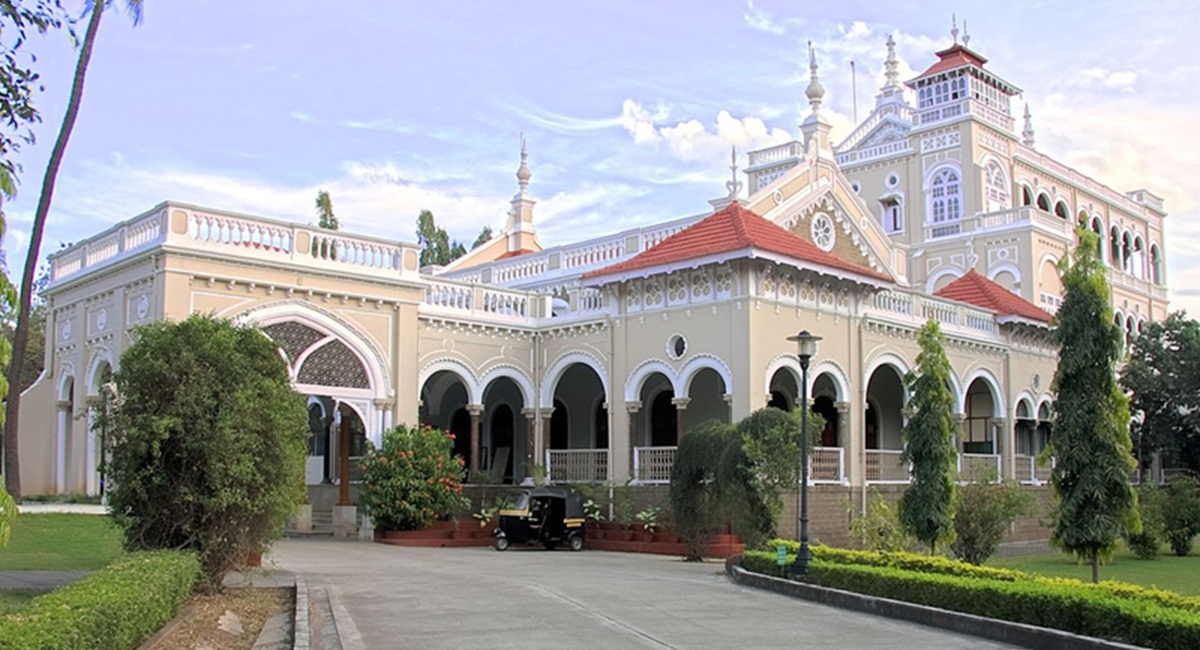
Why Aga Khan Palace Is Important
This elegant palace in Pune became a place of tragedy and sacrifice during the Quit India Movement in 1942, when Gandhi and other leaders were imprisoned here. Gandhi’s wife, Kasturba Gandhi, and his secretary Mahadev Desai both passed away during this time, and their memorials are within the palace grounds.
What to See at Aga Khan Palace
- Memorials of Kasturba Gandhi and Mahadev Desai.
- Museum Collections: Gandhi’s personal items, including clothes, utensils, and letters.
- The Palace Architecture: An example of colonial-era design, with sweeping lawns and Italian arches.
Why Travellers Should Visit
Aga Khan Palace combines history with beauty. It’s both a site of mourning and a place to celebrate Gandhi’s endurance in the face of hardship. For international visitors, it offers a chance to see Gandhi’s more personal side.
Travel Tip: Entry is ticketed but inexpensive. Visit in the late afternoon when the palace gardens glow in golden light.
Great — here’s Part 2 (around 2,000 words) of the blog on “Gandhi’s Legacy in India: Must-Visit Sites and Museums Related to Mahatma Gandhi”.
6. Gandhi Ashram, Sevagram (Wardha, Maharashtra) – Simplicity in Action
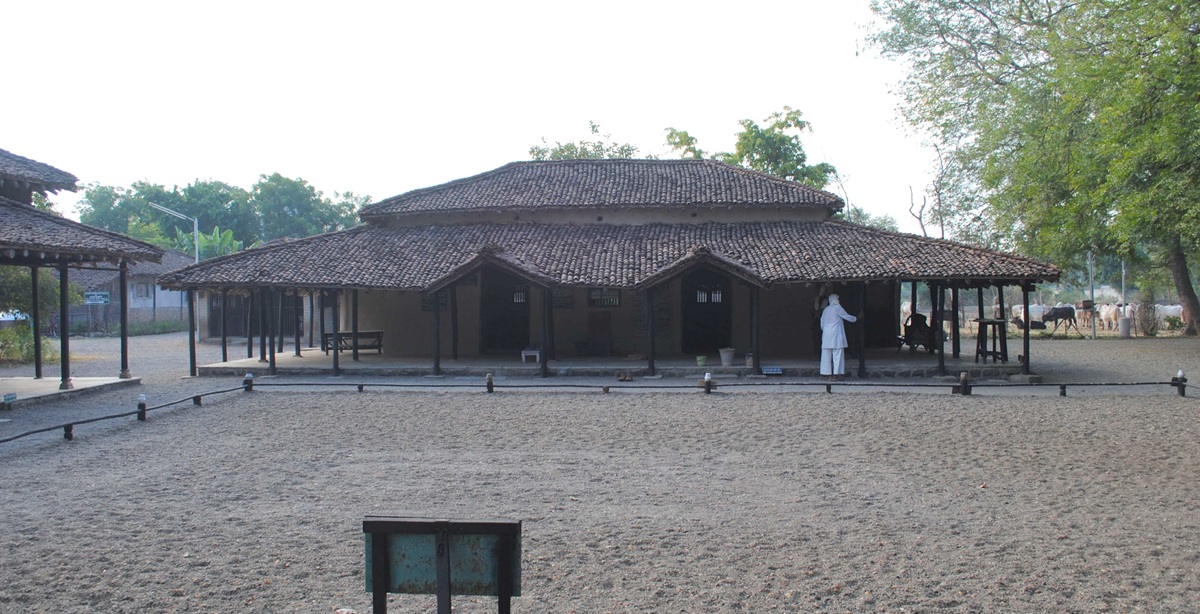
Why Sevagram Ashram Is Important
While Sabarmati Ashram in Ahmedabad was Gandhi’s main base until 1930, he later shifted to Sevagram Ashram near Wardha in Maharashtra. From 1936 until his death in 1948, Sevagram became his primary residence. Here, Gandhi lived with the same simplicity he preached — mud huts, minimal belongings, and self-reliant living.
It was from Sevagram that Gandhi directed many of his later political campaigns, including correspondence with leaders around the world.
What to See at Sevagram Ashram
- Bapu Kuti (Gandhi’s Hut): Gandhi’s personal residence, preserved exactly as it was — mud walls, a wooden cot, a writing table, and his spinning wheel.
- Prayer Ground: Where daily prayers were held in the open air, reflecting Gandhi’s practice of communal spirituality.
- Other Huts: Including those of Kasturba Gandhi and associates who lived with him.
- Exhibits: Collections of letters, photographs, and artefacts from Gandhi’s later years.
Why Travellers Should Visit
Sevagram gives visitors a sense of Gandhi’s lifestyle in its purest form: minimalism, discipline, and focus on rural life. For international travellers, it’s a reminder that Gandhi’s legacy was not just political but also deeply rooted in everyday living.
Travel Tip: Sevagram is best visited on a combined trip with Nagpur (80 km away), a major transport hub with good flight and rail connections.
Gandhi Memorial Museum, Madurai – Where Simplicity Began
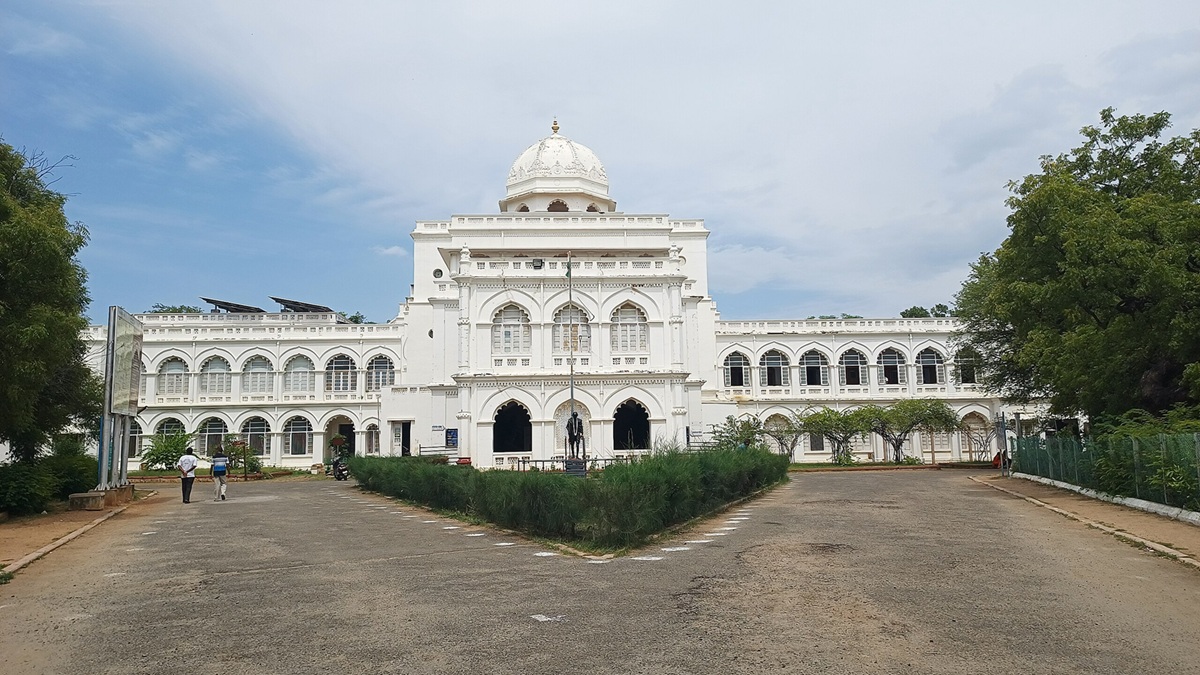
Why the Madurai Gandhi Museum Is Important
Located in Madurai, Tamil Nadu, this museum is housed in the historic Tamukkam Palace. Madurai is significant because it was here, in 1921, that Gandhi adopted the loincloth (dhoti) as his permanent attire after witnessing the poverty of South India.
The museum is one of the five Gandhi Sangrahalayas (Gandhi Memorial Museums) established across India and offers one of the richest collections of artefacts related to his life.
What to See at the Gandhi Memorial Museum
- Blood-Stained Cloth: The piece of cloth Gandhi wore when he was assassinated — a deeply moving relic.
- Photographic Gallery: Over 250 photos covering his life from childhood to martyrdom.
- Letters and Personal Items: Including a letter Gandhi wrote to Hitler urging him to embrace peace.
- Exhibits on Indian Independence: Contextual displays about the freedom struggle.
Why Travellers Should Visit
For those travelling through South India, the Madurai museum is an unmissable stop. It not only showcases Gandhi’s story but also highlights how his philosophy was shaped by India’s diversity.
Travel Tip: Combine your visit with the Meenakshi Amman Temple, one of India’s most magnificent temple complexes, located nearby.
8. Kirti Mandir, Porbandar – Gandhi’s Birthplace
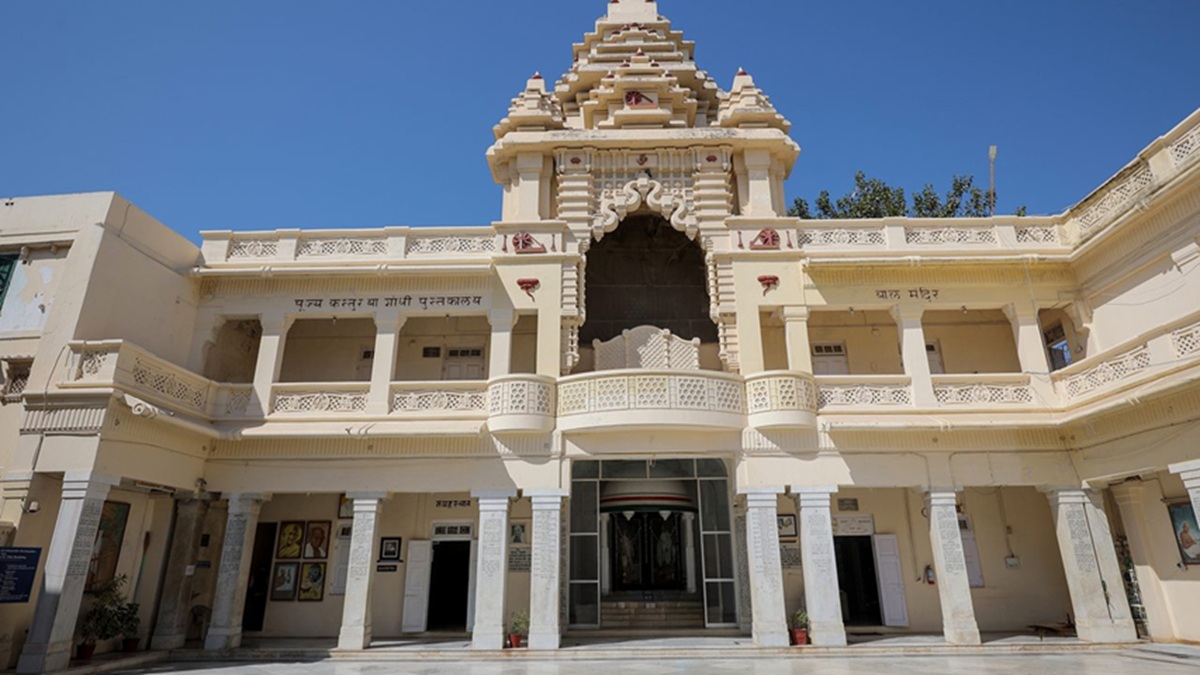
Why Porbandar Matters
Porbandar, in coastal Gujarat, is where Mahatma Gandhi was born on 2 October 1869. His family home has been preserved and transformed into the Kirti Mandir, a museum and memorial that attracts thousands of visitors each year, especially on Gandhi Jayanti (his birthday).
What to See at Kirti Mandir
- Gandhi’s Birthplace: The exact room where he was born, kept simple yet reverent.
- Photo and Document Exhibits: Chronicling Gandhi’s early life and influences.
- Library: Collections of books on Gandhi, peace studies, and Indian history.
- Meditation Hall: A quiet space where visitors can reflect on Gandhi’s teachings.
Why Travellers Should Visit
Kirti Mandir allows you to trace Gandhi’s journey right back to its roots. Standing in the house where he was born brings his story full circle.
Travel Tip: Porbandar is on the Gujarat coast and can be combined with visits to Somnath Temple and Dwarka, making it part of a spiritual and historical itinerary.
Kochrab Ashram, Ahmedabad – Gandhi’s First Ashram in India
Why Kochrab Ashram Is Important
Before Sabarmati, Gandhi established his very first ashram in Kochrab, Ahmedabad, in 1915. This ashram became the training ground for his philosophy of communal living and self-sufficiency. It housed about 25 men and women, all dedicated to living simply and working together.
What to See at Kochrab Ashram
- Historic Buildings: Simple rooms where Gandhi and his followers lived.
- Exhibits: Early artefacts and photographs that show the beginnings of the ashram movement.
- Cultural Programmes: Occasional events and lectures on Gandhi’s philosophy.
Why Travellers Should Visit
Though smaller and less visited than Sabarmati, Kochrab Ashram holds a unique charm as the starting point of Gandhi’s ashram life in India. For serious Gandhi enthusiasts, it’s worth the detour.
Gandhi Ghat, Barrackpore (West Bengal)
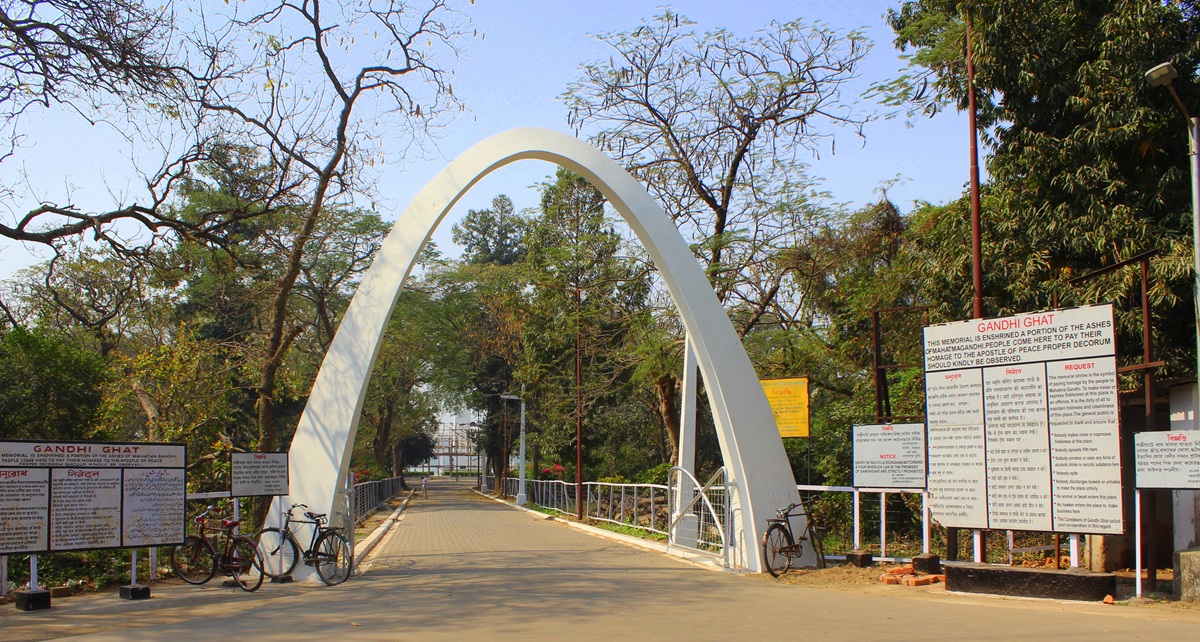
Why Gandhi Ghat Is Important
Located on the banks of the Hooghly River in Barrackpore, near Kolkata, Gandhi Ghat was built to commemorate Gandhi’s connection with Bengal and his visits during the independence movement.
What to See at Gandhi Ghat
- Memorial Tower: Dedicated to Gandhi, offering peaceful river views.
- Cultural Programmes: Held on Gandhi Jayanti and other occasions.
- Nearby Attractions: The historic Barrackpore Cantonment area, linked to India’s early revolts.
Why Travellers Should Visit
It’s less touristy than Delhi or Ahmedabad’s Gandhi sites, but Gandhi Ghat offers an offbeat perspective for those exploring Bengal.
Other Gandhi Memorials Across India
While the major sites cover Gandhi’s life, there are several smaller but significant memorials:
- Rajkot, Gujarat: Where Gandhi spent much of his childhood; houses the Kaba Gandhi No Delo (Gandhi’s Childhood Home).
- Wardha’s Magan Sangrahalaya: A museum dedicated to the charkha (spinning wheel) and village industries promoted by Gandhi.
- Dandi, Gujarat: Site of the famous Salt March in 1930, with a modern memorial to Gandhi’s protest.
- Patna Gandhi Museum, Bihar: Houses rare manuscripts, letters, and photographs.
Why These Sites Matter for International Travellers
For those coming to India from abroad, Gandhi’s story often resonates on multiple levels:
- His fight for freedom echoes civil rights movements globally (Martin Luther King Jr., Nelson Mandela).
- His emphasis on simplicity, sustainability, and community living feels relevant in today’s world.
- Visiting these sites adds depth to your India trip, balancing monumental sights like the Taj Mahal with meaningful history.
Travelling through Gandhi’s India isn’t just about seeing museums — it’s about understanding how one man’s ideals shaped a nation and continue to inspire the world.
Planning Your Gandhi Trail: Suggested Routes
Exploring Gandhi’s legacy across India can be overwhelming because his life touched so many regions. To make it easier, here are some suggested routes for international travellers.
The Golden Triangle + Delhi Gandhi Sites
If you’re already visiting the Golden Triangle (Delhi–Agra–Jaipur):
- Start with Raj Ghat and Gandhi Smriti in Delhi.
- Continue to Jaipur and Agra for the main heritage sights, while reflecting on Gandhi’s ideals alongside India’s royal and Mughal history.
- This is perfect for first-time visitors with limited time.
Gujarat Circuit: Gandhi’s Homeland
- Begin in Porbandar (birthplace and Kirti Mandir).
- Travel to Rajkot (childhood home, Kaba Gandhi No Delo).
- Move on to Ahmedabad (Kochrab Ashram, Sabarmati Ashram).
- Conclude at Dandi, the site of the Salt March.
- This route provides the most authentic sense of Gandhi’s early life and formative years.
Maharashtra Circuit: Later Years and Imprisonment
- Visit Sevagram Ashram in Wardha to see Gandhi’s lifestyle in his later years.
- Combine with Nagpur for easy travel access.
- Head to Pune to explore the Aga Khan Palace, where Gandhi and Kasturba Gandhi were imprisoned.
South India: Madurai Gandhi Museum
- Ideal if you’re travelling through Tamil Nadu.
- Combine the museum with the Meenakshi Temple and Chettinad region for a blend of cultural and historical experiences.
Eastern India: Lesser-Known Memorials
- Explore Barrackpore’s Gandhi Ghat in West Bengal.
- Combine with Kolkata, where Gandhi had significant political interactions during the independence struggle.
How Much Time Do You Need for a Gandhi Heritage Tour?
- Short Trip (1–3 days): Focus on Delhi’s Gandhi sites (Raj Ghat + Gandhi Smriti) or a single ashram like Sabarmati in Ahmedabad.
- Medium Trip (5–7 days): Cover Gujarat highlights (Porbandar, Ahmedabad, Dandi).
- Extended Tour (10–14 days): Combine Gujarat, Maharashtra, and Delhi for a complete Gandhi trail.
For international travellers, the medium trip offers a great balance: enough depth to understand Gandhi’s life without being overwhelming.
Best Time of Year to Visit Gandhi Sites
- October to March: Pleasant weather across India, ideal for walking through ashrams and gardens.
- 2 October (Gandhi Jayanti): National holiday marking Gandhi’s birthday, celebrated at all his memorials. Expect large crowds but also special events and cultural programmes.
- Monsoon (July–September): Sites are lush and green, but rural ashrams like Sevagram can be muddy and less accessible.
- Summer (April–June): Hot, especially in Gujarat and Maharashtra. If visiting then, plan early morning or evening visits.
Tips for International Travellers Visiting Gandhi’s India
Respectful Behaviour
- Remove shoes at memorials like Raj Ghat.
- Speak softly inside museums and ashrams.
- Photography is allowed at most sites but always check signs.
Practical Advice
- Most Gandhi sites are free or have very low entry fees.
- English-language displays are widely available, making it easy for international visitors.
- Guides are available at larger sites like Sabarmati and Aga Khan Palace; consider hiring one for richer context.
Combining with Other Travel
- Gandhi’s legacy is best experienced alongside India’s wider heritage. For instance:
- Sabarmati Ashram with Ahmedabad’s old city.
- Mani Bhavan with Mumbai’s colonial landmarks.
- Madurai Gandhi Museum with temple architecture.
Why Gandhi’s Legacy Still Matters Today
Visiting Gandhi’s memorials isn’t just about history. It’s about confronting questions that are still relevant:
- How do we pursue justice without violence?
- Can simplicity and self-reliance counter today’s consumerism?
- What role does truth play in politics and personal life?
For many travellers, walking through Gandhi’s ashrams or standing at Raj Ghat is a reminder that leadership doesn’t always require power, wealth, or armies. Sometimes, it only takes principles and courage.
Conclusion: Walking in Gandhi’s Footsteps
From the humble huts of Sevagram to the grand halls of Aga Khan Palace, Gandhi’s presence lingers across India. These places are not just museums — they are living lessons in resilience, humility, and the power of non-violence.
If you’re visiting India for the first time, include at least one Gandhi site in your journey. If you’re returning, consider building an itinerary around his legacy. Either way, you’ll come away with more than photographs — you’ll carry stories, reflections, and perhaps even a little inspiration to live more simply and truthfully.
FAQs: Gandhi’s Legacy in India (Schema-Ready)
Q1. What is the most important Gandhi site in India?
The Sabarmati Ashram in Ahmedabad is considered the most important, as it was Gandhi’s headquarters during the independence movement.
Q2. Which Gandhi museum has the largest collection?
The Gandhi Memorial Museum in Madurai has one of the most extensive collections, including the blood-stained cloth Gandhi wore when he was assassinated.
Q3. Is it free to visit Gandhi sites in India?
Yes, most are free (Sabarmati, Raj Ghat, Gandhi Smriti). Some, like Aga Khan Palace and Madurai Museum, charge a small entry fee.
Q4. Can I visit Gandhi’s birthplace?
Yes, Gandhi’s birthplace in Porbandar, Gujarat, is preserved as Kirti Mandir and is open to visitors.
Q5. How much time is needed to explore Gandhi sites in Delhi?
Half a day is enough to cover Raj Ghat and Gandhi Smriti. Add another 1–2 hours if you want to explore nearby museums.
Q6. Are Gandhi’s ashrams still active?
Yes, places like Sevagram and Sabarmati continue to function as centres for education, research, and cultural programmes.
Q7. What’s the best route for an international traveller with limited time?
Delhi (Raj Ghat + Gandhi Smriti) + Ahmedabad (Sabarmati Ashram) makes the best short route. It gives a strong overview of Gandhi’s legacy without long travel distances.
Q8. Can Gandhi’s sites be included in a Golden Triangle tour?
Yes, Delhi already includes two major Gandhi memorials. Many travellers extend to Gujarat (Sabarmati) before or after the Golden Triangle.
- Discover How India’s 2025 Budget is Powering Tourism Growth
- Explore the Best Cities for Cultural & Heritage Tours Worldwide
- Plan a Trip to India’s Best Spiritual Places This October 2025
- Relax at the Top South India Beaches to Visit in October
- Celebrate the Top Indian Festivals in October 2025 – Full Travel Guide
- Check India’s Weather in October Before You Travel
- Escape the Rush: Best Less-Crowded Places to Visit in October 2025
- Follow These 5 Temple Etiquette Tips for a Respectful Visit
- Discover 15 Best Family Destinations in India for September 2025