
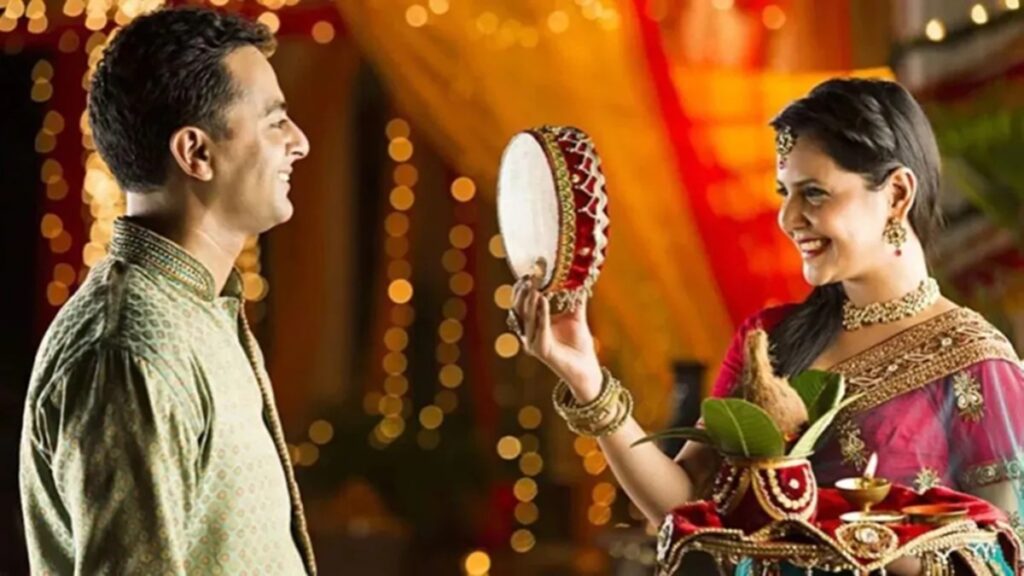
Karwa Chauth is one of the most cherished festivals for married Hindu women, celebrated with devotion, fasting, and rituals that symbolize love and commitment in marriage. Every year, millions of women across India—and increasingly around the world—wake up before sunrise, eat a small pre-dawn meal, and then fast the entire day without food or even water until they sight the moon in the evening. The moment when the moon rises and the fast is broken is both emotional and deeply symbolic, marking the strength of marital bonds.
Unlike fixed holidays such as Christmas or Valentine’s Day, Karwa Chauth does not fall on the same date every year. This often leads to a common question: When exactly is Karwa Chauth this October? The answer depends on the Hindu lunar calendar. For 2026, the festival will be observed on Thursday, October 29, 2026. On this day, married women across India will dress in vibrant attire, gather with other women in their community, and offer prayers for the well-being and long life of their husbands.
Karwa Chauth is especially popular in North Indian states like Punjab, Haryana, Uttar Pradesh, Rajasthan, and Delhi, though modern urban celebrations have spread its practice nationwide. Bollywood movies and Indian television serials have also played a significant role in making the festival recognizable even outside India. For travelers, it offers a chance to witness a unique cultural event where devotion, tradition, and community spirit come together.
This blog will guide you through all aspects of Karwa Chauth—its origins, why its date changes every year, the significance of the rituals, and how it is celebrated in 2026. Whether you’re curious about its spiritual meaning, planning to join celebrations, or simply want to know why the moon plays such a central role, you’ll find answers here.
2. What is Karwa Chauth?
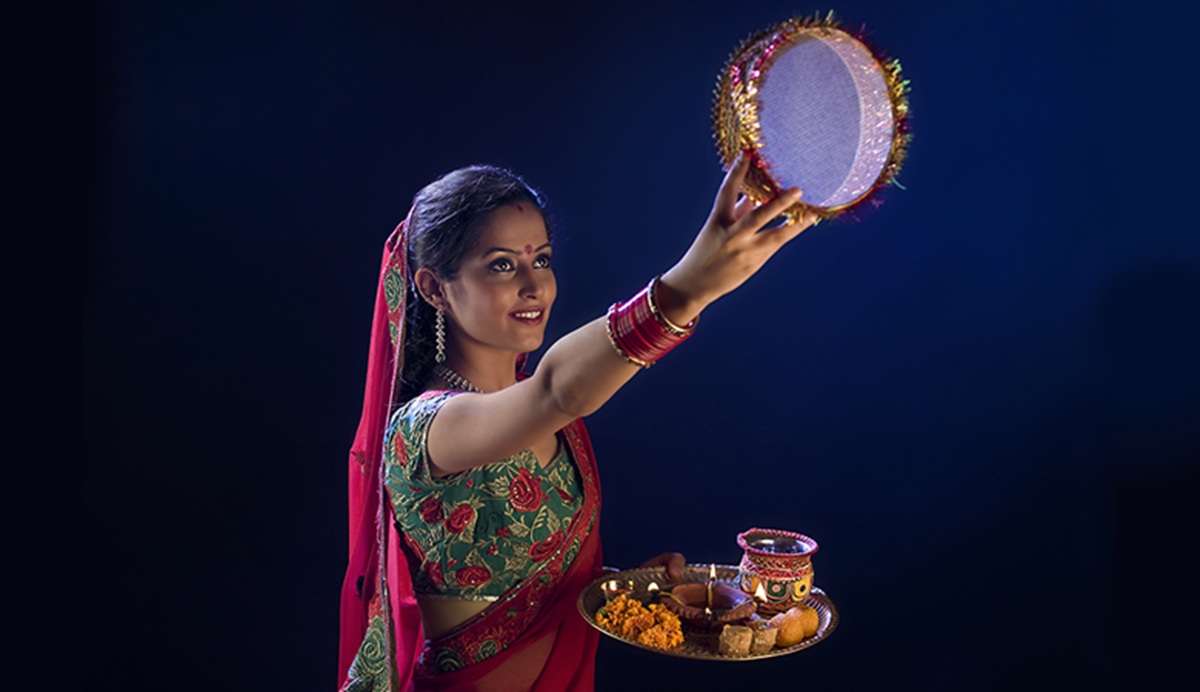
Karwa Chauth is more than a day of fasting—it is a festival of faith, love, and renewal of vows in marriage. The word Karwa refers to an earthen pot used in rituals, symbolizing prosperity and household well-being. Chauth means “fourth,” since the festival is observed on the fourth day after the full moon in the month of Kartika, according to the Hindu lunar calendar.
Traditionally, married Hindu women keep a strict fast from sunrise until moonrise, praying for the health, safety, and longevity of their husbands. In recent years, many husbands and even unmarried women have also joined the fast as a symbol of equality, companionship, or faith. The festival has become a shared cultural event, blending devotion with celebration.
The day begins before dawn with a meal called Sargi, given by a woman’s mother-in-law. This meal often includes sweets, fruits, and nourishing dishes to sustain energy during the long fast. After this, women refrain from eating or drinking throughout the day. In the evening, they dress in festive attire, apply mehendi (henna), and gather for community prayers, often circling with decorated thalis and chanting traditional songs.
When the moon rises, women look at it through a sieve or a dupatta, then turn to their husbands and break their fast as their husband offers them the first sip of water and a morsel of food. This act symbolizes love, interdependence, and blessings for a long life together.
Karwa Chauth is not only a religious observance but also a cultural celebration. It reinforces the bonds of marriage, strengthens family ties, and offers women a chance to come together as a community. For visitors, it’s an occasion to witness how traditions blend spirituality with everyday life in India.
3. Mythological and Historical Background
Karwa Chauth is steeped in legends and folklore, each adding layers of meaning to the practice. One of the most popular stories is that of Veeravati, a devoted queen who fasted for her husband’s longevity. According to legend, her brothers, seeing her weakened, tricked her into breaking her fast before the moonrise. Soon after, her husband died. Heartbroken, she prayed with complete devotion, and by the grace of the gods, her husband’s life was restored. This tale highlights the importance of sincerity and faith in the fast.
Another origin story centers on a woman named Karwa, whose husband was in danger of being killed by a crocodile. Her prayers and devotion saved him, and the festival was named in her honor. This narrative underscores the protective power of a wife’s devotion.
Karwa Chauth is also linked to the Mahabharata, where Draupadi is said to have observed the fast for her husband Arjuna’s safety during a time of great peril. Guided by Lord Krishna, she performed the rituals, and Arjuna emerged victorious.
Historically, Karwa Chauth was more than just a marital ritual—it also had social significance. In earlier times, women married at a young age and moved to their husband’s homes, often far from their natal families. Karwa Chauth became a way to strengthen friendships among married women, offering support, companionship, and a sense of sisterhood. This explains why the festival is often celebrated in groups, with women gathering to pray and share rituals together.
For modern observers, these stories and traditions add depth to the rituals of fasting, dressing up, and breaking the fast. They remind participants and onlookers that Karwa Chauth is not just about abstaining from food but about love, faith, protection, and community.
Get the Facts on Diwali vs Dussehra – Find Out Now!
4. Why Does the Date of Karwa Chauth Change Every Year?
If you’ve wondered why Karwa Chauth falls on different dates each October, the answer lies in the Hindu lunar calendar. Unlike the solar Gregorian calendar, which has fixed months and dates, the Hindu calendar is based on the moon’s cycles.
Karwa Chauth is observed on the Krishna Paksha Chaturthi, the fourth day of the waning moon, in the month of Kartika. Since the lunar cycle is shorter than the solar cycle, the dates shift each year when translated into the Gregorian calendar. That’s why Karwa Chauth can fall anywhere from early to mid-October.
The fasting period itself is tied to the sun and moon. Women begin their fast before sunrise and end it only after sighting the moon in the evening. This makes the moonrise time a crucial element of the festival. In fact, many families check the local lunar calendar (panchang) to know the exact timing of moonrise in their region.
In 2026, Karwa Chauth will be observed on Thursday, October 29, 2026. The date is determined because Krishna Paksha Chaturthi falls on this day according to the Hindu calendar. The moonrise time will vary slightly from city to city, but families across India will break their fast after spotting the moon that night.
For travelers, this shifting date means you should check the festival calendar before planning your visit. If you’re in North India in October 2026, you’ll be able to see the markets decorated with bright bangles, henna stalls, and shops filled with sweets and festive attire—all linked to Karwa Chauth.
Plan Your Trip Around October Festivals – Find Out More!
5. Karwa Chauth 2026: Date and Key Timings
For those planning to celebrate or witness Karwa Chauth in 2026, the details are clear: the festival falls on Thursday, October 29, 2026. This is the day when millions of women across India and abroad will observe the fast. Your October Travel Plans Start Here – India’s Weather Insights
Key timings for Karwa Chauth 2026 in India:
- Sargi (pre-dawn meal): before sunrise, typically around 4:30–5:00 AM
- Fasting period: sunrise to moonrise (around 5:30 AM to 8:15–8:45 PM, depending on city)
- Puja Muhurat (auspicious prayer time): in the evening during Pradosh Kaal (approximately 5:30–6:45 PM)
- Moonrise time: around 8:15 PM in North India, slightly later in some regions
On this day, women rise before dawn to eat Sargi, then begin the strict fast without food or water. Throughout the day, markets and homes are filled with activity—henna artists at work, women buying red and gold bangles, and households preparing for evening rituals.
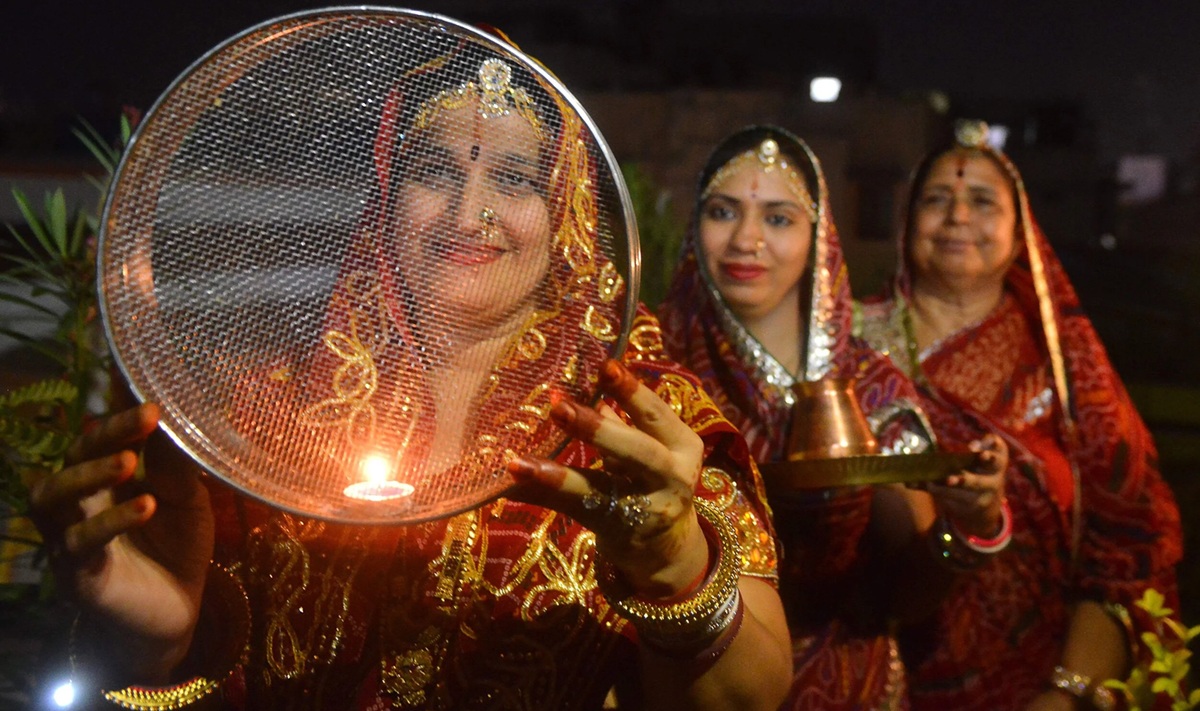
In the evening, groups of women gather, dressed in bright sarees or lehengas, often resembling brides. They carry decorated thalis (plates) filled with lamps, flowers, and sweets. The Karwa, or earthen pot, is placed at the center of the ritual, representing prosperity and household well-being. Together, they recite prayers, exchange stories, and listen to the Karwa Chauth katha (legend).
When the moon finally rises, the most awaited moment of the day arrives. Women look at the moon through a sieve or veil, then turn toward their husbands and break the fast after he offers them water and food. The act is symbolic: it represents a bond of love, protection, and gratitude.
For anyone visiting India in October 2026, witnessing Karwa Chauth is a window into the country’s blend of tradition, devotion, and festivity.
Perfect—let’s continue the draft with Sections 6–10, each expanded to about 400 words, keeping the same descriptive, traveler-friendly tone and clear explanations. Experience Ram Leela in Delhi – Your Ultimate Celebration Guide!
6. Rituals of Karwa Chauth
Karwa Chauth is marked by a sequence of rituals that give the festival its charm and deep meaning. The day begins before sunrise with Sargi, a pre-dawn meal prepared by the mother-in-law. This thali usually includes fruits, sweets, fried snacks, milk, and dry fruits to sustain the woman through her day-long fast. Eating Sargi is not just practical, it is symbolic—it represents blessings from the older generation for the younger woman’s happy married life.
After Sargi, the fast begins. This is a nirjala fast, meaning no food or water is consumed until the moonrise at night. The act of abstaining from even water makes the observance especially challenging, and it is considered a test of love and devotion.
The afternoon is often used for resting, but preparations for the evening puja start well in advance. Women dress in their finest clothes, often bridal attire, complete with jewelry, bindis, bangles, and mehendi (henna). Red, maroon, and gold are the preferred colors, symbolizing marital bliss.
As the sun sets, women gather in groups to perform the Karwa Chauth puja. They sit in a circle, passing around decorated thalis containing diyas (lamps), flowers, sweets, and the Karwa—an earthen pot filled with water or rice. During the puja, the story of Karwa Chauth, known as the katha, is narrated. Listening to this tale is considered essential, as it reinforces the significance of the fast.
When the moon rises, the fast reaches its climax. Women view the moon through a sieve or veil, offer water to it, and then turn to their husbands. The husband gives the first sip of water and a morsel of food to break the fast. This intimate moment is the highlight of the day, symbolizing trust, love, and mutual respect.
Ready for Kolkata Durga Puja? Browse Pandals Guide Today!
7. Cultural and Spiritual Importance
At its core, Karwa Chauth is about commitment, devotion, and marital harmony. The fast is a way for women to pray for their husband’s health, long life, and prosperity. Spiritually, the fast is seen as an act of discipline, sacrifice, and self-control—qualities celebrated in Hindu tradition.
The festival also has a strong cultural role. It is a day when women celebrate togetherness, whether within families or in larger communities. In cities, special gatherings are organized where women meet for group pujas, shop for festive clothes, and decorate each other’s hands with mehendi. This collective observance creates a sense of solidarity and sisterhood.
Karwa Chauth also reflects India’s deep connection with the moon as a symbol of beauty, eternity, and divine blessing. The moon is often compared to love and longevity in Hindu poetry and rituals. By tying the fast’s conclusion to the moonrise, the festival highlights how natural cycles are woven into cultural life.
From a spiritual perspective, fasting is considered a form of purification. The physical hardship is balanced by prayers and meditation, allowing women to focus on gratitude and family well-being. In today’s context, many couples observe the fast together, showing how the festival is evolving into a symbol of equality and mutual care in relationships.
8. Regional Variations in Celebration
While Karwa Chauth is most prominent in North India, its observance varies by region. In Punjab and Haryana, the festival is celebrated with great enthusiasm. Markets overflow with red bangles, mehendi stalls, and festive garments. Community gatherings are common, and women often perform the rituals together in open courtyards or temples.
In Rajasthan, women dress in traditional lehengas and gather in groups to sing folk songs. The Karwa pots are decorated elaborately, sometimes with vermilion and intricate patterns. The fast here is strictly observed, reflecting Rajasthan’s deep cultural roots.
In Uttar Pradesh and Delhi, modern urban life has added a stylish flair. Shopping malls and local bazaars run Karwa Chauth sales, salons offer mehendi packages, and large community pujas are organized in residential societies. Bollywood depictions of the festival have influenced celebrations here, making them glamorous and widely recognized.
In Maharashtra and Gujarat, Karwa Chauth is celebrated on a smaller scale, often within families, but still follows the same fasting and moonrise traditions.
Among the Indian diaspora, especially in the US, UK, and Canada, Karwa Chauth is celebrated by immigrant communities who gather in temples or community halls. Women continue the rituals abroad, adapting them to local environments while staying connected to their cultural roots. This global reach shows how Karwa Chauth has evolved from a regional tradition to an internationally recognized festival of love and devotion. Escape the City: October Weekend Getaways from Delhi – Start Your Journey!
9. Preparations Before Karwa Chauth
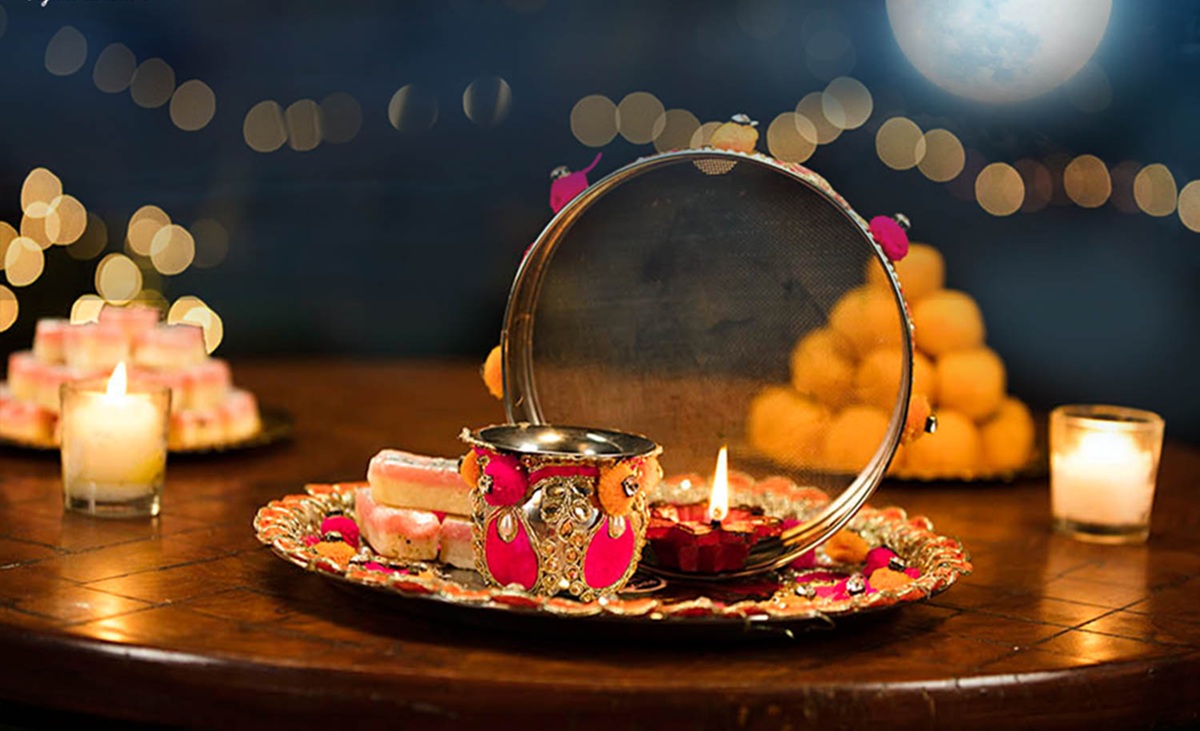
The excitement for Karwa Chauth begins days in advance. In Indian towns and cities, bazaars come alive with colorful bangles, bindis, jewelry, sarees, and puja items. Mehendi stalls line the streets, as applying henna is a traditional custom before the fast. Women often decorate their hands with intricate designs a day before the festival.
Households prepare sweets and festive foods like mathri, kheer, and laddoos that will be enjoyed once the fast is broken. Shops sell Karwa pots—small decorated earthen vessels used in the evening rituals. These are often adorned with paint, glitter, and rice grains, making them both symbolic and festive.
The mother-in-law plays an important role in preparations, as she provides the Sargi thali to her daughter-in-law. This gesture reinforces the bond between generations and passes blessings for a strong marriage.
Modern urban preparations now include pre-booked salon sessions, mehendi parties, and even Karwa Chauth packages offered by shopping malls. Husbands, too, participate by gifting jewelry, sarees, or flowers to their wives, making the festival a celebration of love as well as tradition.
For travelers, the preparations are a cultural spectacle. Visiting an Indian market in the days leading up to Karwa Chauth offers a glimpse of India’s vibrant traditions—color, music, and community spirit fill the air.
10. Modern Perspectives on Karwa Chauth
In today’s world, Karwa Chauth is more than a traditional fast; it has become a symbol of evolving relationships. While the core remains the same—fasting for the well-being of one’s partner—modern couples adapt it in ways that reflect changing values.
Many young men now keep the fast alongside their wives as a gesture of equality. This practice highlights companionship and mutual respect, moving the festival beyond its older gender roles. In metropolitan cities, you’ll often hear of husbands surprising their wives with gifts, candlelit dinners, or joint prayers after the fast is broken.
Technology has also transformed the festival. In long-distance relationships, couples connect via video calls. Women may break their fast after seeing the moonrise virtually, with their husbands joining the ritual online. Social media adds another layer, with pictures of mehendi, outfits, and puja rituals shared widely.
Despite modernization, the emotional core of Karwa Chauth remains intact. It is a day to pause, express gratitude, and strengthen the marital bond. Bollywood has amplified its glamour, but at heart, it continues to represent devotion, love, and togetherness.
For international travelers, this blend of old and new makes Karwa Chauth fascinating. It shows how Indian traditions are preserved even in modern lifestyles, offering a festival that is both timeless and contemporary.
6. Rituals of Karwa Chauth
Karwa Chauth is marked by a sequence of rituals that give the festival its charm and deep meaning. The day begins before sunrise with Sargi, a pre-dawn meal prepared by the mother-in-law. This thali usually includes fruits, sweets, fried snacks, milk, and dry fruits to sustain the woman through her day-long fast. Eating Sargi is not just practical, it is symbolic—it represents blessings from the older generation for the younger woman’s happy married life.
After Sargi, the fast begins. This is a nirjala fast, meaning no food or water is consumed until the moonrise at night. The act of abstaining from even water makes the observance especially challenging, and it is considered a test of love and devotion.
As the sun sets, women gather in groups to perform the Karwa Chauth puja. They sit in a circle, passing around decorated thalis containing diyas (lamps), flowers, sweets, and the Karwa—an earthen pot filled with water or rice. During the puja, the story of Karwa Chauth, known as the katha, is narrated. Listening to this tale is considered essential, as it reinforces the significance of the fast.
When the moon rises, the fast reaches its climax:
Women view the moon through a sieve or veil, offer water to it, and then turn to their husbands. The husband gives the first sip of water and a morsel of food to break the fast. This intimate moment is the highlight of the day, symbolizing trust, love, and mutual respect.
7. Cultural and Spiritual Importance
At its core, Karwa Chauth is about commitment, devotion, and marital harmony. The fast is a way for women to pray for their husband’s health, long life, and prosperity. Spiritually, the fast is seen as an act of discipline, sacrifice, and self-control—qualities celebrated in Hindu tradition.
The festival also has a strong cultural role. It is a day when women celebrate togetherness, whether within families or in larger communities. In cities, special gatherings are organized where women meet for group pujas, shop for festive clothes, and decorate each other’s hands with mehendi. This collective observance creates a sense of solidarity and sisterhood.
Karwa Chauth also reflects India’s deep connection with the moon as a symbol of beauty, eternity, and divine blessing. The moon is often compared to love and longevity in Hindu poetry and rituals. By tying the fast’s conclusion to the moonrise, the festival highlights how natural cycles are woven into cultural life.
From a spiritual perspective, fasting is considered a form of purification. The physical hardship is balanced by prayers and meditation, allowing women to focus on gratitude and family well-being. In today’s context, many couples observe the fast together, showing how the festival is evolving into a symbol of equality and mutual care in relationships.
8. Regional Variations in Celebration
While Karwa Chauth is most prominent in North India, its observance varies by region. In Punjab and Haryana, the festival is celebrated with great enthusiasm. Markets overflow with red bangles, mehendi stalls, and festive garments. Community gatherings are common, and women often perform the rituals together in open courtyards or temples.
In Rajasthan, women dress in traditional lehengas and gather in groups to sing folk songs. The Karwa pots are decorated elaborately, sometimes with vermilion and intricate patterns. The fast here is strictly observed, reflecting Rajasthan’s deep cultural roots.
In Uttar Pradesh and Delhi, modern urban life has added a stylish flair. Shopping malls and local bazaars run Karwa Chauth sales, salons offer mehendi packages, and large community pujas are organized in residential societies. Bollywood depictions of the festival have influenced celebrations here, making them glamorous and widely recognized.
In Maharashtra and Gujarat, Karwa Chauth is celebrated on a smaller scale, often within families, but still follows the same fasting and moonrise traditions.
Among the Indian diaspora, especially in the US, UK, and Canada, Karwa Chauth is celebrated by immigrant communities who gather in temples or community halls. Women continue the rituals abroad, adapting them to local environments while staying connected to their cultural roots. This global reach shows how Karwa Chauth has evolved from a regional tradition to an internationally recognized festival of love and devotion.
9. Preparations Before Karwa Chauth
The excitement for Karwa Chauth begins days in advance. In Indian towns and cities, bazaars come alive with colorful bangles, bindis, jewelry, sarees, and puja items. Mehendi stalls line the streets, as applying henna is a traditional custom before the fast. Women often decorate their hands with intricate designs a day before the festival.
Households prepare sweets and festive foods like mathri, kheer, and laddoos that will be enjoyed once the fast is broken. Shops sell Karwa pots—small decorated earthen vessels used in the evening rituals. These are often adorned with paint, glitter, and rice grains, making them both symbolic and festive.
The mother-in-law plays an important role in preparations, as she provides the Sargi thali to her daughter-in-law. This gesture reinforces the bond between generations and passes blessings for a strong marriage.
Modern urban preparations now include pre-booked salon sessions, mehendi parties, and even Karwa Chauth packages offered by shopping malls. Husbands, too, participate by gifting jewelry, sarees, or flowers to their wives, making the festival a celebration of love as well as tradition.
For travelers, the preparations are a cultural spectacle. Visiting an Indian market in the days leading up to Karwa Chauth offers a glimpse of India’s vibrant traditions—color, music, and community spirit fill the air.
10. Modern Perspectives on Karwa Chauth
In today’s world, Karwa Chauth is more than a traditional fast; it has become a symbol of evolving relationships. While the core remains the same—fasting for the well-being of one’s partner—modern couples adapt it in ways that reflect changing values.
Many young men now keep the fast alongside their wives as a gesture of equality. This practice highlights companionship and mutual respect, moving the festival beyond its older gender roles. In metropolitan cities, you’ll often hear of husbands surprising their wives with gifts, candlelit dinners, or joint prayers after the fast is broken.
Technology has also transformed the festival. In long-distance relationships, couples connect via video calls. Women may break their fast after seeing the moonrise virtually, with their husbands joining the ritual online. Social media adds another layer, with pictures of mehendi, outfits, and puja rituals shared widely.
Despite modernization, the emotional core of Karwa Chauth remains intact. It is a day to pause, express gratitude, and strengthen the marital bond. Bollywood has amplified its glamour, but at heart, it continues to represent devotion, love, and togetherness.
For international travelers, this blend of old and new makes Karwa Chauth fascinating. It shows how Indian traditions are preserved even in modern lifestyles, offering a festival that is both timeless and contemporary.
Perfect—let’s complete the draft with Sections 11–15, each around 400 words, to make this a full cultural and practical guide.
11. Travel and Tourism Around Karwa Chauth
For travelers, Karwa Chauth offers a unique opportunity to witness India’s living traditions. While the festival is primarily a private family ritual, its public side—the bazaars, henna stalls, and evening pujas—create a festive atmosphere worth experiencing.
In Delhi and North Indian cities, markets like Chandni Chowk or Karol Bagh turn into vibrant hubs where women shop for bangles, sarees, bindis, and cosmetics. Stalls selling decorated Karwa pots, mehendi cones, and puja thalis line the streets. The night before the festival is especially lively, with women getting their hands adorned with henna.
In Jaipur and Rajasthan, the celebrations are steeped in tradition. Women dress in ornate lehengas, jewelry, and veils, creating a royal spectacle. Community pujas are often held in open courtyards or temples, where folk songs are sung. This makes Rajasthan one of the best destinations to see Karwa Chauth in its most colorful form.
In Chandigarh and Punjab towns, the festival is marked by both devotion and celebration. Groups of women gather in parks or community centers for evening rituals, creating a warm sense of camaraderie.
Tourists can respectfully join public gatherings or observe the rituals at temples. Some cultural tours now include Karwa Chauth experiences, where visitors can attend group pujas, learn about the stories behind the fast, and even try traditional attire.
For photography enthusiasts, Karwa Chauth offers rich visuals—markets buzzing with color, women in festive wear, glowing diyas, and moonrise rituals. If you plan to experience Karwa Chauth during your October 2026 trip, it’s best to stay in North India around Thursday, October 29, 2026, when the festival will be at its peak.
12. Food and Cuisine of Karwa Chauth
Though Karwa Chauth is a fasting festival, food plays an important role before and after the fast. The pre-dawn meal, Sargi, is the most crucial. It is carefully prepared to be nourishing and sustaining, often including parathas, kheer, nuts, and milk-based sweets. These foods provide slow-releasing energy to help women endure the long day without food or water.
During the day, households prepare festive dishes that will be enjoyed once the fast is broken. In many homes, you’ll find puri-sabzi, pulao, kadhi, paneer curries, kheer, and halwa. Sweets like barfi, laddoos, and mathri are especially popular. The evening feast is not only a relief from the fast but also a family celebration.
Another important tradition is preparing a baya, a small gift package containing sweets, fruits, and money that a mother sends to her daughter’s in-laws. This reflects the bond between families and adds to the festive spirit.
In modern urban areas, restaurants and hotels sometimes create special Karwa Chauth thalis for couples, blending traditional and contemporary dishes. However, most families prefer home-cooked meals that carry sentimental value.
For visitors, tasting these festive foods is a delightful way to connect with the festival. Local sweet shops and markets overflow with seasonal treats, making Karwa Chauth not just a ritual but also a culinary celebration.
13. Symbolism of the Moon in Karwa Chauth

The moon is at the heart of Karwa Chauth, and its symbolism runs deep in Indian culture. The fast begins before sunrise but ends only after moonrise, making the sight of the moon the most anticipated moment of the day.
Why the moon? In Hindu tradition, the moon represents beauty, calmness, and divine blessings. It is considered a celestial witness to vows and prayers. The act of viewing the moon through a sieve or veil reflects the filtering of worldly distractions, focusing instead on purity and devotion.
The moon also symbolizes eternal love. Its constant cycles—waxing and waning but always returning—mirror the enduring bond of marriage. In poetry and folklore, the moon is often compared to a beloved’s face, adding a romantic touch to the ritual.
On Karwa Chauth night, women first offer water to the moon, acknowledging its divine role, before turning to their husbands to break the fast. This sequence highlights the moon’s status as both a spiritual guide and a symbol of love.
For travelers, the sight of women waiting eagerly for the moonrise, dressed in festive attire with decorated thalis, is one of the most captivating aspects of the festival. It connects the earthly with the celestial, showing how nature plays a vital role in Indian traditions.
14. Karwa Chauth in Literature, Film, and Media
Karwa Chauth has transcended religious practice to become a cultural icon, thanks largely to Bollywood and television. Movies like Dilwale Dulhania Le Jayenge (DDLJ) and Kabhi Khushi Kabhie Gham feature Karwa Chauth scenes that have become iconic, showing glamorous depictions of the festival with women in bridal wear and romantic moonlit rituals. These portrayals have popularized Karwa Chauth beyond its traditional regions.
Television serials often dedicate entire episodes to Karwa Chauth, dramatizing the rituals and highlighting the emotional bonds between couples. This has reinforced the festival’s image as a celebration of love and devotion.
In literature, Karwa Chauth is often used as a metaphor for sacrifice and fidelity. Folk songs and regional poetry emphasize the beauty of the moon and the strength of a woman’s prayer.
Media influence has also modernized the festival. Today, Karwa Chauth is celebrated even in regions where it was once uncommon. Men increasingly participate, and urban couples often see it as a romantic tradition as much as a religious one.
For outsiders, media depictions may seem exaggerated, but they capture the essence of Karwa Chauth: the fasting, the rituals, the anticipation of moonrise, and the celebration of marital love.
15. FAQs About Karwa Chauth
1. When is Karwa Chauth in 2026?
Karwa Chauth will be observed on Thursday, October 29, 2026.
2. Why do women fast on Karwa Chauth?
They fast as a prayer for their husbands’ health, prosperity, and long life.
3. Is water allowed during the fast?
Traditionally, no. It is a strict nirjala fast, meaning no food or water until moonrise.
4. What is Sargi and who gives it?
Sargi is a pre-dawn meal prepared by the mother-in-law for her daughter-in-law. It sustains her through the fast and symbolizes blessings.
5. Can unmarried women observe Karwa Chauth?
Yes, some unmarried women fast, praying for good fortune or wishing for a loving future partner.
6. Why is the moon important in Karwa Chauth?
The moon symbolizes beauty, eternal love, and divine blessings. The fast is broken only after sighting it.
7. How is Karwa Chauth different from Teej?
Teej is celebrated in the monsoon and focuses on the well-being of husbands, but it includes feasting. Karwa Chauth is stricter, with a day-long nirjala fast.
8. How do NRIs celebrate Karwa Chauth abroad?
They follow the same rituals, often gathering at temples or community halls, adjusting timings based on local moonrise.
Explore These Topics:
- Discover Anant Chaturdashi 2026 – Rituals, Puja & Celebration Guide
- Celebrate Dhanteras 2026 – Date, Significance & Traditions Explained
- Explore 9 Must-See Festivals in India This September 2026
- Join Radha Ashtami 2026 – Date, Rituals, Legends & Puja Timings
- Plan Your Trip to Ziro Music Festival 2026 – Lineup, Passes & Travel Guide
- Experience Durga Puja 2026 – Traditions, Celebrations & Travel Tips
- Why Does the Date of Diwali Change Every Year? When is Diwali in October 2026?


