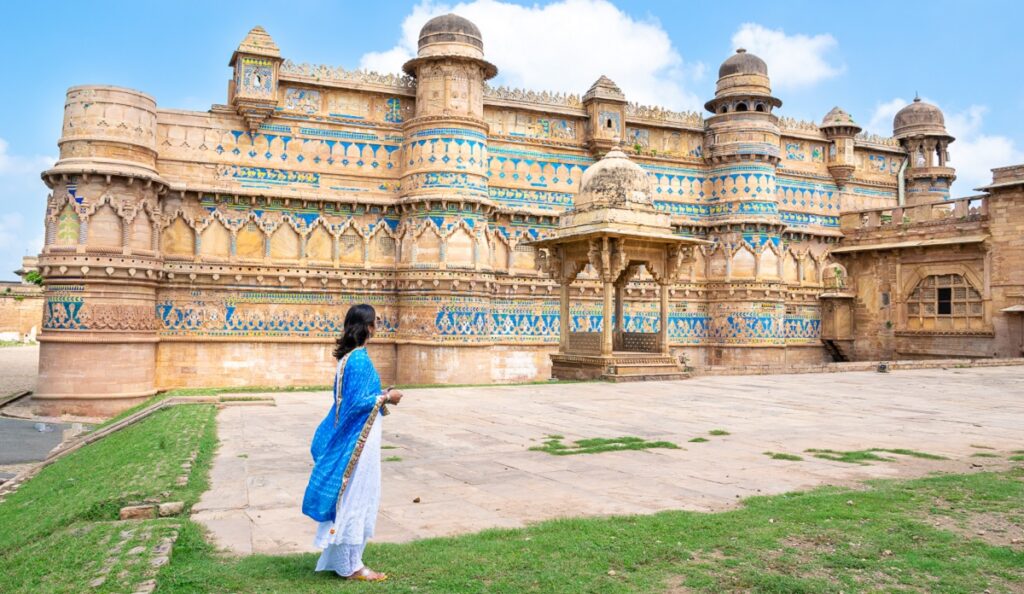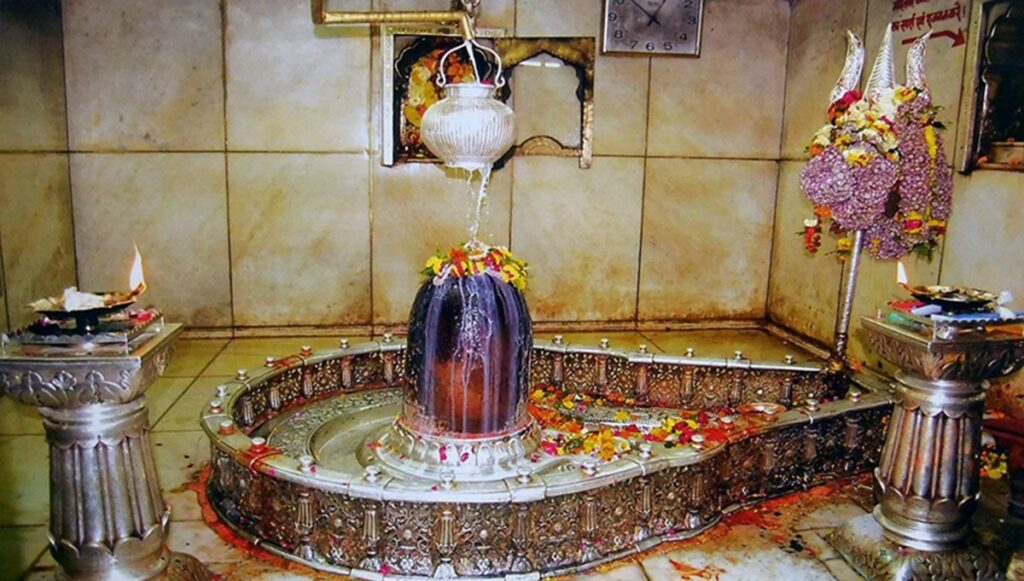
Among the twelve Jyotirlingas of Lord Shiva, none holds the mystique and reverence of Mahakaleshwar Jyotirlinga in Ujjain, Madhya Pradesh. It is not just a shrine—it is a living embodiment of time itself, where Shiva is worshipped as Mahakal, the Lord of Time and Death.
Ujjain, resting on the sacred banks of the Shipra River, is regarded as the spiritual capital of central India. It is one of the Sapta Puri (seven holiest cities) and hosts the Kumbh Mela (Simhastha) every 12 years, attracting millions of devotees.
Every year, pilgrims, history lovers, and spiritual seekers from across India and the world travel to Ujjain. For many, a darshan of Mahakaleshwar Jyotirlinga is not just a religious act but a life-transforming experience.
This guide is designed to be your complete handbook—covering mythology, rituals, architecture, darshan details, and practical travel advice.
History and Mythology of Mahakaleshwar

Origin Stories from Scriptures
The Shiv Purana mentions that Mahakaleshwar is one of the twelve eternal Jyotirlingas, manifested for the protection of devotees. Each Jyotirlinga represents a unique aspect of Shiva—Mahakal being the most fearsome, eternal form.
The Legend of King Chandrasena
According to local lore, King Chandrasena of Ujjain was a staunch devotee of Shiva. His devotion angered rival kings who attacked Ujjain. When young peasants prayed to Shiva for protection, Lord Shiva appeared as Mahakal and annihilated the invaders. To honor this, the king built a grand temple where the Jyotirlinga manifested.
Sacred Geography of Ujjain
In Hindu cosmology, Ujjain is considered the navel of the universe. Ancient astronomers like Varahamihira used Ujjain as the meridian for astronomical calculations. This spiritual-geographical importance elevates Mahakaleshwar’s sanctity.
Plan Your Trip to: Best Time to Visit Ujjain – Weather & Seasonal Travel Guide
Significance of Mahakaleshwar Jyotirlinga
The Only South-Facing Jyotirlinga
Unlike other Jyotirlingas, Mahakaleshwar faces south, the direction of Yama (god of death). Worshipping Mahakal is believed to protect devotees from untimely death and grant moksha.
Lord of Time
The name Mahakal literally means the Lord beyond Time. In Shaivism, time consumes everything, but Shiva as Mahakal transcends time itself.
Why Pilgrims Worship Here
- To overcome fear of death
- To reduce planetary afflictions (especially Saturn and Mars)
- To seek liberation for ancestors (pitru dosha remedies)
Architecture of Mahakaleshwar Temple
The current structure was rebuilt in the 18th century by Maratha rulers after invasions.
Temple Layout
- Garbhagriha (Sanctum): Houses the Jyotirlinga at subterranean level.
- Omkareshwar Temple (Middle Level): Dedicated to Shiva as Omkareshwar.
- Nagchandreshwar Temple (Top Level): Open only once a year on Nag Panchami.
Intricate Carvings
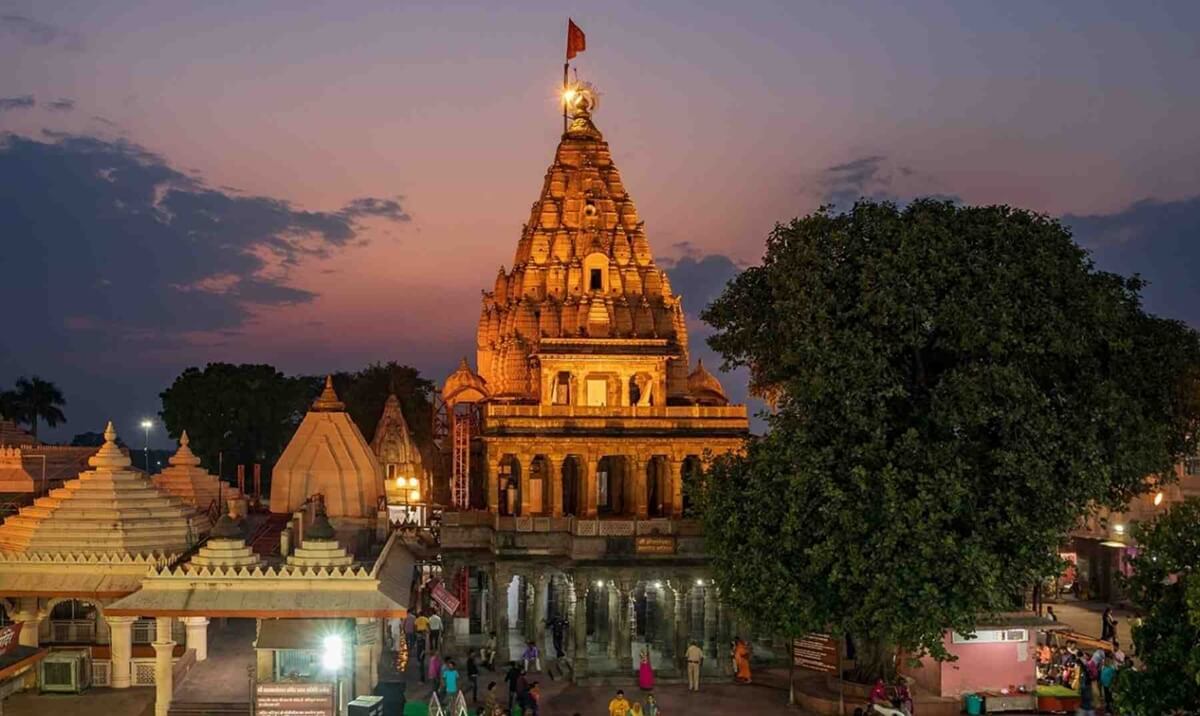
The walls feature mythological sculptures, motifs of nagas, and floral patterns. The towering shikhara (spire) dominates Ujjain’s skyline.
Unique Feature
The multi-tiered structure is rare among Jyotirlinga temples, giving it layered spiritual symbolism.
Check the Complete Travel Guide to: Top Places to Visit Near Indore Within 400 KM (2025)
Bhasma Aarti – The Most Sacred Ritual
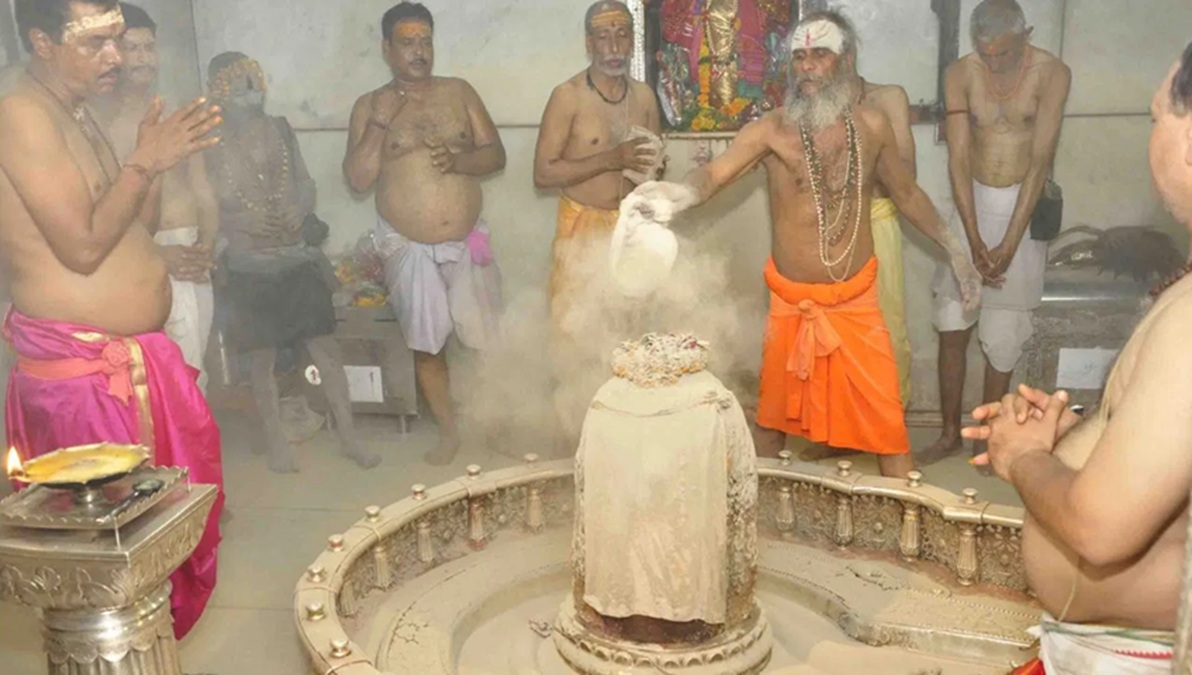
The Bhasma Aarti is the temple’s defining ritual.
Meaning of Bhasma
Bhasma (ash) symbolizes the ultimate truth—everything eventually turns to ash. Here, the lingam is adorned with ashes from a cremation ground every morning before sunrise.
Daily Timings
- Starts around 4:00 AM daily
- Lasts 2–3 hours with Vedic chants, drums, and shlokas
Rules to Attend
- Booking: Online via temple website (mandatory for foreigners/NRI). Offline tokens also available.
- Dress Code: Men must wear dhoti, women saree (no western clothing).
- Security: Phones, cameras, leather items not allowed.
Experience
As the chants echo and the Jyotirlinga glows with ash, the air vibrates with spiritual energy. Many describe it as life-altering, intense, and humbling.
Read Also: Omkareshwar Jyotirlinga Temple – History & Significance
Daily Rituals and Puja Timings
The Mahakaleshwar Temple is alive with rituals from the early hours of dawn until late at night. Each ritual follows ancient traditions preserved for centuries. A devotee who spends an entire day inside the temple can witness a full cycle of worship that embodies the cosmic rhythm of time itself.
Daily Aartis
- Bhasma Aarti (4:00 AM – 6:00 AM): The most sacred and rare ritual where the Jyotirlinga is bathed with fresh ashes from a cremation ground. Symbolizes the transcendence of life and death.
- Shringar Aarti (7:00 AM – 7:30 AM): The lingam is adorned with sandalwood paste, flowers, and rudraksha garlands.
- Bhog Aarti (12:00 PM – 12:30 PM): The deity is offered cooked meals (bhog) including rice, dal, sweets, and fruits.
- Sandhya Aarti (7:00 PM – 7:30 PM): Evening prayers accompanied by conch blowing, bells, and devotional hymns.
- Shayan Aarti (10:30 PM): The lingam is prepared for rest with lullaby-like chants.
Puja Types & Booking
Devotees can book special pujas through the temple website or in person at counters:
- Abhishek Puja: Performed with milk, honey, ghee, sugar, and bel leaves. Cost varies from ₹300 to ₹1,000.
- Rudrabhishek Puja: Powerful ritual with chanting of the Rudra Sukta, priced higher (₹1,500–₹5,000).
- Maha Mrityunjaya Jaap: Conducted for health and protection from untimely death, often recommended by astrologers.
- Pitru Dosha Nivaran Puja: For ancestors’ peace, performed near Shipra ghats.
👉 Pro Tip: Morning hours (4:00–8:00 AM) are best to experience the temple in its full glory with fewer crowds.
Customize Your Tour Package Today: 8 Days Madhya Pradesh Tour Itinerary – Complete Package
Festivals at Mahakaleshwar
Mahakaleshwar Temple is at its most vibrant during festivals, when the city transforms into a carnival of lights, chants, and spiritual devotion.
Maha Shivratri
The grandest celebration at Mahakaleshwar.
- The temple remains open all night.
- Special processions of Lord Shiva move through Ujjain’s streets.
- Devotees observe fasting, perform Rudrabhishek, and stay awake chanting Shiva’s name.
- Lakhs of pilgrims gather, and the temple is illuminated with dazzling lights.
Shravan Month (July–August)
- Every Monday in Shravan is considered highly auspicious.
- Procession of Lord Mahakal (sawari) is carried through the city every Monday evening. Streets are lined with saffron-clad devotees chanting “Har Har Mahadev.”
- Water and bel leaves are offered continuously throughout the month.
Kartik Mela
Held in November on the banks of the Shipra River. Pilgrims combine their darshan with holy dips in the river. The ghats glow with thousands of lamps.
Simhastha Kumbh Mela (Every 12 Years)
- The largest religious gathering on Earth.
- Next scheduled in 2028.
- Millions of devotees, saints, and sadhus converge to bathe in the Shipra.
- Mahakaleshwar becomes the epicenter of global attention during this time.
👉 Traveler Tip: If attending festivals, pre-book hotels months in advance. Crowds are massive, and last-minute arrangements are almost impossible.
Check the Complete Travel Guide to: Top 7 Tourist Places in Pachmarhi You Must Visit
Step-by-Step Darshan Guide for Travelers
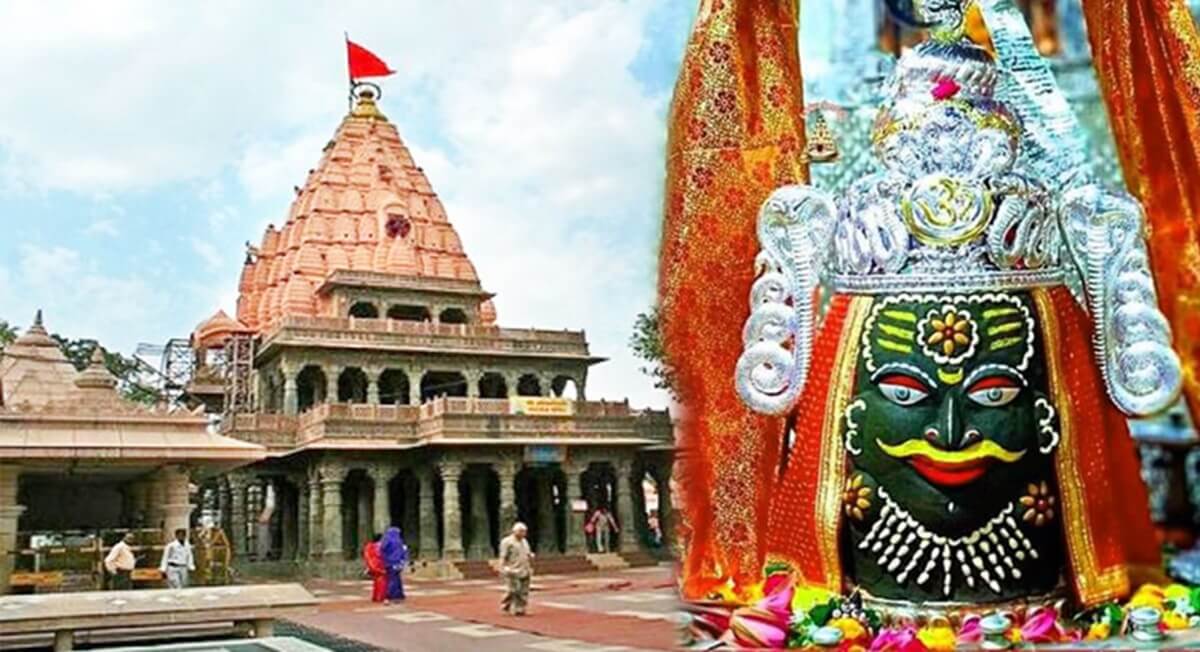
A well-prepared plan ensures your darshan is peaceful and meaningful.
How to Reach the Temple
- From Indore: 1–1.5 hours by road (buses, cabs available).
- From Bhopal: 3–4 hours drive.
- From Delhi/Mumbai: Overnight trains directly to Ujjain Junction.
Entry Gates & Security
- Main Gate (Mahakal Darwaza): For general devotees.
- VIP Entry Gate: Requires VIP pass or online booking for faster darshan.
- Security Checks: Mobile phones, cameras, leather belts, bags are not permitted. Free cloakrooms available near gates.
Types of Darshan
- General Darshan: Free; waiting time 1–3 hours depending on crowds.
- Paid Darshan (₹250–₹500): Shorter queues; ideal for time-strapped travelers.
- Mukh Darshan: Viewing the Jyotirlinga from a distance (faster option).
- Abhishek Darshan: With prior booking, you can personally offer milk/water to the lingam.
Tips for Smooth Darshan
- Arrive by 3:30 AM if you wish to attend Bhasma Aarti.
- Carry only essentials; lockers are available.
- Dress conservatively (men: kurta-pajama/dhoti; women: saree/salwar).
- Senior citizens can request wheelchair assistance.
Find the Perfect Package for Your Journey: 6 Days Ujjain, Omkareshwar, Maheshwar & Indore Tour Itinerary
Where to Stay Near Mahakaleshwar Temple
Dharamshalas (Budget)
- Shree Mahakal Dharamshala – Walking distance from temple.
- Bharat Sevashram Sangha – Affordable and clean rooms for pilgrims.
Mid-Range Hotels
- Hotel Mittal Paradise – AC rooms, near Mahakal Mandir.
- Hotel Shipra Residency (MP Tourism) – Reliable, government-managed option.
Luxury Options
For those preferring premium comfort:
- Radisson Blu Indore or Indore Marriott (stay in Indore, commute to Ujjain).
- Recommended during Kumbh or when Ujjain hotels are fully booked.
👉 Pro Tip: For early morning aarti, staying within 1 km of the temple is most convenient.
Check Out Our Exclusive Tour Packages: 4 Days Indore, Ujjain & Mandu Tour Package Itinerary
Food and Local Delights
Ujjain’s food is simple yet flavorful, influenced by Malwi cuisine.
Temple Prasadam
- Khichdi, laddoos, panchamrit are common offerings.
- Buy prasadam packets from official counters only.
Must-Try Street Foods
- Poha-Jalebi: Ujjain’s iconic breakfast, served fresh at roadside stalls.
- Kachori-Samosa: Spicy delights with tangy chutneys.
- Dal-Bafla: Local version of dal-baati, heavier and more rustic.
- Malpua & Rabdi: Sweet indulgence post-darshan.
- Bhutte ka Kees: Grated corn cooked with milk and spices.
Best Veg Eateries
- Tower Chowk: Bustling food street.
- Apna Sweets & Shree Ganga for hygienic thalis.
- Sattvic Bhojanalayas near temple serve no-onion, no-garlic meals for spiritual seekers.
What to Buy in Ujjain
Shopping in Ujjain is a spiritual and cultural experience.
- Rudraksha Beads & Malas: Widely sold near Mahakal Mandir. Verify authenticity before purchase.
- Brass & Stone Idols: Small Jyotirlinga replicas make great souvenirs.
- Astrology Charts & Panchang: Ujjain has been India’s astrology hub since ancient times.
- Temple Bells & Diyas: Symbolic gifts from the city of Mahakal.
- Handicrafts & Textiles: Cotton sarees and tribal crafts available in local bazaars.
👉 Best markets:Freeganj Market, Gopal Mandir Bazaar, Harsiddhi Temple street stalls.
Check Out Our Exclusive Tour Packages: 4 Days Indore, Ujjain & Mandu Tour Package Itinerary
Spiritual Experiences Beyond the Temple
Ujjain is not just about Mahakaleshwar—it is a city of countless shrines and sacred experiences.
- Ram Ghat (Shipra River): Evening aarti is magical, with floating diyas and chanting priests.
- Kal Bhairav Temple: Experience the unique liquor-offering tradition.
- Harsiddhi Mata Temple: Witness the lighting of deep stambhas (lamp towers) during Navratri.
- Chintaman Ganesh Temple: Known for a swayambhu Ganesh idol believed to remove anxieties.
- ISKCON Ujjain: White marble temple with devotional music and a serene vibe.
Day Trips & Nearby Attractions
- Omkareshwar Jyotirlinga: Another sacred Jyotirlinga, 3 hours away. Can be done as a day trip.
- Mandu: Famous for Afghan architecture, Jahaz Mahal, and romantic legends.
- Indore: A foodie’s paradise with Rajwada Palace and Sarafa Night Market.
- Dewas Tekri: A hill with twin temples dedicated to Maa Chamunda and Maa Tulja Bhavani.
Choose the Ideal Package for Your Trip: 15 Days Madhya Pradesh Tour Itinerary – Complete Package
Practical Travel Tips for Visitors
- Best Time to Visit: October–March for pleasant weather. Avoid May–June (extreme heat).
- Ideal Stay Duration: 2 days for temple darshan + city temples; 3–4 days with excursions.
- Festival Travel: Book hotels at least 3–6 months in advance.
- Safety Tips: Keep cash and belongings safe in crowded areas.
- Temple Etiquette: Avoid leather goods, respect dress code, and maintain silence inside sanctum.
FAQs on Mahakaleshwar Jyotirlinga
Q1: Is photography allowed?
No, photography is strictly prohibited inside temple premises.
Q2: How early should I book Bhasma Aarti?
At least 15–20 days in advance online; during festivals, 1–2 months prior.
Q3: Can non-Hindus visit?
Yes, non-Hindus can enter the temple premises but not the sanctum.
Q4: Is online puja available?
Yes, the temple trust offers online puja and abhishek bookings for NRIs and remote devotees.
Travel Itinerary Suggestions
1-Day Itinerary
- 4:00 AM: Attend Bhasma Aarti
- Visit Kal Bhairav & Harsiddhi Mata Temple
- Evening Ram Ghat Aarti
2-Day Itinerary
- Day 1: Mahakaleshwar + city temples
- Day 2: Sandipani Ashram, Chintaman Ganesh, ISKCON, Gadkalika
3-Day Itinerary
- Full Ujjain exploration
- Day trip to Omkareshwar Jyotirlinga or Indore
Conclusion: Why a Visit to Mahakaleshwar is Life-Changing
A journey to Mahakaleshwar Jyotirlinga is more than a pilgrimage—it is a dialogue with eternity. The experience of witnessing the Bhasma Aarti, hearing the chants reverberate through ancient halls, and walking the ghats of the Shipra River leaves devotees with a sense of humility and transcendence.
Ujjain teaches that time is fleeting, but faith is eternal. For any traveler, pilgrim, or seeker, visiting Mahakaleshwar Jyotirlinga is not just a tick on a travel list—it is an encounter that lingers in the soul forever.
Must-Read Guides:
- Top 10 Temples in Ujjain You Must Visit: The Ultimate Travel Guide
- Madhya Pradesh in April 2025 – Weather, Things to Do & Travel Guide
- How to Reach Kanha National Park – Complete Travel Guide
- Best Places to Visit in Madhya Pradesh in December with Weather Info
- Travel Guide: How to Reach Sanchi Stupa from Bhopal
- Top 9 Tourist Places to Visit in Orchha and Nearby – 2025 Guide
- 7 Best Tourist Attractions in Pachmarhi – 2025 Travel Guide
- 20 Must-Visit Heritage Towns in India – Complete Travel Guide
- Buddhist Monuments of Sanchi – History, Architecture & Visitor Guide
- Khajuraho Travel Guide – Attractions, Activities & Entry Fees
- Omkareshwar Temple Guide – Puja Timings, Rituals & Travel Info
- Famous Foods of Madhya Pradesh You Must Try
- UNESCO World Heritage Sites in Madhya Pradesh – Full Travel Guide
- Experience the Divine Bhasma Aarti at Mahakal Temple – Plan Your Visit Now!
- Embark on Fresh Adventures – Explore Day Trips from Ujjain to Omkareshwar, Mandu & Indore!
- Uncover Ujjain’s Surroundings – Visit Omkareshwar, Mandu & More!
- Find the Nearest Railway Station to Omkareshwar – Plan Your Journey Now!
- Explore Ujjain to Omkareshwar – Your Complete Travel Guide Awaits!