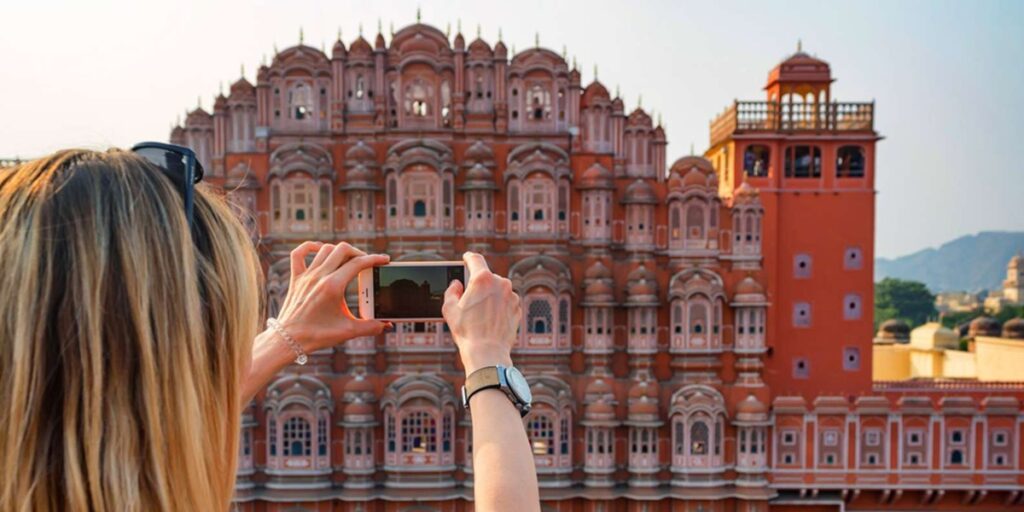
Hawa Mahal, also known as the Palace of Winds, is one of Jaipur’s most iconic landmarks and a masterpiece of Rajput architecture. Built in the 18th century, this five-storied pink sandstone structure resembles the crown of Lord Krishna and is decorated with over 953 lattice windows (jharokhas). These windows allowed royal women to observe street life and festivals without being seen, following the traditions of purdah.
Today, Hawa Mahal is not just a historic monument but also a cultural treasure that attracts travelers, photographers, and history lovers from across the globe. Its unique design, fascinating history, and photogenic appeal make it one of the most visited monuments in India.
In this guide, we cover everything: the history, architecture, timings, entry fees, the best photography spots, and practical visitor tips.
History of Hawa Mahal

Hawa Mahal was built in 1799 by Maharaja Sawai Pratap Singh, a ruler of Jaipur from the Kachwaha Rajput dynasty. The design was created by Lal Chand Ustad, the chief architect, who combined elements of Rajput, Mughal, and Islamic styles to create a truly unique structure.
The inspiration for the building came from the Crown of Lord Krishna, as the Maharaja was a devout follower. The honeycomb façade allowed cool breezes to pass through, giving the palace its name, “Hawa Mahal,” or Palace of Winds.
It was primarily constructed for the royal women of Jaipur. Following the purdah system, they could not appear in public, but from behind the jharokhas, they could witness processions, festivals, and everyday life on the streets below without compromising their privacy.
Architectural Style of Hawa Mahal
- Material: Built with red and pink sandstone, the same as Jaipur’s other famous monuments.
- Design: Five stories resembling a beehive or honeycomb structure.
- Windows: 953 intricately carved lattice windows with geometric patterns.
- Height: The tallest building in the world without foundations. Despite this, it stands firm due to its pyramid shape.
- Influence: The design blends Rajput artistry with Mughal finesse. Rajput architecture is evident in the domed canopies and floral patterns, while Mughal architecture is reflected in the arches and intricate filigree work.
The palace’s structure is not meant for residence but rather as a vantage point for the women of the court. The ventilation system, combined with the lattice design, ensures that the interiors remain cool even during the scorching Rajasthani summers.
Check out the itinerary: 2 Nights 3 Days Jaipur Short Trip Package
Why Is It Called the ‘Palace of Winds’?
The palace gets its name from the jharokhas, or lattice windows. These tiny openings allowed continuous air circulation throughout the structure. The design created a natural cooling effect, much like modern air-conditioning.
The name “Palace of Winds” also comes from the unique experience of standing inside and feeling the breeze move freely through the corridors and chambers, especially in the early morning or during monsoons.
Read more: Bapu Bazaar Jaipur: Best Shopping Tips, What to Buy & Local Experience
Location of Hawa Mahal
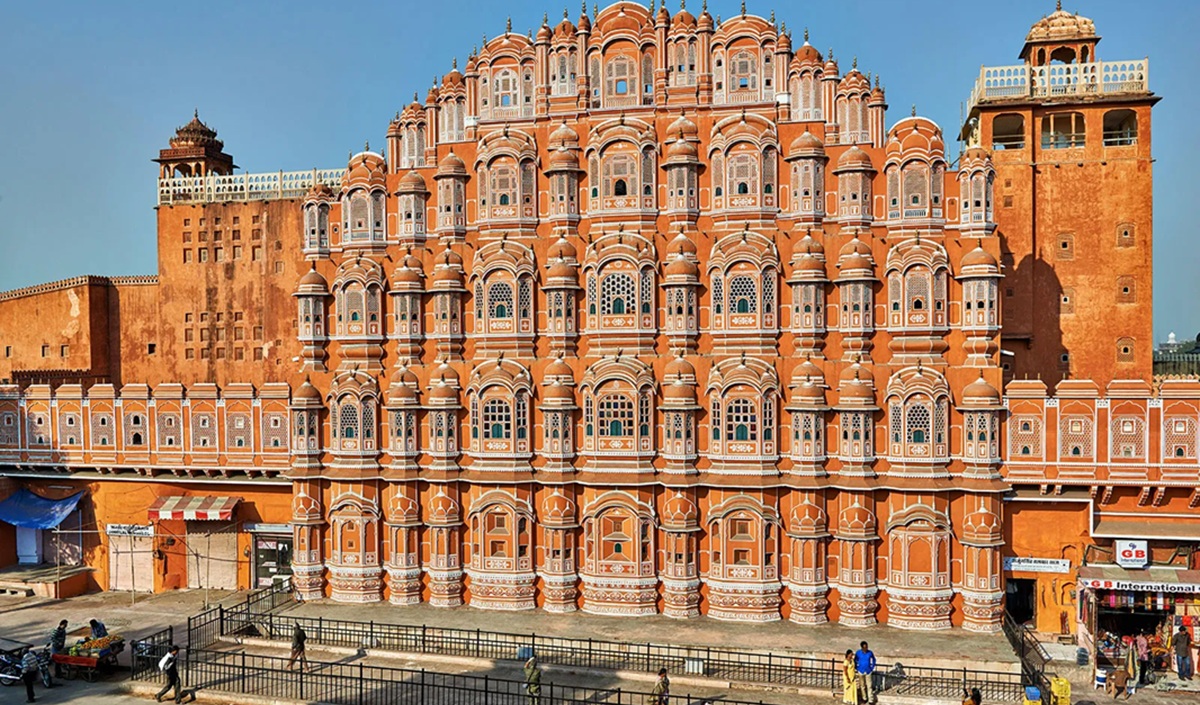
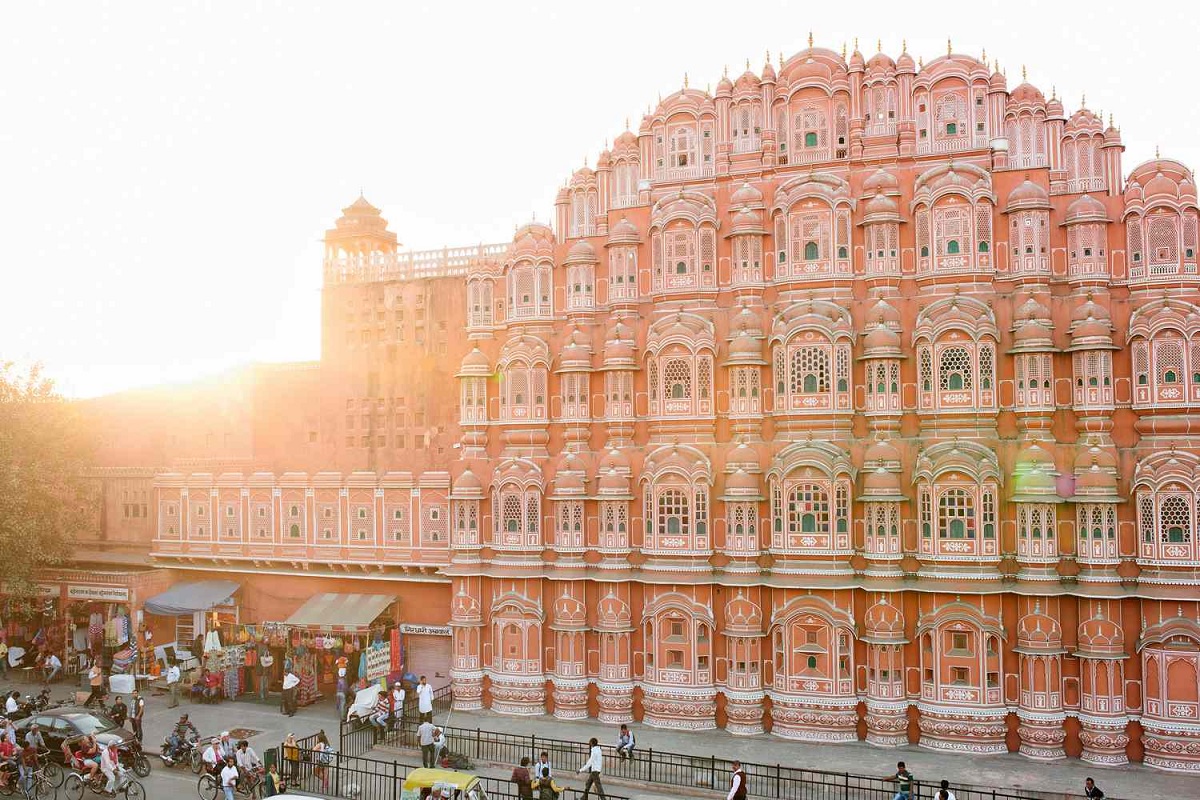
Hawa Mahal is located in the heart of Jaipur, at Badi Chaupar (Big Square), along the bustling Johari Bazaar. It is part of the City Palace complex, making it easy to explore along with other heritage sites like Jantar Mantar and Govind Dev Ji Temple.
- Address: Hawa Mahal Road, Badi Chaupar, Jaipur, Rajasthan 302002.
- Nearby attractions: City Palace (500 m), Jantar Mantar (450 m), Tripolia Bazaar, Johari Bazaar.
Check out the itinerary: 9 Days Rajasthan Heritage Tour from Jaipur to Udaipur
Timings of Hawa Mahal
- Opening hours: 9:00 AM to 5:00 PM (daily).
- Best visiting hours: Morning between 9:00 AM – 11:00 AM when sunlight falls on the façade, giving it a golden glow.
- Duration to explore: 1–2 hours.
Although the monument closes in the evening, you can still admire the exterior at night when it is beautifully lit.
Plan Jaipur Tour Package: 4 Days Jaipur, Ajmer & Pushkar Tour Package
Entry Fees for Hawa Mahal
- Indian tourists: ₹50 per person
- Foreign tourists: ₹200 per person
- Children (Indian): ₹10 per child
- Children (Foreign): ₹50 per child
- Camera charges: Included in the ticket.
If you plan to visit other heritage sites in Jaipur, consider buying a composite ticket:
- ₹300 for Indians and ₹1000 for foreigners, which includes entry to Hawa Mahal, Amber Fort, Jantar Mantar, Albert Hall Museum, Nahargarh Fort, and others.
Best Time to Visit Hawa Mahal
- Winter (October – March): The best season, with pleasant weather for sightseeing and photography.
- Summer (April – June): Very hot, but mornings are manageable.
- Monsoon (July – September): A refreshing time when the façade looks stunning after rain.
The early morning light is ideal for photography. Late evenings are also perfect when the street lights illuminate the pink sandstone façade.
Explore Also: Johari Bazaar Jaipur: Jewelry Shopping, Gold Buying & Opening Hours
Exploring the Interiors of Hawa Mahal
Many visitors admire Hawa Mahal from the outside, but stepping inside reveals much more:
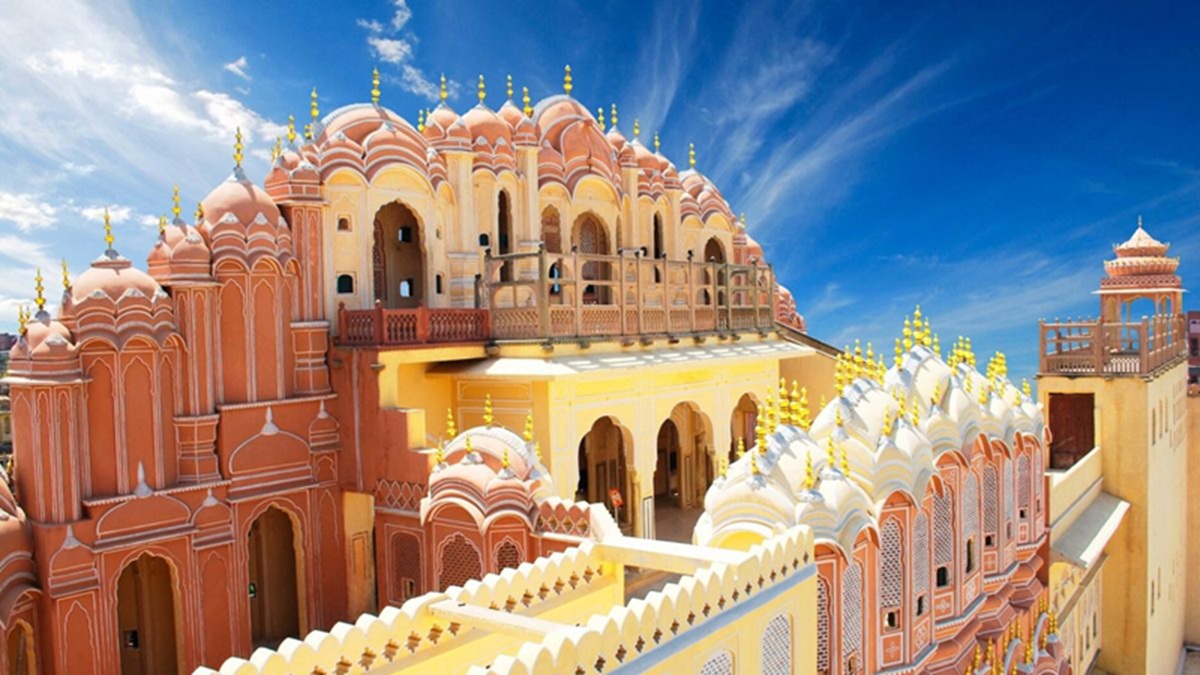
- Courtyard: The entrance opens into a large courtyard with fountains and corridors.
- Floors: Each of the five stories has small chambers, interconnected by ramps instead of stairs.
- Museum: The Archaeological Museum inside showcases artifacts, paintings, and cultural relics of Jaipur.
- Viewpoints: From the top floors, you get stunning views of Jantar Mantar, City Palace, and Sireh Deori Bazaar.
Best Photo Spots at Hawa Mahal
Hawa Mahal is among the most photographed monuments in India. Here are the best spots:
- Front façade (street view) – Stand across the street at Tattoo Café or Wind View Café to capture the entire honeycomb design.
- Inside the courtyard – Offers symmetrical views of the arches.
- Top floors – Great for wide-angle shots with City Palace in the backdrop.
- Evening view – When the monument is lit with golden lights, perfect for long-exposure photography.
Tip: Arrive early in the morning to avoid crowds and traffic in front of the monument.
Legends and Stories of Hawa Mahal
- Royal women: The primary legend is that the palace allowed women of the royal household to observe festivals like Teej and Gangaur without being seen by the public.
- Krishna’s Crown: The design is believed to resemble Lord Krishna’s crown, showing the devotion of Maharaja Sawai Pratap Singh.
- Cooling design: Locals believe the architecture was ahead of its time, creating a natural air-conditioning effect.
Read Also: Chokhi Dhani Jaipur Guide: Village Activities & Cultural Attractions
Nearby Attractions
Visiting Hawa Mahal gives you the chance to explore other iconic landmarks of Jaipur:
- City Palace Jaipur – A blend of Rajput and Mughal styles with museums, courtyards, and royal residences.
- Jantar Mantar – An astronomical observatory and UNESCO World Heritage Site.
- Johari Bazaar – Famous for jewelry, gemstones, and handicrafts.
- Tripolia Bazaar – Known for lac bangles and textiles.
- Govind Dev Ji Temple – A major Krishna temple located in the City Palace complex.
Travel Tips for Visiting Hawa Mahal
- Wear comfortable shoes, as exploring the palace requires walking up ramps.
- Visit early to avoid heavy crowds.
- Carry a hat or scarf in summer for protection from the sun.
- Hire a local guide to understand the historical significance.
- Combine the visit with nearby attractions for a full day of sightseeing.
Explore Related Insights Must Visit for Spiritual Moti Dungri Ganesh Ji Temple
How to Reach Hawa Mahal
- By air: Jaipur International Airport (12 km away). Taxis and cabs are available.
- By rail: Jaipur Junction Railway Station (5 km away).
- By road: Jaipur is well-connected by highways to Delhi, Agra, and other Rajasthan cities.
- By local transport: Auto-rickshaws, cycle rickshaws, and app-based cabs (Ola, Uber) are the most convenient.
Check out the itinerary: 5 Days Jaipur, Udaipur & Chittorgarh Trip
Shopping & Food Around Hawa Mahal
- Shopping: Explore Johari Bazaar for jewelry, Bapu Bazaar for textiles and mojris (traditional shoes), and Tripolia Bazaar for handicrafts.
- Food: Try Rajasthani snacks like kachori, lassi, and dal baati churma in nearby eateries. Rooftop cafés like Tattoo Café and Wind View Café provide stunning views of Hawa Mahal while enjoying food.
Check out the itinerary: 4 Days Jaipur, Ajmer & Pushkar Tour Package
Why You Should Visit Hawa Mahal
- It’s one of Jaipur’s most iconic landmarks and represents the Pink City’s identity.
- The façade is a masterpiece of Rajput architecture.
- Ideal for photographers and Instagram enthusiasts.
- A place to understand Jaipur’s royal traditions and lifestyle.
- Close to other heritage attractions, making it part of a perfect sightseeing circuit.
FAQs
Q. Why is Hawa Mahal called the ‘Palace of Winds?
Hawa Mahal got its name because of its unique design, which allows constant air circulation through its 953 small windows known as jharokhas. Built in 1799 by Maharaja Sawai Pratap Singh, it was designed for the royal women to observe street life and processions without being seen, while staying cool even during Jaipur’s hot summers. This natural ventilation system is why it is popularly known as the ‘Palace of Winds’.
Q. What are the entry timings and ticket prices for Hawa Mahal Jaipur?
Hawa Mahal is open daily from 9:00 AM to 5:00 PM. The entry fee for Indian tourists is INR 50 per person, and for foreign tourists, it is INR 200 per person. Children below 7 years usually enter free. For those interested in exploring multiple monuments in Jaipur, a composite ticket option is available covering City Palace, Jantar Mantar, and Hawa Mahal at a discounted price.
Q. What is the best time to visit Hawa Mahal?
The best time to visit Hawa Mahal is early in the morning between 9:00 AM and 11:00 AM. At this time, the palace is beautifully lit by the morning sun. Highlighting its pink sandstone structure and allowing for stunning photographs. Visiting in the cooler months of October to March is also recommended. As Jaipur’s weather is more pleasant for sightseeing during this time.
Q. How long does it take to explore Hawa Mahal?
Most visitors spend around 45 minutes to 1 hour at Hawa Mahal. This time allows you to climb up the narrow ramps, enjoy panoramic views of Jaipur’s City Palace and Jantar Mantar from the top, and admire the lattice windows from the inside. Photography lovers may want to spend more time, especially in the morning when the light is ideal.
Q. What are the best photo spots for Hawa Mahal?
The best spot to photograph Hawa Mahal is from the opposite side of the road. Where the full honeycomb façade can be captured. Many cafes, such as Wind View Café and Tattoo Café, also offer rooftop views perfect for Instagram-worthy pictures. Inside, the upper floors with their jharokhas provide excellent frames of Jaipur’s bustling streets and cityscape.
Q. Is there a museum inside Hawa Mahal?
Yes, Hawa Mahal houses a small museum on its premises. The museum showcases miniature paintings, ancient coins, ceremonial armor, and other artifacts from Jaipur’s royal history. It offers insight into the cultural heritage of Rajasthan and adds educational value to your visit. The museum is included in the same entry ticket for Hawa Mahal.
Q. How do I reach Hawa Mahal in Jaipur?
Hawa Mahal is located in the heart of Jaipur’s Old City on Hawa Mahal Road, near Badi Chaupar. From Jaipur International Airport, it is about 12 km away, and from Jaipur Junction Railway Station, about 5 km. Travelers can use taxis, auto-rickshaws, and app-based cab services like Ola and Uber. The nearest metro station is Badi Chaupar on the Pink Line, within walking distance of the monument.
Q. What other attractions are near Hawa Mahal?
Hawa Mahal is centrally located and surrounded by many famous Jaipur attractions. Nearby sites include the City Palace (500 meters), Jantar Mantar (400 meters), and Johari Bazaar for shopping. You can also explore Bapu Bazaar for textiles, Tripolia Bazaar for handicrafts, and Govind Dev Ji Temple, which is a short walk away. Many visitors plan a half-day itinerary covering all these sites together.
Conclusion
Hawa Mahal is more than a tourist spot – it’s a symbol of Jaipur’s heritage and the architectural brilliance of Rajputana. Its honeycomb design, fascinating history, and photogenic beauty make it a must-visit attraction in the Pink City. Whether you’re exploring Jaipur for history, photography, or cultural experiences, Hawa Mahal deserves a special place on your itinerary.
Read more Blogs for visit Jaipur:
- Sisodia Rani Garden Jaipur: History, Murals & Visitor Guide
- Tripolia Bazaar Jaipur: Local Crafts, Bangles & Shopping Guide
- Raj Mandir Cinema Jaipur: Iconic Movie Hall & Ticket Information
- Galtaji Monkey Temple Jaipur: Timings, Rituals & Travel Guide
- Birla Mandir Jaipur: Marble Temple, Best Time & Visitor Tips
- Patrika Gate Jaipur: Photography Spots, Timings & Travel Tips
- Chokhi Dhani Jaipur: Rajasthani Village Experience & Cultural Shows
- Govind Devji Temple Jaipur: Darshan Timings, Rituals & Significance
- How to Reach Ranthambore from Jaipur – Travel Guide
- Top 5 Temples to Visit in Jaipur for a Spiritual Experience
- Things to Do in Jaipur with Kids: Family-Friendly Activities
- Jaipur Monuments Guide: Entry Fees & Visitor Info for Tourists
- Top 5 Cooking Classes in Jaipur to Learn Rajasthani Cuisine
- Jaipur Literature Festival 2025: Dates, Venue & Highlights
- Quick Jaipur Getaway: Compare Car vs Train & Plan Your Day Trip!
- Plan Your Delhi to Neemrana Fort Tour – Book Your Adventure!
- Explore Jaipur in a Day – Travel from Delhi by Train Now!