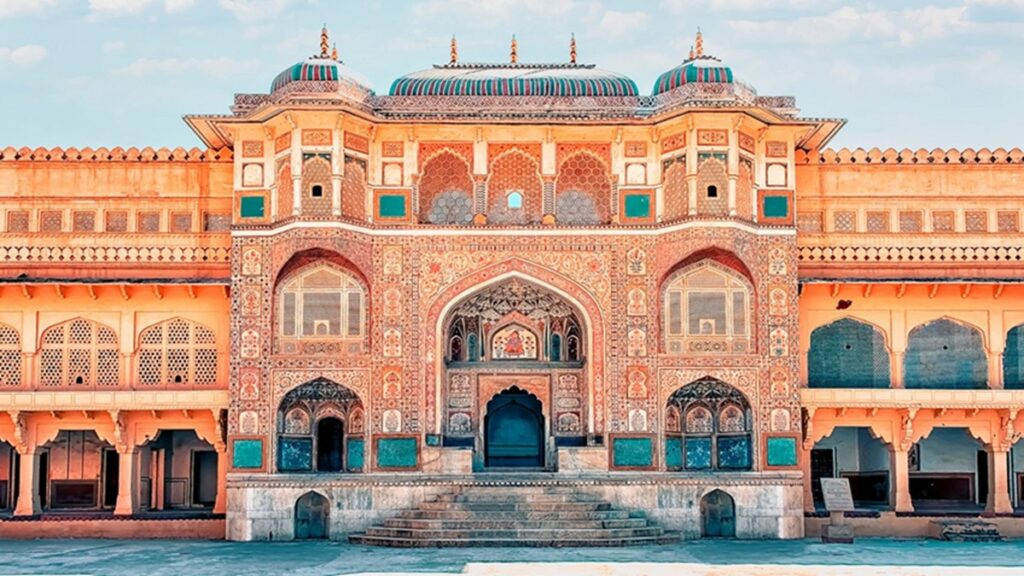
Amer Fort, also called Amber Fort, stands proudly on the rugged Aravalli Hills overlooking Maota Lake in Jaipur, Rajasthan. Built in the 16th century, this UNESCO World Heritage Site is one of India’s most visited monuments and a major part of the “Hill Forts of Rajasthan” group. The fort is a perfect blend of Hindu and Mughal architectural styles, combining ornate palaces, large courtyards, intricate carvings, and artistic mirror work.
The fort is more than a historic structure; it represents Jaipur royal legacy. Its grand gates, cobbled paths, and sprawling courtyards reveal stories of Rajput valor, artistry, and culture. From the Diwan-i-Aam (Hall of Public Audience) to the mesmerizing Sheesh Mahal (Mirror Palace), every corner of Amer Fort reflects luxury and sophistication.
Today, Amer Fort is a favorite among tourists for its history, panoramic views, cultural performances, elephant rides, and the famous evening sound-and-light show. Visitors from around the world come to experience not only the architecture but also the living culture and traditions that continue to be celebrated within its walls.
In this detailed guide, you’ll learn about the history of Amer Fort, its must-visit highlights, details of the light and sound show, the experience of the elephant ride, ticket information, opening hours, how to reach, and essential visitor tips to make your visit smooth and memorable.
History of Amer Fort
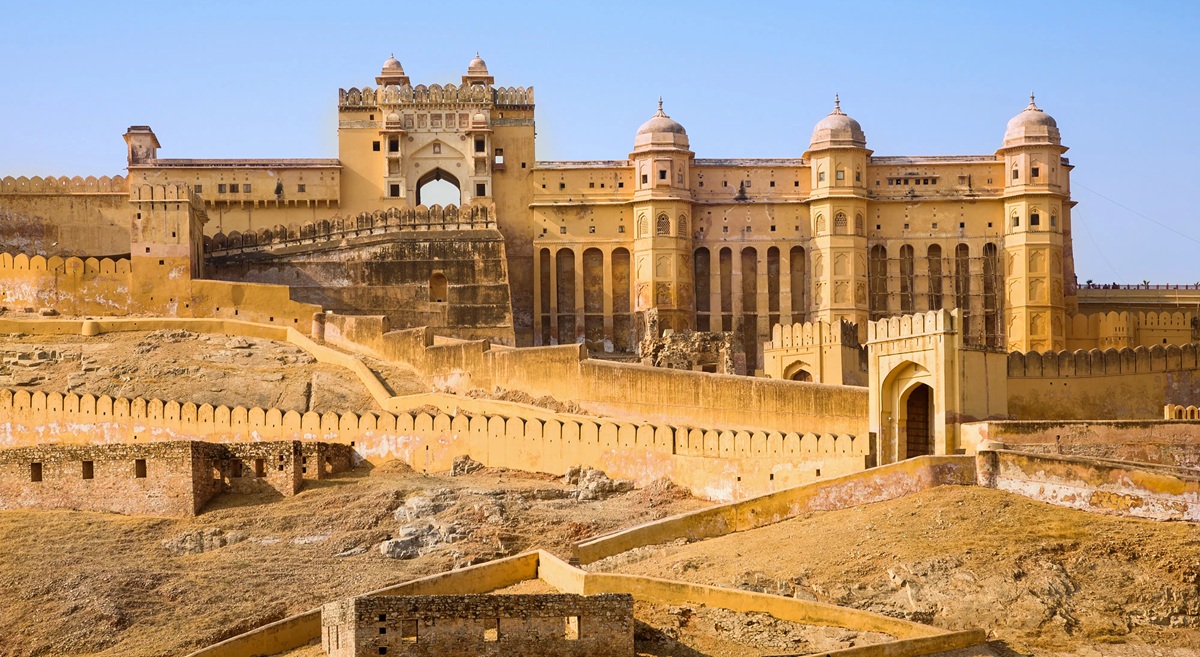
Amer Fort’s history dates back to the late 16th century, when Raja Man Singh I, one of Emperor Akbar’s trusted generals, laid its foundation in 1592. Later rulers, especially Raja Jai Singh I, expanded and renovated the fort into what stands today.
The fort was strategically constructed to serve as both a palace and a defense stronghold. Its location atop the Aravalli Hills provided natural protection against invasions. Unlike many Mughal forts that emphasized grandeur, Amer Fort was designed to blend functionality with luxury.
Plan Your Journey with This Itinerary: 2 Nights 3 Days Jaipur Tour Package
- Architectural Influence:
The fort displays a mix of Rajputana and Mughal styles. The Rajputs were known for their warrior culture, while the Mughals influenced palace construction with intricate ornamentation. Amer Fort combines these two worlds—military strength and artistic elegance. - Sheesh Mahal (Mirror Palace):
Perhaps the most famous part of Amer Fort, Sheesh Mahal is decorated with thousands of small mirrors. Even a small flame inside this hall reflects in such a way that the entire room glows, showcasing the advanced artistry of the time. - Political Significance:
Amer was once the capital before Jaipur was established in 1727. It remained the seat of the Kachwaha Rajputs until Maharaja Sawai Jai Singh II moved his capital to Jaipur. Still, Amer retained importance as a cultural and historical center. - Cultural Symbol:
The fort was a hub for Rajput traditions, royal ceremonies, and alliances with the Mughal empire. Many historical treaties and royal meetings were held here.
Today, Amer Fort is recognized as part of the UNESCO World Heritage Sites (Hill Forts of Rajasthan) and stands as a living monument to Rajputana pride.
Read Also: Galtaji Temple Jaipur – Monkey Temple, Timings & Travel Info
Architecture and Layout
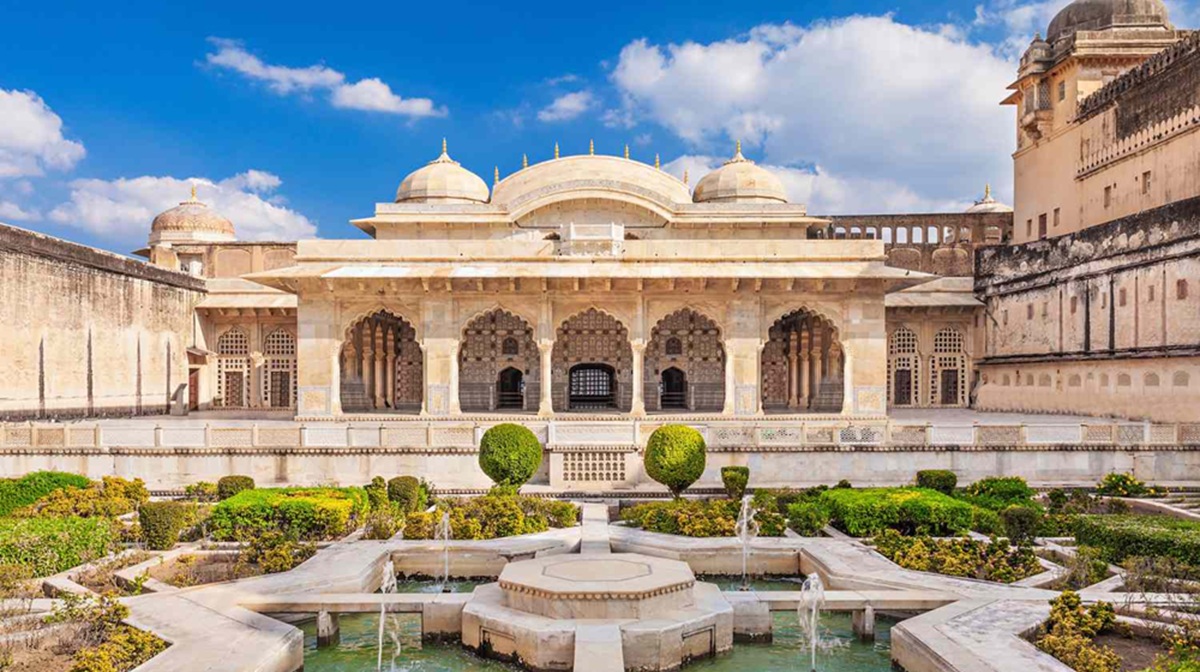
Amer Fort is not a single structure but a complex of palaces, courtyards, gardens, and halls. It is built mainly from red sandstone and marble, giving it both durability and grandeur.
Explore Day-by-Day Travel Itinerary: 9 Days Rajasthan Heritage Tour from Jaipur to Udaipur
- Main Gates:
Suraj Pol (Sun Gate) welcomes visitors into the fort. This was the gate for royal processions. Ganesh Pol, decorated with vibrant frescoes, is the entrance to the private palaces of the royals. - Diwan-i-Aam (Hall of Public Audience):
Here the king addressed common people and handled administrative matters. The hall is supported by intricately carved pillars. - Diwan-i-Khas (Hall of Private Audience):
This hall was used for confidential meetings with ministers and nobles. - Jaleb Chowk:
The main courtyard where victory parades and military gatherings were held. - Zenana (Women’s Quarters):
A secluded section designed for the queens and royal women. Clever architecture ensured privacy while allowing cool ventilation. - Gardens:
Influenced by Mughal gardens, Amer Fort houses Charbagh-style gardens with symmetrical designs, fountains, and water channels. - Sheesh Mahal:
The highlight of Amer Fort. Its tiny glass pieces, imported from Belgium, were inlaid with such precision that even candlelight multiplied into a thousand reflections.
The layout of Amer Fort reflects the royal lifestyle of the Rajputs, combining luxury, defense, and artistry in every corner.
Explore Also: Raj Mandir Cinema Jaipur – Famous Movie Hall & Ticket Guide
Amer Fort Light & Sound Show
The evening light and sound show is one of the most memorable experiences at Amer Fort. Conducted in both English and Hindi, it narrates the history of Jaipur and the fort, accompanied by music, lighting effects, and cultural storytelling.
- Timings:
- Hindi Show: 7:30 PM – 8:30 PM
- English Show: 8:30 PM – 9:30 PM
- Highlights:
- Narration by Bollywood legend Amitabh Bachchan (Hindi version)
- Dramatic lighting that brings walls, palaces, and courtyards to life
- Stories of Rajput kings, their alliances, and cultural traditions
- Tickets:
- Approx. ₹250 for Indians
- Approx. ₹500 for foreigners
The sound-and-light show is a must for those who want to experience Amer Fort beyond daytime visits. It creates an immersive atmosphere that combines history with entertainment.
Explore Day-by-Day Travel Itinerary: 4 Days Jaipur, Ajmer & Pushkar Tour Package
Elephant Ride at Amer Fort
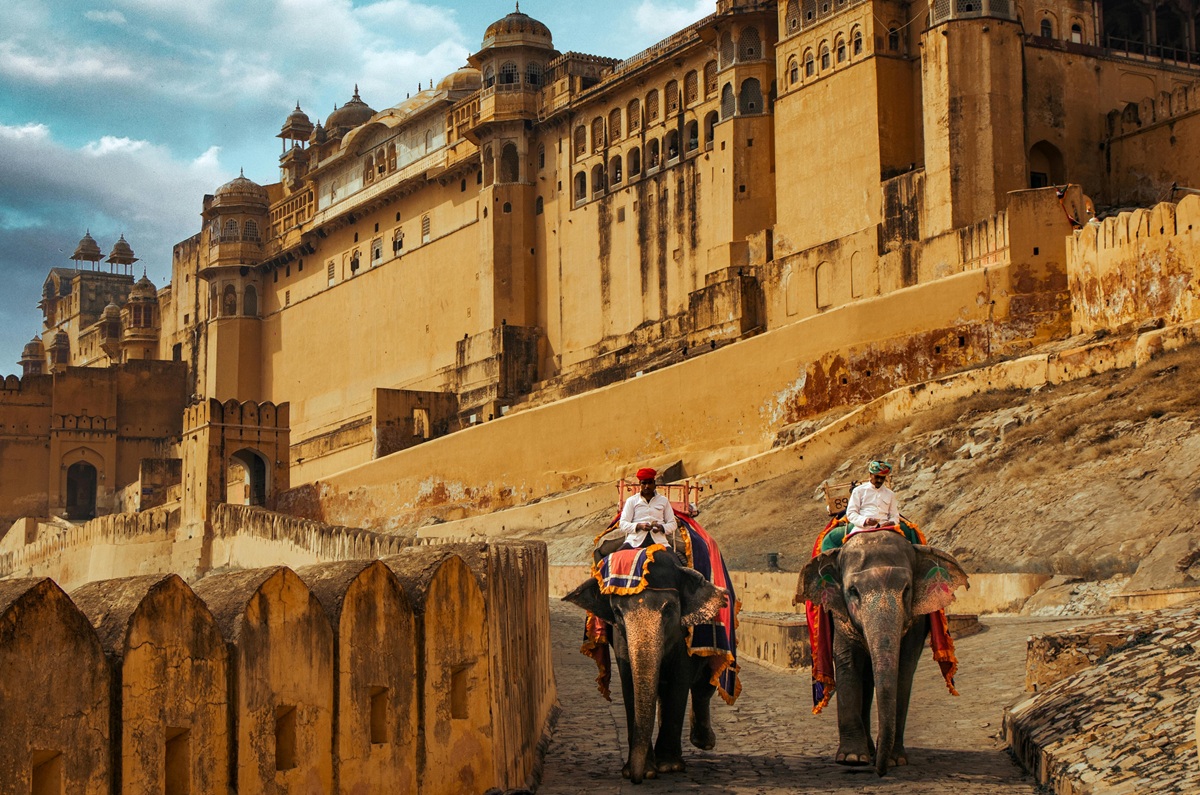
One of the unique attractions at Amer Fort is the elephant ride that takes visitors up the cobbled pathway from the base of the hill to the Suraj Pol entrance.
See the Full Itinerary for Your Trip: 5 Days Jaipur & Ranthambore Safari Itinerary
- Experience:
The ride lasts around 15–20 minutes, offering scenic views of the fort walls and the surrounding Aravalli Hills. - Timing:
Available only in the morning (7:30 AM – 11:30 AM) to avoid heat and stress on the elephants. - Cost:
Around ₹1,000–1,500 per elephant (two persons allowed). - Ethical Considerations:
In recent years, there has been debate about the welfare of elephants. Authorities have ensured stricter rules, including limited rides per elephant and veterinary checks.
For travelers who prefer alternatives, jeeps and golf carts are available to reach the fort entrance.
Expand Your Knowledge on Tripolia Bazaar Jaipur – Shopping Guide for Crafts & Bangles
Visitor Information
- Opening Hours:
8:00 AM – 5:30 PM daily. Evening cultural programs available separately. - Entry Fees:
- Indian Visitors: ₹100 (adults), ₹50 (students)
- Foreign Tourists: ₹550 (adults), ₹100 (students)
- Composite tickets available for Amer, Nahargarh, and Jaigarh Forts.
- Best Time to Visit:
October to March, when Jaipur enjoys pleasant weather. Summer afternoons can be extremely hot. - Dress Code:
Comfortable cotton clothes in summer, light woolens in winter. Wear good walking shoes, as the fort involves climbing steep paths and stairs. - Photography:
Allowed, but charges apply for videography inside certain palaces. - How to Reach:
- From Jaipur city center: 11 km (20–25 minutes by car or auto-rickshaw).
- Buses and taxis are widely available.
Check the Complete Itinerary Details: Jaipur, Udaipur & Chittorgarh Tour – 5 Days Trip
Essential Visitor Tips
- Arrive early morning to avoid large crowds.
- Wear comfortable shoes, as there’s a lot of walking and climbing.
- Carry water bottles; the fort area is large and tiring.
- Opt for a licensed guide or audio guide for a better understanding of the history.
- Visit Sheesh Mahal and Ganesh Pol for photography.
- If sensitive to animal welfare, choose jeep rides instead of elephants.
- Stay back for the evening light-and-sound show.
- Avoid weekends for a quieter experience.
Dive Deeper Into Sisodia Rani Garden Jaipur – History, Murals & Visitor Tips
Nearby Attractions
- Jaigarh Fort – Known for the world’s largest cannon on wheels, Jaivana.
- Nahargarh Fort – Offers panoramic sunset views of Jaipur.
- Jal Mahal – A stunning palace situated in the middle of Man Sagar Lake.
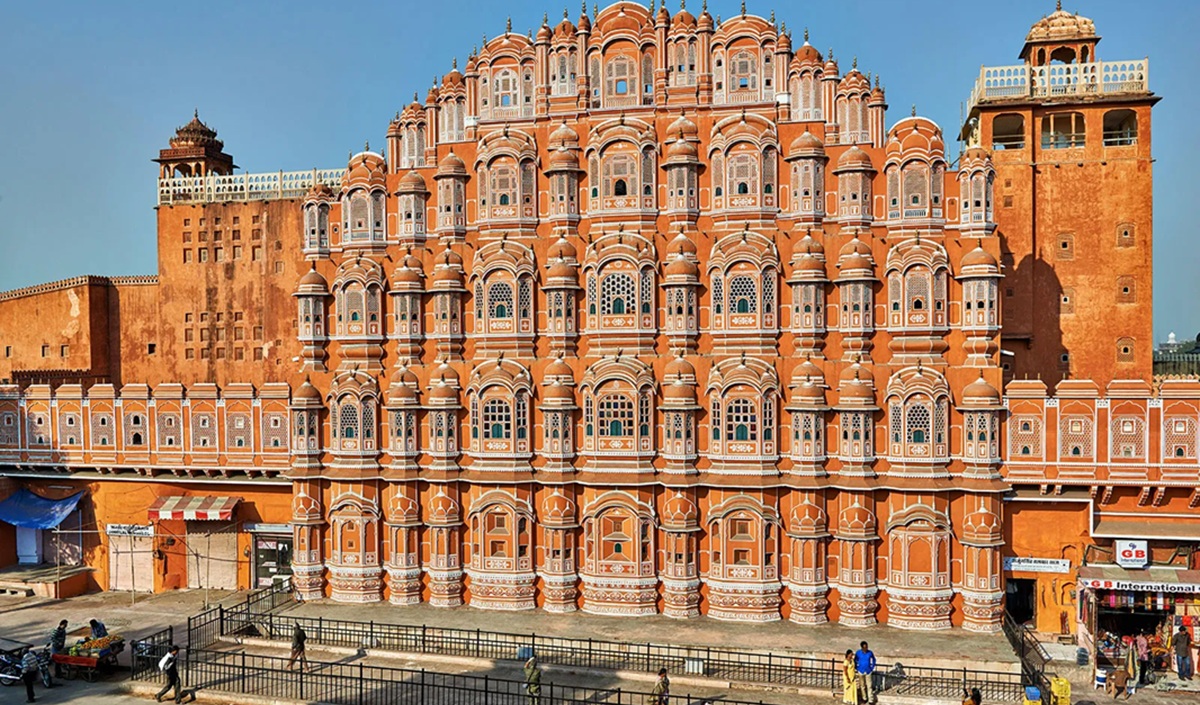
- Hawa Mahal – Jaipur’s most iconic landmark, the Palace of Winds.
- City Palace Jaipur – A living palace where the royal family still resides.
FAQs
Q. What is the best time to visit Amer Fort?
Ans. The best time to visit Amer Fort is between October and March. The weather is pleasant, making it easier to explore the fort on foot. Early mornings are ideal to avoid large crowds, while evenings are great if you want to attend the light and sound show.
Q. What are the opening hours of Amer Fort?
Ans. Amer Fort is open daily from 8:00 AM to 5:30 PM for general visits. The evening light and sound show timings are 7:00 PM (Hindi) and 8:00 PM (English), but these may vary slightly by season.
Q. How much is the entry fee for Amer Fort?
Ans. Entry fees for Amer Fort are INR 100 for Indian citizens and INR 500 for foreign tourists. For students, it is INR 10 (Indian) and INR 100 (foreign). The light and sound show costs around INR 295 per person.
Q. Is the elephant ride at Amer Fort safe?
Ans. The elephant ride is safe, but it is strictly regulated. Each elephant makes a limited number of trips in the morning, usually between 7:30 AM and 10:30 AM. It is advisable to arrive early if you wish to experience this ride.
Q. How long does it take to explore Amer Fort?
Ans. On average, it takes 2 to 3 hours to explore Amer Fort thoroughly. If you plan to attend the light and sound show or enjoy the elephant ride, you should set aside around 4 hours in total.
Q. Can I book Amer Fort tickets online?
Ans. Yes, Amer Fort tickets can be booked online through the Rajasthan tourism official website and third-party travel platforms. This helps avoid queues, especially during peak tourist season.
Q. Is there a dress code for visiting Amer Fort?
Ans. There is no strict dress code, but it is recommended to wear comfortable clothing and shoes since you will be walking and climbing stairs. Light cotton clothes are ideal in summer, while warmer layers are needed in winter evenings.
Q. How far is Amer Fort from Jaipur city center?
Ans. Amer Fort is around 11 kilometers from Jaipur city center. You can reach the fort by taxi, auto-rickshaw, or local buses. The drive usually takes 20–30 minutes depending on traffic.
Q. Are guides available at Amer Fort?
Ans. Yes, licensed guides are available at the entrance of Amer Fort. Audio guides in multiple languages are also offered for a more flexible experience. Hiring a guide enhances your visit by explaining the history and architecture of the fort.
Q. Is Amer Fort wheelchair accessible?
Ans. Amer Fort has many steep steps and uneven pathways, which makes it difficult for wheelchair access. However, certain sections near the main courtyard can be accessed with assistance. Visitors with mobility issues should plan accordingly.
Q. Is photography allowed inside Amer Fort?
Ans. Photography is allowed in most parts of Amer Fort. However, you may need special permission for professional shoots and tripods. Drone photography is not permitted without prior approval from authorities.
Q. What nearby attractions can I visit along with Amer Fort?
Ans. Along with Amer Fort, you can visit Jaigarh Fort, Nahargarh Fort, and Jal Mahal, all located nearby.
Conclusion
Amer Fort is more than a tourist attraction; it is a symbol of Jaipur’s royal heritage. From its rich history and intricate architecture to the cultural experiences of elephant rides and the evening light show, Amer Fort offers a journey back into Rajasthan’s regal past.
Whether you are a history lover, photographer, cultural enthusiast, or casual traveler, Amer Fort has something for everyone. A well-planned visit with the right timing, guidance, and tips ensures that you experience the grandeur and spirit of Jaipur at its best.
Continue Your Journey for visit Jaipur:
- Birla Mandir Jaipur – Marble Temple, Best Time & Visitor Guide
- Moti Dungri Ganesh Ji Temple: What to Expect Guidelines
- Patrika Gate Jaipur – Best Photography Spots & Timings
- Chokhi Dhani Jaipur – Village Experience, Shows & Food
- Govind Devji Temple Jaipur – Darshan Timings & Significance
- How to Reach Ranthambore from Jaipur – Complete Travel Guide
- Top Temples in Jaipur – Spiritual Sites You Must Visit
- Things to Do in Jaipur with Kids – Family Activities & Fun
- Jaipur Monuments Guide – Entry Fees & Tourist Information
- Best Cooking Classes in Jaipur – Learn Rajasthani Cuisine
- Jaipur Literature Festival 2025 – Dates, Venue & Highlights
- Hawa Mahal Jaipur – History, Entry Fees & Photo Spots
- Bapu Bazaar Jaipur – Best Shops, Things to Buy & Bargaining Tips
- Johari Bazaar Jaipur – Jewelry Shopping, Gold & Opening Hours
- Chokhi Dhani Jaipur – Rajasthani Village Experience & Booking Guide
- Ready for a Day in Jaipur? Explore Car vs Train Options Now!
- Plan Your Delhi to Neemrana Fort Tour – Book Your Adventure!
- Explore Jaipur in a Day – Travel from Delhi by Train Now!