A beginner-friendly Himalayan adventure with crystal-clear alpine beauty
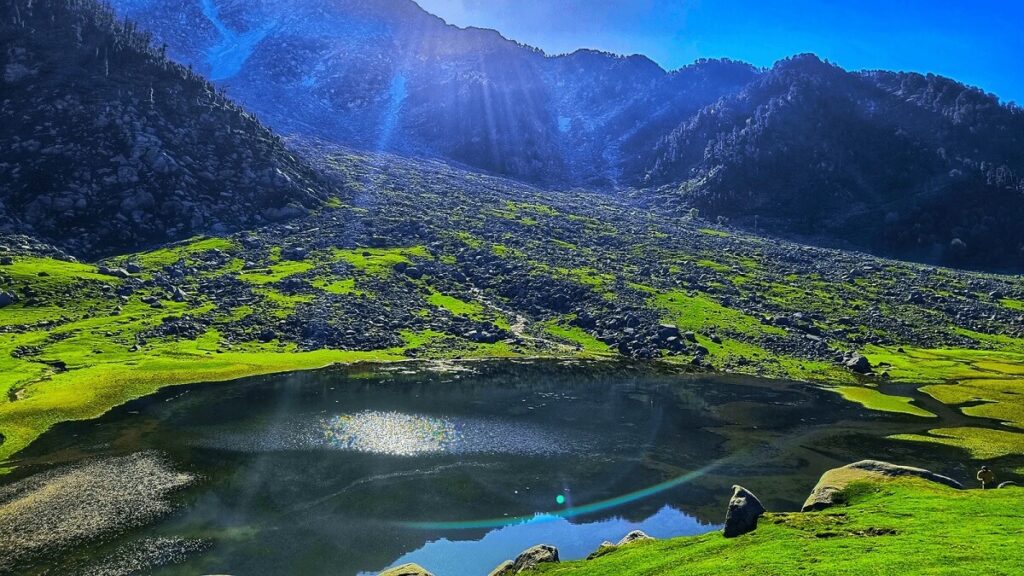
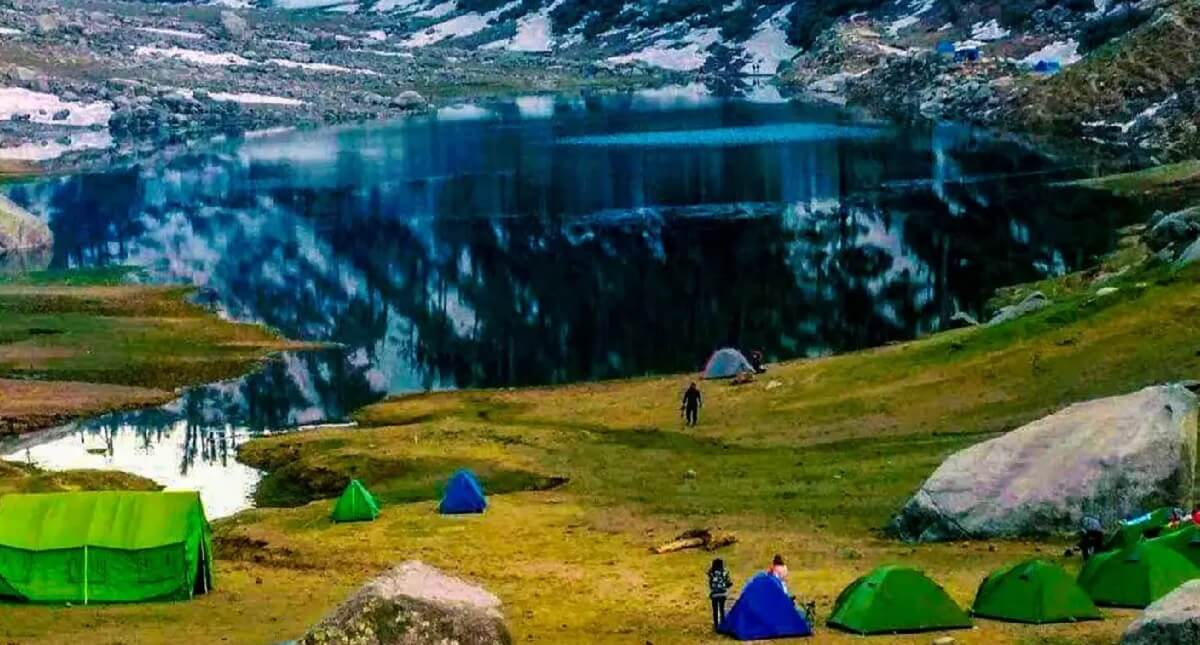
Tucked away in the serene Dhauladhar range of Himachal Pradesh, Kareri Lake is a clear-water glacial lake that promises a perfect blend of natural beauty and trekking thrill. Located at an altitude of around 2,950 meters, the lake reflects the surrounding snow-capped peaks like a giant mirror, giving travelers the kind of peaceful, offbeat experience that’s getting harder to find.
What makes Kareri Lake special isn’t just its picture-perfect appearance, but also its relatively easy trek route, accessibility from Dharamshala, and suitable terrain for beginners. Whether you’re a solo traveler, a group of friends, or a first-time trekker, Kareri Lake offers an escape into the quieter side of Himachal — where the trails are lined with pine forests, the skies are wide open, and you can camp right beside the lake under the stars.
Where Is Kareri Lake?
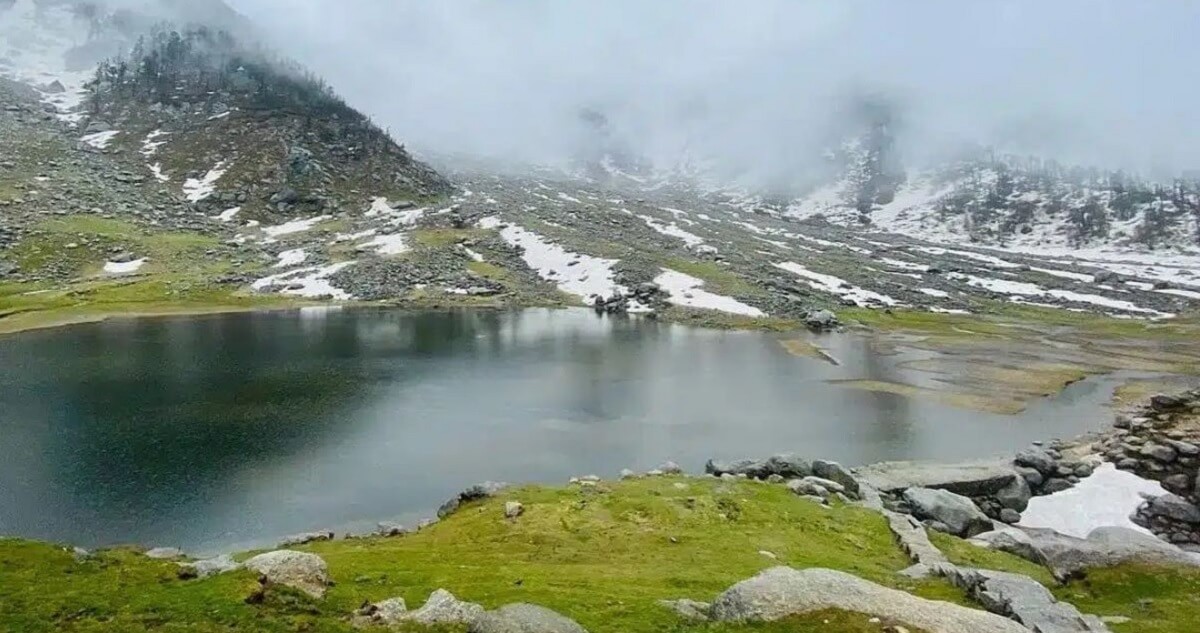
Kareri Lake is located in the Kangra district of Himachal Pradesh, about 25 km north of Dharamshala. It sits at the base of the Minkiani Pass, surrounded by the Dhauladhar mountain range.
- Altitude: 2,950 meters (9,678 ft)
- Base village: Kareri Village (about 2 hours drive from Dharamshala)
- Trek distance: ~10–13 km (one way, depending on starting point)
- Trek duration: 1–2 days
The lake is primarily fed by melting snow from the surrounding peaks, which keeps the water crystal clear and icy cold, even in summer. Kartik Swami Temple Trek: Your Ultimate Guide
How to Reach the Starting Point
The Kareri Lake trek starts from Kareri Village, which is accessible by road from Dharamshala.
By Air
- Nearest airport: Gaggal Airport (Dharamshala) – 13 km from the city
- Taxis and cabs are easily available from the airport to Dharamshala and then to Kareri
By Train
- Nearest railway station: Pathankot (90 km away)
- From Pathankot, take a taxi or bus to Dharamshala and then to Kareri Village
Travel By Road
- Dharamshala is well-connected by overnight buses from Delhi, Chandigarh, and Manali
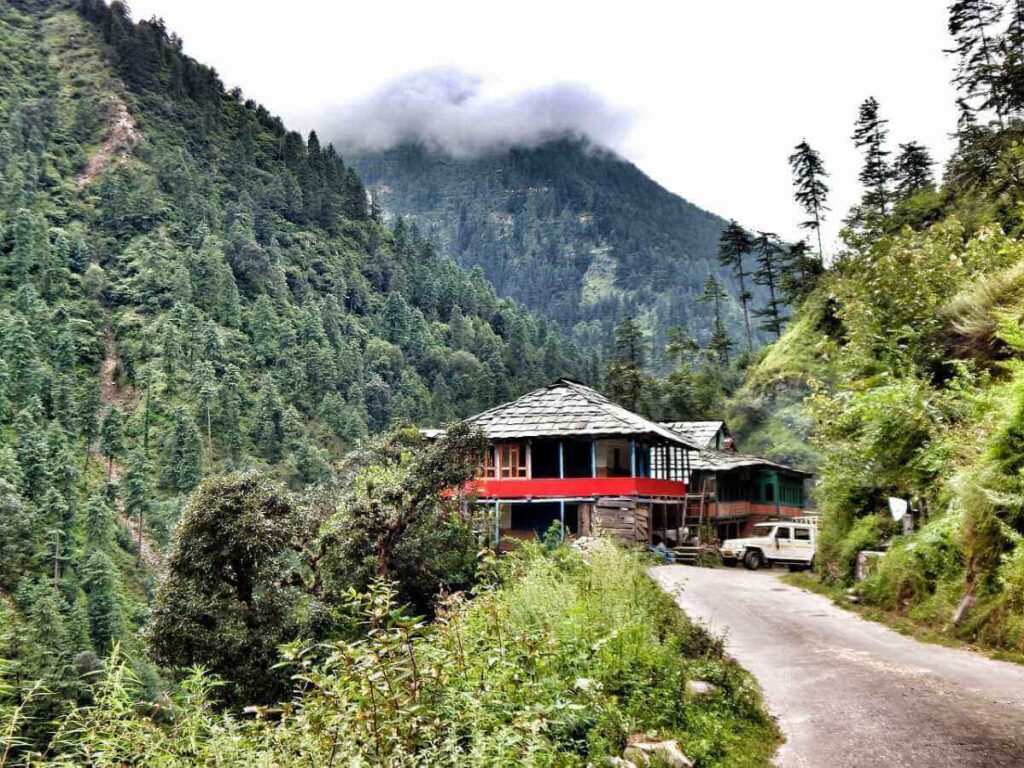
- From Dharamshala, it’s a 2-hour drive to Kareri Village via shared jeeps or cabs
Trekking Route: What to Expect
The trek to Kareri Lake is suitable for beginners and moderate-level trekkers. The trail takes you through villages, pine and oak forests, river crossings, and meadows, with the Dhauladhar peaks keeping you company. Trekking in Mechuka Valley
Route Overview:
- Kareri Village to Rioti: ~6 km. The initial climb is gentle through forests and alongside the Nyund River.
- Rioti to Kareri Lake: ~4–5 km. The trail becomes steeper and rockier. Expect boulders and occasional glacier patches in early summer.
You’ll cross rustic wooden bridges, spot Himalayan birds, and see shepherds tending to their flocks. The last stretch of the trek is the most scenic, especially as you near the lake and the landscape opens up to show snow-clad peaks and alpine grasslands. Kangra Fort: History & Visiting Info
Where to Stay
There are no hotels or lodges near Kareri Lake, but that’s part of the charm. Most trekkers camp by the lake or stay in tents at Rioti, a mid-point on the trail.
Camping Options:
- Carry your own gear or go with a local trek operator who provides tents, sleeping bags, and meals
- Kareri Village has basic guesthouses and homestays, ideal for spending the night before or after the trek
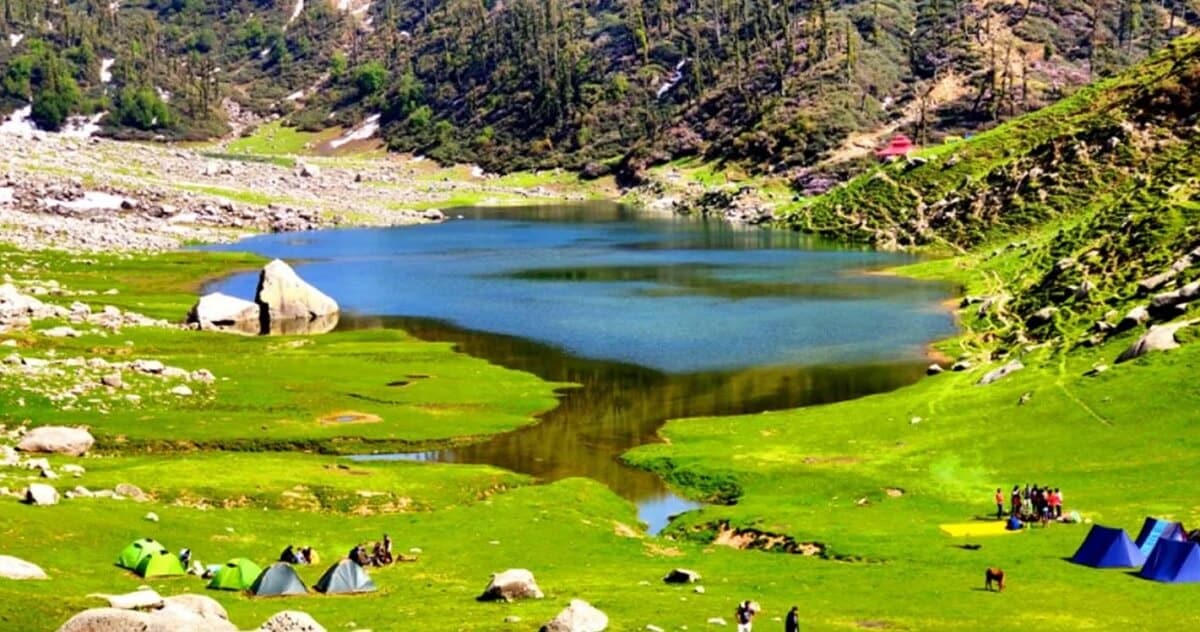
Camping at the lake under the stars is a highlight for many. Waking up to the sound of flowing water and watching the first light touch the peaks makes for an unforgettable Himalayan experience. 10 Best Camping and Trekking Hotspots Near Dehradun for Adventure Seekers
Best Time to Visit Kareri Lake
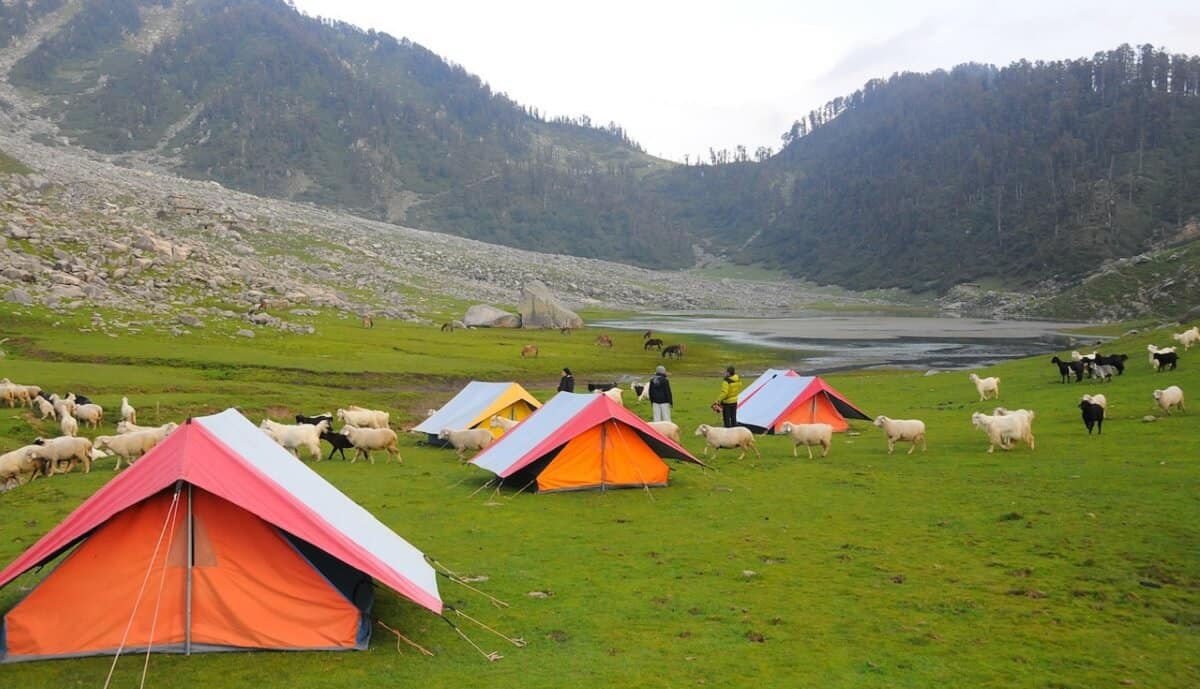
The best time to do the Kareri Lake trek depends on what kind of experience you’re looking for.
May to June (Pre-monsoon)
- Ideal weather and greenery
- Snow is usually melted, making the lake accessible and visible
- Great time for camping and photography
September to November (Post-monsoon)
- Clear skies and sharp mountain views
- Water level is high and vegetation is fresh after the rains
December to April (Winter)
- Lake is frozen and covered in snow
- Only experienced trekkers with winter gear should attempt this season
- The trail is difficult and requires a local guide
Avoid trekking during July and August, as the monsoon brings heavy rains, slippery trails, and risk of landslides.
What to Pack
Pack light, but make sure you carry essentials to keep you comfortable and safe.
Clothing:
- Quick-dry trek pants and full-sleeve t-shirts
- Fleece jacket and down jacket (nights are cold)
- Rain poncho or waterproof jacket
- Warm cap, gloves, and woolen socks
Gear:
- Backpack with rain cover
- Water bottle and purifier tablets
- Trekking pole (optional but helpful)
- Sleeping bag and mat (if not going with an operator)
Misc:
- Power bank and headlamp
- Trail snacks and energy bars
- Sunscreen, lip balm, and first-aid kit
- ID card and emergency contact details
Local Culture and Responsible Travel
Kareri Village is a peaceful Himalayan hamlet, inhabited mostly by Gaddi shepherds and local Himachali families. The people are welcoming, and you may even be invited for chai or a simple home-cooked meal. 11 Best Monsoon Treks in India to Experience Lush Green Landscapes
Here are a few things to keep in mind:
- Avoid littering. Carry your waste down and dispose of it properly.
- Don’t pick flowers or disturb wildlife. The lake area is ecologically fragile.
- Respect the locals and their customs. Ask before photographing people.
- Support local economy by hiring local guides and purchasing from village shops or homestays. Adventure Activities Paused in Himachal Pradesh
Travel Tips
- Start early to reach the lake by noon and return safely to your campsite
- Carry enough water — refill from streams only if you have purification tablets
- Mobile network is patchy after Kareri Village
- Avoid loud music and large groups that may disturb the environment
FAQs About the Kareri Lake Trek
Is Kareri Lake trek suitable for beginners?
Yes. It’s one of the best beginner-friendly treks in Himachal Pradesh.
Do I need a guide for the Kareri Lake trek?
While the trail is well-marked, first-timers are advised to hire a local guide for safety and a smoother experience.
Can I complete the trek in one day?
It’s possible to trek to the lake and return the same day, but most people prefer a 2-day trek for better pacing and to camp at the lake.
Is camping allowed at Kareri Lake?
Yes, camping is allowed near the lake. It’s a popular overnight spot for trekkers.
Is there food available during the trek?
Simple meals and tea are available at dhabas on the route, or you can carry packed food and snacks. Top Summer Treks and Hill Escapes in Himachal
Final Thoughts
The Kareri Lake trek is one of those rare Himalayan adventures that is accessible, beautiful, and still relatively untouched. With its glassy waters, scenic ridges, and peaceful campsites, the journey to the lake feels like a quiet conversation with nature.
Whether it’s your first trek or your tenth, Kareri promises something meaningful — a few days away from city life, a peaceful place to reflect, and stories you’ll want to return to. Complete Travel Guide to Dayara Bugyal Trek 2025
You Might Also Like:
- Plan Your August Trip to Kedarnath – Weather & Travel Insights
- Discover 14 Budget Trips in India for August Under ₹50,000
- Explore Top 10 Attractions in India During August
- Celebrate August Festivals in India – Dates & Rituals You Must Know
- Escape to Monsoon Hill Stations Near Delhi This August
- Plan a Perfect 15 August Getaway from Major Indian Cities
- Visit 10 Must-See Shiva Temples in Delhi NCR During Sawan
- Find the Best Time to Visit Tungnath – Weather & Temple Info
- Your Complete Himachal Travel Guide for July
- Explore Hidden Villages in Himachal – Offbeat Travel Picks
- Reach Sethan Valley from Manali – Easy Route Guide
- Top Weekend Trips from Delhi to Enjoy July Rains
- Explore India’s August Festivals – Complete Cultural Guide
- Explore the Best Indian Destinations to Visit in September
- Top Places to Visit in North India This September
- Travel North India in July – Weather, Tips & Itinerary
- 14 Best Places to Visit in Uttarakhand in September