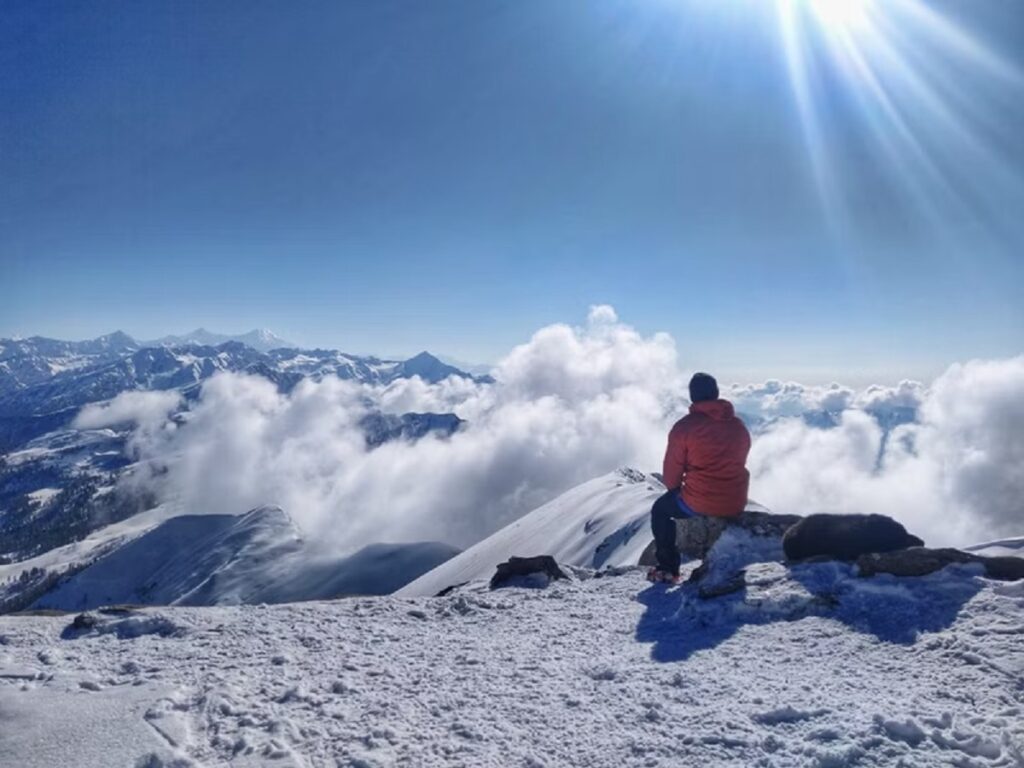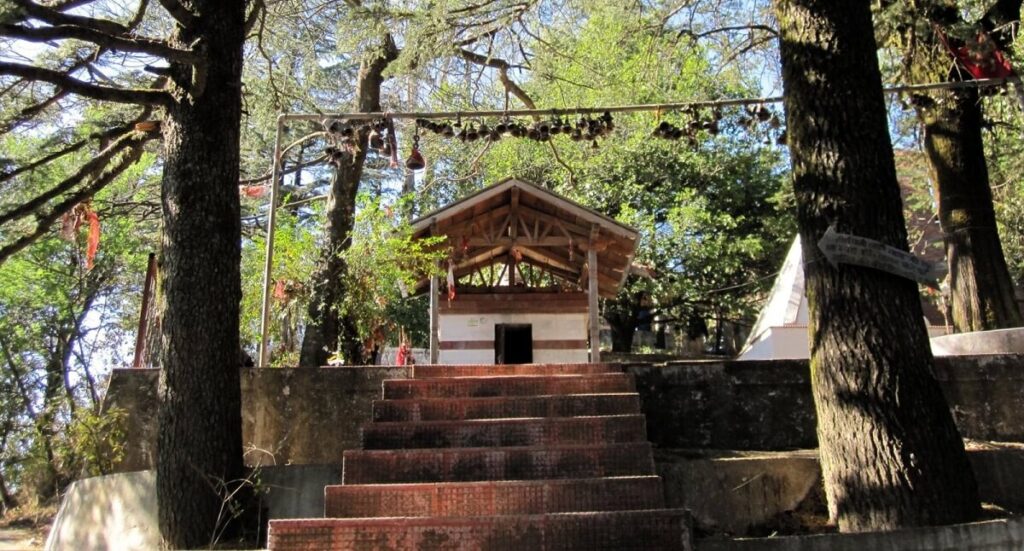
Perched on a high ridge in the peaceful Himalayan village of Mukteshwar, this 350-year-old temple dedicated to Lord Shiva isn’t just a religious site — it’s a place where mythology, nature, and silence converge. With the mighty Nanda Devi Peak watching from afar and crisp mountain air all around, Mukteshwar Temple gives visitors something far more valuable than scenic views: a sense of peace and inner connection.
But how did this temple come to be? What legends are tied to it? And why is it called “Mukteshwar”, the giver of mukti or liberation? Let’s begin our journey at the very root: the stories that shaped this sacred space.
The Mythology Behind Mukteshwar Temple
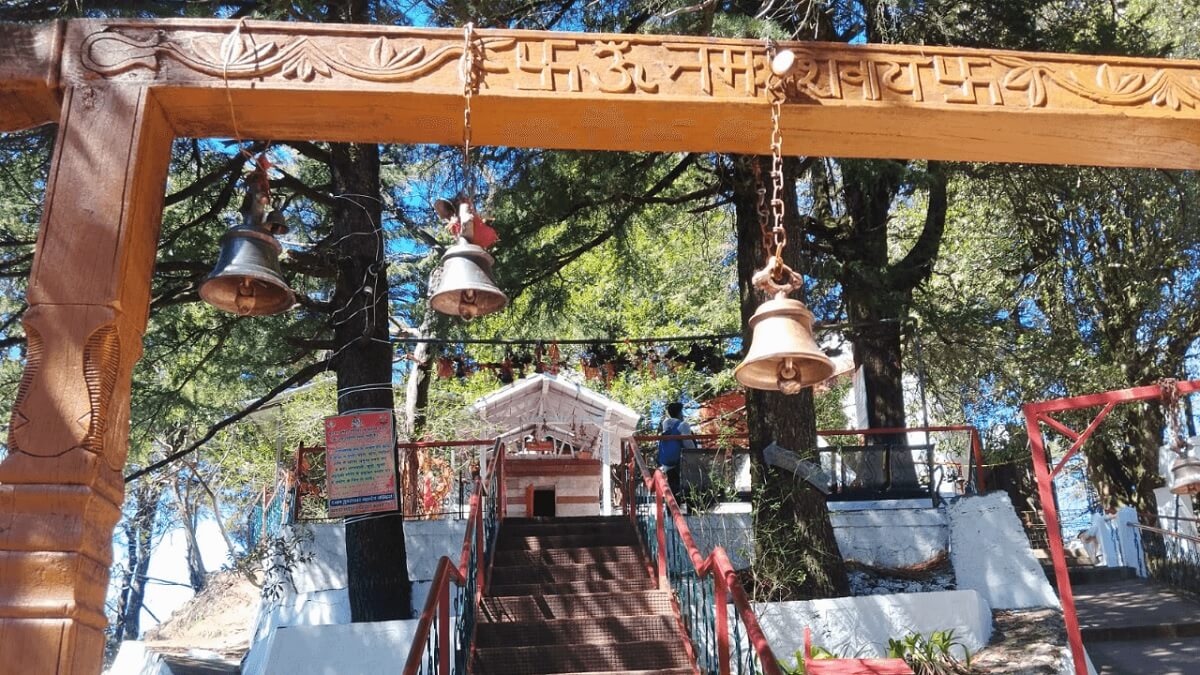
The word “Mukteshwar” comes from two Sanskrit roots:
- “Mukti” meaning liberation
- “Ishwar” meaning God or Lord
Together, Mukteshwar means “The Lord who grants liberation”, a title often attributed to Lord Shiva.
The Legend: The Demon and the Divine
According to local lore, a powerful demon once terrorized the region, disturbing sages, pilgrims, and villages. The people prayed to Lord Shiva for relief. Answering their call, Shiva appeared and fought the demon, ultimately granting him moksha — freedom from the cycle of birth and rebirth — upon his death.
This act of destroying darkness and granting enlightenment defines the very spirit of the temple. Unlike other forms of Shiva known for wrath or detachment, Mukteshwar Mahadev is seen as a liberator, a teacher, and a compassionate force.
Temple Architecture & Atmosphere
Mukteshwar Temple is simple in design but profound in presence.
Key Features:
- A small but serene sanctum sanctorum with a Shiva Lingam
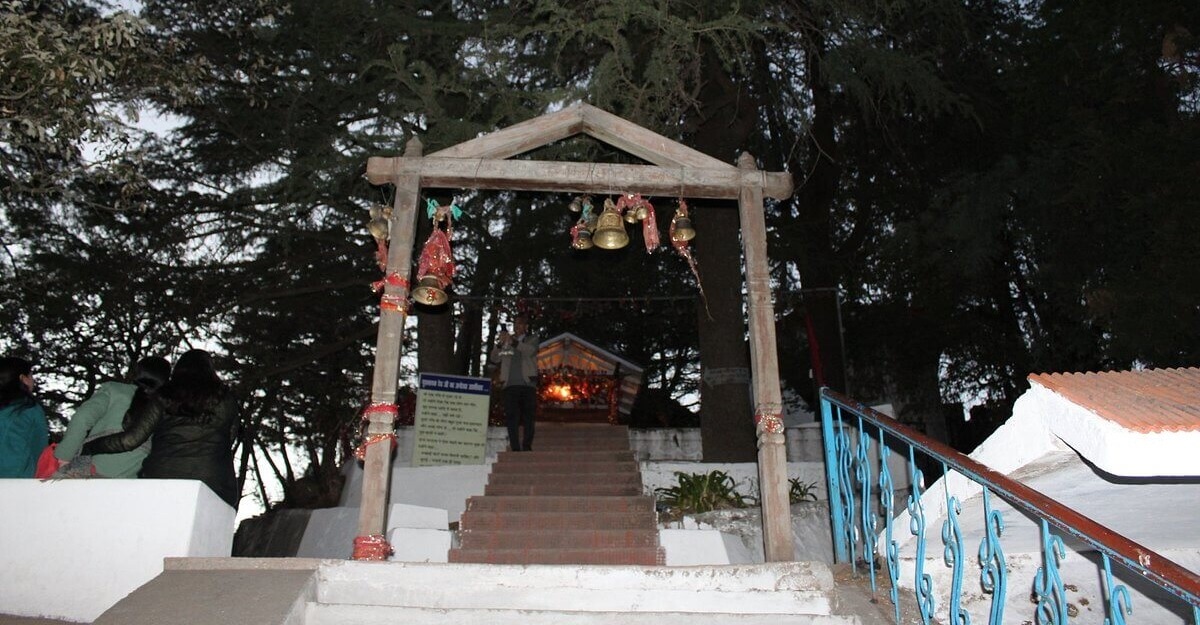
- Carved stone steps leading up to the temple from the road below
- An open-air mandap (pavilion) where devotees sit and meditate
- A courtyard flanked by statues of Nandi (Shiva’s bull), Ganesh, Hanuman, and Parvati
The temple isn’t about grandeur — it’s about graceful simplicity. Many visitors say they feel the energy shift as they ascend the steps. The chants, the mountain air, and the stillness seem to open something inside you.
The Temple’s Spiritual Vibe
What truly sets Mukteshwar Temple apart is its location and energy. It’s not enclosed by buildings or city noise. Instead, it stands surrounded by towering deodar and pine forests, with 360-degree views of the Kumaon Hills and the Himalayas beyond.
Many visitors report:
- A natural urge to sit quietly after darshan
- Clarity of mind, as if thoughts slow down
- A sense of protection or comfort from the environment
- A desire to stay longer, even without planning to
This makes it not just a place to worship, but to contemplate, to breathe, and to reconnect — with nature, spirit, and self.
Spiritual Practices at the Temple
Though simple, the temple hosts regular aarti rituals and sees increased activity during festivals. But its greatest gift may be the opportunity for solitude. Many yogis and seekers come to Mukteshwar not for ceremony, but for meditation and self-inquiry.
Ideal for:
- Early morning meditation with sunrise
- Chanting or reading scriptures on the stone platforms
- Practicing silence (mauna) in the natural surroundings
Mukteshwar Temple Opening Hours

The temple is open daily, year-round.
| Season | Opening Time | Closing Time |
| Summer (Mar–Oct) | 6:00 AM | 8:00 PM |
| Winter (Nov–Feb) | 7:00 AM | 7:00 PM |
Tip: Visit at sunrise or sunset for a spiritually charged atmosphere and glowing views of the Himalayas.
Aarti Schedule at Mukteshwar Temple
Aarti (ritual light offering) is performed twice a day, with simple but moving rituals accompanied by conch blowing, bell chimes, and Shiva chants.
| Aarti | Time |
| Morning Aarti | 6:30 AM – 7:00 AM |
| Evening Aarti | 6:30 PM – 7:00 PM |
The evening aarti is especially beautiful, as the setting sun casts golden light across the hilltop and temple bells echo through the valleys.
Daily Worship & Rituals
Mukteshwar Temple is not heavily commercialized, so rituals are carried out in a humble, sincere way — staying true to its identity as a place for spiritual seekers, not tourists.
What You Can Experience:
- Shiva Abhishekam: Ritual bathing of the Shivalinga with milk, water, honey, and curd (usually in the morning).
- Offering Flowers, Bel Leaves & Fruits: Available from stalls near the temple or brought by devotees.
- Silent Meditation: Common in the outer courtyard; respectful silence is appreciated.
- Pradakshina (circumambulation): Walking clockwise around the sanctum — a traditional way of offering devotion.
Note: You are welcome to sit on the stone platforms around the temple and meditate, journal, or just reflect. Many visitors stay long after darshan for this reason.
Major Festivals Celebrated at Mukteshwar Temple
The temple is most vibrant during major Hindu festivals, especially those devoted to Lord Shiva.
- Mahashivratri (Feb–March)
- The biggest celebration here. Devotees from across Uttarakhand and beyond climb to the temple for night-long chanting, fasting, and offerings.
- The temple stays open through the night, with bhajans (devotional songs) and special poojas.
- The air smells of incense, sandalwood, and camphor.
- Shravan Maas (July–August)
- The entire month is sacred to Shiva.
- Mondays (Somvars) see a higher number of devotees and special pujas.
- You’ll often see Kanwariyas (pilgrims) visiting from nearby towns.
- Navratri & Deepawali
- While not specifically Shiva-centered, these festivals still bring light, decor, and collective devotion to the temple.
- Expect flower garlands, oil lamps, and local music performances during festive evenings.
What Makes These Rituals Unique?
- There is no rush of temple staff hurrying visitors — you are encouraged to stay, reflect, and be present.
- Locals and temple priests are soft-spoken and welcoming, and will guide you if you ask about offerings or prayer practices.
- During festivals, you’ll witness age-old Kumaoni customs, which blend folk traditions with Vedic rituals.
Can Visitors Participate in Rituals?
Yes! Whether you’re a devout Hindu or a curious traveler, participation is open to all with respect.
You can:
- Offer flowers, incense, and water to the Shivalinga
- Join morning/evening aarti
- Sit in silent meditation in the courtyard
- Ask the priest for a simple blessing or mantra recitation
- Watch or assist during abhishek rituals (if arranged in advance)
Tip for Foreign Travelers: It’s not required to be Hindu to visit or pray at the temple. Just remove your shoes, dress modestly, and avoid interrupting rituals.
Quick Ritual Etiquette Guide
| Do | Don’t |
| Wear modest, comfortable clothes | Take selfies inside sanctum |
| Remove shoes before entering | Interrupt during Aarti |
| Offer flowers or bel leaves | Step over offerings or people praying |
| Ask before photographing | Touch idols or priests without permission |
| Maintain silence or speak softly | Play loud music or phone calls nearby |
Things to Do in and Around the Mukteshwar Temple
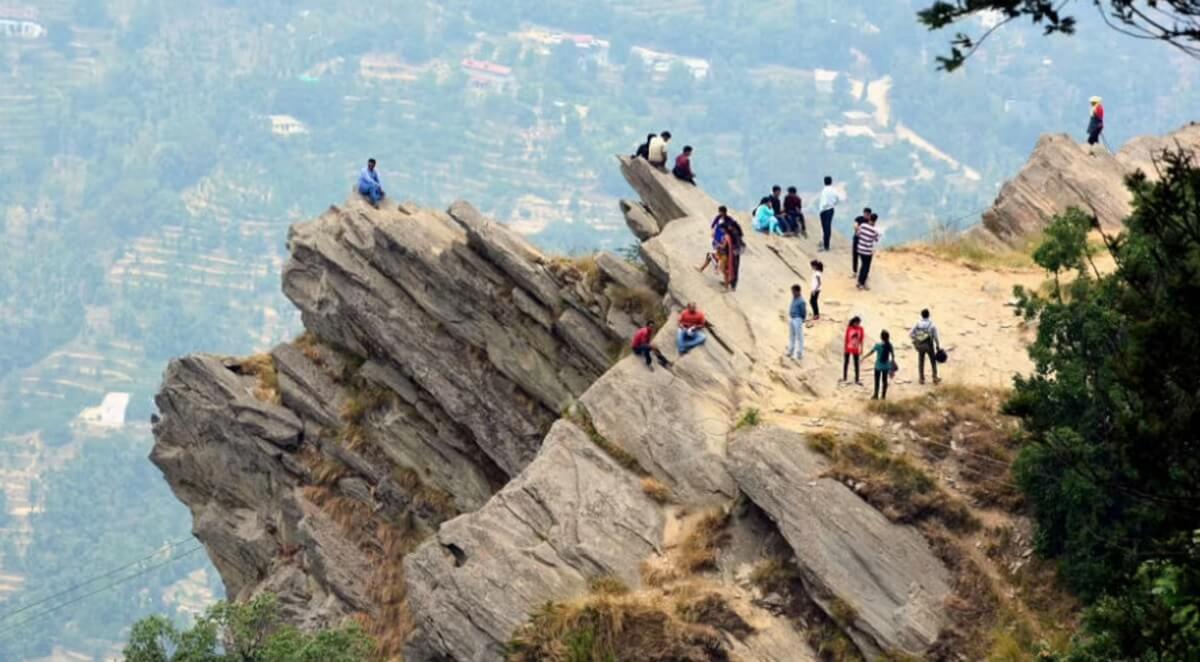
A trip to Mukteshwar Temple is not just a spiritual detour — it’s an opportunity to explore a Himalayan town blessed with natural wonders, local legends, cliffside adventures, and serene landscapes. Whether you’re a solo traveler, a spiritual seeker, or a family on a quiet getaway, there’s much to experience beyond the temple steps.
Here are the best things to do around Mukteshwar Temple — from ancient cliffs and forest trails to quaint cafes and cultural finds.
1. Chauli ki Jali – Sacred Cliffs and Scenic Views
Just behind the Mukteshwar Temple lies Chauli ki Jali, a dramatic rock face with a panoramic view of the valley below. The word “Chauli” means “rock” and “Jali” refers to a lattice or perforated stone — and that’s exactly what you’ll find here: a naturally pierced stone wall steeped in legend.
Mythology Meets Adventure:
- Local belief says a fierce battle between a goddess and a demon took place here. The impressions of swords and shields are believed to be etched into the rocks.
- The perforated rock wall (jali) is said to grant blessings to childless couples who pass through it — a spiritual ritual performed to this day.
Activities:
- Trek or walk from the temple (just 10–15 mins)
- Enjoy rock climbing and rappelling with certified guides (available in peak season)
- Ideal spot for sunrise and sunset photography
Pro Tip: Visit early in the morning for misty mountain views and fewer crowds.
2. Forest Walks & Meditation Trails
Mukteshwar is surrounded by dense forests of deodar, pine, and oak. These are not just beautiful — they’re therapeutic. A walk through these woods is a spiritual experience in itself.
Try:
- The Mukteshwar Ridge Trail: A moderate hike with mountain views, forest tunnels, and wildflowers in spring.
- The Temple Loop: A short 2–3 km circuit from the temple through fruit orchards and forest glades — perfect for meditation and quiet reflection.
Many spiritual travelers bring a mat or journal, find a flat rock, and just sit. The silence here is powerful and restorative.
3. Yoga, Wellness & Silent Retreats
While Mukteshwar isn’t over-commercialized like Rishikesh, it offers intimate, nature-connected spaces for yoga and wellness.
Wellness Experiences Nearby:
- Dyo – The Organic Village: Boutique farm stay offering yoga, organic food, and sunset meditation sessions.
- Ojaswi Himalayan Resort: Hosts wellness retreats with scenic forest views.
- Private yoga teachers are also available during tourist season; many hotels can help you arrange morning sessions.
Whether formal or self-guided, doing yoga in the open air here is unforgettable — try early mornings near Chauli ki Jali for maximum serenity.
4. Local Markets & Handmade Goods
Mukteshwar’s charm lies in its local culture, and though the market is small, it’s worth a browse.
What to Buy:
- Homemade jams and fruit preserves (apple, plum, rhododendron)
- Hand-knitted woollens from local artisans
- Locally grown herbal teas and spices
- Himalayan copper jewelry and crystals
Look for self-help groups or cooperative-run stores that support local women and artisans.
5. Cafés with a View
A growing number of small cafés are popping up in Mukteshwar — combining soulful food, stunning views, and peaceful vibes.
Favorites:
- Chirping Tales Café: Forest-side with continental food and board games.
- Cafe Chaandi Mati: Local meals with rustic decor and mountain-facing seating.
- The Birdcage: Cozy boutique café & stay — a favorite with writers and creatives.
Try a late afternoon chai here while watching the clouds roll across the Himalayas.
6. Day Trips from Mukteshwar
If you’re staying longer than a day, consider exploring nearby attractions:
Sitla (10 km)
- Known for its old colonial bungalows and scenic apple orchards.
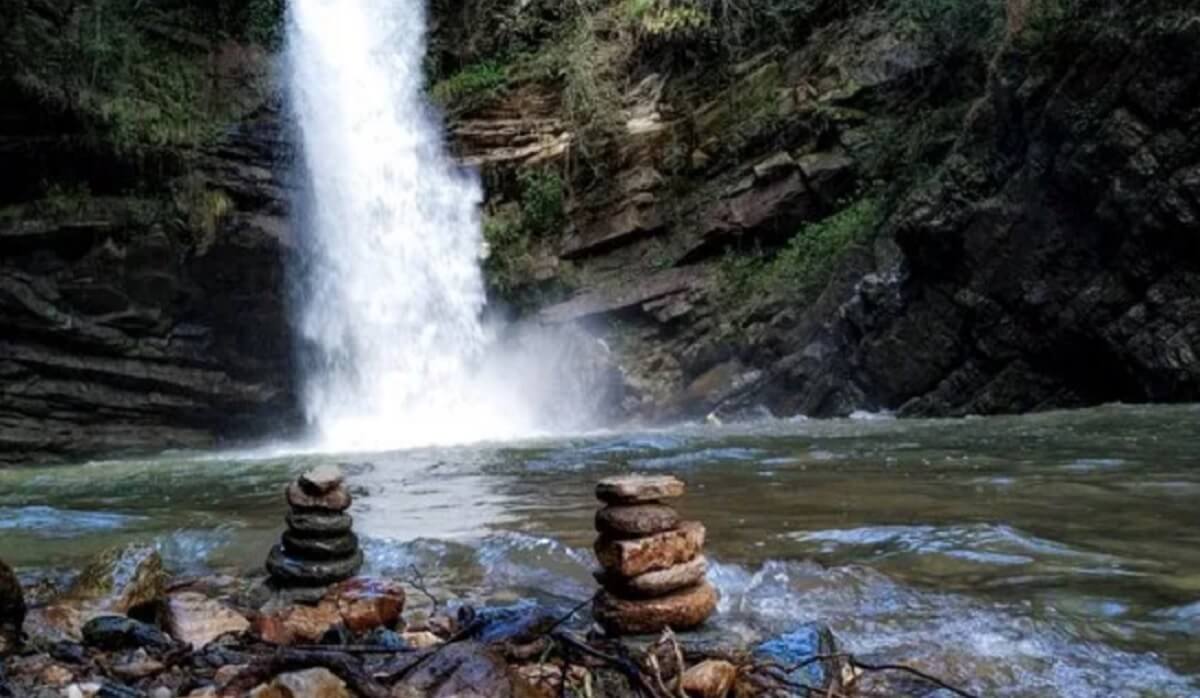
Bhalu Gaad Waterfall (11 km)
- A short forest trek leads to a peaceful waterfall — ideal for picnics and nature photography.
Ramgarh (25 km)
- Known as the “Fruit Bowl of Kumaon”, famous for apricot, apple, and peach orchards. Visit during harvest season for fruit-picking experiences.
Travel Planning Tip
| Ideal Time to Explore | 3–6 hours including temple |
| Perfect for | Half-day trips from Nainital, overnight stay seekers |
| Recommended Add-Ons | Visit a café, take a short hike, buy local goods |
How to Reach (With Travel Tips & Route Guide)
Reaching the Heights of Peace
Tucked away in the hills of Kumaon, Uttarakhand, Mukteshwar Temple feels like a sacred escape from the rush of the plains. But despite its remote atmosphere, the temple is surprisingly accessible — whether you’re coming by road, rail, or air.
In this guide, you’ll find everything you need to know about how to reach Mukteshwar Temple, along with travel tips, route options, and suggestions for different types of travelers — solo, family, or groups.
Distance to Mukteshwar from Major Cities
| From | Distance (approx.) | Travel Time |
| Nainital | 50 km | 2 hours |
| Haldwani | 60 km | 2.5 hours |
| Kathgodam | 62 km | 2.5–3 hours |
| Delhi | 345 km | 8–10 hours |
| Dehradun | 330 km | 9 hours |
| Ramgarh | 25 km | 1 hour |
By Train
Nearest Railway Station: Kathgodam (Station Code: KGM)
Kathgodam is the gateway station to the Kumaon hills, well-connected to cities like Delhi, Lucknow, and Dehradun.
Recommended Trains from Delhi:
- Ranikhet Express (15013/15014) – Overnight journey
- Shatabdi Express – Fast and comfortable
- Uttar Sampark Kranti – Convenient day train option
From Kathgodam to Mukteshwar:
- Distance: ~62 km
- Time: ~2.5 to 3 hours by road
- Transport Options:
- Shared taxis (₹300–₹400 per person)
- Private cabs (₹2000–₹2500)
- Local buses (less frequent, slower)
Pro Tip: Pre-book a cab or ask your hotel/homestay in Mukteshwar to arrange a pickup for convenience.
By Road
Mukteshwar is connected by well-maintained mountain roads that are scenic, winding, and dotted with pine forests and orchards.
Best Route from Delhi:
Delhi → Hapur → Moradabad → Rampur → Haldwani → Bhimtal → Mukteshwar
- Total Distance: ~340–350 km
- Estimated Drive Time: 8–10 hours
- Road Condition: Smooth highways till Haldwani; hilly roads from Bhimtal onward (drive with caution)
Self-Drive Tips:
- Avoid driving after 6 PM, especially during monsoon or foggy conditions.
- Fill fuel at Haldwani or Bhimtal, as fuel stations are sparse uphill.
- Carry light snacks and water for the journey.
- Drive slowly on bends, and watch for cyclists, animals, or fog.
Ideal for those traveling in small groups, with families, or on photography road trips.
By Air
Nearest Airport: Pantnagar Airport (PGH)
- Distance to Mukteshwar: ~90 km
- Travel Time: 3–4 hours by taxi
Flights to Pantnagar:
- Daily flights from Delhi (IndiGo, Alliance Air)
- Limited availability — check seasonal schedules
- Airport taxis available on arrival
Best For: Travelers short on time or flying in from Mumbai, Bangalore, or South India via Delhi.
Local Transport to the Mukteshwar Temple
Once you arrive in Mukteshwar town, reaching the temple is simple:
- The Mukteshwar Temple parking lot is about 300 meters from the main gate.
- From there, a short uphill walk (5–10 minutes) leads to the temple.
- Elderly travelers can take help from local assistants for walking support.
Senior Travelers Tip: Walk slowly, rest at stone benches along the path, and bring a walking stick if needed.
What to Pack for the Journey
| Essentials | Why |
| Comfortable walking shoes | Short treks, forest trails |
| Water bottle & snacks | No shops near the temple |
| Light jacket or shawl | Mornings and evenings are cool |
| Sunglasses & sunscreen | Bright sun at higher altitudes |
| Umbrella or rain jacket (monsoon) | Weather changes quickly in hills |
| Cash (small denominations) | Limited card acceptance in markets |
Solo Travel Safety Tips
- Mukteshwar is safe and welcoming, even for solo women travelers.
- Let someone know your route and estimated arrival time.
- Use registered taxis or hotel-arranged pickups.
- Avoid wandering into isolated trails late in the day.
- Carry emergency numbers and hotel contact info.
Where to Stay in Mukteshwar
While this will be expanded in the final part of the blog, here’s a quick list of areas to consider:
| Stay Type | Nearby Area |
| Budget guesthouses | Near Mukteshwar market |
| Boutique homestays | Letibunga, Dhanachuli |
| Luxury resorts | Sitla, Mukteshwar Ridge |
| Wellness retreats | Mukteshwar forest periphery |
Best Time to Visit Mukteshwar Temple
Mukteshwar is a destination that changes its mood with the seasons — each month offering a different color, climate, and spiritual energy. Whether you’re coming for clear Himalayan views, sacred festivals, or tranquil meditation, knowing the best time to visit helps you craft a more meaningful experience.
Here’s a detailed seasonal guide to Mukteshwar Temple — month by month — so you can align your travel with your intentions.
Spring (March – April)
Best For: Clear skies, rhododendron blooms, peaceful temple visits
| Weather | Pleasant: 12°C–22°C |
| Visibility | Excellent |
| Crowds | Low to moderate |
| Special Highlights | Blooming pink rhododendrons, ideal forest walks |
This is arguably the best all-round season. Nature comes alive, the skies are crystal clear, and the roads are easily accessible. The forest trails are carpeted in flowers, and the Chauli ki Jali cliffs offer epic views of snow-capped peaks.
Pro Tip: Come mid-week to avoid weekend crowds and enjoy uncrowded sunrise at the temple.
Summer (May – June)
Best For: Families, first-time visitors, spiritual getaways
| Weather | Mild to warm: 18°C–28°C |
| Visibility | Clear in early summer, hazy later |
| Crowds | High (school holidays) |
| Special Highlights | Long daylight hours, family-friendly cafes & markets |
Summer draws in families and Delhi/NCR weekenders escaping the heat. Mornings and evenings are still cool and peaceful. Plan early-morning temple visits to avoid midday warmth.
Note: Book hotels and taxis in advance — summer is peak tourist season.
Monsoon (July – August)
Best For: Solitude, spiritual reflection, misty photography
| Weather | Cool & rainy: 16°C–22°C |
| Visibility | Low (foggy/misty) |
| Crowds | Very low |
| Special Highlights | Lush green forests, Shravan rituals at the temple |
Monsoon turns Mukteshwar into a rain-washed, emerald sanctuary. The forest is lush and meditative. Devotees visit on Shravan Mondays, offering water and milk to Shiva.
Watch for slippery trails, leeches in dense forest, and landslide-prone roads. Avoid traveling alone or during heavy downpours.
Autumn (September – November)
Best For: Photographers, meditators, clear Himalayan views
| Weather | Crisp: 10°C–20°C |
| Visibility | Outstanding (post-monsoon clarity) |
| Crowds | Moderate |
| Special Highlights | Navratri celebrations, Diwali lights at the temple, epic photography conditions |
This season is a hidden gem. The air is clean, the skies reveal snowy Himalayan giants, and the temple becomes more active during Navratri and Deepawali. Autumn is also ideal for meditation, journaling, and nature photography.
Photographer’s Note: Early mornings after light rain offer surreal light and cloud drama over the hills.
Winter (December – February)
Best For: Snow lovers, silence seekers, budget travelers
| Weather | Cold: 2°C–12°C |
| Visibility | Excellent (if skies are clear) |
| Crowds | Low to moderate |
| Special Highlights | Occasional snowfall, frosty mornings, quiet temple visits |
Winters in Mukteshwar are cold but calm and magical. There’s a real sense of solitude and reflection — perfect for those on a spiritual or creative retreat. The temple often wears a light frost or snow, especially in January.
Note: Pack thermals, gloves, and good shoes. Roads are accessible but slippery during snowfall. Some cafés and retreats close during peak winter.
Festival Highlights – Time Your Trip Spiritually
| Festival | Month | Why Visit Then |
| Mahashivratri | Feb–March | Biggest Shiva festival — night aarti, community prayer |
| Shravan Somvar | July–Aug | Month-long ritual Mondays — spiritually charged |
| Navratri | Sept–Oct | Temple is decorated with lights and flowers |
| Diwali | Oct–Nov | Quiet temple lighting and village celebrations |
Quick Season Guide by Travel Purpose
| Purpose | Best Months |
| Temple festivals | Feb–March, July–Aug, Oct |
| Clear views & photo ops | April, Sept, Nov |
| Forest hikes & nature | March, April, June |
| Meditation & solitude | Monsoon & Winter |
| Family trips | May–June, Oct holidays |
In Summary (Part 5 Takeaways)
- March–April & Sept–Nov are the best overall months to visit.
- May–June is ideal for families and first-time visitors.
- Monsoon offers solitude and lush scenery — but comes with rain.
- Winter is cold and peaceful — with possible snowfall and frosty magic.
- Festivals like Mahashivratri and Shravan Mondays offer a deep spiritual ambiance.
Final Thoughts: Come When You’re Ready
No matter when you visit, Mukteshwar Temple has something to offer. The seasons may change the landscape, but the spiritual energy here stays constant — calm, grounding, and timeless. Choose your time based on what your soul seeks: silence, celebration, snow, or sunshine.
FAQ
Q: What are the timings of Mukteshwar Temple in Nainital?
A: The temple is open daily from 6:00 AM to 8:00 PM in summer and 7:00 AM to 7:00 PM in winter.
Q: How can I reach Mukteshwar Temple from Delhi?
A: You can drive (8–10 hours), take a train to Kathgodam and then a taxi (3 hours), or fly to Pantnagar Airport followed by a cab.
Q: What is the best time to visit Mukteshwar Temple?
A: March to April and September to November offer the best weather and clear views. Mahashivratri and Shravan Mondays are great for spiritual visits.
You Might Also Like:
- Plan Your July Road Trip from Delhi to Nainital – Routes, Stops & Stays
- Discover the Best Time to Visit Nainital – Travel Smart!
- Compare Nainital vs Mussoorie – Pick Your Perfect Summer Escape
- Book Top 4 & 5-Star Luxury Hotels in Nainital – Best Stays Await!
- Visit Nainital in April – Complete Guide for Weather & Attractions
- Explore Nainital in March – Weather, Top Places & Travel Tips
- Plan Your Trip to Nainital in February – Full Travel & Weather Guide
- Experience Snow View Point in Nainital – A Must-Visit Spot!
- Explore Nainital in January 2025 – Weather, Attractions & Tips
- Visit Scenic Hill Stations Near Delhi This Monsoon – August Picks!
- Reach Sariska Easily – Complete 2025 Guide for Road, Rail & Air
- Take These Scenic Train Rides in India This July – Monsoon Magic!