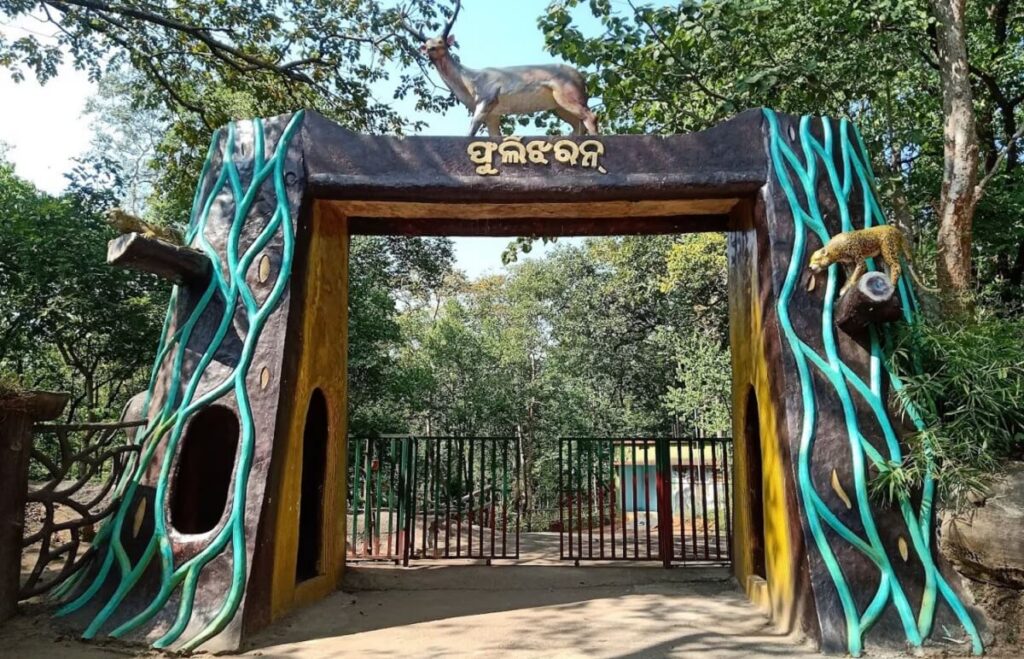
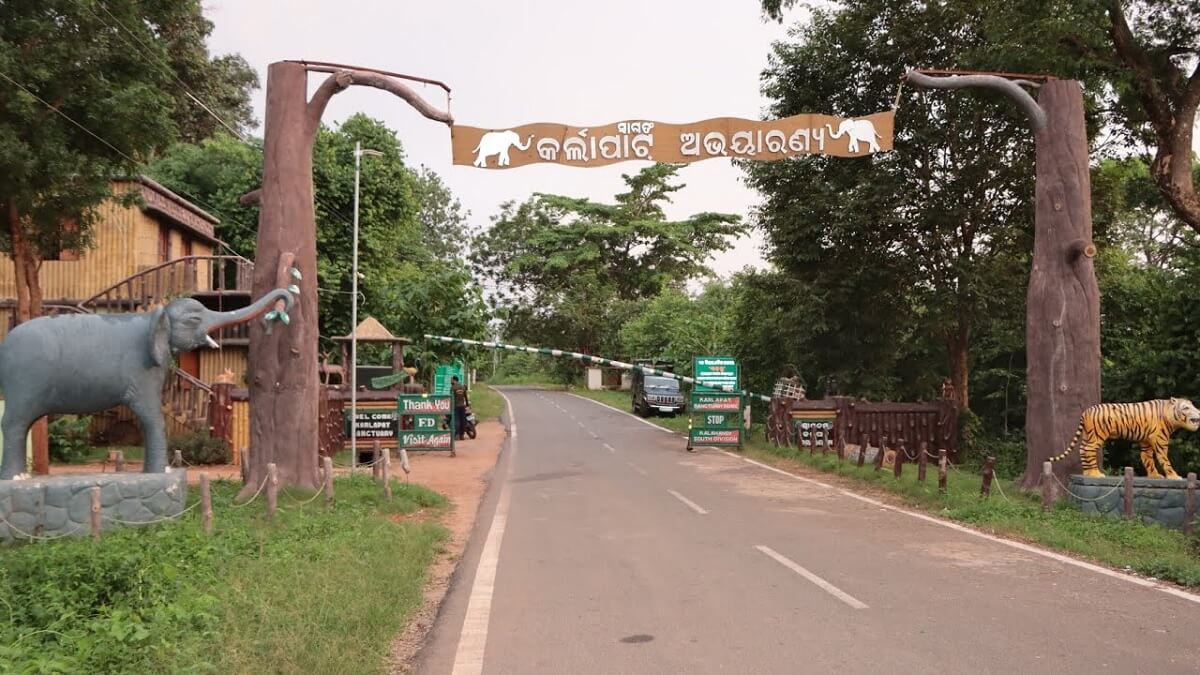
Karlapat Wildlife Sanctuary, located in the Kalahandi district of Odisha, is one of the most unspoiled forest reserves in eastern India. Spread across approximately 175 sq. km, the sanctuary is a haven for nature lovers, wildlife photographers, eco-travelers, and anyone seeking an offbeat escape into the heart of India’s Eastern Ghats. Often overshadowed by Odisha’s more famous Simlipal and Bhitarkanika sanctuaries, Karlapat remains serene, secluded, and largely undiscovered by mass tourism. The sanctuary is home to a rich diversity of flora and fauna, ranging from Sal and Bamboo forests to leopards, barking deer, langurs, and a wide variety of birds.
The terrain here is dotted with seasonal waterfalls, freshwater streams, dense foliage, and tribal villages that have coexisted with nature for generations. For those looking to disconnect from urban noise and immerse themselves in raw wilderness, Karlapat offers a peaceful and enriching alternative. This guide gives you a detailed breakdown of what to expect, how to plan your visit, where to stay, what to pack, and the many treasures this forested region has to offer — especially during the post-monsoon and winter months when the sanctuary is at its greenest and most photogenic.
Location and How to Reach Karlapat Wildlife Sanctuary
Karlapat Wildlife Sanctuary is located in Kalahandi district in southwestern Odisha. The sanctuary is situated about 15 km from Bhawanipatna, the district headquarters, making it fairly accessible by road and rail. The surrounding landscape is a mix of undulating forested hills and tribal settlements, and the sanctuary lies within the Eastern Ghats range, giving it a dramatic natural topography. Reaching Karlapat is relatively straightforward, though it requires a combination of road or rail travel, especially for travelers coming from outside Odisha.
If you are traveling from Bhubaneswar, the capital of Odisha, the distance is roughly 420 km, which takes about 9–10 hours by car via NH26. For those preferring rail travel, Bhawanipatna Railway Station is the nearest railway head, connected to key cities like Raipur, Sambalpur, and Bhubaneswar. From the station, taxis and auto-rickshaws are available to take you directly to Karlapat. The nearest airport is Swami Vivekananda Airport in Raipur, about 300 km away, or Jharsuguda Airport (closer but with limited connectivity). Since local transport in the area is limited, it’s advisable to hire a private vehicle from Bhawanipatna for your trip into the sanctuary. This gives you flexibility to explore nearby attractions as well. Explore Odisha’s Buddhist Heritage – 6-Day Tour
Best Time to Visit Karlapat Wildlife Sanctuary
The best time to visit Karlapat Wildlife Sanctuary is during the post-monsoon and winter months, from October to March. During this period, the forest is lush and green, the temperature is pleasant, and the sanctuary’s waterfalls flow in full force. Wildlife spotting is also more likely as animals emerge near water sources during cooler temperatures. Morning treks and birdwatching excursions are particularly enjoyable this time of year.
While the monsoon season (June to September) makes the forest more vibrant and the waterfalls even more dramatic, access to certain trails may be restricted due to slippery terrain, flooding, or forest department guidelines. If you do plan to visit during monsoon, carry waterproof shoes, rain jackets, and insect repellents — and check ahead with local authorities.
Summer (April to early June) is the least recommended time due to high heat and humidity. The sanctuary can become dry, and many animals move deeper into the forest or higher altitudes, reducing chances of spotting them. Additionally, walking trails may become exhausting under the intense sun. If you’re traveling for photography or peaceful solitude, winter and post-monsoon are undoubtedly your best window to experience Karlapat at its natural best. Plan a Short Escape: 3 Nights 4 Days Odisha Tour
Flora and Fauna: What Makes Karlapat Unique
Karlapat Wildlife Sanctuary boasts a diverse ecosystem shaped by the Eastern Ghats’ microclimates and its semi-evergreen forest cover. The forest is predominantly made up of Sal, Bamboo, Teak, and Medicinal plants, with thick undergrowth that supports a vast range of animal and bird species. The sanctuary is part of the Eastern Highlands moist deciduous forests ecoregion, which is known for its seasonal but dense vegetation, making it ideal for trekking, birdwatching, and wilderness exploration.
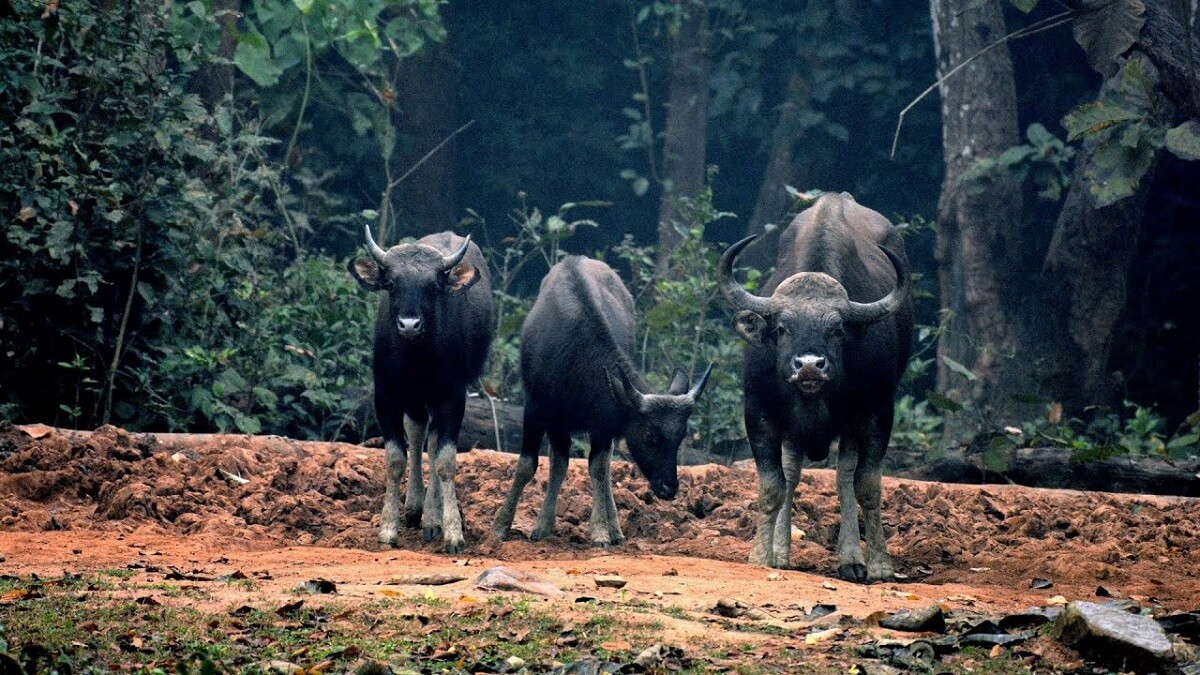
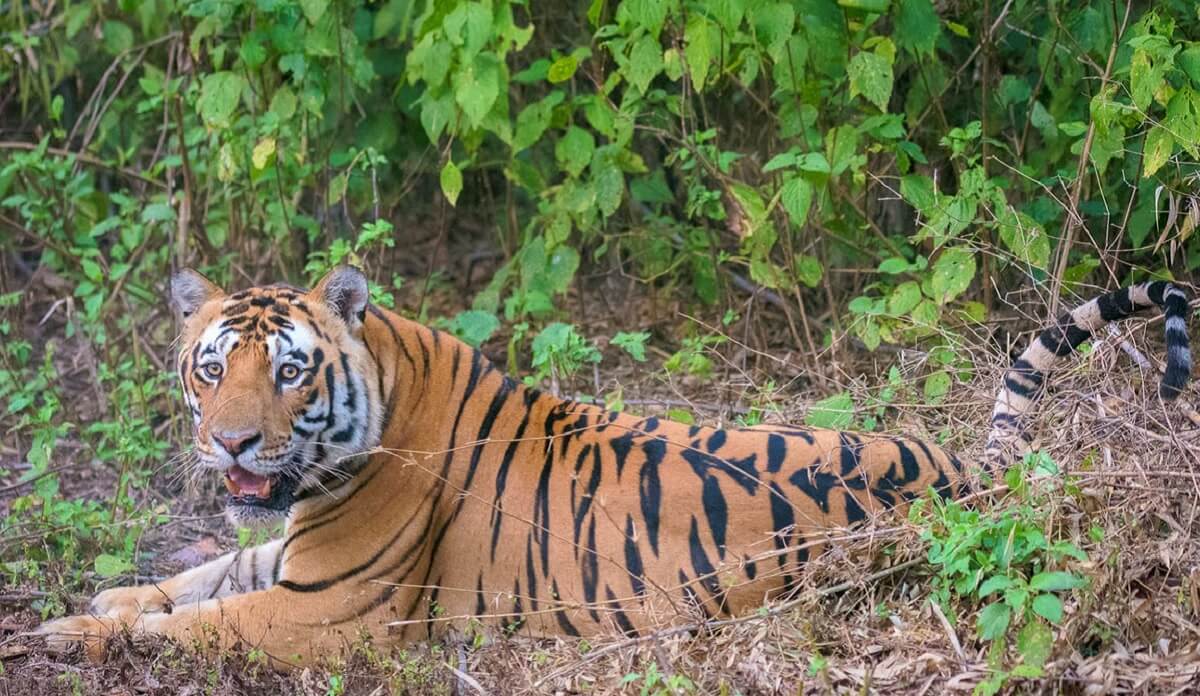
Among the fauna, the sanctuary is home to leopards, sloth bears, Indian muntjacs (barking deer), jungle cats, porcupines, and langurs. The forest’s hilly terrain also supports a vibrant bird population including Indian hornbills, hill mynas, peacocks, eagles, and various woodpecker species. Reptiles and amphibians also thrive, thanks to the many freshwater streams and seasonal pools.
Karlapat is not a safari-style sanctuary with open-jeep drives, but rather a place for guided nature walks and birding trails, offering more intimate and eco-conscious experiences. The presence of rare orchids and medicinal herbs also makes it a point of interest for botanists and students of biodiversity. Its rich biodiversity, largely unspoiled by commercial tourism, makes it a true hidden gem in Odisha. Experience 9 Days of Wildlife Wonders in Odisha
Things to Do in Karlapat Wildlife Sanctuary
While Karlapat may not offer flashy tourist attractions, its charm lies in its raw natural appeal and immersive eco-experiences. If you’re someone who finds joy in slow travel, nature walks, bird calls, and waterfalls gushing through forested terrain, you’ll be more than satisfied. Discover Birding Bliss at Chilika Lake – Explore Now!
- Trekking and Forest Walks
Several eco-trails and guided walks are available through designated parts of the sanctuary. These treks are relatively easy to moderate in difficulty and are led by local guides trained by the forest department. You’ll learn about native trees, animal tracks, and medicinal plants used by indigenous communities. Unakoti Rock Carvings, Tripura: All You Need to Know Before You Go
- Bird Watching
Early morning is the best time for birding. Carry a field guide or birding app, and look for the famous Indian Grey Hornbill, White-throated Kingfisher, and migratory species in winter months.
- Phurlijharan Waterfall
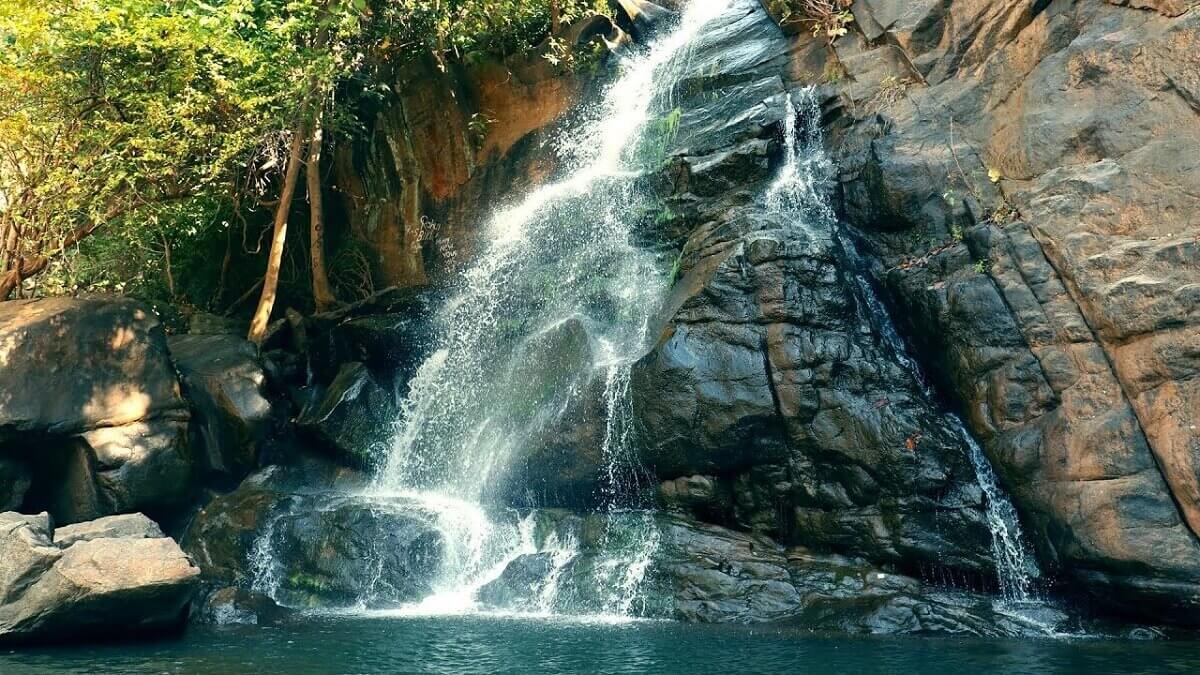
This picturesque, multi-tiered waterfall is a major draw, especially post-monsoon. Located inside the sanctuary, it offers cool misty air, photogenic spots, and even some shallow pools safe for dipping. Curious About Mechuka Valley? Here’s Why You Must Visit!
- Tribal Culture Experiences
Visit nearby villages to experience Dongria Kondh or Kutia Kondh tribal culture — from terracotta arts to organic farming techniques. Respect local customs and avoid photographing people without permission. Join a 10-Day Odisha Adventure Tour – Reserve Now
Where to Stay Near Karlapat Wildlife Sanctuary
Since Karlapat is a lesser-known destination, accommodation options are basic but sufficient for a comfortable stay. Most travelers prefer to base themselves in Bhawanipatna, the nearest town (about 15 km away), which offers slightly better connectivity, food options, and safety at night. However, if you’re seeking a more immersive forest experience, the Karlapat Forest Rest House provides a more rustic, nature-oriented stay. Join a 10-Day Odisha Adventure Tour – Reserve Now
- Forest Rest House, Karlapat (Managed by Forest Department)
This is the closest stay option to the sanctuary. It’s ideal for wildlife lovers, photographers, and researchers. The rooms are simple with beds, fans, and clean bathrooms. Electricity is intermittent (often solar-powered), and food is basic but hygienic. Prices range from ₹800–₹1,200 per night. Booking must be done in advance through the DFO Office in Bhawanipatna.
- OTDC Panthanivas Bhawanipatna
Located in the town, this Odisha Tourism Development Corporation hotel is your best bet for air-conditioned comfort, consistent food service, and clean rooms. Prices range from ₹1,200 to ₹2,500. They serve simple Oriya meals and have courteous staff.
- Local Homestays in Villages
Several villagers around Karlapat offer rooms in their homes, ideal for travelers looking to experience tribal hospitality. Expect shared bathrooms, traditional meals (rice, dal, foraged greens), and authentic interaction. Prices are ₹400–₹800 per night including food. Experience Aquatic Wildlife: 5 Best Adventures in India
What to Pack for Your Trip to Karlapat
Proper packing can greatly enhance your experience in Karlapat, especially because the area is remote and facilities are limited. Here’s a list of essentials tailored to the region’s climate, terrain, and limited connectivity:
- Clothing: Carry light, breathable clothes for the day, but also long-sleeved tops and pants for protection against insects. Pack a warm layer for early mornings and evenings, especially between October and February.
- Footwear: Good-quality trekking shoes are a must. If you visit during or after the monsoon, bring waterproof shoes or sandals.
- Rain Gear: An umbrella and a rain jacket are essential if visiting between June and September.
- Health & Safety: Carry a small first-aid kit, personal medication, mosquito repellent, hand sanitizer, and wet wipes.
- Tech Essentials: A power bank is crucial, as power cuts are frequent. Mobile network coverage is patchy — BSNL and Jio work best.
- Documentation: Keep printed copies of your ID, booking confirmations, and any permits.
- Food & Snacks: Pack dry snacks, instant noodles, and bottled water, especially if staying in homestays or forest lodges.
- Binoculars & Field Guides: If you’re a birdwatcher or nature enthusiast, these are must-haves for enriching your trip. Top Wildlife Parks to Visit in India During Monsoon
Suggested 2-Night/3-Day Itinerary
Here’s a sample itinerary to help you make the most of your trip to Karlapat Wildlife Sanctuary, including travel time, activities, and relaxation.
1- Day: Arrival in Bhawanipatna
- Reach Bhawanipatna by train or private vehicle
- Check in to OTDC Panthanivas or a pre-booked guesthouse
- Visit Manikeshwari Temple in the evening — a culturally significant site
- Local dinner and prepare for your sanctuary excursion the next day
2- Day: Full-Day Exploration of Karlapat
- Start early with a packed breakfast
- Drive to Karlapat Wildlife Sanctuary (~30 minutes)
- Begin your guided forest trek by 8:00 AM
- Explore Phurlijharan Waterfall, observe birds, visit medicinal plant zones
- Enjoy a picnic lunch in the forest (carry your own or order from Bhawanipatna)
- Optional visit to nearby tribal villages for cultural experience
- Return to Bhawanipatna by 5:30 PM
- Overnight stay
3- Day: Optional Excursion + Departure
- Option 1: Visit Harishankar Temple and Falls (~2 hours)
- Option 2: Take a cultural morning walk in Karlapat village
- Depart for onward journey by train or road
This itinerary allows a balance of nature, spirituality, and light cultural interaction, perfect for a peaceful eco-trip. Plan Your Sikkim Drive – Don’t Miss the Zuluk Hairpin Adventure!
Safety and Responsible Travel Tips
Karlapat is still a developing tourist zone, so traveling with awareness and responsibility ensures both your safety and the preservation of the sanctuary. Here are essential safety and eco-ethics guidelines for visitors:
Safety Guidelines:
- Always travel with a local guide, especially during treks or deep forest exploration. The forest terrain is uneven, and wild animal encounters are possible.
- Inform someone at your accommodation or the forest check post before entering trails.
- Avoid venturing out alone at night. Leopards and snakes are known to inhabit the region.
- Carry a flashlight, especially if staying in a homestay or forest rest house.
- Avoid bathing or swimming in waterfalls during monsoon — the water current can be unexpectedly strong.
Responsible Travel Tips:
- Do not litter — carry back all plastic and waste.
- Stick to marked trails — off-trail walking can harm native vegetation and disturb wildlife.
- Keep noise levels low; loud voices and music disrupt animal behavior.
- Don’t pluck plants or disturb nests — many species are protected.
- Support local communities by buying handmade products or choosing local homestays.
- Ask for permission before photographing people, especially in tribal areas.
By traveling consciously, you help preserve this fragile ecosystem and create a positive impact on the communities who call Karlapat home. Click Here to Discover Monsoon-Ready Wildlife Escapes Near Delhi!
Nearby Places to Explore
If you’re staying for more than two days or want to explore the broader region, Karlapat makes a great base for visiting some culturally and ecologically rich attractions in and around Kalahandi district.
- Bhawanipatna Town
Aside from being the nearest city, Bhawanipatna offers religious and market experiences:
- Manikeshwari Temple: The town’s spiritual heart, especially active during festivals.
- Local markets: Great for tribal handicrafts, handwoven fabrics, forest honey, and seasonal herbs.
- Harishankar Temple and Falls
Located at the Odisha-Chhattisgarh border, this temple is situated beside a scenic waterfall. The setting is serene and popular with pilgrims and trekkers alike. It’s roughly 100 km (2 hours) from Karlapat.
- Belkhandi
This small site near Junagarh (30 km from Bhawanipatna) features the confluence of Tel and Utei rivers and some ancient ruins, ideal for history and nature enthusiasts.
- Dokarichanchara Waterfall
Another nearby waterfall (~40 km), less crowded than Phurlijharan but equally mesmerizing post-monsoon.
Each of these destinations can be done as half-day excursions and provide great photo opportunities, quiet picnic spots, or just a peaceful detour from crowded circuits. Plan Your Perfect Odisha Trip – 7-Day Itinerary Guide
FAQs About Visiting Karlapat Wildlife Sanctuary
- Is Karlapat Wildlife Sanctuary open to tourists year-round?
Yes, the sanctuary is officially open year-round, but the best time to visit is between October and March, when the weather is pleasant and wildlife activity is higher. During the monsoon months (June–September), forest access may be limited due to safety concerns. - Do I need a permit to enter the sanctuary?
As of 2025, there’s no formal e-permit system for general visitors, but you must register at the forest entry gate. Those staying in the forest rest house need prior permission from the Divisional Forest Office (DFO), Bhawanipatna. - Is it suitable for solo travelers or female travelers?
Yes, provided you stay in Bhawanipatna and arrange guided forest treks through local tourism offices or reliable homestays. Solo female travelers should avoid deep forest walks without local escorts. - Are there safari rides available in Karlapat?
No jeep safaris. Karlapat is designed for eco-trekking, birdwatching, and low-impact tourism, not mass safari operations. This keeps the forest quieter and more pristine. - How many days should I plan for Karlapat?
2 to 3 days is ideal to explore the forest, waterfall, and nearby villages, with additional time for nearby temples or excursions like Harishankar.
Final Thoughts: Why Karlapat Deserves a Spot on Your Travel Bucket List
If you’re someone who loves untouched forests, serene waterfalls, meaningful interaction with indigenous cultures, and the pleasure of being far from tourist crowds, Karlapat Wildlife Sanctuary is your kind of place. It’s not about flashy resorts, Instagrammable cafés, or busy cityscapes — it’s a reminder of India’s raw, verdant wilderness that still thrives quietly.
The sanctuary is a testament to how sustainable eco-tourism can co-exist with tribal life, forest conservation, and slow, immersive travel. Unlike mainstream wildlife parks, Karlapat offers a meditative connection with nature, where you’ll hear more bird calls than car horns and more forest rustles than chatter. It’s a destination for travelers, not tourists.
This 2025 travel season, if you’re building an itinerary through Odisha or the Eastern Ghats, don’t skip Karlapat. Pair it with Bhitarkanika or Simlipal if you want a more extensive wildlife tour of the state. Or, simply enjoy Karlapat as a tranquil retreat — one that surprises you with how much it offers in silence, simplicity, and soul.
To enhance topical relevance and help users explore related destinations:
You Might Also Like:
- wildlife sanctuaries open in Jul
- Most serene waterfalls in India for monsoon travel
- Ayurveda retreats in Kerala for monsoon detox
- Unexplored villages in Himachal Pradesh for nature & culture lovers
- Explore Chilika Lake: Birding Villages & Wildlife in Odisha
- Discover Top 10 Things to Do in Cuttack, Odisha
- Plan Your Odisha Trip in April: Weather, Tips & Top Spots
- Travel to Odisha in February 2025: What to See & Do
- Visit Puri in January 2025: Full Travel & Weather Guide
- Top Places to Visit in Odisha in January 2025
- Why Visit Odisha in December? Travel Tips & Best Spots
- Visit Mechuka Valley in 2025: Culture & Scenic Beauty
- Ride the Araku Valley Train: Timing, Fare & Must-See Views
- Explore Wildlife Sanctuaries Open in July: Best Picks
- Chase the Best Waterfalls in India This July
- Plan Your July Getaway: Top 20 Places to Visit in India
- Top Wildlife Parks to Visit in India During Monsoon
- Experience Aquatic Wildlife: 5 Best Adventures in India
- Start your Puri trip: How to reach from Bhubaneswar – Explore now!