Monsoon season transforms the landscape around Delhi into a lush paradise, making it the perfect time to explore nearby wildlife sanctuaries. The seasonal rains breathe new life into these natural havens, creating ideal conditions for wildlife viewing and photography. This comprehensive guide reveals the best wildlife sanctuaries near Delhi that remain open during monsoon season.
Why Visit Wildlife Sanctuaries During Monsoon?
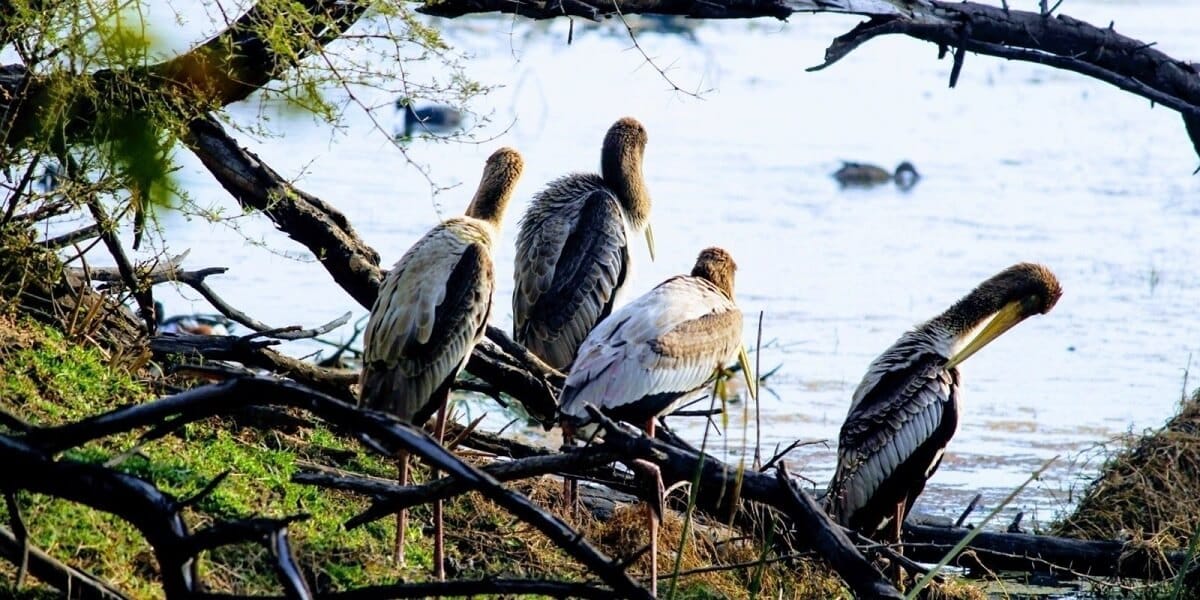
Monsoon season offers unique advantages for wildlife enthusiasts visiting sanctuaries near Delhi. The refreshing rains wash away dust, creating crystal-clear visibility for spotting animals. Vegetation becomes dense and vibrant, providing excellent cover for various species while creating stunning photographic opportunities throughout your wildlife adventure.
Water bodies fill to capacity during monsoon, attracting diverse bird species and animals seeking hydration. The cooler temperatures make wildlife more active during daytime hours, increasing your chances of memorable encounters. Additionally, monsoon season brings reduced tourist crowds, allowing for more intimate and peaceful wildlife experiences.
Sultanpur National Park: Bird Watcher’s Paradise
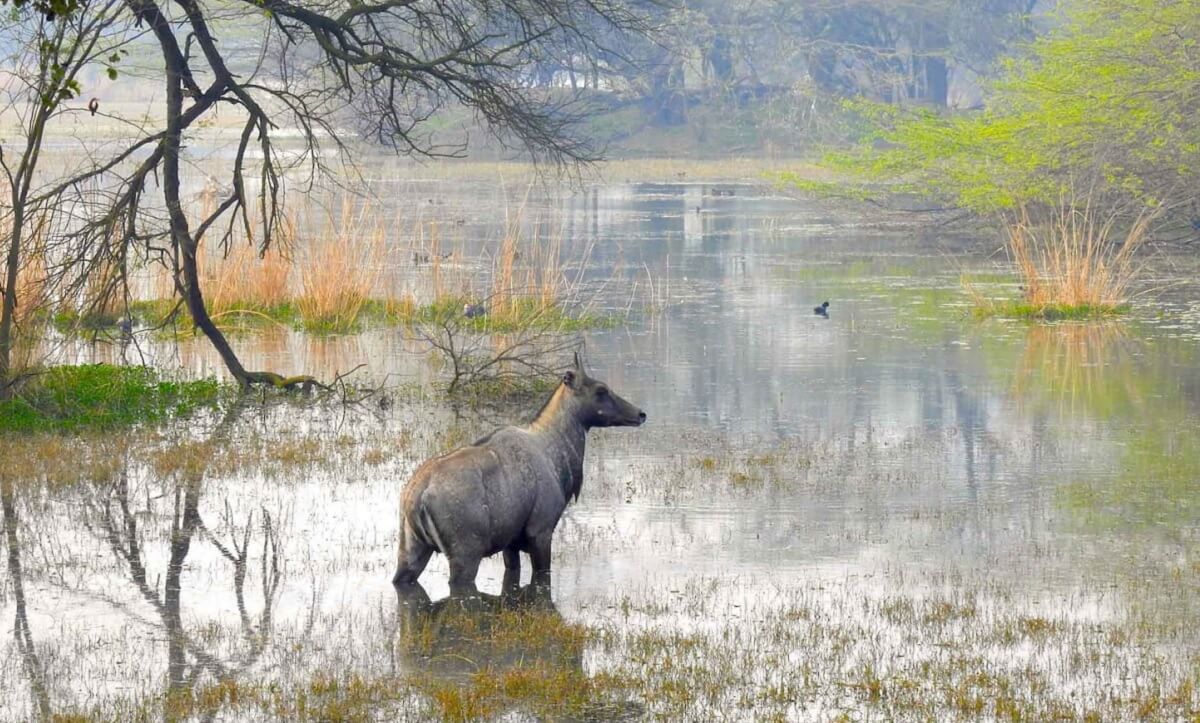
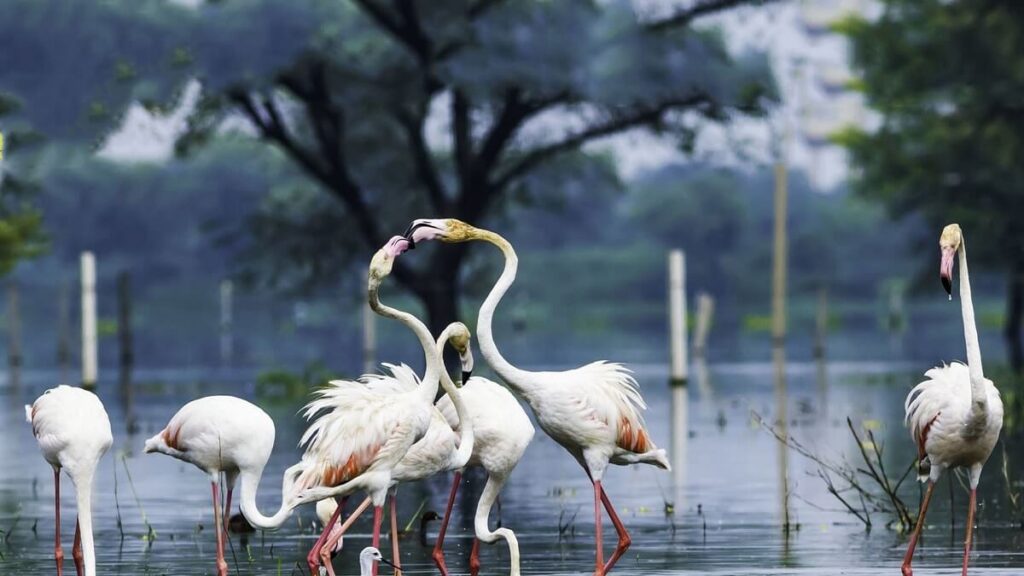
Located just 50 kilometers from Delhi, Sultanpur National Park stands as one of the most accessible wildlife sanctuaries during monsoon season. This wetland sanctuary transforms into a birding paradise when seasonal rains fill its lakes and marshes. Over 250 bird species call this sanctuary home, making it ideal for both beginners and experienced birdwatchers.
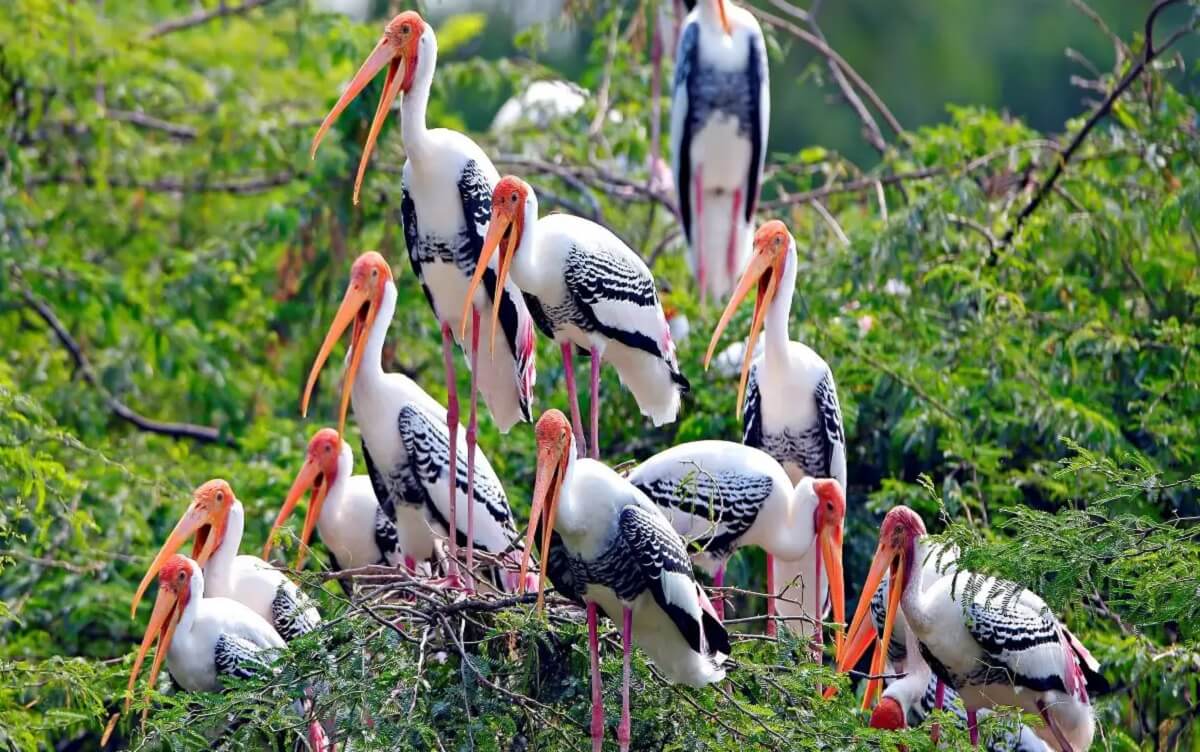
The park’s strategic location along the Central Asian Flyway makes it a crucial stopover for migratory birds. During monsoon, resident species like painted storks, purple herons, and various duck species become more active. The sanctuary’s well-maintained boardwalks and watchtowers provide excellent vantage points for observing wildlife without disturbing their natural behavior.
Monsoon visiting hours typically run from 6 AM to 6 PM, with early morning and late afternoon offering optimal wildlife viewing conditions. The park provides basic facilities including restrooms, parking, and a small interpretation center. Entry fees remain nominal, making it an affordable option for families and photography enthusiasts seeking quality wildlife experiences.
Bhindawas Wildlife Sanctuary: Hidden Gem of Haryana
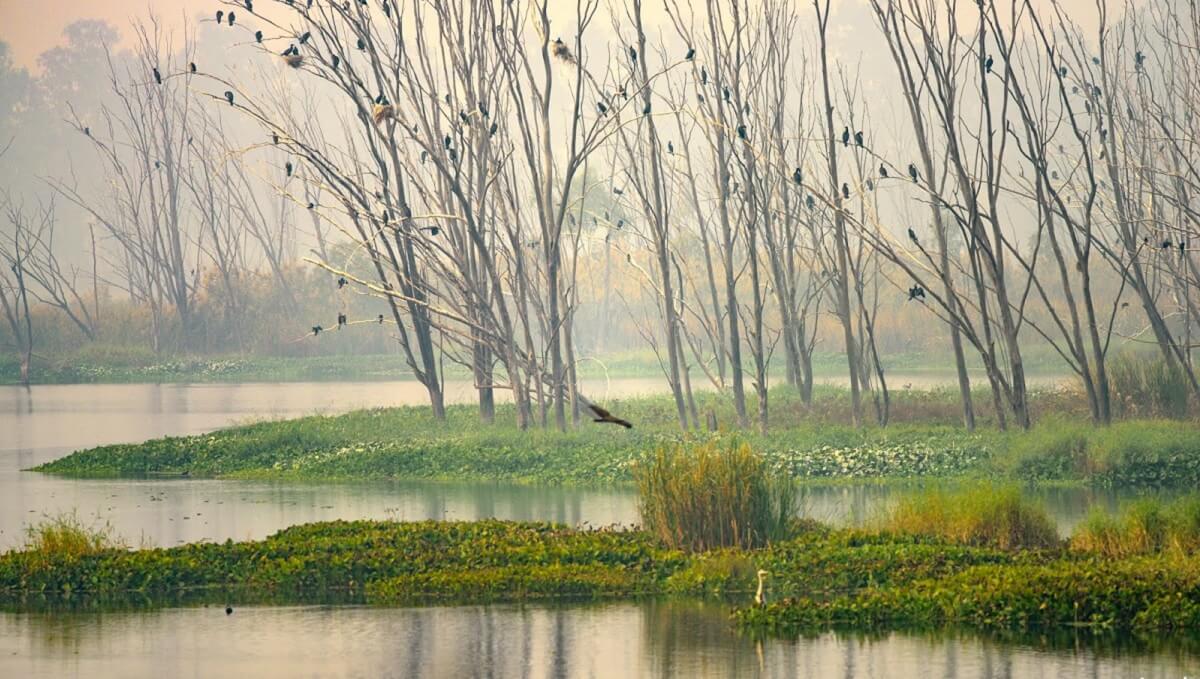
Bhindawas Wildlife Sanctuary, located 65 kilometers from Delhi in Haryana, represents one of the region’s best-kept secrets for monsoon wildlife viewing. This artificial wetland sanctuary was created by damming seasonal streams, resulting in a unique ecosystem that thrives during rainy season. The sanctuary supports over 250 bird species alongside various mammals and reptiles.
The monsoon season brings spectacular transformations to Bhindawas, with water levels rising dramatically and surrounding vegetation becoming lush and dense. Migratory birds arrive in large numbers, creating excellent opportunities for wildlife photography and observation. The sanctuary’s remote location ensures minimal human disturbance, allowing for authentic wildlife encounters.
Facilities at Bhindawas remain basic but functional, with a small visitor center providing information about local wildlife and conservation efforts. The sanctuary offers guided tours during monsoon season, led by knowledgeable local guides who understand animal behavior patterns and optimal viewing locations. Visitors should carry their own food and water supplies. Discover Barnawapara Wildlife Sanctuary – Full Travel Guide
Okhla Bird Sanctuary: Urban Wildlife Haven
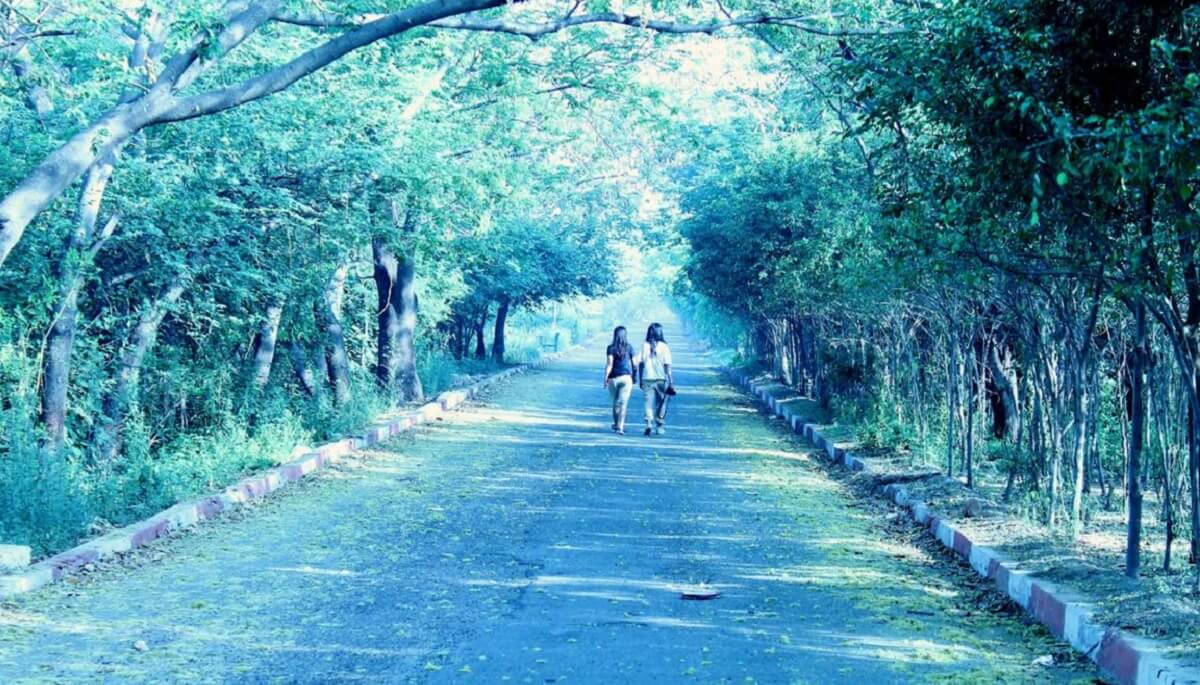
Situated at the confluence of Yamuna and Hindon rivers, Okhla Bird Sanctuary offers convenient wildlife viewing just 25 kilometers from central Delhi. This unique sanctuary demonstrates how urban areas can support diverse wildlife populations when properly managed. Monsoon season enhances the sanctuary’s appeal as water levels rise and vegetation flourishes.
The sanctuary’s location at the meeting point of two rivers creates diverse habitats supporting various bird species, mammals, and aquatic life. During monsoon, visitors can observe kingfishers, herons, cormorants, and numerous waterfowl species. The increased water flow also attracts mammals like jackals, wild boars, and various small carnivores seeking fresh water sources.
Okhla Bird Sanctuary provides well-maintained trails, observation hides, and interpretation boards explaining local wildlife and conservation efforts. The sanctuary’s proximity to Delhi makes it perfect for half-day trips or early morning photography sessions. Monsoon visiting hours accommodate both sunrise and sunset viewing opportunities for optimal wildlife photography.
Asola Bhatti Wildlife Sanctuary: Delhi’s Green Lung
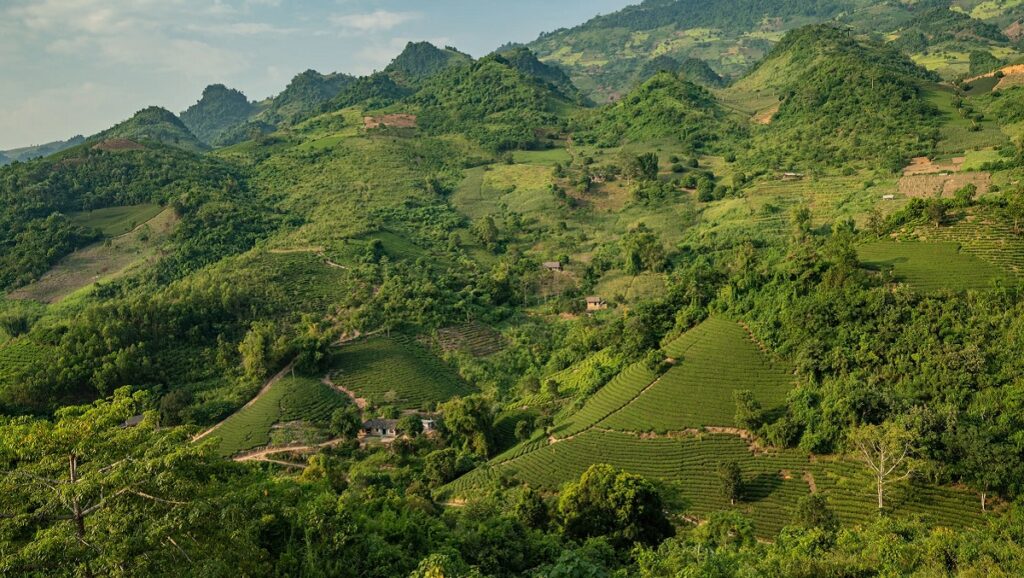
Asola Bhatti Wildlife Sanctuary, located within Delhi’s borders, offers residents convenient access to wilderness without leaving the city. This sanctuary covers over 32 square kilometers of Aravalli hills and surrounding plains, creating diverse habitats that support various wildlife species. Monsoon season transforms the typically arid landscape into a green paradise.
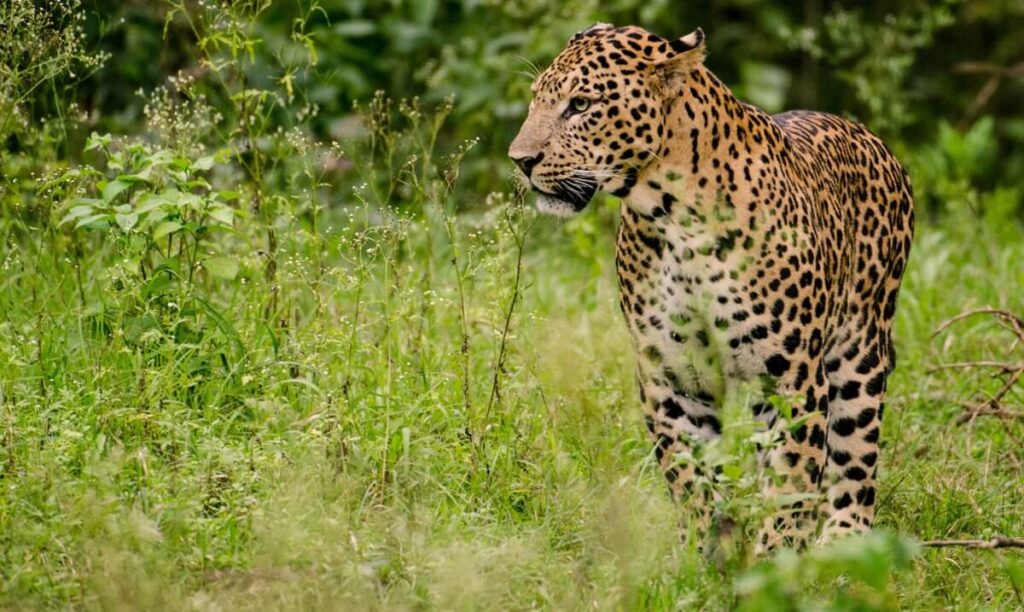
The sanctuary’s hilly terrain creates microclimates that support different species at various elevations. During monsoon, leopards, jackals, hyenas, and numerous bird species become more active due to increased water availability and cooler temperatures. The sanctuary’s ancient rock formations and seasonal waterfalls add geological interest to wildlife viewing experiences.
Asola Bhatti provides several marked trails of varying difficulty levels, accommodating both casual visitors and serious hikers. The sanctuary offers guided nature walks during monsoon season, led by trained naturalists who provide insights into local ecology and wildlife behavior. Visitors can access the sanctuary through multiple entry points, each offering different perspectives of the diverse ecosystem.
Keoladeo National Park: Bharatpur’s Monsoon Spectacle
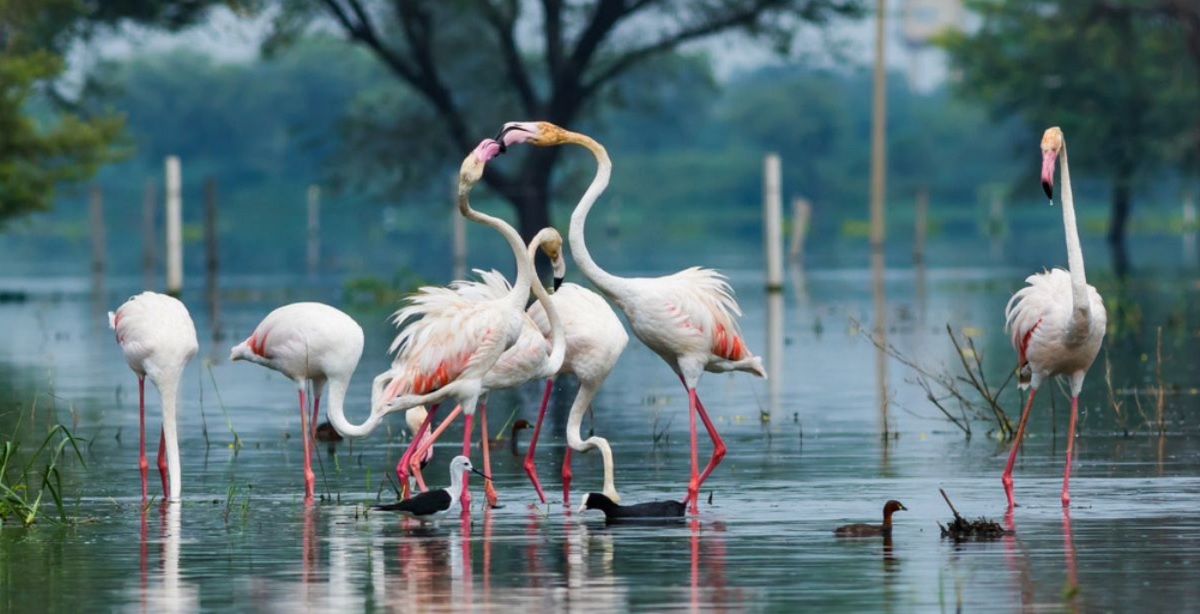
Keoladeo National Park in Bharatpur, located 180 kilometers from Delhi, ranks among India’s premier wildlife sanctuaries and remains fully operational during monsoon season. This UNESCO World Heritage Site transforms dramatically when seasonal rains fill its extensive wetland system, creating ideal conditions for both resident and migratory bird species.
The park’s artificial wetland system, created by damming seasonal streams, supports over 370 bird species alongside various mammals, reptiles, and amphibians. Monsoon season brings spectacular wildlife viewing opportunities as water birds gather in large numbers around abundant water sources. The park’s well-maintained trails and observation points provide excellent wildlife viewing experiences.
Keoladeo offers comprehensive visitor facilities including guided tours, bicycle rentals, and interpretation centers providing detailed information about local wildlife and conservation efforts. The park’s accommodation options range from forest rest houses to nearby hotels, making it suitable for extended wildlife photography trips during monsoon season. Keoladeo National Park Travel Tips – Entry, Safari & Best Time
Sariska Tiger Reserve: Monsoon Wildlife Adventure
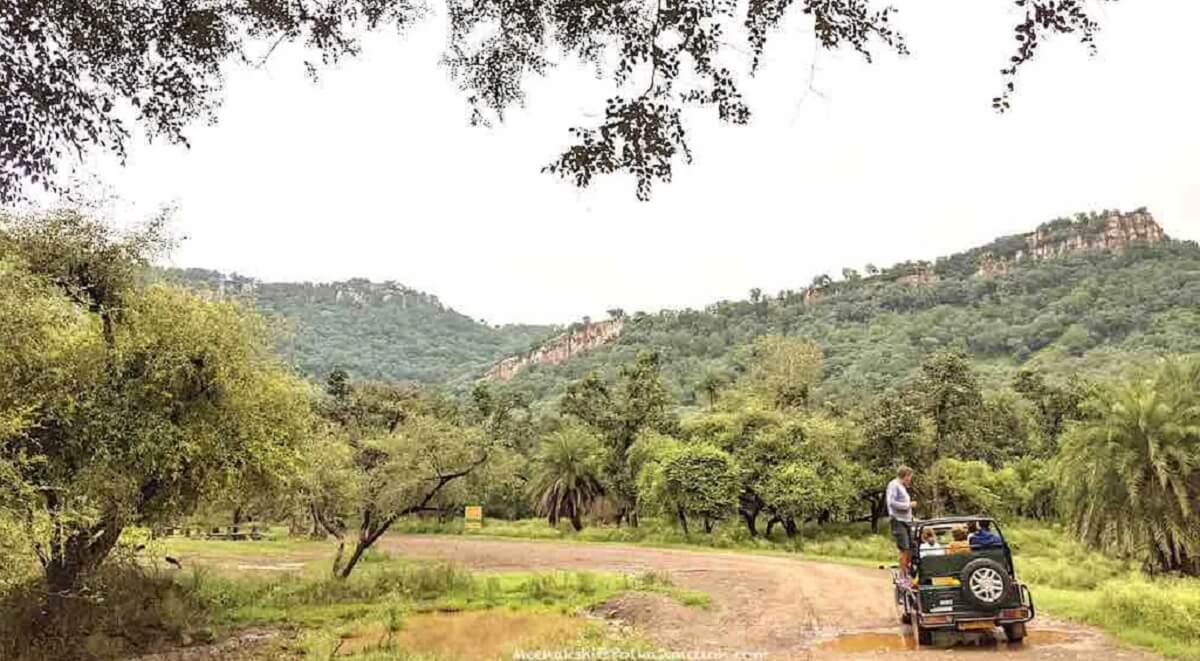
Sariska Tiger Reserve, situated 200 kilometers from Delhi in Rajasthan, offers thrilling wildlife experiences during monsoon season when the typically dry landscape transforms into lush green terrain. The reserve’s diverse habitats support tigers, leopards, wild boars, sambar deer, and over 200 bird species that become more active during the rainy season.
Monsoon season brings unique advantages to Sariska as water sources become abundant and vegetation provides excellent cover for wildlife photography. The cooler temperatures and increased humidity create comfortable conditions for extended wildlife viewing sessions. The reserve’s ancient ruins and historical sites add cultural dimensions to wildlife experiences. Planning a Trip to Sariska? Here’s How to Get There Easily!
Sariska provides jeep safaris, guided nature walks, and specialized photography tours during monsoon season. The reserve offers various accommodation options from budget forest rest houses to luxury resorts, catering to different preferences and budgets. Advance booking becomes essential during peak monsoon months when wildlife activity reaches its peak.
Ranthambore National Park: Monsoon Tiger Haven

Ranthambore National Park, located 350 kilometers from Delhi, represents one of India’s most famous tiger reserves and remains partially open during monsoon season. While core areas may close for breeding season, buffer zones continue offering excellent wildlife viewing opportunities. The park’s diverse landscape supports tigers, leopards, sloth bears, and numerous bird species.
The monsoon season transforms Ranthambore’s semi-arid landscape into a verdant paradise, with ancient ruins creating dramatic backdrops for wildlife photography. Increased water availability attracts various animals to open areas, providing excellent viewing opportunities for visitors. The park’s lake system supports diverse aquatic life and waterfowl species.
Ranthambore offers specialized monsoon packages including photography workshops, naturalist-guided tours, and cultural experiences exploring the park’s rich historical heritage. The nearby town of Sawai Madhopur provides various accommodation options and serves as a gateway to the park’s wilderness areas. Ranthambore in May – Safari Guide, Weather & Travel Tips
Jim Corbett National Park: Monsoon Wilderness Experience
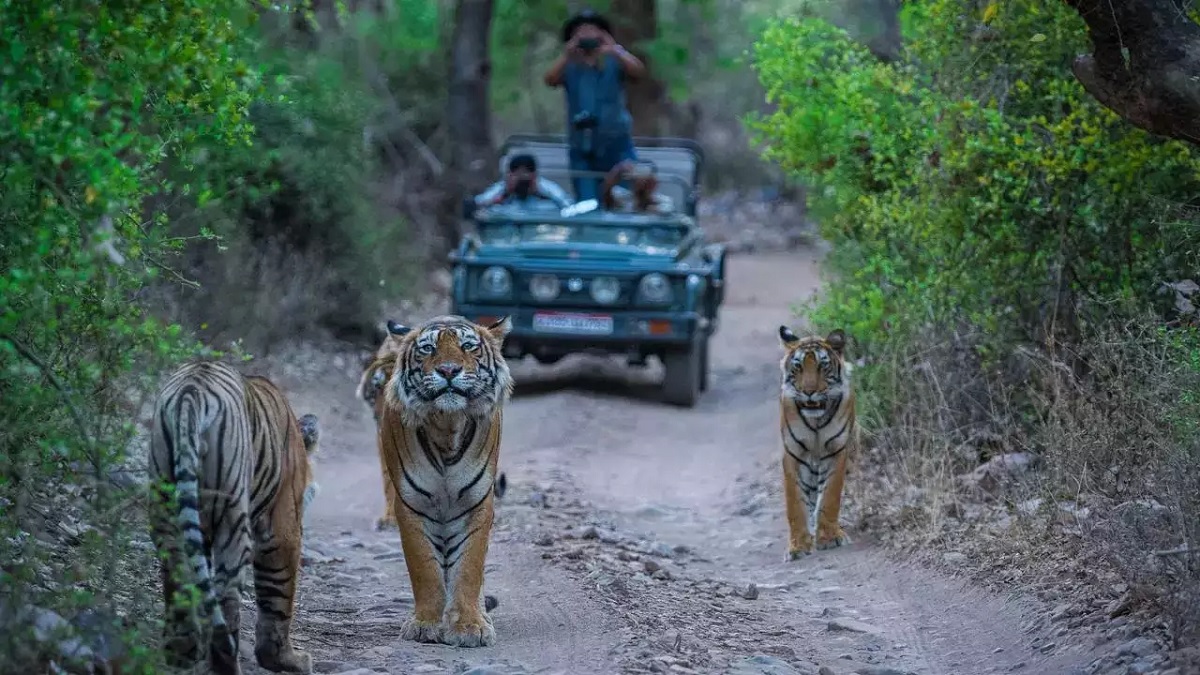
Jim Corbett National Park, India’s oldest national park located 250 kilometers from Delhi, offers exceptional monsoon wildlife experiences. While some zones close during heavy rains, several areas remain open for wildlife viewing and adventure activities. The park’s diverse ecosystem supports tigers, elephants, leopards, and over 600 bird species.
Monsoon season brings dramatic changes to Corbett’s landscape as the Ramganga River swells and surrounding forests become dense with vegetation. The increased water flow creates spectacular waterfalls and rapids, adding adventure elements to wildlife viewing experiences. The park’s varied terrain offers opportunities for both wildlife photography and adventure activities.
Corbett provides comprehensive monsoon packages including river rafting, nature walks, and specialized wildlife photography tours. The park’s extensive accommodation options range from basic forest rest houses to luxury resorts, ensuring comfortable stays during extended wildlife viewing trips. Professional guides provide valuable insights into animal behavior and optimal viewing strategies. Plan Your May Getaway to Jim Corbett – Safari Tips & Travel Guide
Dudhwa National Park: Monsoon Biodiversity Hotspot
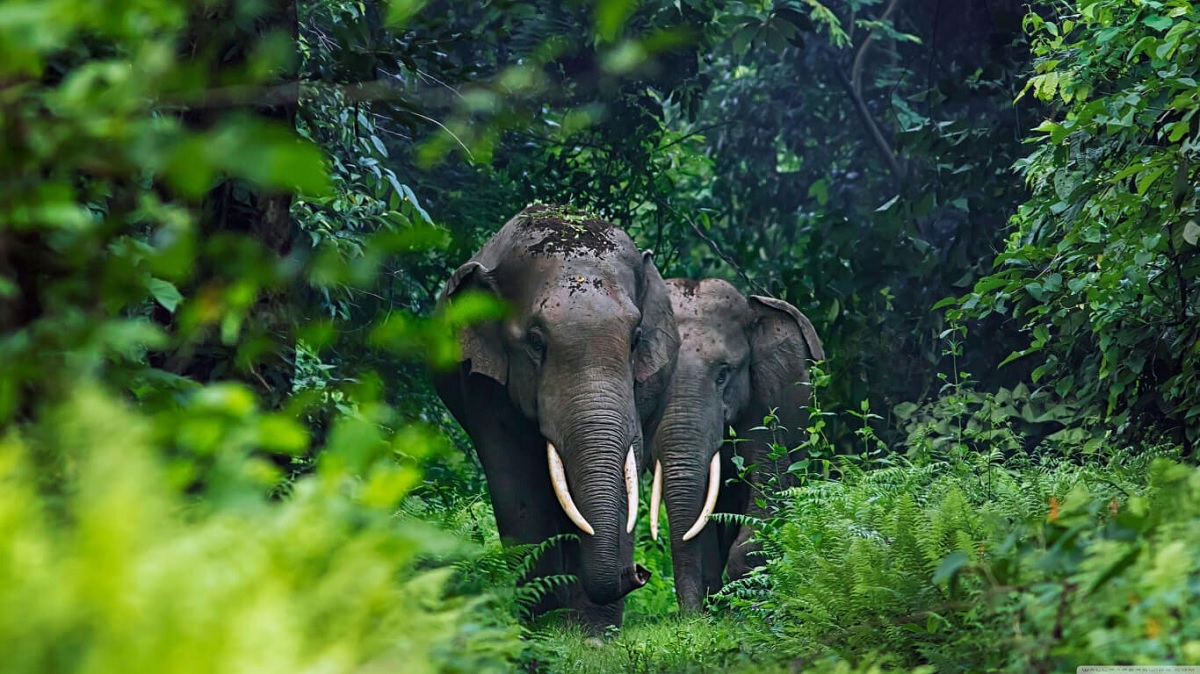
Dudhwa National Park, located 400 kilometers from Delhi near the Nepal border, represents one of India’s most biodiverse wildlife sanctuaries. The park’s terai grasslands and sal forests support tigers, rhinoceros, elephants, and over 400 bird species. Monsoon season enhances the park’s natural beauty and wildlife viewing opportunities.
The park’s grassland ecosystem thrives during monsoon season, supporting large herbivore populations that attract predators. The increased vegetation provides excellent camouflage for wildlife photography while creating stunning landscape compositions. Dudhwa’s remote location ensures minimal human disturbance, allowing for authentic wilderness experiences.
Dudhwa offers specialized monsoon programs including elephant safaris, bird watching tours, and conservation education programs. The park’s accommodation facilities provide comfortable stays in natural settings, with experienced guides offering insights into local wildlife behavior and conservation efforts. Advance planning becomes essential for monsoon visits due to limited accessibility. Top 10 June Destinations in Uttar Pradesh – Start Your Journey
Photography Tips for Monsoon Wildlife Sanctuaries
Equipment Protection and Preparation
Monsoon wildlife photography requires specific equipment considerations to protect valuable camera gear from moisture and humidity. Invest in quality rain covers, waterproof bags, and silica gel packets to prevent fungus growth on lenses. Carry lens cleaning supplies and spare batteries as cold, wet conditions drain power more quickly than normal circumstances.
Weather-sealed camera bodies and lenses perform better in monsoon conditions, but additional protection remains essential. Use UV filters to protect front lens elements from rain and moisture. Pack equipment in waterproof containers and allow gear to acclimatize to temperature changes before use to prevent condensation issues.
Optimal Timing and Lighting Conditions
Monsoon wildlife photography benefits from understanding optimal lighting conditions and animal behavior patterns. Early morning hours often provide clearer skies and better visibility before afternoon rain showers. The soft, diffused light during overcast conditions creates excellent portraits without harsh shadows or overexposure.
Golden hour photography during monsoon season offers unique opportunities as dramatic cloud formations create natural light modifiers. The interplay between sunlight and storm clouds produces spectacular backdrops for wildlife portraits. Plan shooting sessions around weather patterns and be prepared to adapt quickly to changing conditions.
Planning Your Monsoon Wildlife Adventure
Transportation and Accessibility
Most wildlife sanctuaries near Delhi remain accessible during monsoon season, though road conditions may vary depending on rainfall intensity. Private vehicles offer maximum flexibility for exploring multiple sanctuaries, while public transportation provides budget-friendly options for single-destination trips. Consider hiring local drivers familiar with monsoon road conditions for safer travel.
Plan travel routes considering potential weather delays and road closures. Maintain flexible schedules and carry emergency supplies including food, water, and communication devices. Some remote sanctuaries may become temporarily inaccessible during heavy rainfall, making advance planning and local consultation essential for successful trips.
Accommodation and Booking Strategies
Monsoon season typically brings reduced tourist crowds to wildlife sanctuaries, making accommodation more available and affordable. However, some premium properties offer special monsoon packages that may require advance booking. Consider staying in accommodations near sanctuary entrances to maximize wildlife viewing opportunities during optimal hours.
Budget travelers can find excellent options in forest rest houses and eco-lodges that provide authentic wilderness experiences. Mid-range hotels offer comfortable amenities while maintaining proximity to wildlife areas. Luxury resorts provide comprehensive packages including guided tours, photography workshops, and cultural experiences.
Conservation Awareness and Responsible Tourism
Supporting Local Conservation Efforts
Visiting wildlife sanctuaries during monsoon season provides opportunities to support local conservation initiatives and community development programs. Many sanctuaries rely on tourism revenue to fund conservation activities, making responsible visiting practices crucial for long-term sustainability. Choose tour operators and accommodations that prioritize environmental protection and community welfare.
Participate in conservation education programs offered by sanctuaries to better understand local wildlife challenges and protection efforts. Support local communities by purchasing handicrafts and products from nearby villages. Respect wildlife viewing guidelines and maintain appropriate distances from animals to minimize human impact on natural behaviors.
Sustainable Travel Practices
Adopt sustainable travel practices during monsoon wildlife trips to minimize environmental impact. Use reusable water bottles, avoid single-use plastics, and properly dispose of waste in designated areas. Choose eco-friendly accommodations that implement sustainable practices including renewable energy and waste management systems.
Practice ethical wildlife photography by avoiding flash photography and maintaining respectful distances from animals. Follow sanctuary rules and regulations strictly, including designated trail usage and timing restrictions. Share your experiences responsibly on social media, avoiding location-specific information that might lead to increased human pressure on sensitive areas.
Health and Safety Considerations
Monsoon-Specific Health Precautions
Monsoon season requires specific health precautions when visiting wildlife sanctuaries due to increased humidity, standing water, and potential disease vectors. Carry insect repellent to prevent mosquito-borne illnesses and wear appropriate clothing for protection from insects and leeches. Pack basic first-aid supplies including antiseptic creams and bandages.
Stay hydrated despite cooler temperatures and avoid drinking untreated water from natural sources. Carry water purification tablets or portable filtration systems for emergency situations. Be aware of seasonal health risks including dengue, malaria, and gastroenteritis, and take appropriate preventive measures.
Emergency Preparedness
Develop comprehensive emergency plans before visiting wildlife sanctuaries during monsoon season. Share detailed itineraries with family members and maintain communication devices with backup power sources. Carry emergency contact information for local authorities, medical facilities, and sanctuary management offices.
Pack emergency supplies including flashlights, basic medications, and emergency food rations. Understand evacuation procedures and alternative transportation options in case of severe weather or medical emergencies. Consider travel insurance that covers adventure activities and remote area access during monsoon season.
Conclusion: Embracing Monsoon Wildlife Adventures
Monsoon season offers unique opportunities to experience wildlife sanctuaries near Delhi in their most vibrant and active state. The seasonal transformation creates spectacular viewing conditions while supporting diverse ecosystems that thrive during this crucial period. Proper planning and preparation ensure safe, memorable experiences that contribute to conservation awareness and appreciation.
These wildlife sanctuaries provide accessible escapes from urban life while offering world-class wildlife viewing opportunities. Whether you’re a serious photographer, casual nature lover, or family seeking adventure, monsoon season provides the perfect backdrop for unforgettable wildlife encounters. Embrace the season’s magic and discover the incredible biodiversity that flourishes just beyond Delhi’s boundaries.
You Might Also Like:
- Explore Wildlife Sanctuaries Open in July – Plan Your Trip Now
- Capture the Wild Beauty at Dudhsagar – Wildlife Photography Guide
- Visit Gir Safari Zones – Your Guide to Top Wildlife Experiences
- Meet Pench’s Famous Tigers – Discover the Legends of the Wild
- Monsoon Travel Guide – Wildlife Sanctuaries & National Parks to Explore