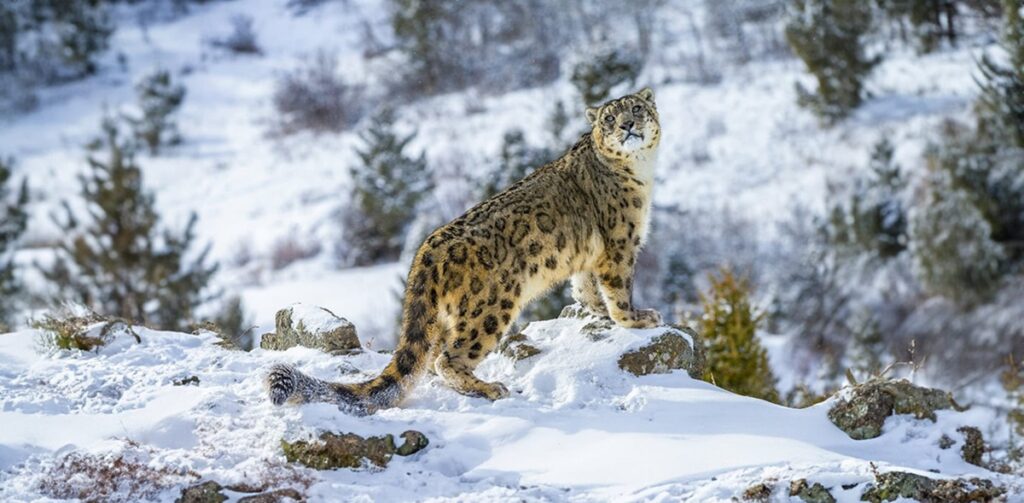
High in the cold deserts of the Indian Himalayas lives one of the world’s most elusive predators: the snow leopard. Often called the “ghost of the mountains,” this magnificent big cat is rarely seen, even by people who spend their lives in the high-altitude regions it calls home. Spotting one in the wild is not just a wildlife sighting. It is an experience that stays with you for years.
India plays a critical role in global snow leopard conservation. Nearly 10 percent of the world’s snow leopard habitat lies within Indian borders, spread across Ladakh, Himachal Pradesh, Uttarakhand, Sikkim, and Arunachal Pradesh. For wildlife enthusiasts, photographers, and responsible adventure travelers, India offers some of the best and most ethical opportunities to observe snow leopards in their natural environment.
This guide explains where to see snow leopards in India, when to go, how tracking works, and how to travel responsibly in these fragile mountain ecosystems.
Why Snow Leopards Are Rare and Fascinating
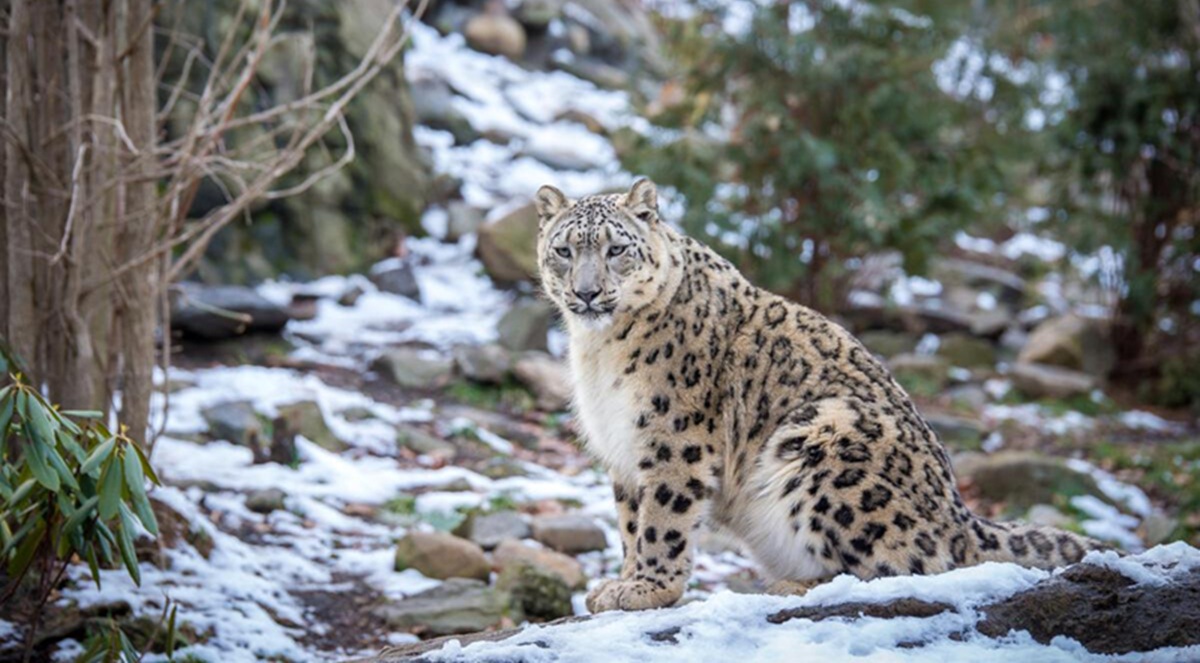
Snow leopards are not just rare because their numbers are low. They are masters of camouflage, perfectly adapted to harsh, rugged terrain where few humans can survive for long.
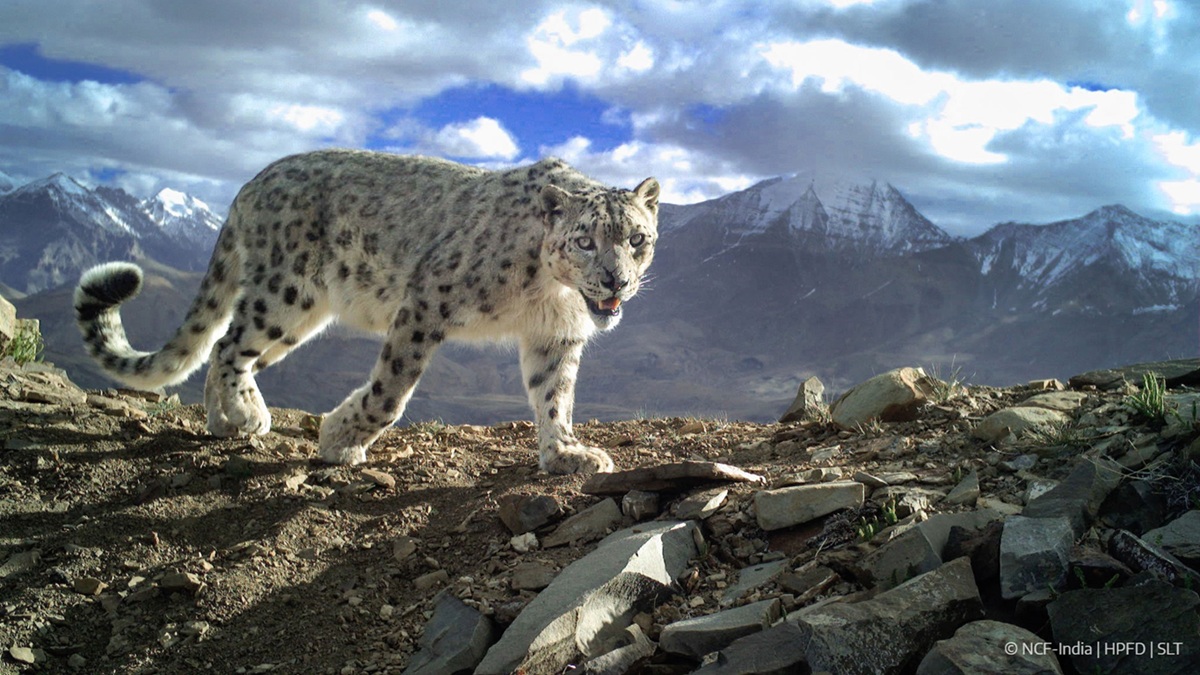
They live at altitudes between 3,000 and 5,500 meters, navigating steep cliffs and rocky slopes with ease. Their thick grey-white coats blend seamlessly into snowy landscapes. Their solitary nature and vast territories mean that even in areas with a healthy population, sightings are never guaranteed.
What makes them fascinating is this combination of beauty, strength, and mystery. A single glimpse of a snow leopard crossing a ridgeline or resting on a cliff is often the result of days of patience, effort, and respect for the mountains.
India’s Role in Global Snow Leopard Conservation
India is one of the 12 snow leopard range countries and a key participant in international conservation programs. Initiatives like Project Snow Leopard focus on habitat protection, scientific research, and community-led conservation.
In regions such as Ladakh and Spiti, local communities are actively involved in conservation. Homestay owners, trackers, and guides have become protectors of wildlife rather than competitors for resources. This model of community-based conservation has significantly reduced human-wildlife conflict and improved attitudes toward snow leopards.
For travelers, this means that choosing the right destinations and operators directly supports conservation and local livelihoods.
Understanding Snow Leopards
Habitat and Altitude Range
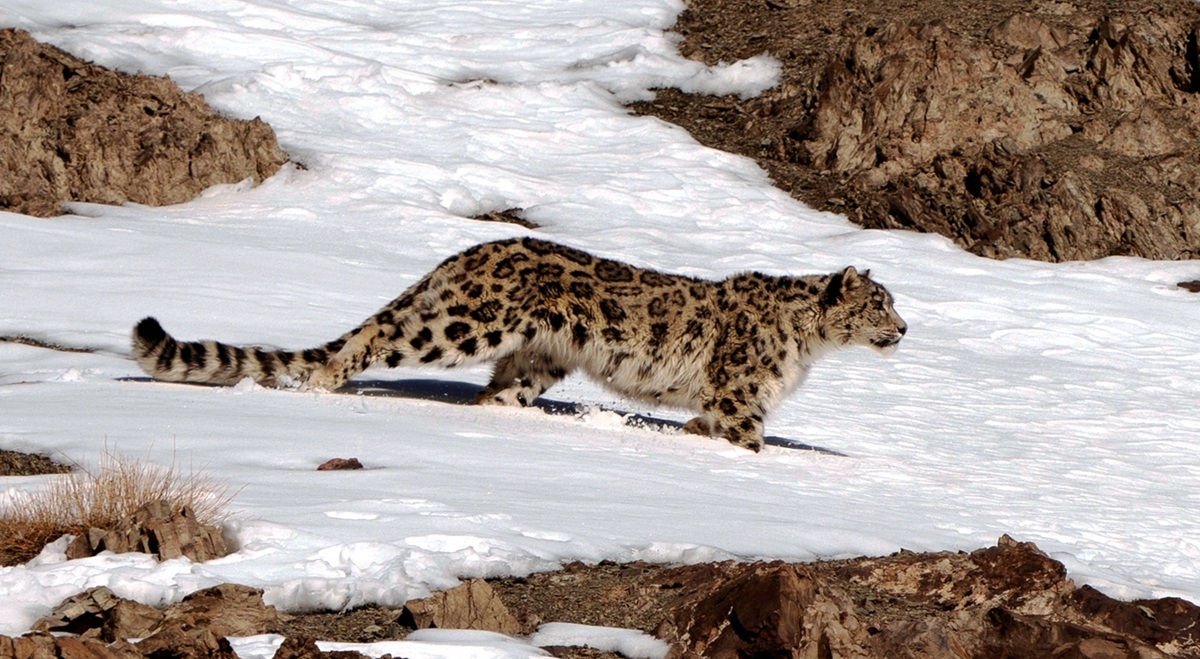
Snow leopards prefer cold, arid mountain landscapes with broken terrain. You will not find them in dense forests or open plains. Their ideal habitat includes:
- Rocky cliffs and ridgelines
- Alpine meadows
- Glacial valleys
- Sparse vegetation zones
In India, they are most commonly found between 3,500 and 5,200 meters, where blue sheep (bharal) and ibex form their primary prey base.
Behavior and Daily Patterns
Snow leopards are crepuscular, meaning they are most active during early morning and late afternoon. During the day, they often rest on rocky outcrops with a wide view of the valley below.
They are solitary animals, except during the mating season or when a mother is raising cubs. Unlike tigers or leopards in lower altitudes, snow leopards do not roar, making them even harder to detect.
Why Sightings Are Difficult but Rewarding
Seeing a snow leopard requires patience, endurance, and acceptance of uncertainty. Days may pass with nothing more than distant movement or fresh tracks in the snow.
But that challenge is exactly what makes the experience meaningful. The mountains dictate the pace. When a sighting finally happens, it feels earned, respectful, and deeply personal.
Best Places to See Snow Leopards in India
Hemis National Park, Ladakh
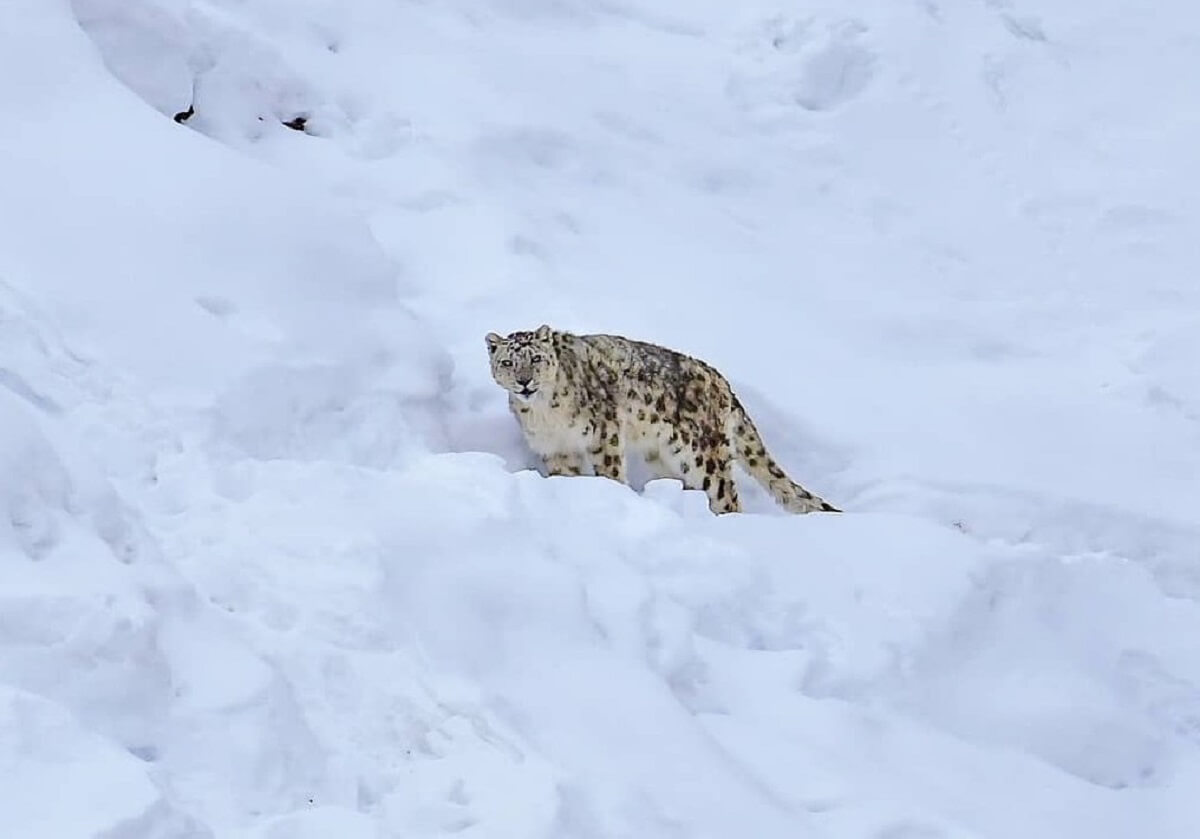
Hemis National Park is the most famous snow leopard destination in India, and for good reason. It is believed to have one of the highest densities of snow leopards anywhere in the world. Check more Detail for visit in Ladakh: Leh-Ladakh in January 2025 Travel Guide
The park’s vast landscape of valleys, ridges, and high-altitude plains provides ideal conditions for snow leopards and their prey. Areas such as Rumbak Valley are especially well known for winter sightings.
What sets Hemis apart is the established tracking network. Experienced local trackers scan slopes daily, using spotting scopes to locate movement. Responsible tourism here has directly contributed to conservation success.
Spiti Valley, Himachal Pradesh
Spiti Valley offers one of the most authentic snow leopard tracking experiences in India. The open terrain and sparse vegetation make it easier to scan slopes, especially during winter.
Villages like Kibber, Langza, and Gette have become key bases for snow leopard expeditions. Community-run homestays and trained local guides play a central role in tracking and conservation.
Spiti is ideal for travelers who want a raw Himalayan experience combined with meaningful wildlife encounters. Spiti Valley in July 2026: Weather, Things to Do
Kibber Wildlife Sanctuary
Located within Spiti Valley, Kibber Wildlife Sanctuary is one of the highest protected areas in the world. Its cold desert ecosystem supports snow leopards, Tibetan wolves, red foxes, and large herds of blue sheep.
Snow leopard sightings here often occur on distant ridges and cliff faces. The wide, open valleys make long-distance spotting possible, especially with good optics.
Pin Valley National Park
Pin Valley National Park lies on the western side of Spiti and is less visited than Kibber. While snow leopard sightings are less frequent, the park remains an important habitat.
The landscape is dramatic and remote, with fewer tourists and a strong sense of wilderness. For travelers who value solitude and realism over frequent sightings, Pin Valley offers a rewarding experience. How to Reach Pin Valley National Park When to Visit – Full Travel Guide
Ulley Valley, Ladakh
Ulley Valley has emerged as a model destination for responsible snow leopard tourism. Located not far from Leh, it combines accessibility with excellent wildlife potential.
Local communities here have fully embraced conservation-led tourism. Homestays, trained trackers, and regulated visitor numbers help ensure minimal disturbance to wildlife.
Ulley Valley is particularly suitable for first-time snow leopard travelers due to its organized structure and community support.
Nanda Devi Region, Uttarakhand
The Nanda Devi region is part of India’s snow leopard range, but sightings are extremely rare. Dense terrain, limited access, and strict protection measures mean that this area is not ideal for snow leopard tourism.
It is important to approach this region with realistic expectations. While snow leopards exist here, the chances of seeing one are very low. This area is more suitable for trekkers and conservation researchers than wildlife-focused travelers. Nanda Devi National Park Travel Guide
Best Time to Spot Snow Leopards in India
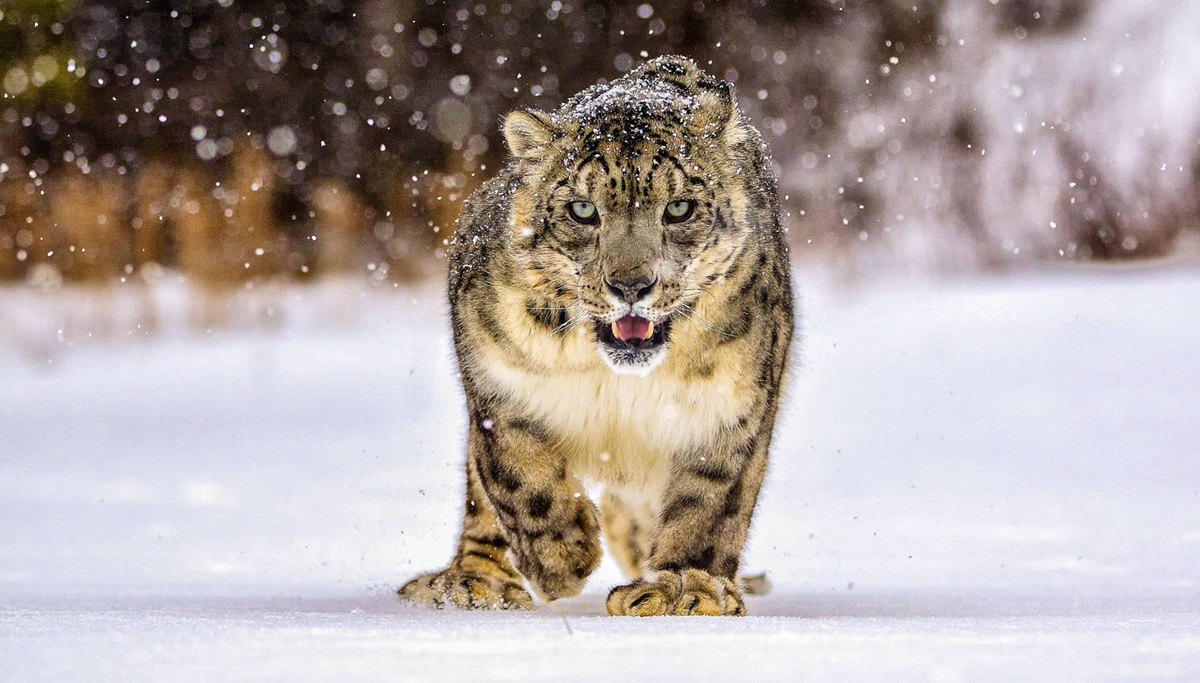
Winter vs Summer Comparison
Winter (December to March)
Winter is the best time to see snow leopards in India. Heavy snowfall pushes prey animals to lower altitudes, and snow leopards follow.
Advantages:
- Higher chances of sightings
- Clear tracks in snow
- Leopards visible on open slopes
Challenges:
- Extremely cold temperatures
- Limited road access
- Physical endurance required
Summer (May to September)
In summer, snow leopards move higher into remote terrain.
Advantages:
- Easier travel conditions
- Pleasant daytime temperatures
- Ideal for trekking
Disadvantages:
- Very low sighting probability
- Leopards remain high and hidden
Ideal Months and Weather Conditions
The best months for snow leopard sightings in India are January and February. Temperatures can drop below minus 20 degrees Celsius, but these conditions offer the highest chances of success.
March can still be productive, especially in Ladakh, though melting snow may reduce tracking clarity.
How Snow Leopard Tracking Works
Role of Local Guides and Trackers
Snow leopard tracking is a team effort. Local guides and trackers are essential because they understand the terrain, animal behavior, and weather patterns.
Tracking typically involves:
- Scanning slopes with spotting scopes
- Identifying pugmarks and scrapes
- Monitoring prey movement
- Communicating sightings across teams
Most sightings are distant, observed quietly without approaching the animal.
Ethical Tracking Practices
Responsible tracking avoids disturbing snow leopards. There is no baiting, chasing, or forcing encounters.
Good operators maintain:
- Safe viewing distances
- Silent observation
- Limited group sizes
- Respect for animal movement
Ethical tracking ensures that tourism supports conservation rather than harming it.
Responsible Snow Leopard Tourism
Conservation and Community Involvement
Snow leopard tourism works best when local communities benefit directly. In Ladakh and Spiti, income from tourism has reduced dependence on livestock grazing and retaliation killings.
Homestays, guiding services, and conservation fees help fund education, livestock insurance programs, and habitat protection.
How Travelers Can Make a Positive Impact
Travelers can support conservation by:
- Choosing local homestays
- Hiring certified local guides
- Avoiding mass tourism operators
- Respecting wildlife and cultural norms
Every responsible visit reinforces the value of protecting snow leopards and their habitat.
Practical Travel Tips
Altitude Preparation and Permits
High-altitude travel requires proper acclimatization. Plan at least two days for acclimatization before heading into tracking areas.
Some regions require permits, especially in Ladakh. Always check current regulations and carry valid identification.
Clothing and Gear Essentials
Essential items include:
- Insulated down jackets
- Thermal base layers
- Windproof outerwear
- High-quality gloves and boots
- Sunglasses and sunscreen
Temperatures can change quickly, so layering is crucial.
Photography Tips for Beginners
Snow leopard photography is challenging due to distance and lighting.
Helpful tips:
- Use a telephoto lens (400mm or more)
- Carry a sturdy tripod
- Be patient and ready for brief sightings
- Focus on behavior, not just close-ups
Even distant shots can tell powerful stories.
FAQs
Are snow leopard sightings guaranteed?
No. Snow leopard sightings are never guaranteed. Even in the best locations, patience and luck play a major role. Ethical operators will always be honest about this.
Is it safe to travel in winter?
Yes, with proper planning and local support. Winter travel requires physical fitness, appropriate gear, and experienced guides.
Do I need a guide or tour?
Yes. Independent tracking is not recommended. Local guides ensure safety, ethical practices, and better chances of meaningful sightings.
Final Thoughts
Seeing a snow leopard in India is not about ticking a wildlife checklist. It is about understanding the mountains, respecting nature’s rhythms, and supporting communities that coexist with one of the world’s most extraordinary animals.
Whether you choose Ladakh or Spiti, winter or shoulder season, the experience will challenge you, slow you down, and reward you in ways few journeys can.
And even if the snow leopard remains a ghost, the mountains will still give you something unforgettable.
Read Also: