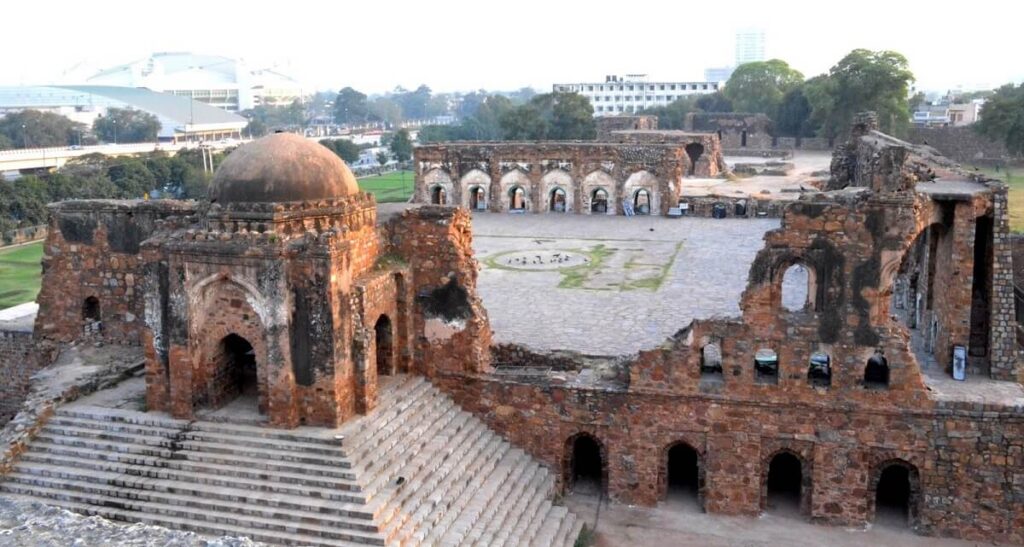
India is a land of unparalleled architectural brilliance and cultural wealth. While the Taj Mahal and Qutub Minar attract global acclaim, countless other sites remain hidden in the shadows—gems of history, artistry, and mystery waiting to be explored. These underrated monuments in India offer not just scenic beauty and intricate design but also a chance to walk paths less trodden.
This guide is your gateway to uncovering these overlooked treasures.
Why These Monuments in India Are Underrated
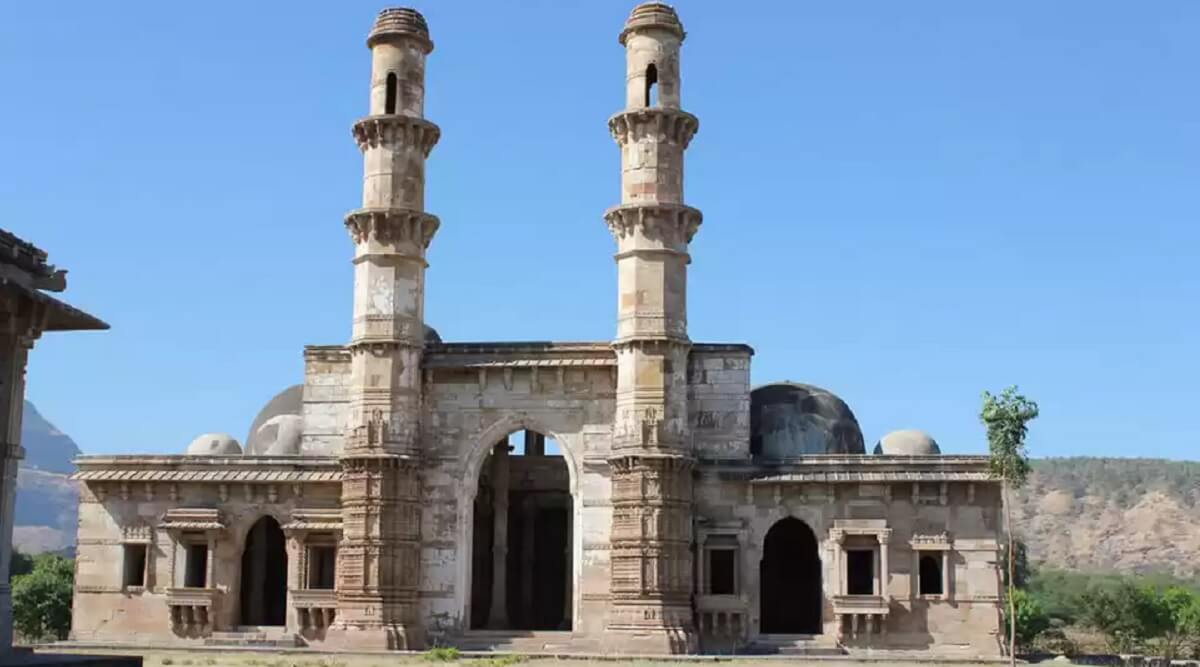
Despite their cultural and historical value, many of these sites don’t appear on mainstream travel itineraries. Why?
-
Lack of Awareness: Most travelers simply don’t know they exist.
-
Remote Locations: Some are tucked away in lesser-visited states or rural corners.
-
Overshadowed by Giants: With icons like Jaipur’s Amber Fort and Delhi’s Red Fort hogging the limelight, these monuments are forgotten.
Underrated Monuments in India You Can’t Miss
1. Baori, Abhaneri (Rajasthan)
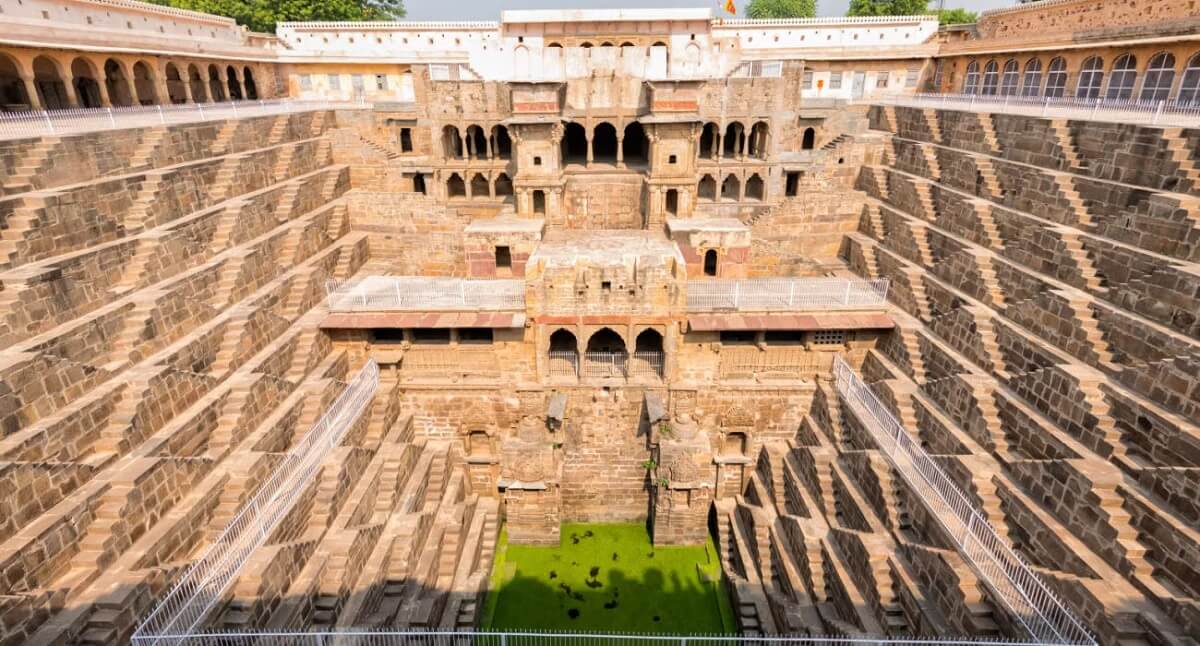
Rajasthan’s grand forts tend to steal the spotlight, making this marvel of ancient engineering often overlooked.
Built around the 8th century, this stepwell plunges 13 stories deep and features nearly 3,500 steps arranged in geometric symmetry. The cavernous, echo-filled structure is breathtaking, especially during sunrise when the interplay of light and shadow brings the patterns to life. Plan Your Visit to Chand Baori Stepwell in Abhaneri
Visitor Guide
- Best Time: Visit early morning for the coolest temperatures and minimal crowds.
- Must-See: The nearby Harshat Mata Temple with its beautiful carvings.
- Tips: Combine a day trip to Chand Baori with Jaipur and Amber Fort. Trio down, avoid June–August heat.
2. Rabdentse Ruins, Sikkim
Amidst popular monasteries and Himalayan treks, this former royal capital remains a peaceful secret.
This 17th–19th century site overlooks the majestic Kanchenjunga. Strolling among mossy stone foundations recounts times when kings ruled from here as mountain peaks watched over them. The vibe is one of gentle reverence.
Visitor Guide
- Access: Moderate 3 km trek from Pelling with beautiful views.
- When to Go: October–February, for clear skies.
- Tips: Bring binoculars, a packed lunch, and a local guide to share royal lore and hidden relics.
3. Maluti Temples, Jharkhand

These artisan-built terracotta temples are tucked away in rural Jharkhand, far from tourist trails.
Seventy-four temples, each with stunning terracotta panels narrating the Ramayana, Mahabharata, and village lore. The craftsmanship is vividly expressive—humans, animals, and mythic beings glow in the clay. Visit Top 9 Temples in Jharkhand: A Spiritual Tour Awaits
Visitor Guide
- Best Period: Visit during Durga Puja for lively temple decorations.
- Guide Tip: Hire a local for storytelling and cultural context.
- Stay: Dumka or homestays in Maluti for rustic charm.
4. Tomb of Sher Shah Suri, Sasaram (Bihar)
Overshadowed by Agra’s Taj Mahal, this lakeside mausoleum is a hidden architectural gem.
A majestic 16th-century monument built on an artificial lake—reflecting Indo-Afghan design. Elegant domes and arches hover above water, creating an aura of serenity. Discover the Beauty of Bhopal’s Lakes – Dive In Now!
Visitor Guide
- Best Light: Sunrise or sunset silhouettes the structure beautifully.
- Nearby Option: Rohtasgarh Fort makes a great side trip.
- Stay: Modest guesthouses in Sasaram; pack a picnic if staying by the lake.
5. Lothal, Gujarat
Harappan ruins rarely feature on tourist maps, making Lothal less known than Rajasthan’s forts.
One of the world’s earliest known dockyards. Explore remnants of a bustling port, bead workshops, and residential layouts. The museum houses fascinating artifacts tracing the civilization’s maritime legacy.
Visitor Guide
- Best Time: October–February to avoid extreme heat.
- Nearby Gems: Rani ki Vav and Modhera Sun Temple.
- Tips: Bring water; it’s a semi-rural site. Humidity can add to the experience.
6. Bhimbetka Rock Shelters, Madhya Pradesh
Prehistoric cave art draws less attention than Mughal palaces or grand temples.
Step back 30,000 years and witness life in stone-era India. Ancient paintings depict hunting, rituals, and dances under sandstone vaults—some of the earliest art ever created.
Visitor Guide
- What to Pack: Flashlight, sturdy shoes, sunblock.
- Tour Tip: Local forest guides demonstrate painting techniques.
- Combo Trip: Pair with Bhopal’s museums or Satpura National Park.
7. Imambara, Lucknow (Uttar Pradesh)

Despite its grandeur, it’s frequently bypassed by travelers on their way to Lucknow’s food hubs.
Built in 1784, this architecture-defying structure boasts the world’s largest vaulted chamber without supporting beams. Its labyrinth—Bhool Bhulaiya—is a fun and intriguing maze rooted in historical mystique. Weekend Escapes from Lucknow: Explore 11 Quick Trips
Visitor Guide
- Best Times: Early morning or dusk for soulful light and serene visuals.
- Must-See: The Bhool Bhulaiya experience—consider an audio guide.
- Food Tip: After your visit, explore Awadhi cuisine at nearby street cafés.
8. Chausath Yogini Temple, Hirapur (Odisha)
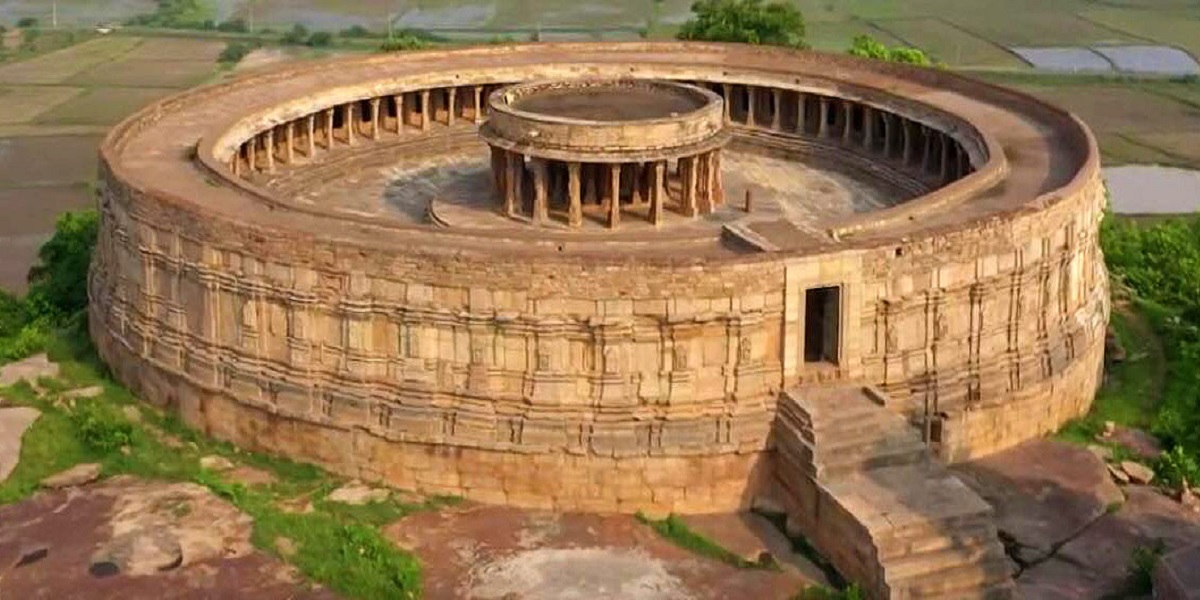
Most tourists head to Bhubaneswar’s mainstream temples and miss this tantric site.
One of India’s rare circular Yogini temples, dating to the 10th century. The inner walls hold carved statues of the powerful 64 Yoginis—spiritual devotees of energized worship.
Visitor Guide
- Dress Code: Modest attire—this is a sacred sanctuary.
- Timing: Visit early or late to avoid Delhi heat.
- Explore Nearby: Bhubaneswar’s grand temple circuits complement the trip.
9. Rani ki Vav, Patan (Gujarat)
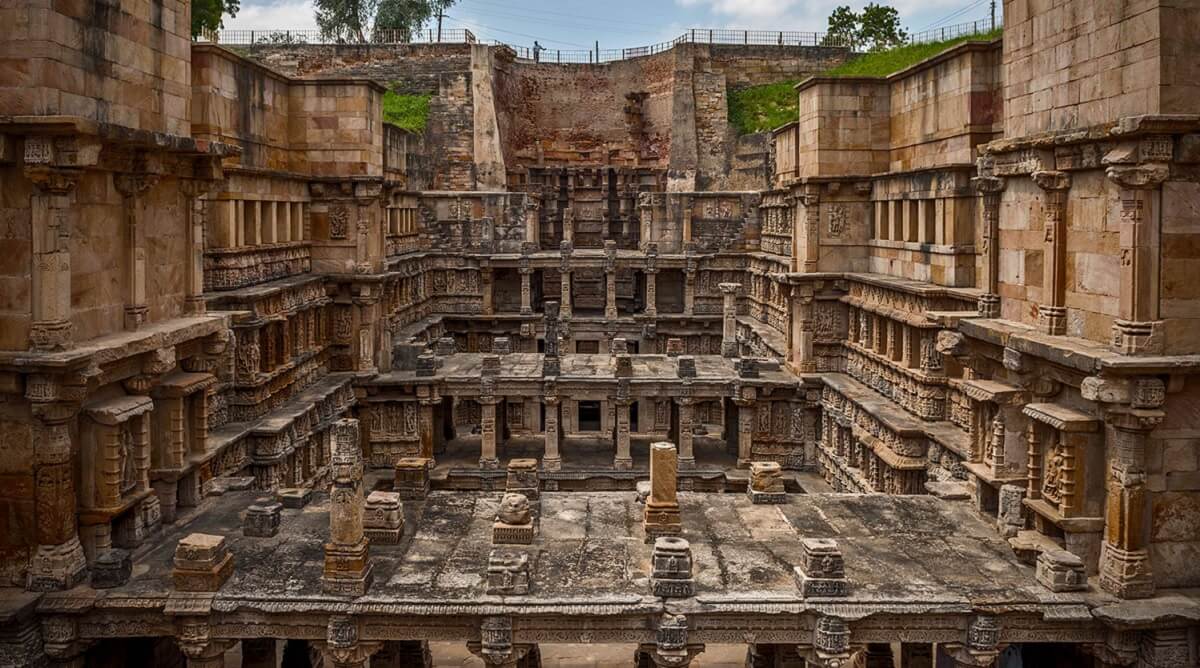
Despite its UNESCO status, it gets less attention than more famous stepwells in India.
An architectural masterpiece carved underground. The 7-story stepwell brims with nearly 1,500 sculpted panels—deity figures, sequenced mythology, allegories carved in stone. Visit Rani ki Vav: Best Time & Travel Tips from Ahmedabad
Visitor Guide
- Best Time: Afternoon light enhances visibility of stone detailing.
- Entry: Paid site, with benches and information boards inside.
- Local Tip: Explore Patan’s Patola silk weaving tradition before you depart.
10. Zorawar Fort, Leh (Ladakh)
Set against the dramatic Himalayan landscape, this modest fort is overshadowed by Leh’s monasteries and high-altitude lakes.
Constructed by General Zorawar Singh (1836) as a strategic stronghold. Though small, it provides commanding views of Leh and the Zanskar Range, and nearby Hall of Fame museum brings war history to life.
Visitor Guide
- Acclimatize First: Spend a couple of days in Leh before venturing here.
- Combo Sites: Visit the Hall of Fame museum right next door.
- Season: June–September; roads close during winter snow.
Absolutely! Let’s continue the detailed and immersive guide to 20 Underrated Monuments in India from number 11 onward.
11. Barabar Caves, Bihar
Despite being among the oldest surviving rock-cut caves in India, Barabar is overlooked even by most heritage travelers.
Dating back to the 3rd century BCE during Ashoka’s reign, these caves were used by the Ajivika sect. Their interiors are uniquely polished—creating surreal acoustics that make even a whisper echo dramatically. Standing within them feels like walking into an ancient sound chamber preserved through time. 10 Famous Temples in Bihar You Must Visit in 2025
Visitor Guide
- Access: Around 45 km from Gaya. Use local taxis or hire a private car.
- Timing: Morning is best; the rocks heat up quickly during midday.
- Combine with: A trip to Bodh Gaya or Nalanda ruins.
12. Mehrauli Archaeological Park, Delhi
Lying in the shadow of the Qutub Minar, this vast park is often skipped despite holding over 1,000 years of architectural heritage.
This 200-acre site is a treasure trove—housing monuments from the Tomar dynasty to the British Raj. You’ll find ancient stepwells, Mughal tombs, Sufi shrines, and even remnants of an Ashokan pillar. Your 3-Day Delhi Itinerary: Explore Culture & Cuisine
Visitor Guide
- Best Time: October–March for pleasant walks.
- What to Bring: Comfortable shoes and a camera; guided walks by INTACH enhance the experience.
- Tip: Pack snacks and water; facilities are limited inside.
13. Lepakshi Temple, Andhra Pradesh
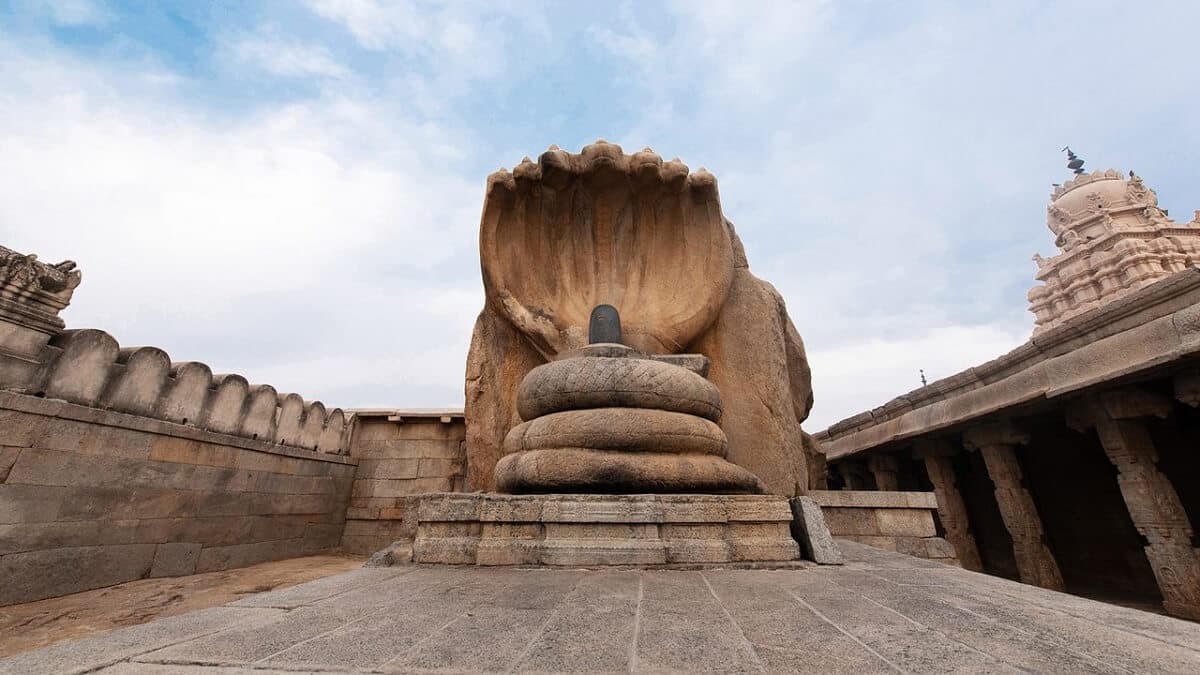
This architectural gem is often missed due to its offbeat location, despite being just a few hours from Bengaluru.
Built in the 16th century, this Vijayanagara marvel features the famous hanging pillar, elaborate frescoes, and a massive Nandi statue carved from a single stone. Myth, legend, and visual grandeur come together in this unique site. Complete Travel Guide – Lepakshi Temple, Andhra Pradesh (2025 Edition)
Visitor Guide
- Distance: About 120 km from Bengaluru—perfect for a day trip.
- Best Time: November–February.
- Tip: Visit with a local guide to understand the Ramayana associations etched on its walls.
14. Jageshwar Temples, Uttarakhand
Lost in the forests near Almora, this ancient Shaivite temple complex remains quiet even in peak season.
Set amidst deodar forests, the over 100 stone temples, dating from the 9th to 13th century, create an ambiance of deep spirituality and serenity. The moss-covered shrines and the soothing sound of the river make this a meditative retreat.
Visitor Guide
- Ideal Time: March–May or September–November.
- Stay Options: Heritage guesthouses in Almora or local homestays.
- Tip: Attend early morning aarti for a surreal spiritual experience.
15. Alchi Monastery, Ladakh

Tourists flock to Thiksey and Hemis monasteries, often bypassing this 1,000-year-old monastic treasure.Alchi is home to some of India’s oldest surviving Buddhist murals, blending Kashmiri and Tibetan styles. The serenity and silence in its temples, combined with intricate carvings and mandalas, offer a truly soulful experience. 10+ Most Instagrammable Spots In Ladakh
Visitor Guide
- When to Go: June–September; winter roads close.
- Travel: Around 70 km from Leh—combine with a Sham Valley tour.
- Don’t Miss: The Sumtsek temple and Maitreya Buddha statue.
16. Bishnupur Terracotta Temples, West Bengal
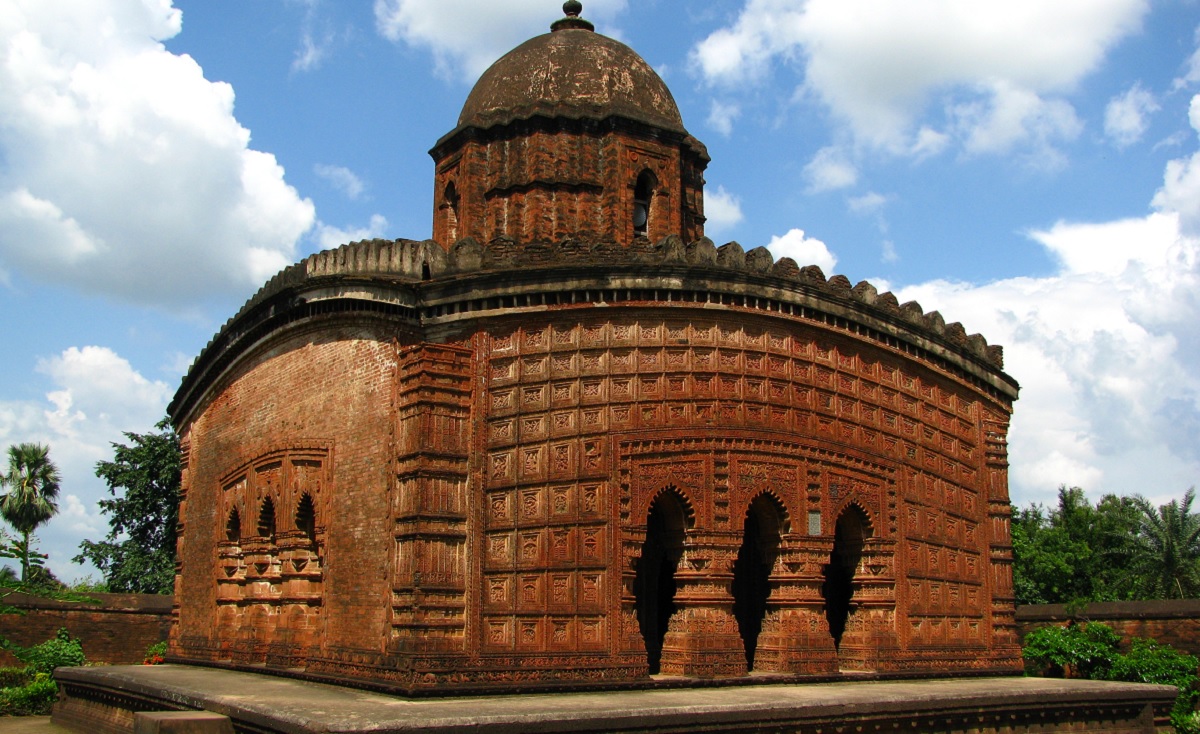
Despite their historical and architectural brilliance, these temples remain relatively unknown outside Bengal.Built by the Malla rulers between the 17th and 18th centuries, these temples are adorned with red terracotta panels depicting scenes from the Mahabharata, Ramayana, and Krishna Leela. The Rasmancha, with its pyramid-like structure, is a standout. Discover Bishnupur Temples: Plan Your Trip Today
Visitor Guide
- Best Time: November–February.
- Nearby Attractions: Dalmadal Cannon and local Baluchari saree weaving.
- Tip: Explore the complex on foot and don’t miss sunset shots.
17. Martand Sun Temple, Jammu & Kashmir
Political unrest in the region and its ruined state keep many away, though it’s one of the finest surviving examples of ancient temple architecture.
Built in the 8th century by King Lalitaditya, this temple once rivaled Konark. Its location—perched on a plateau with snow-capped mountains behind—makes it spectacular even in its ruined form.
Visitor Guide
- Location: Near Anantnag, around 65 km from Srinagar.
- Best Time: May–October.
- Tip: Respect local customs and check travel advisories before visiting.
18. Bhuvanagiri Fort, Telangana
This hill fort rarely features in Telangana itineraries, often lost behind Hyderabad’s more famous Charminar and Golconda. Also known as Bhongir Fort, it sits atop a 500-ft monolithic rock. Trekking to the top offers panoramic views of the Deccan Plateau and glimpses into medieval military strategy. A Guide to Hyderabad’s Rich History and Culture
Visitor Guide
- Distance: About 50 km from Hyderabad—ideal for day trips.
- Trek Grade: Moderate, 30–45 minutes hike.
- Best Time: October–March. Take a Spiritual Tour: 10 Must-Visit Temples in Hyderabad
19. Unakoti, Tripura
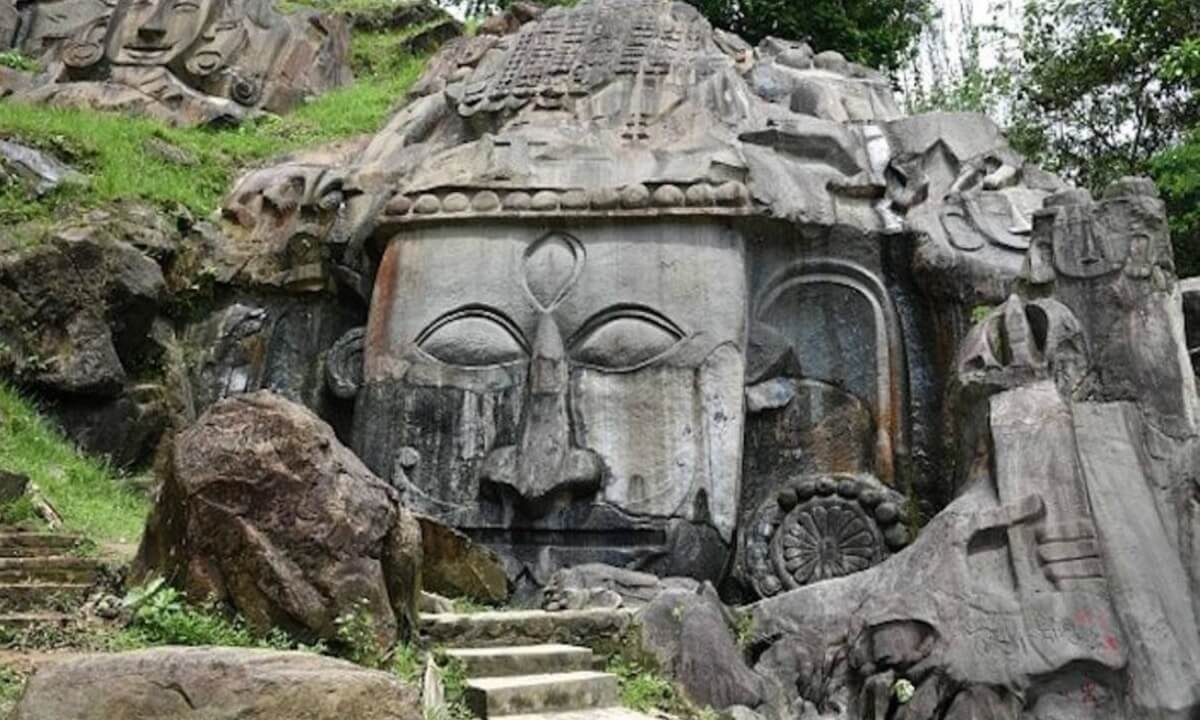
Northeast India’s treasures often suffer from under-promotion, and Unakoti is no exception. Unakoti means “one less than a crore”—the site is believed to house that many rock carvings of deities. The 70-ft high Shiva head relief carved into a cliff is awe-inspiring and surrounded by mystery. Unakoti Rock Carvings, Tripura: All You Need to Know Before You Go
Visitor Guide
- Access: Nearest town is Kailashahar (~178 km from Agartala).
- Best Season: October–April.
- Tip: Visit during the Ashokastami Mela for a spiritual experience.
20. Kangra Fort, Himachal Pradesh
Despite being one of India’s oldest forts, it’s eclipsed by Rajasthan’s fort circuits.Dating back to the 4th century BCE, Kangra Fort witnessed invasions by Alexander, Mughals, and the British. It offers panoramic views of the Beas River and Dhauladhar ranges and exudes centuries of layered history.
Visitor Guide
- Access: Near Dharamshala and McLeod Ganj.
- Best Time: March–June and September–November.
- Combine With: Tea gardens, Masroor rock-cut temples.
Tips for Exploring Lesser-Known Monuments in India
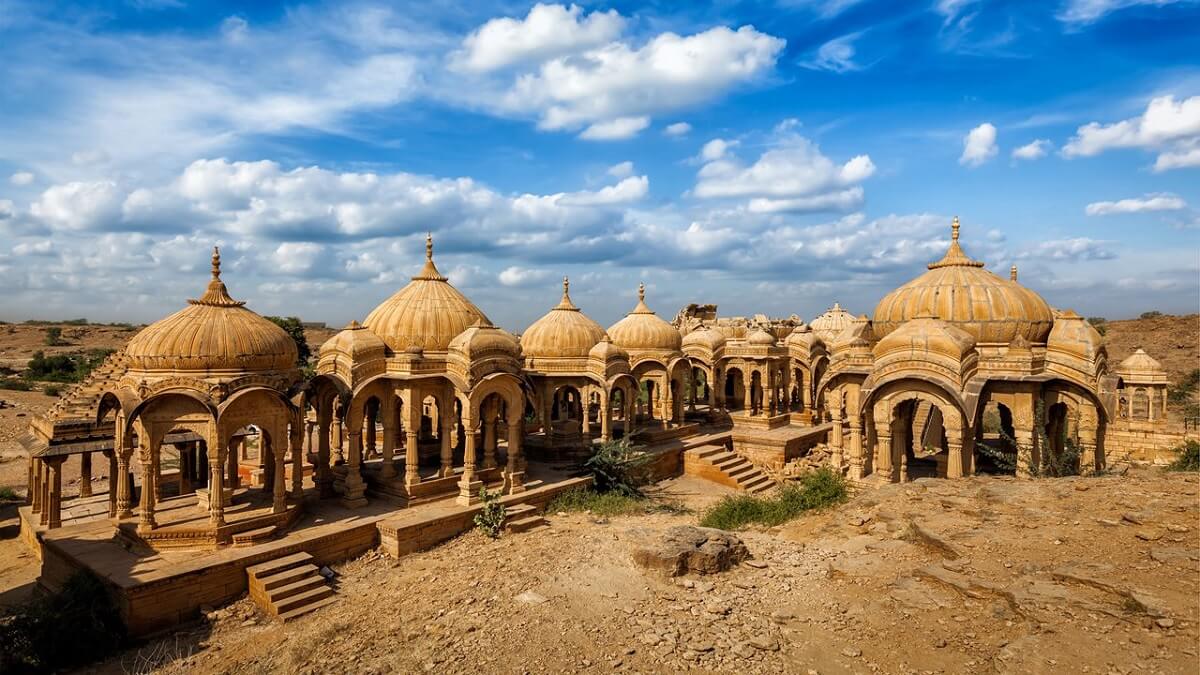
Visiting underrated heritage sites comes with its own unique charm—and responsibilities. Here’s how to make your visit rewarding and respectful:
- Respect Local Cultures and Traditions
Many lesser-known sites are located in small towns or near tribal communities. Dress modestly, ask before taking photographs of people, and engage respectfully with locals.
- Hire Local Guides
While guidebooks might be limited, local guides often hold stories passed down through generations. They add layers of understanding to what might seem like ruins or rubble to the untrained eye.
- Travel Sustainably
Avoid littering, especially in ecologically sensitive areas like hilltop forts and forest shrines. Carry reusable water bottles and avoid single-use plastics. Some of these sites are maintained by small communities—your actions matter.
- Be Prepared
Facilities at many underrated monuments may be limited or absent. Carry snacks, drinking water, sunscreen, and power banks, and always have offline maps available.
- Timing is Everything
Check weather patterns, local festivals, and opening times. Some sites are closed during monsoon or winter months or operate only during daylight.
Best Time to Visit These Sites
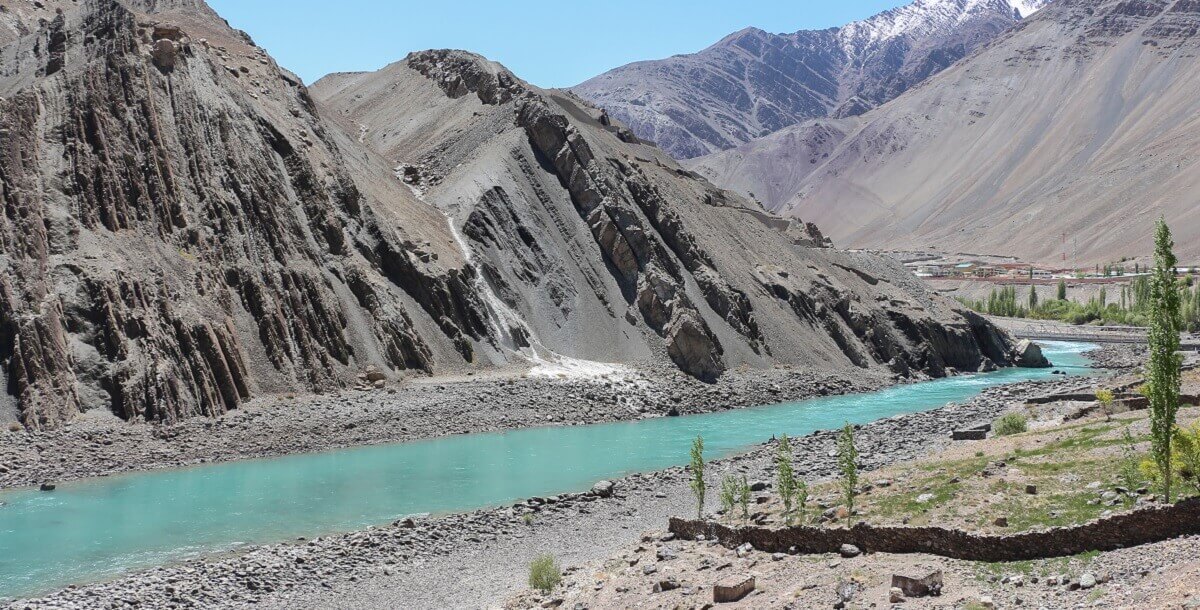
Here’s a region-wise seasonal guide to help you plan your visits for the best experience:
| Region | Ideal Months | Why This Time |
| North India (e.g. Kangra, Martand, Rabdentse) | March–June, Sept–Nov | Pleasant weather, clear skies for Himalayan views |
| Central India (e.g. Bhimbetka, Barabar) | Oct–Feb | Avoids summer heat, good for trekking |
| South India (e.g. Lepakshi, Bhuvanagiri) | Nov–Feb | Cooler temperatures, post-monsoon greenery |
| East India (e.g. Maluti, Hirapur) | Oct–Feb | Festival season, dry and accessible |
| West India (e.g. Lothal, Rani ki Vav) | Nov–March | Comfortable travel, good light for photography |
| Northeast (e.g. Unakoti) | Oct–April | Festivals, dry season, vibrant local culture |
FAQs About Underrated Monuments in India
Q1: Are these monuments safe to visit?
Yes, most are safe, especially during the day. For remote areas, travel in groups or with a local guide, and avoid venturing out after dark.
Q2: Do these sites require entry fees?
Some, like Rani ki Vav or Bada Imambara, charge nominal fees. Others are free but may accept donations for maintenance.
Q3: How do I get information onsite if there are no guides?
Carry a guidebook or use mobile apps like Google Lens or Wikipedia. Offline travel apps are also helpful in remote areas.
Q4: Is photography allowed at these monuments?
Generally, yes—but avoid flash and commercial shooting unless permitted. Some sacred sites may prohibit interior photography.
Q5: Are these monuments accessible for elderly or differently-abled travelers?
Unfortunately, many do not have accessibility infrastructure. Forts and temples often involve uneven terrain or stairs.
Q6: Can I combine multiple sites in one trip?
Yes! Examples:
- Rani ki Vav + Modhera + Lothal (Gujarat)
- Kangra Fort + McLeod Ganj + Masroor Temples (Himachal)
- Lepakshi + Nandi Hills + Bangalore (Karnataka)
Conclusion: Travel Beyond the Guidebooks
India’s lesser-known monuments are like whispered stories echoing across centuries—rich in culture, powerful in their silence, and vibrant in forgotten detail. They are not only windows into our collective past but also opportunities to support local economies, discover new narratives, and experience India away from tourist clichés.
So next time you plan a trip, skip the obvious. Let the underrated monuments of India surprise you—with their beauty, their stories, and their quiet, unassuming grace.
Don’t forget to check our dedicated blogs on:
- Uncover Ancient Temples of India: Start Your Journey
- Explore Gujarat’s Hidden Gems: 10 Offbeat Places to Visit
- Discover 25 Amazing Facts About Jharkhand Today
- Experience Gwalior: Heritage Sites, Forts & Temples
- Plan a Temple Tour in Bihar: 10 Famous Spots to Visit
- Find Peace: 7 Must-Visit Temples in Chennai
- Explore Gujarat Temples: Visit These 14 Sacred Places
- Top 20 Wildlife Reserves Open in September in India: Ultimate Guide
- What to Do in Rajasthan in September 2025 – Must-see Events