Why Mouling National Park Is Northeast India’s Best-Kept Secret
Have you ever dreamed of walking through an untouched rainforest, where clouds settle low, and the only sounds are birdsong and rustling leaves? If so, Mouling National Park in Arunachal Pradesh should be on your list. Often overshadowed by more popular destinations, Mouling offers an off-grid, serene experience that few places in India can match. It’s one of the least explored national parks in the country and remains largely uncommercialized, making it ideal for nature lovers, trekkers, bird watchers, and cultural explorers.
Located in the rugged hills of the Siang River Valley, Mouling National Park boasts dense forests, diverse wildlife, gurgling rivers, and sacred tribal traditions. This guide will take you through everything you need to know — how to reach, when to go, what to expect, and how to explore the area respectfully.
Planning to explore more Northeast gems? Check out our travel guide to Mechuka Valley — another hidden paradise in Arunachal Pradesh.
Location & Significance: Where Is Mouling National Park?
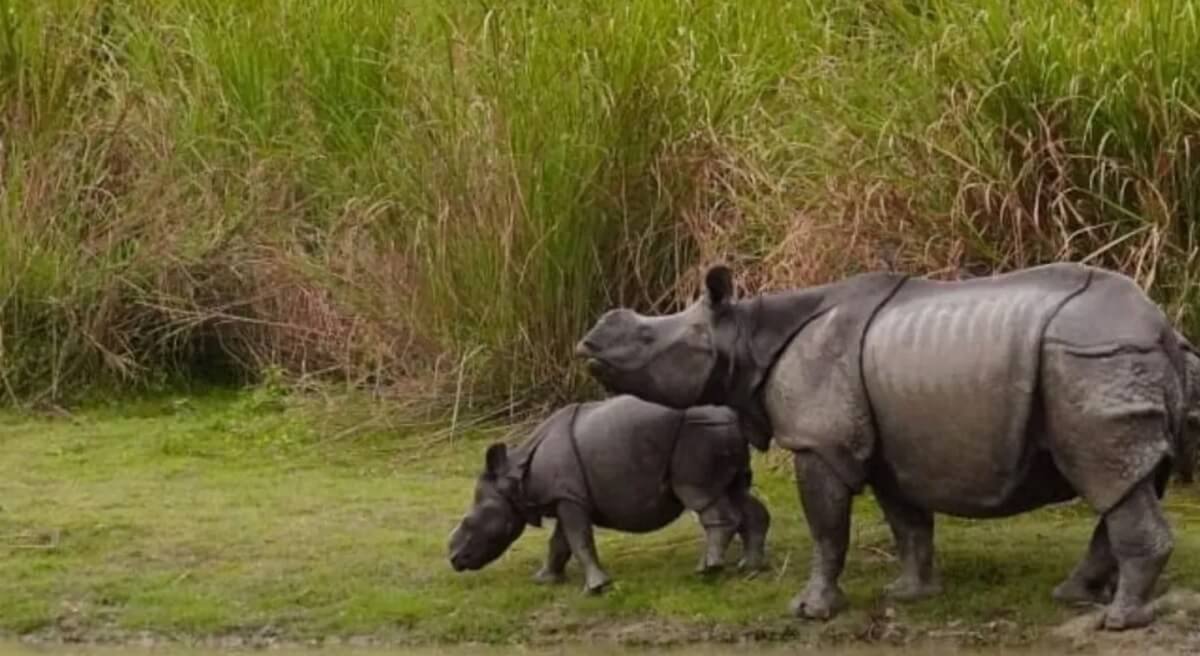
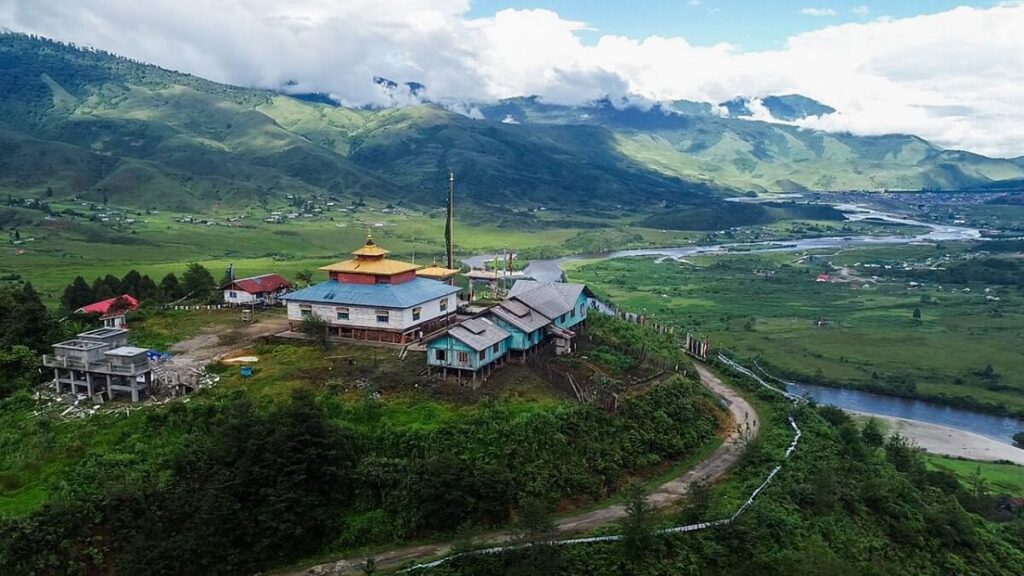
Mouling National Park is located in the Upper Siang district and partially in the West Siang and East Siang districts of Arunachal Pradesh. It spans across approximately 483 square kilometers and forms a vital part of the Dibang Valley and Siang Valley ecological system, near the border with Tibet.
It derives its name from the local Adi dialect — “Mouling” means “red poison,” referring to the red latex from a tree found in the region. The park is one of the two tiger reserves under the Dibang Biosphere Reserve, and although elusive, big cats like the clouded leopard and tiger are said to roam the depths of the forest.
What makes Mouling stand apart is not just its biodiversity, but its sacredness. The forest is revered by the Adi tribe, who consider parts of it to be spiritually significant. The cultural respect given to the ecosystem has ensured that the park remains pristine and ecologically balanced. Book Now: 6-Day Arunachal Pradesh Tour Package
How to Reach Mouling National Park
By Air:
The nearest airport is Pasighat Airport (IXT), about 130–150 km away depending on the entry point. It is connected by limited flights, mostly from Guwahati or Dibrugarh. The next closest airport is Dibrugarh Airport in Assam (around 200 km), which has better connectivity with cities like Delhi, Kolkata, and Guwahati.
By Train:
There is no direct railway to Mouling, but the closest major railway stations are:
- Murkongselek (Assam) – about 100 km
- Dibrugarh Railway Station – about 210 km
By Road:
Once you reach Pasighat or Along (Aalo), you can hire a local taxi or jeep to the park area. Roads in Arunachal can be rugged and narrow, especially during monsoon, so a sturdy vehicle and an experienced local driver are recommended.
You may also check our route-based guide on How to Reach Sariska to understand travel logistics in remote Indian parks.
Best Time to Visit Mouling National Park
The ideal time to visit Mouling is October to April, when the weather is cooler and less humid. During this window, the forest trails are more navigable, and wildlife is more active and easier to spot. Plan Your Trip: 6 Nights 7 Days Arunachal Pradesh Tour
Seasonal Breakdown:
- Winter (Nov–Feb): Clear skies, great for trekking, camping, and wildlife viewing
- Spring (Mar–Apr): Rhododendrons bloom, perfect for birdwatching and photography
- Monsoon (May–Sept): Avoid travel due to landslides and poor road conditions
Mouling in winter is as surreal as the Himalayan trails in Uttarakhand. If you love trekking, consider combining it with trekking destinations in Arunachal Pradesh from our monsoon or off-season adventure posts.
Wildlife and Biodiversity: What You’ll See
Mouling National Park is part of the Eastern Himalayan biodiversity hotspot, one of the richest ecosystems in India. Due to its untouched nature and varied elevation (750m to 3,064m), it hosts tropical, subtropical, and alpine vegetation zones.
Flora:
- Bamboo groves, cane, oak, rhododendron
- Medicinal herbs used by tribal communities
- Orchids, ferns, and moss-covered trees
Fauna:
- Mammals: Clouded leopard, Bengal tiger, red panda, Himalayan black bear, barking deer, wild boar
- Birds: Hornbills, sunbirds, barbets, and Himalayan Monal
- Insects & Amphibians: Rich in butterflies, frogs, and endemic species
This level of biodiversity places it alongside renowned parks like Periyar National Park in Kerala, but without the tourist crowds.
Trekking and Exploring: Permits and Responsible Travel
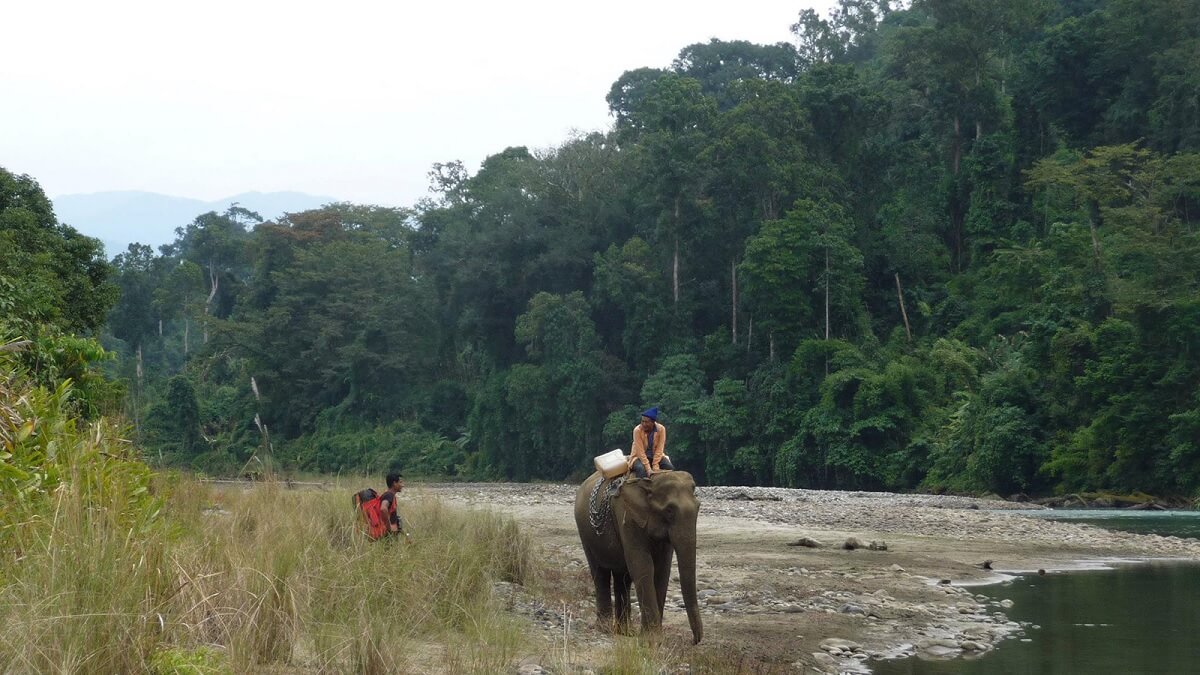
While there are no fixed tourism zones like in national parks elsewhere, Mouling can be explored with the help of local guides. The region is not overly commercial, and access is still largely through unguided trails and community-based tourism initiatives. Explore Arunachal: 7-Day Trip Itinerary Guide
Popular Trails:
- Pasighat to Jengging trail – for advanced trekkers
- Along to Mouling base camp – ideal for cultural plus nature experience
Permits Required:
- ILP (Inner Line Permit): Mandatory for all Indian citizens visiting Arunachal Pradesh. Can be applied online via Arunachal eILP portal.
- Forest Permission: Required for trekking or camping in certain zones; best arranged with help from local tour operators.
We highly encourage traveling with licensed operators who know the area well. This ensures your safety and contributes to the local economy.
Local Culture and Tribal Connection
The Adi tribe, the original settlers of the region, continue to live in harmony with the Mouling ecosystem. They rely on shifting agriculture, traditional herbal medicine, and forest-based crafts. During your visit, you may have the opportunity to stay in a homestay, participate in local harvest festivals, or witness tribal rituals that honor the forest spirits.
This deep cultural link resembles the spiritual ties seen in places like Ayodhya or Kamakhya in Assam, where faith and land are inseparable.
Please remember to dress modestly, ask permission before taking photos, and refrain from littering or disrupting natural habitats.
Where to Stay Near Mouling National Park
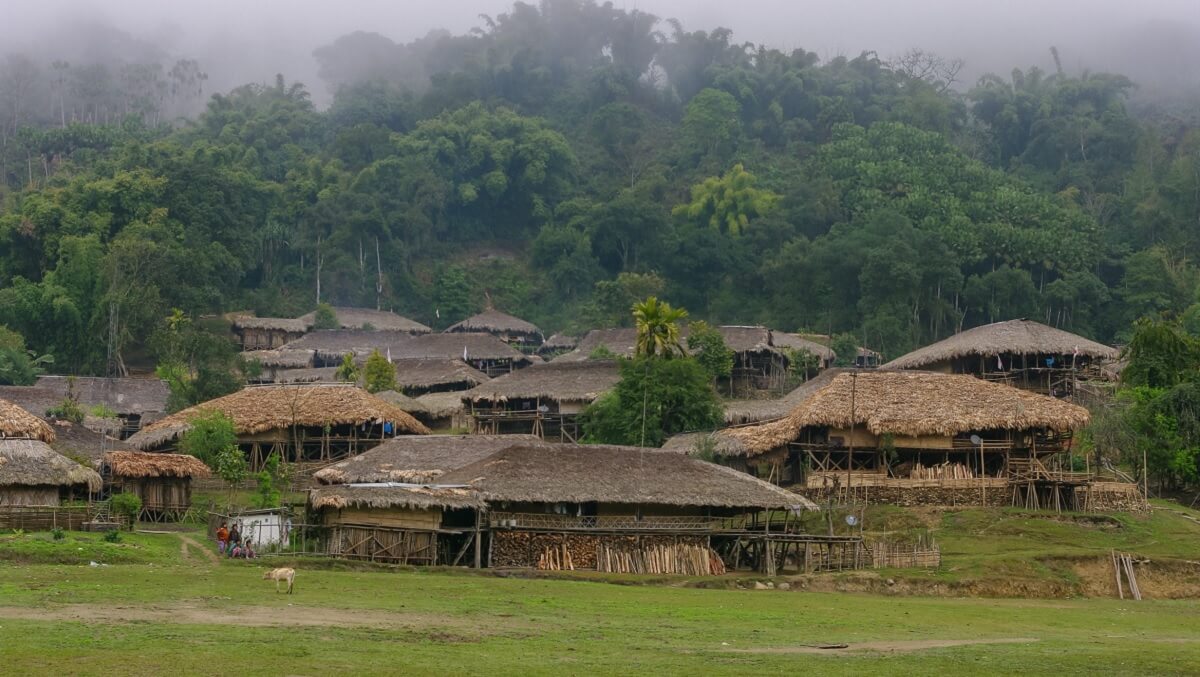
Since Mouling doesn’t yet have commercial resorts or forest lodges, your best options are in the towns of Pasighat, Aalo (Along), or Jengging. Some homestays and eco-lodges may exist closer to the park, often run by local families or community cooperatives.
Recommended Options:
- Siang Eco Lodge, Pasighat – Budget eco-friendly property near the river
- Abor Country River Camp – Riverside tents and bamboo cottages
- Homestays in Aalo – Authentic experience with Adi hosts
Remember to book in advance, especially during winter and festival seasons. For travelers who enjoy nature-based luxury, our forest resort guide in India can offer alternatives across India.
Final Travel Tips for Mouling National Park
- Connectivity: Most areas near Mouling have poor mobile signal; BSNL may work in spots.
- Cash Only: Carry enough cash, as there are no ATMs or digital payment systems in remote zones.
- Packing List: Trekking boots, waterproof clothing, dry snacks, insect repellent, flashlight, and ID documents.
- Health Prep: Carry basic meds, altitude tablets (if trekking), and a reusable water bottle.
- Local Etiquette: Always greet locals respectfully, and respect forested and sacred areas.
If you’re looking for monsoon-compatible escapes, see our blog on wildlife sanctuaries open in July — some of which include unexplored spots like Mouling.
Conclusion: Should You Visit Mouling National Park?
Yes — if you’re someone who values untouched landscapes, biodiversity, and raw cultural immersion. Mouling is not for mass tourism. It’s a slow-travel destination where silence, greenery, and simplicity become your companions. While logistics may be challenging, the reward is a journey into one of India’s last wild frontiers.
If this type of off-grid travel speaks to you, don’t miss our guides to:
- Don’t Miss Out! Your Guide to Ziro Music Festival Awaits!
- Discover Unakoti Rock Carvings in Tripura – Must Visit!
- Plan Your 2025 Trip to Mechuka Valley – Hidden Gem of Arunachal
- Experience Arunachal Pradesh – Top Things to Do in 2025
- Visit Arunachal Pradesh in May – Weather, Spots & Tips
- Book the Best Hotels in Arunachal Pradesh – 2025 Stay Guide
- Ride the Araku Valley Train – Tickets, Timings & More
- Plan a Trip to Unakoti – Rock Carvings & Travel Info
- Escape the Heat – Coolest Hill Stations in India for July
- Explore Offbeat Spiritual Trails in India – Hidden Pilgrimages
- Top Hill Stations Near Kolkata to Explore This Summer
- Discover Best Hill Stations in Northeast India for Summer
- Travel Smart – Budget-Friendly Summer Destinations in India