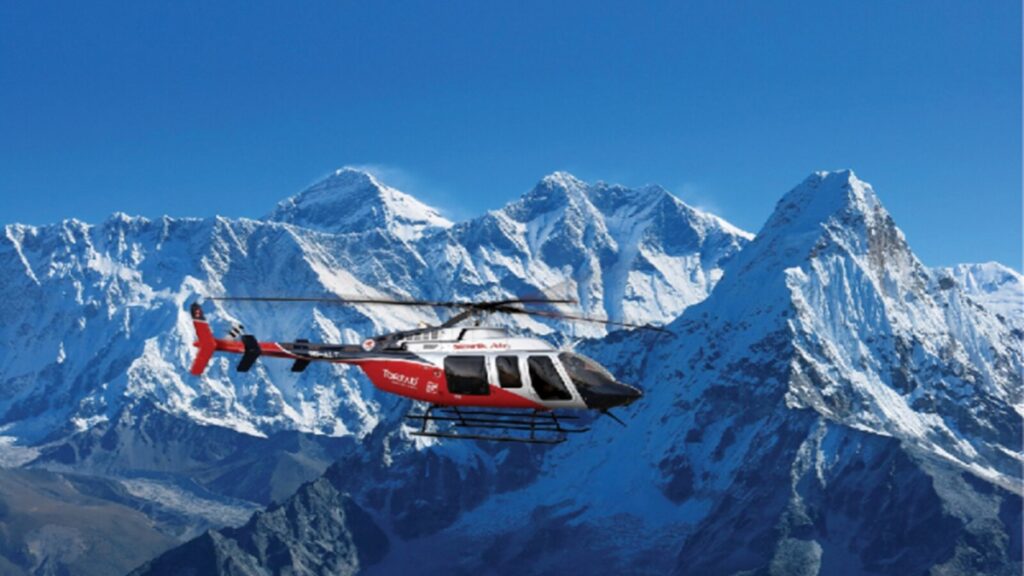
The Union Territory of Ladakh has introduced expanded E-3 helicopter services, marking a significant improvement in air connectivity across some of the most remote and high-altitude regions of the Himalayas. The initiative was formally inaugurated by Ladakh Lieutenant Governor Kavinder Gupta, with the objective of improving mobility, supporting emergency response, and encouraging sustainable tourism in areas that remain difficult to access by road.
Ladakh’s extreme climate, rugged terrain, and long winter road closures make reliable air transport essential rather than optional. The administration has emphasized that helicopter services are a critical lifeline for residents living in isolated valleys, particularly during months when snowfall cuts off surface connectivity.
Expanded Network Covers Key Remote Destinations
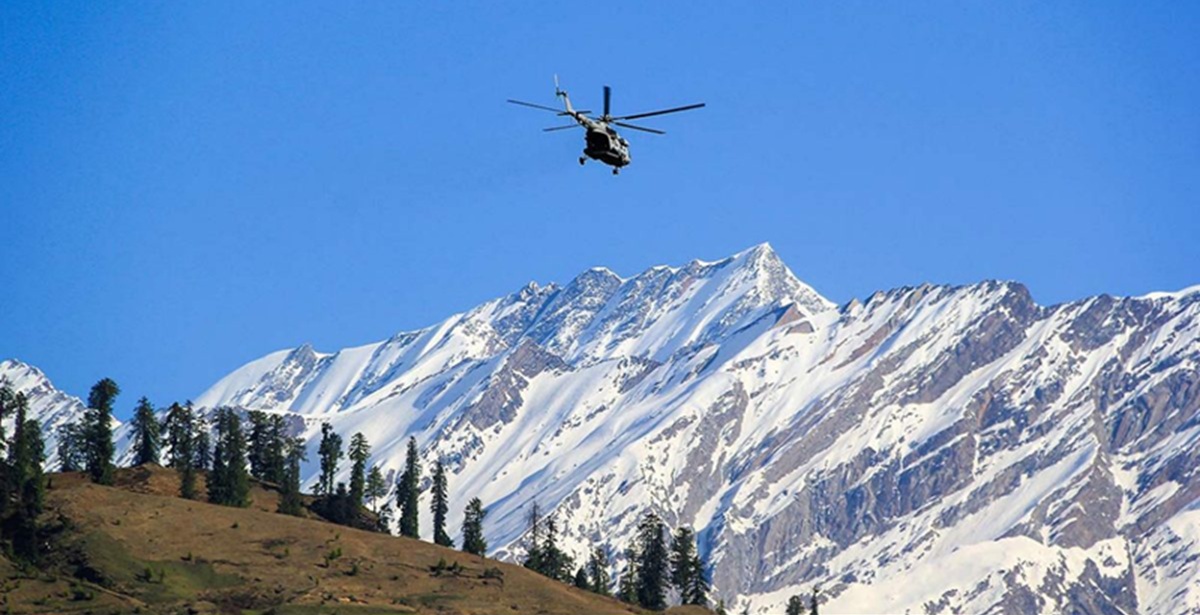
Under the upgraded program, several new and extended helicopter routes have been introduced, connecting Leh with strategically important and geographically isolated regions. These routes include Leh–Kargil, Leh–Padum in Zanskar, Leh–Lingshad, Leh–Dibling, Leh–Nyerak, Leh–Diskit in Nubra Valley, and Leh–Turtuk near the border areas.
These routes significantly reduce travel time that would otherwise involve long and challenging road journeys, often spread across multiple days. The introduction of revised subsidised fares is expected to make helicopter travel more affordable and accessible not only for residents but also for visitors and service providers operating in these regions. 4 Nights 5 Days Ladakh Tour Package
Critical Support During Winter and Medical Emergencies
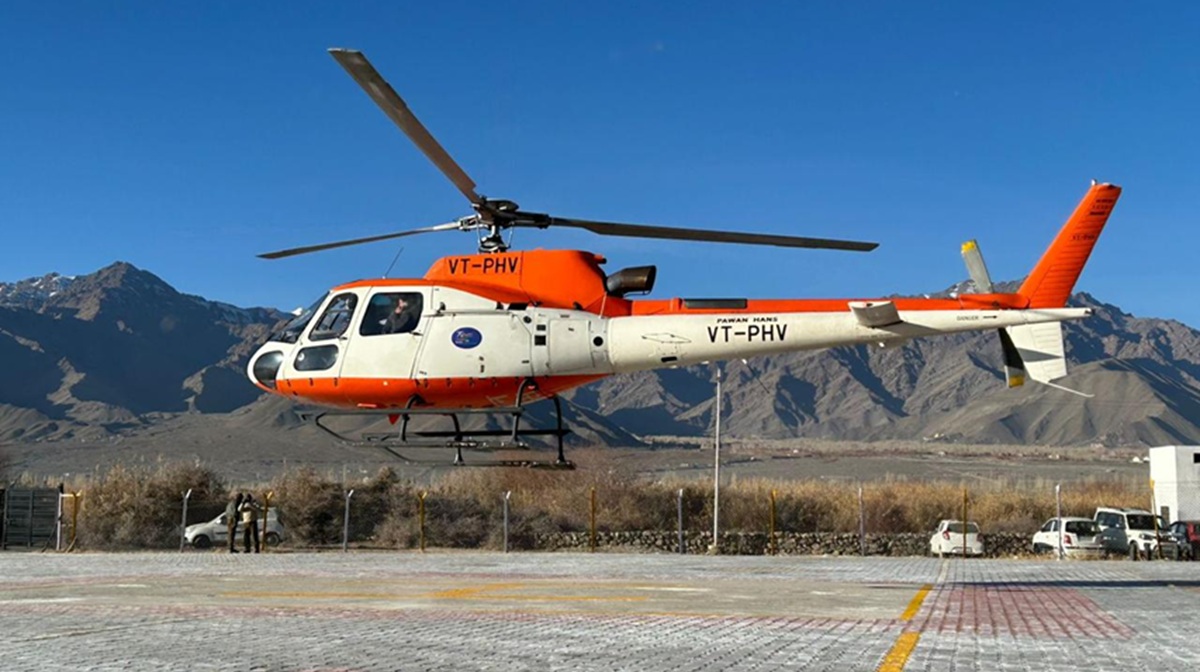
One of the most important aspects of the expanded helicopter services is their role in emergency and healthcare access. During winter, many parts of Ladakh, especially Zanskar and interior villages of Nubra, remain completely cut off due to heavy snowfall and frozen passes.
The helicopter network enables rapid evacuation of patients, transport of doctors and medical supplies, and swift response during natural emergencies. Authorities highlighted that these services play a vital role in saving lives when road access becomes impossible for weeks or even months.
In addition to medical emergencies, helicopters are also used to deliver essential commodities, assist administrative outreach, and ensure continuity of governance in far-flung villages.
Positive Impact on Tourism and Local Economy
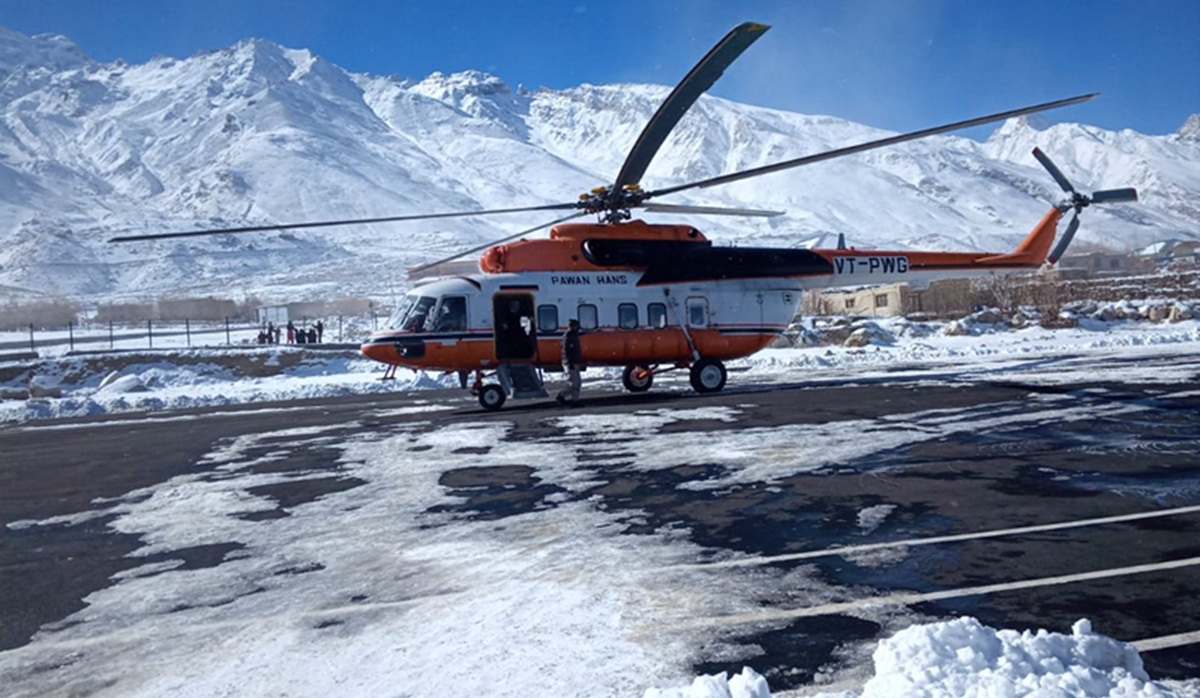
The enhanced helicopter connectivity is expected to open new opportunities for responsible tourism in Ladakh. Remote destinations known for their dramatic landscapes, ancient monasteries, and unique cultural traditions are likely to become more accessible, particularly for travelers with limited time or those seeking offbeat experiences.
Improved access also benefits local communities by increasing visitor footfall, supporting homestays, local guides, and small businesses. Officials believe that better connectivity will generate employment opportunities and strengthen the local economy without overburdening traditional road infrastructure. Ladakh itinerary, 6 Days Ladakh Tour Package Itinerary
Part of a Broader Development Vision
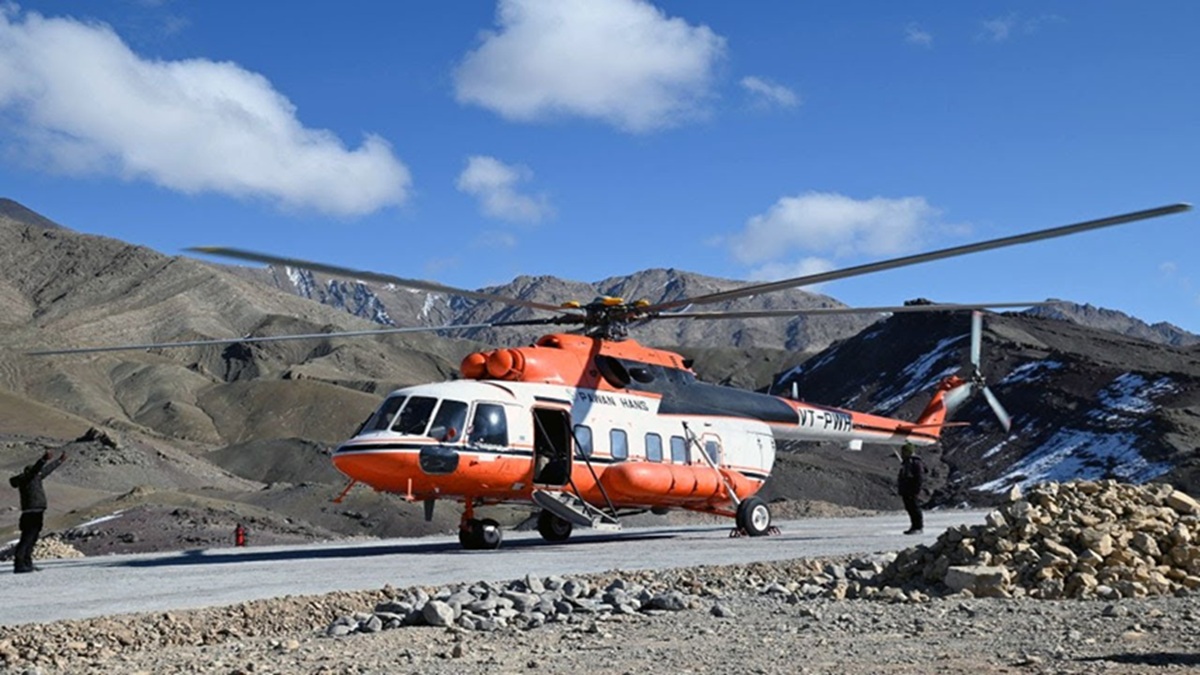
Lieutenant Governor Kavinder Gupta stated that the expansion aligns with the government’s long-term vision to strengthen infrastructure and connectivity in border and high-altitude regions. Improved air services are seen as a foundation for balanced regional development, enhanced disaster preparedness, and improved quality of life for residents.
Chief Secretary Pawan Kotwal noted the increasing demand for dependable helicopter services from residents of Zanskar and Singge-Lalok, especially during the winter season. He confirmed that passengers can book helicopter seats through an online reservation system, ensuring transparency and ease of access. Check out this: 6 Nights 7 Days Leh Ladakh Tour Package
What Travelers Should Know
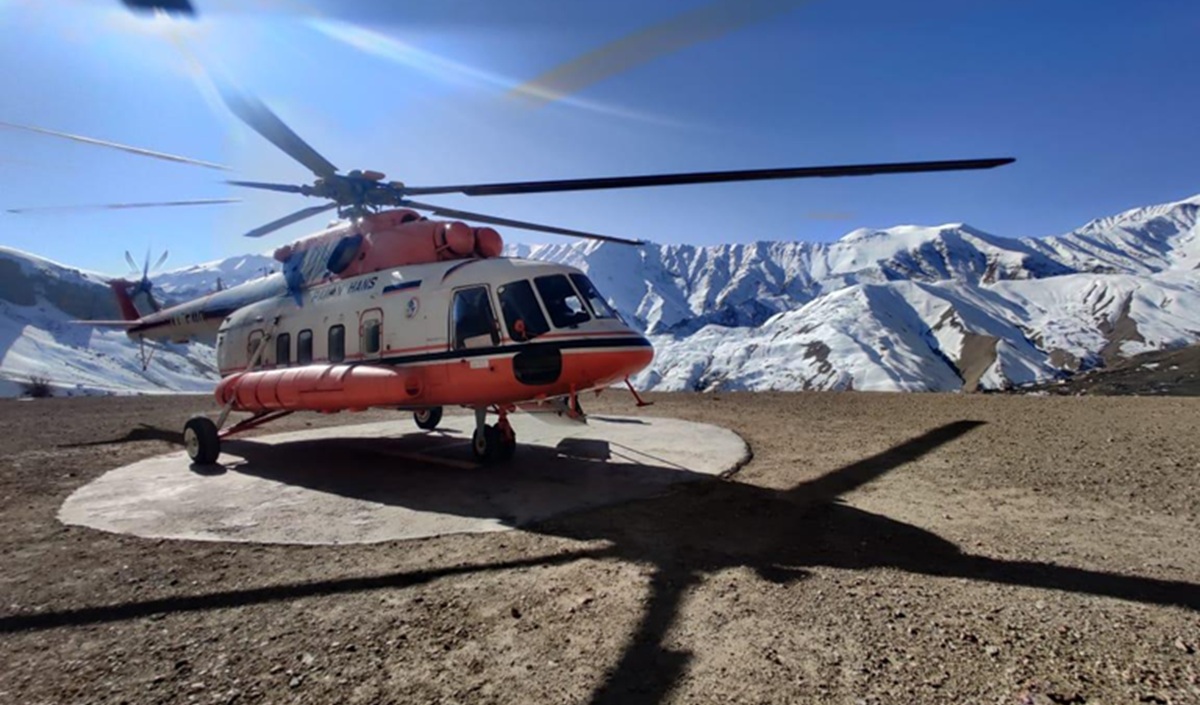
For travelers planning a trip to Ladakh. The expanded E-3 helicopter services offer greater flexibility, improved safety, and easier access to remote areas that were once logistically challenging. While helicopters are not a replacement for Ladakh’s iconic road journeys, they provide a valuable alternative when weather conditions or time constraints limit road travel.
As Ladakh continues to enhance its aviation and transport infrastructure. The region is gradually becoming more accessible while maintaining its raw Himalayan character. The expanded helicopter services represent a meaningful step toward bridging distances, supporting communities. Making high-altitude travel safer and more efficient for everyone.
Find More Inspiration:
- Ladakh Trip Budget Guide: Costs & Planning Tips
- Ladakh Permits Guide: Areas & Application Process
- Visiting Ladakh in May: Weather, Tips & Events
- Apricot Blossom Festival 2025 in Ladakh: What to Expect
- Silk Route Ladakh: History & Top Places to Explore
- Ladakh in April 2025: Travel Guide & Things to Do
- Magnetic Hill Ladakh: Mystery, Location & Travel Info
- First Time in Ladakh? Step-by-Step Trip Planning Guide
- Leh Ladakh in January 2025: Weather & Travel Guide
- Traveler’s Guide: Karakoram Wildlife Sanctuary (Nubra Shyok)
- Pangong Lake: Your Ultimate Travel Guide
- Is Magnetic Hill Real? Facts and Science Explained
- Discover Peace at Leh’s Shanti Stupa
- How to Reach Ladakh from Major Indian Cities
- How to Stay Safe from AMS While Visiting Ladakh
- Stok Kangri Trek – A High-Altitude Highlight of Your Ladakh Trip
- Zojila Pass Road Status: A Complete Guide
- Want the Best July Weather in Ladakh? Read This Road Trip Guide!
- 10+ Most Instagrammable Spots In Ladakh
- Stok Kangri Trek – A High-Altitude Highlight of Your Ladakh Trip
- Hemis Festival 2025: Date, Timings, Meaning, Significance, and Celebrations
- How to Plan a New Year 2026 Trip to Leh Ladakh: Complete Practical Guide
- Ladakh Strengthens Remote Connectivity with Expanded E-3 Helicopter Services