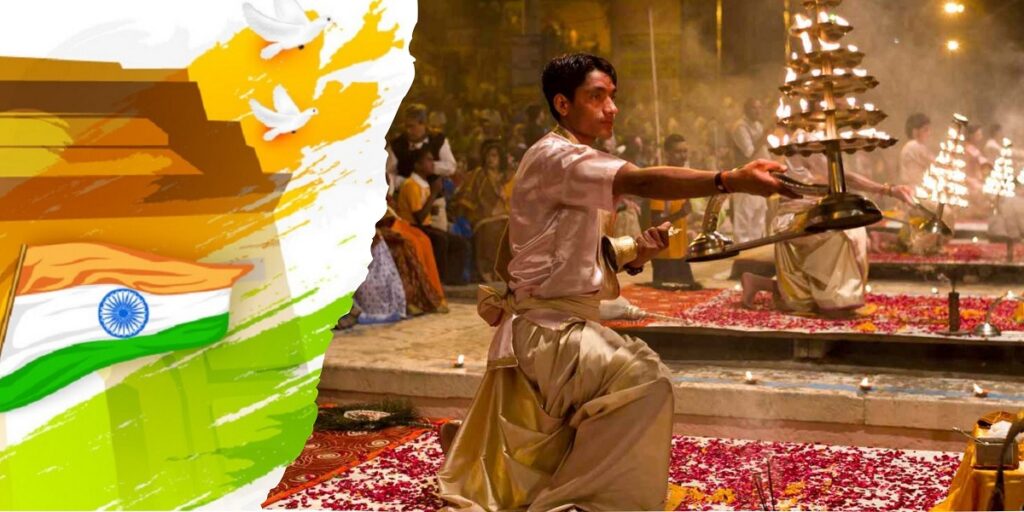
India is more than just a country — it’s a spiritual journey. Known as the Land of Peace and Spirituality, India has drawn seekers, sages, and soul-searchers for thousands of years. From the foothills of the Himalayas to the ghats of Varanasi, the essence of India lies in its timeless traditions, inner wisdom, and sacred spaces that offer peace in a chaotic world. In this blog, we explore 10 powerful reasons why India continues to inspire spiritual transformation and global reverence.
1. What Makes India the Land of Peace and Spirituality?

India is not just a country — it is a state of mind, a landscape where peace and spirituality are not mere ideas but deeply lived experiences. From the icy peaks of the Himalayas to the banks of the Ganges, from forest hermitages to bustling temple towns, every corner of India whispers of inner transformation, cosmic balance, and human awakening.
For thousands of years, seekers, sages, and pilgrims have come to India in search of truth. Today, modern travelers arrive not only to witness ancient monuments but to touch something more profound — a stillness that lives beneath the surface of chaos, a presence that transcends religion and language.
But why exactly is India called the Land of Peace and Spirituality? This blog explores ten powerful reasons — rooted in history, culture, tradition, and energy — that make India one of the world’s most spiritually magnetic places.
2. India: The Birthplace of Spiritual Wisdom
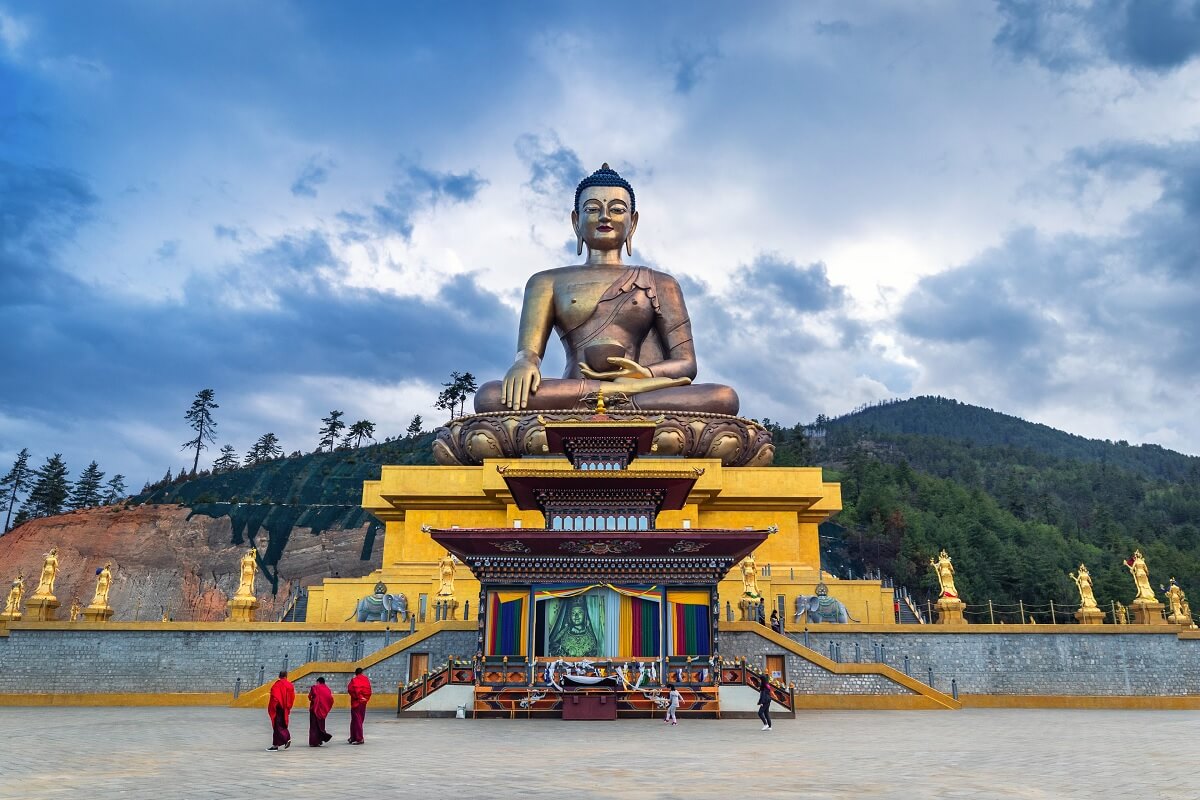
India is the cradle of four major world religions:
- Hinduism
- Buddhism
- Jainism
- Sikhism
Each of these traditions promotes principles of non-violence, inner peace, meditation, karma, and liberation.
Hinduism
The world’s oldest living religion — more than 4,000 years old — centers on balance, dharma (righteous living), and moksha (liberation of the soul). Concepts like Ahimsa (non-violence) and Atman (inner self) are at the core of its teachings.
Buddhism
Founded by Siddhartha Gautama (the Buddha) in India around the 6th century BCE, Buddhism teaches the Four Noble Truths, the Eightfold Path, and the importance of mindfulness and compassion.
Jainism
Predating or parallel to early Hinduism, Jainism is one of the most non-violent religions in the world. Monks go to great lengths to avoid harming even the smallest creatures.
Sikhism
Born in the 15th century in Punjab, Sikhism emphasizes equality, devotion, service, and the inner connection to the Divine — a peaceful path rooted in simplicity and unity.
These faiths may differ in practice but intersect in philosophy, all pointing toward the inward journey and peaceful co-existence. Explore Offbeat Spiritual Trails in India – Hidden Pilgrimage Routes
3. The Himalayas – India’s Natural Temples of Peace
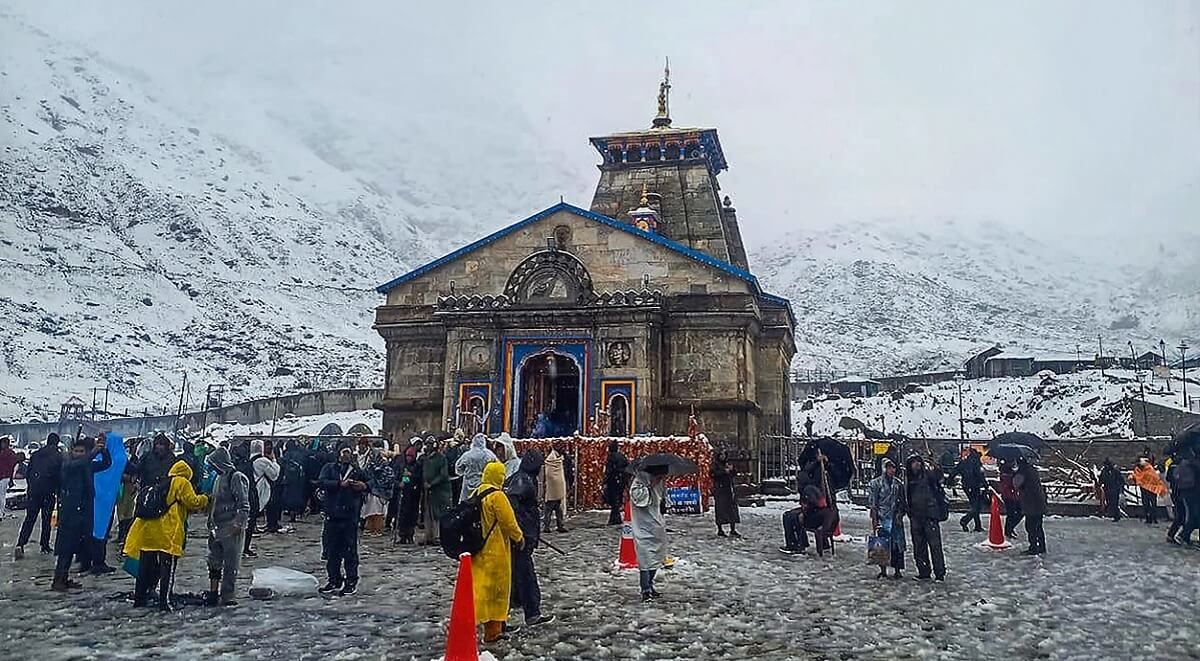
The Himalayas are not just mountains — they are mythical beings, spiritual guardians of the subcontinent. For millennia, these ranges have been considered the abode of sages, saints, and yogis, a realm where the earthly meets the eternal.
Why the Himalayas Symbolize Peace:
- Home to Rishikesh, the “Yoga Capital of the World”
- Sacred rivers like Ganga (Ganges) originate here, worshipped as life-giving goddesses
- Monasteries, ashrams, and caves where saints meditated for years in silence
- Villages where ancient rituals are still performed under moonlight and snowfall
Even today, the Himalayas continue to draw modern seekers to meditate, reflect, and connect with nature in ways that evoke deep inner clarity.
4. Sacred Texts That Shaped the World’s Spiritual Thinking
India’s spiritual wisdom isn’t new — it’s ancient and continually evolving. Long before modern psychology and self-help literature, Indian seers had already mapped the landscapes of the human mind and soul.
Key Texts That Shape India’s Spiritual Identity:
- The Vedas: Oldest scriptures detailing cosmic order, rituals, and divine hymns
- The Upanishads: Philosophical dialogues about the soul, consciousness, and ultimate truth
- The Bhagavad Gita: A conversation on duty, devotion, and self-realization — considered a universal spiritual guide
- The Yoga Sutras of Patanjali: A scientific, step-by-step path to inner peace through mind control and ethical living
These texts emphasize introspection, compassion, truth-seeking, and the liberation of the self from suffering — ideas that remain globally relevant even today. Discover Monasteries in Himachal Pradesh – Peaceful Spiritual Escapes
5. Yoga and Meditation: India’s Gifts for Global Peace
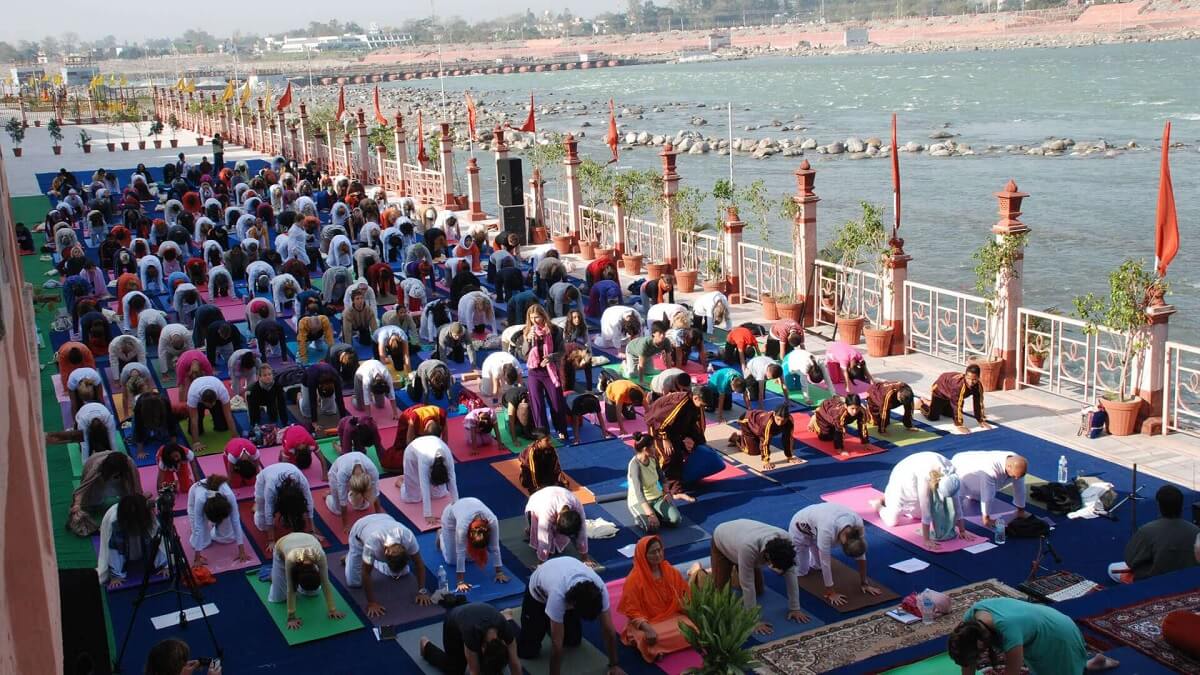
Perhaps India’s most universal offering to the modern world is yoga — a system of physical, mental, and spiritual discipline aimed at achieving harmony between the body, mind, and soul.
Yoga: More Than Poses
True yoga, as practiced in India, goes beyond flexibility and fitness. It includes:
- Asanas (postures)
- Pranayama (breath control)
- Dhyana (meditation)
- Yamas & Niyamas (ethical disciplines)
- Samadhi (blissful absorption)
India also gave birth to a variety of meditation techniques used worldwide, such as:
- Vipassana: Awareness-based Buddhist practice
- Transcendental Meditation
- Mindfulness and Nada Yoga (sound meditation)
These practices have been scientifically shown to reduce stress, anxiety, and depression — proof that ancient Indian wisdom continues to heal and center people in the 21st century. Top 6 Pilgrimage Destinations to Visit in July – Start Your Sacred Journey
6. India’s Holiest Places: Pilgrimage and Inner Discovery
In India, the land itself is considered sacred. Mountains, rivers, forests, caves, and even entire cities are believed to be imbued with divine energy. This is why pilgrimage (yatra) is not simply a religious duty — it’s a journey inward, a walking meditation across centuries-old spiritual paths.
Iconic Pilgrimage Sites:
- Varanasi: The spiritual capital of India, where life and death meet on the ghats of the Ganges.
- Bodh Gaya: Where the Buddha attained enlightenment under the Bodhi Tree.
- Amritsar: The golden glow of the Harmandir Sahib (Golden Temple) reflects Sikh devotion and equality.
- Rameswaram: One of the Char Dhams — a sacred destination where land meets sea and prayer meets peace.
- Kedarnath, Badrinath, Yamunotri, Gangotri: The Char Dham of the Himalayas — harsh yet holy, these places invite the devoted to test their spirit.
Even remote hilltops, sacred groves, or simple village shrines can be spaces of profound peace. In India, geography becomes theology, turning the act of travel into a sacred practice.
7. Ahimsa: The Practice of Non-Violence in Indian Culture
India’s commitment to Ahimsa (non-violence) is not just a philosophical concept — it has shaped its history, movements, and moral compass.
Mahatma Gandhi and Peaceful Resistance
Inspired by the teachings of Jainism, Hinduism, and the Bhagavad Gita, Mahatma Gandhi led India’s freedom movement through non-violent civil disobedience, inspiring leaders like Martin Luther King Jr. and Nelson Mandela.
Gandhi’s principle of Satyagraha (truth-force) was grounded in:
- Non-violence (Ahimsa)
- Compassion for all living beings
- Self-discipline and simplicity
- Inner peace as a force for outer change
Even today, the idea of “peace through truth” lives on in Indian social, environmental, and spiritual movements.
Everyday Ahimsa
In Indian homes, rituals of non-violence are woven into daily life:
- Feeding stray animals
- Avoiding harm to insects during cleaning
- Practicing vegetarianism for ethical reasons
- Teaching children to be gentle with nature
Ahimsa isn’t abstract. In India, it’s a daily spiritual discipline that shapes how people speak, act, and coexist.
8. Temples and Ashrams: Where Peace Is Practiced Daily
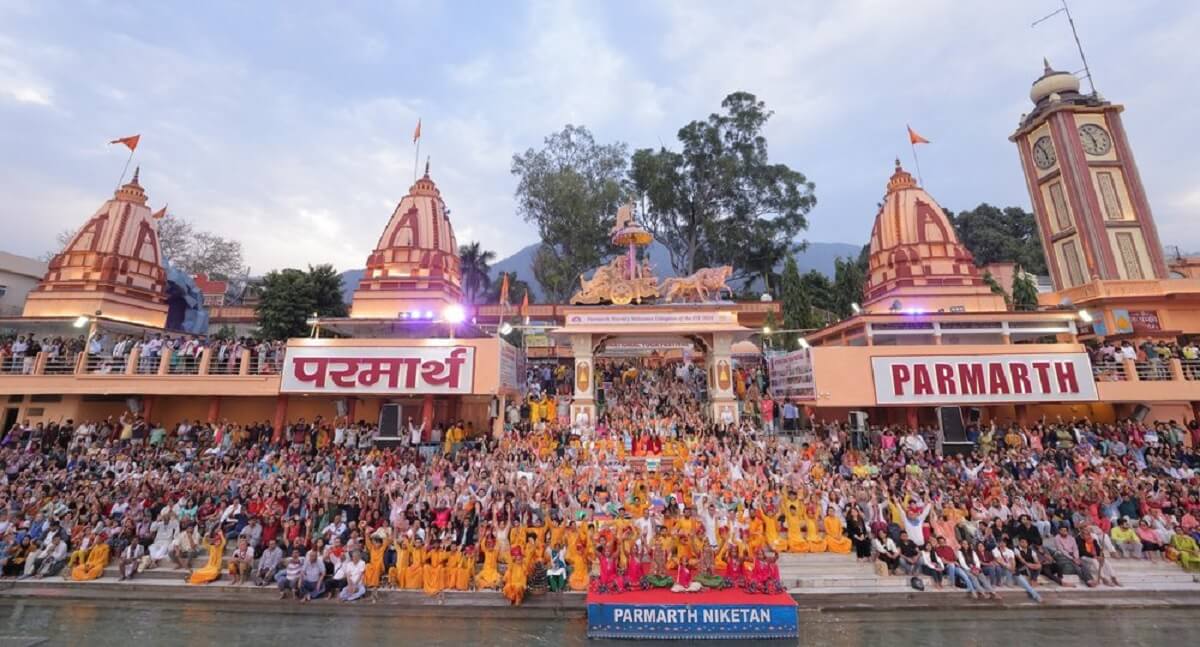
Across India, you’ll find countless spaces where silence reigns, bells chime softly, and incense rises in spirals — sanctuaries that offer stillness and refuge in a fast-paced world.
Temples and Shrines
Indian temples are more than architectural marvels — they are energy centers, where every stone hums with prayer. From the Sun Temple in Konark to the Meenakshi Temple in Madurai, these sacred places offer both spiritual power and meditative calm.
Ashrams and Spiritual Retreats
Ashrams are spiritual communities where seekers study, meditate, and live a simple life. Notable ashrams include:
- Parmarth Niketan (Rishikesh): Overlooks the Ganges and offers yoga, Ganga aartis, and satsangs.
- Sri Aurobindo Ashram (Puducherry): Based on integral yoga and conscious living.
- Isha Yoga Center (Coimbatore): Founded by Sadhguru, blending yoga, ecology, and inner exploration.
- Tushita Meditation Centre (Dharamshala): A Buddhist center offering silent retreats in the mountains.
What You Can Do There:
- Participate in guided meditations or silent retreats
- Attend philosophy talks, chanting sessions, or karma yoga
- Experience seva (selfless service), a spiritual act of peace through work
These centers welcome people of all faiths and backgrounds, encouraging unity, compassion, and inner quietude. Must-Visit Pilgrimage Sites in May – Plan Your Spiritual Trip Now
9. India’s Religious Harmony and Spiritual Pluralism
One of India’s most remarkable traits is its philosophical and spiritual pluralism. Here, many truths coexist peacefully.
A Land of Many Faiths
India is home to:
- The largest Hindu population in the world
- A deep-rooted Muslim heritage
- A thriving Christian community
- Jain, Sikh, Buddhist, Jewish, Baháʼí, and Parsi communities
- Ancient tribal spiritualities still practiced in remote regions
In many towns, you’ll find a mosque beside a church, a temple across from a gurdwara, or a Sufi dargah beside a Buddhist stupa.
Dialogue Over Dogma
Indian philosophy encourages debate, dialogue, and diversity. Schools of thought like:
- Advaita Vedanta (non-dualism)
- Samkhya (dualism and liberation)
- Charvaka (materialist atheism)
…all coexisted and were debated respectfully — sometimes in royal courts.
Peace in India isn’t enforced — it’s embraced. It’s part of the cultural DNA to listen before judging, to welcome a variety of beliefs, and to believe that truth has many forms.
10. Why India Continues to Inspire Spiritual Seekers Today
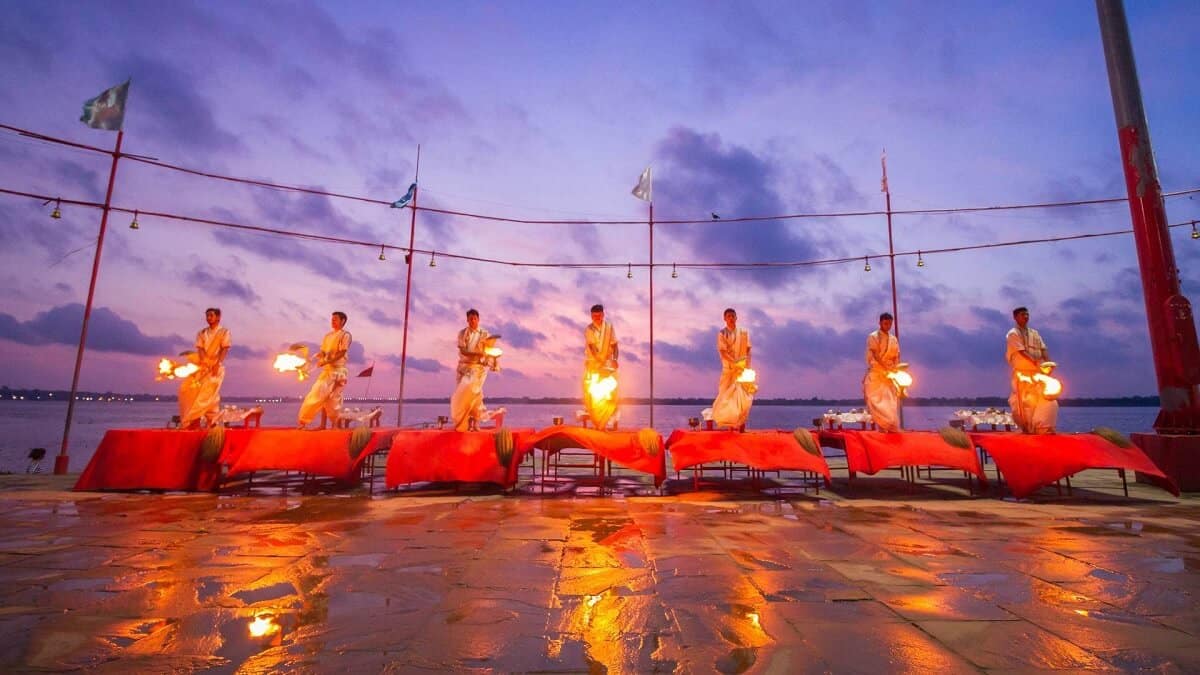
Despite its noise, crowds, and contrasts, India offers a paradox: the deeper you go into its chaos, the more peace you may discover.
Modern Seekers Still Come to India
- Backpackers in search of purpose
- Burned-out professionals attending silent retreats
- Yogis and meditators returning to ancient roots
- Artists, healers, and philosophers drawn to India’s mysticism
They come to walk the ghats of Varanasi, to sit cross-legged in Dharamshala, to hear the chants echoing in a Rajasthani temple at dawn.
Many leave transformed — not because India gave them something new, but because it helped them remember what they already knew: that peace begins within. Weekend Destinations Near Udaipur: 10 Scenic Getaways for a Perfect Short Trip
Conclusion: What It Means to Find Peace in India
So, why is India called the Land of Peace and Spirituality?
Because in India, peace isn’t the absence of noise — it’s the presence of purpose.
spirituality isn’t an escape — it’s a return to what matters.
Because in India, you don’t just visit sacred places — you become sacred by being present.
Whether you come to meditate, explore, or simply breathe, India welcomes you — not just with temples or texts, but with timeless stillness and boundless heart.
Tips for a Spiritual Journey in India
Where to Start:
- Rishikesh: For yoga, Ganga Aarti, and ashrams
- Varanasi: For soul-deep rituals and contemplation
- Dharamshala: For Buddhist teachings and mountain peace
- Auroville: For community living and universal spirituality
- Pune, Coimbatore, Tiruvannamalai: For unique paths of spiritual practice
What to Pack:
- Loose, comfortable clothing
- A shawl or scarf for temples
- Journal for reflections
- Open mind, quiet heart
FAQs
Why is India considered a spiritual country?
India is the birthplace of major religions and spiritual philosophies like Hinduism, Buddhism, and yoga. It promotes peace, meditation, and inner growth.
What is the most peaceful place in India?
Rishikesh, Varanasi, Auroville, and Dharamshala are among India’s most peaceful spiritual destinations.
How can I experience spirituality in India?
Visit ashrams, attend yoga retreats, take part in temple rituals, explore ancient texts, or meditate in the Himalayas.
You Might Also Like:
- Plan Your Trip to Mahabaleshwar in July – Weather, Top Attractions & Travel Tips
- Discover Wayanad in July – Weather Guide & Must-Do Activities
- Explore Ayodhya in July 2025 – Weather, Rituals & Travel Advice
- Experience Varanasi in July – Weather, Rituals & Travel Essentials
- Visit Ladakh in July 2025 – Road Trip Itinerary & Top Places to See
- Get Ready for Kedarnath in July 2025 – Weather, Travel Tips & Highlights
- Explore North India in July – Complete Weather & Travel Guide
- Visit Mukteshwar Temple, Nainital – Your Complete Travel & Spiritual Guide