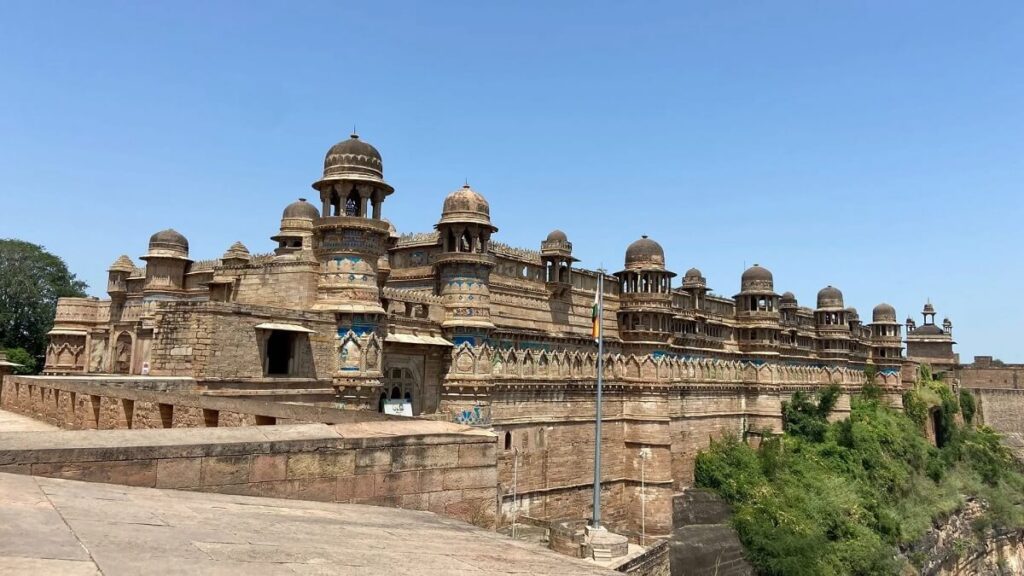
From the Aravalli hills of Rajasthan to the Sahyadris in Maharashtra, India’s historical forts were not just military outposts — they were architectural marvels built to command nature. But it’s only in the monsoon that these historical forts come alive with a different kind of grandeur. Draped in mist, rain-washed stone, and lush greenery, these ancient bastions turn into cinematic wonders, ideal for a rainy weekend escape.
Below, we explore 11 historical forts in India that look most majestic during the rainy season, complete with travel tips, nearest cities, and monsoon charm.
1. Sinhagad Fort – Maharashtra
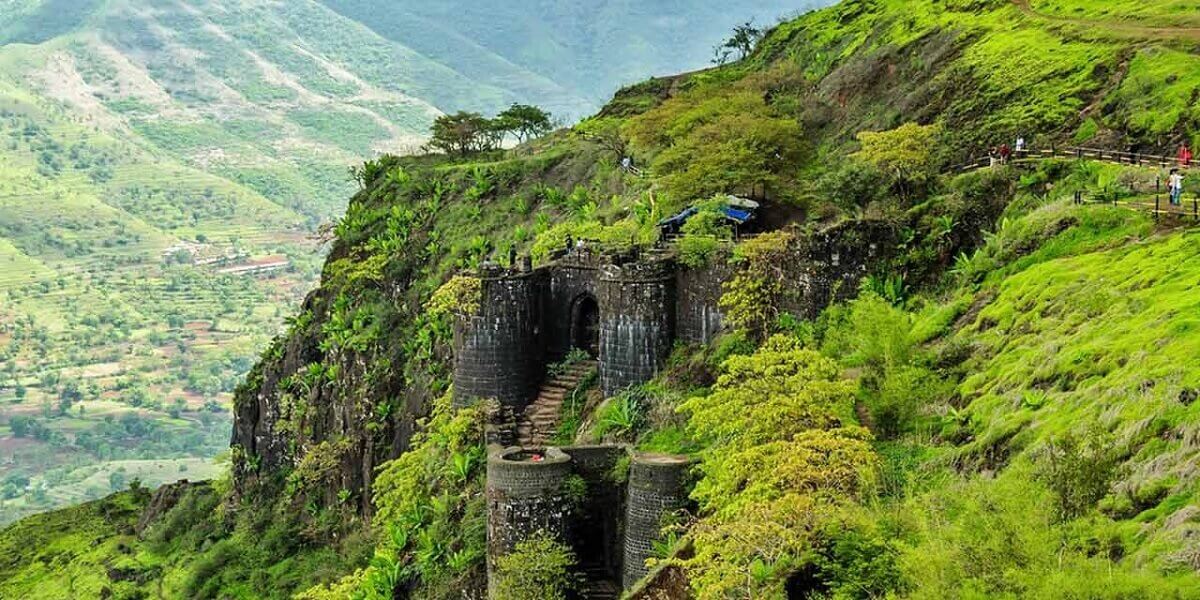
Nearest city: Pune (~35 km)
Best for: Trekking, panoramic views, misty mountain magic
Monsoon transforms the dry Sahyadris into a lush, green wonderland, and Sinhagad Fort sits right in the heart of it. This iconic hill fort, with its crumbling bastions and Maratha-era history, offers a dramatic view over the valley — especially when clouds sweep in low and thick.
Trekkers love the early morning climb through light rain and fog. Once at the top, you can enjoy hot kanda bhajji and chai from the fort-side stalls while the wind whistles through ancient stone walls.
It’s a quick weekend destination from Pune, popular for both history buffs and nature lovers during July and August.
👉 Related Reads: Weekend Trips from Pune
2. Kumbhalgarh Fort – Rajasthan
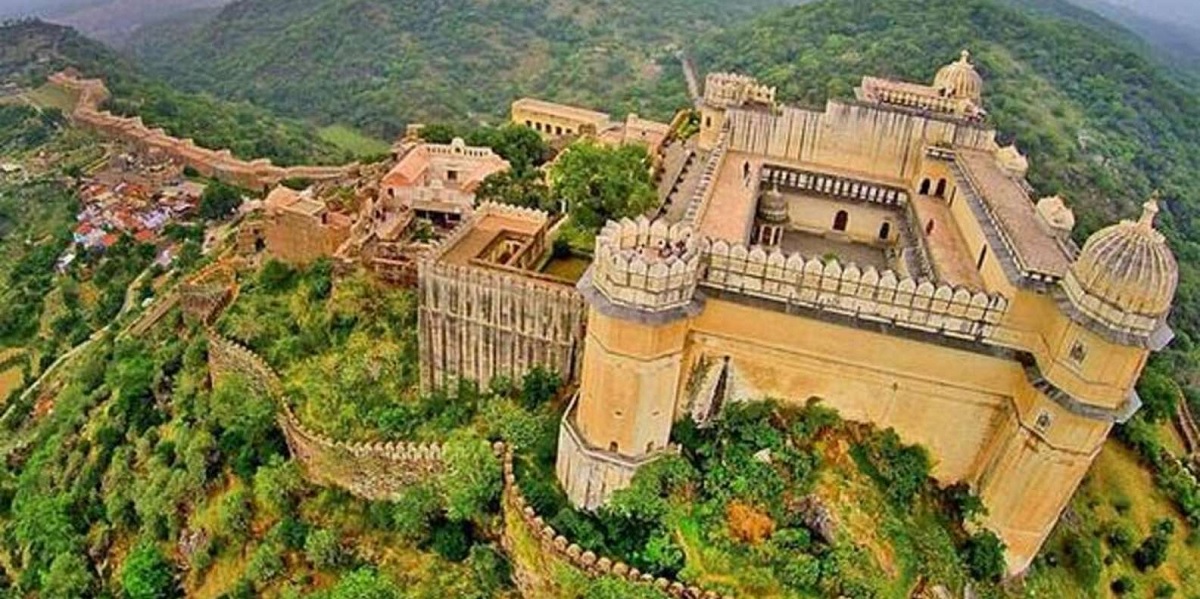
Nearest city: Udaipur (~85 km)
Best for: Historic grandeur, forested backdrop, light shows in the mist
A UNESCO World Heritage Site, Kumbhalgarh Fort is most famous for its 36-km-long wall — second only to the Great Wall of China. But in the monsoon, the surrounding Aravalli hills get blanketed in green, making it one of the most photogenic forts in India.
The light drizzle adds a soft glow to its ramparts, while the clouds swirl dramatically around the 13 mountain peaks the fort spans. Exploring this mighty Rajput fortress during rain feels like walking through a forgotten kingdom.
👉 Related Reads: 4-Day Udaipur Itinerary
3. Rajmachi Fort – Maharashtra

Nearest city: Lonavala (~15 km)
Best for: Rain treks, remote ruins, forested ambiance
The Rajmachi trek is a monsoon classic in Maharashtra. This twin fort — comprising Shrivardhan and Manaranjan forts — is perched above the Sahyadris and enveloped in dense jungle.
The trail becomes muddy, lush, and alive with waterfalls. Wildflowers bloom across the plateau in August. The fog wraps the stone towers like a scene from an epic film. Due to its offbeat location, the fort never feels overcrowded, even during peak season.
👉 Related Reads: Things to Do in Lonavala
4. Chittorgarh Fort – Rajasthan
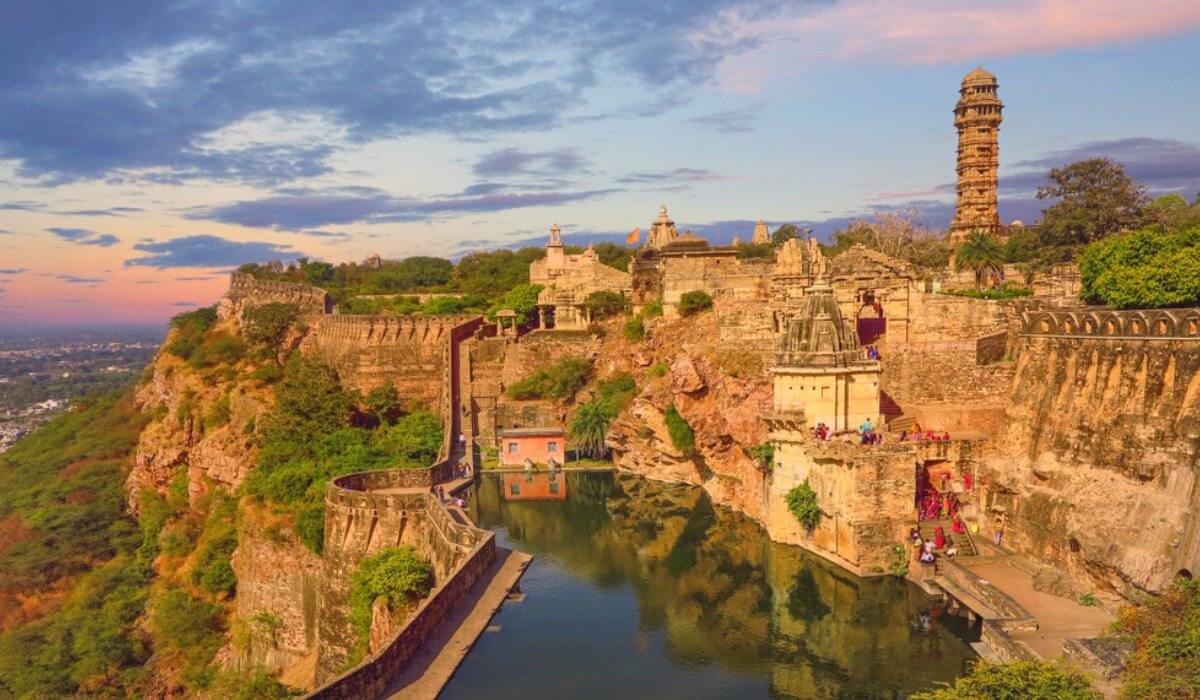
Nearest city: Udaipur (~120 km)
Best for: Monumental architecture, monsoon photography, royal history
The Chittorgarh Fort, among the largest in India, towers over the plains of Rajasthan. During the rains, the dry landscape gets a rare green tinge, and rain-slick stone surfaces reflect the sky’s changing colors.
With its legendary tales of valor, this fort houses palaces, stepwells, and temples — each made more atmospheric by the monsoon fog. Gaumukh Reservoir, filled with rainwater, looks surreal against the backdrop of grey sandstone.
5. Bekal Fort – Kerala
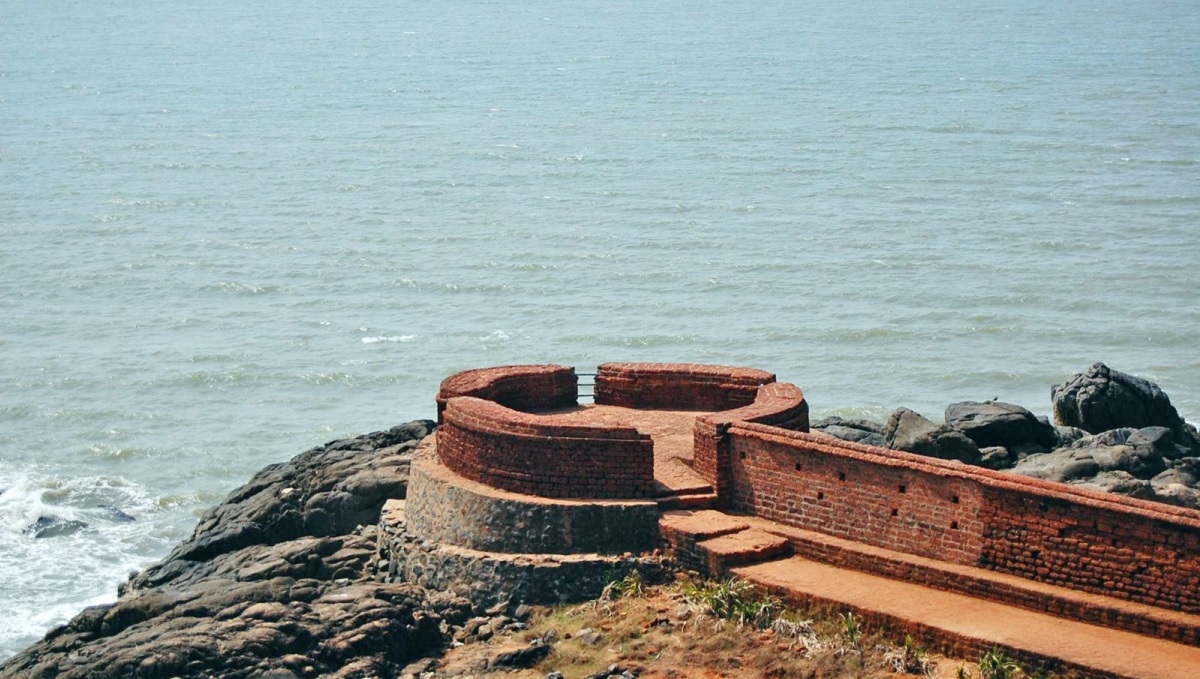
Nearest city: Mangalore (~65 km)
Best for: Sea views, coastal rain vibes, cinematic locations
Kerala’s Bekal Fort stands as a sentinel facing the Arabian Sea. Famous for its curved bastions and scenic beachside setting, this 17th-century structure is even more stunning during July and August when the sea is stormy and the fort’s laterite walls drip with rain.
You may recognize it from songs in Bollywood films, but its real magic is in the contrast between red stone, green grass, and dark clouds — a monsoon photographer’s dream.
👉 Related Reads: Kerala in July Travel Guide
6. Mehrangarh Fort – Jodhpur
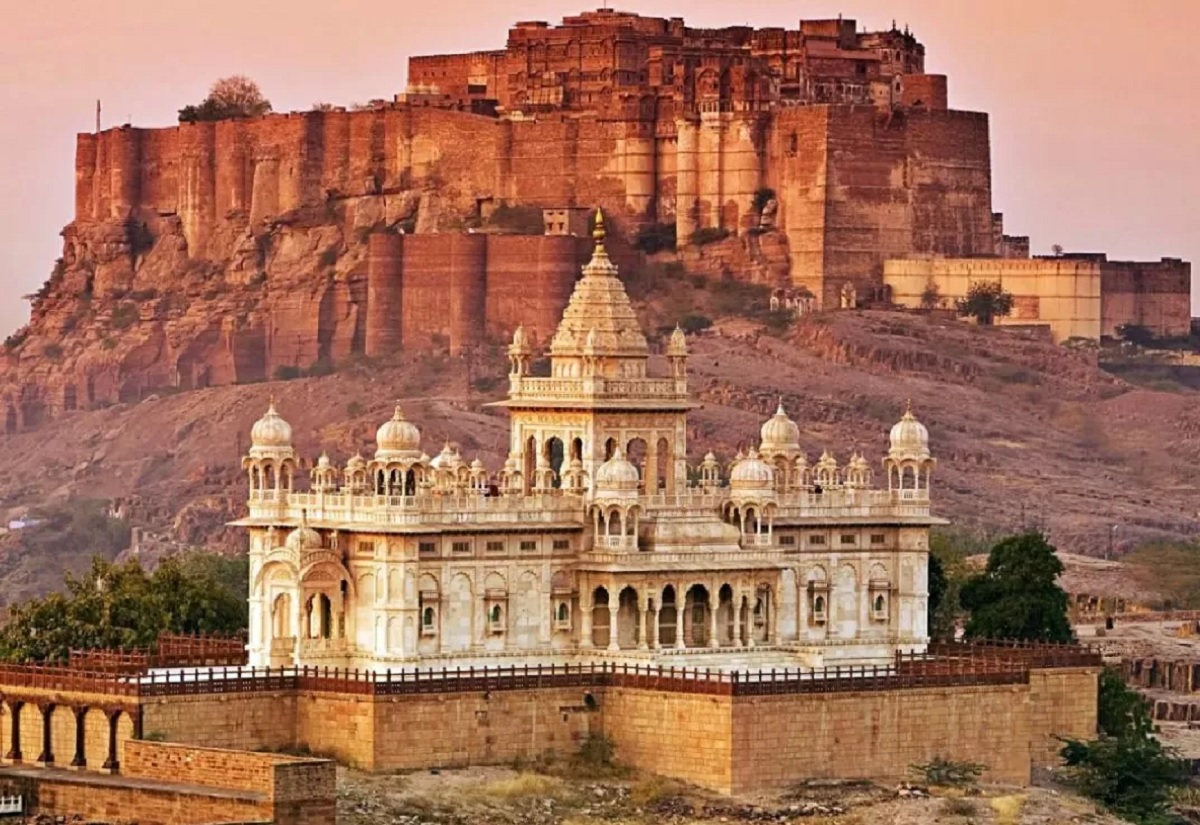
Nearest city: Jodhpur
Best for: Monsoon desert contrast, historic museums, scenic elevation
While Jodhpur doesn’t receive heavy rainfall, the occasional July and August drizzle brings a romantic mood to the mighty Mehrangarh Fort. Perched high above the Blue City, the fort’s sandstone walls look especially majestic with a rain-washed hue.
The monsoon brings cool breezes that make it comfortable for long walks through the fort’s palaces, galleries, and ramparts — with panoramic views over the city below.
👉 Related Reads:
Mehrangarh Fort Travel Guide
Jodhpur Monuments & Activities
7. Gwalior Fort – Madhya Pradesh
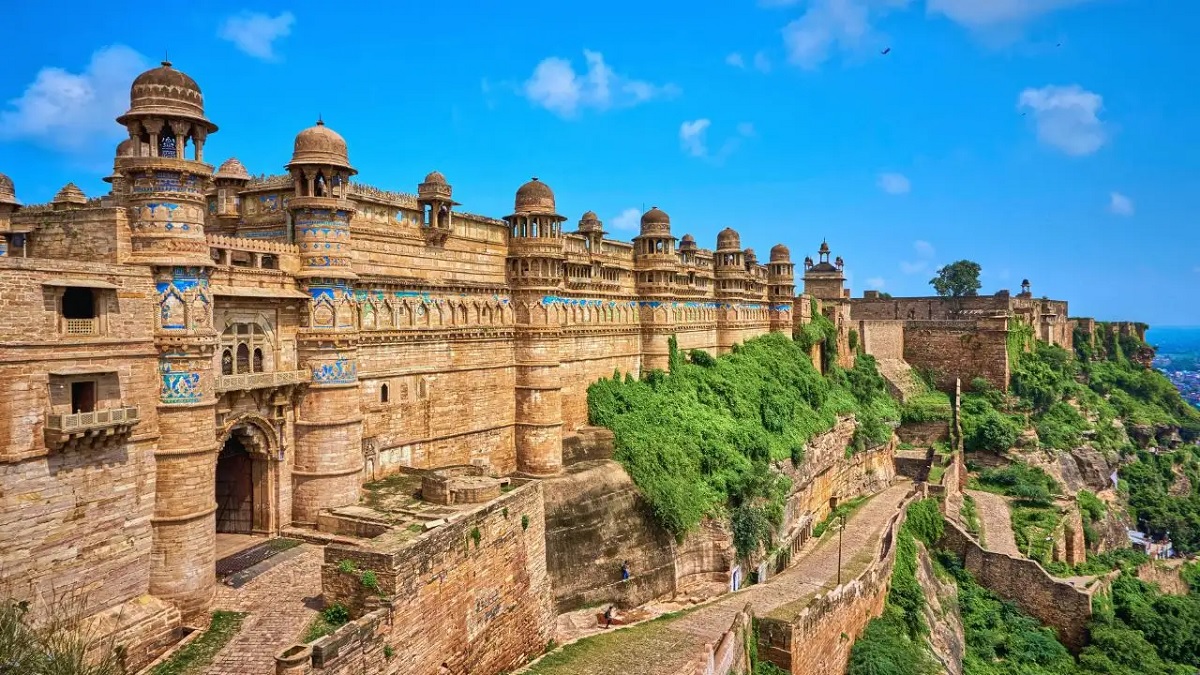
Nearest city: Gwalior
Best for: Historic carvings, lesser-known grandeur, palace walks
This towering sandstone fort, built across a 3-km-long plateau, transforms with the first showers. The green surroundings enhance the detailed carvings on the temples, palaces, and gates.
The Man Singh Palace, with its blue-tiled façade, glistens under overcast skies, and the hilltop vantage point offers misty views over the city. July and August are the best months to avoid extreme heat and enjoy a quiet cultural weekend.
👉 Related Reads: Gwalior Travel Highlights
8. Daulatabad Fort – Maharashtra
Nearest city: Aurangabad
Best for: Dark staircases, cave views, eerie monsoon ambiance
Located just 15 km from Aurangabad, Daulatabad Fort is a hidden gem, especially during the monsoon. The climb through spiraling tunnels, steep staircases, and overgrown bastions becomes a thrilling adventure when accompanied by monsoon mist.
Once at the top, the view of the green Marathwada plains is spectacular. With fewer crowds than nearby Ajanta-Ellora, Daulatabad offers a deeper dive into Deccan history during the rainy season.
9. Tughlaqabad Fort – Delhi
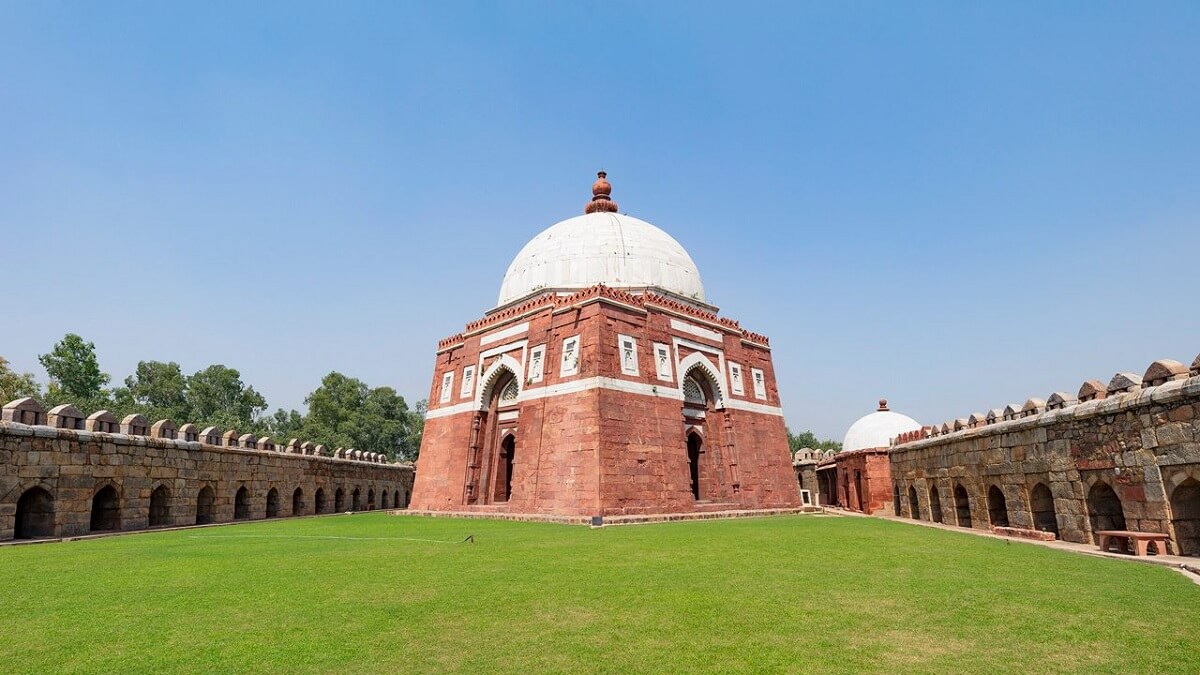
Nearest city: Delhi
Best for: Urban monsoon escape, overgrown ruins, photography
Within Delhi’s limits, Tughlaqabad Fort is among the city’s most atmospheric ruins. The fort, abandoned centuries ago, comes alive in the monsoon when moss overtakes its massive stone blocks, and grasses sway in the wind.
July is ideal for early morning or late afternoon walks through its eerie walls and watchtowers. It’s a great offbeat alternative to more famous monuments in the capital.
👉 Related Reads: Historical Monuments in Delhi
10. Raigad Fort – Maharashtra
Nearest city: Pune (~130 km)
Best for: History of Shivaji Maharaj, monsoon treks, misty peaks
Once the capital of the Maratha Empire, Raigad Fort sits high in the Western Ghats. A ropeway takes you over cloud-wrapped valleys, or you can trek through dense monsoon forests. The rains make the ruins and steps look more dramatic, and the story of Shivaji comes alive in the surrounding silence.
The Samadhi of Shivaji, the Queen’s Palace, and the Takmak Tok viewpoint are the must-see spots on a monsoon weekend.
Get Ready for Nature’s Magic – Explore MP’s Top Waterfalls Here!
11. Jaisalmer Fort – Rajasthan
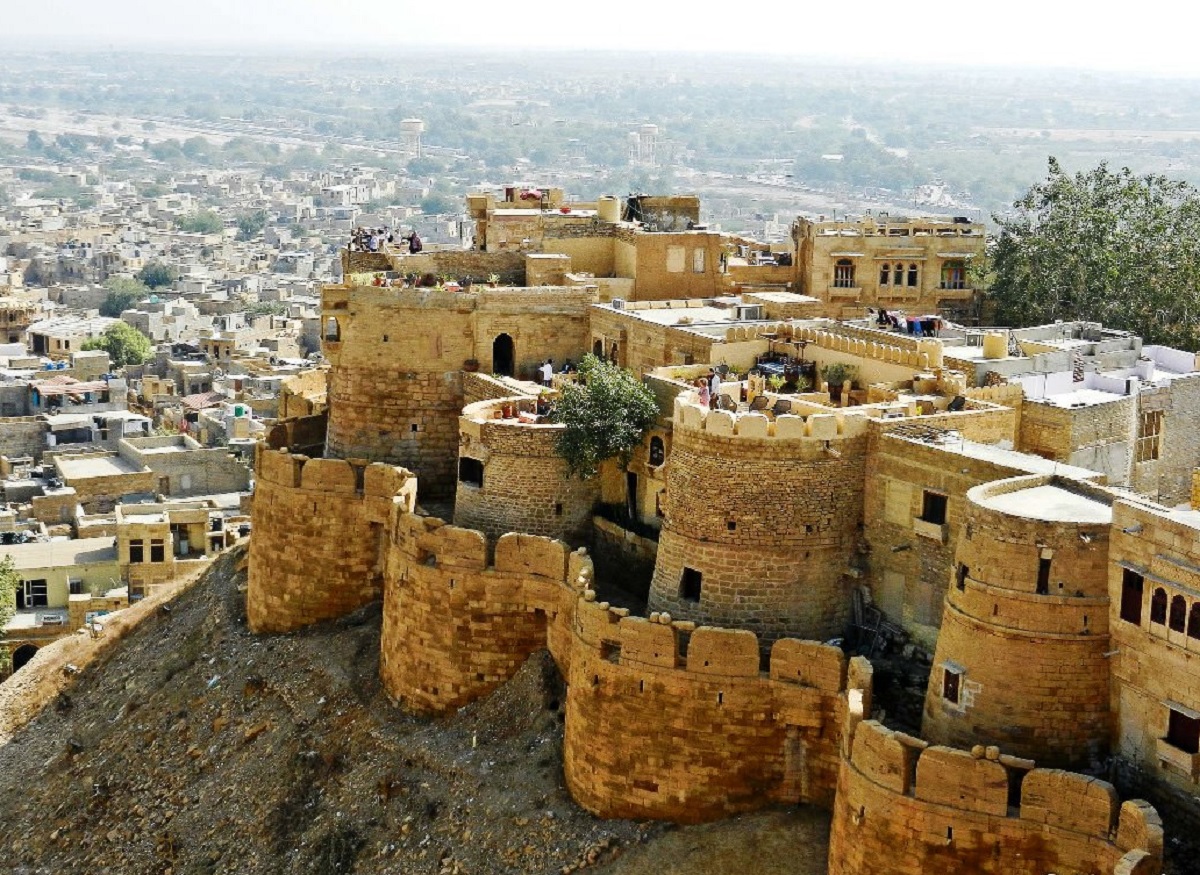
Nearest city: Jaisalmer
Best for: Monsoon desert hues, sand & stone contrast, cultural stays
The Golden Fort of Jaisalmer, made of honey-colored sandstone, seems to glow even more beautifully under stormy monsoon skies. Though the Thar gets light rainfall, the cooling breeze and change in landscape during July-August are refreshing.
This living fort, with homes, temples, and havelis within its walls, offers a unique rain-soaked cultural experience that few others can match.
👉 Related Reads: Jaisalmer February Guide
Final Thoughts
Exploring India’s historical forts during the monsoon is like walking into a forgotten epic — where history, rain, and nature merge into magic. From the Sahyadri jungles to the deserts of Rajasthan, these historical forts don’t just tell stories — they feel alive in the rain.
If you’re planning your monsoon escape, combine cultural heritage with weather-soaked beauty, and head to one of these unforgettable fort destinations.
You Might Also Like:
- Discover Gwalior’s Top Temples, Forts & Markets – Plan Your Cultural Escape!
- Compare Red Fort vs Agra Fort – Choose Your Perfect Historic Trip!
- Experience Red Fort Delhi – Top Things To Do for a Memorable Visit
- Reach Mehrangarh Fort with Ease – Follow This Simple Travel Guide
- Explore Junagarh Fort in Bikaner – Discover Its History & Attractions
- Visit Ranthambore Fort – Your Guide to This Historic Gem
- Plan a Rainy Weekend Getaway from Delhi – Explore July Trip Ideas!